Why Sistering Floor Joists Won't Fix Your Crawlspace Problem
I Walked This Oak Ridge Crawlspace Yesterday
SOMEONE HAD ALREADY DONE STRUCTURAL REPAIRS - BUT THE PROBLEMS KEPT COMING
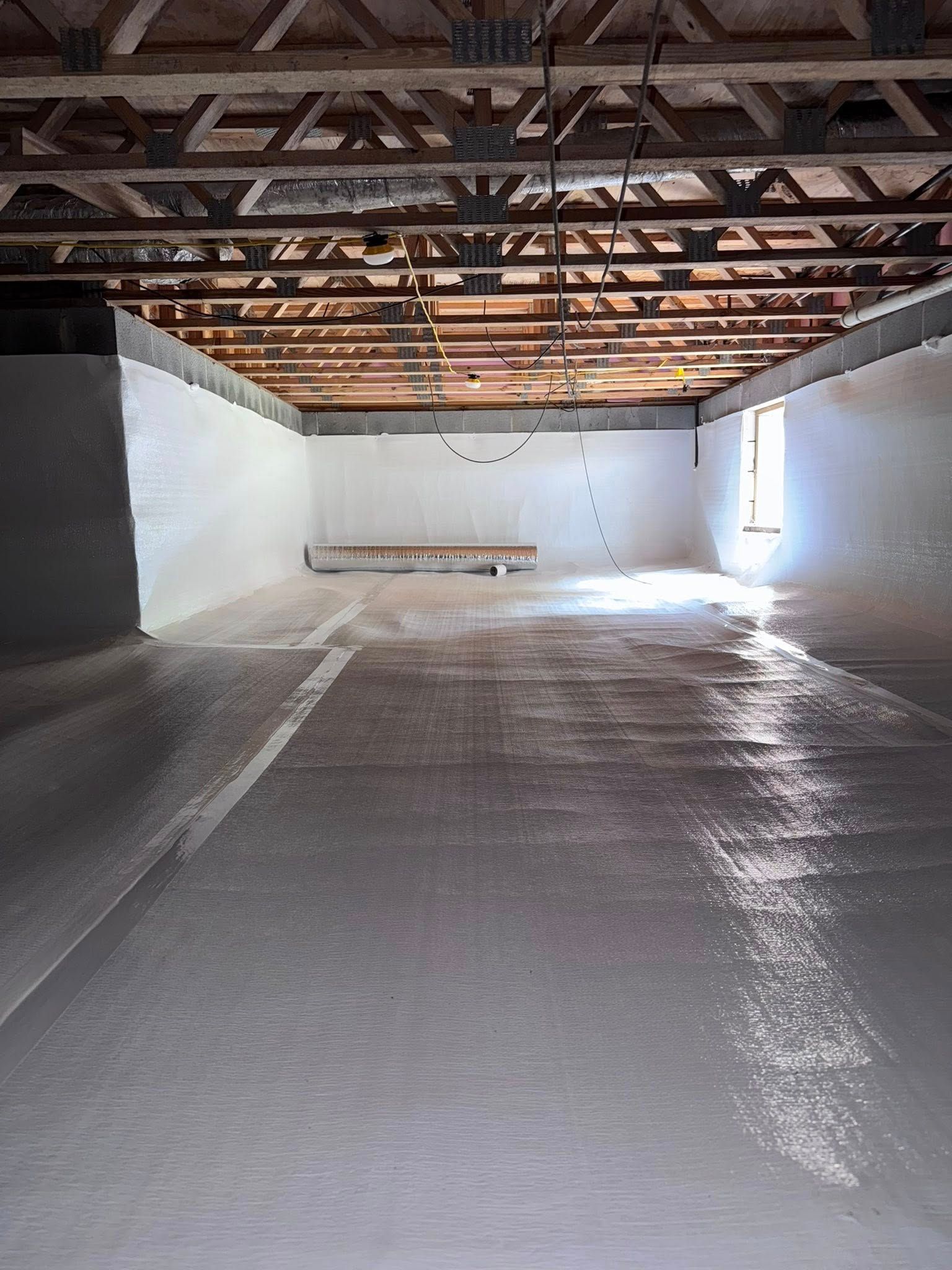
I was out in Oak Ridge yesterday looking at a crawlspace with a pretty big footprint. Lots of different areas where the crawlspace kicks out under different parts of the house.
When I got down there, I could see someone had already done work. Sistered joists. Supplemental beams running down the length of the space. All the stuff you do to support sagging floors and fix structural issues.
But there was fungal growth everywhere. Wood decay in multiple spots. Water collecting on both sides of the house.
Here's the problem - someone spent money fixing the structure. But they never fixed what was causing the structure to fail in the first place. The moisture.
So now? The customer has the same problems they started with, plus a few thousand dollars worth of structural repairs that are just going to fail again if they don't address the real issue.
This happens all the time. And it's why I always start by asking: What's causing this? Not just what needs to be fixed right now.
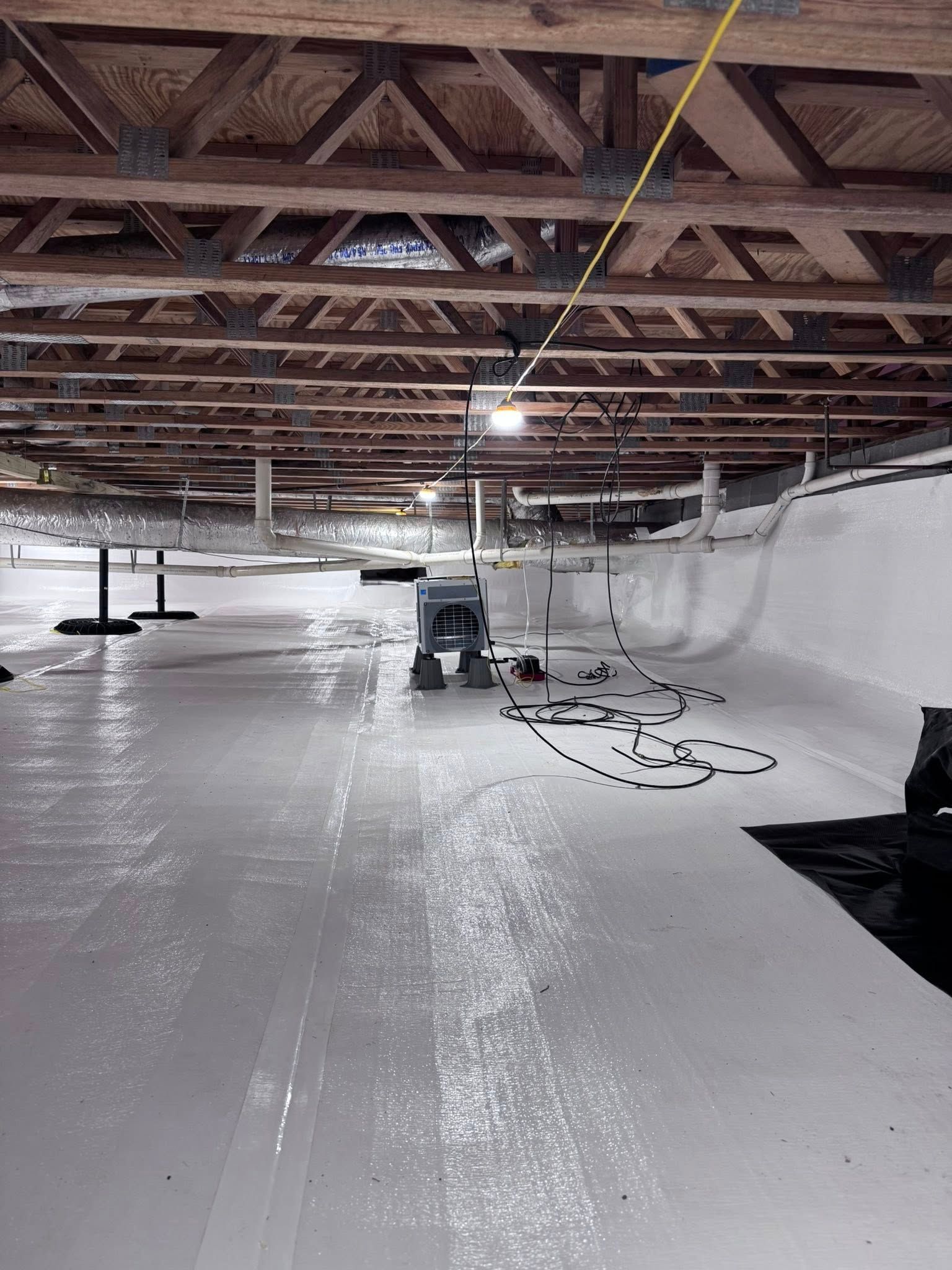
What I Found in This Crawlspace
Let me walk you through what I was looking at.
Multiple sistered joists. When a floor joist rots or sags, you can sister it - basically attach a new piece of wood alongside the damaged one to reinforce it. Someone had done this in several spots throughout the crawlspace.
Supplemental beams for support. There were beams installed to help carry the load where the floor structure was weak. Good fix for the immediate problem. But it doesn't stop new problems from developing.
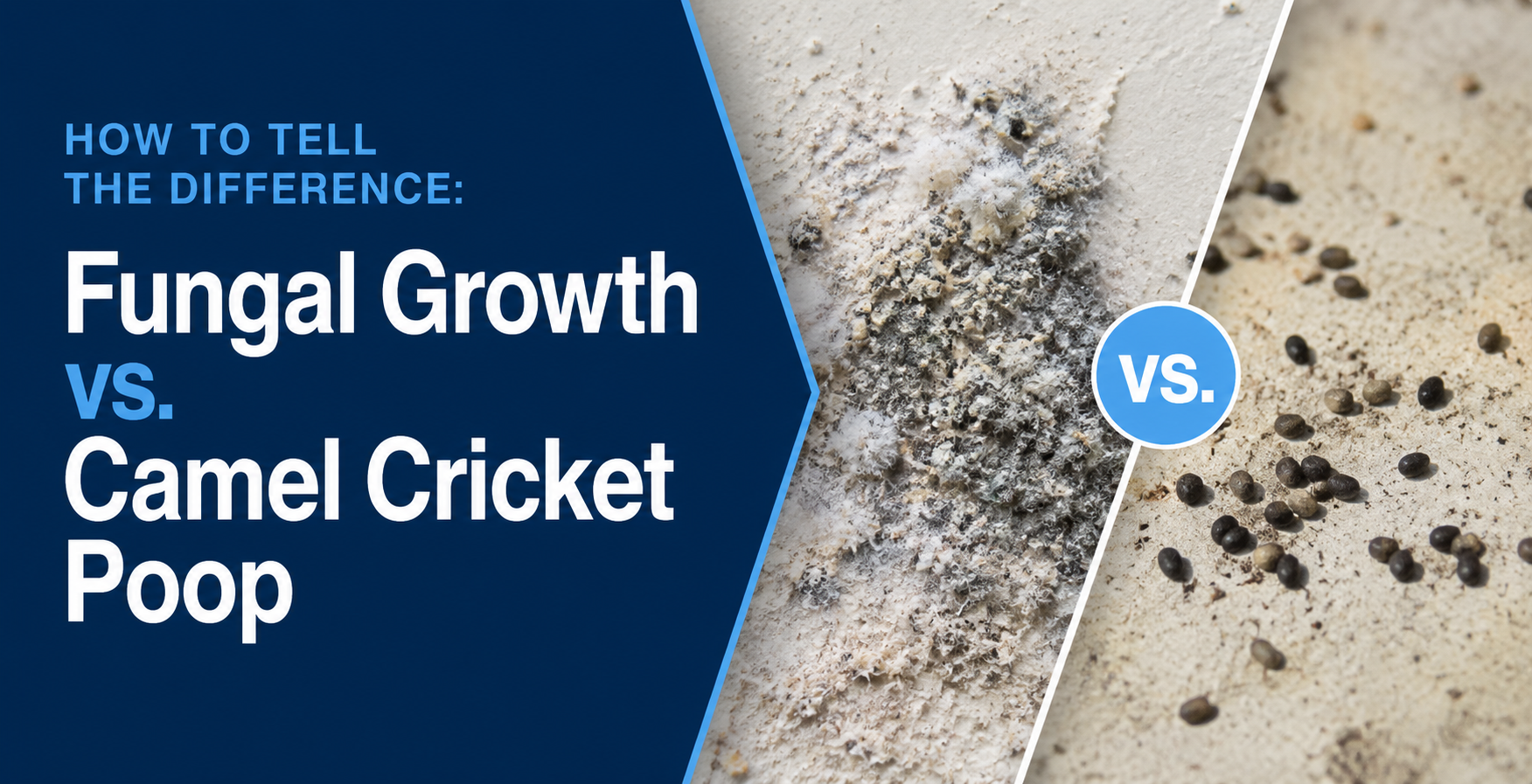
Fungal growth all over the subfloor. That white, fuzzy stuff you see on wood in damp crawlspaces. It means there's too much moisture and the wood is staying wet.
Active wood decay. Not just old damage - new rot happening right now. The wood is soft, breaking down, losing its strength.
Water intrusion on both sides of the house. I could see moisture collecting in different areas. No drainage system. Nothing to move that water away from the foundation.
This crawlspace has a big footprint with lots of corners and sections. That means lots of places for water to collect and cause problems. And right now, every one of those areas is dealing with moisture issues.
The Band-Aid Approach to Crawlspace Problems
Here's how it usually goes.
A homeowner notices their floors are bouncy or sagging. Maybe there's a soft spot when they walk across the room. So they call someone out to look at it.
The contractor goes under the house, sees a rotted joist, and says "We need to sister this." They do the work. Install the new support. The floor feels solid again. Problem solved.
For now.
Six months later, maybe a year, another spot starts to sag. Different area of the house. They call someone back out. Another joist needs sistering. Or maybe they need a support beam this time.
Each repair costs a few hundred bucks, sometimes more. And each time, it feels like you fixed the problem. The floor is solid again. Everything seems fine.
But you're just chasing failures. One repair after another. Because the moisture that caused the first joist to rot? It's still there. Still doing damage. Just in a different spot now.
I've walked crawlspaces where half the joists have been sistered over the years. Homeowners have spent thousands on structural repairs. And they still have bouncy floors and moisture issues because nobody ever addressed what was actually causing it.
That's the band-aid approach. It covers up the symptom for a while. But it doesn't fix anything.
Moisture Is the Real Enemy
Let me explain what's actually happening under your house.
Wood rots when it stays wet. Not just damp - consistently wet, with high humidity and poor airflow. When moisture levels stay above 60% relative humidity, fungal growth starts. That fungal growth breaks down the wood. Makes it soft. Weakens the structure.
In a crawlspace, moisture comes from a few places. Ground moisture evaporating up from the dirt. Water intrusion from rain runoff or poor grading. Sometimes plumbing leaks or HVAC condensation. All of that moisture gets trapped in the crawlspace with nowhere to go.
Your floor joists sit in that humid environment. They absorb moisture. They stay damp. And over time, they rot.
When you sister a joist, you're replacing the damaged wood. But you're not changing the environment. The new wood is sitting in the same damp crawlspace. Exposed to the same moisture. Eventually, it's going to have the same problem.
The structural damage is the symptom. Moisture is the disease.
You can keep treating symptoms all day long. But if you don't cure the disease, you're never actually going to get better.
What Happens When You Only Fix Structure
Let's say you sister a joist today. Costs you $500, maybe $800 depending on the job.
The floor feels great. Solid. No more bounce. You're happy with the work.
A year goes by. You notice another soft spot. Different part of the house. You call someone out. They find another rotted joist. Another $500 to fix it.
Another year. Another joist. Another repair.
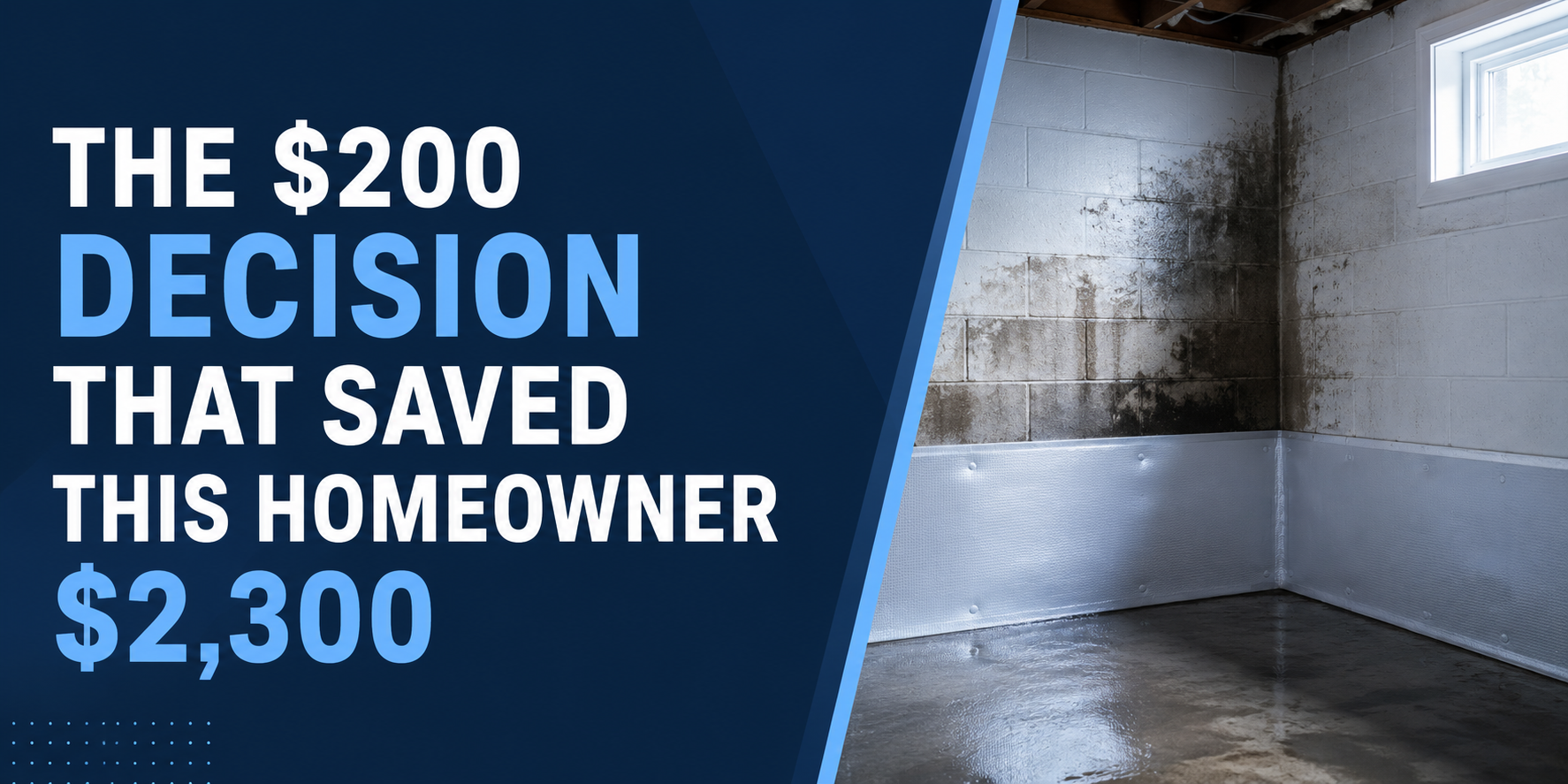
Over five years, you've spent $2,500 on structural fixes. Maybe more if you needed beams or posts. And you still have moisture in your crawlspace. You still have fungal growth. The problem isn't getting better - you're just constantly reacting to new failures.
Here's the kicker. All those repairs you already paid for? They're sitting in the same humid environment that caused the original problem. They're going to fail too. Maybe not this year, but eventually.
I see this all the time. Homeowners who've had three, four, five different structural repairs over the years. Different contractors. Different spots in the crawlspace. But nobody ever said "Hey, we need to deal with the moisture or this is just going to keep happening."
That's throwing good money after bad. You're not fixing your crawlspace. You're just buying a little more time before the next thing breaks.
The Right Way to Fix It
If you want to actually solve the problem, you have to start with moisture control.
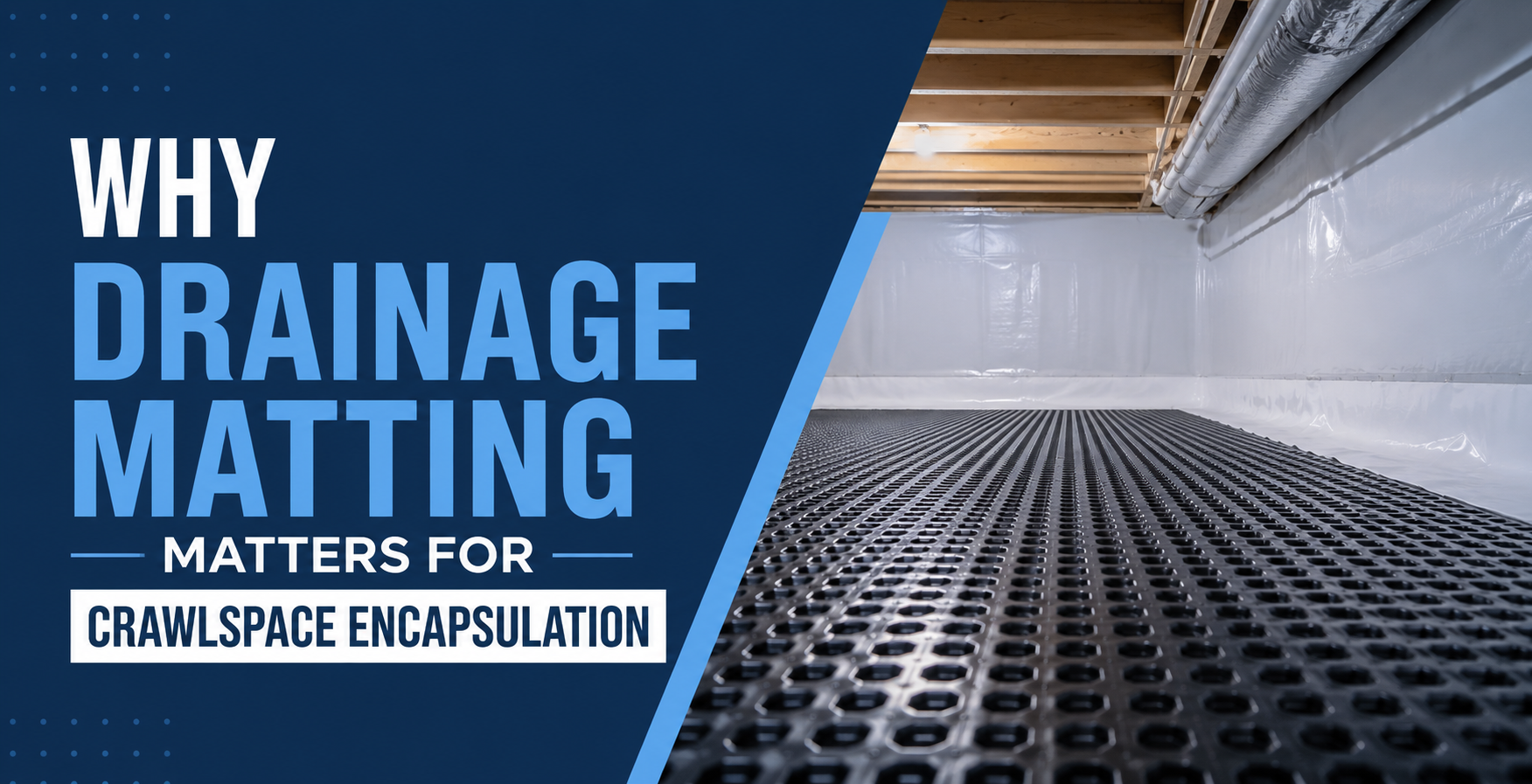
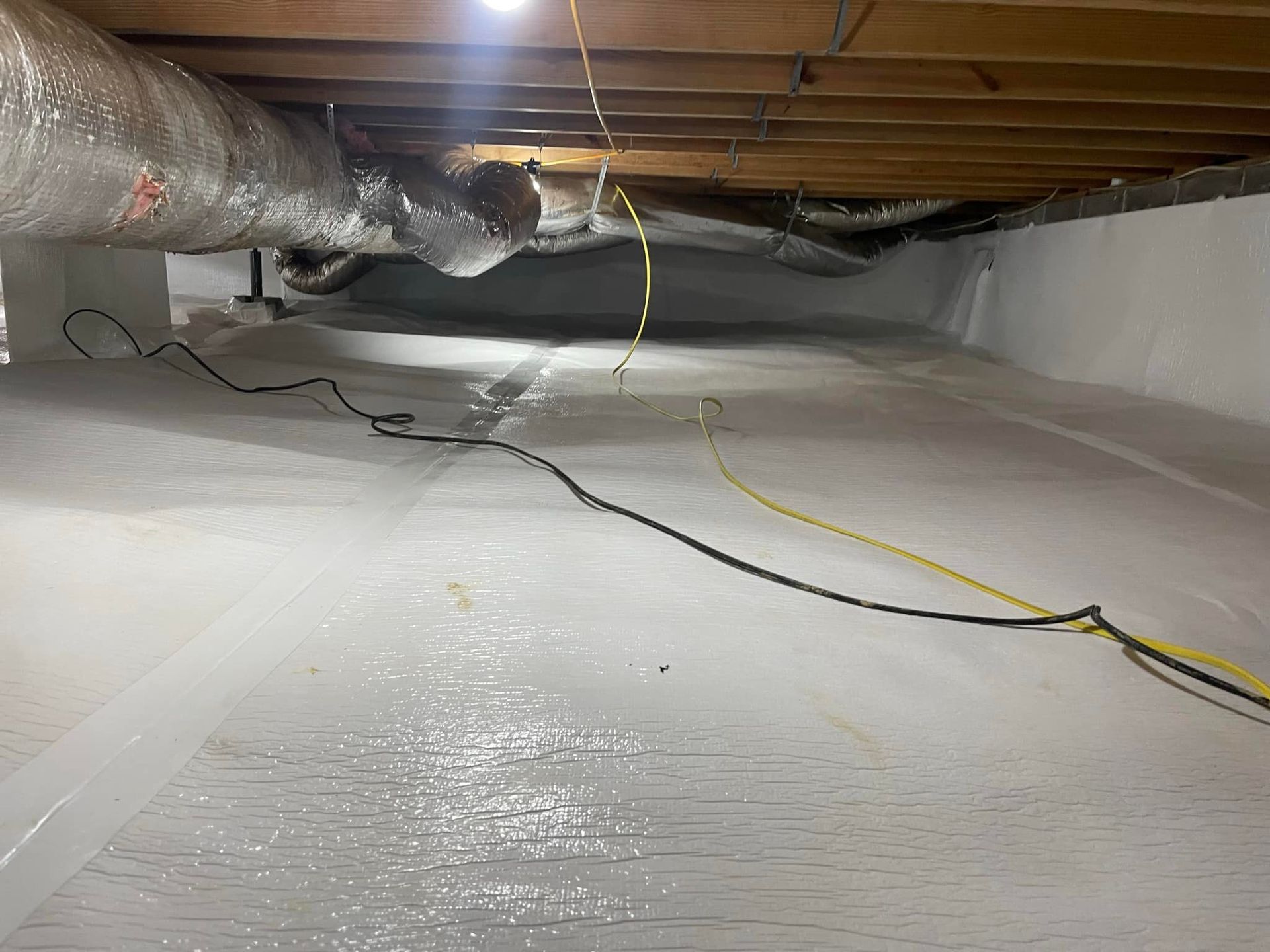
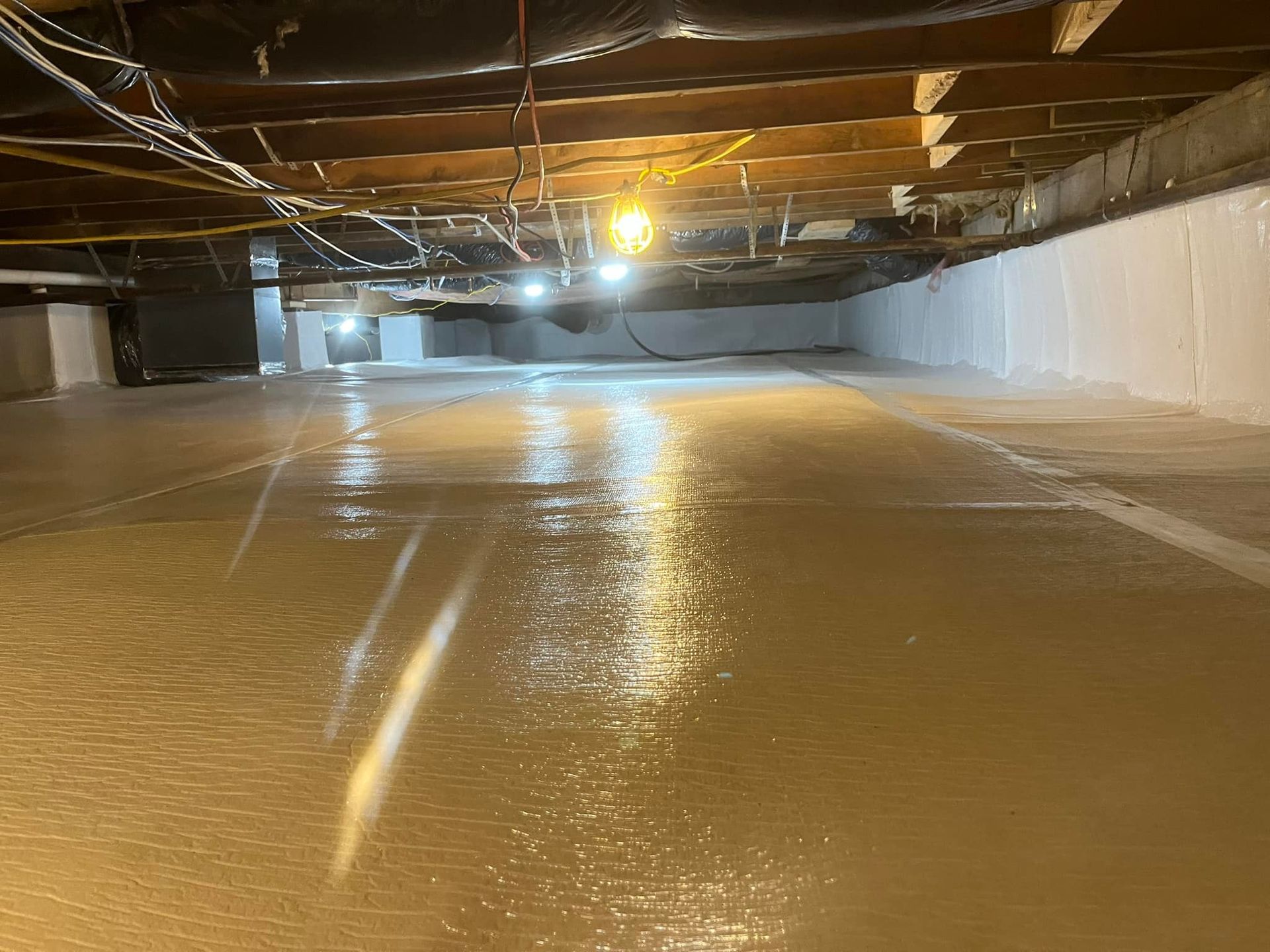
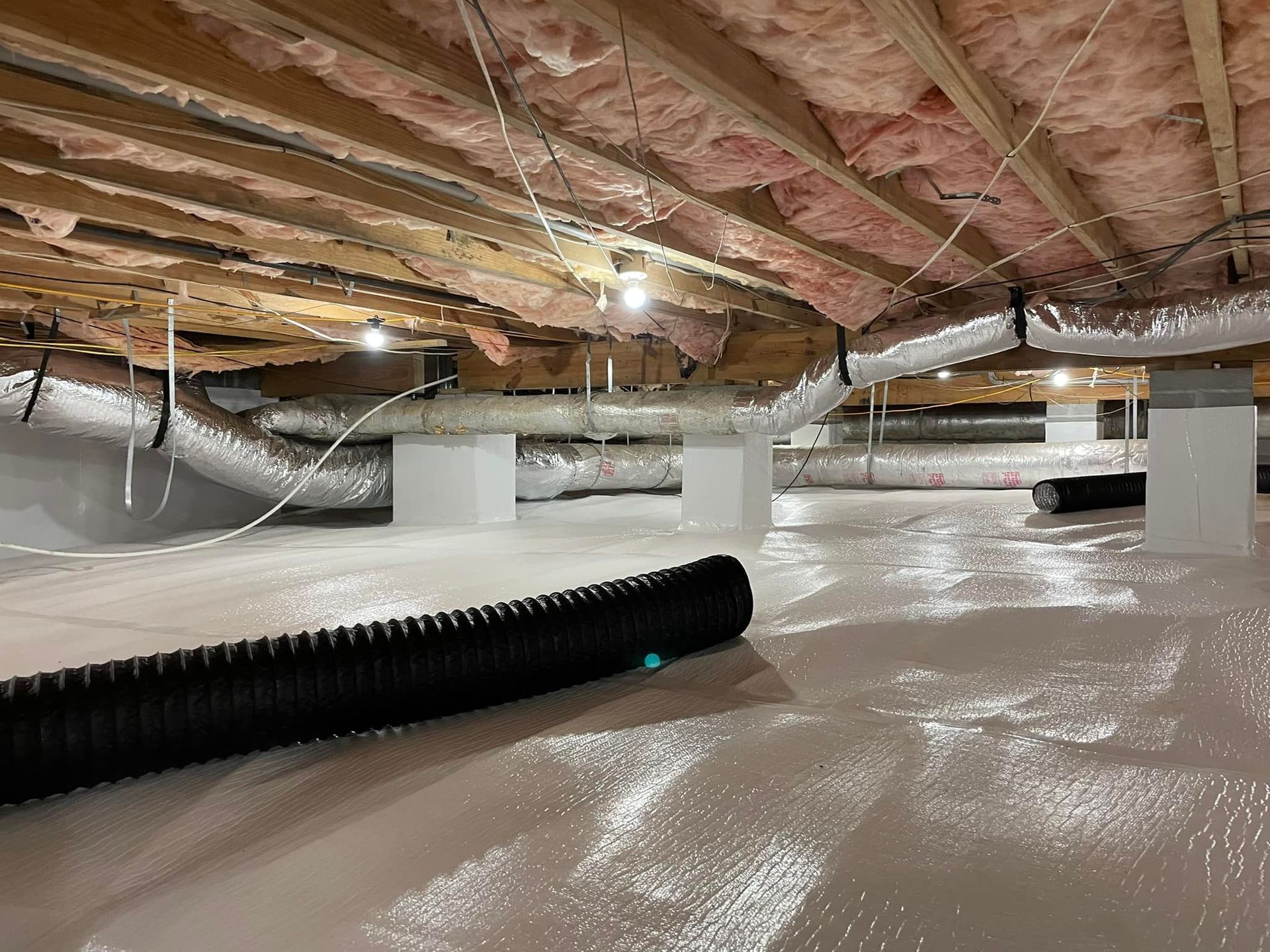
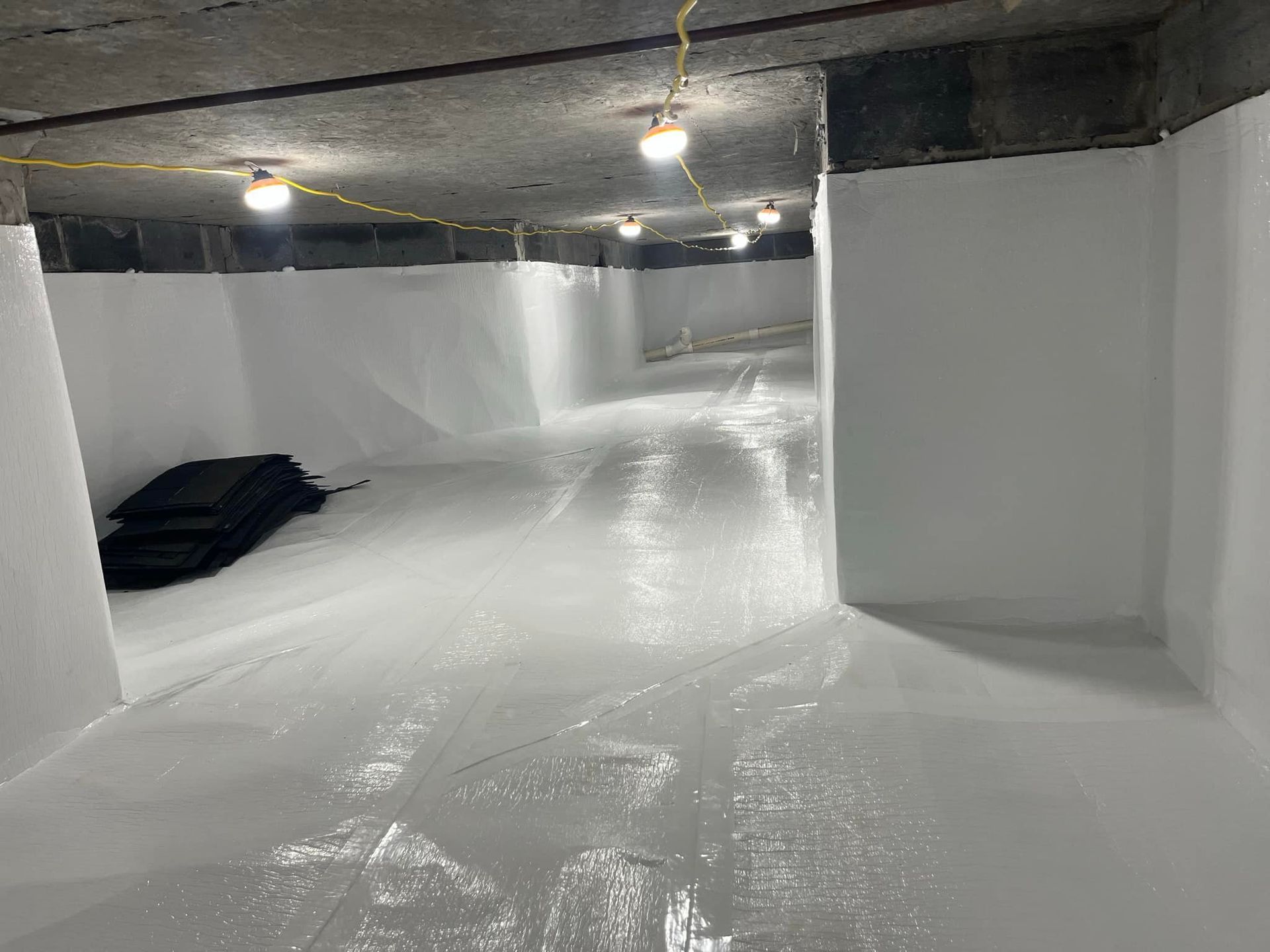
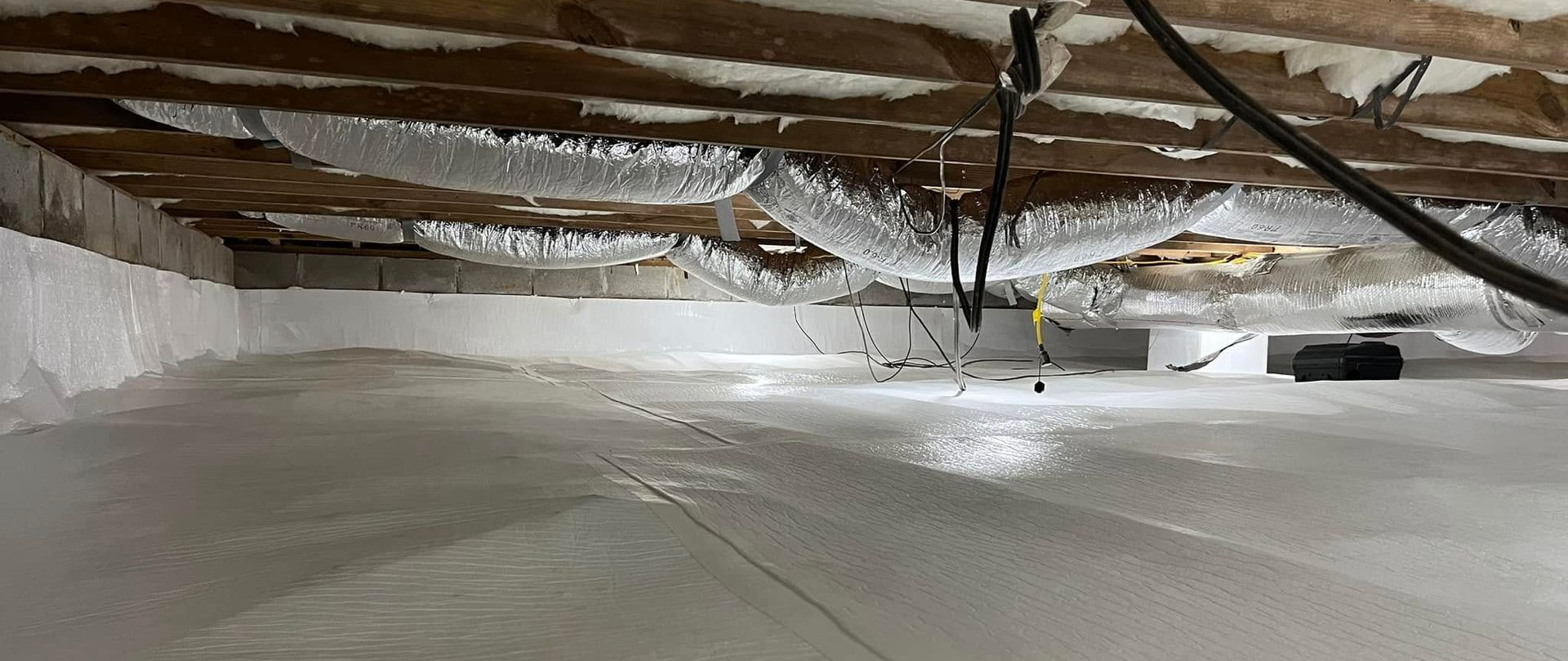
That means encapsulation. A proper vapor barrier on the ground to stop moisture from evaporating up from the dirt. Insulation on the foundation walls to control temperature. Sealing up the space so outside air isn't constantly bringing in humidity.
You need drainage. If water is collecting in your crawlspace, it has to go somewhere. That might mean a sump pump, perimeter drainage, or both depending on your situation. Get the water out and keep it out.
And you need a dehumidifier. Even with encapsulation and drainage, you still need something controlling the humidity levels. Keeping it below 60% so fungal growth can't happen and wood stays dry.
Once you control the moisture, then the structural repairs make sense. Sister the joists that are damaged. Add support where it's needed. But now those repairs are sitting in a dry, controlled environment. They're actually going to last.
That's the difference between a fix and a permanent solution. You're not just patching the damage. You're eliminating what caused the damage in the first place.
It costs more upfront than just sistering a joist. I'm not going to lie about that. But you're doing it once instead of over and over for the next ten years.
Stop Guessing What’s Wrong
If you've got sagging floors, bouncy spots, or you've already had structural repairs that didn't seem to fix things long-term, let's take a look.
I'll come out personally or send one of my managers. We'll do a full inspection of your crawlspace - structure and moisture. We'll show you what's going on down there and explain what's causing it.
No laptop presentations. No pressure to decide today. Just a clear explanation of what you're dealing with and what it takes to actually fix it.
We'll tell you if you need structural work, moisture control, or both. And we'll give you options that make sense for your situation and your budget.
You shouldn't have to keep fixing the same problems over and over. Let's get it right the first time.
Give us a call or send us a message. We'll get you on the schedule and figure out what your crawlspace actually needs.