You Probably Haven't Been in Your Crawlspace. Here's Why You Should
Three Major Problems in One Crawlspace
AND THE HOMEOWNER HAD NO IDEA ABOUT ANY OF THEM
I was out in Farragut yesterday looking at a crawlspace. Within the first five minutes, I found three major problems.
Wood rot so bad I could pinch pieces off with my fingers. A septic leak that made the whole space smell like a sewer. And a floor joist that HVAC installers had completely cut through - no support, nothing.
The homeowner had no idea any of this was happening.
And honestly? I'm not surprised. Most people have never been in their crawlspace. They bought the house, moved in, and never thought about it again.
Can't really blame them. It's dark, it's tight, and sometimes it smells terrible. Not exactly inviting.
But here's the problem - that's where major issues hide. Structural damage. Plumbing leaks. Problems that cost thousands to fix if they go too long.
This homeowner just replaced their HVAC system because the old one deteriorated from all the moisture down there. Now the new one's sitting in the same bad conditions. Without fixing the crawlspace, it's going to happen again.
That septic leak? Health hazard. The cut joist? Structural issue that could lead to sagging floors. The wood rot? Getting worse every day.
None of this gets better on its own. And if you don't look, you don't know.
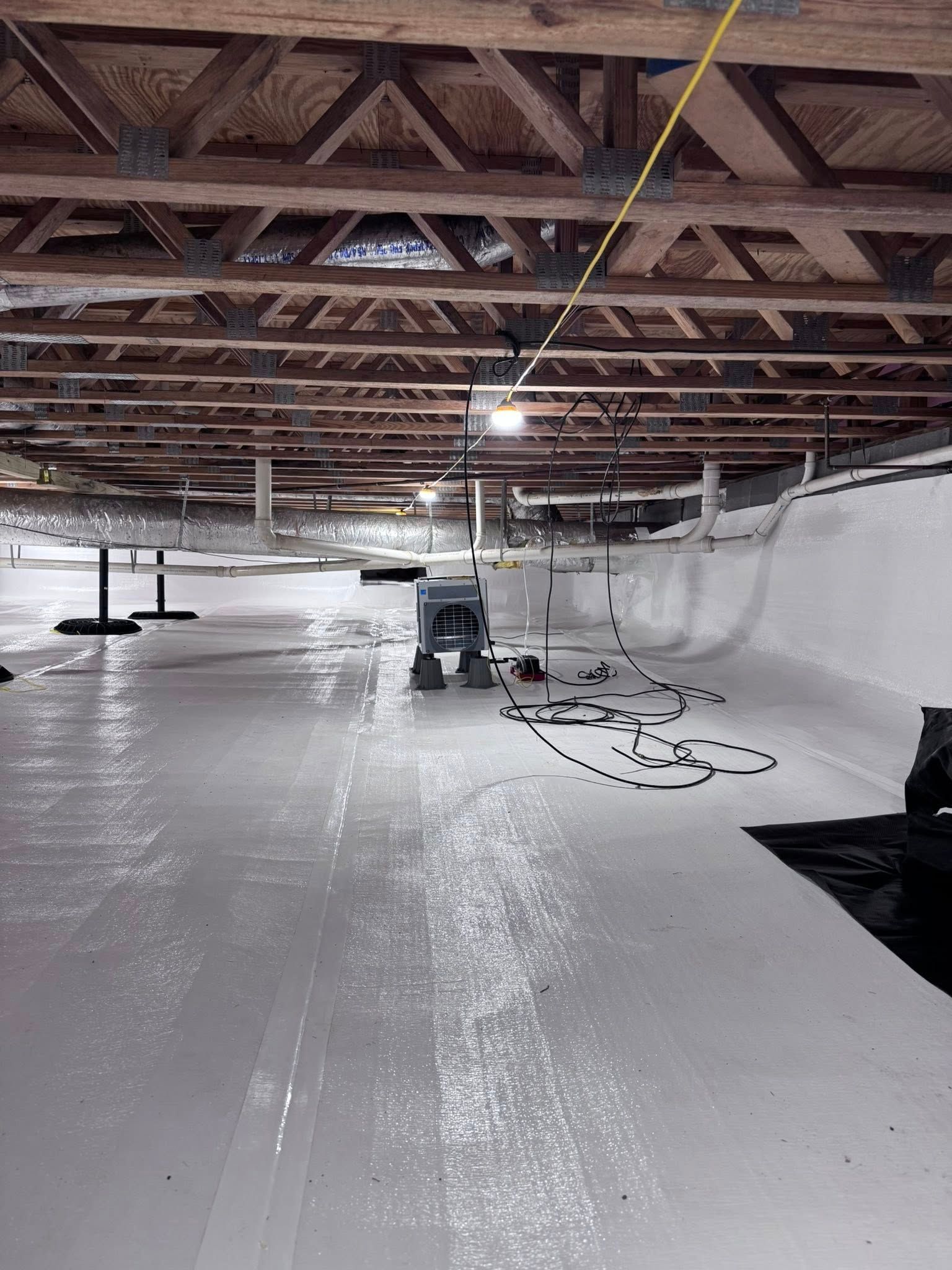
What I Found Under This House
Let me break down what was going on in this crawlspace. Each problem is bad enough on its own. Together? It's a mess.
The wood rot was serious. I'm talking about floor joists - the structural beams that hold up your house - literally falling apart. I could grab a piece and pinch it off like it was damp cardboard. That's advanced decay. That doesn't happen overnight.
Then there was the septic leak. The smell hit me as soon as I got down there. Sewage leaking into your crawlspace is not just disgusting - it's a legitimate health hazard. That's contaminating everything. And it's creating the perfect environment for more wood rot and mold.
The cut joist was the real kicker. HVAC installers had come in to replace the system and needed to run new ductwork. Instead of working around the floor joist or properly supporting it, they just cut a section completely out. Notched it right through and kept going.
That joist is structural. It's holding up the floor above it. You can't just remove part of it and call it good. It needs sistering or additional support. But they finished their job and left.
And now there's a brand new HVAC system sitting in a crawlspace full of moisture, sewage smell, and rotting wood. The old system failed because of the conditions down there. This one's headed the same direction unless something changes.
These problems didn't exist in isolation. They fed off each other. The moisture made the wood rot worse. The septic leak added more moisture and contamination. The structural damage from the cut joist put more stress on already-weakened wood.
That's how crawlspace problems work. They compound.
Why These Problems Go Unnoticed
Most homeowners have never been in their crawlspace. Not once. They've lived in the house for five, ten, even twenty years, and never opened the door.
I get it. Crawlspaces aren't pleasant. They're cramped, dark, and dirty. Sometimes there are spiders. Sometimes it smells bad. It's not a place you want to hang out.
So people don't think about it. Out of sight, out of mind.
The problem is, that's exactly where serious issues hide. And they don't announce themselves until they've gotten really bad.
You're not going to wake up one morning and think, "I should check if my floor joists are rotting." You're not going to smell a septic leak from upstairs until it's been going on for months. You're not going to know about a cut joist until an inspector finds it or your floor starts sagging.
By the time these problems become obvious, you're looking at major repairs.
Most people only find out about crawlspace issues in three situations. When they're selling the house and the buyer's inspector flags something. When they start noticing problems upstairs - soft spots in the floor, doors that won't close right, persistent musty smells. Or when they finally have someone down there for another reason and discover the damage.
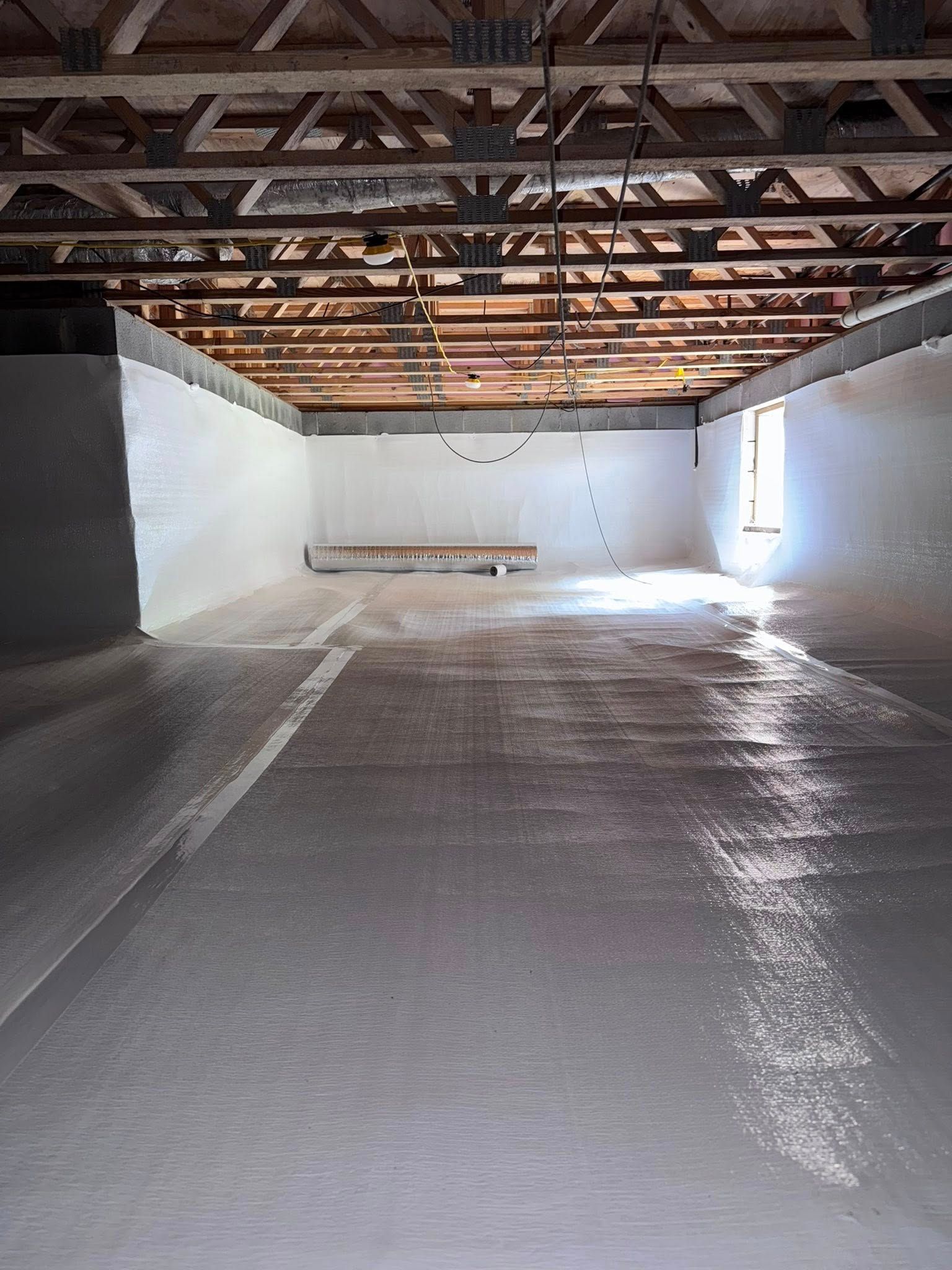
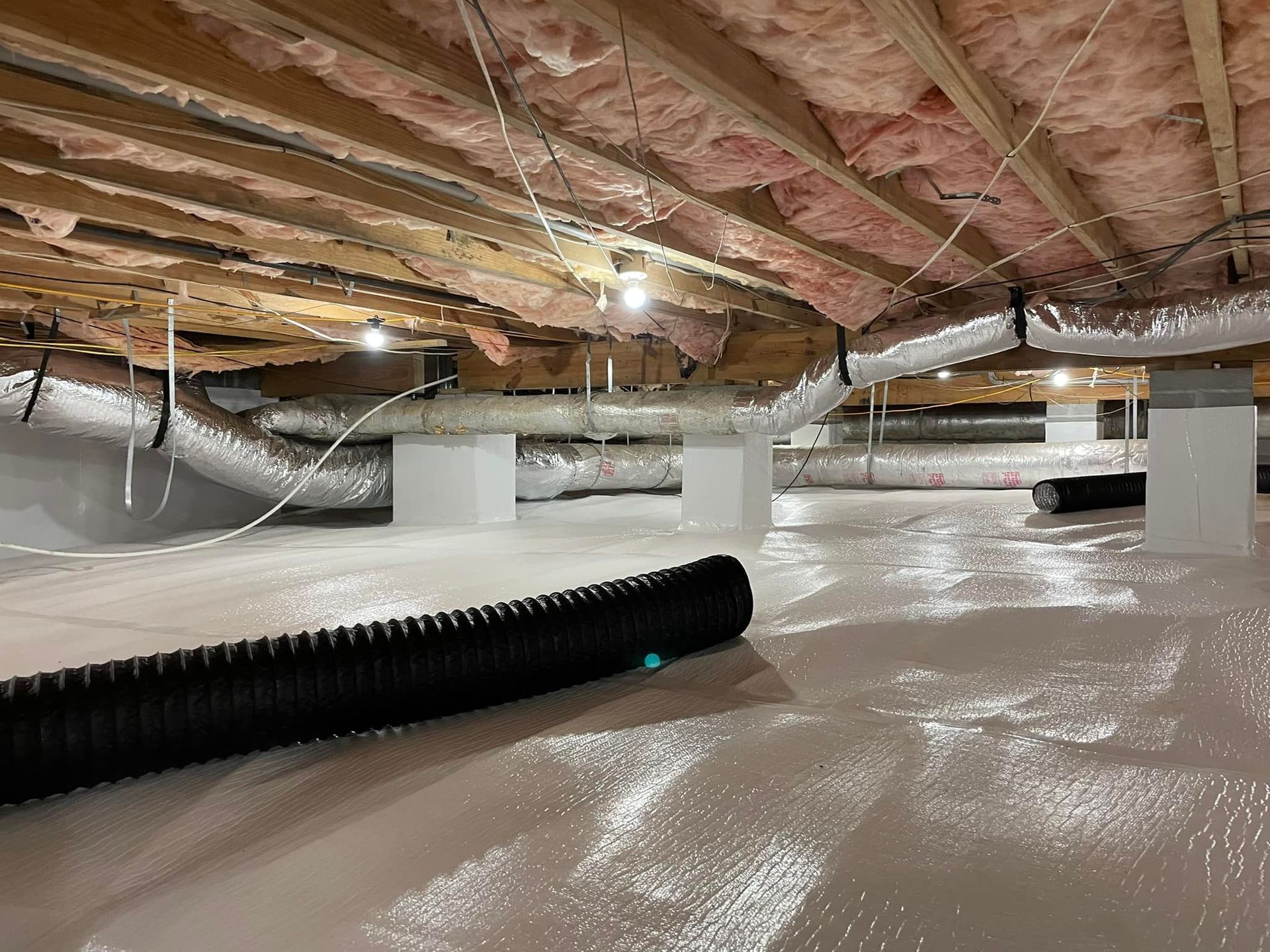
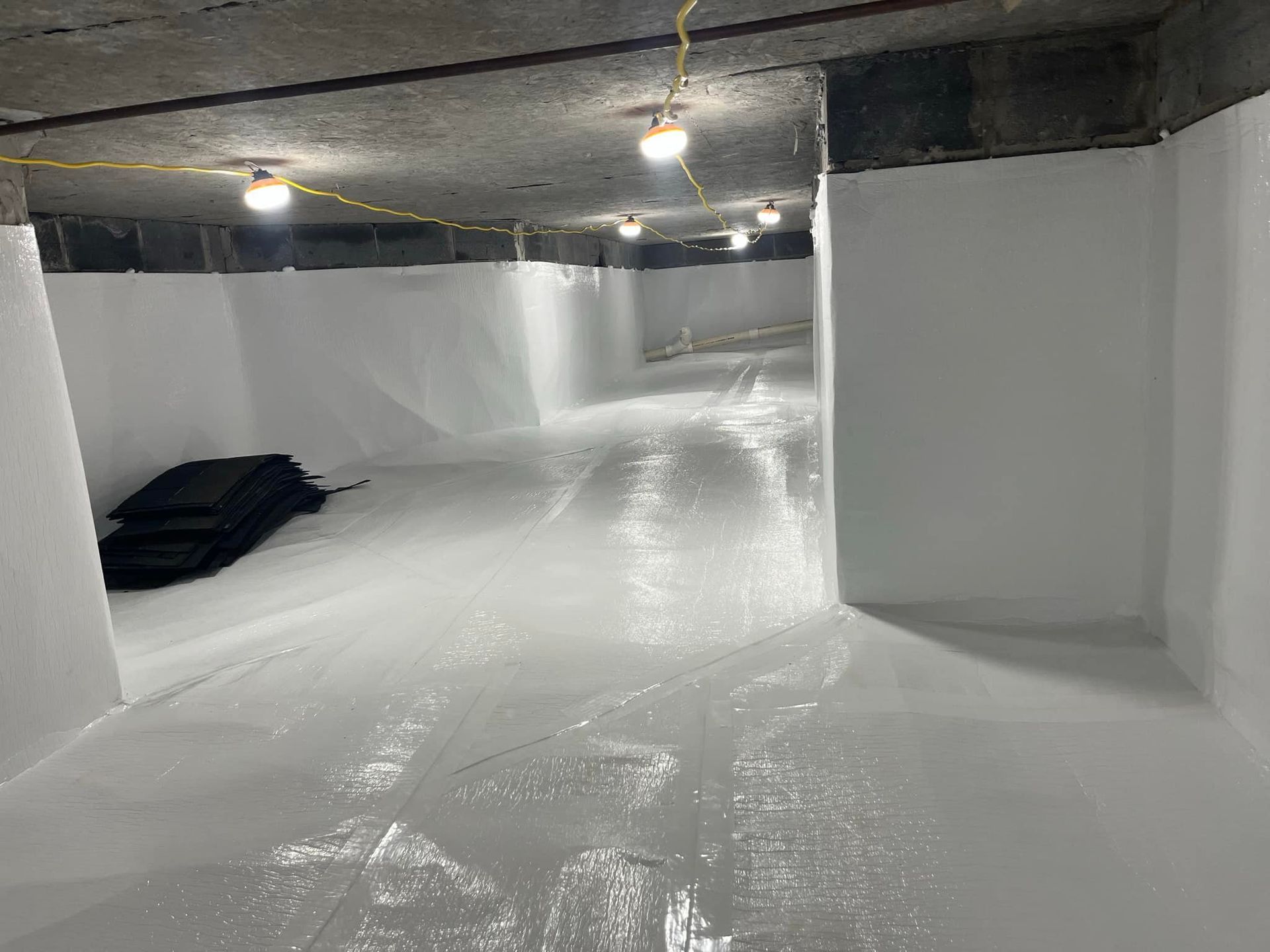
That's what happened here. This customer called me out to look at encapsulation. They wanted to protect their new HVAC system. If they hadn't done that, they still wouldn't know about the septic leak or the structural issues.
And those problems would keep getting worse.
The Real Cost of Not Looking
Let's talk about what these hidden problems actually cost you.
That septic leak isn't just gross - it's a health hazard. Sewage contains bacteria and pathogens. It's contaminating the crawlspace, and about 40-50% of the air in your house comes from down there. You're breathing that.
The wood rot is compromising the structural integrity of the house. Those floor joists hold everything up. When they start failing, you get sagging floors, cracks in walls and ceilings, doors that won't shut properly. The longer it goes, the more joists get affected, and the more expensive the fix becomes.
That cut joist is a ticking time bomb. Right now, the surrounding structure is compensating. But that floor is under stress it wasn't designed to handle. Eventually, something's going to give. Could be a year, could be five years. But it's not a question of if - it's when.
And that new HVAC system? It's sitting in the same conditions that destroyed the old one. High moisture accelerates rust and corrosion. The unit works harder in humid conditions. The lifespan gets cut in half or worse. They just spent thousands on new equipment that's already on borrowed time.
Small problems don't stay small in crawlspaces. They multiply. A little moisture becomes a lot of moisture. A small section of rot spreads to other joists. One issue creates the conditions for three more.
The cost of ignoring your crawlspace isn't just the eventual repair bill - though that's bad enough. It's the health impact. The shortened lifespan of your equipment. The damage to your home's structure. All preventable if you catch it early.
What a Proper Crawlspace Inspection Covers
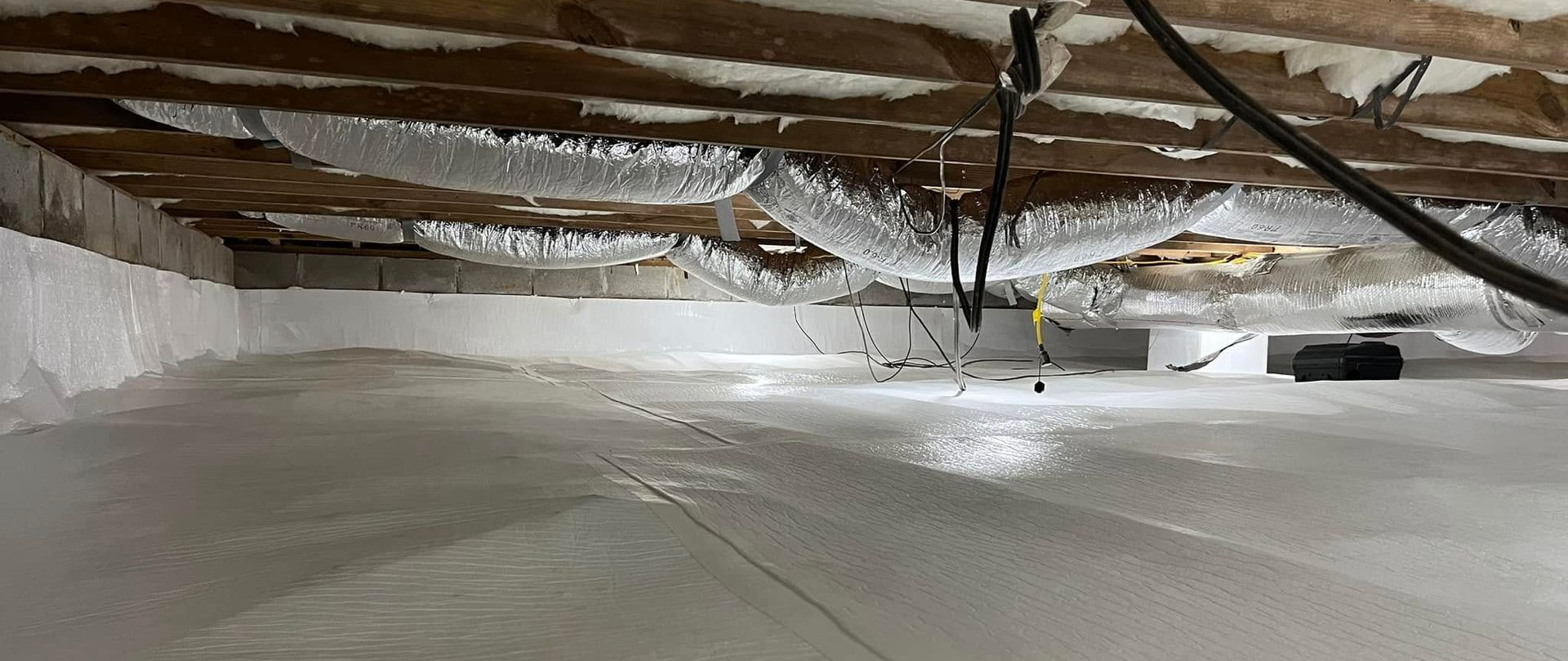
When I inspect a crawlspace, I'm not just looking at one thing. I'm checking the whole system.
Structural integrity comes first. I'm looking at floor joists, beams, and supports. Checking for rot, damage, or modifications like that cut joist. Making sure everything that's supposed to be holding up your house is actually doing its job.
Moisture and water intrusion. Where's it coming from? Standing water, condensation on ducts, foundation seepage, plumbing leaks. What's the humidity level? Is the vapor barrier intact or even there at all?
Plumbing and septic issues. I'm looking for leaks, failed connections, damaged pipes. Like that septic leak in this crawlspace - something most people would never find until it became catastrophic.
HVAC installation and ductwork. Is it properly supported? Are the ducts sealed or just leaking conditioned air into the crawlspace? Is the installation creating problems or solving them?
Insulation and ventilation. What's installed, where is it, and is it doing any good? A lot of times I find insulation that's fallen down or was installed incorrectly from day one.
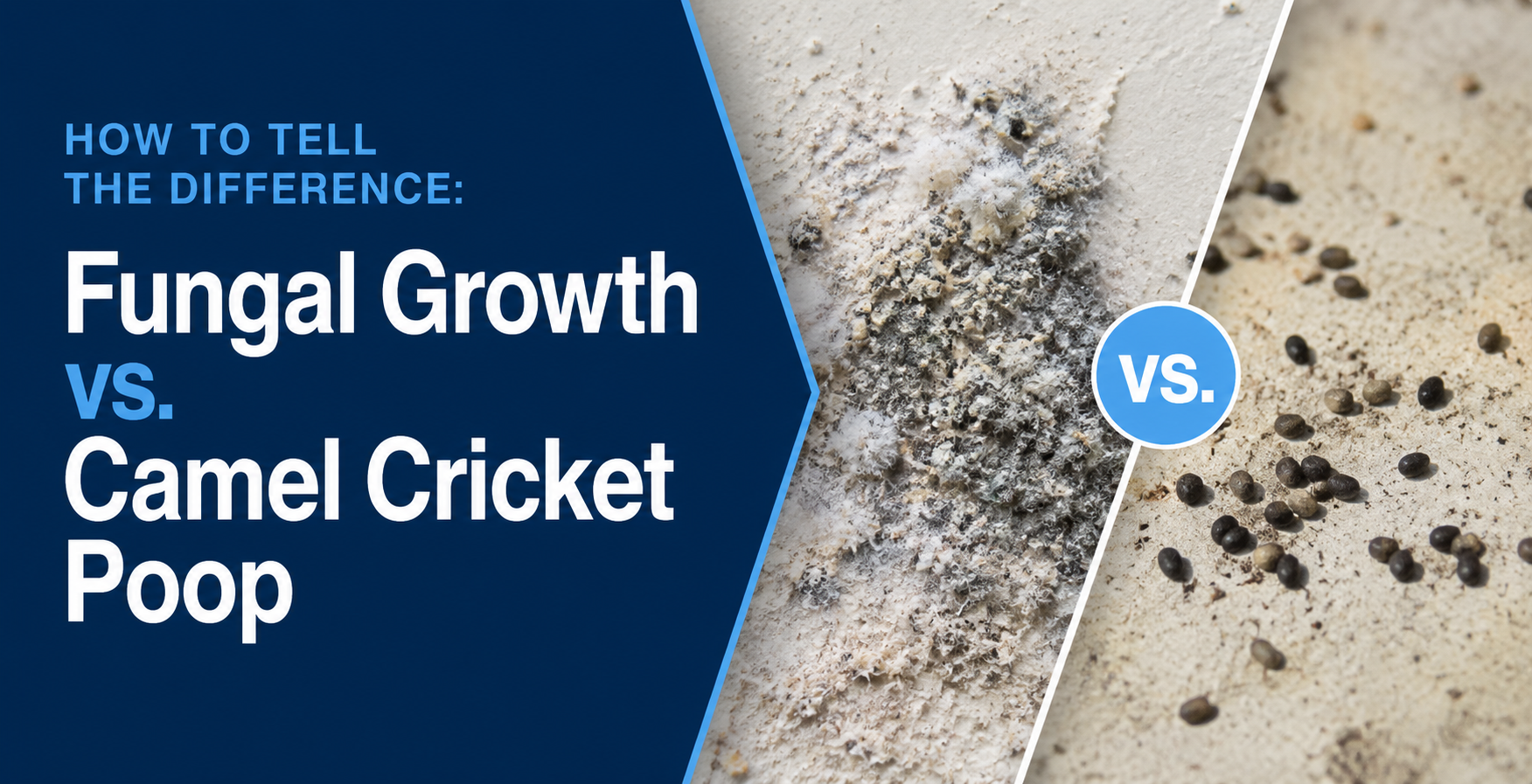
Signs of pests or rodents. Droppings, nests, damage to insulation or vapor barriers. These aren't just nuisances - they can indicate entry points and ongoing problems.
The point is to get the full picture. Because problems in crawlspaces are connected. You can't just fix one thing and ignore the rest. You need to understand what's actually happening down there before you can solve it.
How Often Should You Actually Check
So how often do you really need to get down there and look?
If you just bought a house, get it inspected within the first year. I don't care if the home inspector said everything was fine. They're doing a quick walk-through of the whole house. I'm spending real time in the crawlspace looking at details they might miss.
For older homes, every two to three years minimum. Things change. Plumbing develops leaks. Wood deteriorates. Conditions shift. What was fine three years ago might not be fine now.
After any major work - HVAC replacement, plumbing repairs, foundation work - always check. Like this house. Those HVAC guys cut a joist and left. If nobody goes down there after contractor work, you won't know what shortcuts they took.
Before you sell, don't wait for the buyer's inspector to find problems. Get ahead of it. Know what's down there so you can address it or at least price it honestly. Nothing kills a sale faster than surprise crawlspace issues during inspection.
And if you notice changes upstairs - musty smells, soft spots in floors, doors sticking, increased humidity - get someone down there immediately. Those are symptoms of crawlspace problems.
You don't need to be down there every month. But pretending it doesn't exist? That's how you end up with situations like this one.
Know What’s Happening Under Your Home
If you haven't had your crawlspace checked in years - or ever - let's change that.
We'll come out and do a full inspection. Document everything we find. Show you exactly what's going on down there.
No pressure. No games. Just information so you can make good decisions about your home.
Maybe everything's fine. Maybe we find small issues you can address before they become big ones. Maybe we find something serious that needs immediate attention.
Either way, you'll know. And that's better than not knowing.
Give us a call or send us a message. We'll get you on the schedule and take a look. Let's make sure you actually know what's happening under your house.