How to Tell the Difference: Fungal Growth vs. Camel Cricket Poop
I See This Misidentified All the Time
HERE'S WHAT THOSE BLACK DOTS REALLY ARE
I was in a crawlspace yesterday - older house, probably built in the '70s - and saw something I see all the time.
Black dots all over the wood. Hundreds of them.
I can't tell you how many times I've seen inspection reports with pictures of these exact dots labeled as "severe mold contamination." Then the homeowner gets a quote for $15,000 or more in remediation.
But those black dots? That's not mold. That's camel cricket poop.
Now, before you think I'm saying there's no problem - hold on. If you've got camel crickets living in your crawlspace, you definitely have issues. But knowing what you're actually dealing with makes a huge difference in how we fix it and what it's going to cost you.
This happens because a lot of people doing inspections - whether it's home inspectors, pest control, or HVAC techs - don't spend enough time in crawlspaces to know the difference. They see black spots, assume the worst, and suddenly you're looking at a massive quote for a problem that isn't quite what they think it is.
Let me show you what's actually going on down there.
What Camel Cricket Poop Actually Looks Like
Those black dots are small and they're everywhere. You'll see them on the floor joists, on the subfloor, sometimes on the foundation walls. They show up in clusters and patterns.
Here's what's happening. Camel crickets eat the fungal growth on the wood. Then they poop it back out. That poop helps grow more fungal growth. So you've got this whole little ecosystem - the crickets eating the fungus, pooping it out, growing more fungus, eating that, and on and on.
Fungal growth itself looks different. It's fuzzy or discolored patches on the wood. Sometimes white, sometimes greenish, sometimes just darker spots where the wood is stained. It doesn't look like individual dots. It's more spread out and uneven.
The cricket poop is distinct. Small black dots. Concentrated in areas where the crickets are active. Once you know what you're looking for, it's pretty easy to tell the difference.
But if you're not in crawlspaces regularly, I get why people mix them up. In a photo, those black dots can look alarming.
Why Camel Crickets Are in Your Crawlspace
Camel crickets live in dark, damp places. Think caves. That's actually why some people call them cave crickets.
Your crawlspace, if it's got moisture issues, is basically a cave to them. It's dark. It's damp. There's fungal growth to eat. Perfect habitat.
So when I see camel crickets, I know there's a moisture problem. These things don't show up in dry, well-controlled crawlspaces. They need that humidity to survive.
Older houses like this one from the '70s? They almost always have them. Back then, nobody was thinking about vapor barriers or dehumidifiers. These crawlspaces were built to be vented, which doesn't actually work in our climate. So you get moisture, you get fungal growth, and you get crickets.
The crickets themselves aren't the problem. They're just taking advantage of the environment. But their presence tells me exactly what I need to fix.
How This Gets Misidentified
Here's usually how it happens.
Someone comes through your crawlspace - home inspector during a sale, pest control doing a termite inspection, HVAC tech checking your ducts. They're down there with a flashlight and they see all these black dots on the wood.
They take a picture. Send it to the homeowner. "You've got mold."
And I get it. If you don't know what camel cricket poop looks like, those dots do look concerning in a photo. Especially when there's hundreds of them.
But a lot of these folks aren't crawlspace specialists. They're good at what they do - inspecting homes, treating for pests, fixing HVAC systems. But they're not down in crawlspaces every single day like I am.
So they see something that looks bad and they report it as mold. Sometimes it's honest mistake. Sometimes, honestly, I think people see an opportunity to upsell remediation work or refer you to someone who'll give them a kickback.
Either way, the homeowner ends up panicked and getting quotes that are way more than what they actually need.
Why the Difference Matters
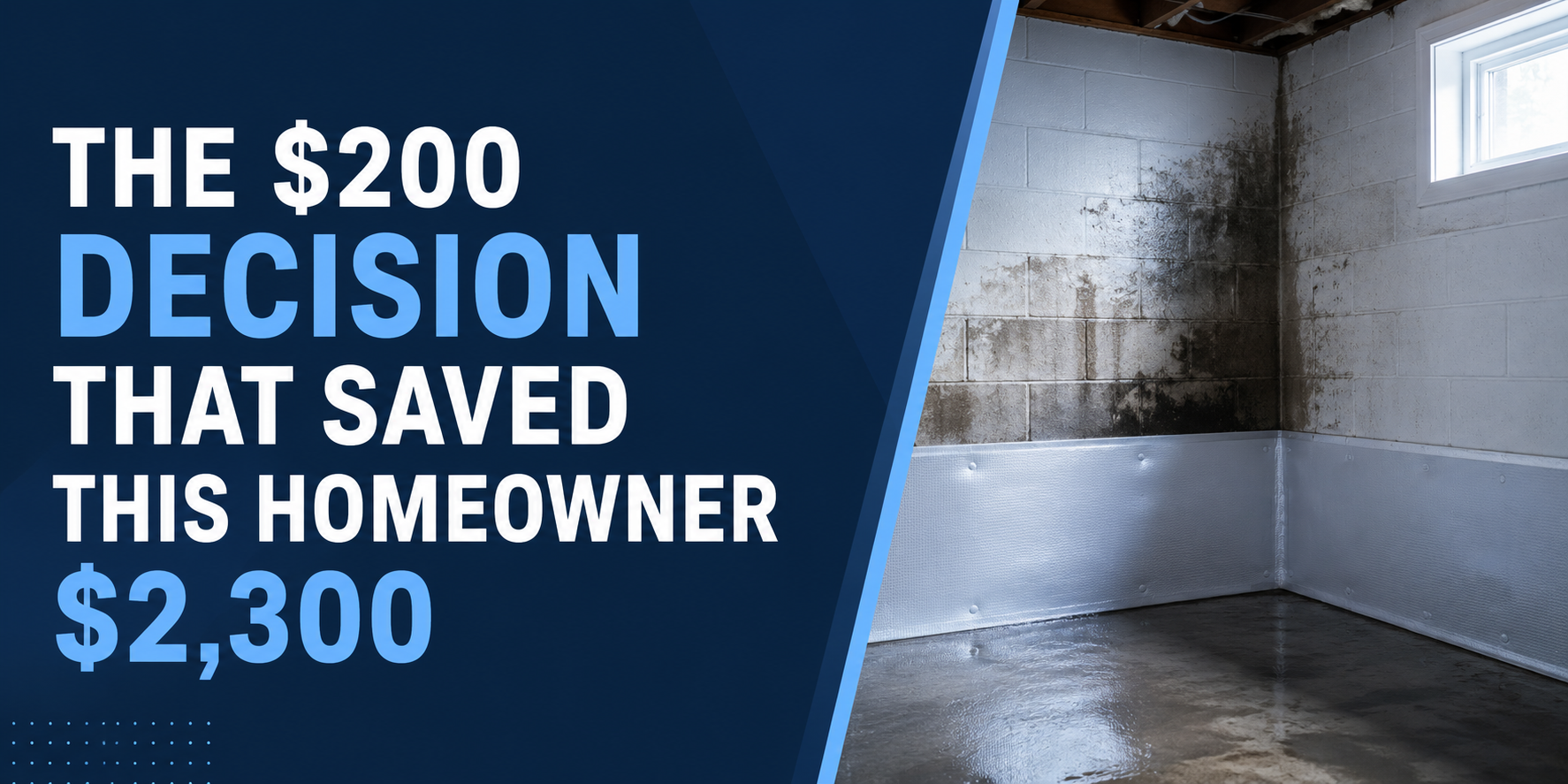
If someone tells you those black dots are mold and you need $15,000 in remediation, that's a problem.
Because treating camel cricket poop like it's a massive mold contamination means you're going to pay for work you don't need. Maybe they're talking about tenting off the area, bringing in special equipment, wearing hazmat suits. That's overkill for what's actually there.
Don't get me wrong - you do have fungal growth if you have the crickets. That's what they're eating. And you definitely need to address the moisture that's causing it.
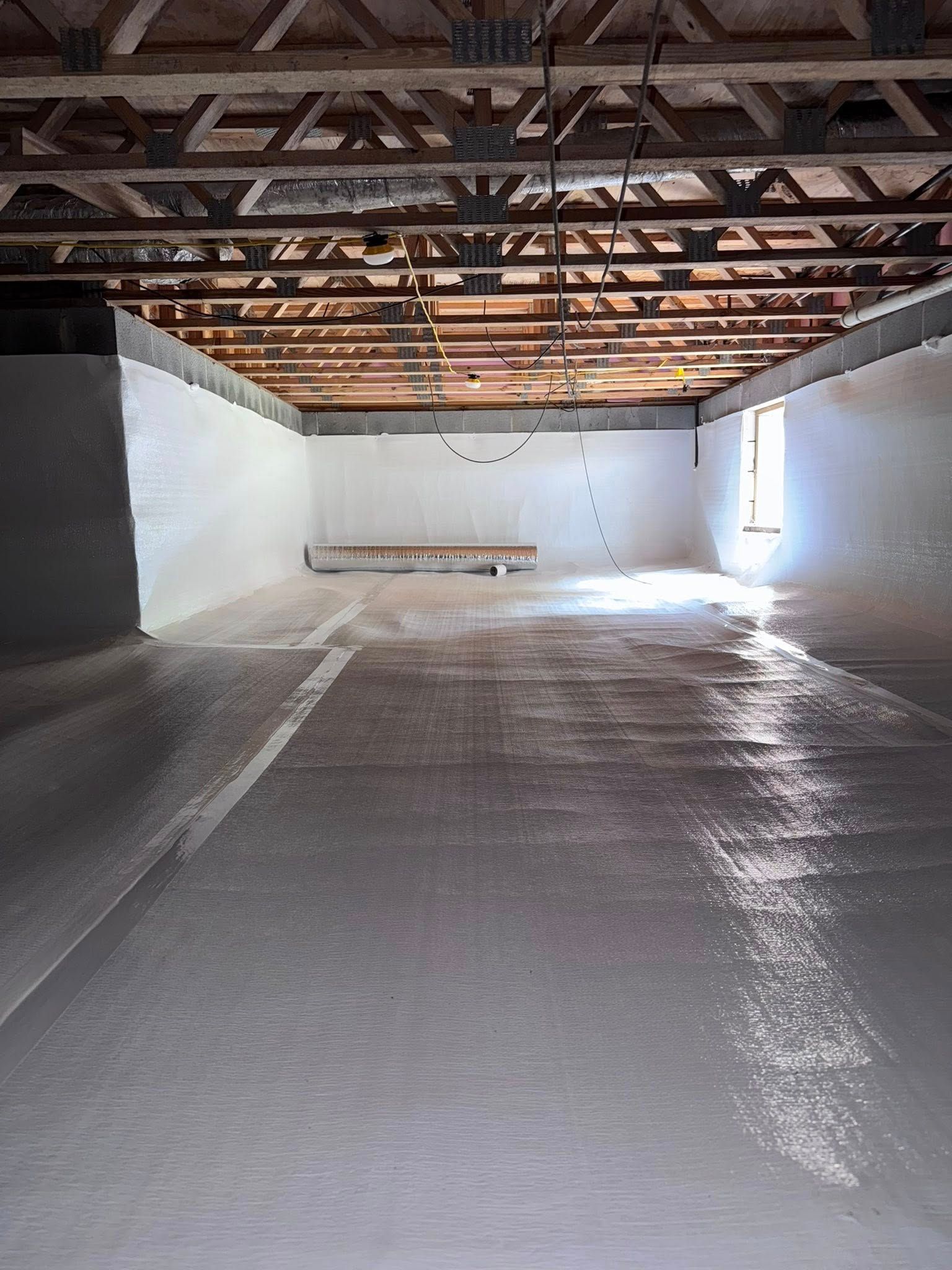
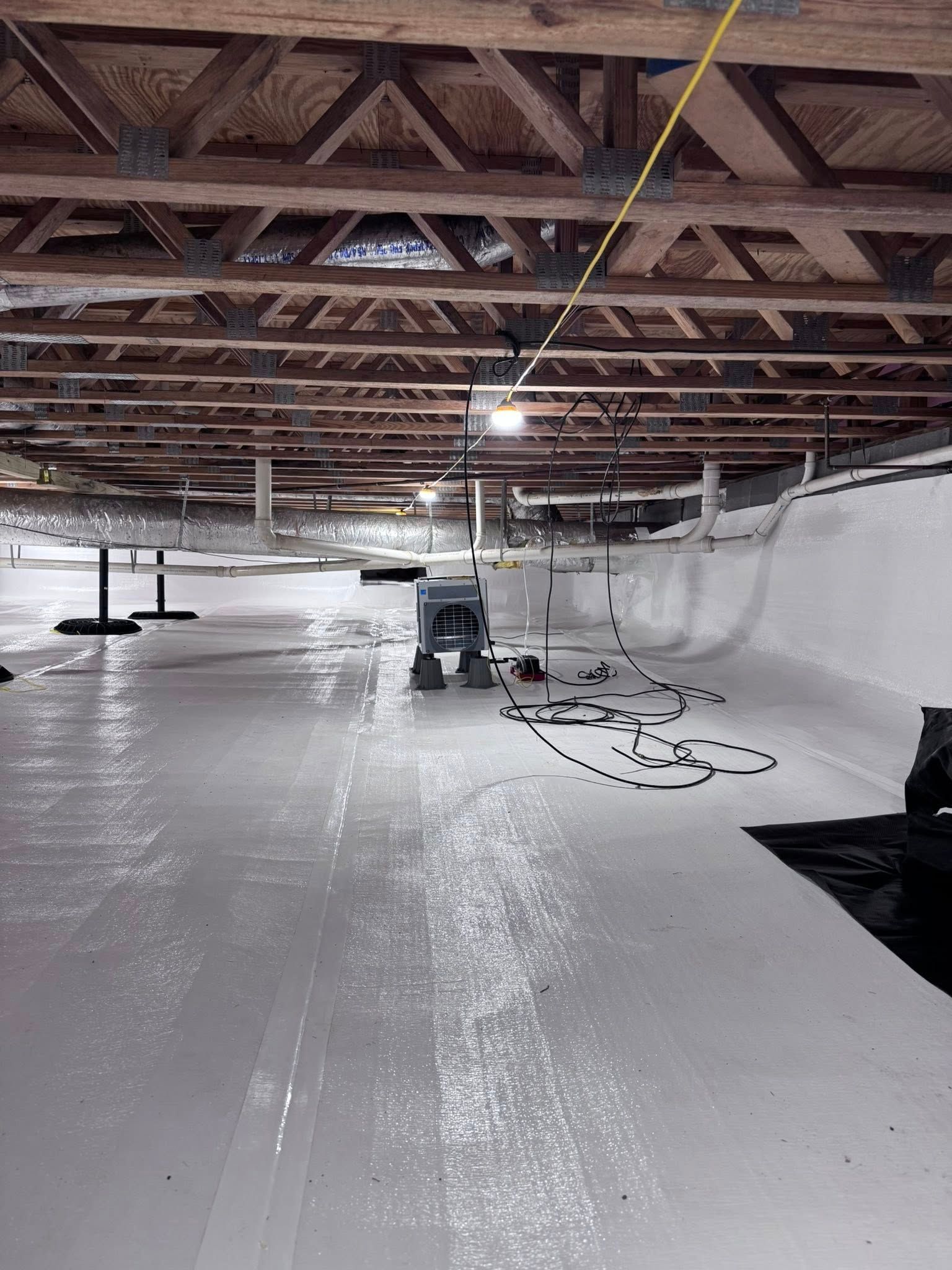
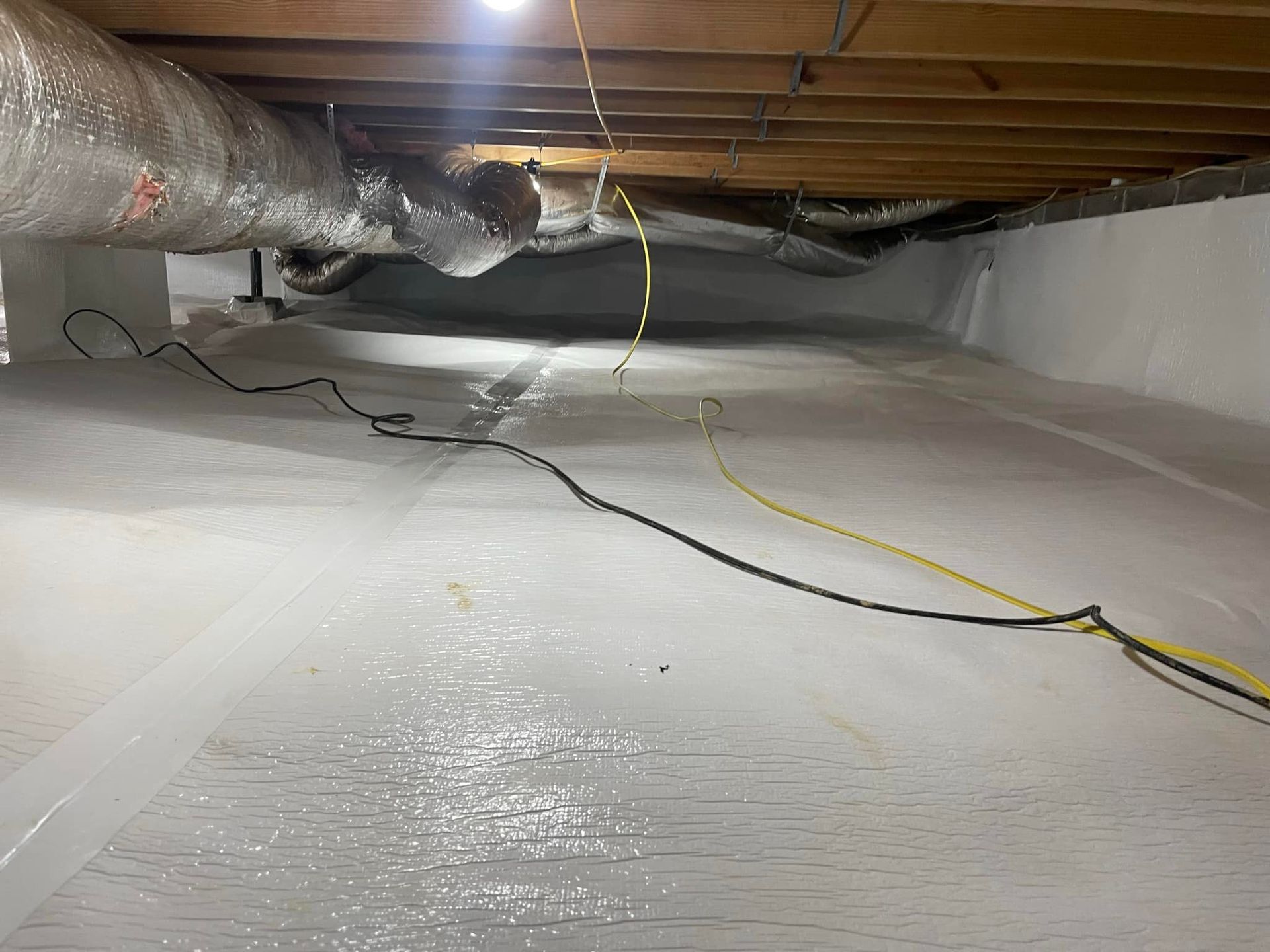
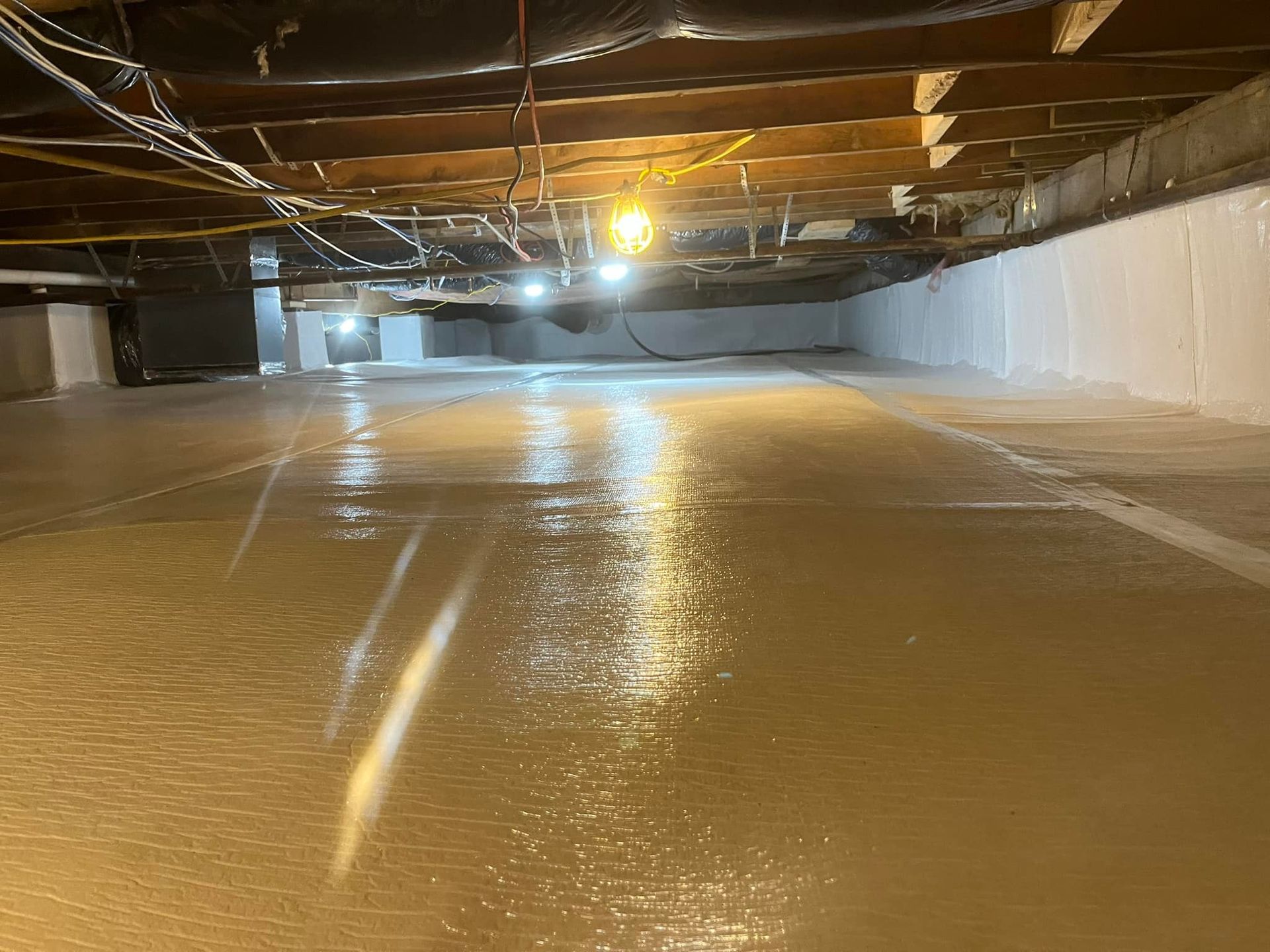
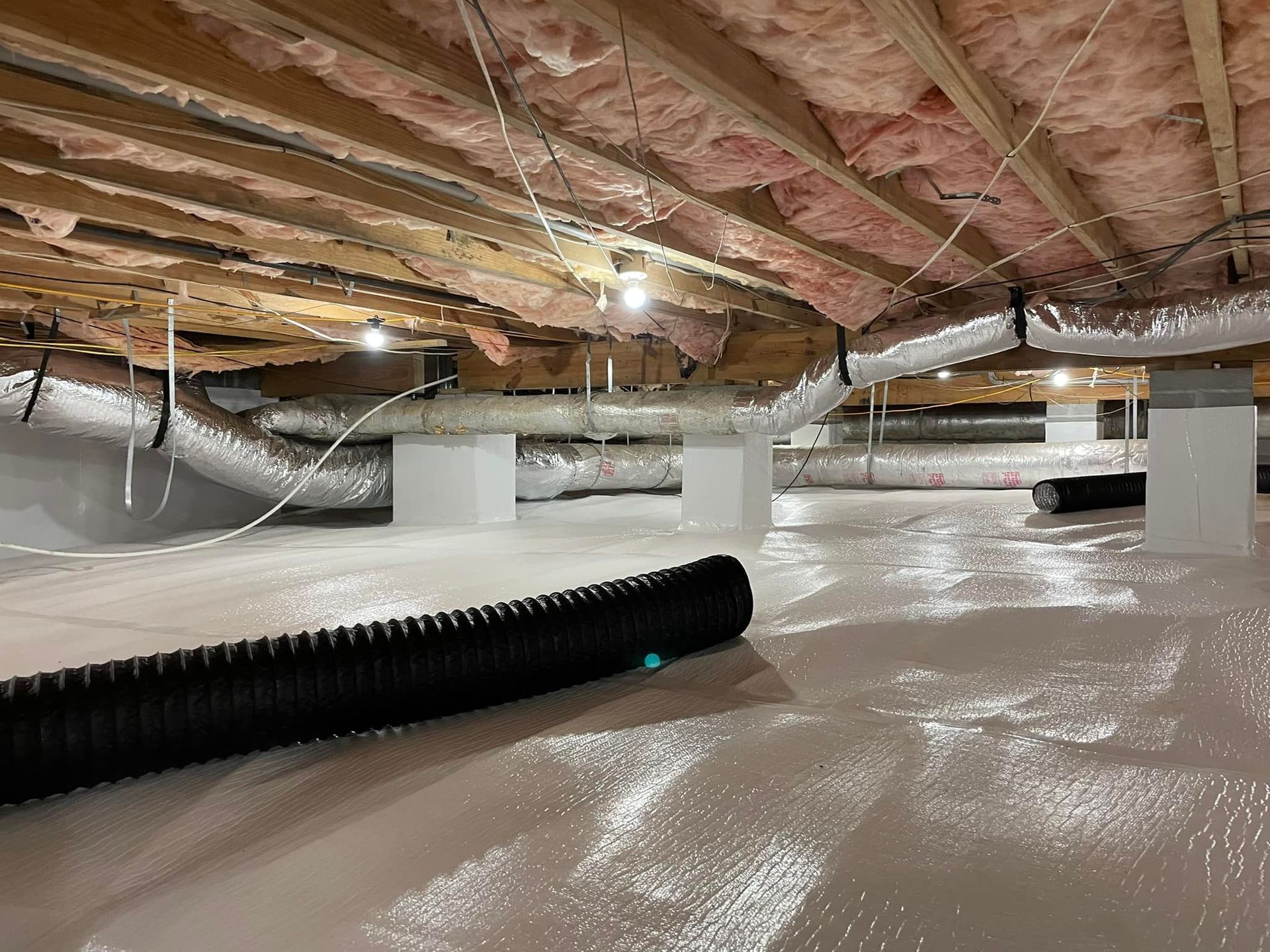
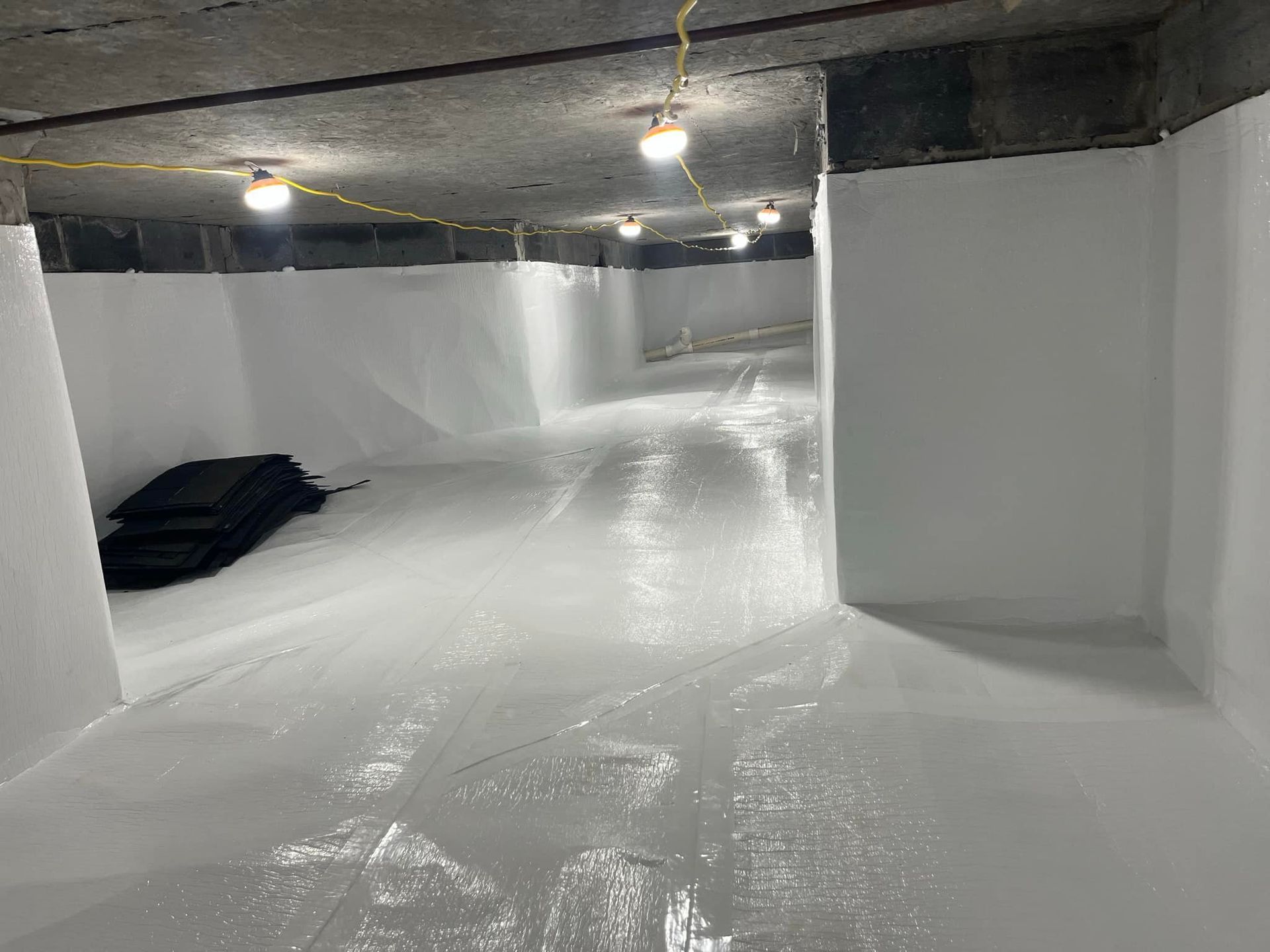
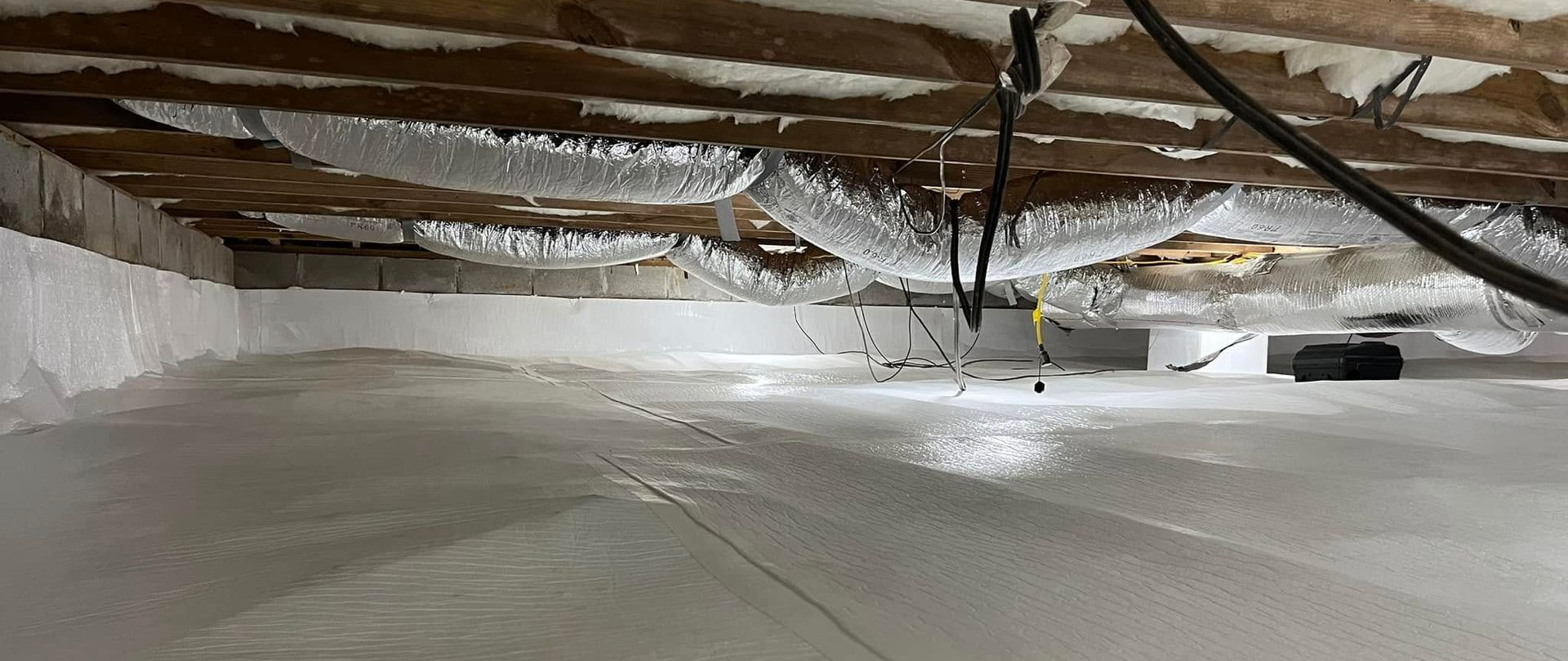
But the scope of work is different. We're talking about treating the fungal growth on the wood, installing proper moisture control, maybe a dehumidifier and vapor barrier. That's a normal encapsulation job. Not some emergency mold situation.
Knowing what you're actually dealing with means you get the right fix at the right price. And you're not getting scared into decisions by someone waving around pictures of cricket poop.
What You Actually Need to Fix
So if it's cricket poop and not some massive mold problem, what do you actually need to do?
You still need to fix the moisture issue. That's the root cause. The crickets are there because it's damp. The fungal growth is there because it's damp. Fix the moisture, and you fix everything else.
We need to treat the fungal growth that's on the wood. Not seal it - treat it. Kill what's there and let the wood breathe and dry out naturally.
Then we control the humidity with a proper dehumidifier. Keep it below 60% relative humidity and you won't have fungal growth coming back. The crickets will leave on their own because there's nothing for them to eat.
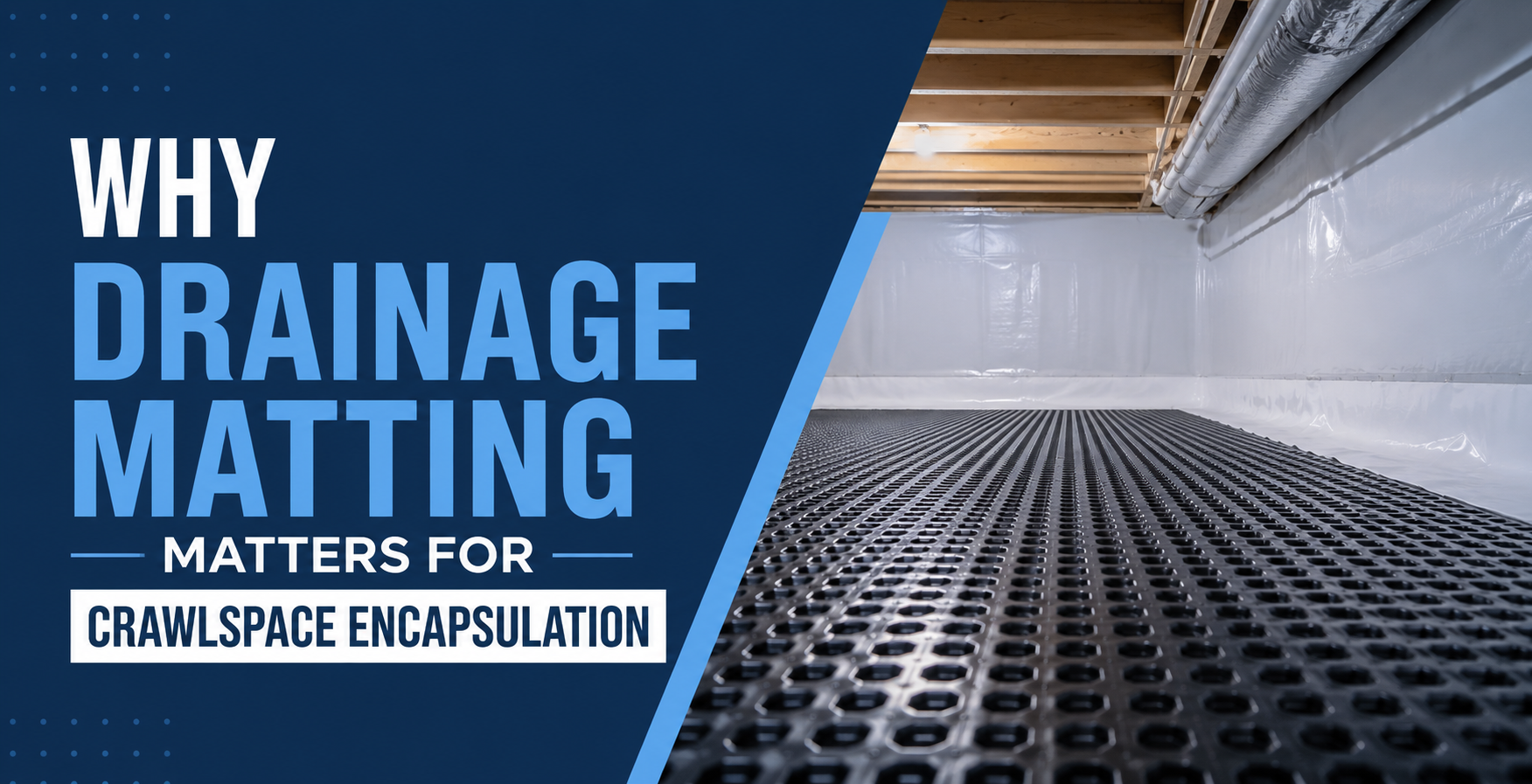
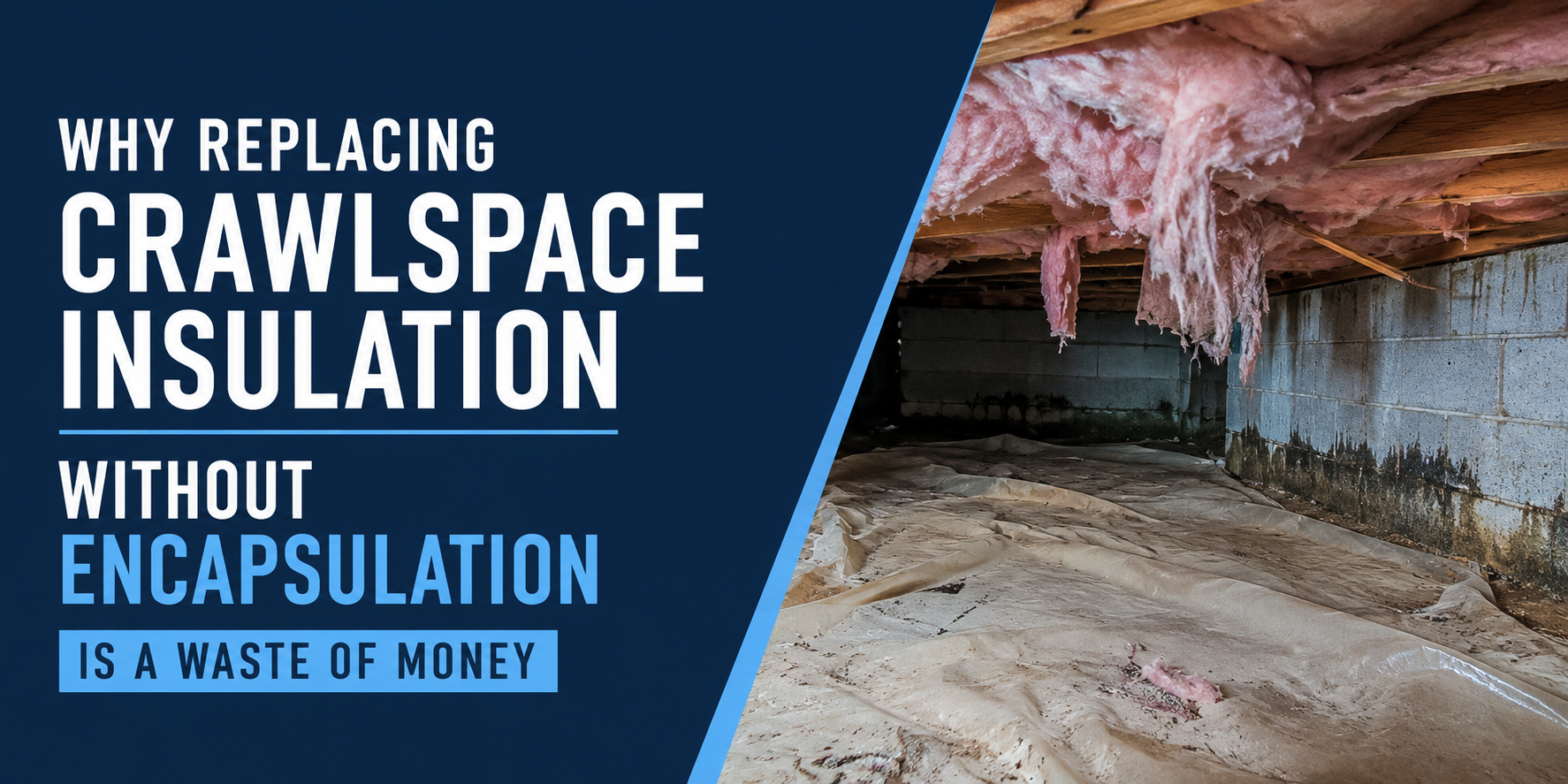
Depending on the crawlspace, you might need a vapor barrier to keep ground moisture from coming up. Maybe some drainage if there's standing water. Insulation on the walls if it's missing.
But this is standard crawlspace work. Not emergency remediation. The crickets are just a symptom of the real problem, which is moisture.
Get a Real Assessment
If you've been told you have mold in your crawlspace, or if you're just not sure what's going on down there, let's take a look.
I'll come out, do a full inspection, and show you exactly what we're dealing with. Pictures, explanations, the whole thing. And I'll give you an honest assessment of what needs to be done.
No scare tactics. No inflated quotes. Just the truth about your crawlspace and what it's going to take to fix it right.
If you've got questions about a report you already received, bring it. I'm happy to give you a second opinion and help you understand what you're actually looking at.
Give us a call or send us a message. Let's make sure you know what's really going on under your house.