Why Replacing Crawlspace Insulation Without Encapsulation Is a Waste of Money
I See This All the Time
HOMEOWNERS SPEND THOUSANDS ON A FIX THAT WON'T LAST
I was out in Sevierville yesterday looking at a crawlspace. Insulation falling everywhere. Fungal growth on the wood. A little water pooling near the door.
The homeowner wanted to know what it would cost to replace the insulation.
I could've just given them a number and moved on. But that's not how I work.
Because if I quote them thirty-five hundred dollars to replace that insulation without fixing the moisture problem, they're going to be right back in the same spot in a few years. Maybe sooner.
So I'm going to tell you what I told them. The hard truth about crawlspace insulation and why just replacing it is throwing money away.
What I Found in This Crawlspace
This crawlspace had all the classic signs of moisture problems.
The insulation was falling down in chunks. When fiberglass gets saturated with moisture, it gets heavy. Gravity does the rest. You could see it sagging and pulling away from the floor joists.
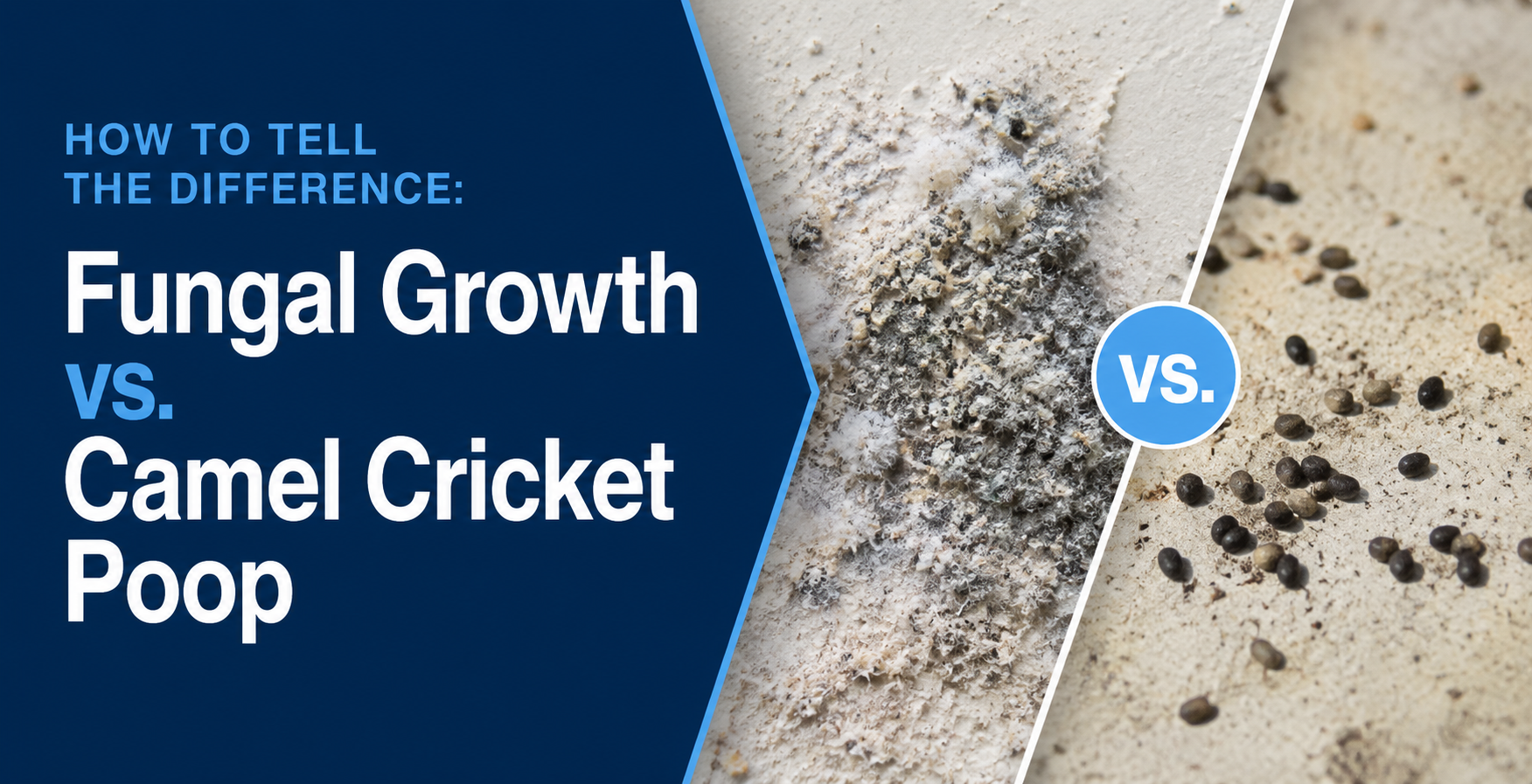
Fungal growth everywhere. The wood was covered in it. That's what happens when you've got high humidity and no ventilation. The wood starts to rot.
Water collecting near the door. Not a lot, but enough that I noticed a low spot where it was pooling. Probably doesn't need a sump pump, but it's a sign that water is getting in.
The door itself was in rough shape. Tall, deteriorating, not sealing properly. Just another entry point for moisture and critters.
And you could tell this crawlspace had been neglected for a while. When you let these problems sit, they don't get better. They compound. The moisture makes the insulation fail. The failing insulation means more energy loss. Rodents move in and nest in the wet insulation. It all snowballs.
This is what I see all the time. Homeowners don't know there's a problem until the damage is already done.
The Insulation Replacement Option
So here's what it costs to just replace the insulation in an average crawlspace - around fifteen hundred square feet. You're looking at thirty-five hundred dollars minimum. Could be more depending on the access and how bad it is.
For that, you get new R19 fiberglass insulation installed between your floor joists. It'll look clean. It'll work better than what's falling down now. Your floors will feel warmer in the winter.
But here's what doesn't change - the moisture problem.
You still have the same humidity issues. The same water intrusion. The same conditions that caused your insulation to fail in the first place.
So in three to five years, maybe sooner if you've got rodent activity, you're going to be looking at the same falling insulation. The same fungal growth. The same problems.
And you'll be paying someone another thirty-five hundred dollars to replace it again.
That's the cycle. And most contractors are happy to keep it going because it means repeat business.
Why Insulation Keeps Failing
Let me explain what actually happens to crawlspace insulation when you have moisture problems.
The humidity in your crawlspace condensates on everything - the wood, the ducts, the insulation. That moisture gets absorbed into the fiberglass. It gets heavy. Really heavy.
Once it's saturated, gravity takes over. The insulation starts sagging. It pulls away from the floor joists. Eventually it just falls down completely.
If you've got rodents - and most neglected crawlspaces do - they make it worse. They nest inside that insulation. They tear it apart. They use it for bedding. Between the moisture and the rodent activity, that insulation doesn't stand a chance.
But here's the thing - the insulation isn't the problem. It's the symptom.
The real problem is the moisture. The humidity. The water getting into your crawlspace and staying there with nowhere to go.
Replacing the insulation without fixing the moisture is like mopping up water without turning off the faucet. You're just going to be mopping again tomorrow.
What Encapsulation Actually Solves
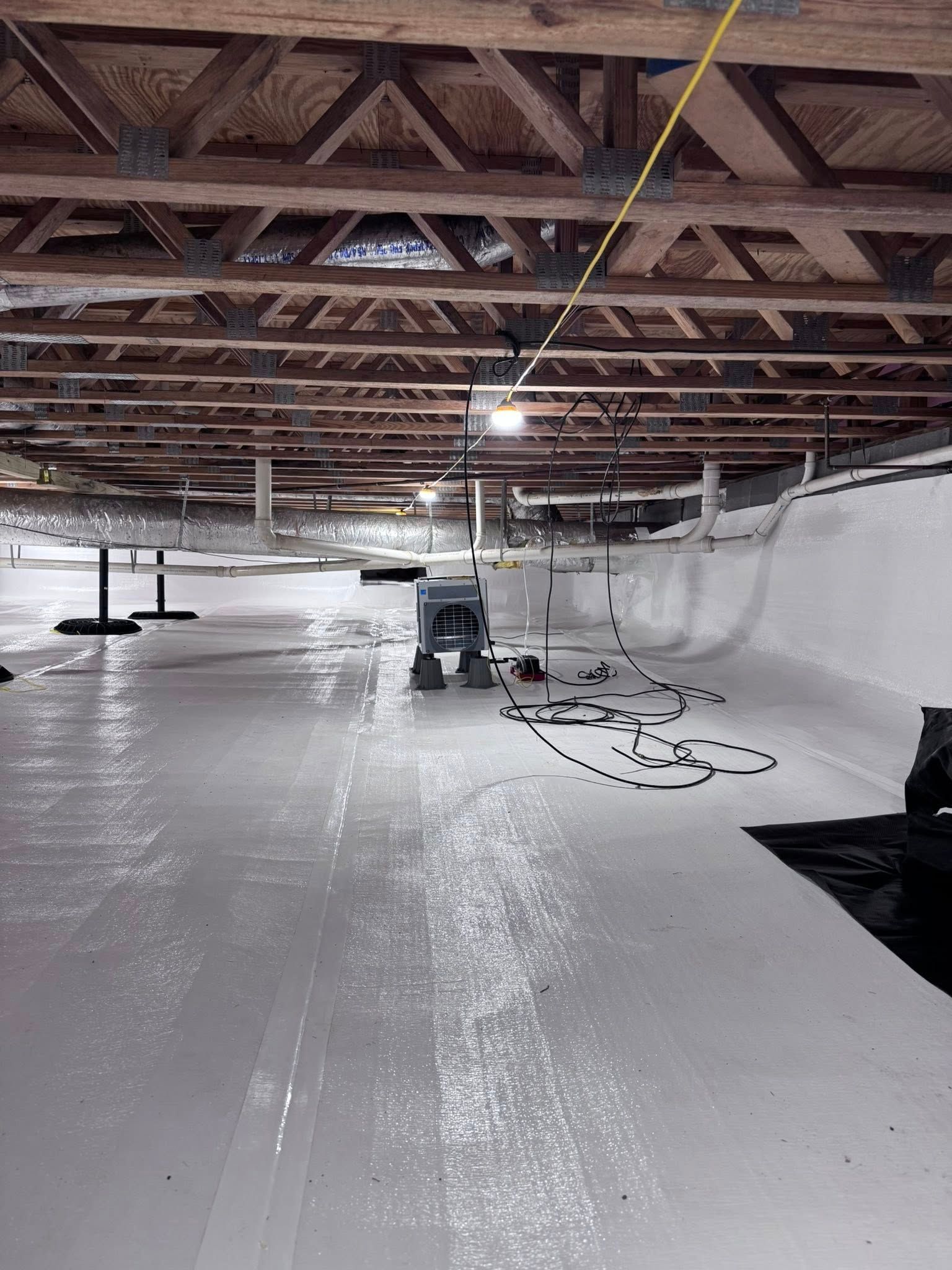
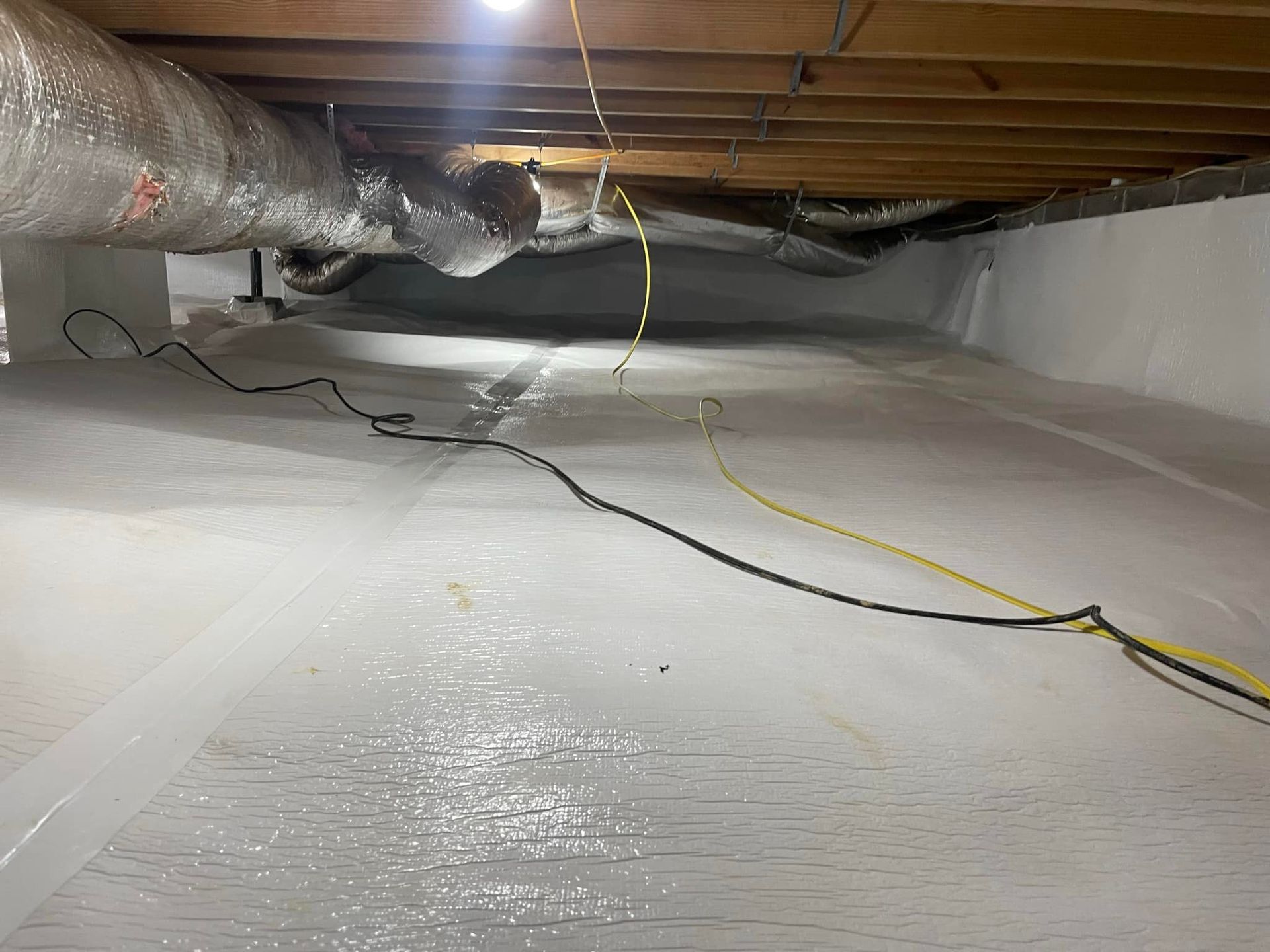
When we encapsulate a crawlspace, we're addressing the root cause - the moisture.
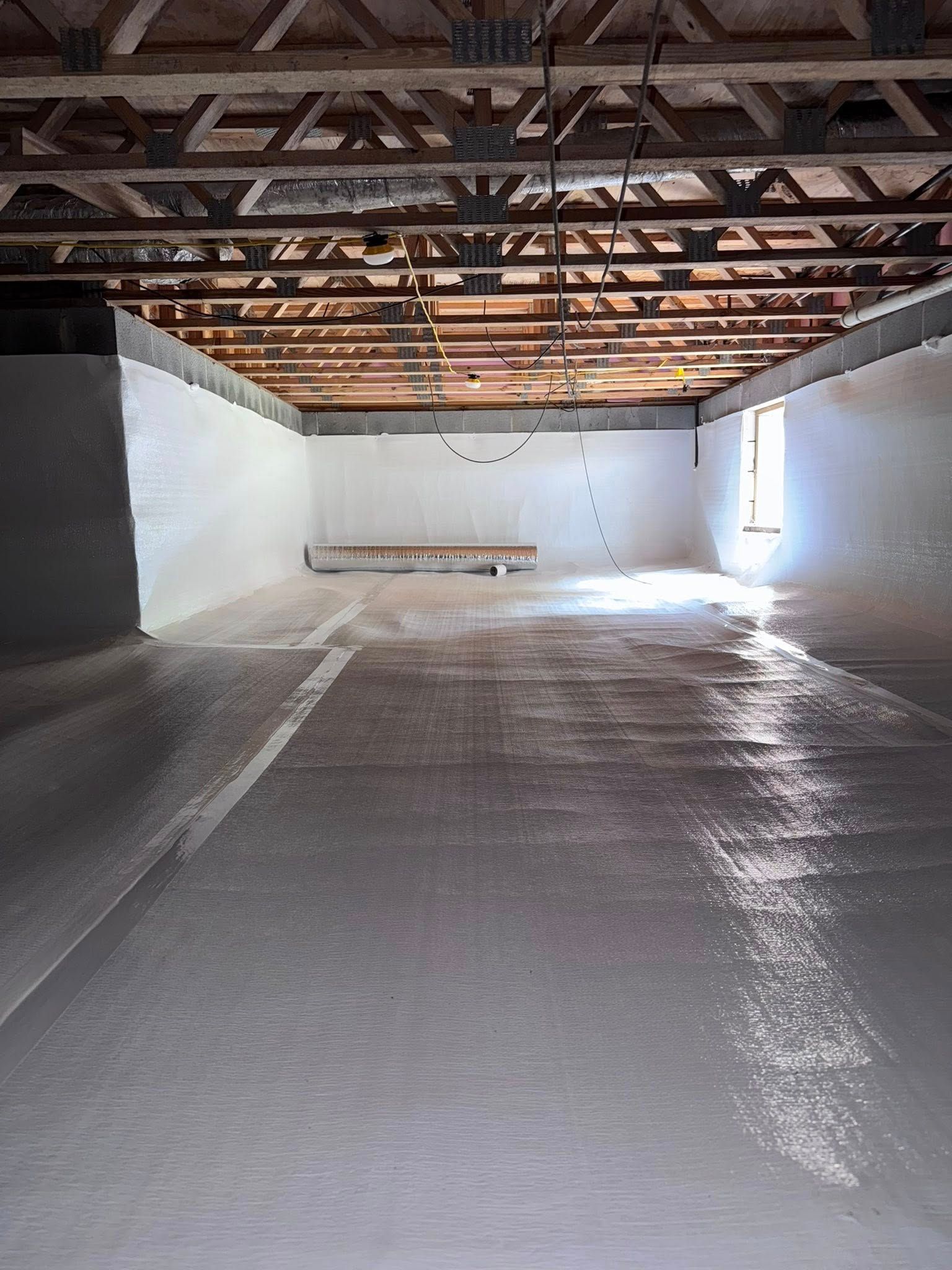
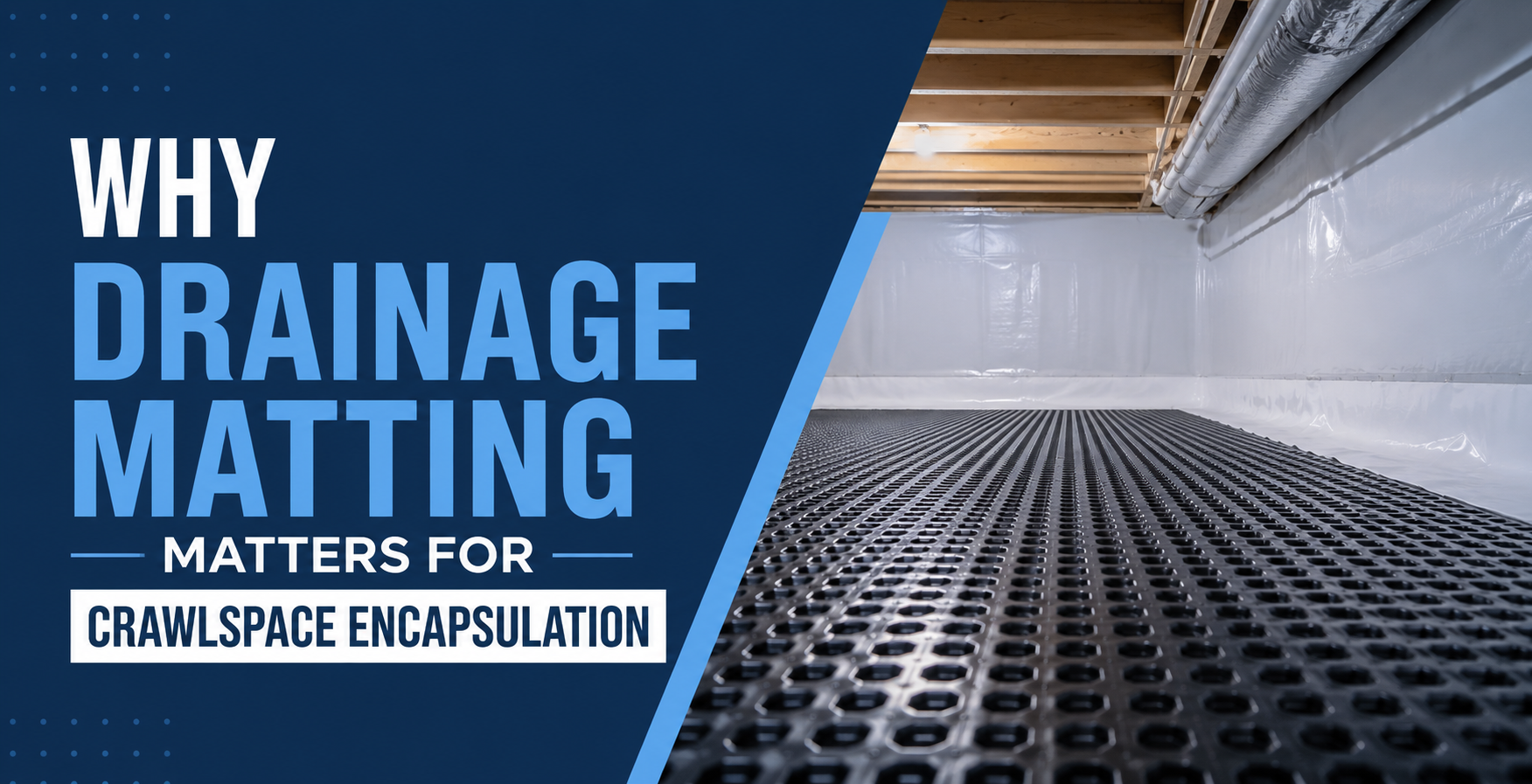
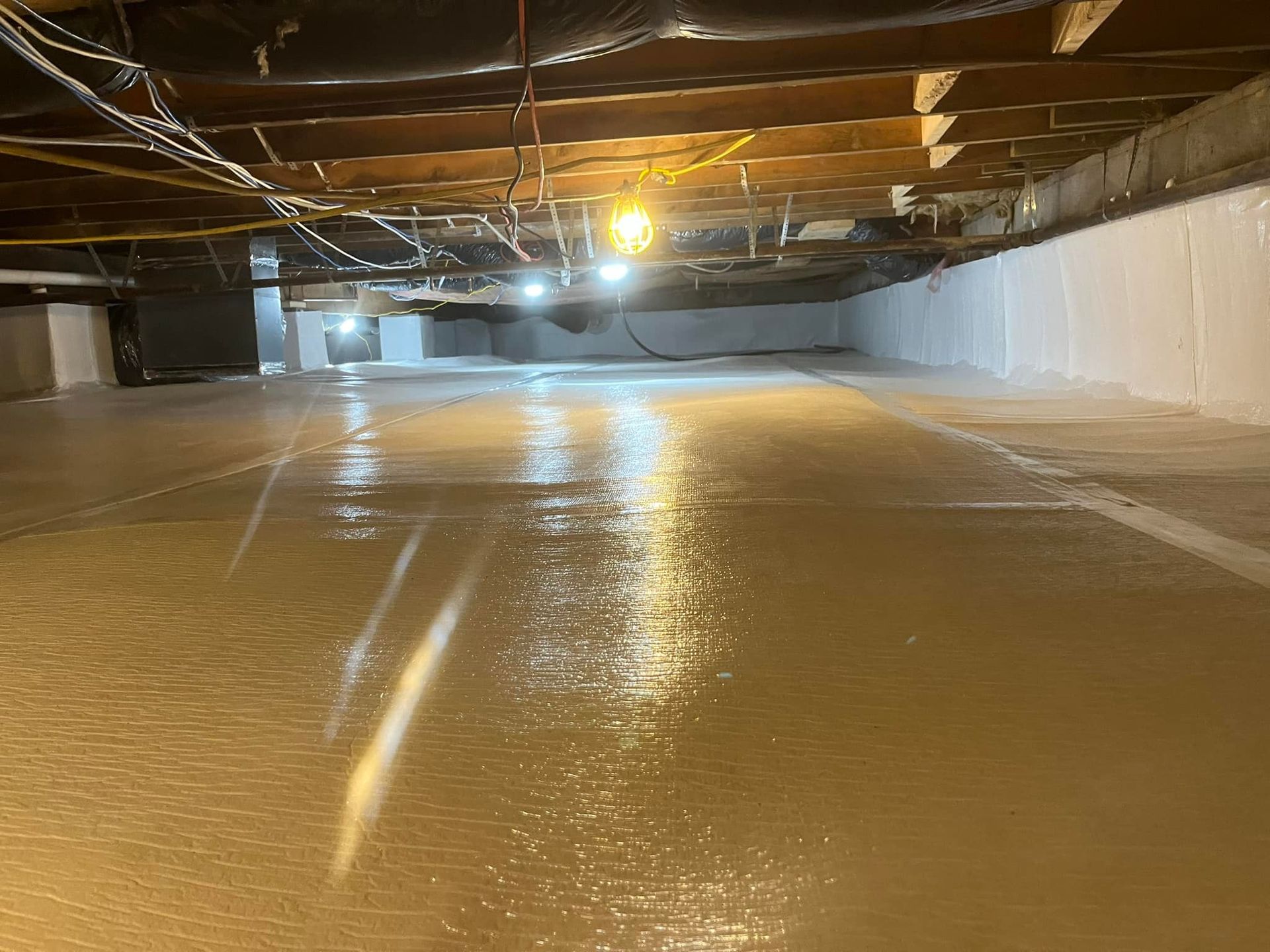
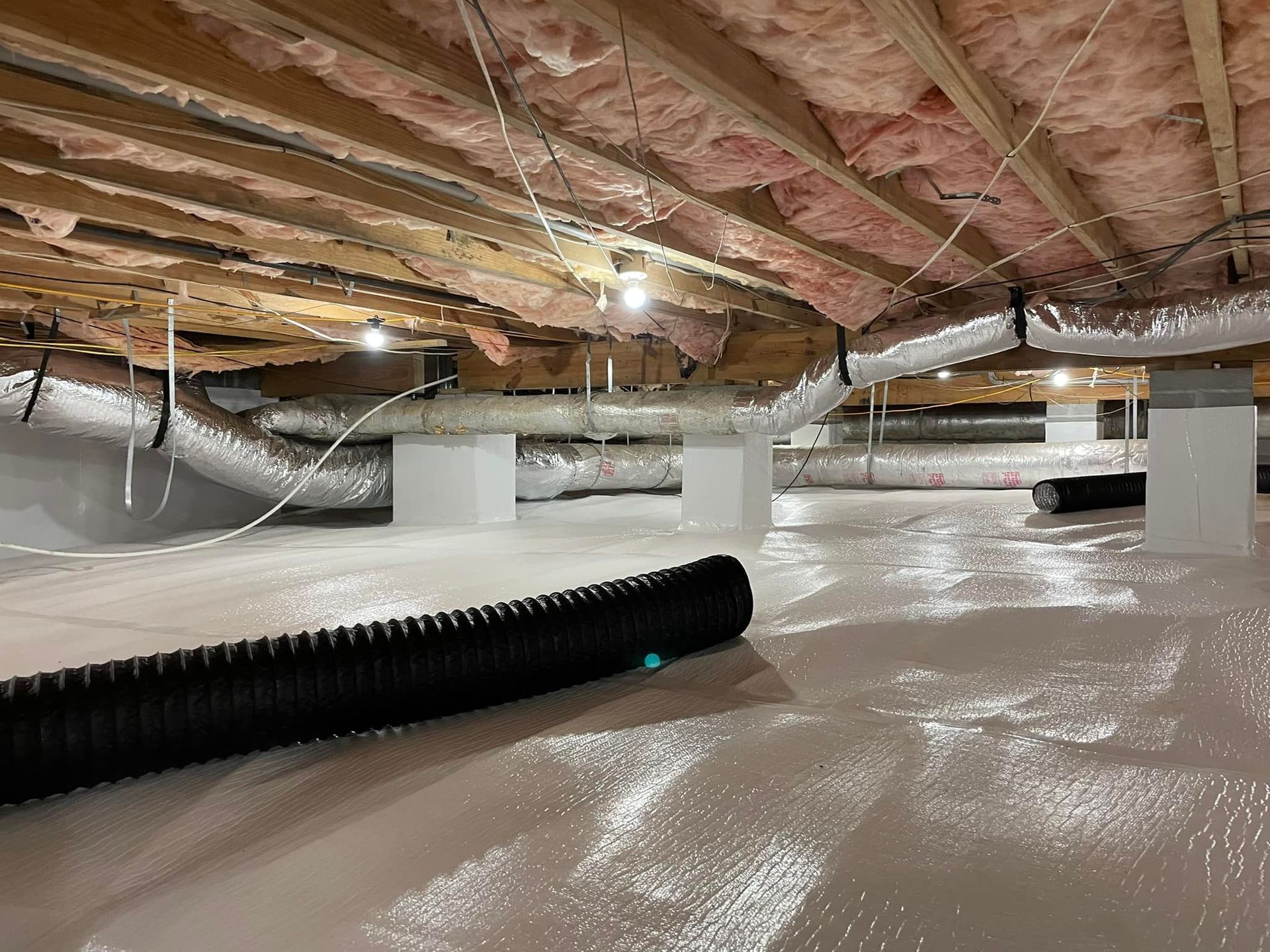
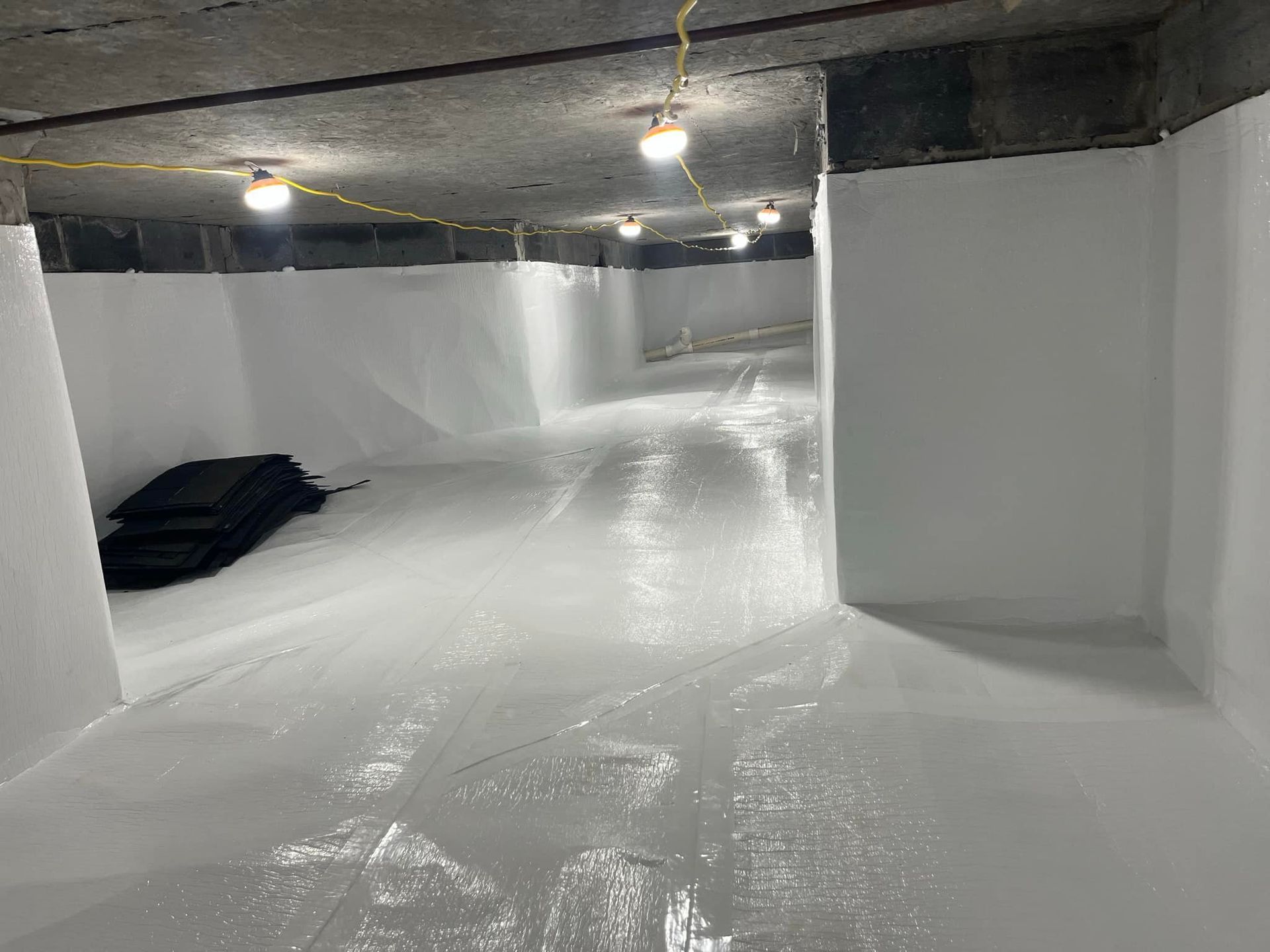
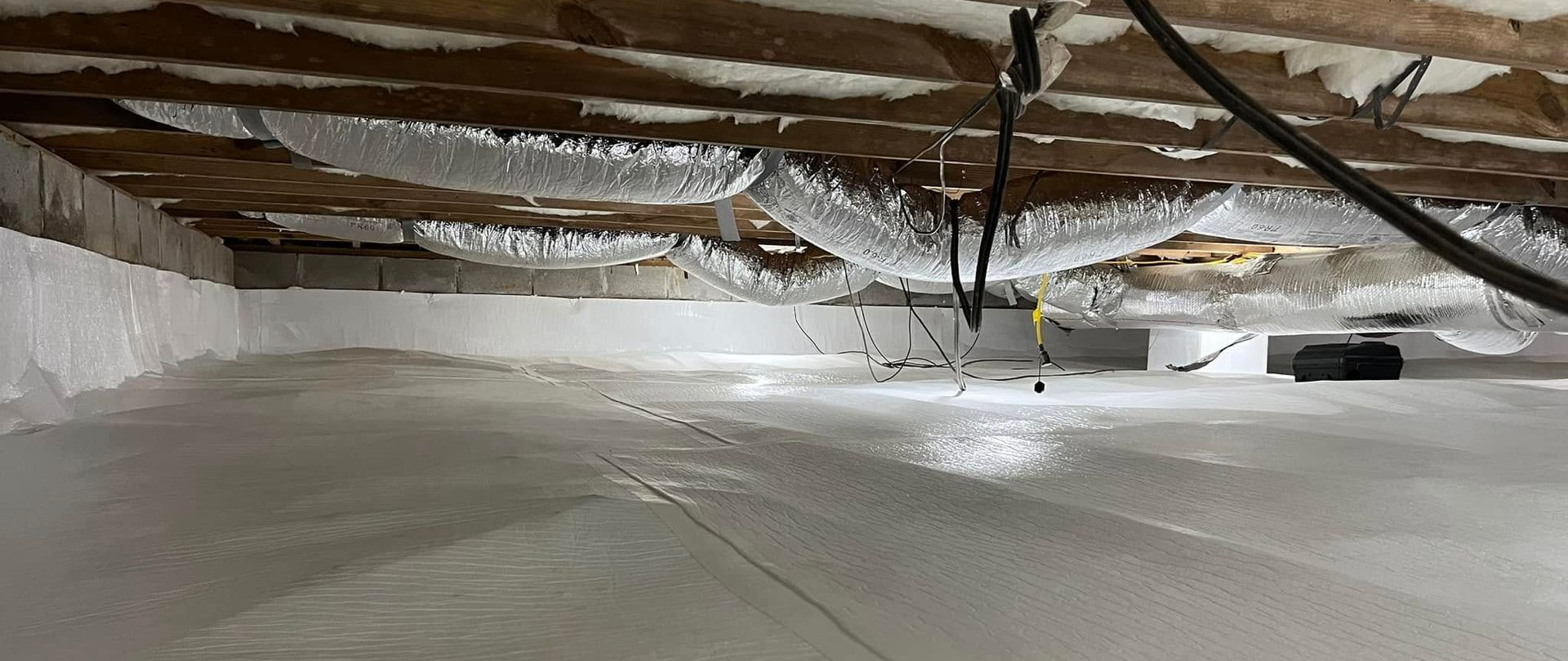
We install a heavy-duty vapor barrier across the entire floor and up the walls. This keeps ground moisture from evaporating into your crawlspace. That's where most of the humidity comes from.
We seal it properly. Tape all the seams. Attach it to the walls. Make sure it's airtight. Not just laying down some plastic and calling it good.
We install a dehumidifier sized for your space. This controls the humidity that does get in. Keeps it below sixty percent where fungal growth and wood rot happen.
We insulate the foundation walls instead of between the floor joists. This is way more effective for energy efficiency and it doesn't trap moisture against your subfloor.
And we pull out that old failing insulation. Get rid of the rodent nests. Treat any fungal growth on the wood. Start fresh.
The result? Your wood stays healthy. Your crawlspace stays dry. You're not replacing insulation every few years. The conditions that caused all these problems in the first place are gone.
One solution fixes multiple problems. That's the difference.
How to Make the Right Decision
Look, I understand not everyone can afford a full encapsulation right now. If you're in that situation, here's what you need to know.
If you can only do insulation replacement, go ahead and do it. But understand what you're getting. It's a temporary fix. The moisture problem is still there. You will likely need to address this again.
Start planning for the real solution. Save for it. Budget for it. Because eventually, you're going to need to deal with the moisture issue or you're just going to keep throwing money at symptoms.
Don't be surprised when the insulation fails again. Now you know why it's happening. You're making an informed choice, not getting blindsided down the road.
Ask your contractor to explain the root cause. If they won't or can't tell you why your insulation is failing, find someone else. You deserve to know what's actually happening in your crawlspace.
Get honest with yourself about long-term costs versus quick fixes. Sometimes the cheaper option now costs you more over time. Run the numbers for your situation.
Whatever you decide, make sure it's based on real information, not just what's easiest to sell.
Take the Next Step
If you're dealing with falling insulation or moisture issues in your crawlspace, let's take a look.
I'll come out personally or send one of my managers. We'll do a full inspection. Show you what's going on and why it's happening.
I'll give you options - both short-term and long-term. If you can only do insulation now, I'll quote that. But I'm also going to show you what the real fix looks like so you can plan for it.
No pressure to do more than you're ready for. Some customers need time to budget for encapsulation. That's fine. At least you'll know what you're dealing with.
Let's have a real conversation about your crawlspace. Not a sales pitch. Just honest information about what your home needs.