The Details That Make Crawlspace Encapsulation Last
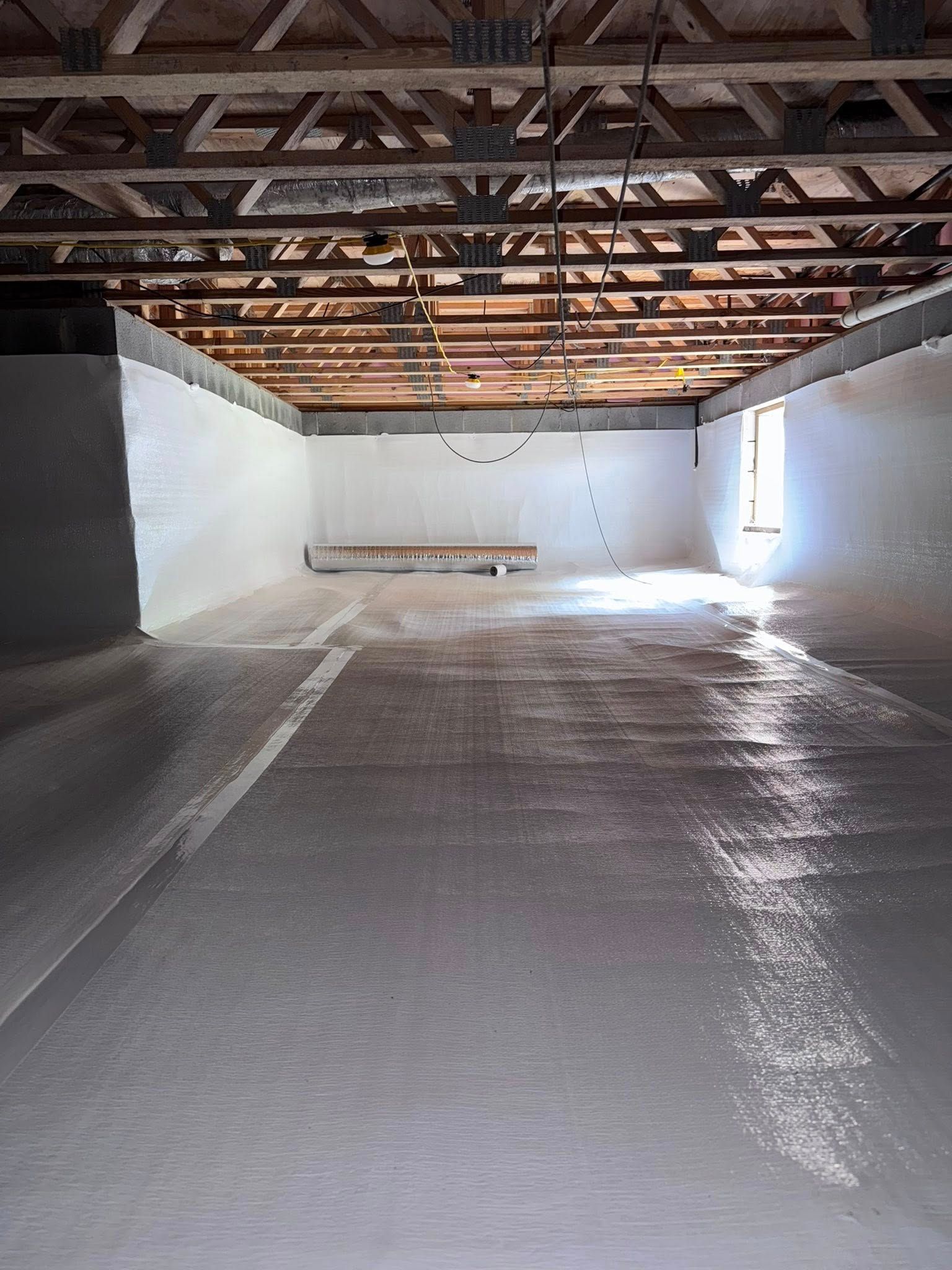
Just Finished This Oak Ridge Crawlspace
HERE'S WHY THE SMALL DETAILS ACTUALLY MATTER
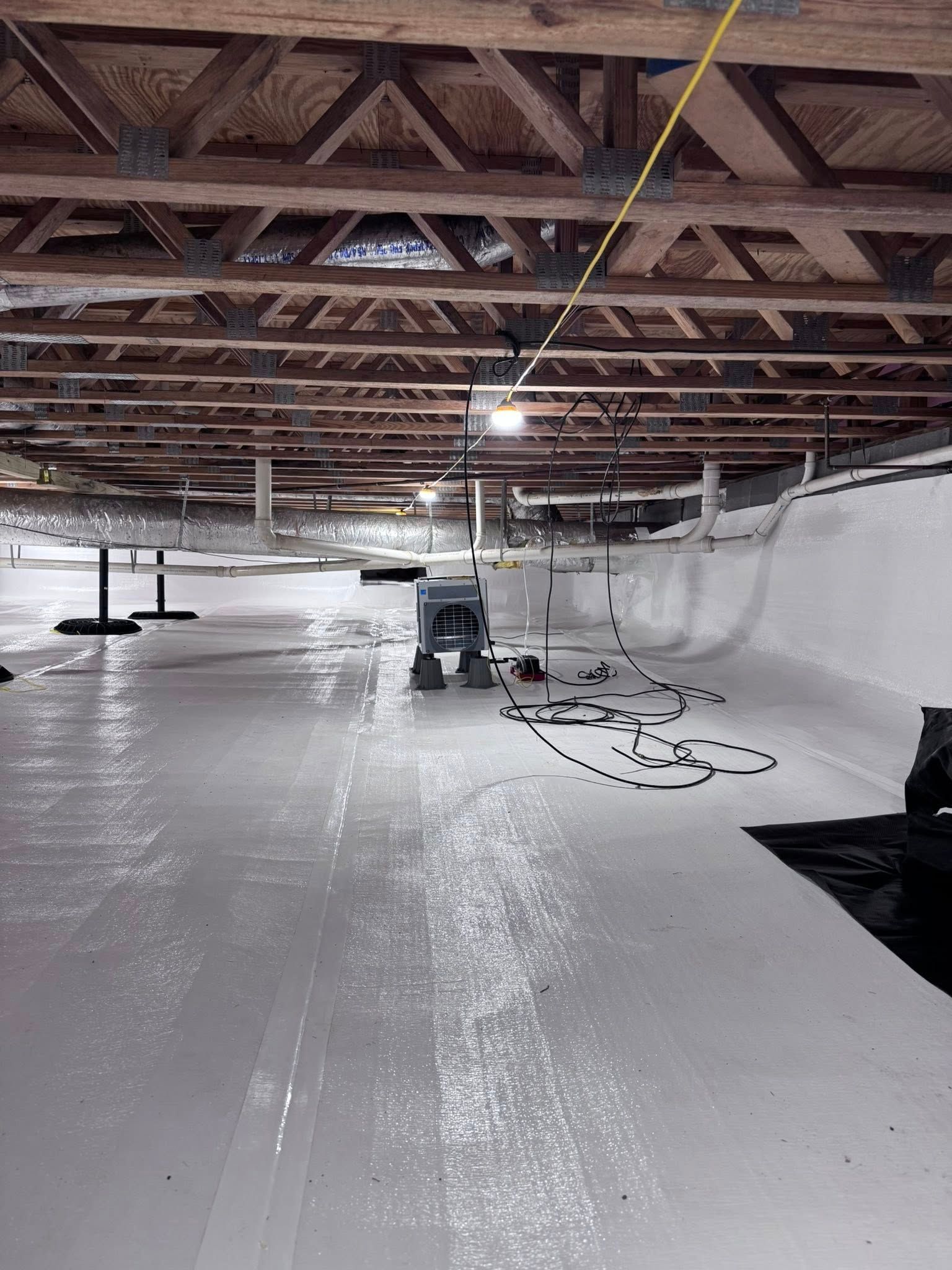
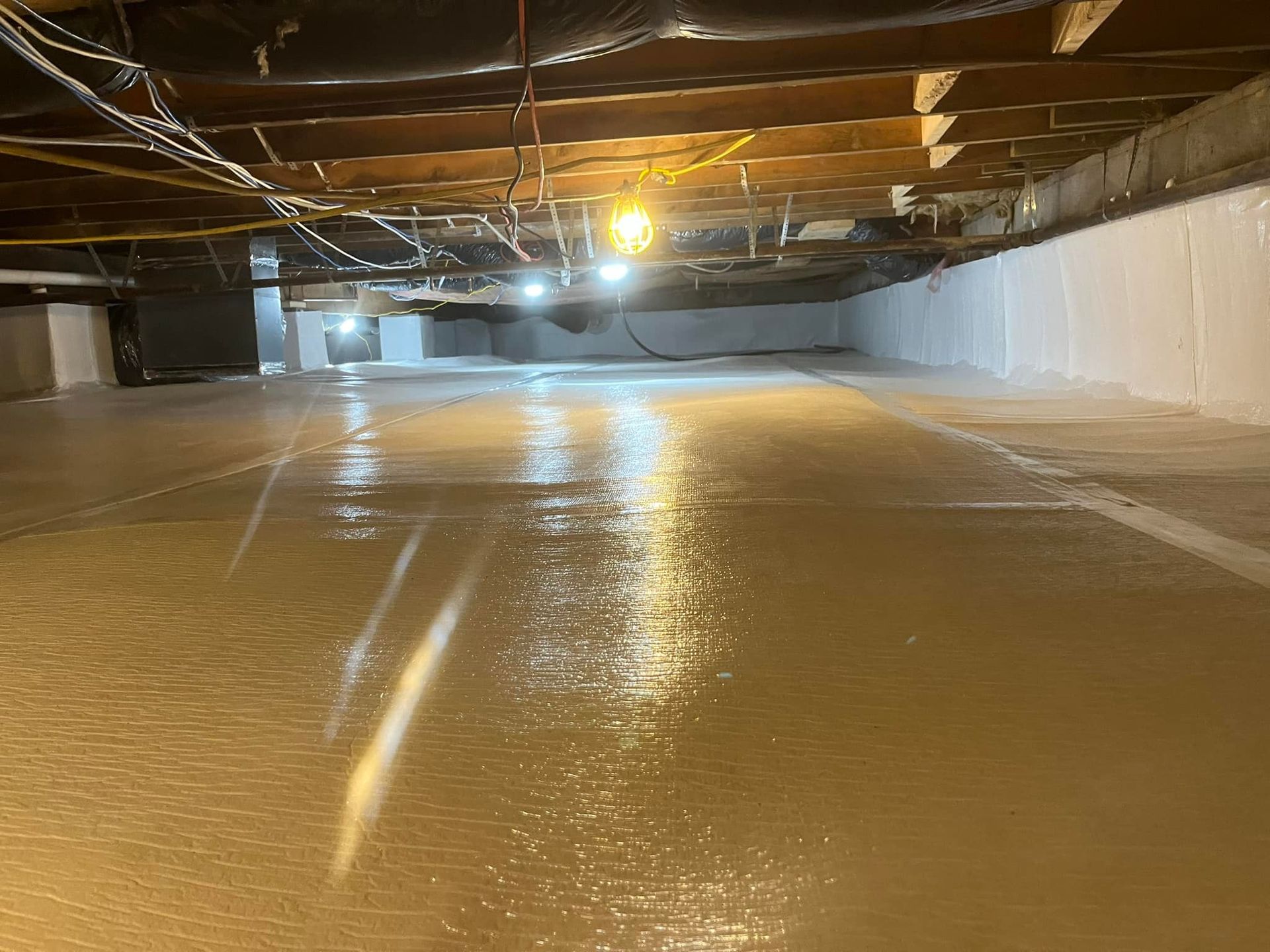
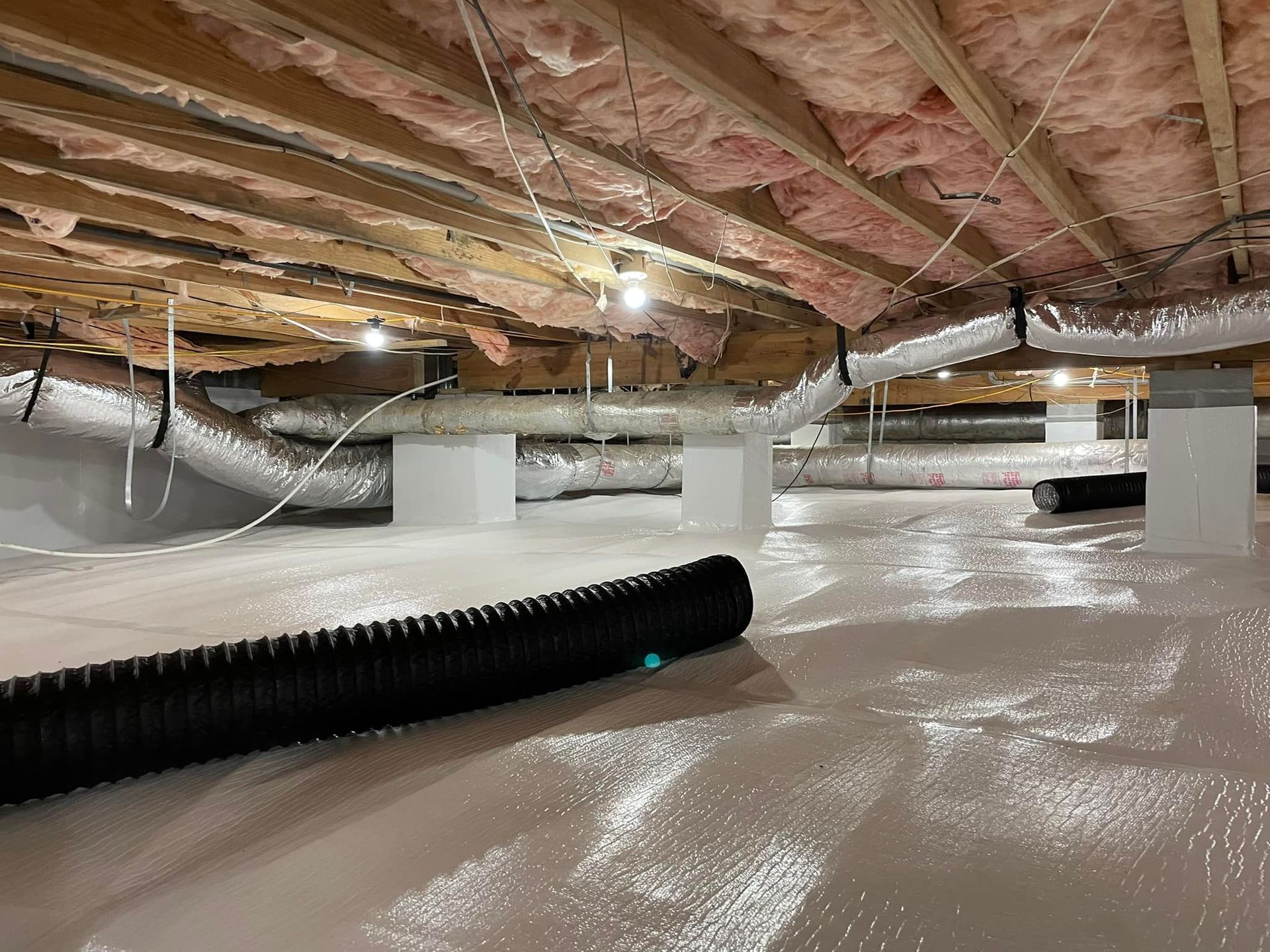
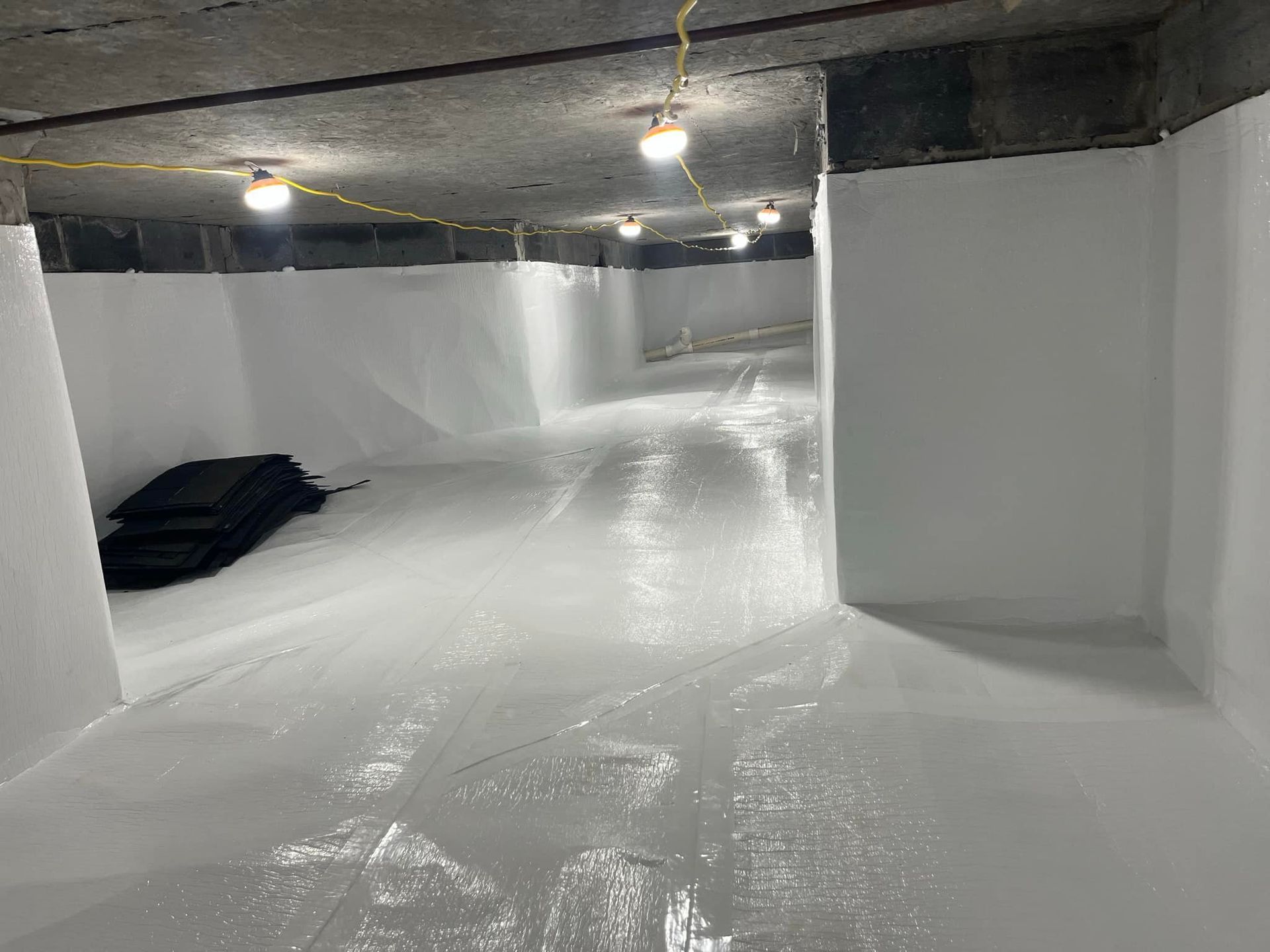
We just wrapped up a crawlspace job in Oak Ridge. Full encapsulation, drainage system, two sump pumps, dehumidifier, new door - the whole deal.
The customers are thrilled. Everything looks clean and works perfectly. But honestly? I'm already thinking about how this crawlspace is going to look in five years. Ten years.
That's the difference between our jobs and a lot of what I see out there. Some companies focus on making it look good enough to close the deal. We focus on making it last.
The details matter. Treated lumber instead of regular wood. Zinc hardware instead of standard. A WiFi dehumidifier instead of a basic one. These aren't upsells - they're the things that determine whether your crawlspace is still working right years down the road.
Let me walk you through what we did on this job and why each piece matters for the long haul.
The Big Picture: What This Job Included
This wasn't a simple job, but it needed everything we did.
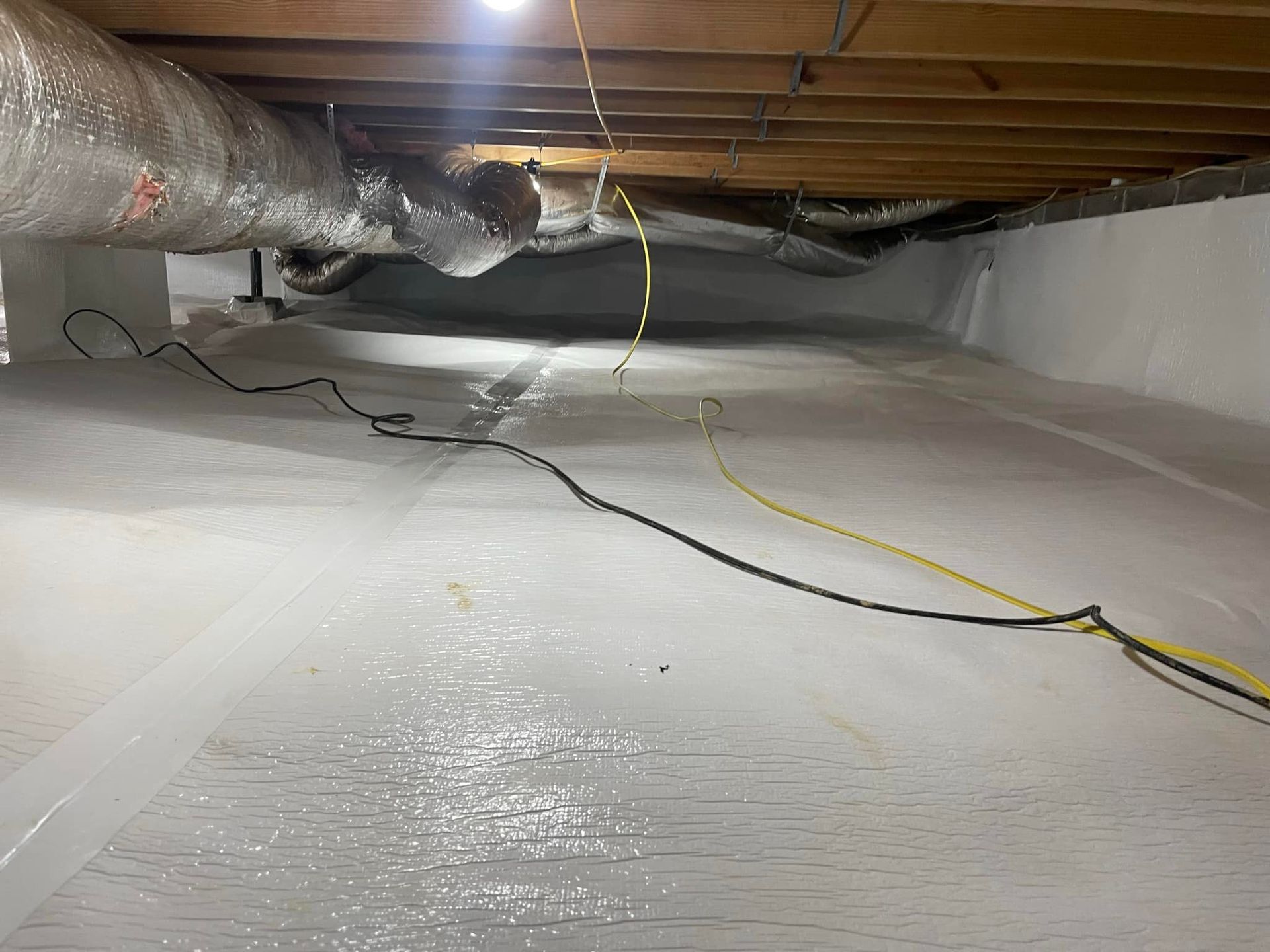
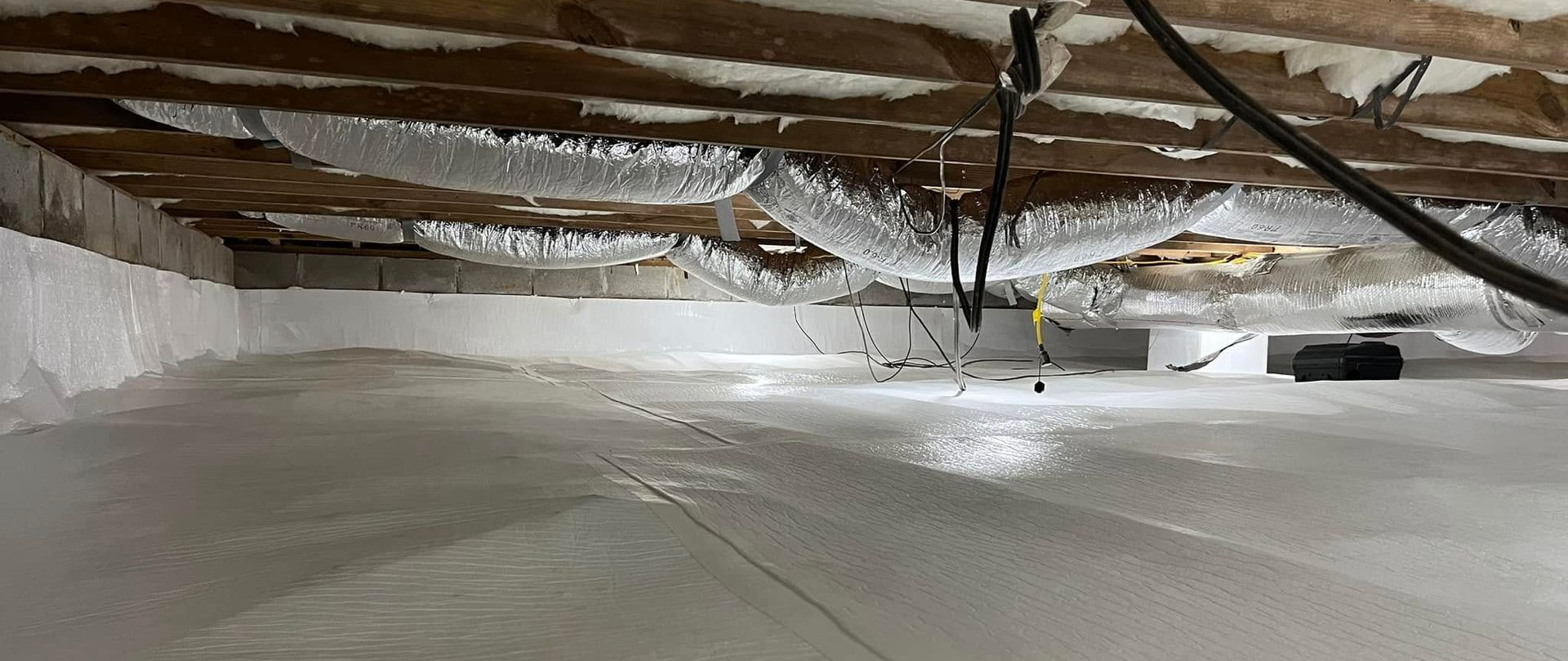
We installed a full encapsulation with our quality vapor barrier. Almost a complete perimeter drain to catch water before it becomes a problem. Two sump pumps to move that water out and away from the foundation.
Then a 100-pint dehumidifier - this is a big crawlspace, so we needed the capacity. We ran ducting to pull air from one side to the other. That way the whole space stays dry, not just the area near the unit.
And we replaced the crawlspace door completely. Expanded the opening, built a new frame with treated lumber, installed a PVC door with zinc hardware.
Everything works together. The drainage catches the water. The sump pumps remove it. The dehumidifier controls the humidity. The door keeps critters out and makes it easy to access for maintenance.
Skip one piece and the whole system doesn't work as well. That's why we quote what you actually need, not just the minimum to get the job done.
The Details That Actually Matter
Here's where most companies cut corners. And here's where you end up paying for it later.
We used treated lumber for the door frame. Regular lumber in a crawlspace? It's going to rot. Moisture, humidity, ground contact - that's the perfect recipe for wood to break down. Treated lumber is built to handle those conditions. It costs more, but it lasts.
The door itself is PVC. Not wood. Wood doors in crawlspaces deteriorate fast. They warp, they rot, they fall apart. PVC doesn't. It holds up to moisture and temperature changes without breaking down.
Zinc hardware on everything. Standard hardware rusts in crawlspace conditions. Rusted hinges and latches mean your door stops working right. Zinc-coated hardware won't rust. Simple as that.
We installed a WiFi dehumidifier. You can monitor it from your phone. Check the humidity levels. Get alerts if something goes wrong. Know it's working without having to crawl down there every month. Basic dehumidifiers just run until they break, and you don't know there's a problem until you've got mold.
The ducting pulls air from both sides of the crawlspace. A dehumidifier sitting in one spot only dries the area around it. We needed to move air through the whole space to keep everything dry.
And we expanded the door opening. The old one was so tight you could barely get in. If maintenance is hard, people skip it. We made it easy to access so the system actually gets taken care of.
Every one of these details serves a purpose. They're not extras. They're what makes the difference between a system that works for a year and one that works for twenty.
The Door Upgrade: A Case Study
Let's talk about this door specifically, because it's a perfect example of how details matter.
The old door was probably 30 years old. Falling apart. Gaps everywhere. Critters were coming and going like they owned the place. You can't just slap a new door on that old frame and call it fixed.
We pulled everything out. Built a completely new frame using treated lumber. Sized it properly so there's actually room to get in and out. Then installed a PVC door that's not going to warp or rot.
The zinc hardware means the hinges and latches will still work smoothly years from now. No rust. No seizing up.
Here's why this matters beyond just keeping animals out. That door protects everything else you just paid for. If critters get in, they tear up your vapor barrier. They nest in your insulation. They can even damage your dehumidifier.
A proper door isn't just about access. It's about protecting your investment in everything else down there.
The customers were relieved when we finished it. They've been dealing with that old, broken door for who knows how long. Now they've got something that actually seals, opens easily, and won't need replacing again for decades.
Why WiFi Dehumidifiers Are Worth It
I get asked about this a lot. "Why not just use a regular dehumidifier?"
Here's the thing - a dehumidifier in your crawlspace is critical. It's what keeps humidity below 60% so you don't get mold and wood rot. But if it stops working and you don't know about it, you've got a problem.
With a WiFi dehumidifier, you can check the humidity level from your phone. Right now, sitting on your couch, you can see exactly what's going on down there. Is it running? What's the humidity at? Is everything working right?
You get alerts. If the humidity spikes, you know immediately. If the unit stops working, you get notified. You can catch problems before they turn into mold growth or structural issues.
Without that? You're hoping everything's fine until you happen to check on it. And most people don't check their crawlspace regularly. By the time you realize something's wrong, you've already got damage.
It's the difference between "set it and forget it" and actually knowing your system is protecting your home.
For a few hundred dollars more, you get peace of mind and early warning if anything goes wrong. That's worth it.
What Happens When You Skip These Details
I've seen what happens when companies use cheap materials or skip steps. It's not pretty.
Regular lumber in a crawlspace frame starts rotting within a couple years. Moisture gets in, the wood gets soft, and eventually the whole frame falls apart. Then you're replacing the door again.
Standard hardware rusts. Those hinges and latches seize up. Your door won't open or close properly. Sometimes it won't close at all, and you're back to critters getting in.
Basic dehumidifiers stop working and nobody knows. The filter clogs up, or the unit dies completely. Meanwhile, humidity climbs back up and mold starts growing on your floor joists. By the time you find out, you've got a real problem.
Poor door access means maintenance gets skipped. If it's a pain to get into your crawlspace, you won't check on things. The dehumidifier doesn't get serviced. Small issues turn into big ones.
I see this all the time. Someone paid thousands for encapsulation five years ago. Used a big company that cut corners on materials. Now they're calling me to fix it because half of it failed.
That's the expensive way to do it. Pay once for cheap work, then pay again to do it right. Better to just do it right the first time.
Get a Quote That Breaks Down the Details
If you're dealing with crawlspace issues, let's talk.
We'll come out and do a free inspection. Show you exactly what's going on. Take pictures. Explain what needs to be done and why.
You'll get a detailed quote that breaks down every component. The materials we're using. Why we're recommending what we're recommending. No hidden costs. No pressure.
We serve Oak Ridge and the surrounding areas. And when we do your job, we're building it to last.
Give us a call. Let's make sure your crawlspace is actually protecting your home, not just looking good enough to pass inspection.
[Contact Information/CTA Button]