Why New Houses Get Standing Water in the Crawlspace
Found Standing Water in a Brand New House
HERE'S WHY IT HAPPENS AND WHAT YOU NEED TO KNOW
I was out in Farragut yesterday looking at a crawlspace in a newer house. Standing water sitting right on top of the vapor barrier.
This shouldn't happen in new construction. But it does. All the time.
The homeowner had no idea. The house passed inspection. Everything looked fine when they bought it. And now they're dealing with water issues they didn't sign up for.
Here's the thing - this isn't an accident. It's how a lot of builders handle crawlspaces. They do just enough to pass inspection, and the problems show up later.
If you're buying a new house or you just bought one, you need to know what to look for. Because what looks dry on the surface might be hiding standing water underneath.
The Gravel Backfill Situation
Builders backfill crawlspaces with gravel. It's common practice, especially in newer construction.
The gravel looks clean. It meets code. And it gives the crawlspace a finished appearance that makes inspectors happy.
But here's what it really does - it hides standing water.
That gravel creates a few inches of space between the dirt and the surface. When water accumulates, it sits underneath where you can't see it. The top looks dry. The inspector walks through, sees gravel and a vapor barrier, and checks the box.
Meanwhile, water is pooling under that gravel against your foundation.
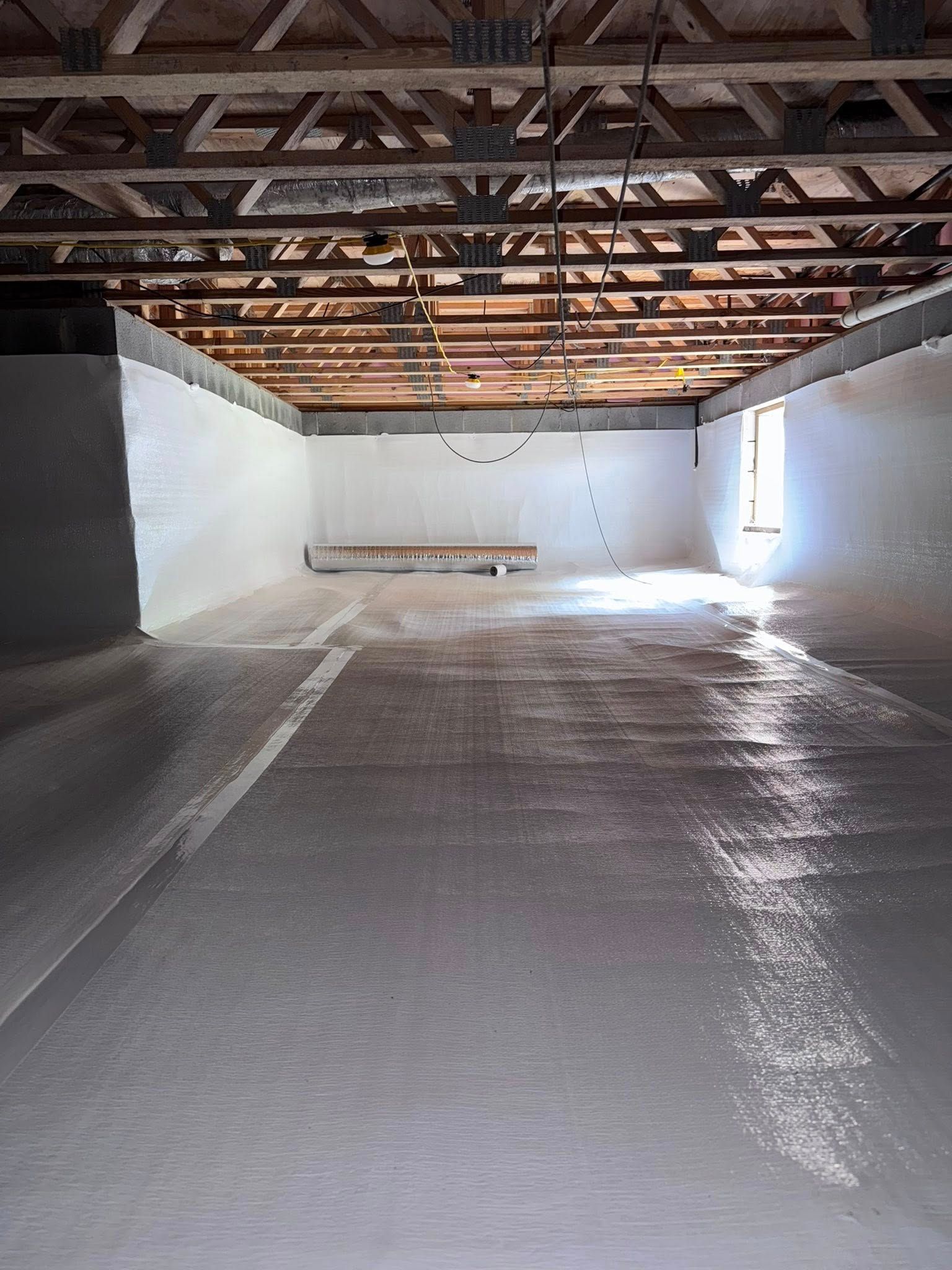
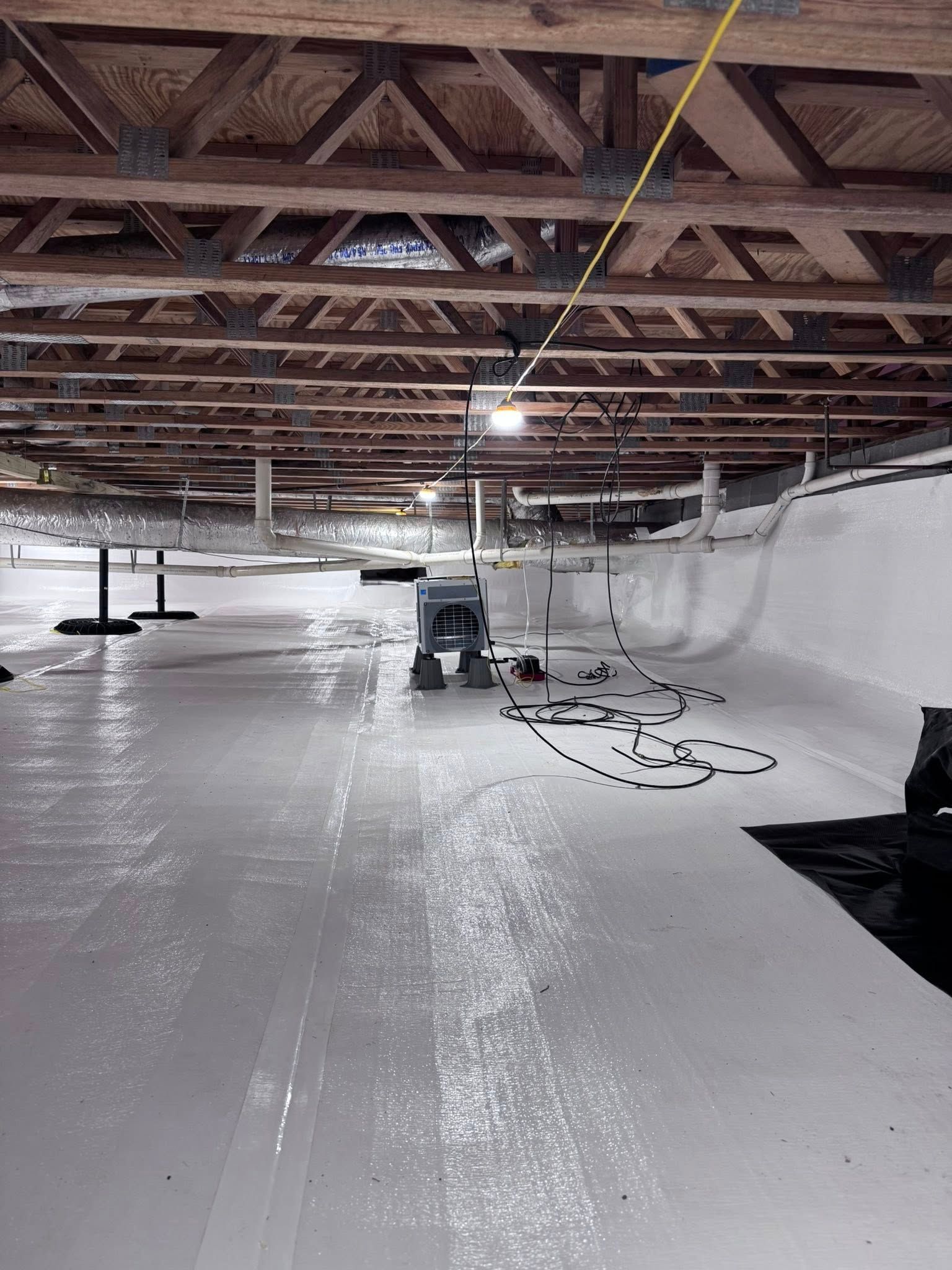
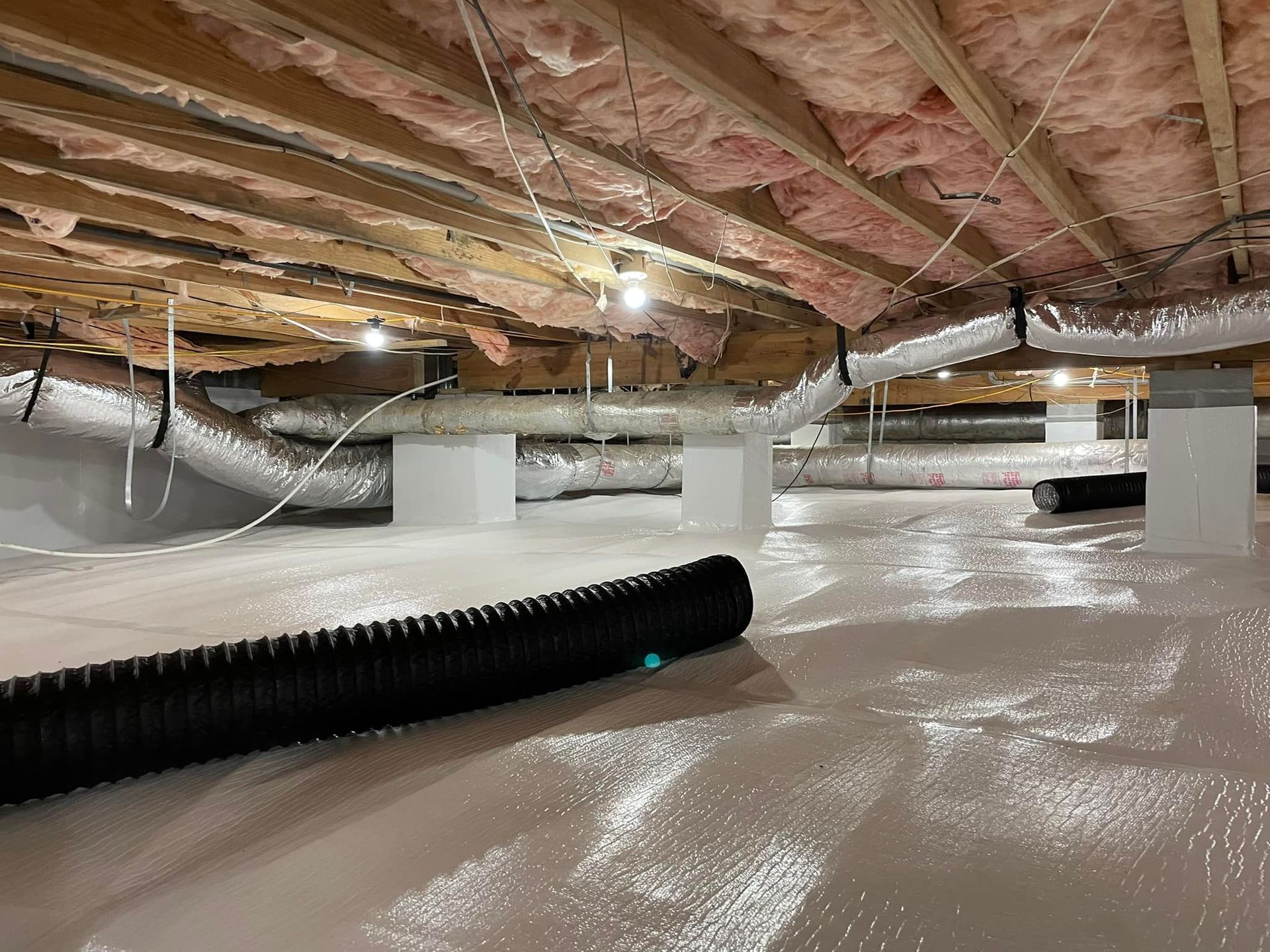
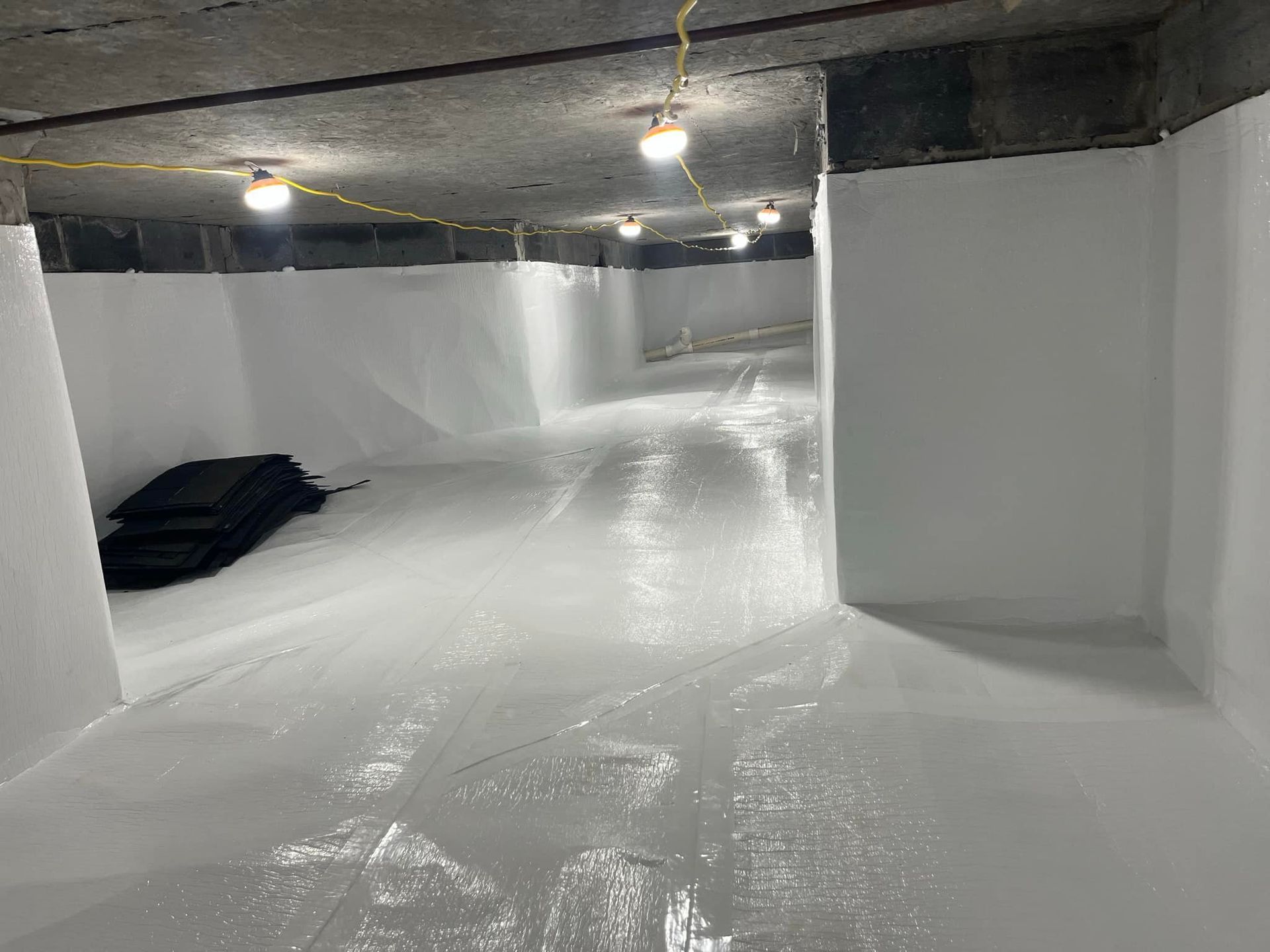
In this Farragut crawlspace, there was so much water it actually rose above the gravel line. That's the only reason we could see it. Most of the time, it stays hidden underneath.
And that water sitting against your foundation? It erodes the concrete over time. It creates moisture problems. It's why you end up with that musty smell six months after moving in.
The gravel isn't the problem. It's that nobody's addressing where the water is coming from or giving it somewhere to go.
How This Affects Homeowners
You buy a house. It's new construction or recently built. The inspection came back clean. You move in thinking everything's good.
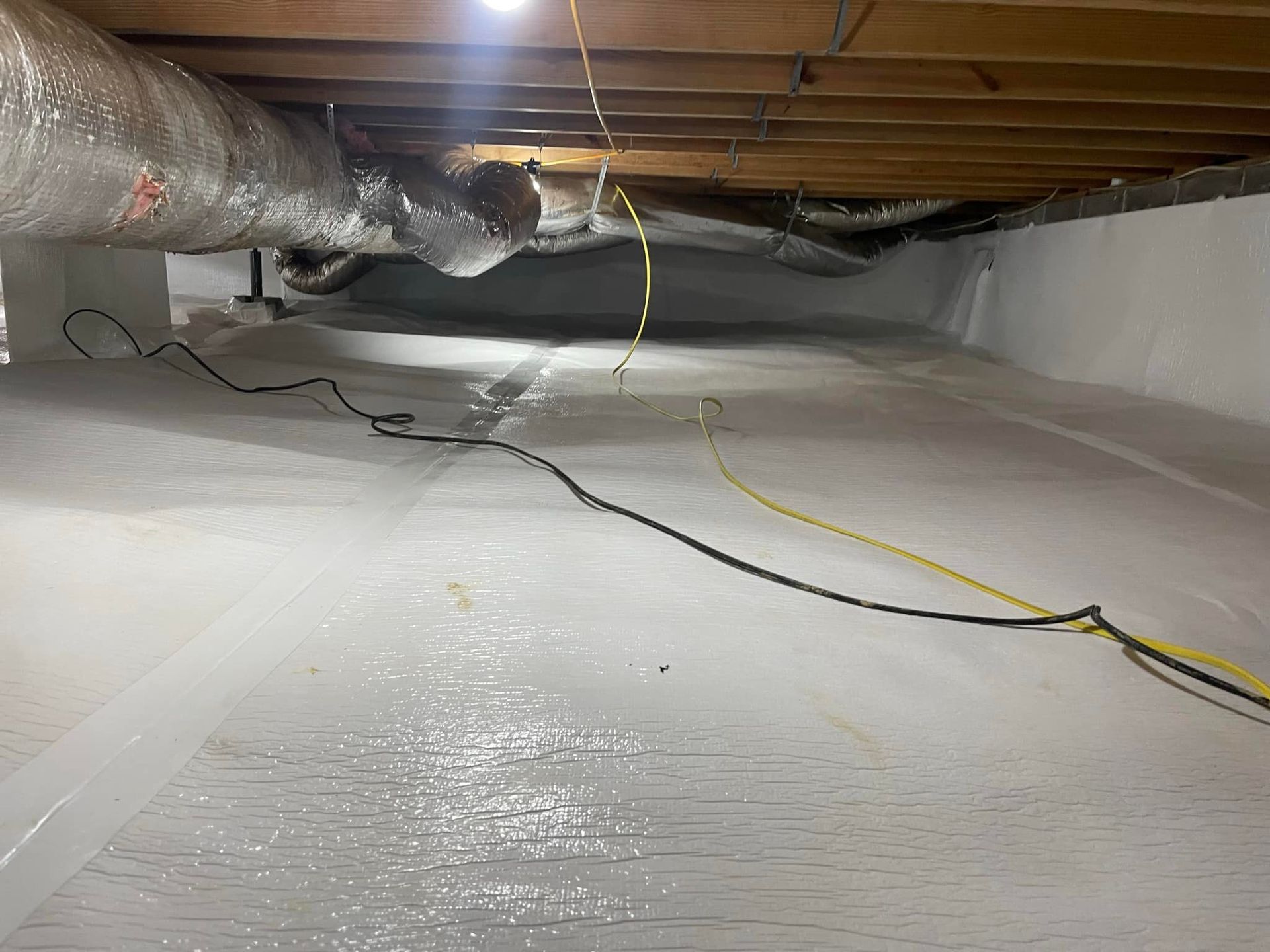
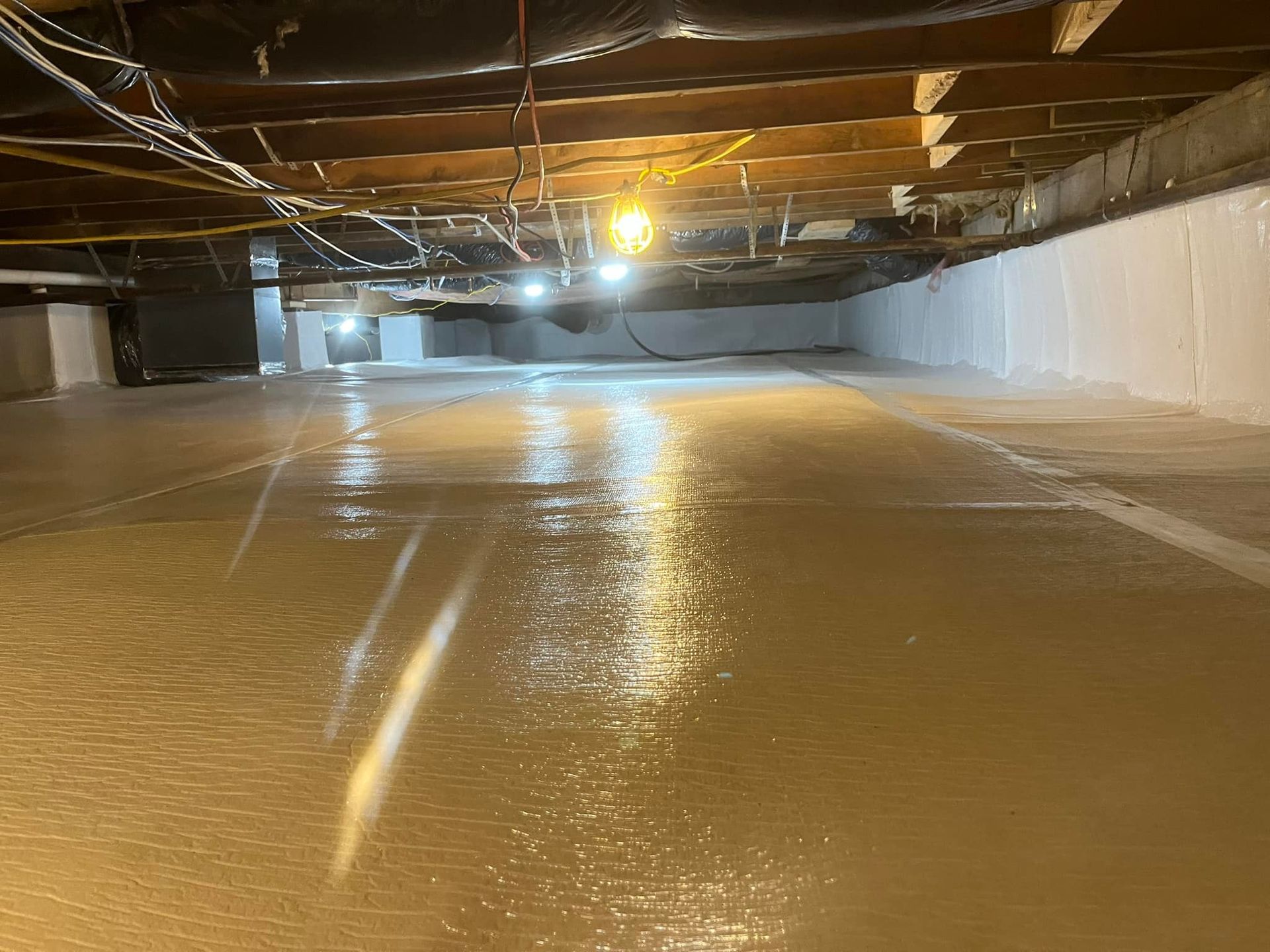
Then a few months down the road, you start noticing things. A musty smell that won't go away. Maybe the floors feel a little soft in certain spots. You open the crawlspace door and it hits you - that damp, moldy air.
You paid for a new house. This wasn't supposed to be your problem.
But that water has been sitting down there since day one. It's been against your foundation, slowly eroding the concrete. It's been creating the perfect environment for mold and fungal growth.
And now you're the one who has to fix it.
The builder moved on to the next development. The inspector did their job based on what was visible. Nobody dug under that gravel to see what was really happening.
This is your investment. Your family's home. And you're dealing with foundation and moisture issues that should have been addressed before you ever closed.
Why Builders Do This
Look, I'm not saying all builders are trying to scam people. But the system is set up for them to do the minimum.
Gravel backfill meets code. It looks clean. It passes inspection. And it's cheaper and faster than actually solving drainage problems.
From the builder's perspective, they did their job. They followed the rules. The house sold. They got paid and moved on.
What happens after closing isn't their concern. They're not the ones living with standing water in the crawlspace.
And here's the thing - most buyers don't know to check. They trust the inspection report. They assume new construction means everything was done right.
So builders keep doing it this way because there's no reason not to. It gets them through the sale, and that's what matters.
The homeowner finds out later that passing inspection and actually being built right aren't always the same thing.
How to Check for Hidden Water Yourself
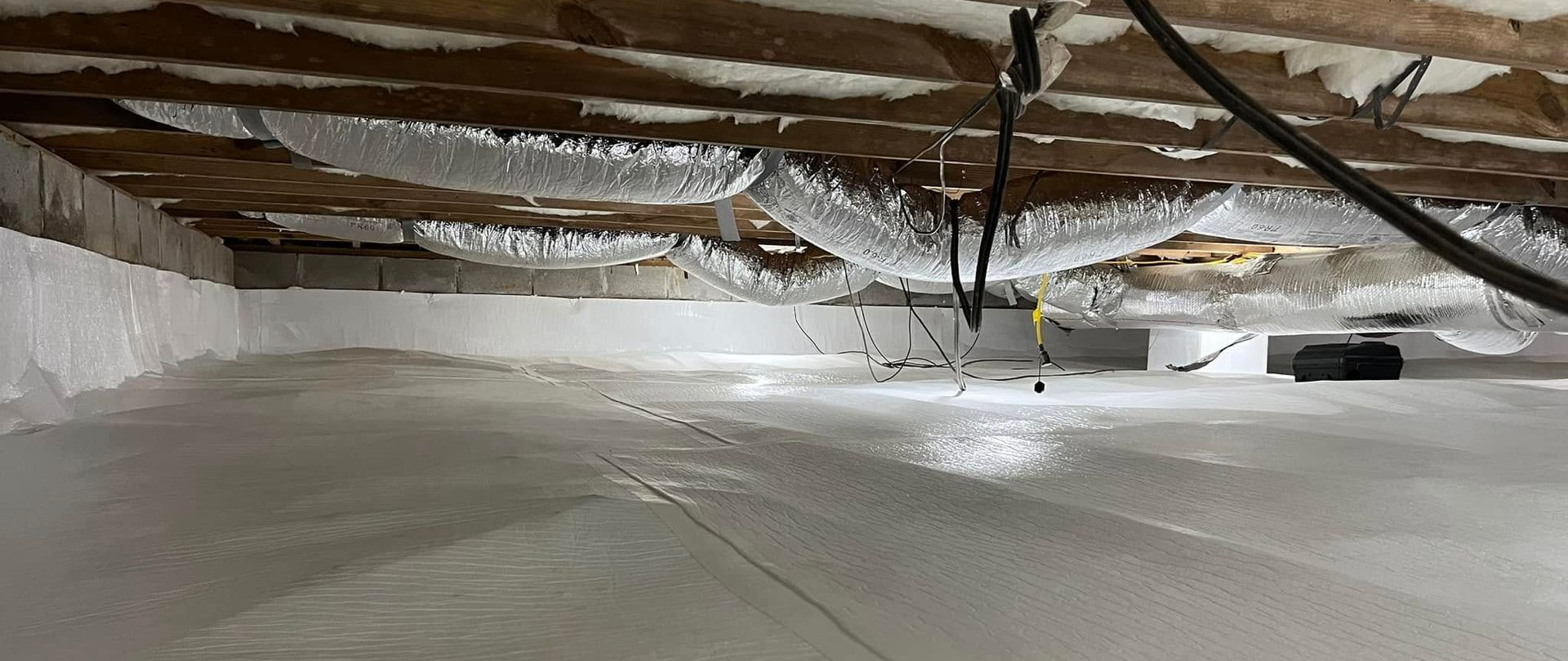
If you're buying a house or you just bought one, don't take the inspection report at face value. Get down there and check yourself.
The best time to do this is after a good rain. Wait for a heavy storm, then go look at your crawlspace within a day or two.
Find the low spots. Usually they're in the corners or along one side where the ground naturally slopes. That's where water accumulates first.
Here's the key - don't just look at the surface. If there's gravel down there, you need to dig under it a little bit. Use your hand or a small shovel. Go down a few inches.
If there's water, you'll find it. You'll feel the dampness. You might see it pooling underneath.
Check multiple spots, especially the lowest areas. Sometimes water only shows up in certain sections.
If you find standing water, that's your answer. You've got a drainage problem that needs to be fixed. Don't wait for it to get worse.
And if you're still in the buying process and you find this? Use it in your negotiations. Make the builder fix it before you close. Or get a credit so you can hire someone to do it right.
What Actually Needs to Happen
Standing water means you've got a drainage problem. A vapor barrier alone won't fix it.
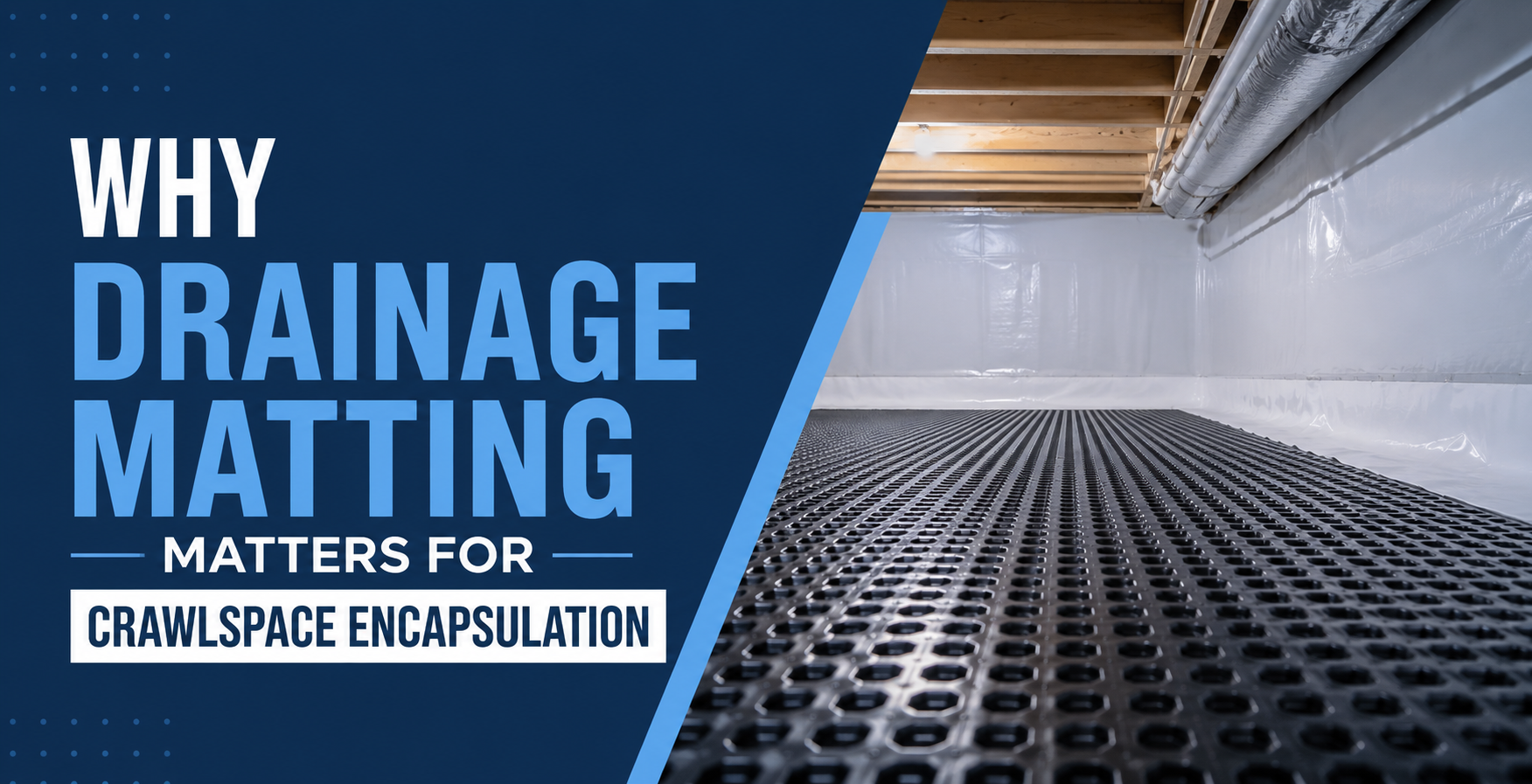
The water needs somewhere to go. That usually means installing a perimeter drain system in the low areas. The drain collects the water and feeds it to a sump pump that pushes it out and away from your foundation.
But you also need to look outside. A lot of crawlspace water problems start with downspouts dumping right next to the house. Extend those downspouts at least six feet away from the foundation. That's a simple fix that makes a huge difference.
Check your grading too. If the ground slopes toward your house instead of away from it, water is always going to end up in your crawlspace. Sometimes you need to regrade around the foundation to direct water the right way.
The gravel can stay. It's not hurting anything. But you need to address what's causing the water to accumulate in the first place.
Fix the drainage, manage the water outside, and then your vapor barrier can actually do its job. That's how you solve the problem for good.
Get a Real Crawlspace Assessment
If you're dealing with standing water or you just want to make sure your crawlspace is in good shape, let's take a look.
We'll come out and do a full inspection. Check for hidden water issues. Look at your drainage situation. Give you an honest assessment of what's going on.
And if you're in the process of buying a house, we can inspect it before you close. After a rain, we'll get down there and see what's really happening under that gravel.
No pressure. No games. Just a straightforward conversation about your crawlspace and what it needs.
You can reach us directly. We'll get you on the schedule fast and give you a clear picture of what you're dealing with.
Because you shouldn't have to find out about water problems six months after moving in. You should know before it becomes your headache.