Reinforced Vapor Barriers: Why They Smell and What to Use Instead
Walked Into a Crawlspace That Smelled Like Cat Pee
HERE'S WHAT THIS OLIVER SPRINGS HOMEOWNER IS DEALING WITH NOW
I opened the crawlspace door in Farragut yesterday and the smell hit me immediately. Cat pee. Strong enough to make your eyes water.
But here's the thing - there were no cats.
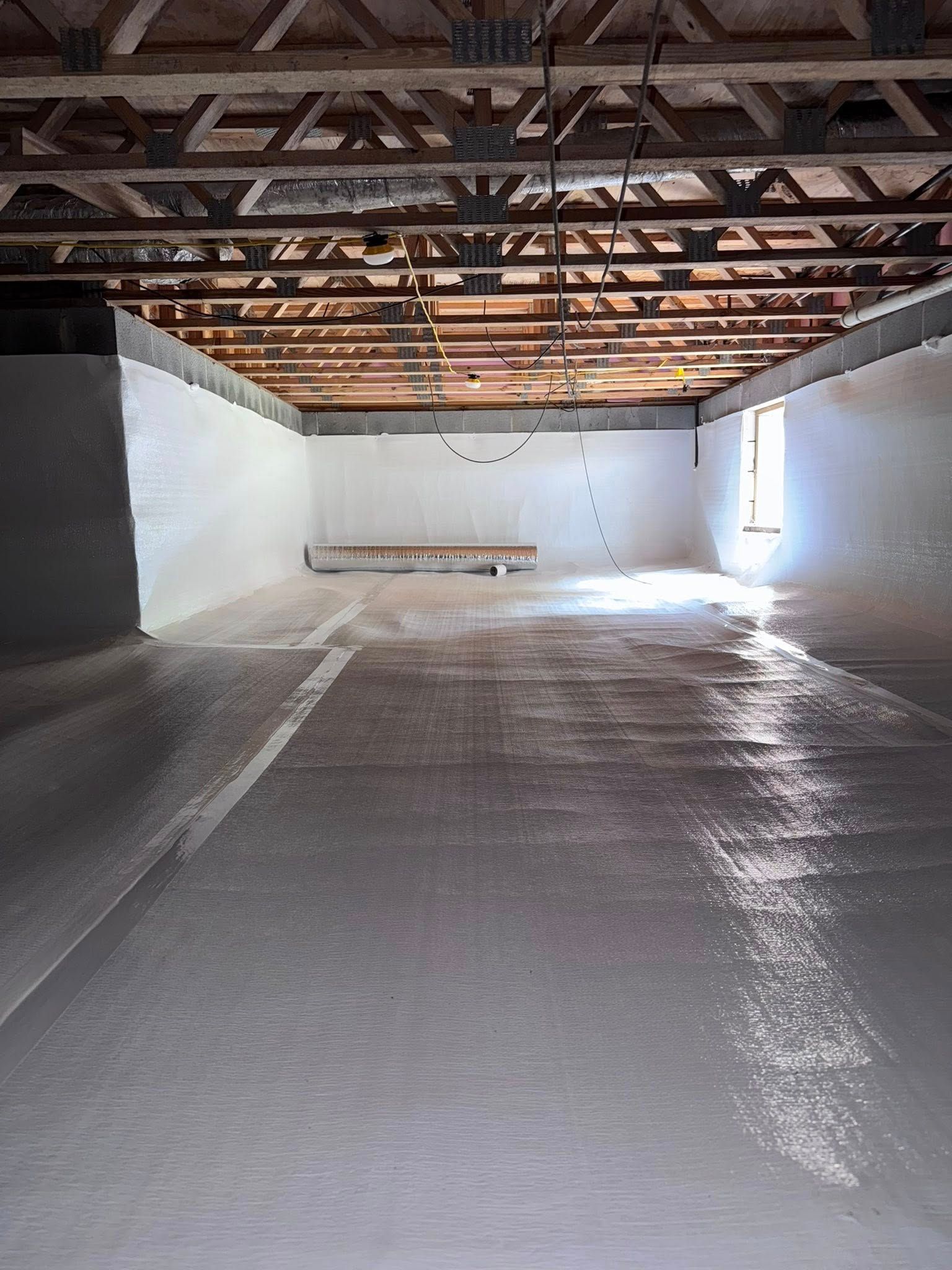
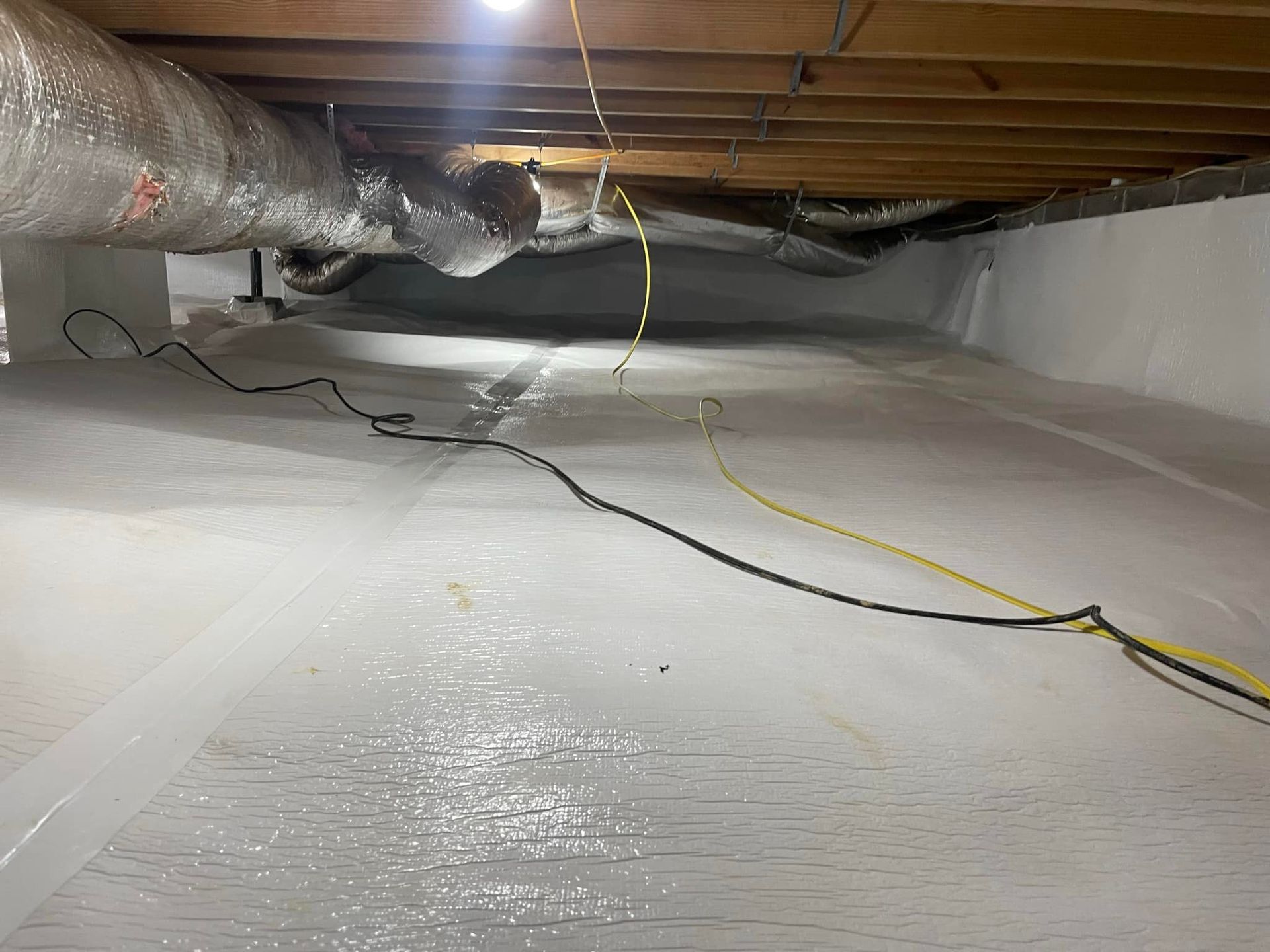
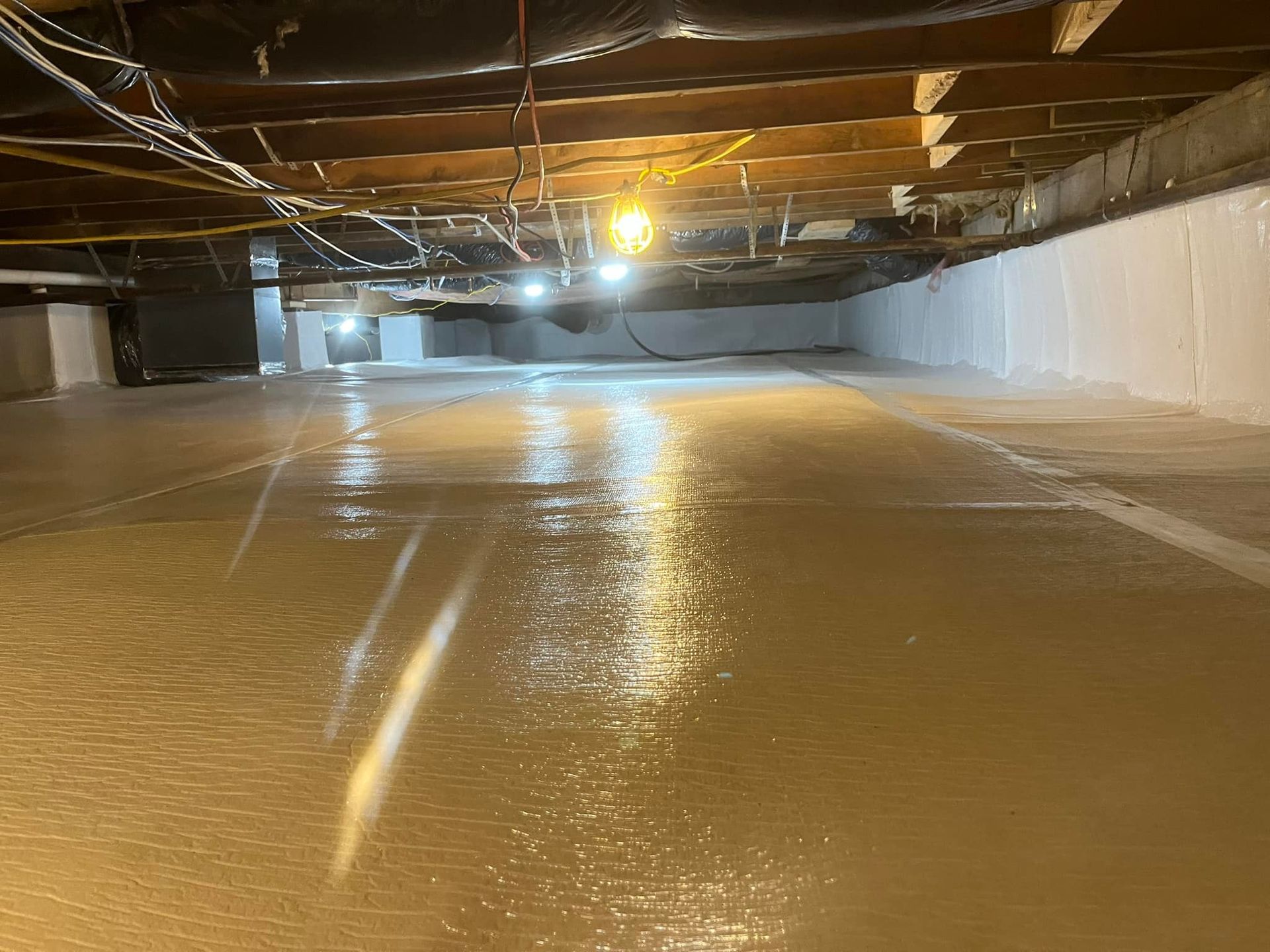
What I found was worse. An encapsulated crawlspace inside another crawlspace that wasn't encapsulated. Someone had done work here before. Spent good money on it. And now it's falling apart.
The culprit? A reinforced vapor barrier that's delaminating. Breaking down. Creating that ammonia smell that makes the whole house stink.
If you're thinking about getting crawlspace work done, or if you already have encapsulation that's starting to smell, you need to understand what's happening here. Because this is more common than you think.
The Reinforced Vapor Barrier Problem
Let me explain what "reinforced" means and why it's actually a problem.
Reinforced vapor barriers have a fabric layer sandwiched between two layers of plastic. It sounds stronger. Sales guys love to talk about how thick and durable it is. This one was 12 mil.
But here's what they don't tell you - that fabric layer is held together with adhesive. And when that barrier gets wet (which it will in a crawlspace), the adhesive starts to break down. That's called delamination.
When it delaminates, it creates that cat pee smell. It's the adhesive off-gassing as it fails. Some people call it an ammonia smell. Either way, it's awful. And it doesn't just stay in the crawlspace. That smell gets into your HVAC system and spreads through your whole house.
The worst part? This doesn't happen right away. It takes months, sometimes a year or more. By the time you notice it, the company that installed it is long gone. Good luck getting them to come back and fix it.
This is why we don't use reinforced barriers. Ever. I don't care how thick they are or how good they sound in a sales pitch. They fail. And when they do, the customer pays the price.
What I Found in This Crawlspace
This crawlspace was a mess. Let me walk you through what I saw.
First, there's an encapsulated section and then a completely separate unencapsulated section. Someone did partial work here. Maybe they ran out of money. Maybe the company only quoted part of it. Either way, you've got moisture from one area affecting the other. It doesn't work.
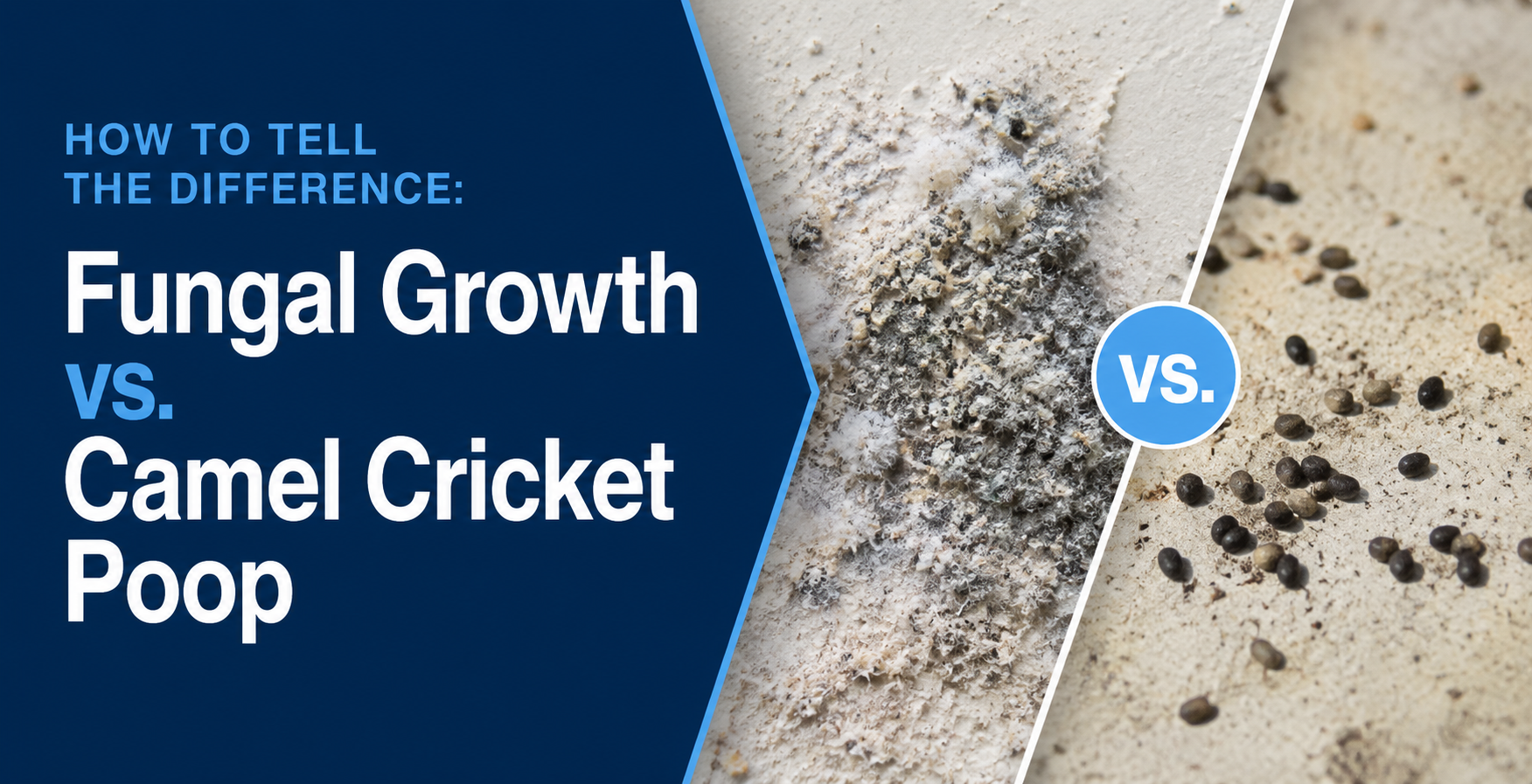
The encapsulated section had fungal growth all over the wood. So the encapsulation didn't even solve the moisture problem it was supposed to fix. The wood is still rotting.
There's a sump pump installed with a battery backup. Sounds good, right? Except the sump pump doesn't work. I don't know if it ever worked or if it just quit. But it's useless now.
And then there are the tape seams. I call them bacon strips. That's what they look like when the tape is applied poorly and starts to curl up. The seams are supposed to be airtight. These aren't even close. Air and moisture are getting through everywhere.
The whole job was done on the cheap. Quick install. Low-quality materials. No attention to detail. And now this homeowner is stuck with a crawlspace that smells, doesn't work, and needs to be completely redone.
That's not just wasted money. That's a failure.
Why Reinforced Barriers Are Still Being Used
You're probably wondering - if these barriers cause problems, why do so many companies still use them?
Simple. They're cheaper. A reinforced barrier costs less than a quality non-reinforced one. And when you're a big company trying to hit margins on hundreds of jobs, that adds up.
Plus, they sound good in the sales pitch. "It's 12 mil thick. It's reinforced for extra strength." Customers hear that and think they're getting something premium. They don't know to ask if it'll delaminate.
Most homeowners have no idea what to look for. They trust that a big company with billboards and fancy trucks knows what they're doing. So they sign the contract and assume everything will be fine.
The companies using these materials are thinking short-term. Get the job installed. Get paid. Move on to the next one. They're not thinking about what happens two years from now when it starts to smell.
And here's the reality - by the time the customer notices the problem, it's too late. The warranty has exceptions. The company is hard to reach. Or they just blame it on something else. The customer gets stuck holding the bag.
That's why we do it different. I'm not trying to squeeze every dollar out of every job. I'm trying to build something that lasts. Because I live here. I see these customers around town. My name is on this business.
What We Use Instead (And Why)
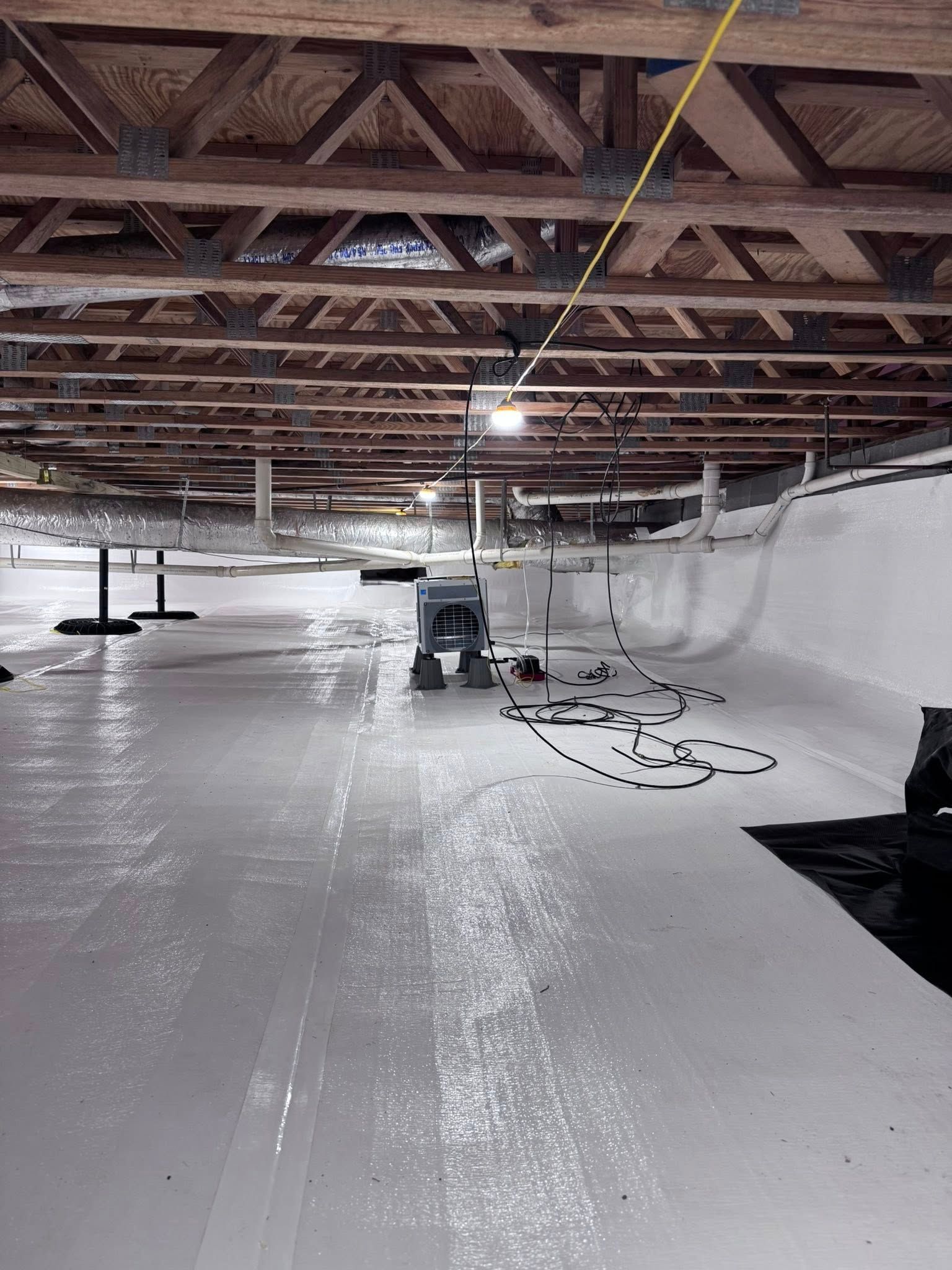
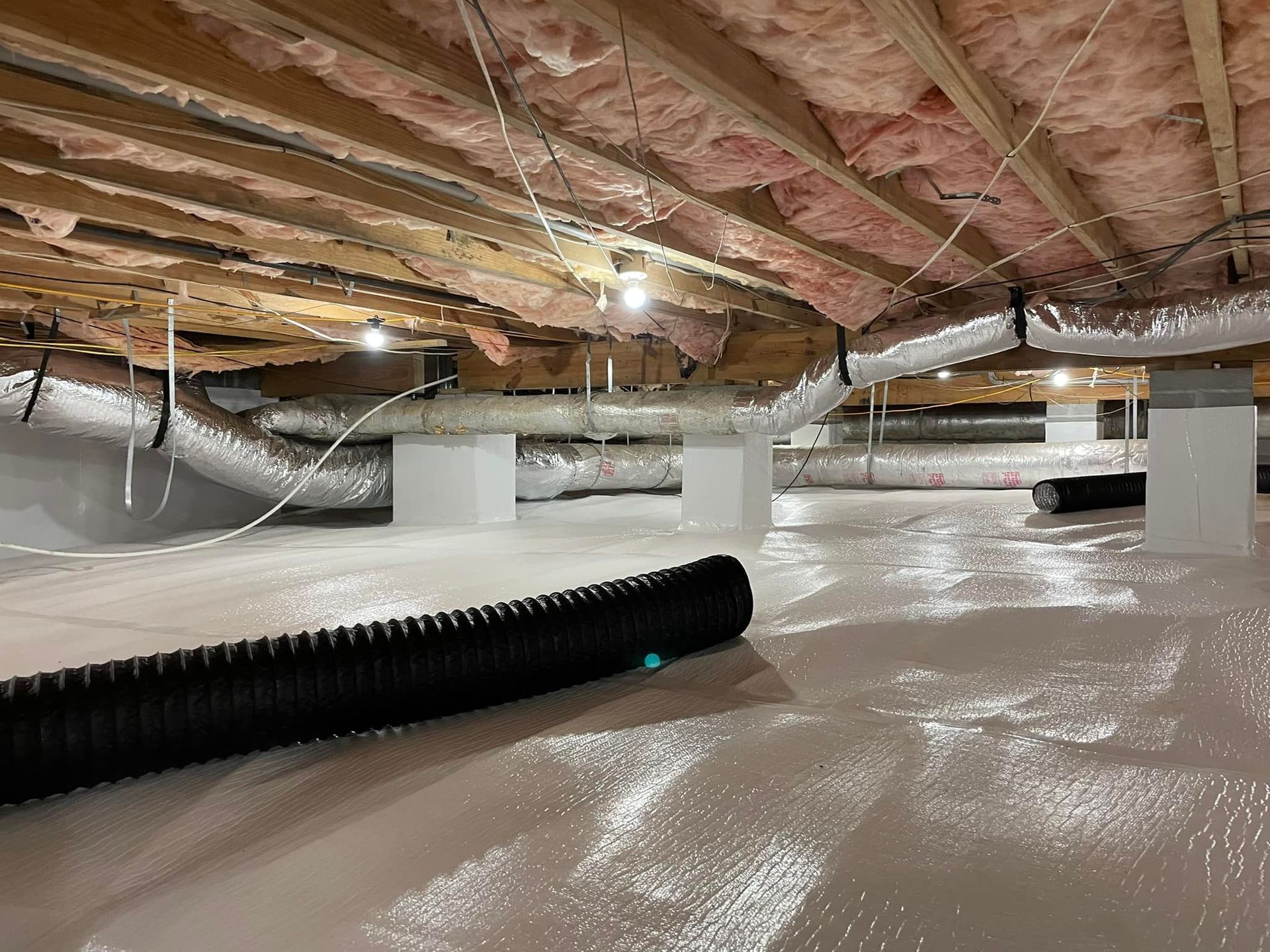
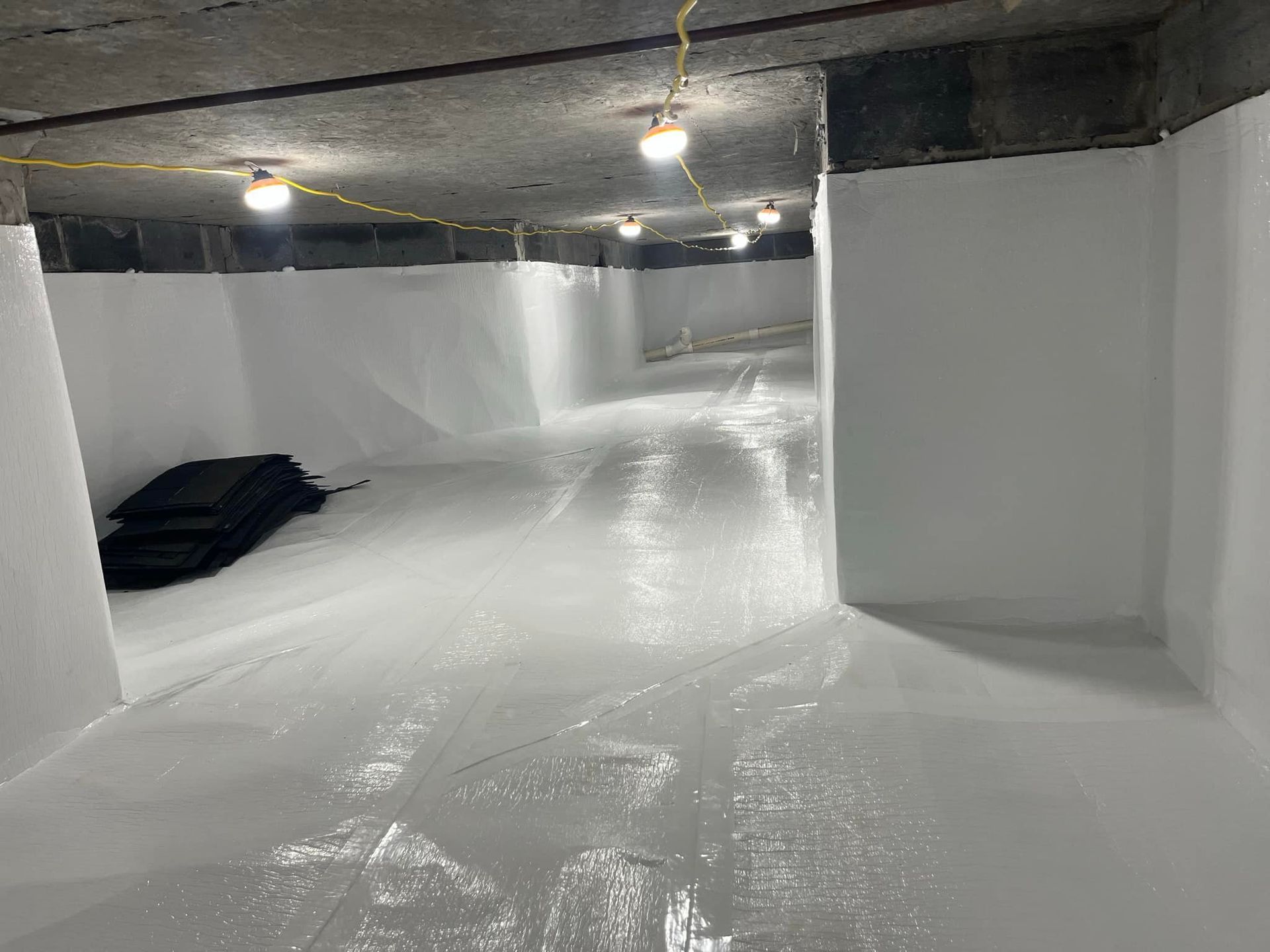
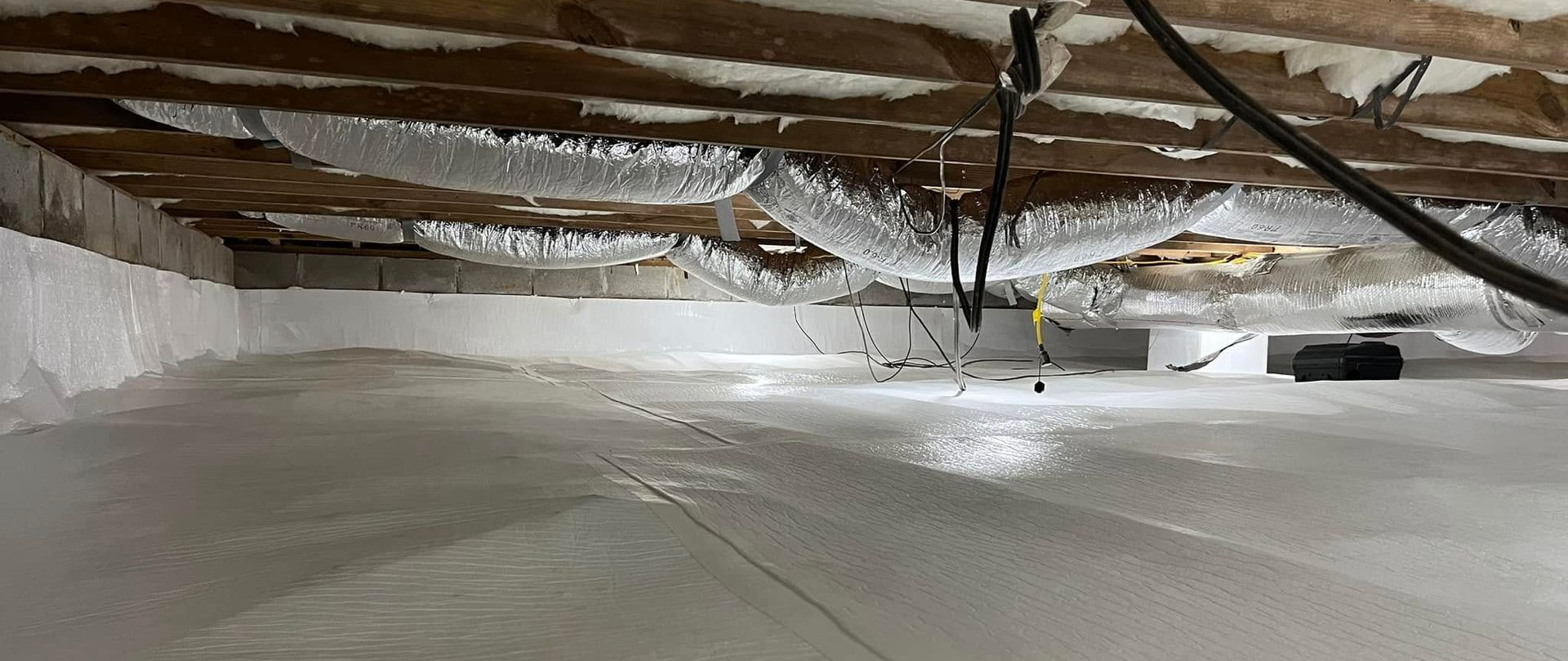
We use non-reinforced vapor barriers. No fabric layer. No adhesive to break down. Just solid, quality plastic that won't delaminate.
Thickness still matters, but not the way most people think. We typically use 10 to 20 mil barriers depending on the job. But the key is that it's non-reinforced. A 10 mil non-reinforced barrier will outlast a 12 mil reinforced one every time.
The materials we use are specifically warranted against breakdown and odor. That's in writing. If it starts to smell like cat pee, we fix it. But it won't, because we're using materials that don't fail like that.
Now, material is only half the equation. Installation matters just as much. You can have the best vapor barrier in the world, but if it's not fastened to the walls correctly and the seams aren't sealed properly, it won't work.
We fasten the barrier to the foundation walls so it actually stays in place. We tape every seam with quality tape, applied correctly so it creates an airtight seal. No bacon strips. Everything is clean and tight.
The upfront cost is a little higher than the cheap stuff. I'm not going to lie about that. But when you factor in that you're not going to have to redo it in three years, it's actually cheaper in the long run. You're paying once for work that lasts instead of paying twice for work that fails.
That's the difference between doing it cheap and doing it right.
How to Tell If Your Vapor Barrier Will Fail
If you already have encapsulation, here's how to know if you've got a problem brewing.
The smell is the obvious one. If your crawlspace smells like cat pee or ammonia, your vapor barrier is probably delaminating. That smell will only get worse over time.
But you can catch it before the smell starts. Go down there and look at the material. If it's reinforced, you can usually see or feel the fabric layer. It'll have a woven texture to it. That's your red flag.
Ask whoever did the work what mil thickness they used and whether it's reinforced. If they say it's reinforced, it's going to fail eventually. Doesn't matter if it's 12 mil, 15 mil, or 20 mil. Reinforced means it has that adhesive layer that breaks down.
Look at the tape seams. Are they flat and smooth, or are they curling up like bacon strips? If they're peeling, moisture and air are getting through. That's a sign of poor installation and cheap materials.
And check if there's a warranty specifically against delamination and odor. Most companies won't warranty that because they know it's going to happen. If the warranty has a bunch of exceptions or doesn't mention material breakdown, that tells you something.
If you're seeing any of these signs, you've probably got a vapor barrier that won't last.
Get It Done Right the First Time
Look, I know this stuff isn't fun to think about. Crawlspaces aren't glamorous. But they matter. They affect your home's air quality, your energy bills, your foundation's health.
If you're dealing with a crawlspace that smells or you're worried about the work that was done, let's take a look. I'll come out personally or send one of my managers. We'll tell you straight up what's going on and what needs to happen.
We don't use reinforced vapor barriers. Period. We use materials that last. We install them properly. And we warranty them against the problems I've been talking about.
No games. No pressure. Just honest assessment and quality work.
You shouldn't have to pay twice to get your crawlspace fixed. Let's do it right the first time.