3 Weeks Later: This Crawlspace Still Looks Perfect
Why I Go Back and Check My Work
MOST COMPANIES ONLY SHOW YOU DAY-ONE PICTURES
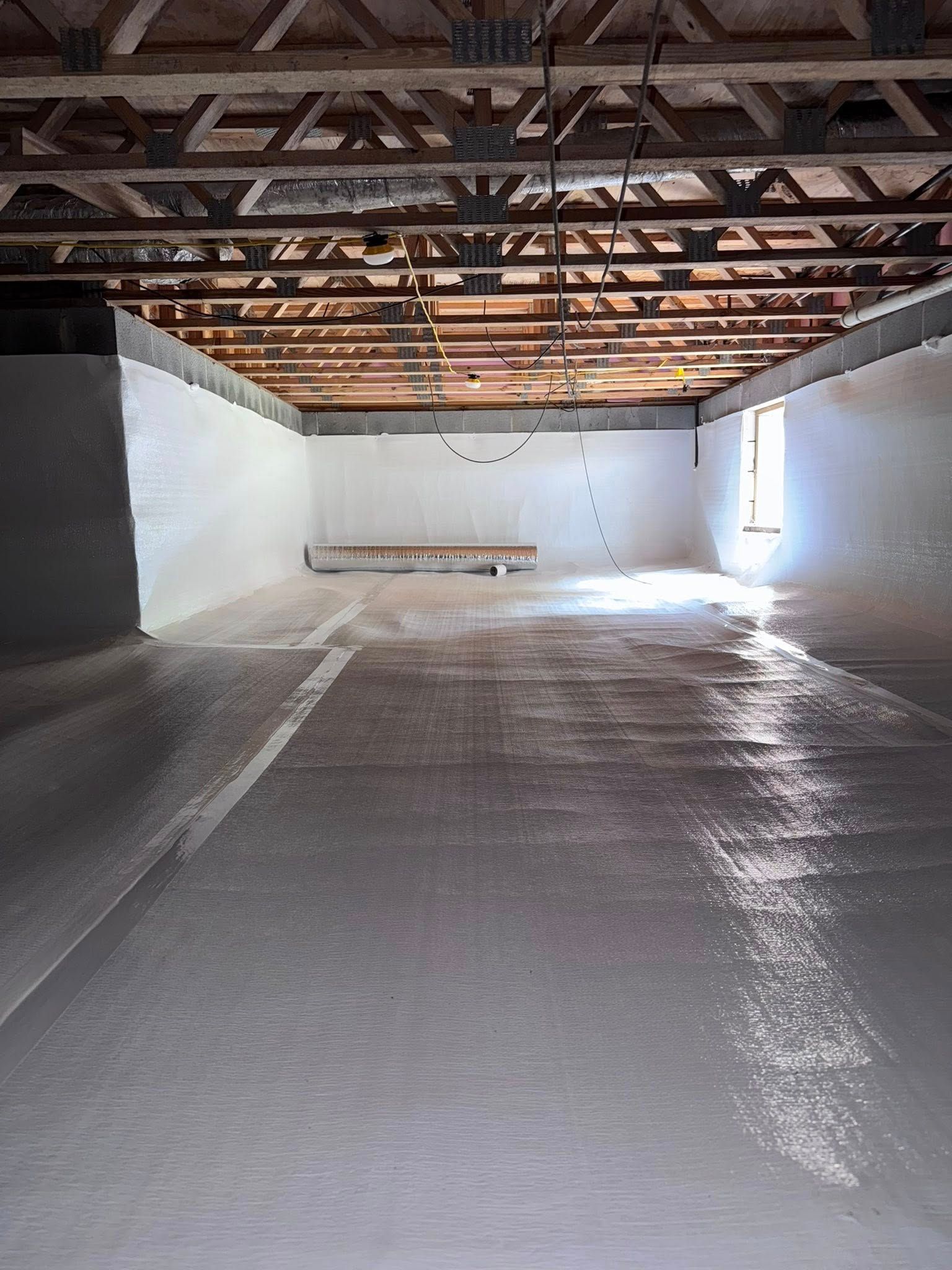
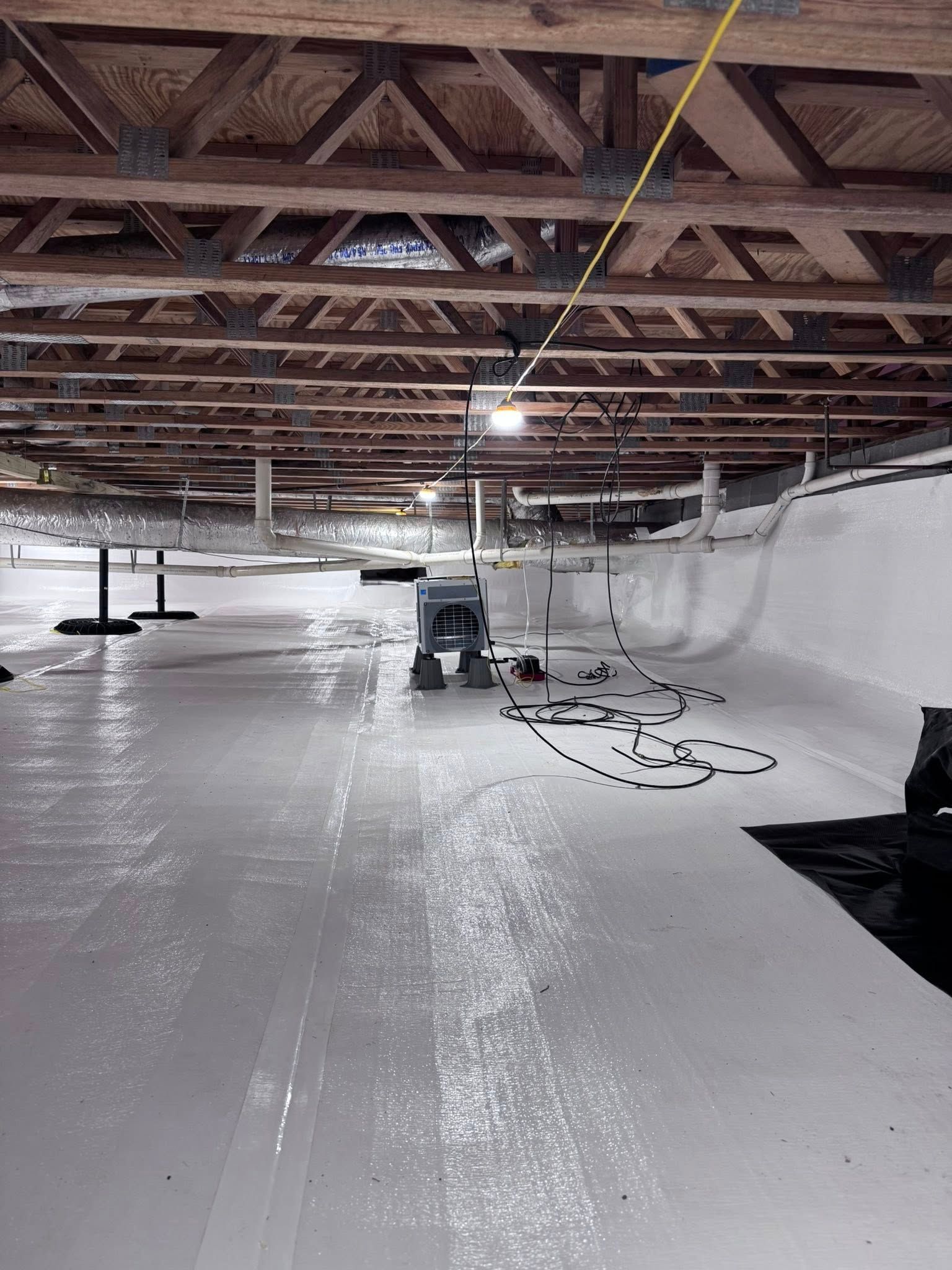
I was out in Dandridge yesterday checking on a crawlspace we finished about three weeks ago.
Most contractors don't do this. They finish the job, take some pictures, and move on to the next one. You only ever see what it looks like on install day.
But install day doesn't tell you much. Everything looks good when it's brand new. The real test is how it holds up after a few weeks. After the materials have settled. After the systems have been running.
That's why I make it a point to go back. I want to see if everything's working the way it should. And I want my customers to know I'm not just going to disappear after I get paid.
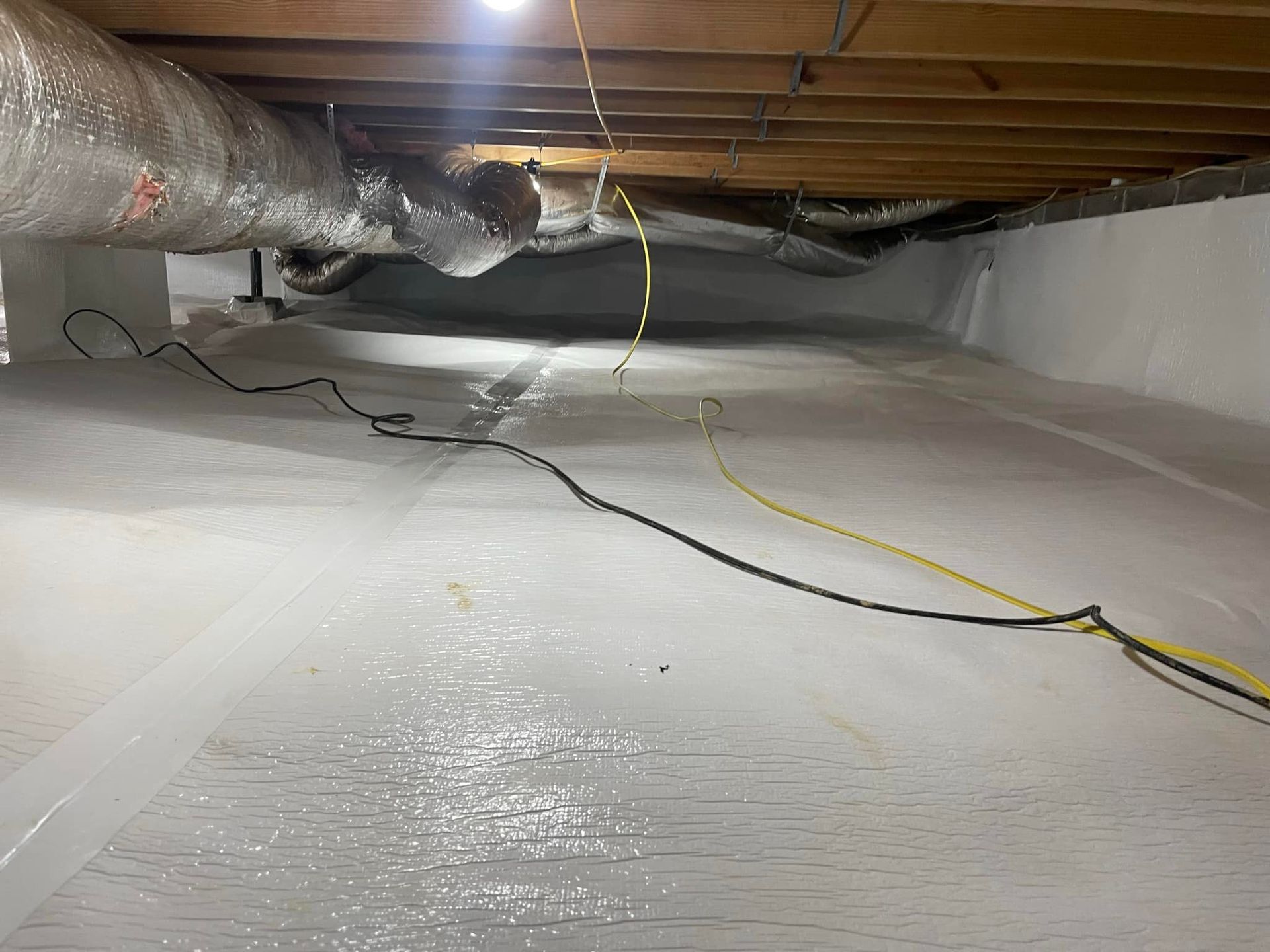
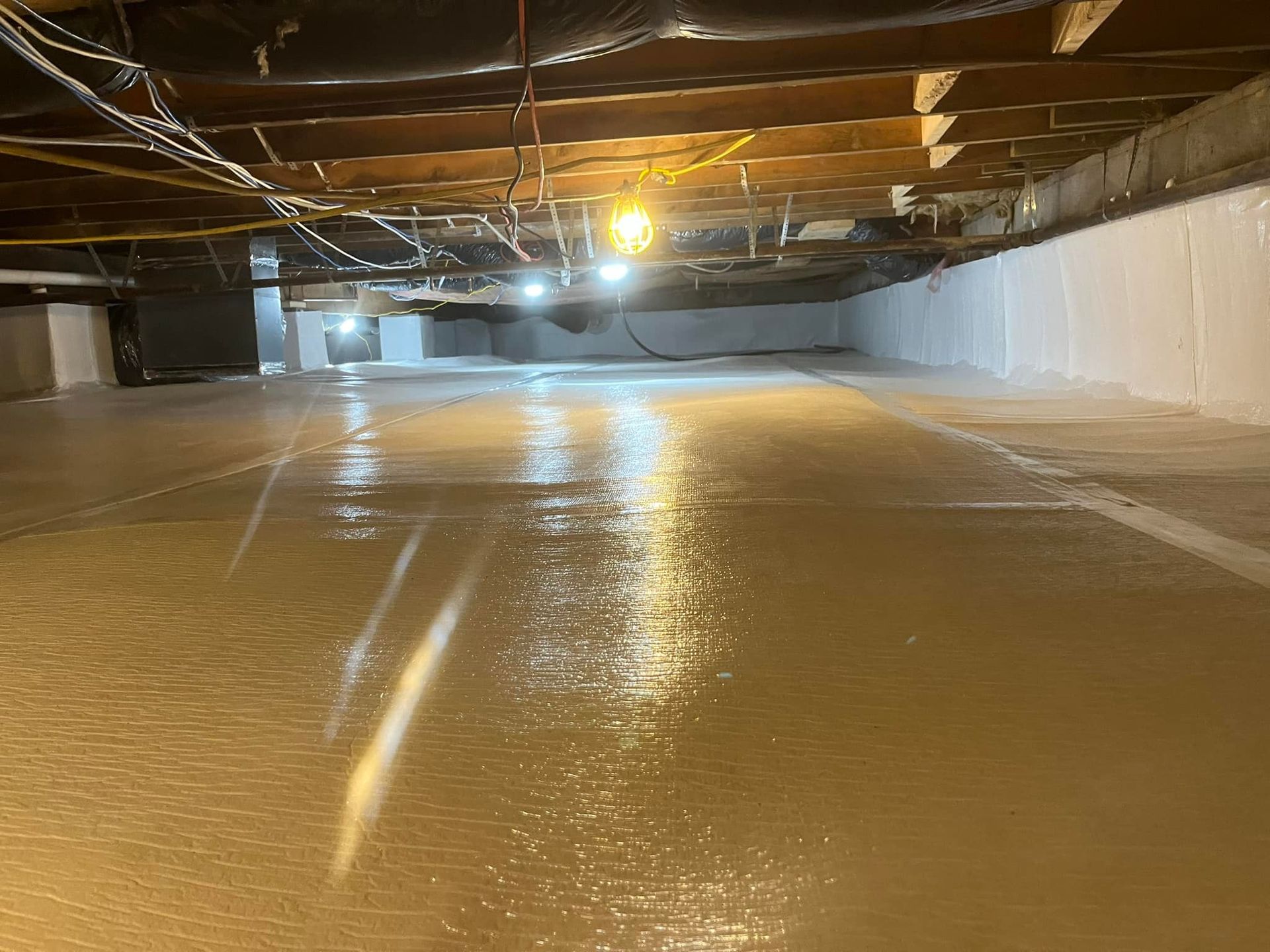
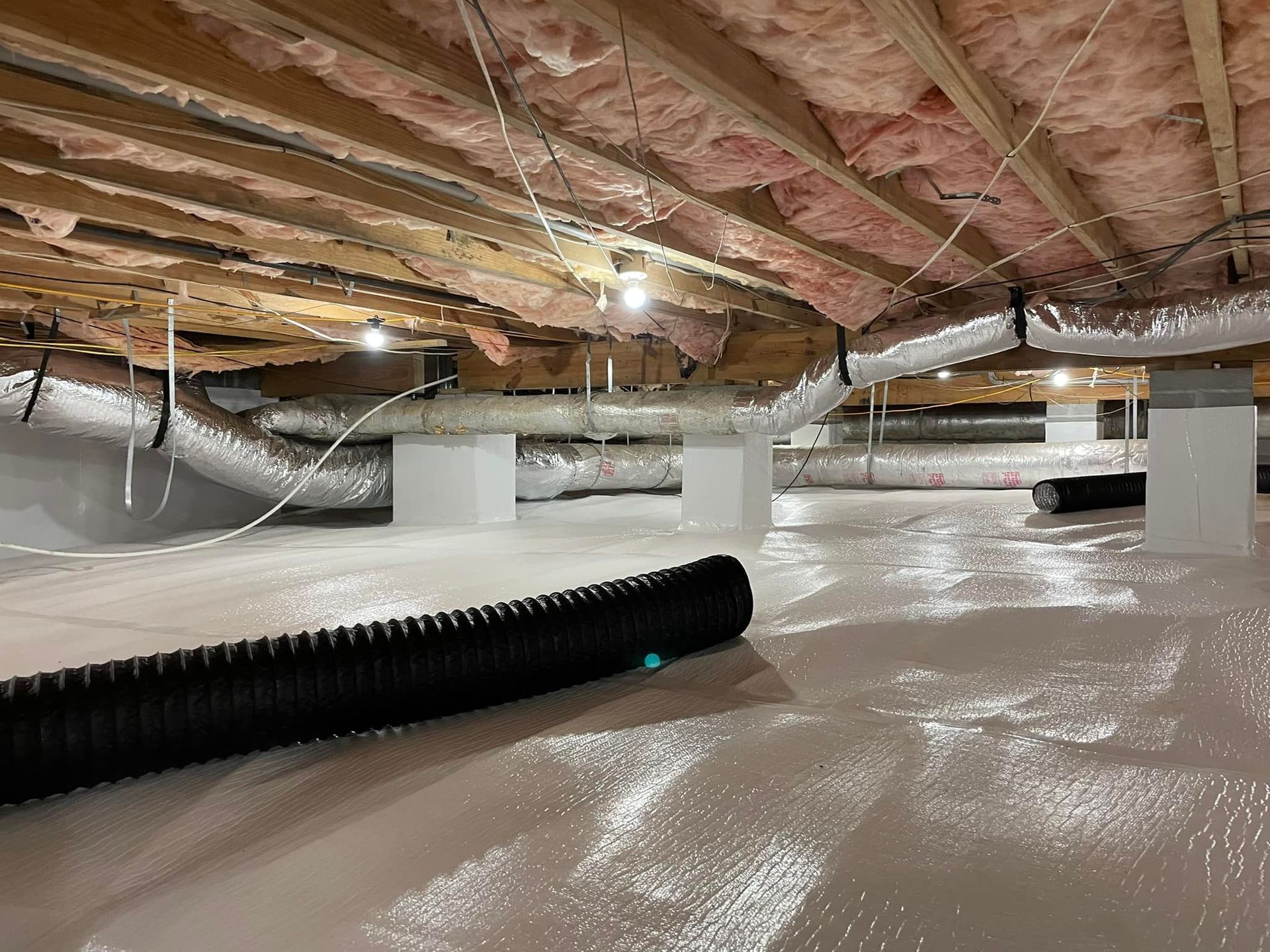
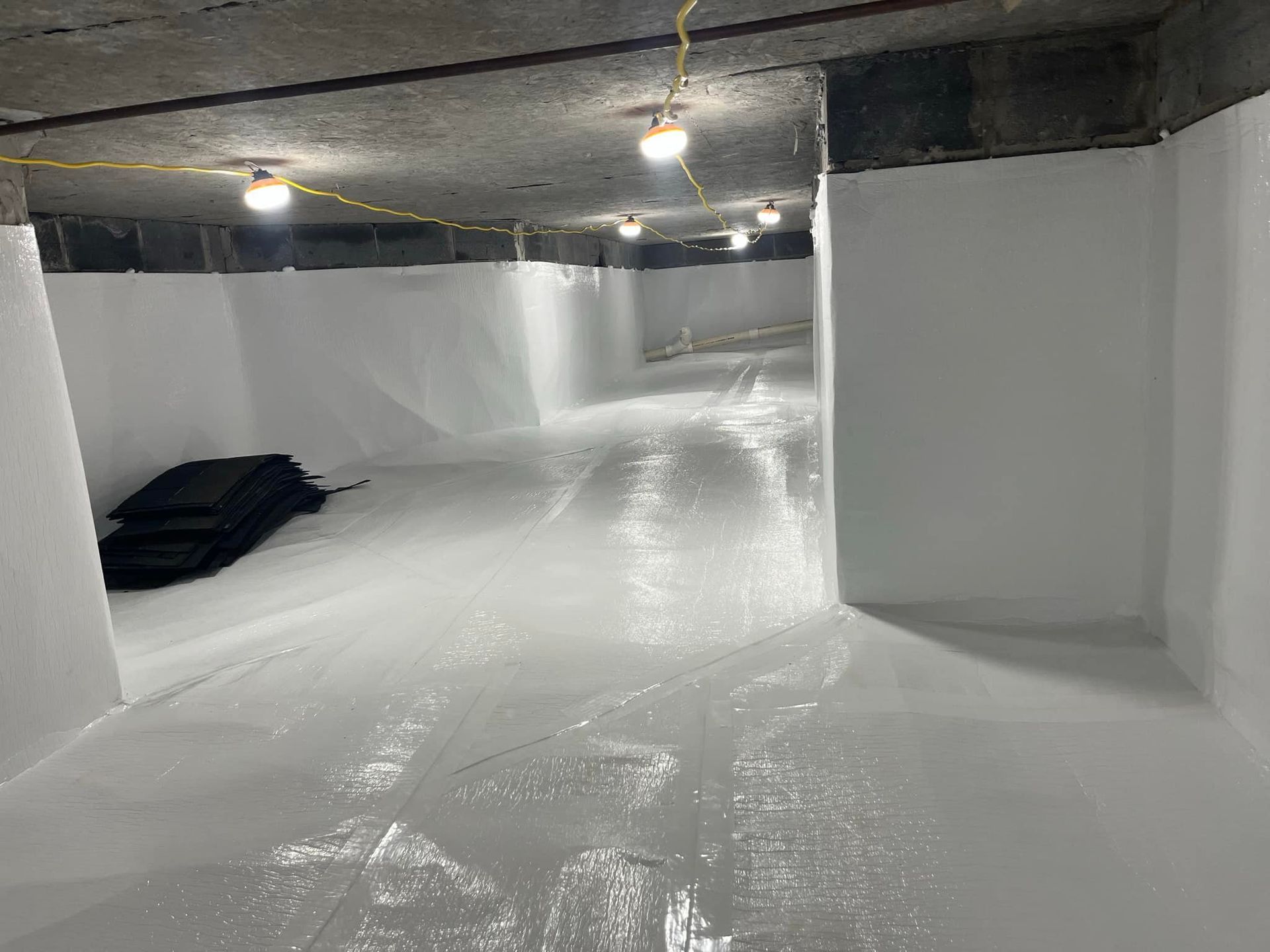
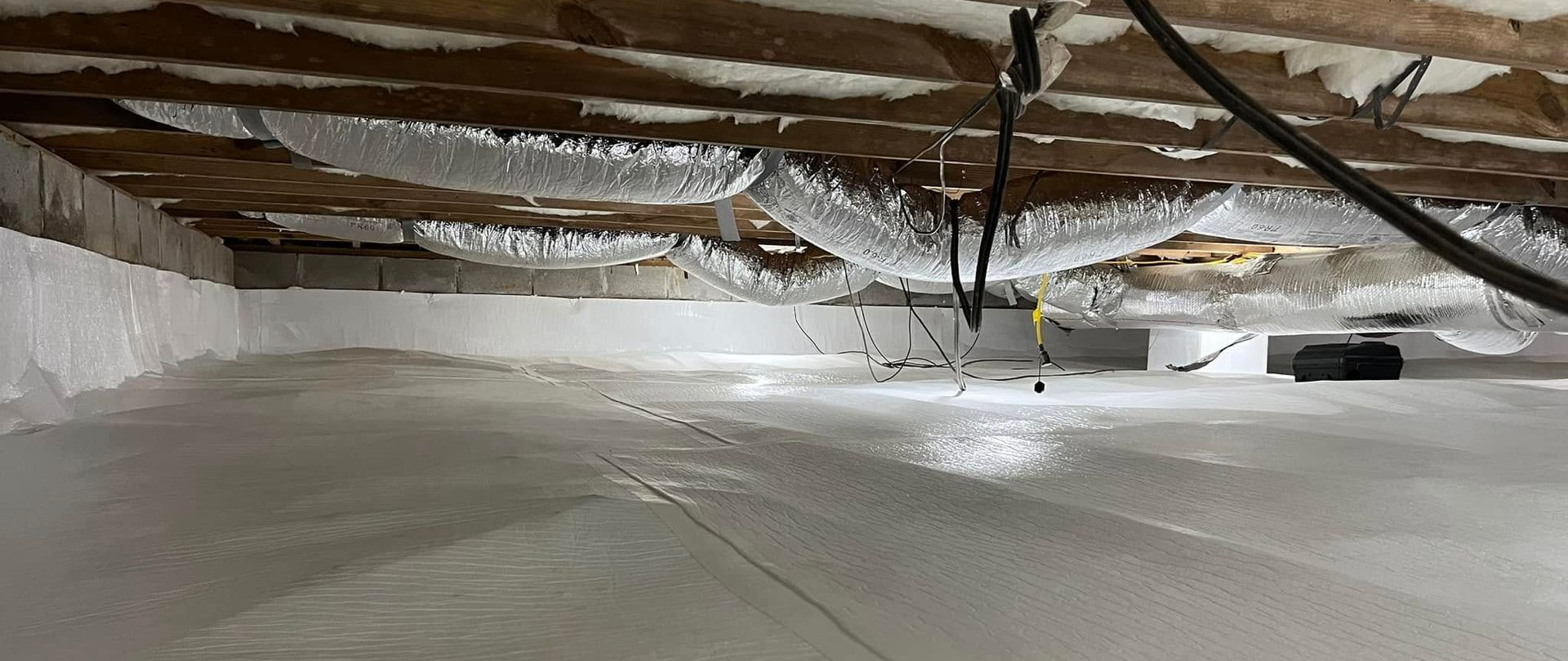
This crawlspace still looks perfect. Clean. Dry. Systems running exactly right. That's what happens when you do the job correctly from the start.
What I Found Three Weeks Later
The crawlspace looked exactly like it did on install day. Still clean. No signs of moisture. Everything functioning properly.
The perimeter drainage we installed is doing its job. This section had standing water all along that foundation wall before we got there. Now? Completely dry.
The sump pump is running when it needs to. The dehumidifier is pulling air from both the new addition and the older section through the ducting we installed. Humidity levels are right where they should be.
No material breakdown. No settling issues. No problems at all.
This is what quality work looks like after three weeks. Not just on the day we finish, but when we come back to check on it.
The Systems We Installed (And Why)
This job needed more than just a vapor barrier. The homeowner had standing water along the entire foundation wall on one side. You can't just cover that up and hope it goes away.
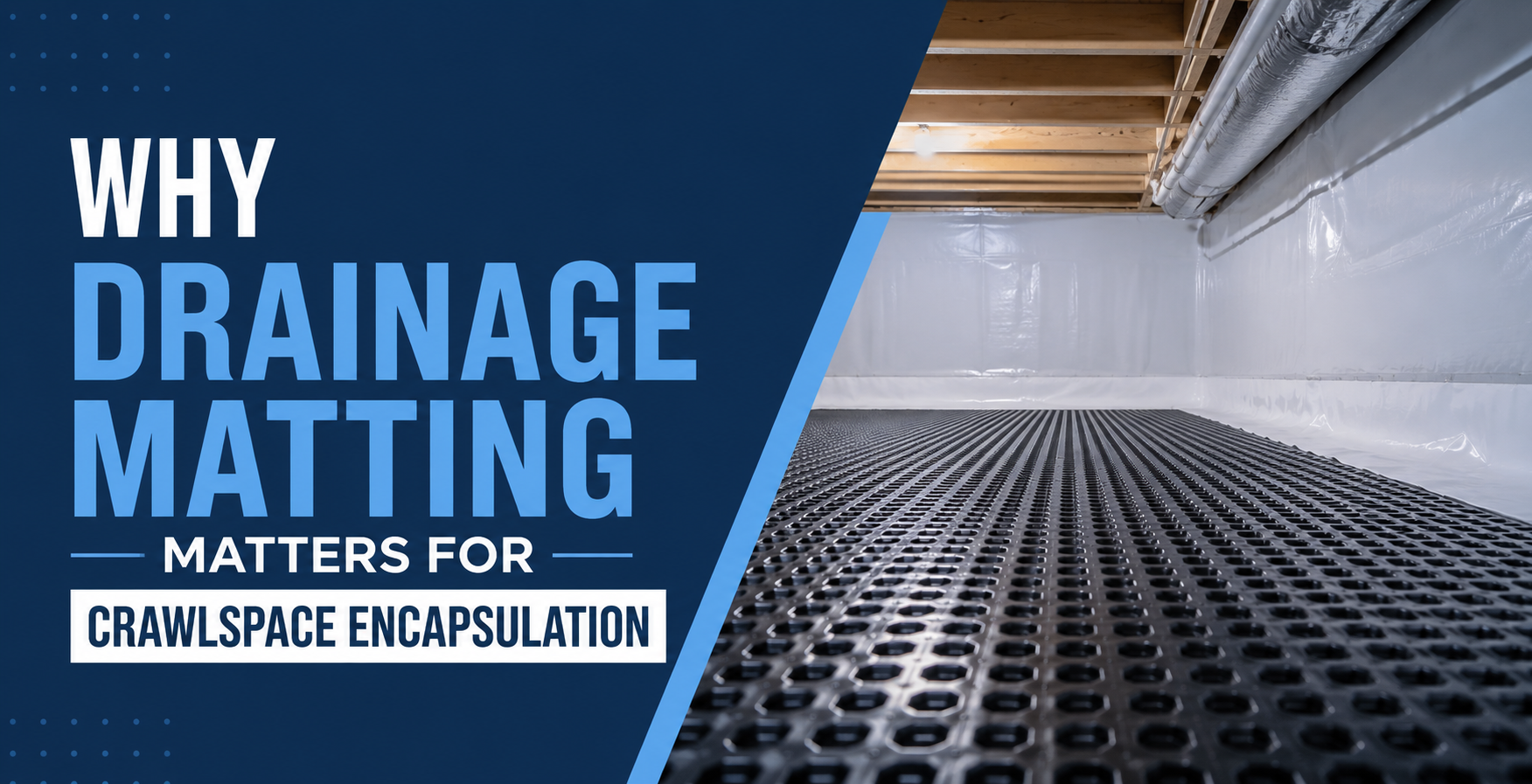
We installed perimeter drainage along that problem wall. That's a trench system that catches water before it pools in the crawlspace. It directs everything to the sump pump, which then pushes it out and away from the house.
The dehumidifier is sized for the total square footage - both the newer addition and the older section. We ran ducting between the two areas so we're pulling air from both sides. That creates proper crossflow. Otherwise, you end up with one dry section and one that's still humid.
We also set up monitoring so the homeowner can see the humidity levels in real time. They're not guessing whether the system works. They can check their phone and see exactly what's happening down there.
Each piece of this system has a purpose. It all works together to keep the crawlspace dry long-term.
Why Ducting Between Sections Matters
A lot of companies would just stick a dehumidifier in the middle and call it good. But that doesn't work when you've got two separate sections like this.
The addition is newer construction. The older section had worse moisture problems. Different areas, different challenges. If you only dehumidify from one spot, you're leaving part of the crawlspace unprotected.
The ducting pulls air from both sections to the dehumidifier. That creates airflow across the entire space. No dead zones where humidity can build up.
Sizing matters too. You can't just grab any dehumidifier off the shelf. It needs to handle the total cubic footage of the space. Too small and it runs constantly without keeping up. Too big and it cycles on and off inefficiently.
Most companies either skip the ducting entirely or size the equipment wrong. Then they wonder why the customer still has moisture issues six months later.
This is basic crawlspace science. But you'd be surprised how many installers don't understand it.
The Monitoring System Difference
Here's something most companies don't provide - a way for you to actually know if the system is working.
We install monitors that track relative humidity in real time. The homeowner can check it whenever they want. No guessing. No wondering if that dehumidifier is doing its job.
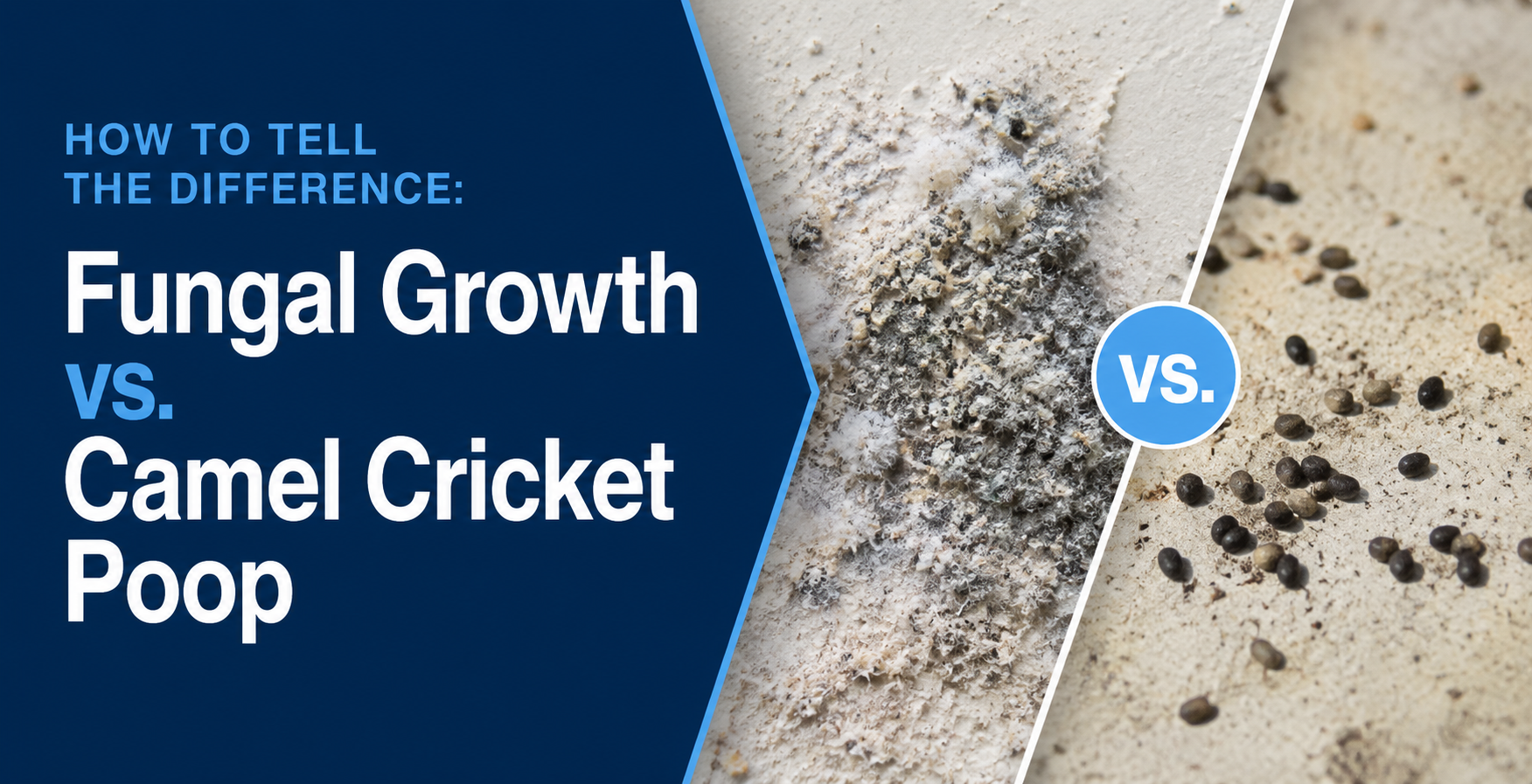
Anything above 60% relative humidity is where you start getting fungal growth and wood decay. Our systems keep it well below that. And the homeowner can see it.
If something goes wrong - the dehumidifier stops working, the humidity starts creeping up - they know immediately. They're not waiting until they smell mold or see water to realize there's a problem.
Most contractors install equipment and hope it works. We give you proof that it's working.
That's the difference between selling a service and actually caring whether it protects your home.
What Most Companies Don't Do
The biggest complaint I hear from homeowners is that their contractor disappeared after the job was done.
They paid thousands of dollars. The work looked good on install day. But nobody ever came back to check on it. Nobody maintained the equipment. And when they tried to call with a question, they got sent to a call center or just ignored.
That dehumidifier needs filter cleaning. The drain line needs to be checked. The monitoring system needs to stay calibrated. These aren't set-it-and-forget-it systems.
But most companies don't build that into their service. They're focused on closing the next deal, not taking care of the last one.
So homeowners are left wondering if everything's working right. And by the time they realize something's wrong, the damage is already done.
That's not how it should work.
Get Work That Lasts
If you're dealing with crawlspace moisture issues, let's take a look.
We'll come out and do a real inspection. Show you what's going on. Explain what needs to be done and why. Give you a system that's designed for your specific situation.
And we'll actually be here after the work is done. To check on it. To maintain it. To answer your questions.
No disappearing act. No runaround. Just straight answers and quality work that holds up over time.
Give us a call or send us a message. Let's make sure your crawlspace is actually protected, not just covered up.