When 'Temporary' Supports Become Permanent Problems
Two-By-Fours in the Dirt Aren't a Foundation
WHAT I FOUND HOLDING UP THIS SEVIERVILLE HOME
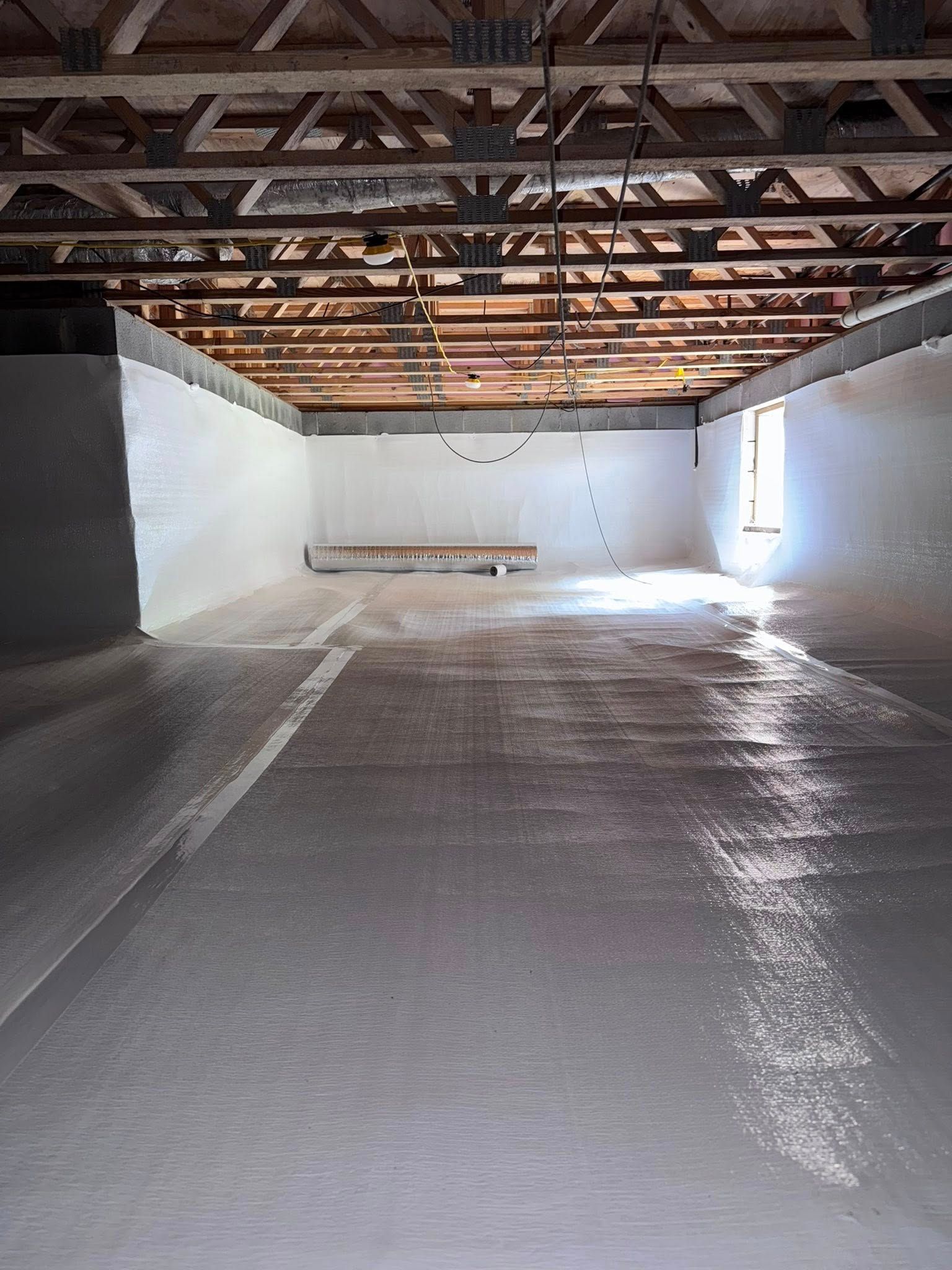
I was out in Sevierville yesterday looking at a crawlspace. The homeowner called because things weren't right upstairs.
Doors wouldn't close. Windows were stuck. Drywall was cracking.
When I got down into the crawlspace, I found the problem immediately. The main beam - the one holding up the center of the house - was sitting on a couple of two-by-fours stuck in the dirt.
Not a proper pier. Not cinder blocks. Just two-by-fours in the dirt.
This was supposed to be temporary. Someone was going to come back and build a real support. Except they never did. And now, years later, the house is sagging.
This happens more than you'd think. Temporary fixes that become permanent problems. And the homeowner is the one who pays for it.
The Temporary Support Problem
Here's the thing about temporary supports - they're called temporary for a reason.
During construction or repairs, contractors sometimes put in quick supports to hold things in place while they work. Two-by-fours, scrap lumber, whatever's handy. And that's fine. For a few days or weeks.
But then the job wraps up. Someone forgets to come back and finish it properly. Or they decide to save money and skip it. Or maybe the next owner doesn't even know it was supposed to be temporary.
Years go by. That temporary support is still down there, doing a job it was never meant to do long-term.
Wood in dirt deteriorates. It rots. It shifts. And slowly, the house starts to settle and sag.
That's when you start seeing problems upstairs. Doors stick. Floors bounce. Cracks appear in the walls. And most homeowners have no idea it's all connected to what's happening underneath their house.
This homeowner in Sevierville? They're dealing with all of it. And it's because someone took a shortcut years ago that nobody ever fixed.
Engineered I-Beams: Stronger Until They're Not
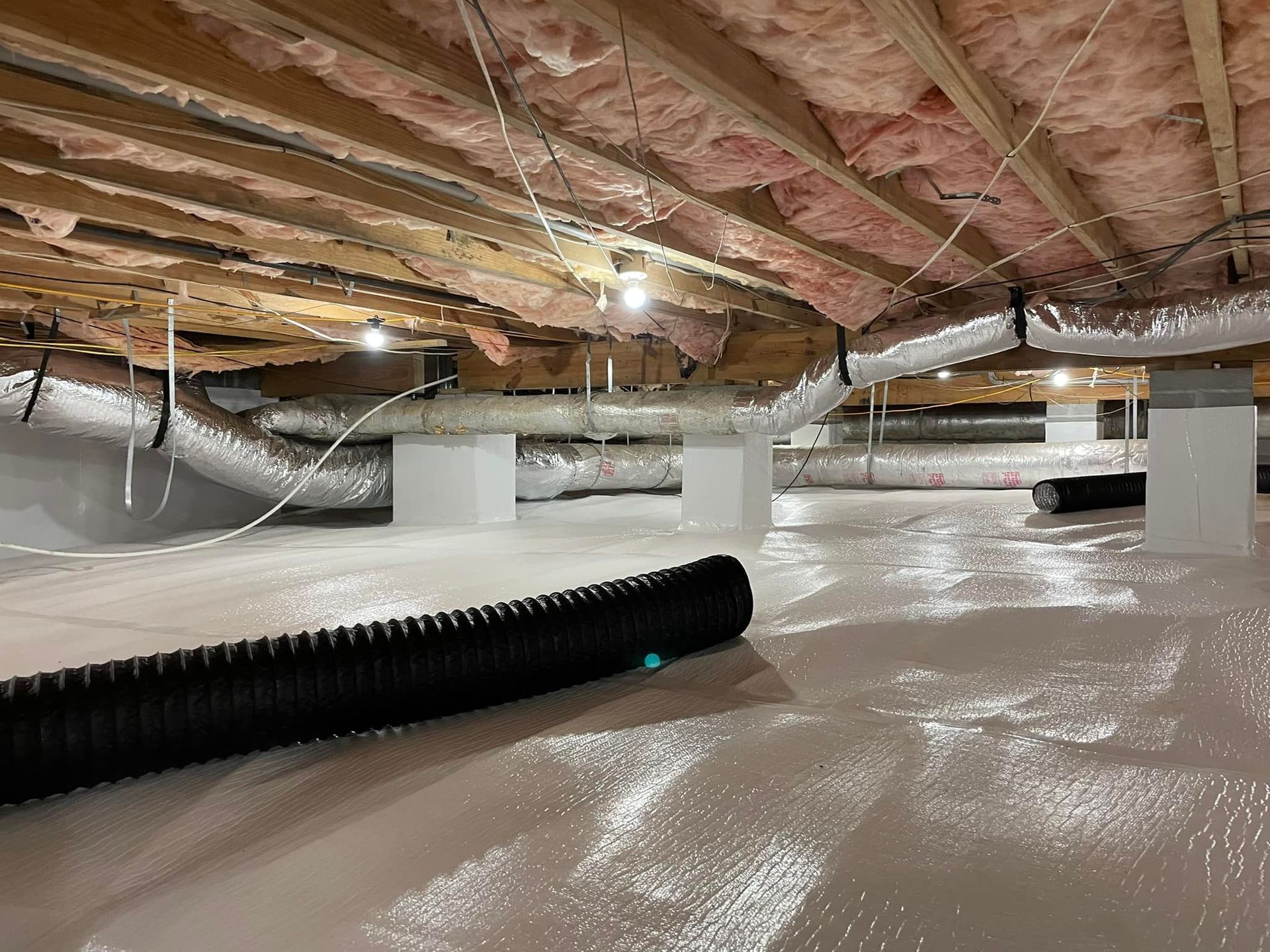
When I got into this crawlspace, I also noticed the floor joists. They're engineered I-beams.
Builders love these things. They're cheaper than solid lumber. They're lighter, so they're easier to install. And when they're brand new in a dry environment, they're actually stronger than a regular piece of wood.
But here's what most people don't know - engineered beams fall apart fast when moisture gets involved.
These beams are made of laminated wood. Layers glued together. When moisture gets in there, those layers start separating. The beam delaminates. Gets weaker and weaker.
And here's the worst part - you won't see it happening. A regular piece of lumber will grow mold or fungus when it gets wet. You'll know there's a problem. But engineered beams? They just quietly fall apart on the inside.
By the time you notice the floors sagging or the doors not closing, the damage is already done.
I see this over and over. Most of the jobs where I'm putting in structural support involve these engineered I-beams. It's not a coincidence.
If your crawlspace has moisture issues and you have engineered beams, they're going to fail faster than traditional lumber. Every single time.
Reading the Signs Upstairs
Most people don't think about their crawlspace until something goes wrong upstairs. And that's fair - you're not crawling under your house every week.
But your house will tell you when there's a problem underneath.
Doors that won't close right. You have to push or pull hard to get them to latch. Or there's a gap at the top or bottom that wasn't there before.
Windows that stick. They used to slide open easy. Now you're forcing them. Or they won't stay open without propping them.
Cracks in the drywall. Especially around door frames and in the corners of rooms. Little hairline cracks that keep getting bigger.
Floors that feel bouncy or soft. You walk across the room and you can feel it give a little. Or you notice a slope you didn't see before.
These aren't just cosmetic issues. They're your house settling because the support underneath isn't doing its job anymore.
And here's the thing - these problems don't fix themselves. They get worse. The longer you wait, the more the house settles, and the more expensive the repair becomes.
This Sevierville homeowner noticed the doors first. Then the windows. Then the cracks started showing up. By the time they called me, the floors were visibly sagging.
All of it connected to those two-by-fours in the dirt and those deteriorating engineered beams.
The Moisture Component
Here's what a lot of contractors miss - you can't just fix the structure and walk away.
If you jack up the floors and replace the supports but don't deal with the moisture, you're just buying time. Those engineered beams will keep deteriorating. The wood will keep rotting. And in a few years, you'll be right back where you started.
The moisture is what caused the problem in the first place. High humidity in the crawlspace gets into those engineered beams and breaks them down. It rots the temporary supports. It weakens everything.
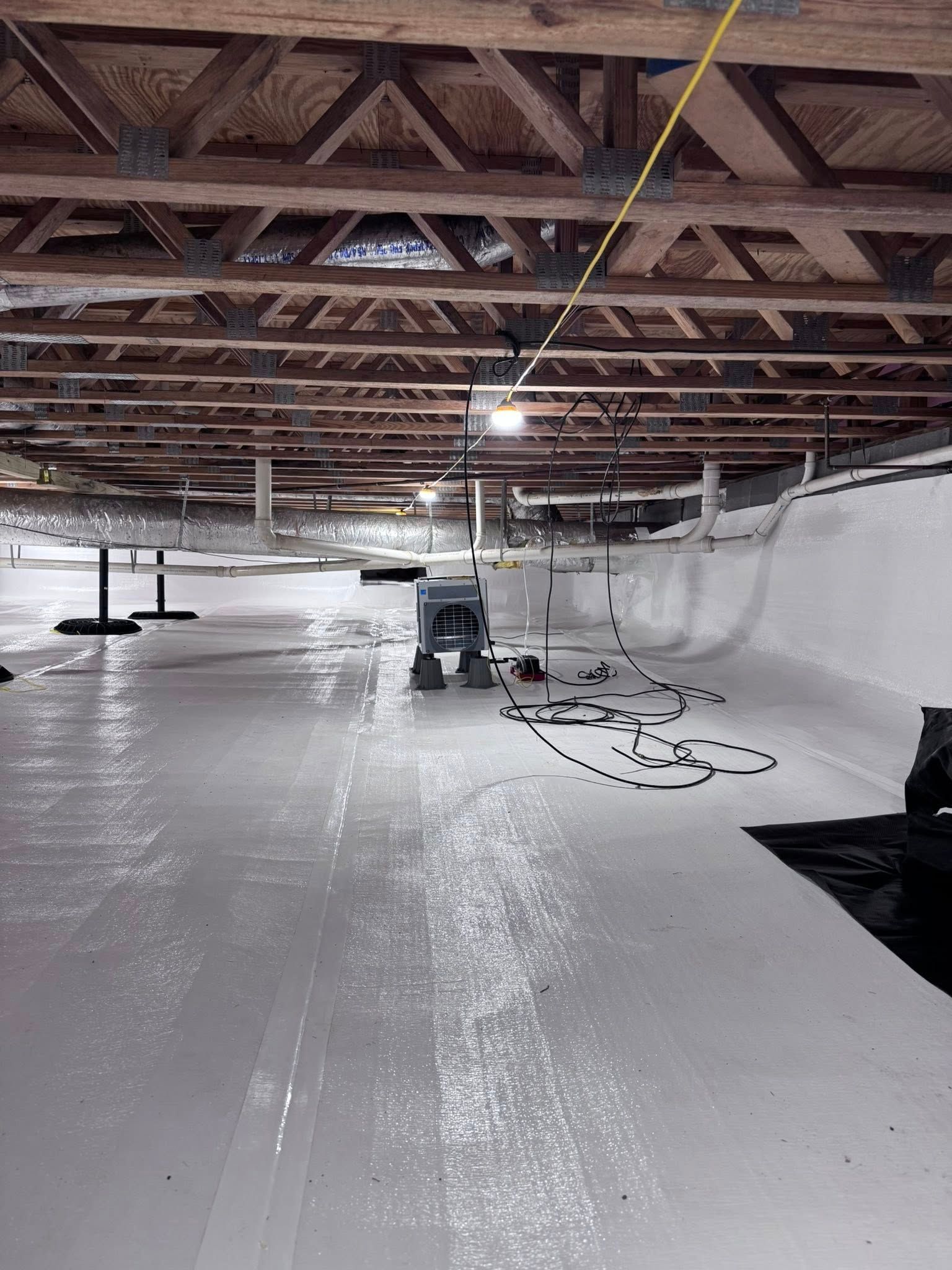
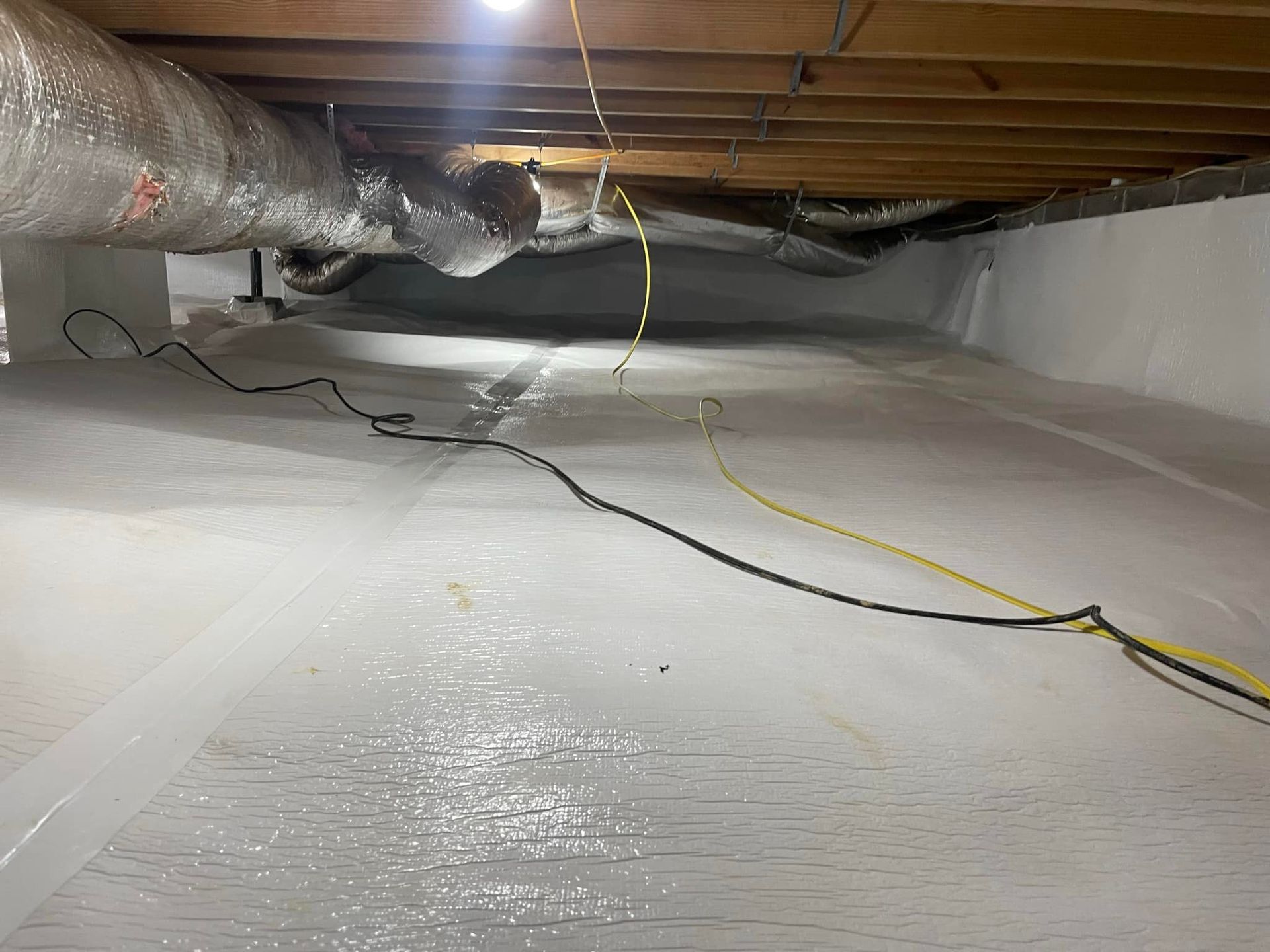
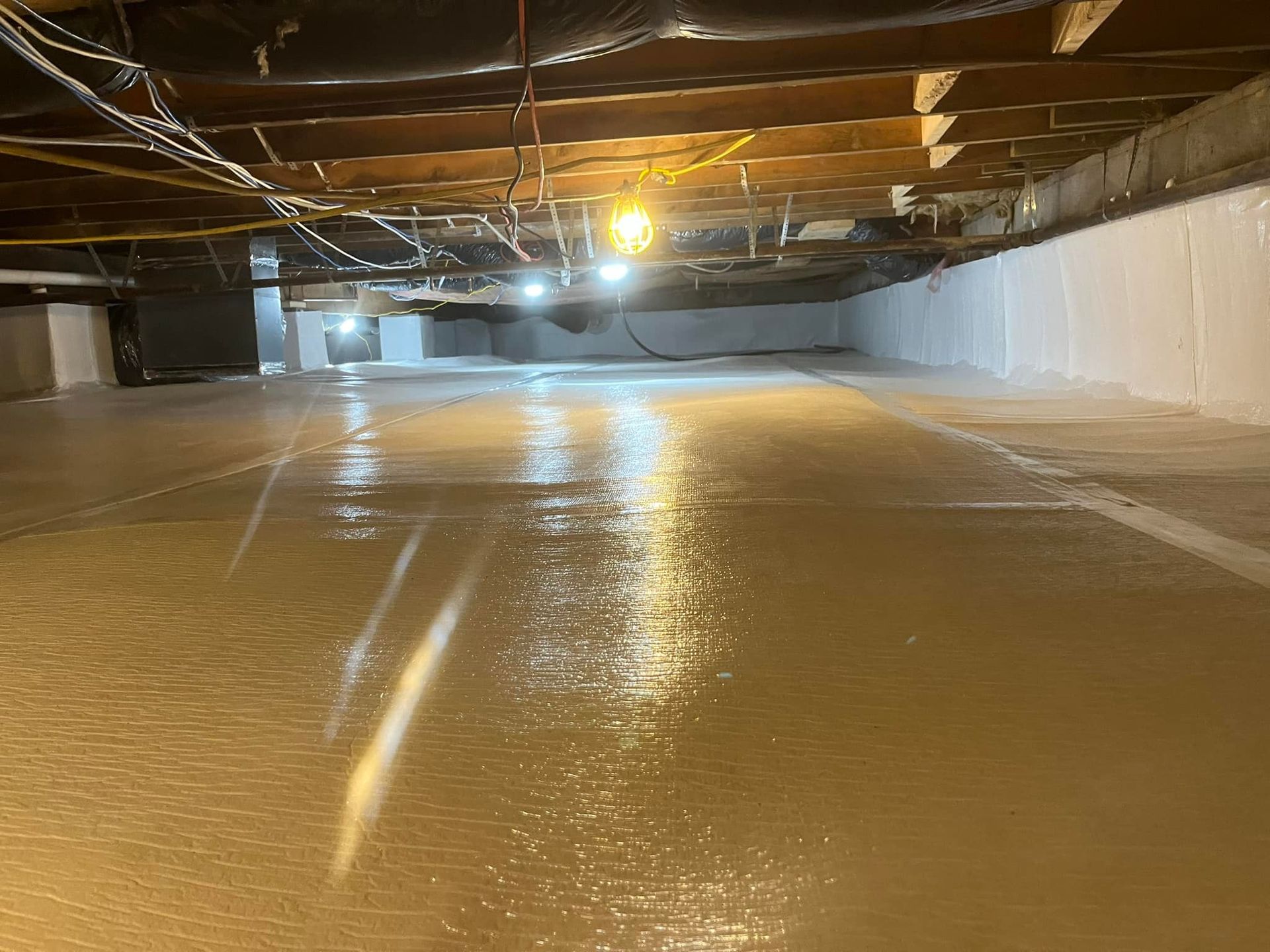
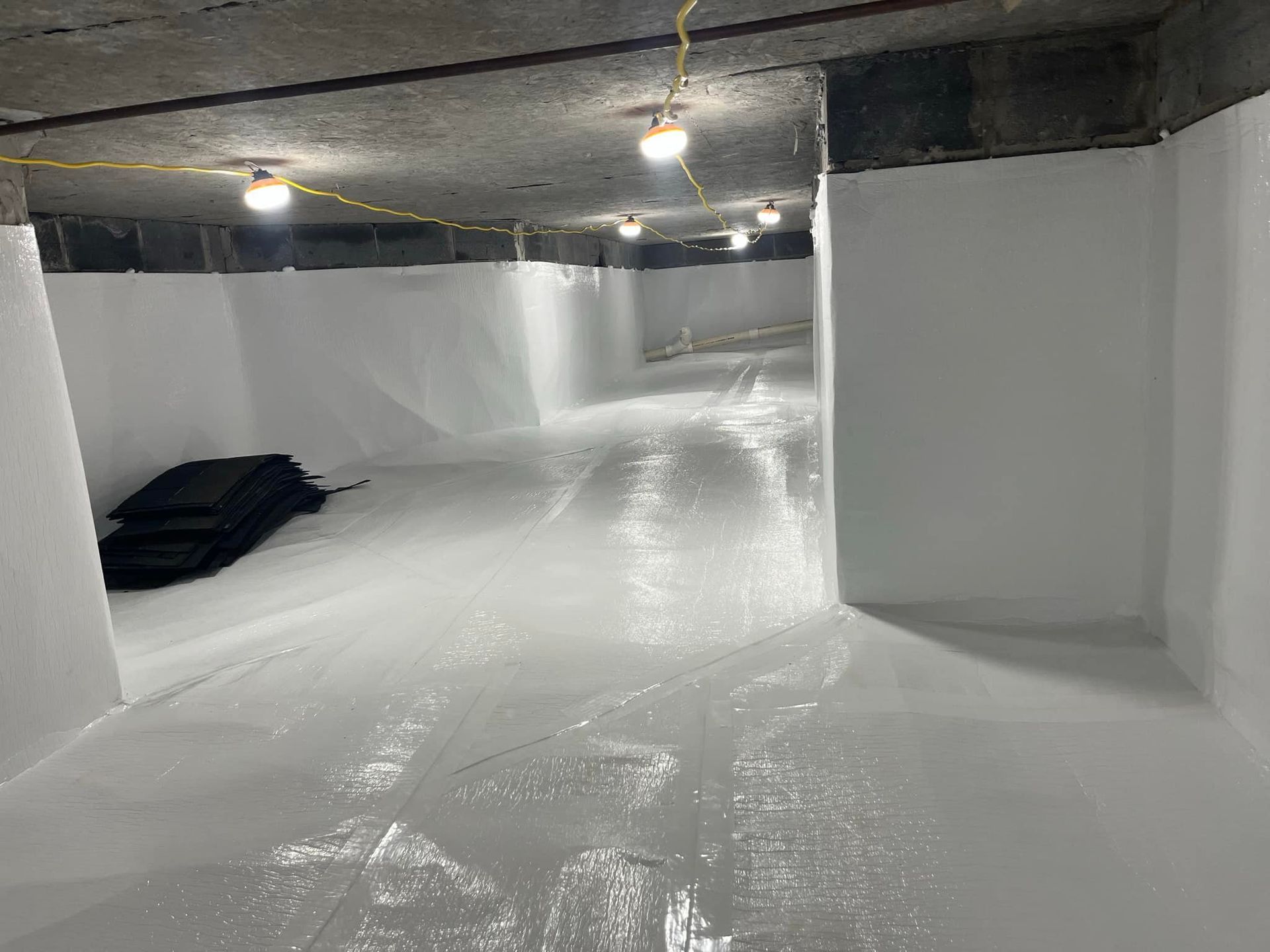
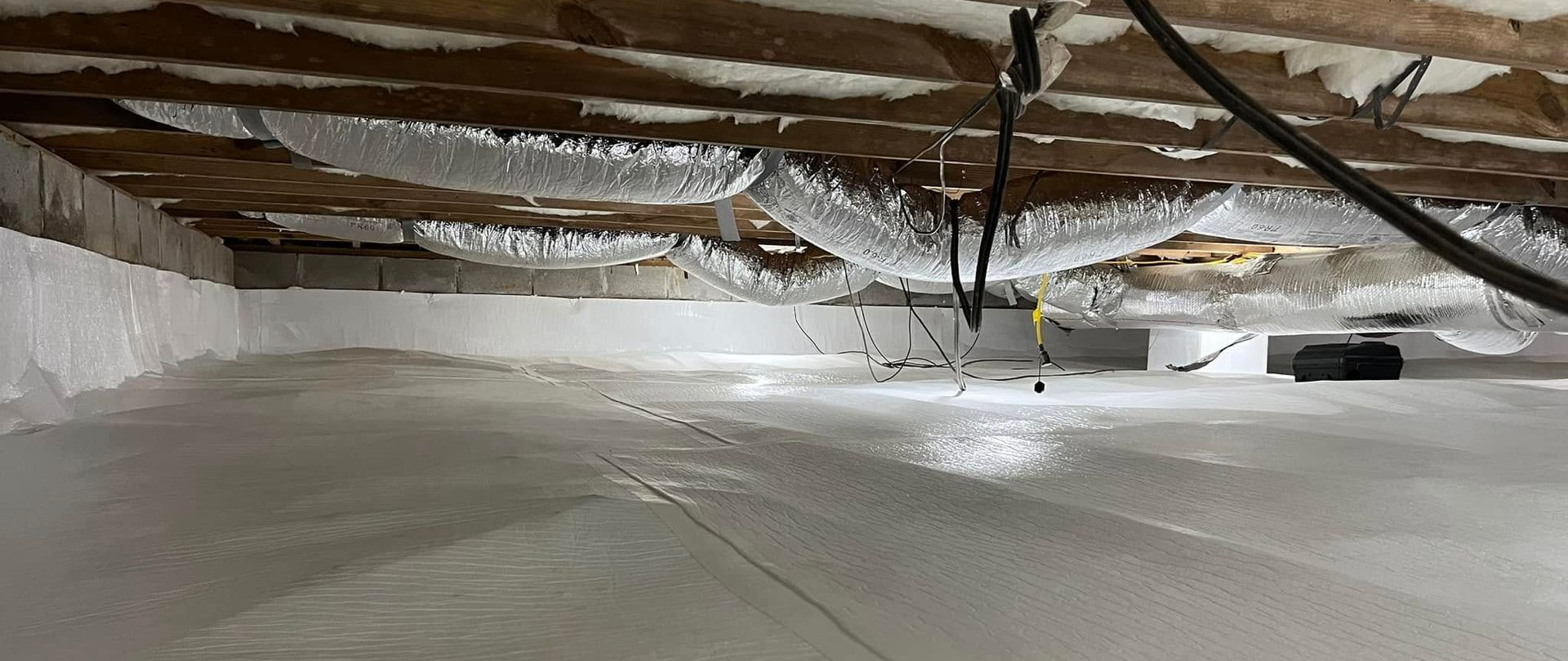
So after we fix the structural issues, we encapsulate. We seal the crawlspace, control the humidity, and create an environment where wood can actually last.
That's how you stop the damage from progressing. That's how you protect the investment you just made in structural repairs.
You wouldn't fix a leaky roof and then leave the attic full of water. Same principle here. Fix the structure, then fix what's causing it to fail.
What We're Doing for This House
Let me be real with you about what's at stake here.
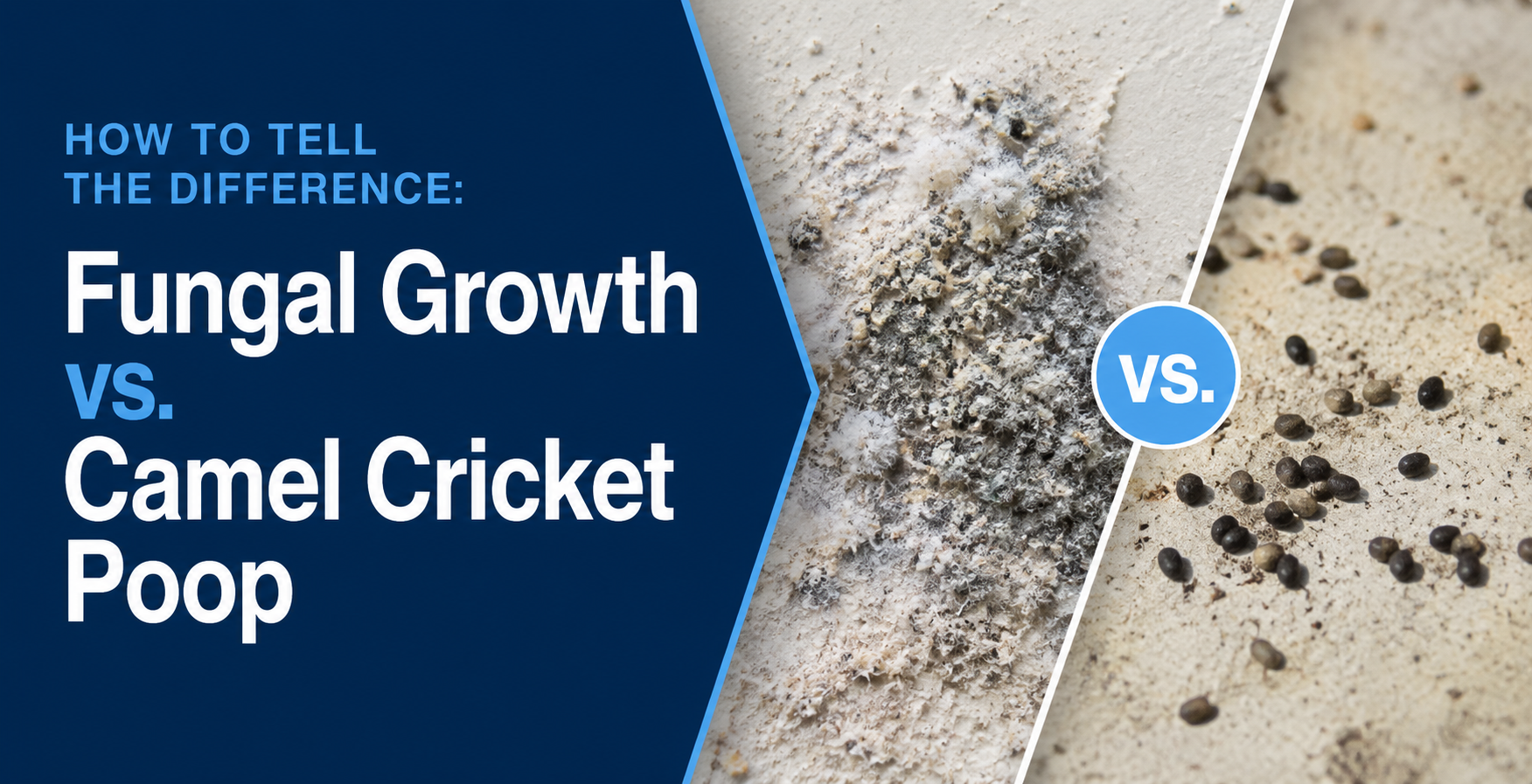
Short term, standing water and high moisture cause immediate problems. Musty smells. Mold and fungal growth. Poor air quality in your house. That gross feeling when you walk barefoot on your floors in the summer.
Those are annoying. But they're not the scary part.
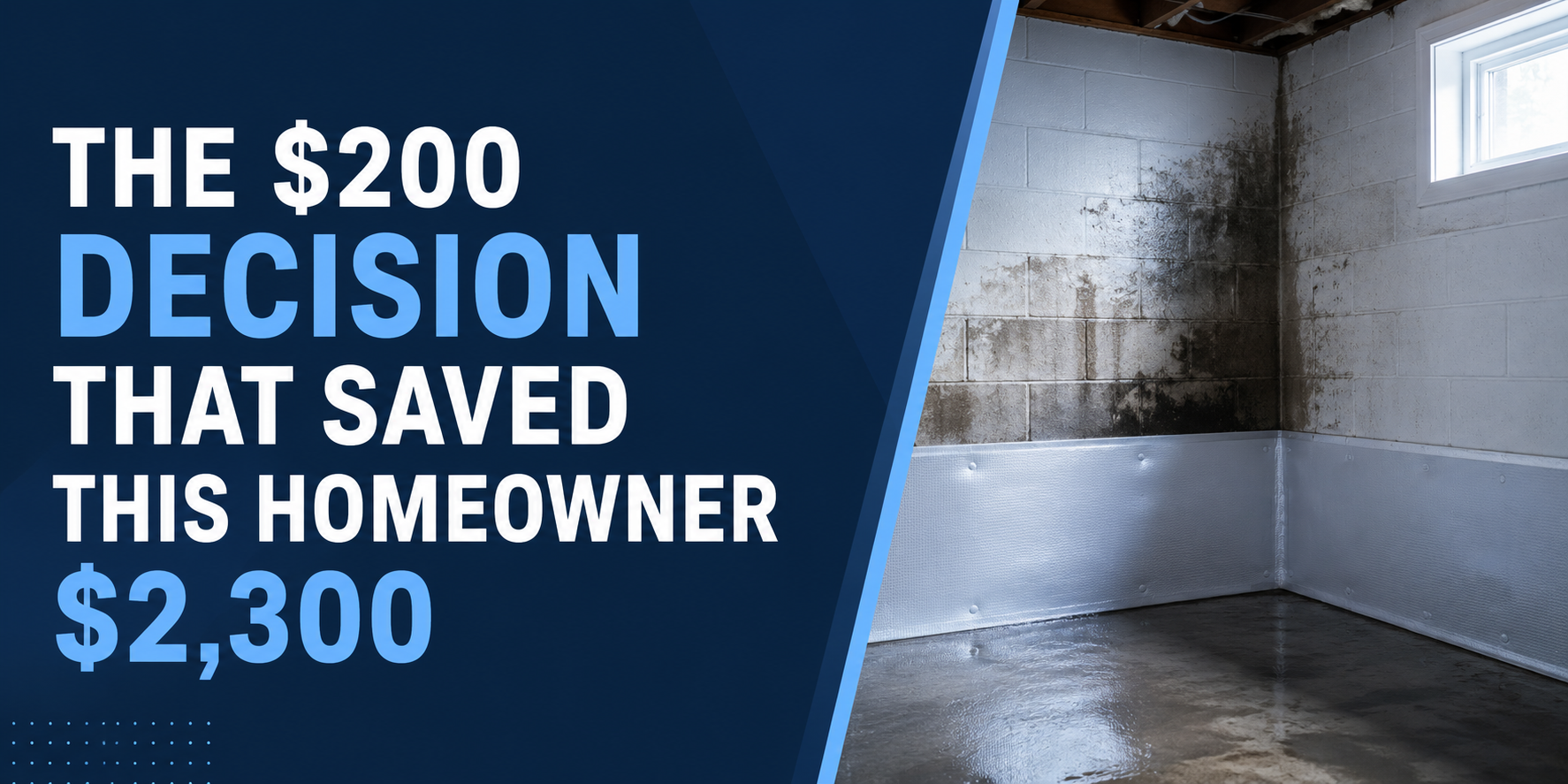
Long term, water sitting against your foundation causes settling. The soil underneath gets saturated and shifts. Your foundation can sink or crack. Floors start to sag. Doors don't close right. Cracks show up in your walls.
Foundation repair is expensive. We're talking tens of thousands of dollars expensive.
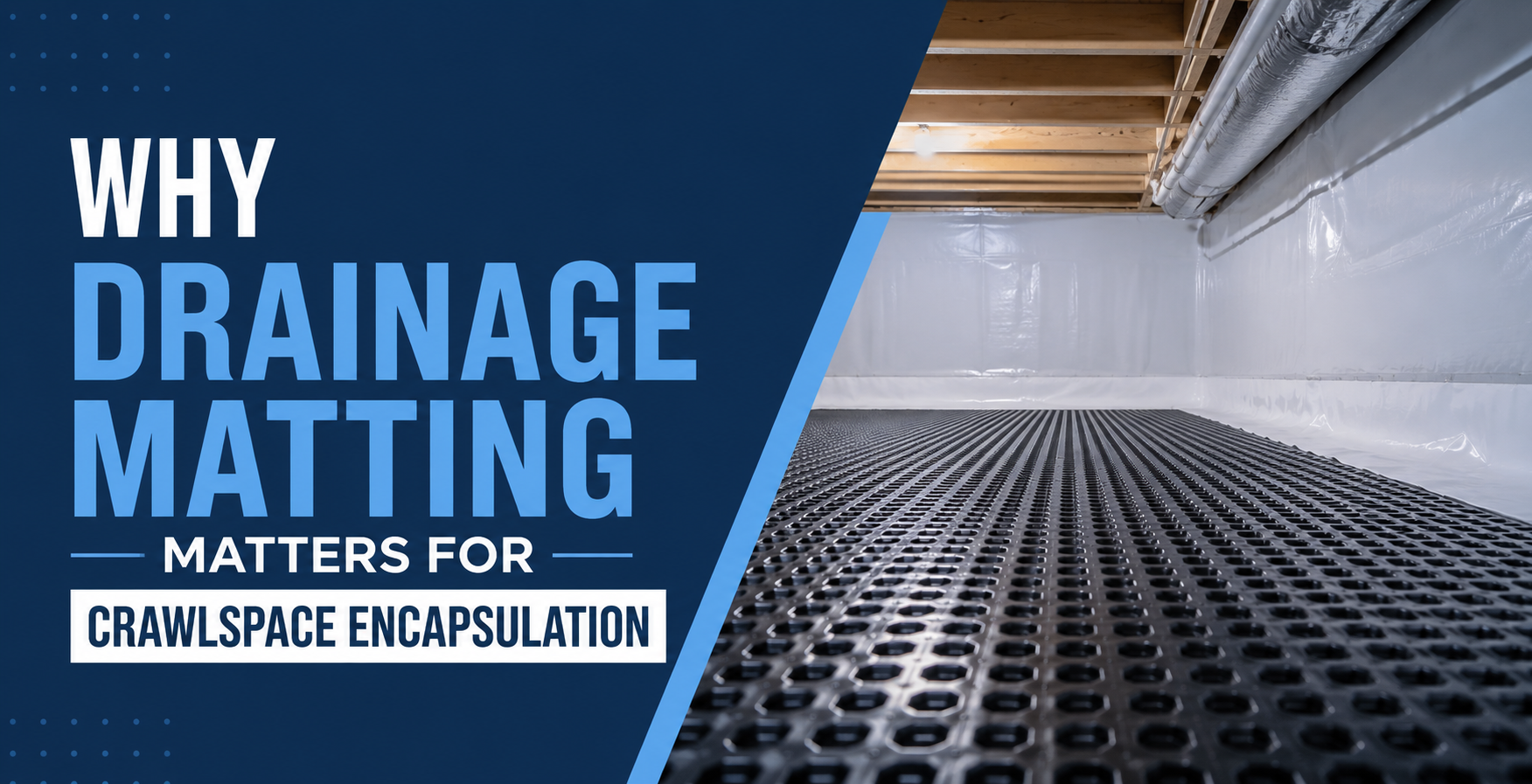
Proper drainage isn't just about keeping your crawlspace dry. It's about protecting the entire structure of your house. That's why we take this stuff seriously.
Spending a few thousand now on the right drainage system beats spending thirty thousand later on foundation work. And it beats living with moisture problems for years hoping they don't get worse.
Take the Next Step
If any of this sounds familiar - if your doors are sticking or your floors feel off - let's take a look.
I'll come out and do a full crawlspace inspection. I'll show you what's actually supporting your house. We'll check for moisture issues, structural problems, all of it.
And I'll give you a straight answer about what needs to be done. No kitchen sink quotes. No trying to sell you stuff you don't need. Just an honest assessment of what's going on and what it'll take to fix it right.
You shouldn't have to wonder if your house is sitting on temporary supports or real piers. You shouldn't have to guess why your doors won't close.
Give us a call. We'll figure it out together.