Why Your Crawlspace Vent Fan Is Making Things Worse
I See These Vent Fans All Over Farragut
THEY WERE REQUIRED BY CODE - BUT THEY'RE DOING MORE HARM THAN GOOD
I'm standing in a crawlspace in Farragut right now, looking at a vent fan.
If you live in this area, there's a good chance you've got one too. Maybe even multiple fans. They were required by building code years ago, so builders installed them in thousands of homes.
The idea made sense at the time - push humid air out of the crawlspace, pull fresh air in, keep everything dry.
Except it doesn't work that way.
These fans actually make your moisture problem worse. And I see it all the time. Homeowners running these fans all summer, wondering why their crawlspace is getting more humid, not less.
I'm going to explain exactly why this happens and what you should do if you've got one of these fans.
The Science Behind Why Vent Fans Fail
Here's what's actually happening when you run that fan.
The fan pushes air out of your crawlspace. That creates a vacuum. Air has to come from somewhere to fill that space, so it gets pulled in through your other vents.
That incoming air is hot and humid - especially in Tennessee summers.
Now here's the key part: For every degree that air cools as it enters your crawlspace, the relative humidity rises 2.2%.
Your crawlspace is cooler than the outside air. So when that hot, humid air comes in and cools down, the humidity shoots up. You might pull in 70% humidity air, but by the time it cools in your crawlspace, you're looking at 85% or 90%.
That's when fungal growth starts. That's when wood starts to decay. Anything above 60% relative humidity is a problem.
So your fan is literally pulling in the exact conditions that cause moisture damage. The harder it works, the worse your crawlspace gets.
What Happens When You Run These Fans
I've walked into crawlspaces where homeowners have been running these fans for months. Sometimes years.
The humidity is through the roof. Condensation is forming on pipes and ductwork. The insulation is damp and starting to fall down.
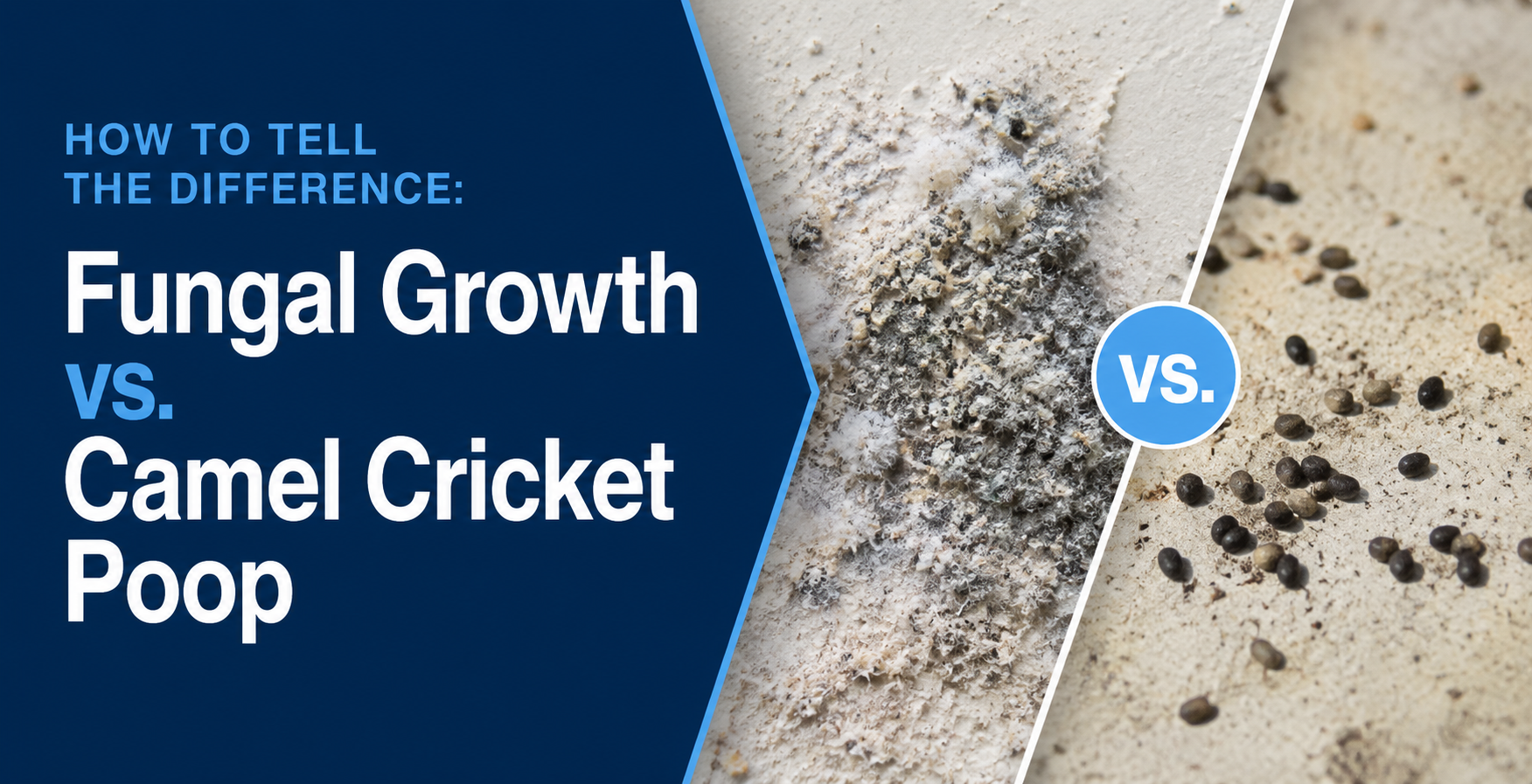
Fungal growth shows up on the floor joists. Not just a little bit - covering large sections of the subfloor. The wood starts to soften as it decays.
And the homeowner is confused because they're doing exactly what they thought they were supposed to do. They've got a fan that's supposed to ventilate the space. It's running constantly. Why isn't it working?
Because it's doing the opposite. It's pulling in more moisture than it's removing.
The fan itself is working fine. But the result is worse humidity, more condensation, more growth, and more damage to the wood structure of your home.
Why Building Codes Required Them
So if these fans make things worse, why were they required by code?
The thinking back then was simple - ventilation is good. Moving air prevents moisture. If you've got a crawlspace, you need airflow.
Building codes required a certain amount of ventilation based on square footage. Vents alone sometimes weren't enough, so they added fans to increase that airflow.
It made sense based on what people understood about crawlspaces at the time.
But building science has come a long way since then. We understand now that you don't want outside air in your crawlspace at all. You want to seal it off and control the environment.
Just because it was code doesn't mean it was right. Codes change when we learn better ways to do things. This is one of those areas where what we required 20 or 30 years ago is now considered the wrong approach.
I've Seen This Play Out Over and Over
I work with builders who call me when they've got a moisture problem in a crawlspace. Before they call, a lot of them try the vent fan approach first.
They figure it's an easy fix. Turn on the fan, move some air, problem solved.
Then they call me a few weeks later because it got worse.
Homeowners do the same thing. They notice their crawlspace smells musty. They turn on that vent fan thinking it'll help. A month later, the smell is worse and they're seeing condensation they didn't have before.
I see this constantly in Farragut and West Knoxville. These older neighborhoods are full of homes with vent fans. And a lot of them are running, making things worse every single day.
The pattern is always the same. Someone tries to ventilate their way out of a moisture problem. It doesn't work. The crawlspace gets worse. Then they call me to actually fix it.
What Actually Works Instead
You can't ventilate your way out of crawlspace moisture. You have to control it at the source.
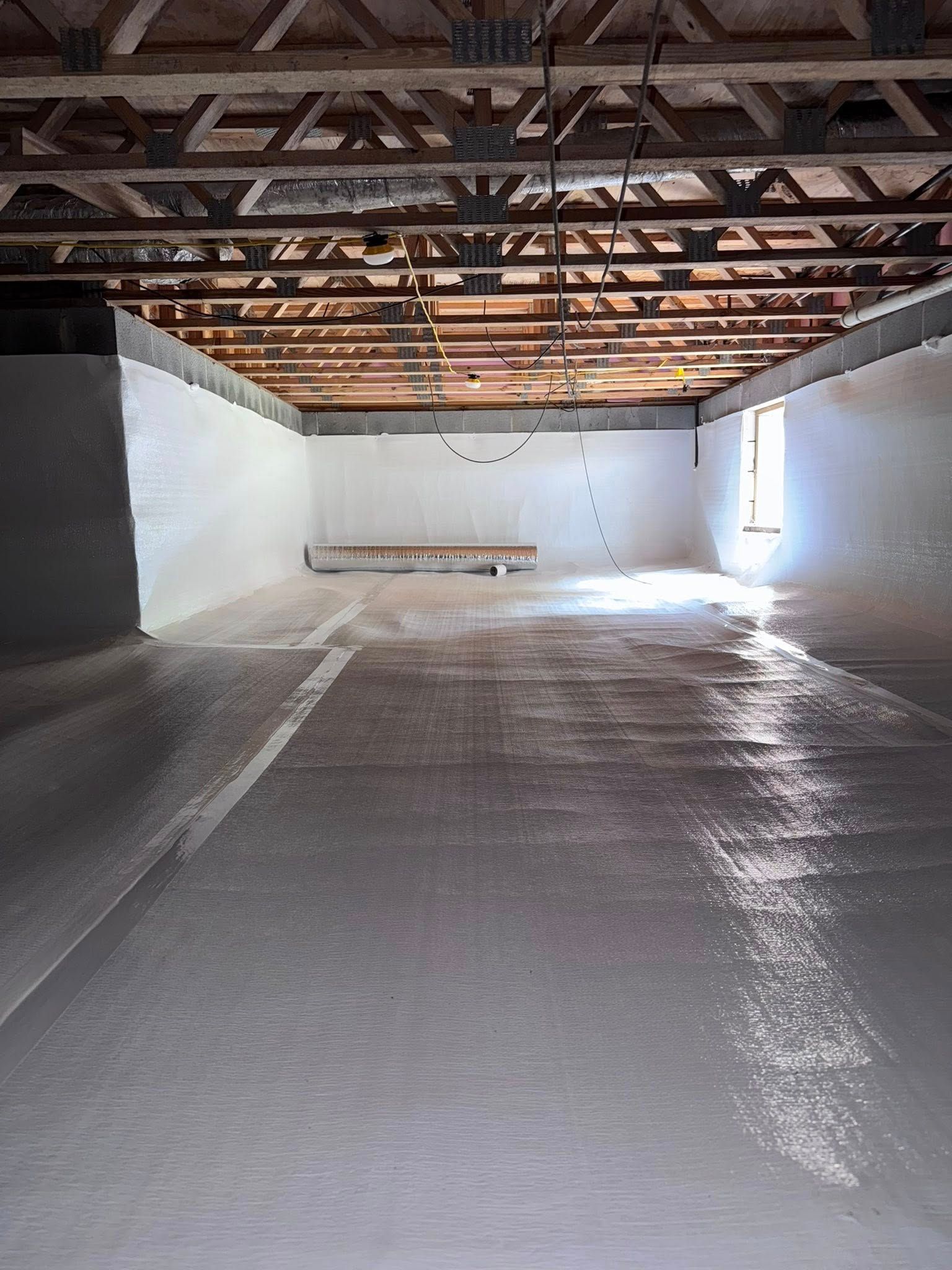
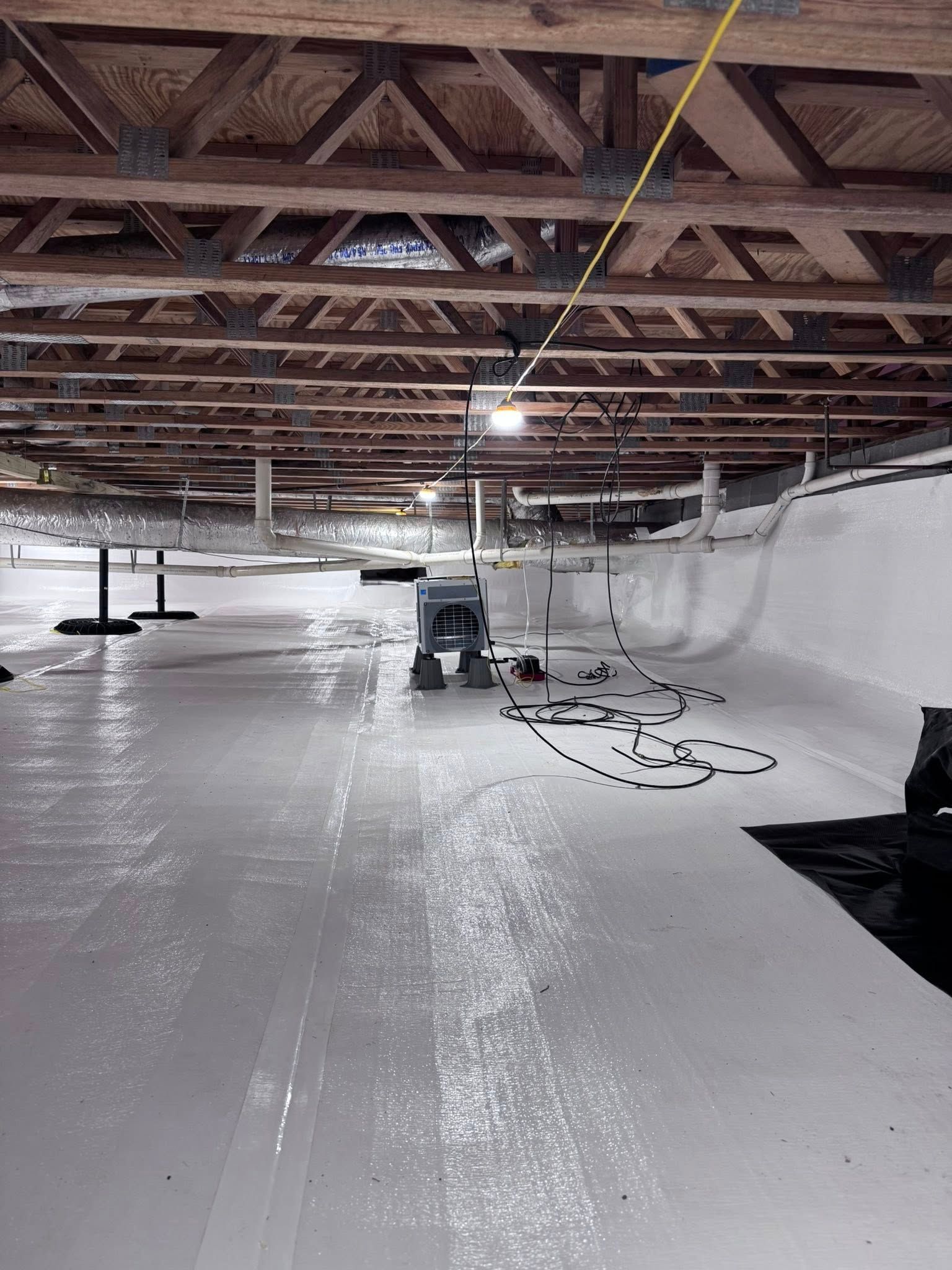
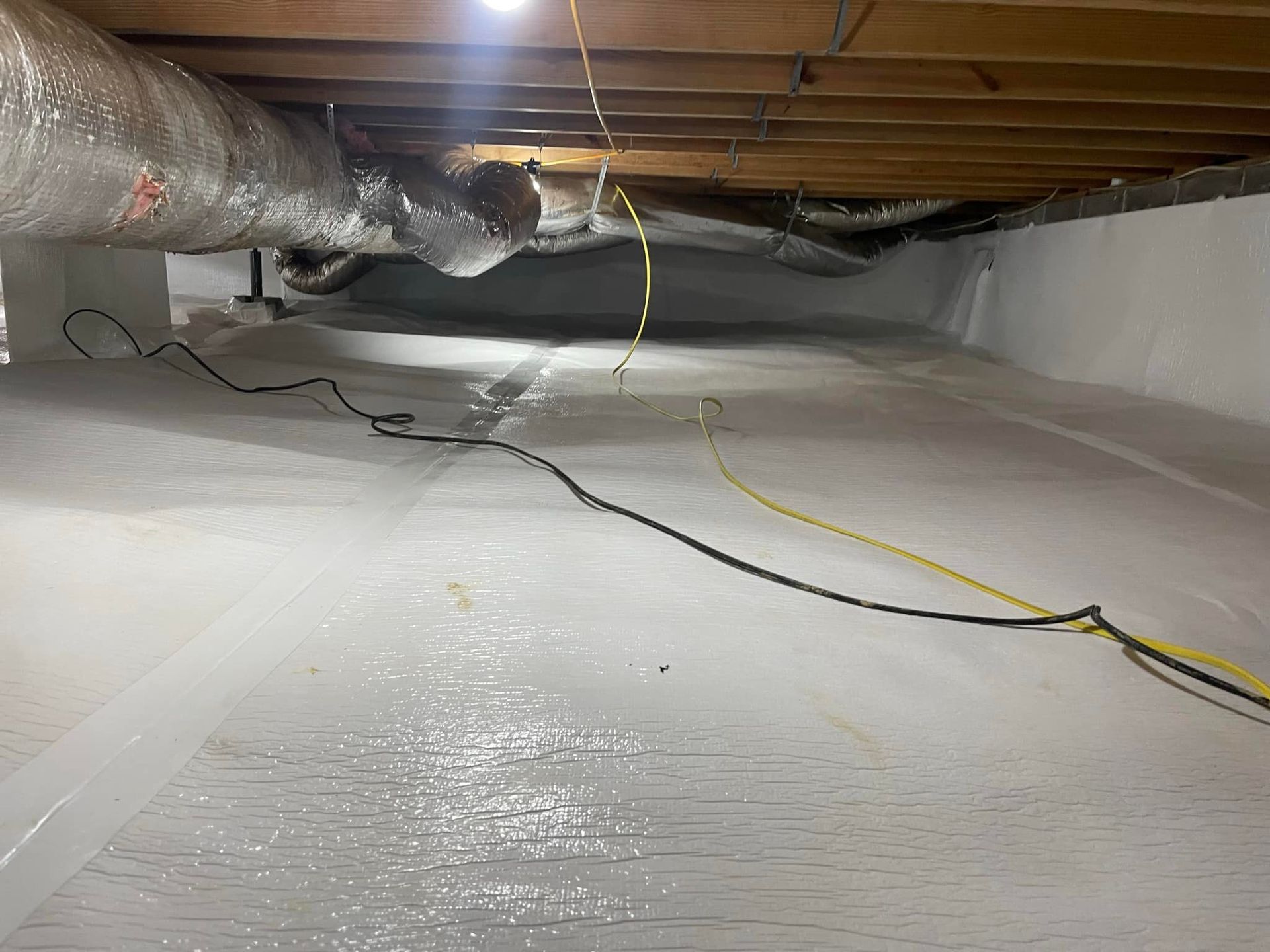
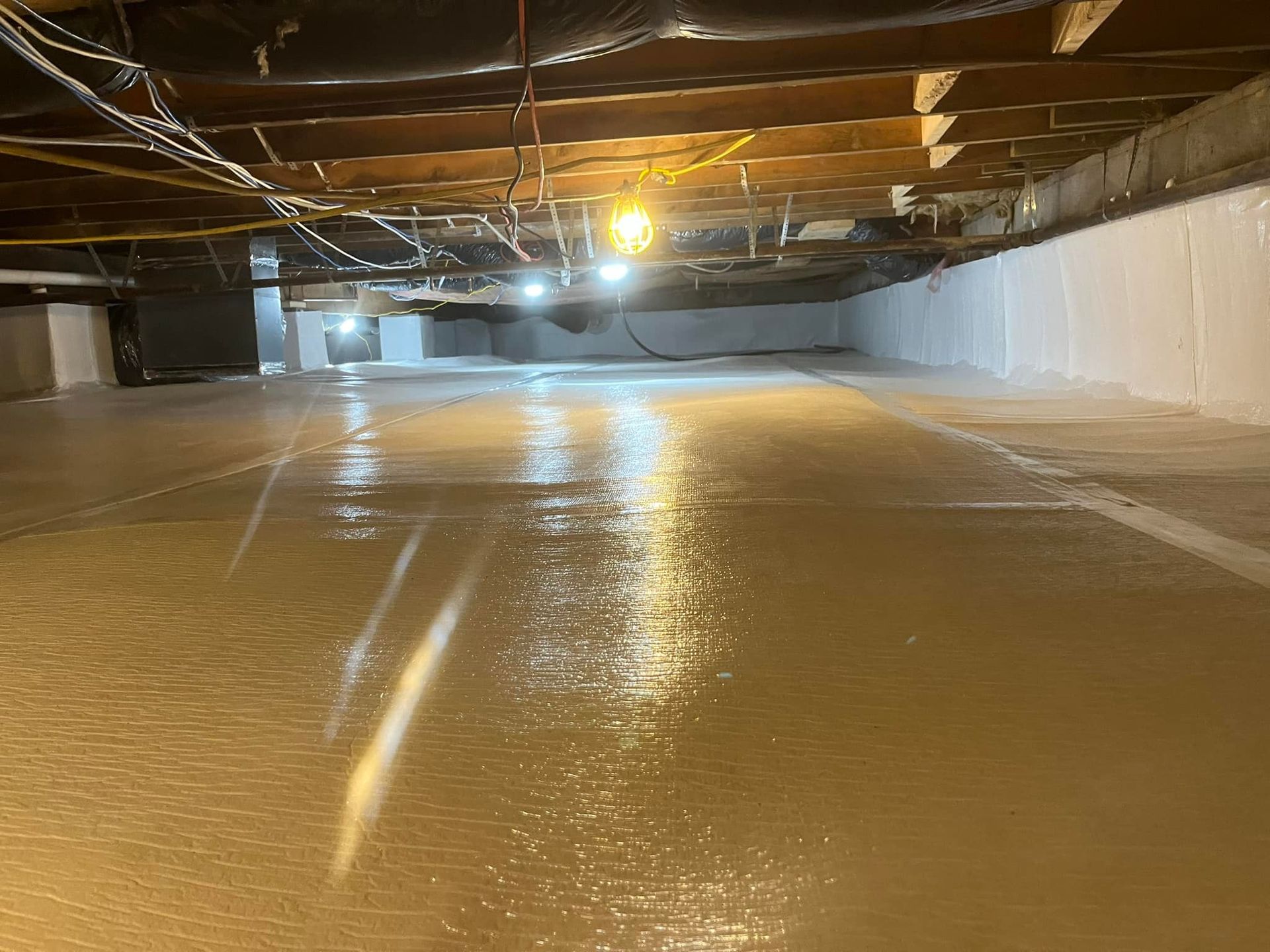
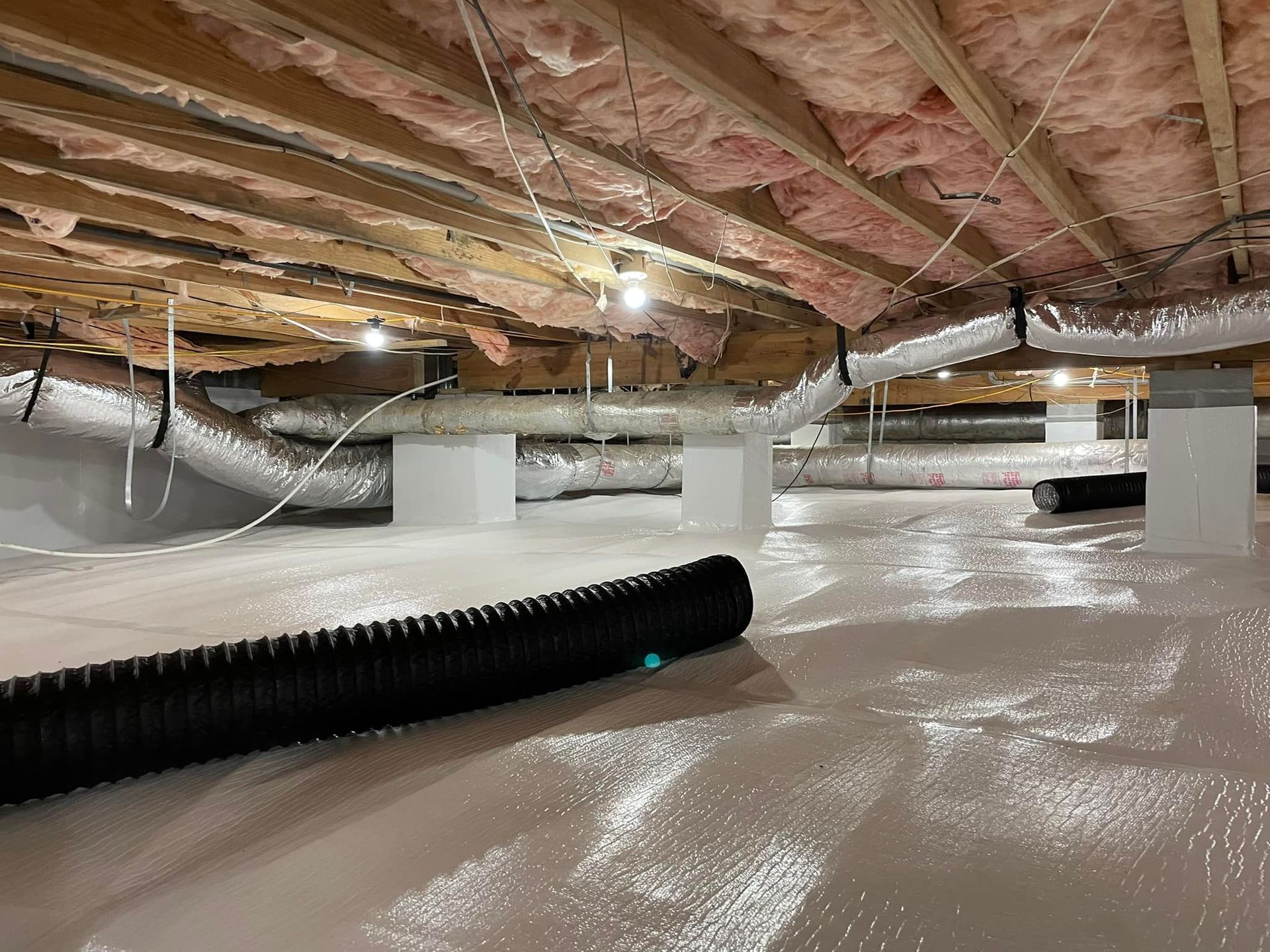
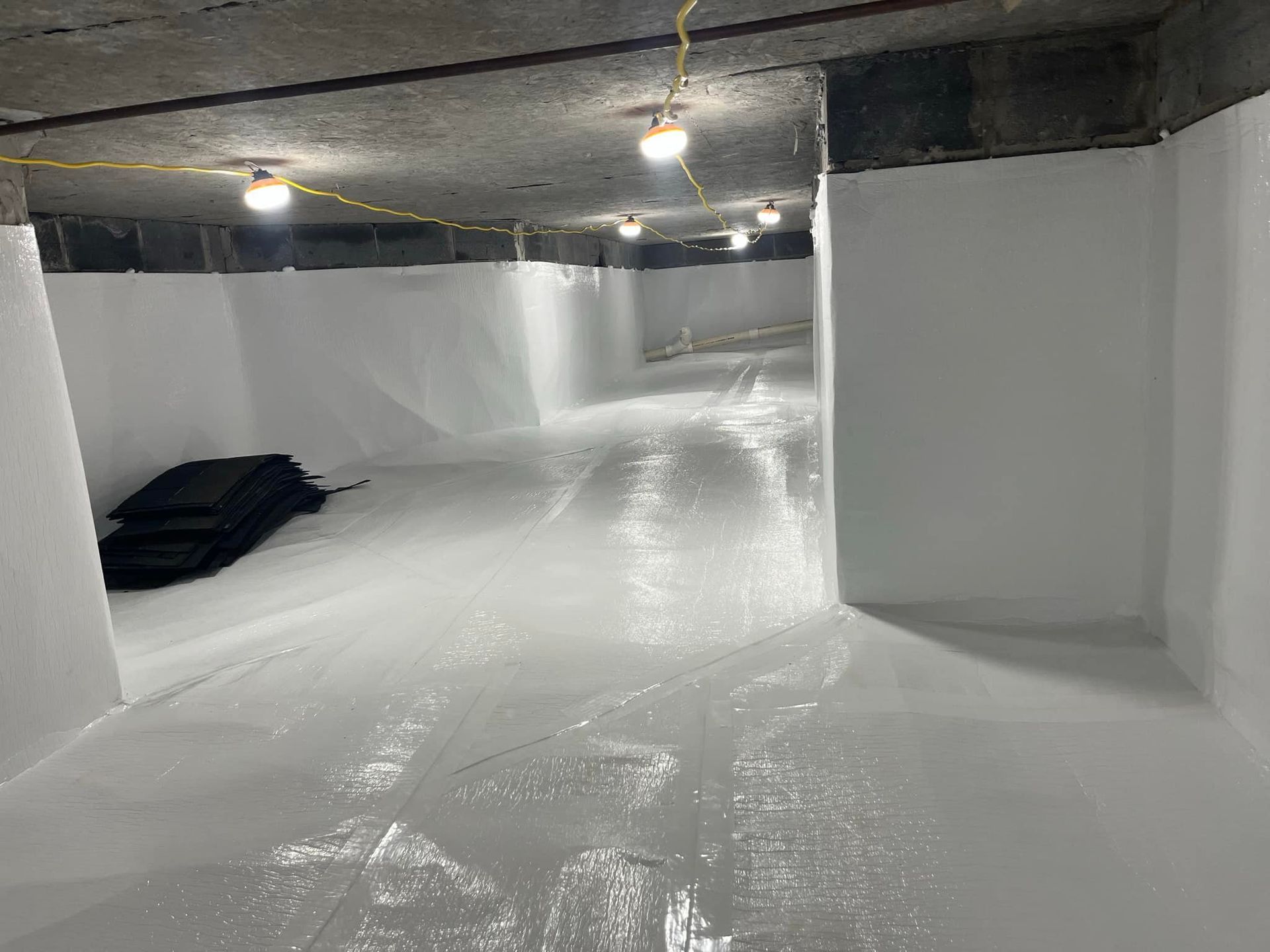
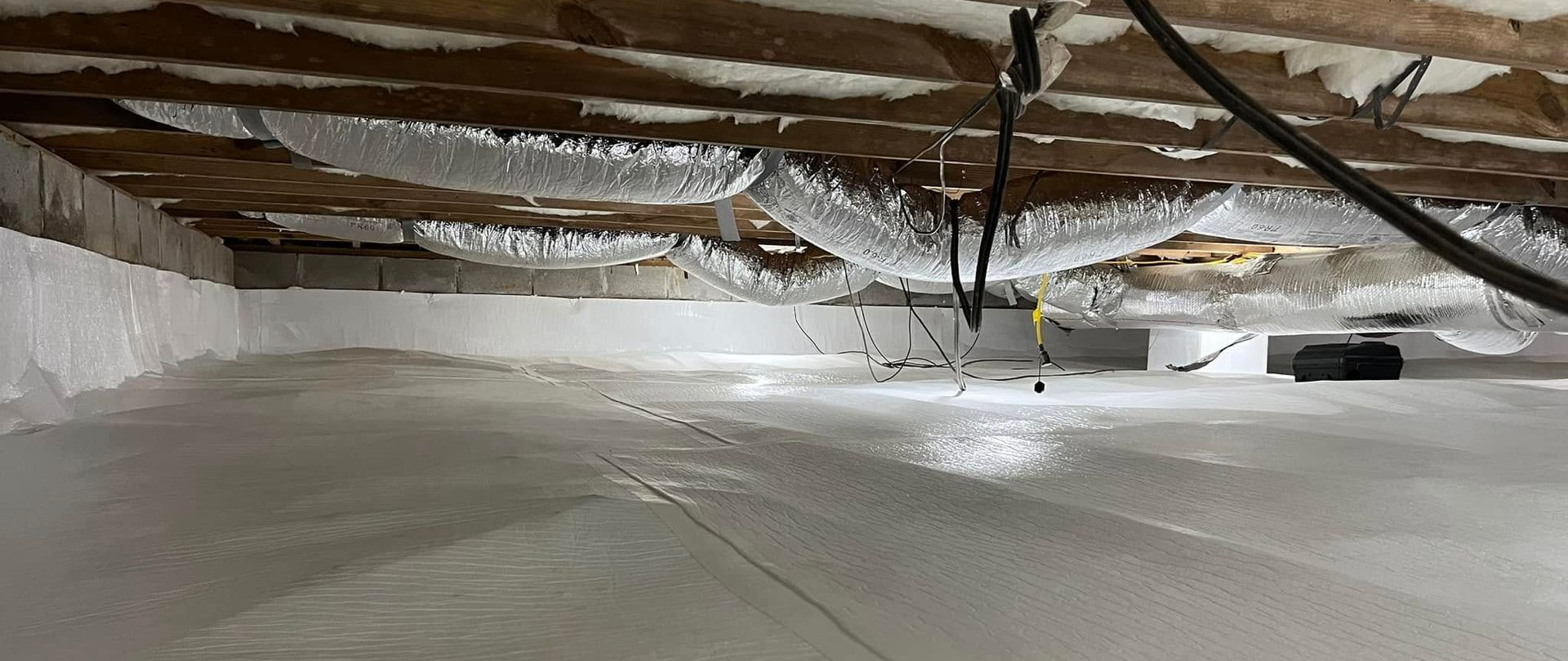
That means proper encapsulation. Seal off the crawlspace from outside air completely. No more humid summer air getting pulled in through vents.
Install a real dehumidifier that's sized correctly for the space. Not a Home Depot unit - a commercial-grade system that can actually handle the load. And make sure it drains properly, not just into the dirt under your vapor barrier.
Address any water intrusion issues. If you've got standing water or drainage problems, fix those first. A dehumidifier can't keep up if water is actively coming in.
Use a monitoring system so you actually know what's happening down there. We install systems that track humidity levels. You can see if it's working. You're not just guessing.
These are real solutions that fix the problem long-term. Not band-aids that make things worse.
Get a Real Crawlspace Solution
Turn off that vent fan and let's talk about what actually works.
We'll come out and do a free inspection of your crawlspace. Show you exactly what's going on with the moisture. Take pictures so you can see it yourself.
No vent fan band-aids. No outdated approaches from building codes that didn't understand crawlspace science. Just real fixes that address the actual problem.
Proper encapsulation. Quality dehumidification. Systems that are monitored and maintained.
Give us a call or shoot us a message. We'll get you on the schedule and show you what your crawlspace actually needs.