Crawlspace Encapsulation Before Selling: Worth It or Waste of Money?
A Seller Asked Me This Yesterday
HERE'S WHAT I TOLD THEM ABOUT THEIR OPTIONS
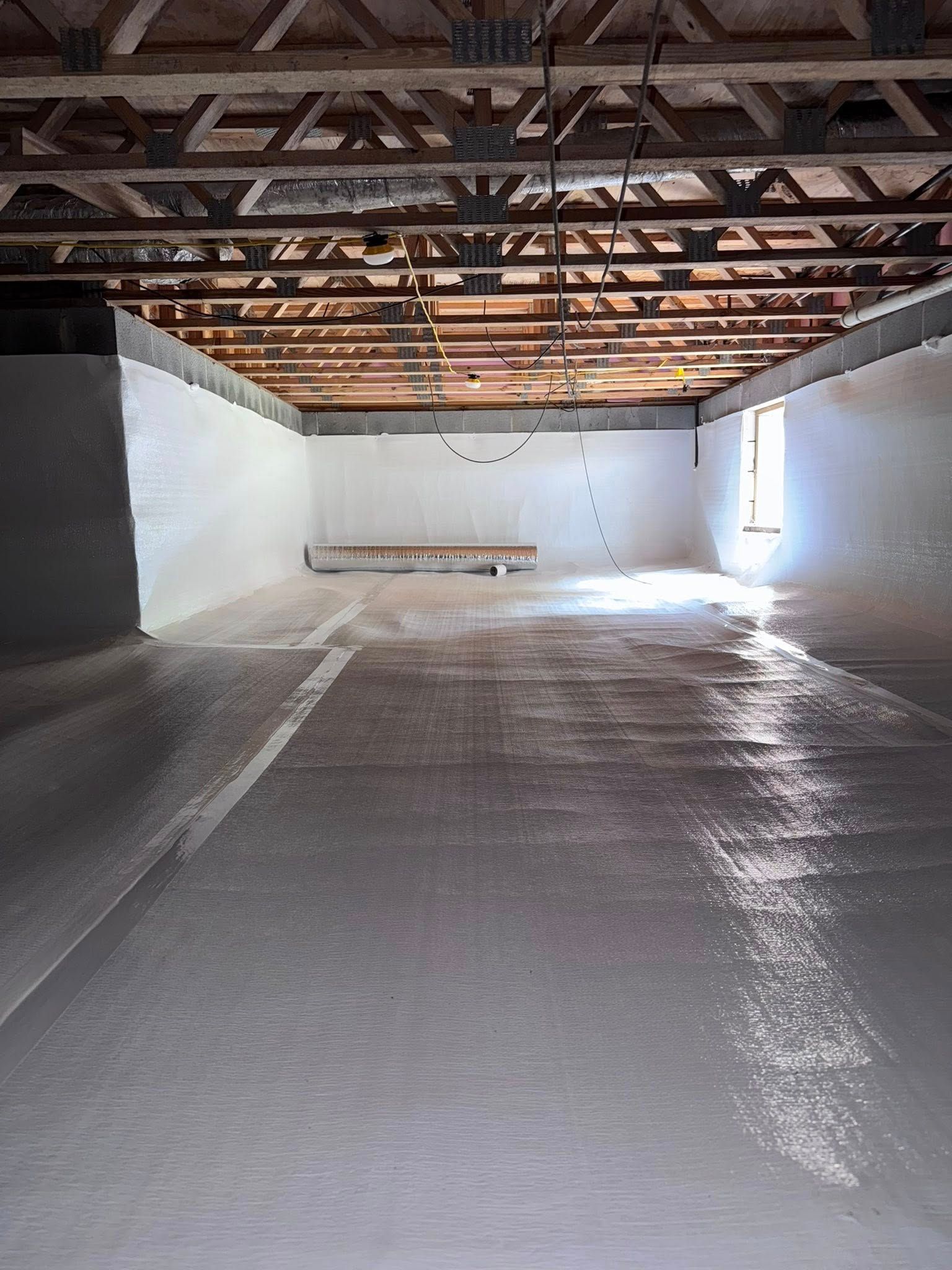
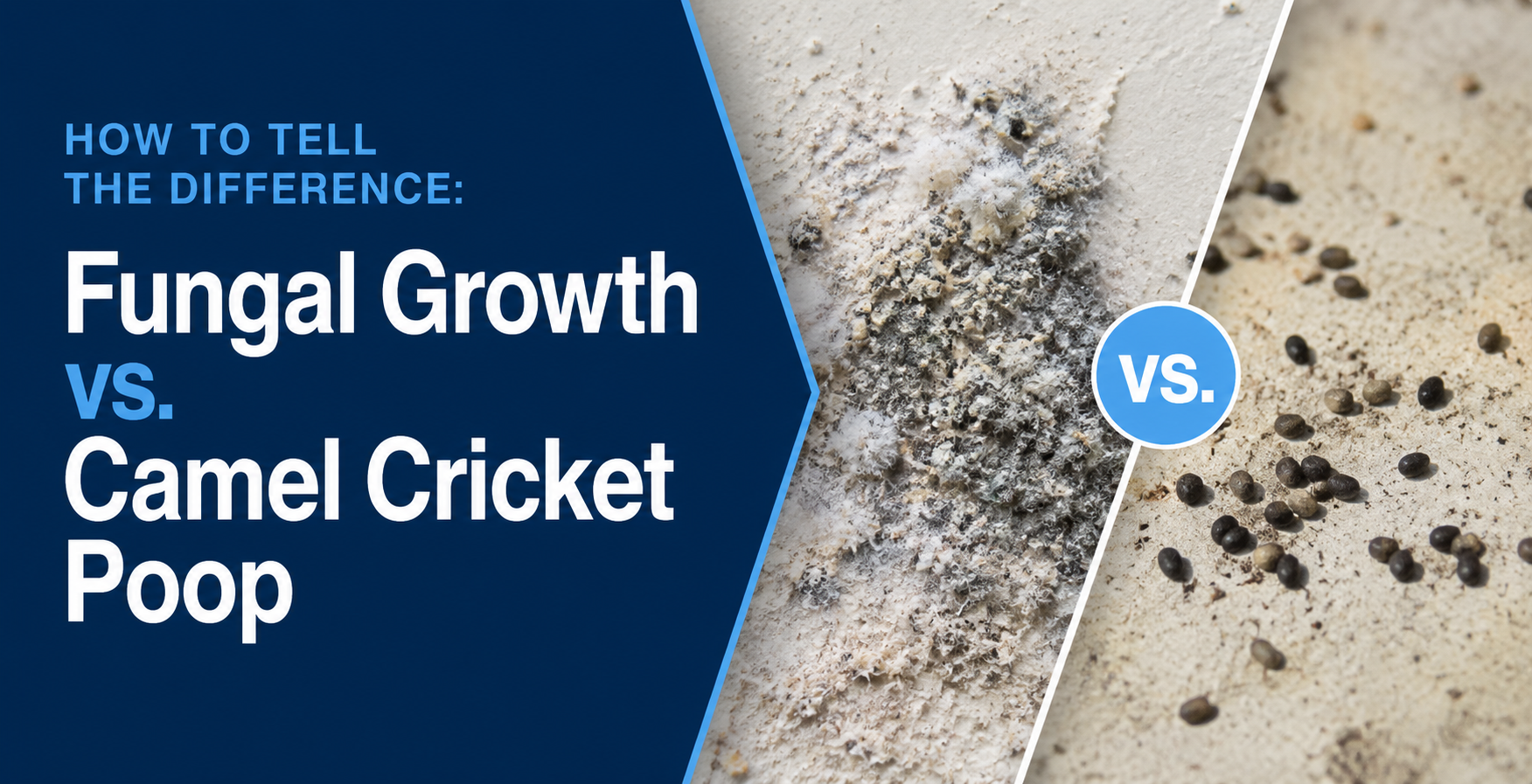
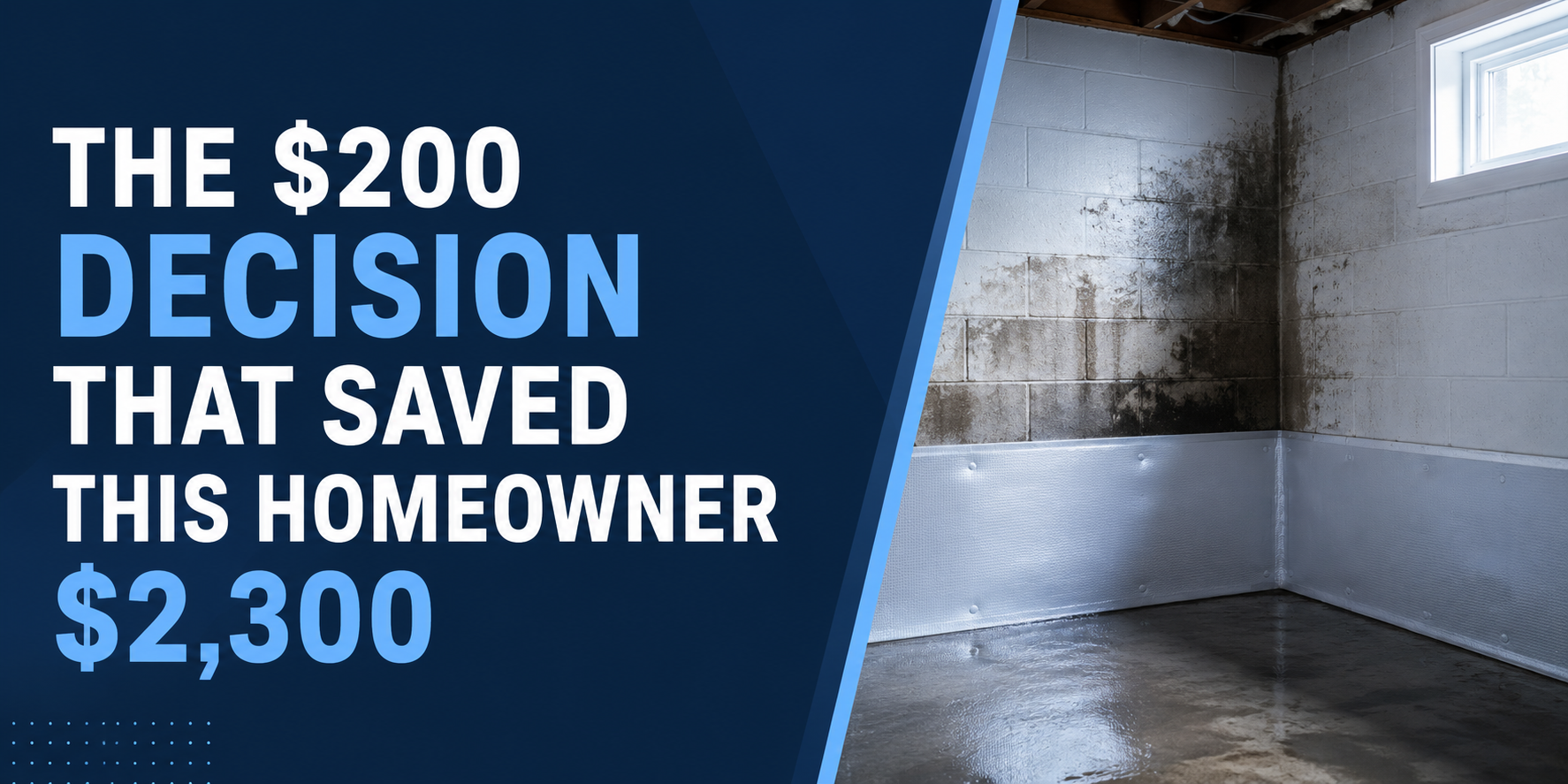
I met with some customers yesterday who are selling their house. It was built in the 1960s, and the crawlspace looks like most crawlspaces from that era - dirt floor, some moisture issues, fungal growth on the wood.
They want to get it cleaned up before they list. Smart move. But then they asked the question I hear from almost every seller: "Is it really worth spending this money on a house we're not even going to live in?"
I get it. Writing a check for crawlspace work when you're about to sell feels wrong. You're not going to enjoy the benefits. You're not going to use that space. It's hard to justify.
But here's what I've seen happen over and over. And here's why fixing it upfront might actually save you money and a whole lot of headache.
What Usually Happens When You Don't Fix It
Let me walk you through the typical timeline when sellers skip the crawlspace work.
You list the house. Someone falls in love with it. They make an offer. Everything looks great. Then the inspection happens.
The inspector goes into the crawlspace and writes up everything - moisture problems, fungal growth, inadequate vapor barrier, whatever he finds. That report goes to the buyer.
Now the buyer gets nervous. They start thinking about all the things that could be wrong. They talk to their parents, their friends, maybe a contractor. Everyone tells them crawlspace problems are serious.
So one of three things happens. They back out completely. They demand a huge credit - usually way more than it would actually cost to fix. Or they want you to fix it before closing, and now you're scrambling.
If you agree to fix it, you're doing it under pressure. You're picking whoever can get it done fast, not necessarily who does the best work. And you're negotiating from the weakest possible position because everyone knows the deal is hanging by a thread.
If you give them a credit, they hire the cheapest company they can find after closing. That company does mediocre work. And now your house that you took care of for years has someone else's shortcuts attached to it.
Either way, you end up spending the money. You just do it in the worst possible circumstances.
The Real Cost of Waiting
Here's what people don't think about when they decide to wait and see what happens.
You're not actually saving money. You're just spending it later under worse conditions. The encapsulation still costs the same. But now you're paying for it while a deal is falling apart.
And you lose negotiating power. When a buyer knows you need to fix something to close the deal, they're not just asking for the repair cost. They're asking for extra because they have leverage. That $8,000 encapsulation job? They want $12,000 off the price.
Your house sits on the market longer. Every failed deal is time wasted. And the longer a house sits, the more buyers wonder what's wrong with it. You end up dropping the price anyway just to generate new interest.
Plus, you're dealing with the stress. Renegotiating deals. Coordinating last-minute repairs. Hoping the buyer doesn't find something else to worry about. It's exhausting.
The same money you were trying to avoid spending upfront? You spend it anyway. You just get less value out of it.
Why Fixing It First Actually Makes Sense
When you fix the crawlspace before listing, you control the situation.
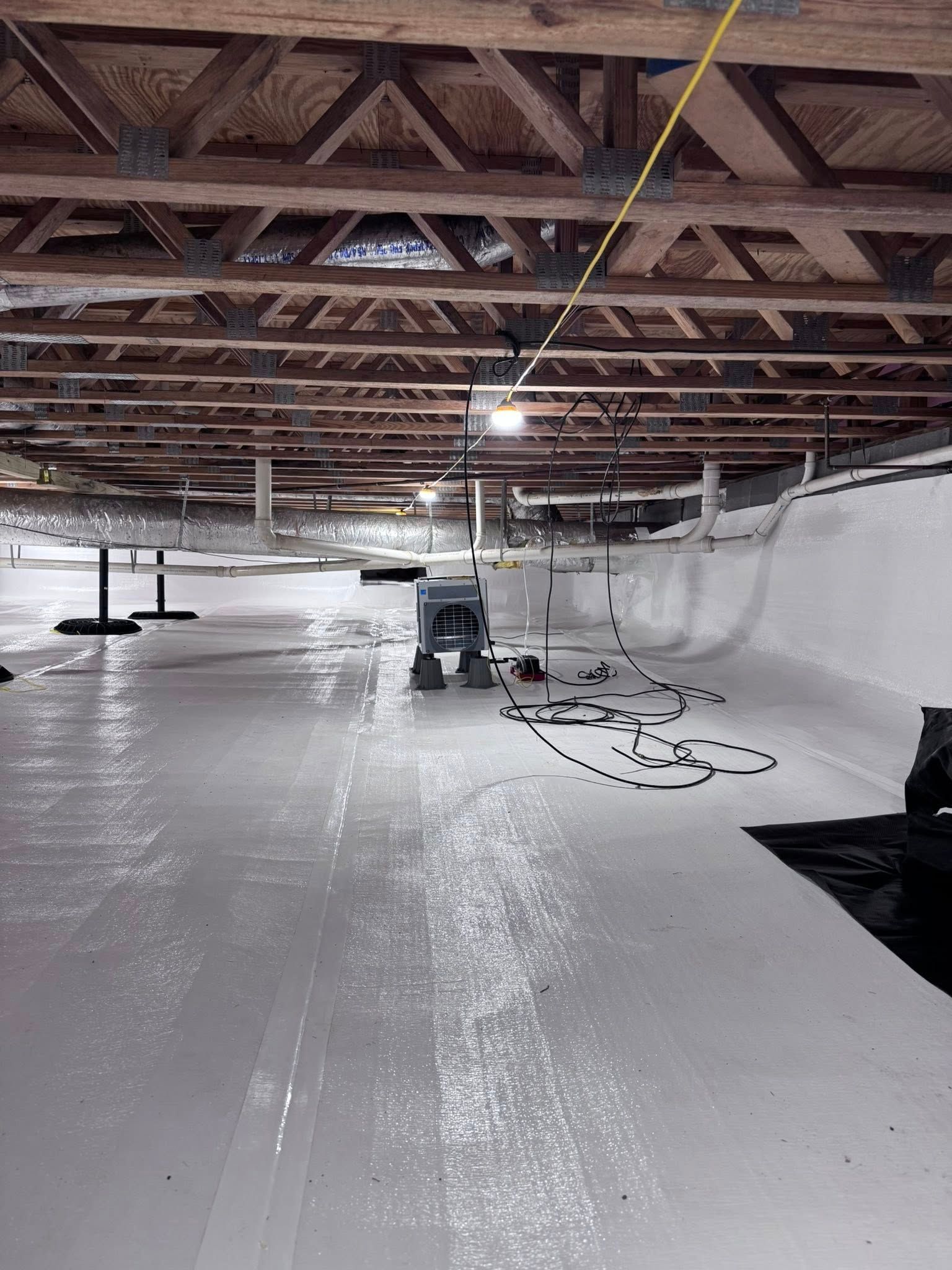
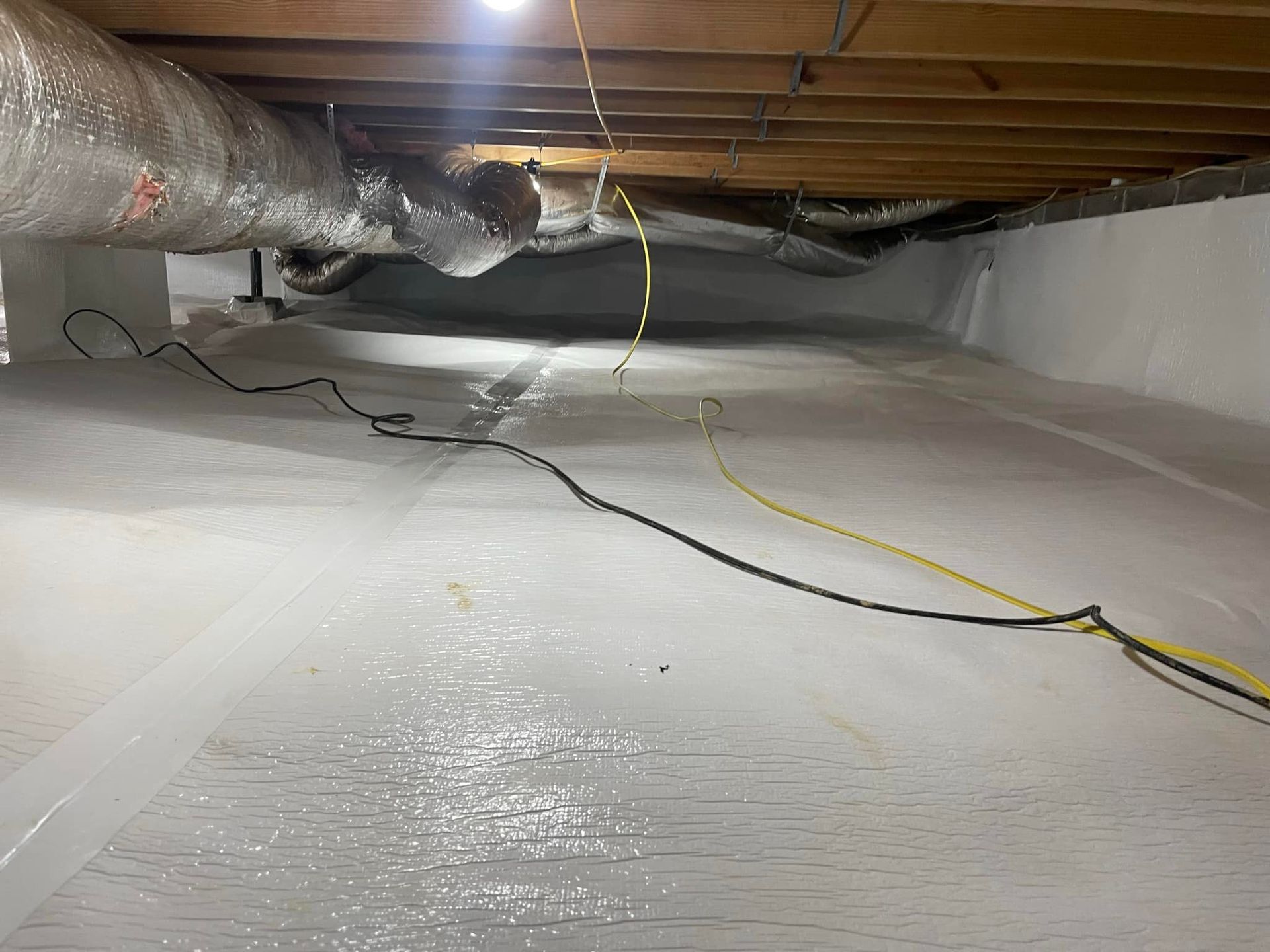
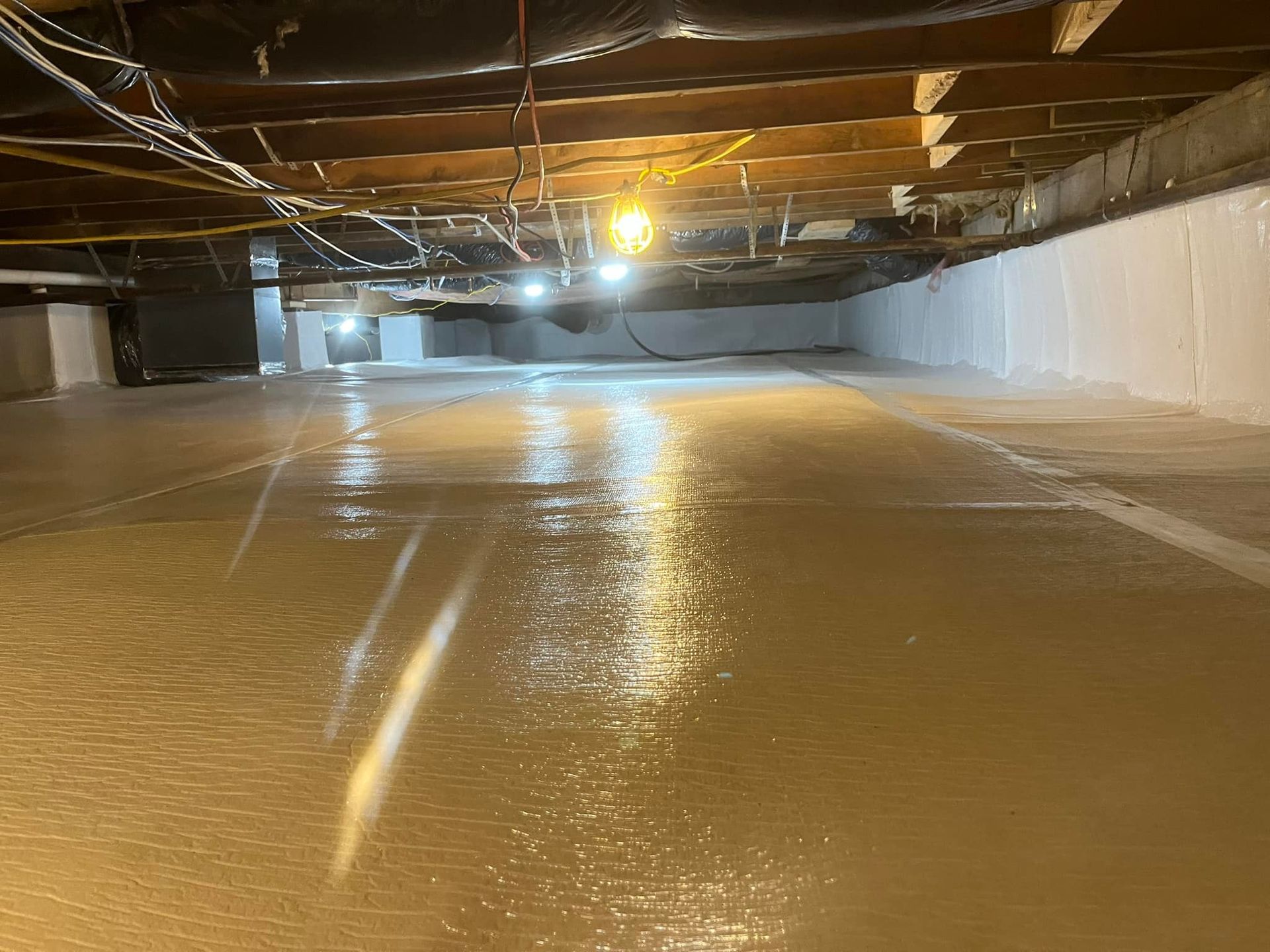
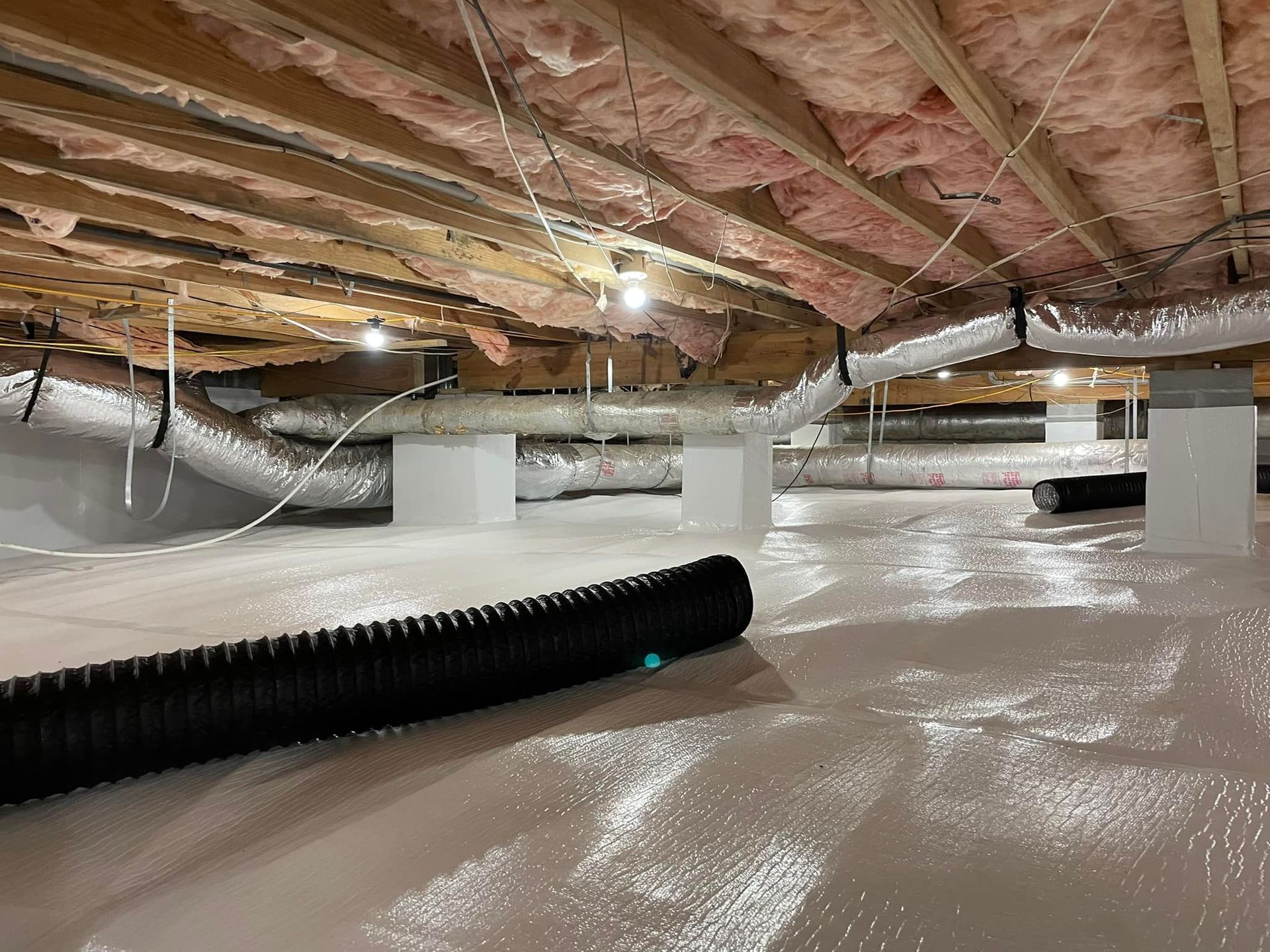
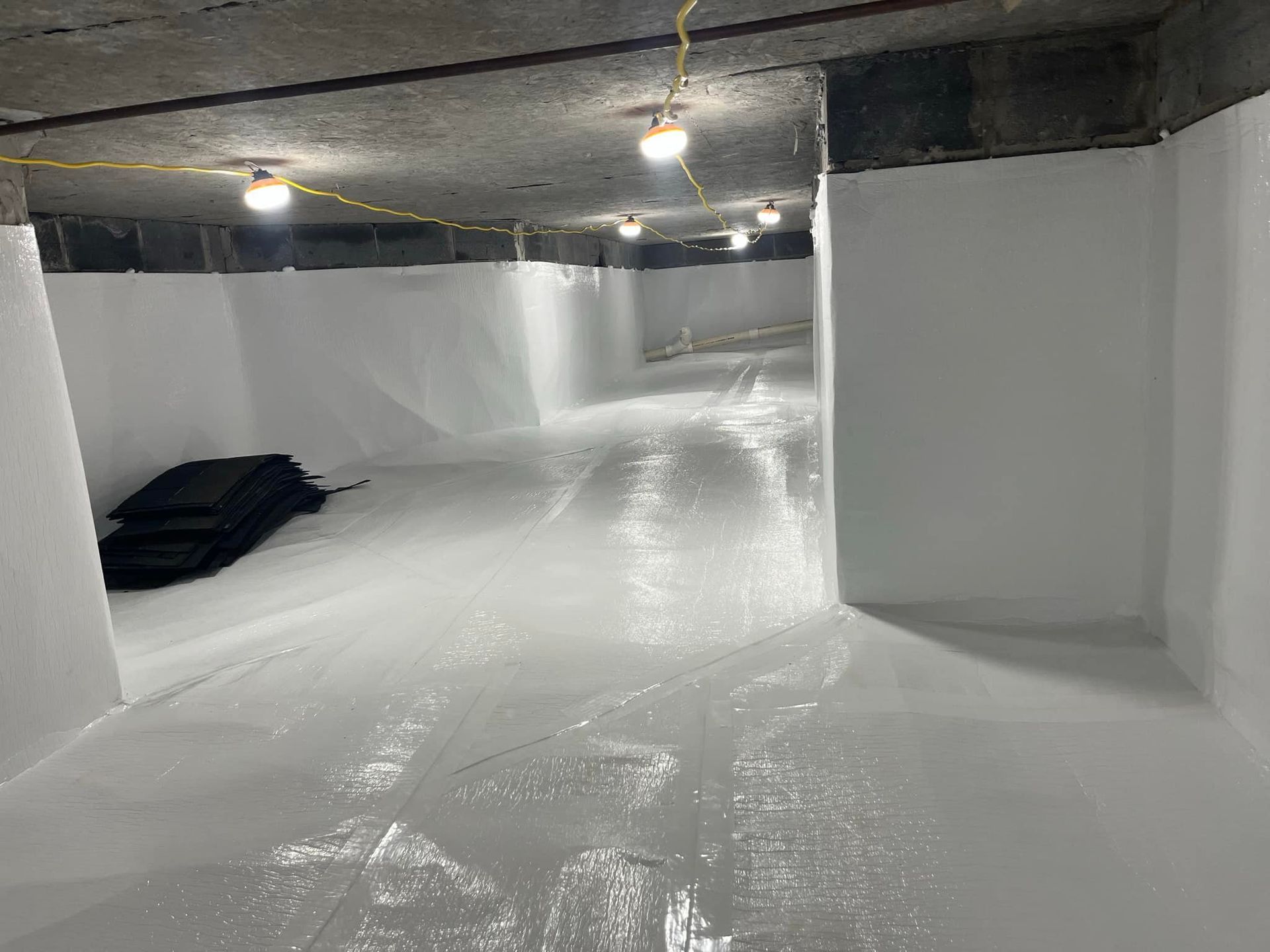
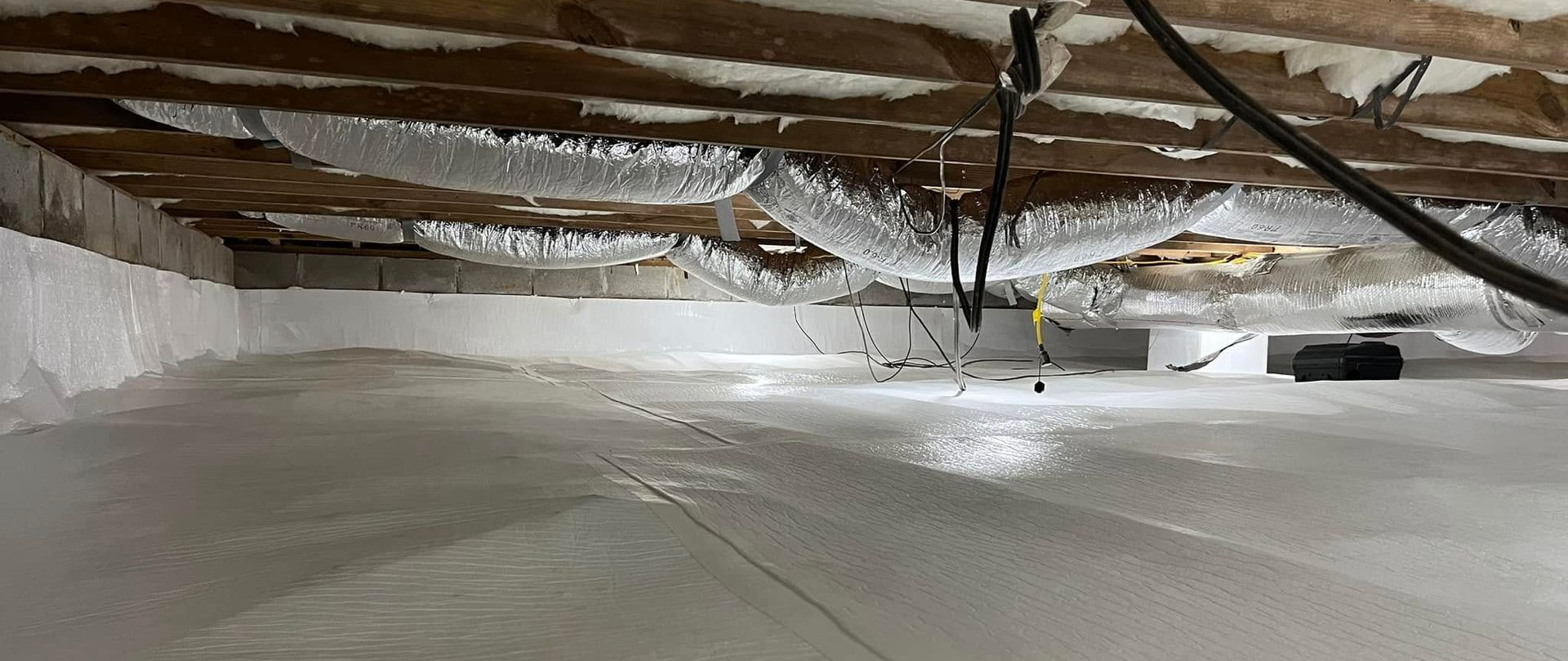
You get to price it into your listing from the start. If encapsulation costs you $10,000, you list the house for $10,000 more. Buyers see a house that's been completely maintained, including the crawlspace. That's worth paying for.
The inspection becomes boring. And boring inspections are exactly what you want. No surprises. No renegotiations. The buyer feels confident about their purchase. The deal moves forward smoothly.
Your house stands out. Think about it from a buyer's perspective. They're looking at houses in the same price range. Yours has a clean, encapsulated crawlspace with documentation. The other one has a dirt floor and moisture problems. Which one feels like a better investment?
You're not just fixing problems. You're removing obstacles between you and a closed deal. That's worth something.
The Math That Sellers Miss
Let me break down the math that a lot of sellers don't think about.
Say encapsulation costs $10,000. You list your house for $10,000 more than you would have otherwise. A buyer is looking at your house and another comparable house that's $10,000 cheaper but has crawlspace issues.
Which one are they going to choose? The one that's already taken care of.
Because that buyer knows if they buy the cheaper house, they're going to have to deal with the crawlspace anyway. They'll either negotiate a credit and spend their own time coordinating repairs, or they'll live with the problem and worry about it getting worse.
Your house is move-in ready. No projects waiting for them. No unknowns lurking under the floor. That peace of mind is valuable.
And here's the thing - you're not losing money on the encapsulation. You're getting it back in the sale price. But you're also getting a faster sale, a smoother closing, and way less stress.
The sellers who get this are the ones whose houses fly off the market. Clean inspections. Happy buyers. Done deal.
What About Just Doing Treatment Instead?
Now, you don't always have to do a full encapsulation. Sometimes treatment is enough.
If your crawlspace has some fungal growth but no major moisture issues, we can treat the wood and clean things up. That might be all you need to get through inspection without problems.
Treatment costs less. It addresses the immediate concerns. And for some sellers, especially if the house is priced competitively and the market is moving fast, that's the smart play.
But here's when encapsulation makes more sense. If there's standing water, high humidity, or structural concerns, treatment alone won't cut it. The inspector is going to flag those issues. The buyer is going to want them fixed.
I'll be honest with you about what your crawlspace needs. If you can get away with just treatment, I'll tell you. If you really need encapsulation to avoid problems during the sale, I'll tell you that too.
It depends on your timeline, your budget, and what we're actually dealing with down there.
Take the Next Step
If you're getting ready to sell, let's take a look at your crawlspace before you list.
I'll come out, do a full inspection, take pictures, and show you exactly what we're dealing with. Then I'll give you options - treatment, encapsulation, or something in between.
You'll have clear pricing. You can take that information to your realtor and make the decision that's right for your situation. Maybe you move forward with the work. Maybe you decide to list as-is and handle it if it comes up. Either way, you'll know what you're working with.
No pressure. No games. Just an honest look at what's underneath your house and what it might mean for your sale.
Give us a call or send a message. Let's make sure your crawlspace doesn't become the reason a deal falls through.