Foundation Jacks Sitting on Blocks: Why This Fails
I Came Back to a Job I'd Quoted Months Ago
THIS IS WHAT HAPPENS WHEN YOU GO WITH THE CHEAPEST BID
I got a call a few days ago about a crawlspace I'd quoted months earlier.
The customer had some serious foundation issues - cracks all around the perimeter, termite damage to the structure, and floor joists that needed support. I quoted them helical piers for the foundation and 15 jacks with proper footers and beams for the inside.
They told me it was too expensive. Said they were going with someone cheaper. I get it - foundation work isn't cheap. But I also knew what they were dealing with wasn't something you could cut corners on.
Fast forward to now. They had a buyer lined up. Got through inspection. And the whole deal fell apart.
The inspection report flagged everything the handyman did. Now they're calling me back to fix it.
When I went down there to look at it again, I wasn't surprised. But I was frustrated for them. Because now they're going to pay twice - once for work that didn't work, and again to do it right.
What the Handyman Actually Did
Let me walk you through what I found.
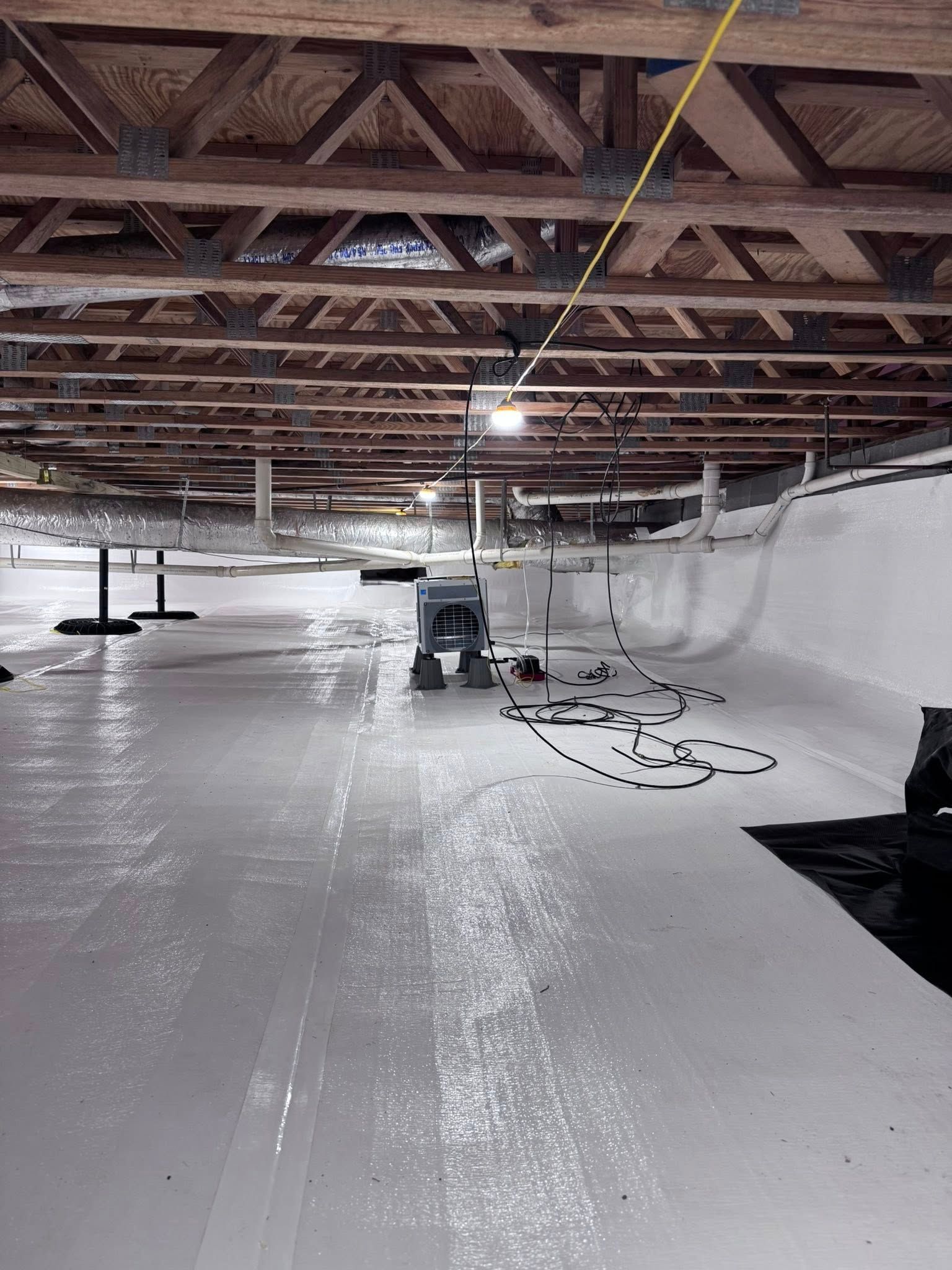
The jacks themselves aren't terrible. But they're sitting on a couple of concrete blocks with some random pieces of wood. No proper footers. Just blocks stacked on dirt in a crawlspace that has moisture issues. That's not going to hold long-term.
Then there are these two-by-sixes laid on their side, spanning across multiple floor joists. A two-by-six on its side can't support that kind of span. It's already bowing in the middle - looks like a piece of bacon. The weight of the joists sitting on it is compressing it. With the moisture down there, that wood's going to fail.
Some of the beams aren't even touching the wood they're supposed to be supporting. Like, there's a gap. I don't know how that passed anyone's inspection, but here we are.
And those foundation cracks on the outside? They just put some plaster over them. Made them look better for photos, I guess. But the cracks are already showing through again because nothing was actually fixed.
This wasn't foundation repair. This was someone making it look like foundation repair long enough to try to sell the house.
The buyer's inspector knew the difference. And now the customer is stuck with it.
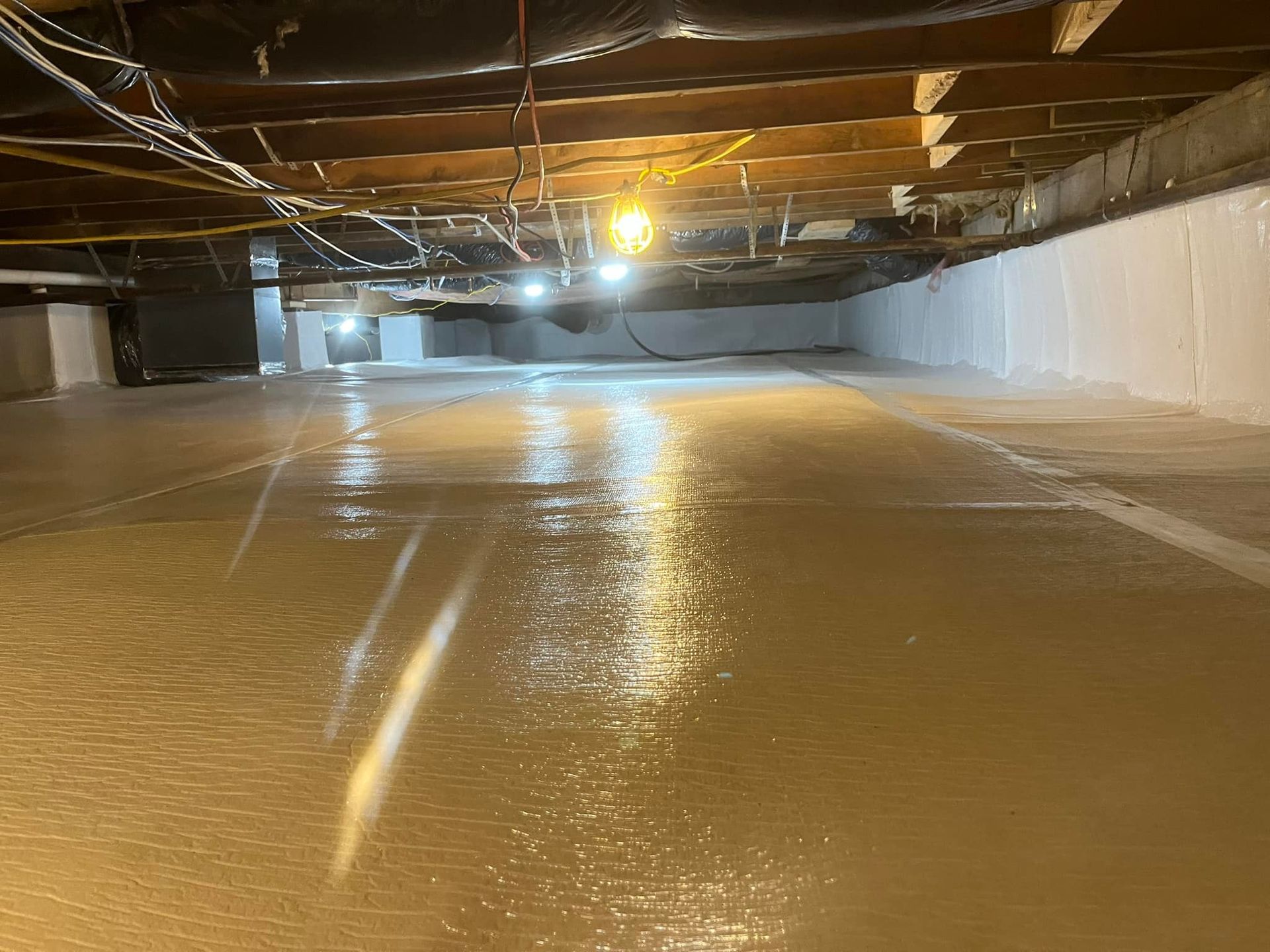
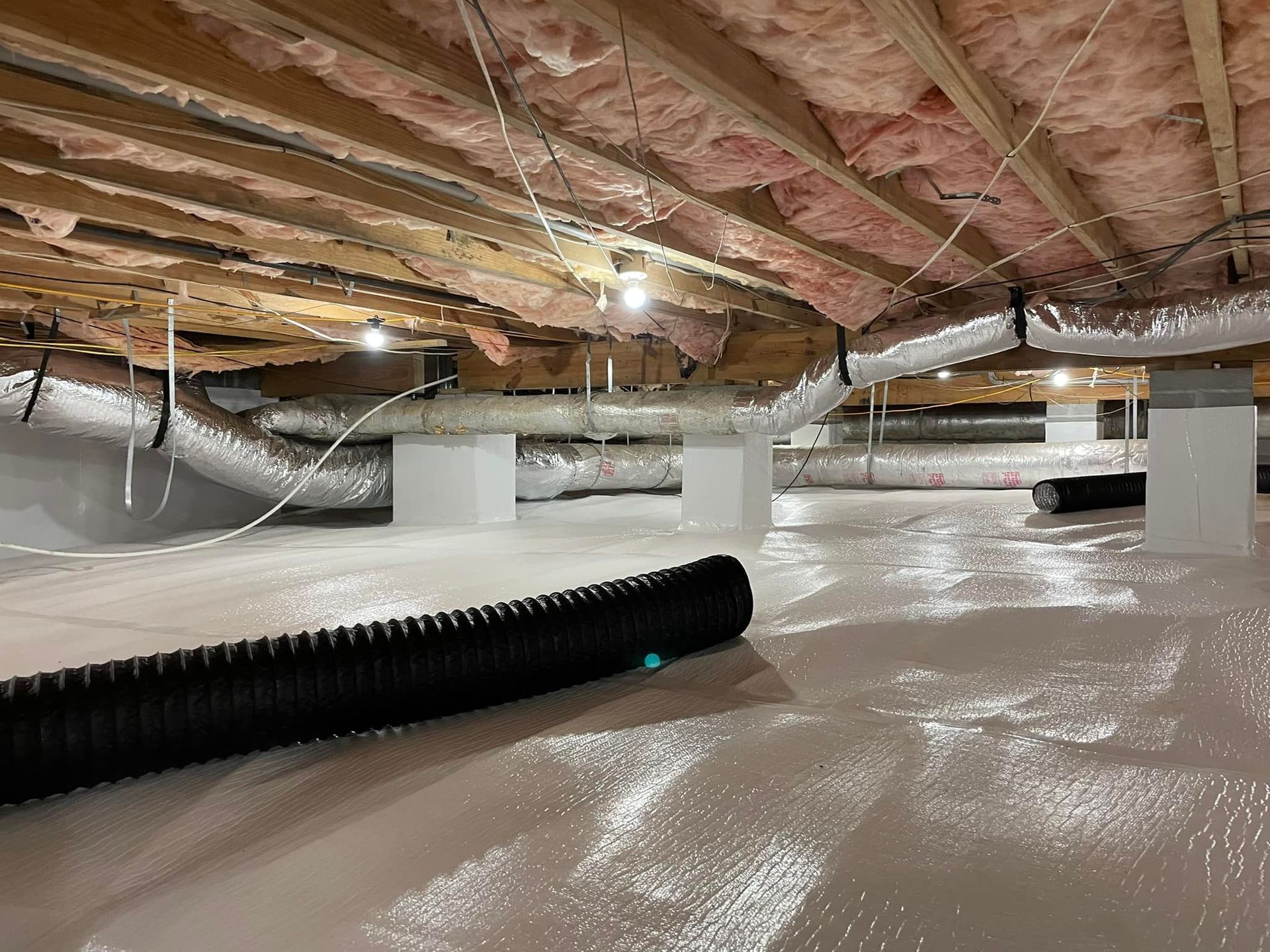
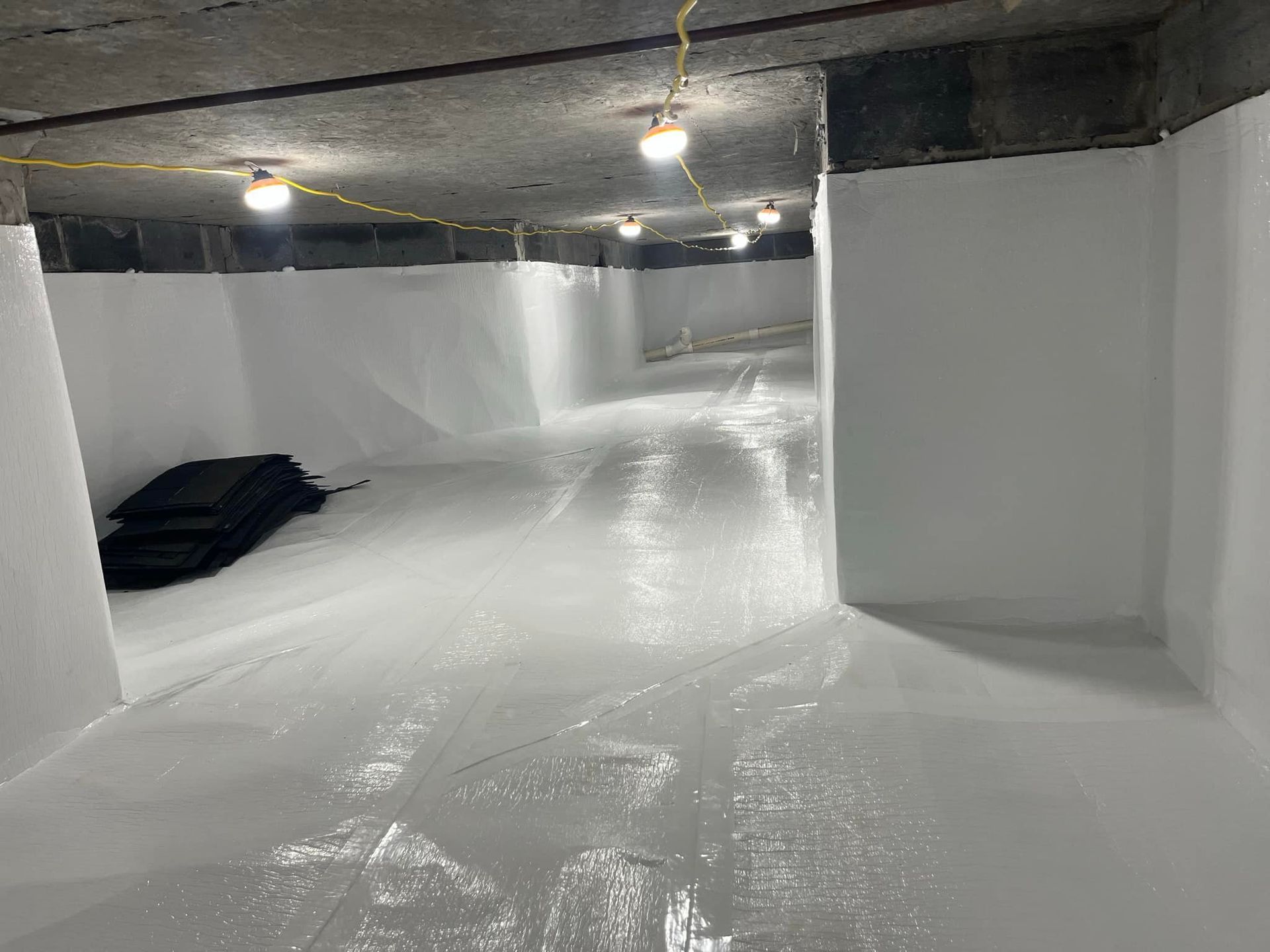
Why This Type of Work Fails
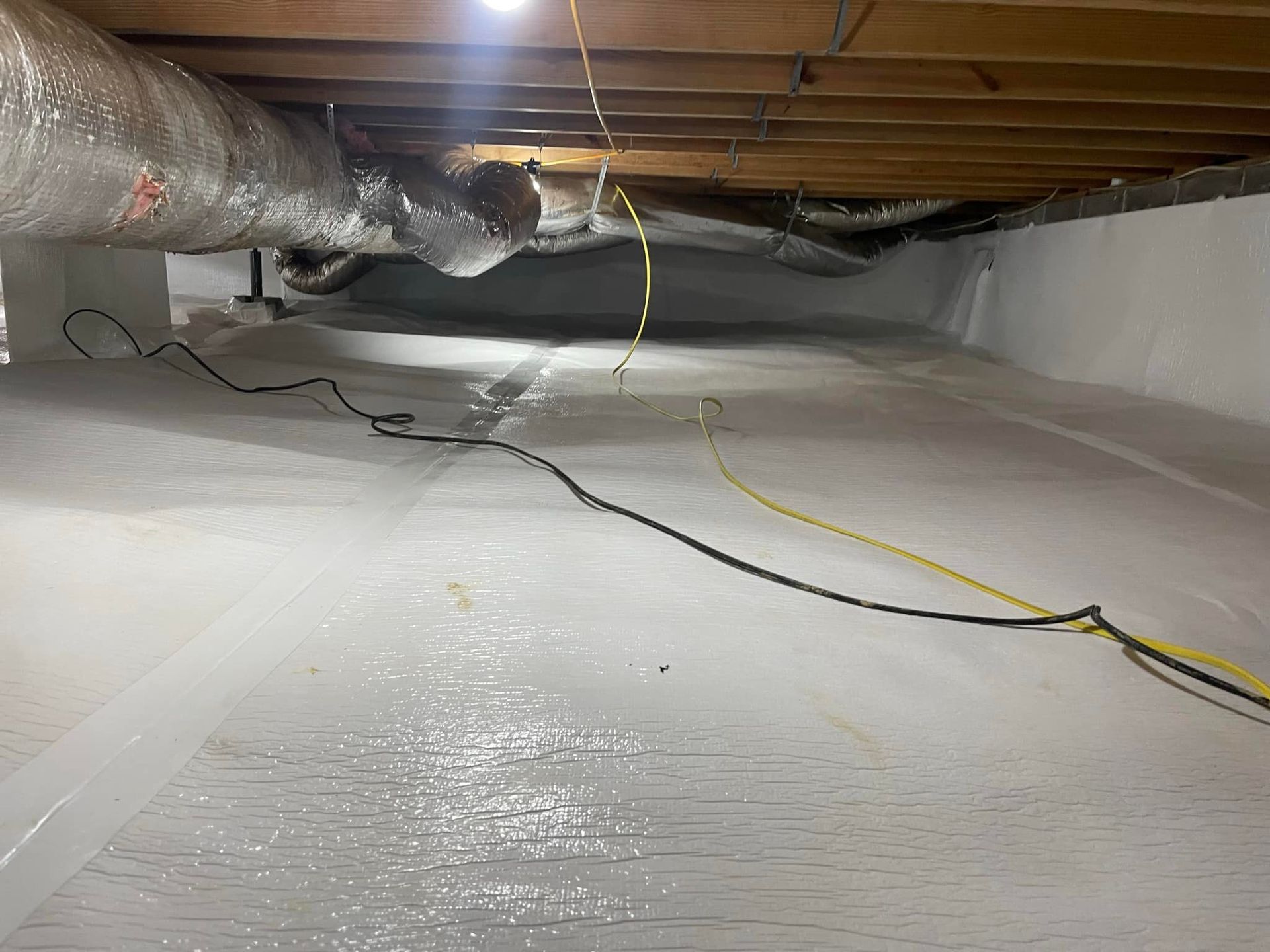
Here's what people don't understand about foundation work - it's all about load distribution and support over time.
When you put a jack in a crawlspace, it's holding up thousands of pounds. That weight needs to go somewhere. If you just set it on some blocks in the dirt, those blocks are going to sink. The dirt compresses. The moisture makes it worse. Eventually, that jack isn't doing anything anymore.
Proper footers spread that load out. We pour concrete footers that are wide enough to distribute the weight so they don't sink into the ground. That's not optional. That's how it works.
Same thing with those beams laid on their side. Wood has strength in certain directions. A two-by-six standing upright can support way more weight than one laid flat. It's basic engineering. When you lay it on its side and span it across multiple joists, it's going to bow under the weight. Add moisture, and that wood's going to compress and rot faster.
And putting plaster over foundation cracks? That's just paint. The crack is still there. The foundation is still settling or shifting. You didn't fix anything. You just hid it for a minute.
This is why foundation work costs what it costs. Because doing it wrong doesn't just fail - it fails in a way that can damage your home even more.
What We Originally Quoted (And Why)
When I first came out here, I knew what this crawlspace needed.
The foundation had cracks running around the perimeter. That means the foundation is settling or shifting. You can't just cover that up. We quoted helical piers - these are steel piers that get drilled deep into stable soil to support and stabilize the foundation. They actually stop the settling.
Inside the crawlspace, the floor joists had termite damage and years of bad repairs. We needed 15 jacks with proper concrete footers to support the floor system. Not blocks. Not wood scraps. Actual footers poured at the right width to distribute the load.
We also needed supplemental beams in places where the existing structure was compromised. These are installed perpendicular to the joists, properly sized for the span, with the right hardware to attach everything together.
Each piece of this matters. The helical piers stabilize the foundation so it stops moving. The footers keep the jacks from sinking. The beams support the compromised joists so your floors don't sag or bounce.
This isn't me adding stuff to run up the price. This is what the house needed to be structurally sound.
The customer looked at the number and decided to go cheaper. I understand that impulse. But foundation work isn't like painting or landscaping. You can't just find someone willing to do it for less and expect the same result.
The Real Cost of Going Cheap
Let's talk about what this decision actually cost.
The handyman probably charged them a few thousand dollars. Maybe half of what we quoted. At the time, that seemed like a win. They "saved" money.
Except now the home sale fell through. That buyer is gone. And the inspection report is part of the property record now. Future buyers are going to see that there were foundation issues and someone tried to fix them on the cheap.
Now they have to pay someone - probably us - to go back in and remove all the bad work. Pull out those jacks. Take out those beams. Then start over and do it right. They're going to pay our full price anyway, plus the cost of undoing what shouldn't have been done.
The sale falling through cost them time. It cost them the carrying costs on the house - mortgage, utilities, insurance - for however many more months it takes to find another buyer. It cost them the mental stress of dealing with all this.
And here's the part nobody thinks about - they have to disclose this now. Any future buyer is going to ask questions about the foundation work. About why the first sale fell through. About what's been done and what still needs to be done.
That handyman's "cheap" price just cost them way more than our quote ever would have.
When Foundation Work Actually Matters
Foundation issues don't get better on their own. They get worse.
If you're buying a home, foundation problems need to be fixed before you close. Don't let a seller talk you into accepting a credit or a discount instead of actual repairs. Because you're going to pay more to fix it than they're offering, and you're going to be living with the problem while you figure it out.
If you're selling a home, do it right the first time. Buyers are going to inspect it. Their inspector is going to flag bad work. And you're going to end up fixing it anyway, except now you've lost time and a buyer.
If you're living in a home with foundation issues, fix them properly. Your home is probably your biggest investment. Sagging floors, cracked foundations, moisture problems - these things damage your home's value and your family's safety.
Foundation work isn't cheap. But it's necessary. And doing it right the first time is always cheaper than doing it twice.
Take the Next Step
If you've got foundation concerns, let's take a look.
I'll come out and do a thorough inspection. I'll show you exactly what's going on under your house. I'll explain what needs to be done and why.
No pressure. No games. Just honest expertise from someone who's been doing this for years and actually knows the difference between foundation repair and slapping some jacks on blocks.
If you've already had work done and you're not sure if it was done right, I can look at that too. Better to know now than to find out during an inspection when you're trying to sell.
Give us a call. Let's make sure your foundation is actually fixed, not just made to look fixed.