How to Avoid Foundation Problems During Your Home Inspection
What I Found Before This House Hit the Market
WHY FIXING FOUNDATION ISSUES EARLY SAVES THE SALE
I got called out to a house in Knoxville yesterday. Built in the 60s. Nice older home.
The sellers haven't listed it yet. They're getting ahead of things - fixing issues before they put the sign in the yard. Smart move.
Most people don't do this. They wait for the inspection. Then problems come up. Buyers get nervous. Negotiations get messy. Sometimes the whole deal falls apart.
These sellers are doing it right. They want a smooth sale, and they know foundation issues are the kind of thing that scares buyers more than almost anything else.
I found something that would've absolutely been flagged during inspection. An opening in the foundation where the HVAC line comes through. No proper support above it. Just a few half blocks trying to hold up the load.
A good inspector would've caught this immediately. And then we'd be dealing with worried buyers, price negotiations, and potential delays.
But because we're fixing it now, before listing? This house is going to sail through inspection.
If you're selling a house - especially an older one - this is how you do it. Handle the problems you know about before someone else finds them.
The Problem I Found
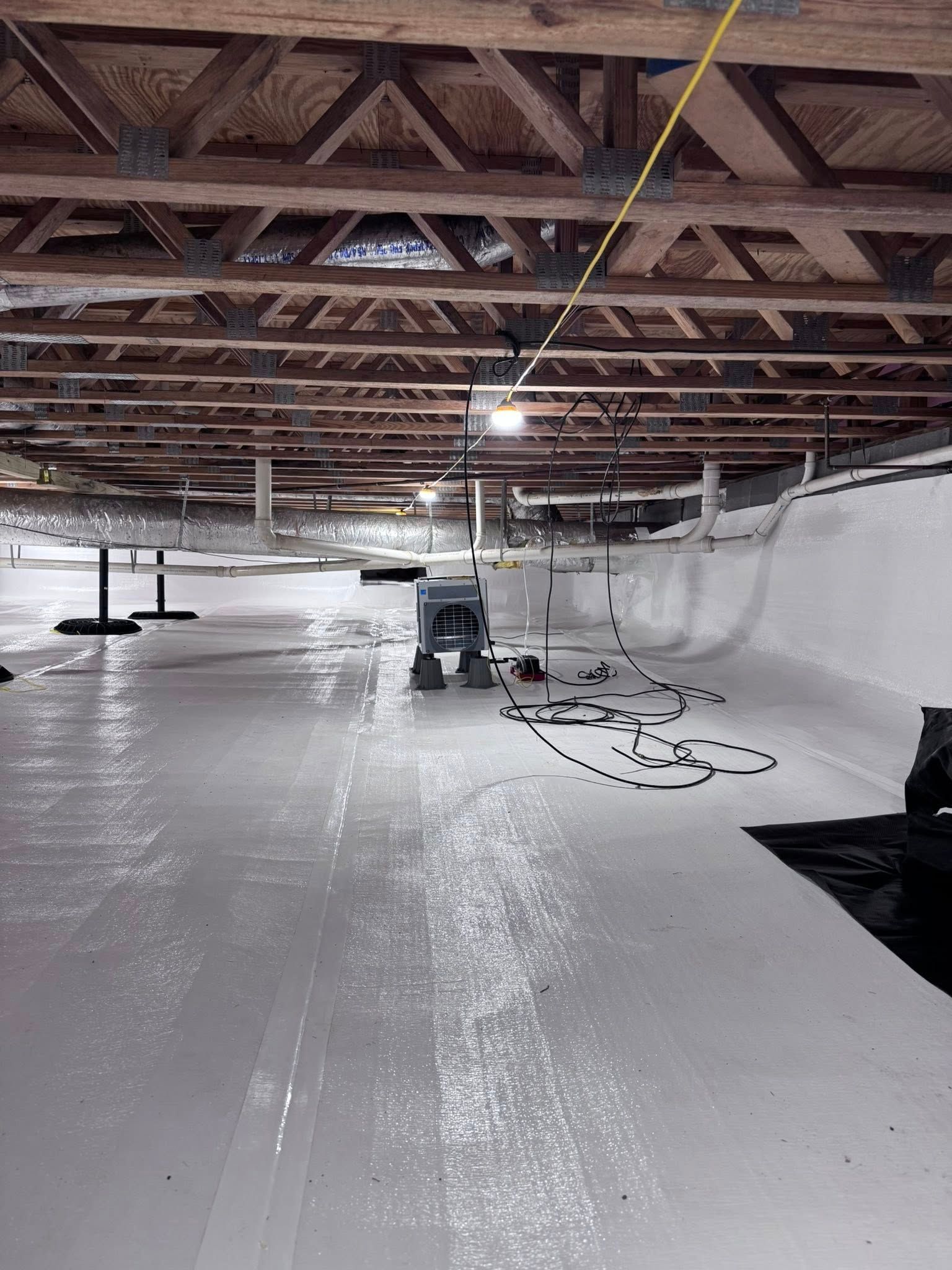
Let me show you what we're dealing with here.
When they installed the HVAC system, they cut an opening in the foundation wall. That's normal - you need to get the lines through. But there's another hole right next to it, maybe from an old system. Together, these openings span quite a bit of the block wall.
Above that opening? A few half blocks laying across. That's it. No lintel. No reinforced support beam. Just blocks that aren't designed to carry the load of the house above them.
Here's the problem. The foundation wall is supposed to support the weight of your house. When you cut an opening, you need something solid to span that gap and transfer the load to the strong parts of the foundation on either side.
These half blocks aren't doing that job. Over time, this kind of setup can shift, settle, or worse. And even if it holds up fine for years, an inspector is going to flag it because it's not built to code.
I've seen this a lot in houses from the 60s and 70s. Back then, contractors would sometimes make these openings without thinking about proper support. The HVAC guy just needed to get his lines through. Nobody was worried about what inspector would say thirty years later.
The fix is straightforward. We install a lintel - a reinforced concrete beam - that spans the entire opening. It distributes the weight properly to the solid foundation on both sides. That's how it should've been done from the start.
But if we hadn't caught this before listing? It would've come up during inspection. And that's when things get complicated.
Why This Gets Flagged During Inspection
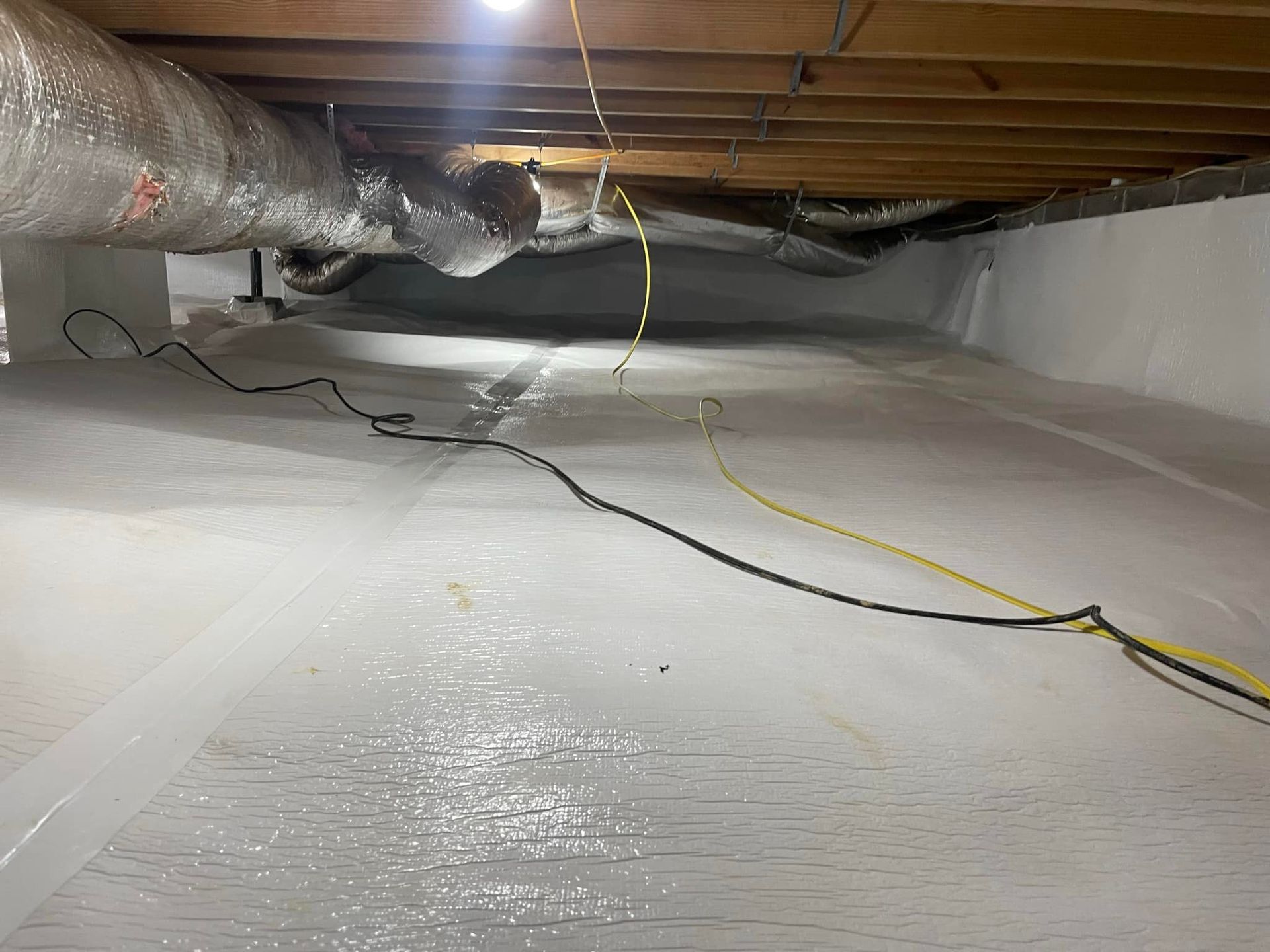
Good home inspectors know what to look for in foundations. And unsupported openings are one of the first things they check.
When an inspector sees an HVAC line or any utility coming through a foundation wall, they're looking at what's above it. Is there a proper lintel? Is the load being supported correctly? Or is it just some blocks thrown across the gap?
This kind of issue shows up in the report with language like "structural concern" or "recommend evaluation by a structural engineer." Those phrases make buyers nervous.
Here's what happens next. The buyers read that report and start thinking this house has foundation problems. Even if everything else checked out fine, that one line about the foundation sticks in their head.
Foundation issues scare people more than almost anything else. A bad roof? That's a known cost. HVAC needs replacing? Annoying, but straightforward. Foundation problems? That sounds expensive and complicated.
Buyers start questioning everything. If the foundation has this issue, what else is wrong? Did the previous owners cut corners on other things? Is this house going to be a money pit?
And the thing is, this particular fix isn't even that complicated or expensive. But once it's in the inspection report, it becomes a negotiation problem.
What Happens If You Wait
Let me walk you through the typical timeline when you wait to fix foundation issues.
You list the house. It looks great. You get an offer. Everyone's excited. Then the inspection happens.
The inspector finds the unsupported opening. It goes in the report. Now the buyers have leverage.
You've got three options, and none of them are great.
Option one: Drop your price. The buyers want money off to cover the repair, plus extra because they're taking on the hassle. You lose negotiating power because now you're the seller with the foundation problem.
Option two: Pay for the repair during the closing process. You still have to hire someone, get the work done, and coordinate everything while trying to close the sale. It's stressful and rushed. And buyers are still nervous until they see it's actually fixed.
Option three: The buyers walk away. They decide they don't want to deal with it. Now you're back to square one, except you have a problem. You have to disclose this foundation issue to the next buyer. It's in the inspection report. You can't pretend it doesn't exist.
So you either fix it before the next showing, or you go through this whole process again with new buyers who will also want to negotiate.
Meanwhile, your house is sitting on the market longer. Days on market add up. Other buyers start wondering why it hasn't sold. Your listing gets stale.
All of this could've been avoided by handling it before you listed.
The Smart Approach: Fix It Before Listing
Here's what we're doing for these sellers.
We're installing a lintel - a solid, reinforced concrete beam - that spans the entire opening where the HVAC comes through. This lintel sits on the solid foundation on both sides and carries the load properly.
It's not complicated. We remove those half blocks that aren't doing the job. We set the lintel in place. The weight of the house above that opening now distributes correctly to the strong parts of the foundation.
This is how it should've been built in the first place. And once it's done, it's done right.
The actual work takes one to two days depending on the situation. It's not a massive project. But the impact on the sale is huge.
Now when the inspection happens, the inspector looks at that opening and sees proper support. Nothing to flag. Nothing for buyers to worry about. The foundation section of the report comes back clean.
Compare the cost of this repair to what you'd lose in negotiations. When buyers have leverage because of a foundation issue, they're not just asking for the cost of the fix. They're asking for more because they're taking on the risk and hassle.
You could easily lose several thousand dollars in negotiating power over a repair that costs a fraction of that.
Plus, there's peace of mind. You list your house knowing it's solid. The inspection comes back without surprises. The sale moves forward smoothly. No drama. No delays. No buyers backing out.
That's worth something.
Other Common Foundation Issues in Older Homes
While we're talking about foundations, let me point out some other issues I see a lot in older houses.
Settlement cracks vs. structural cracks. Not all cracks are created equal. Small hairline cracks from normal settling? Usually not a big deal. Wide cracks, stair-step cracks in block walls, or cracks that are getting bigger? Those need attention.
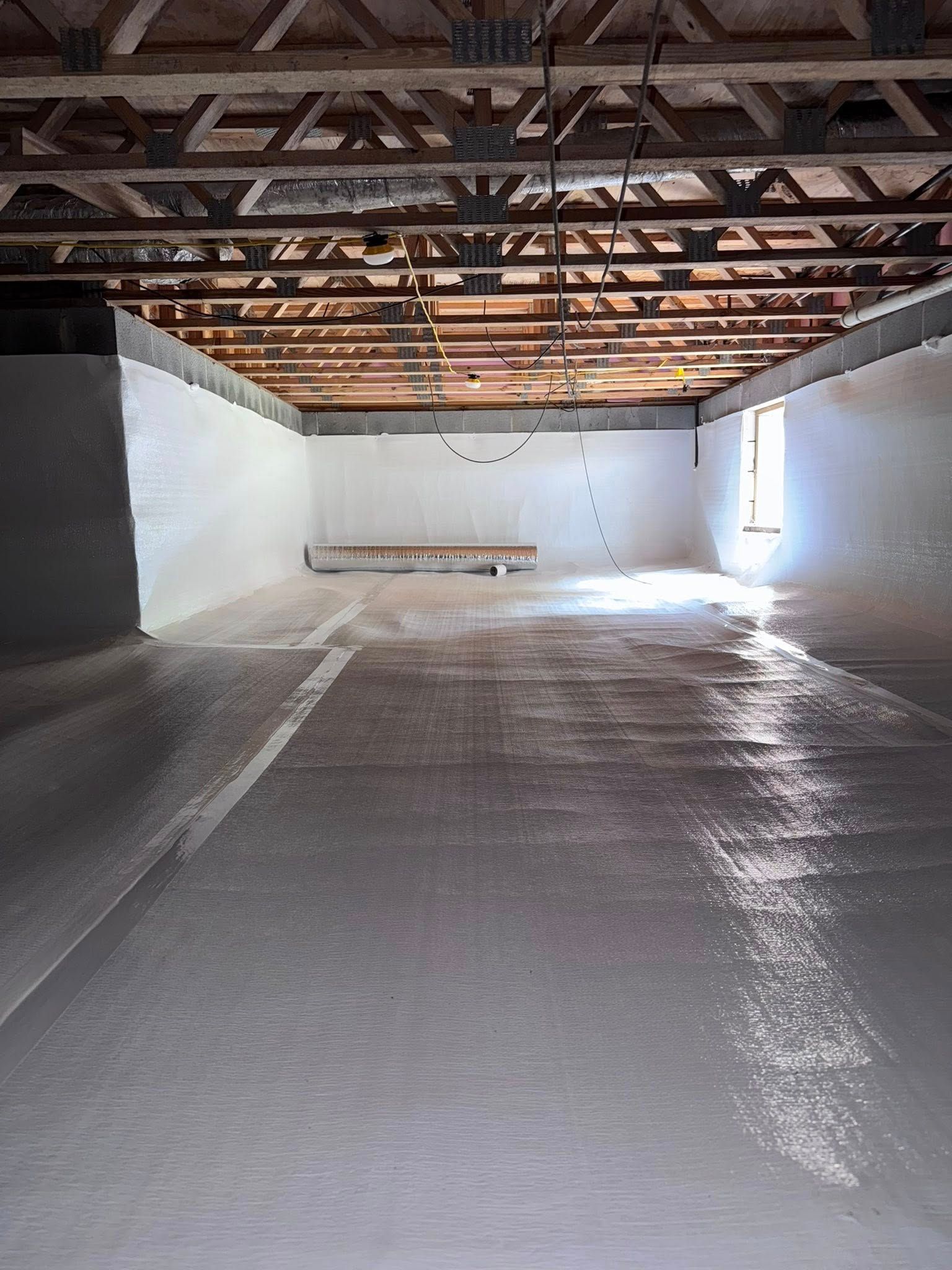
Moisture and water intrusion. Look for water stains, efflorescence (that white powdery stuff), or actual standing water. If water is getting into your crawlspace or basement, that needs to be fixed before you list. Buyers will absolutely notice.
Missing or damaged foundation vents. Older homes need proper ventilation in the crawlspace. Missing vent covers or damaged vents affect airflow and moisture control. Easy fix, but inspectors check for this.
Improperly filled openings from old utilities. Maybe you had an old oil tank removed or old plumbing lines taken out. If those openings weren't filled correctly, an inspector will flag it. Similar issue to what we're dealing with here.
Bowing or leaning walls. This is more serious. If your foundation walls are bowing inward or leaning, that's a structural problem that needs professional attention. Don't try to hide this one.
When in doubt, call someone who knows foundations. A few hundred bucks for a professional assessment now beats thousands lost in negotiations later.
Take the Next Step
If you're getting ready to sell your house and you're not sure about your foundation, let's take a look.
We do pre-listing inspections all the time. I'll come out, walk your crawlspace or basement, and tell you exactly what an inspector is going to flag. No surprises. No pressure.
If something needs fixing, I'll give you a clear timeline and honest pricing. And if everything looks good? I'll tell you that too.
The goal is to get your house ready to sell without the stress of dealing with inspection issues during negotiations.
We've helped a lot of sellers get their houses ready to list. Smooth inspections. Happy buyers. Clean closings.
Give us a call or shoot us a message. Let's make sure your foundation is ready before that sign goes in the yard.