What Happens When Foundation Work Isn't Done Right
Fixing Another Company's Foundation Work
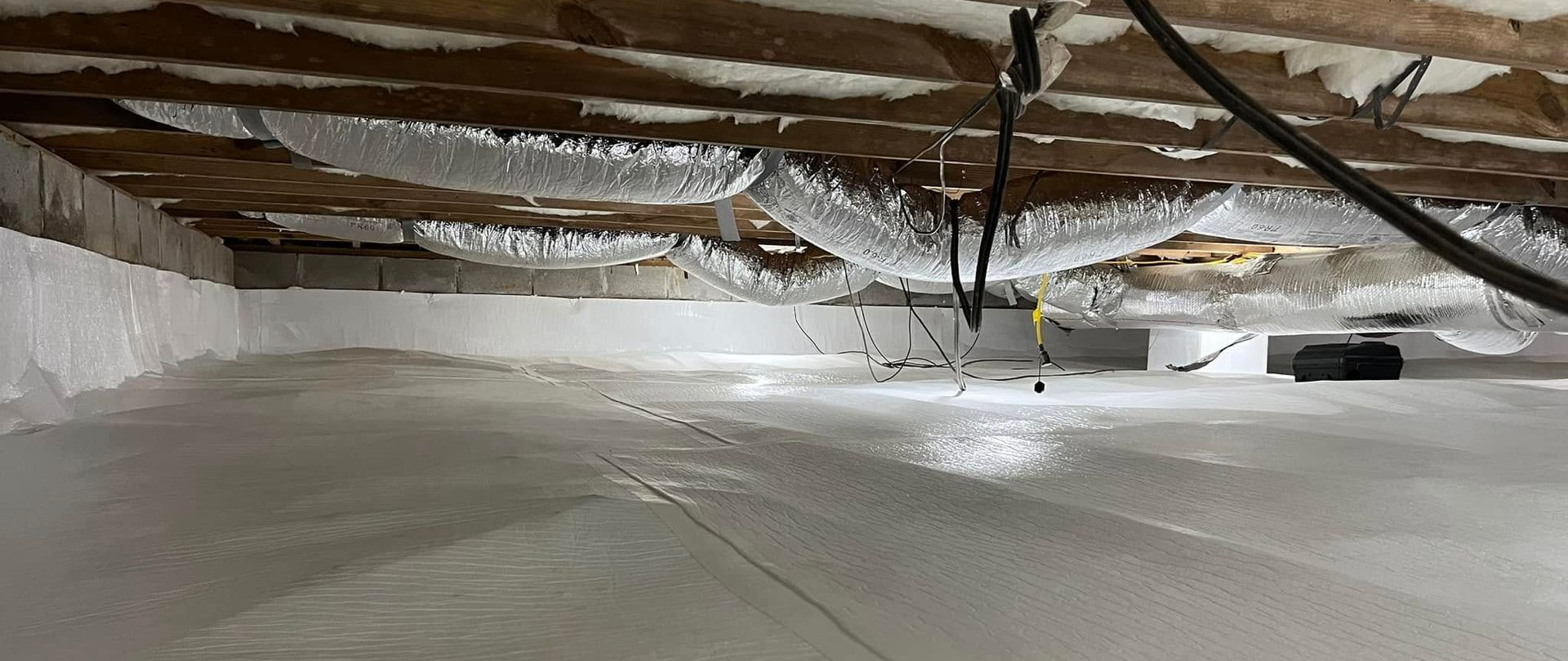
WHAT WE FOUND UNDER THIS KNOXVILLE HOME
We're wrapping up a job in Knoxville right now, and it's one of those situations that really bothers me.
New homeowners just bought this house. They're excited. They went through the inspection process. Everything looked okay on paper.
But when we got under there to finish the encapsulation and add some structural support, we found some problems.
Someone had been down there before us doing foundation work. And they didn't do it right.
We're talking about jacks without proper footings. Jacks positioned in the wrong spots.
The kind of work that looks okay at first glance but won't hold up over time. The kind of work that creates bigger problems down the road.
So now we're fixing it. We're installing proper footings where they should've been from the start.
We're repositioning jacks. We're adding helical piers to permanently support the foundation. And we're doing it right so these homeowners don't have to worry about this again.
If you're buying a home or thinking about getting foundation work done, you need to know what proper structural support actually looks like.
Because there's a big difference between work that passes a quick inspection and work that actually protects your home long-term.
I'm going to walk you through what we found, how we're fixing it, and what you should be looking for if someone's working on your foundation.
The Problems We Found
Let me break down what was going on under this house.
Jacks without proper footings. Supplemental jacks are supposed to support your floor joists and keep them from sagging. But they need a solid base - a proper footing poured in concrete. These jacks were just sitting on blocks or bare dirt. Over time, they're going to sink or shift. They're not actually supporting anything long-term.
Jacks in the wrong positions. Foundation support isn't just about throwing jacks everywhere. You need to position them based on where the load is, where the settling is happening, and how the weight distributes across the structure. Some of these jacks were just placed randomly. Not where they'd actually do any good.
Work that won't last. I could tell just by looking at it - this was someone trying to get the job done fast. Maybe they were inexperienced. Maybe they were rushed. Either way, it wasn't engineered properly. It was a band-aid, not a fix.
Here's what happens with work like this. For the first few months, maybe even the first year, everything seems fine. The floors feel solid. The homeowner thinks the problem is solved. But then the jacks start to settle. The floors start to sag again. And now you're paying twice - once for the bad work, and once to fix it properly.
These new homeowners are lucky we caught it now. A lot of people don't find out until years later when the damage is worse and more expensive to repair.
This is why foundation work matters. It's not something you can rush through or cut corners on. Your whole house is sitting on top of it.
How We're Fixing It
Here's what we're doing to make this right.
Installing proper footings under the existing jacks. We're pouring concrete footings so these jacks actually have something solid to sit on. Not blocks. Not dirt. A real base that won't sink or shift over time. This is foundation 101, but a lot of companies skip it to save time and money.
Repositioning jacks where they need to be. We're moving some of these jacks to where they'll actually support the load. That means looking at where the sagging is happening, where the beams are stressed, and how the weight distributes. You can't just eyeball this stuff. It needs to be thought through.
Adding helical piers for permanent support. These are steel piers that screw deep into the ground until they hit stable soil. They're engineered to permanently support your foundation. Once they're in, they're not moving. They're not settling. They're holding your house up for good.
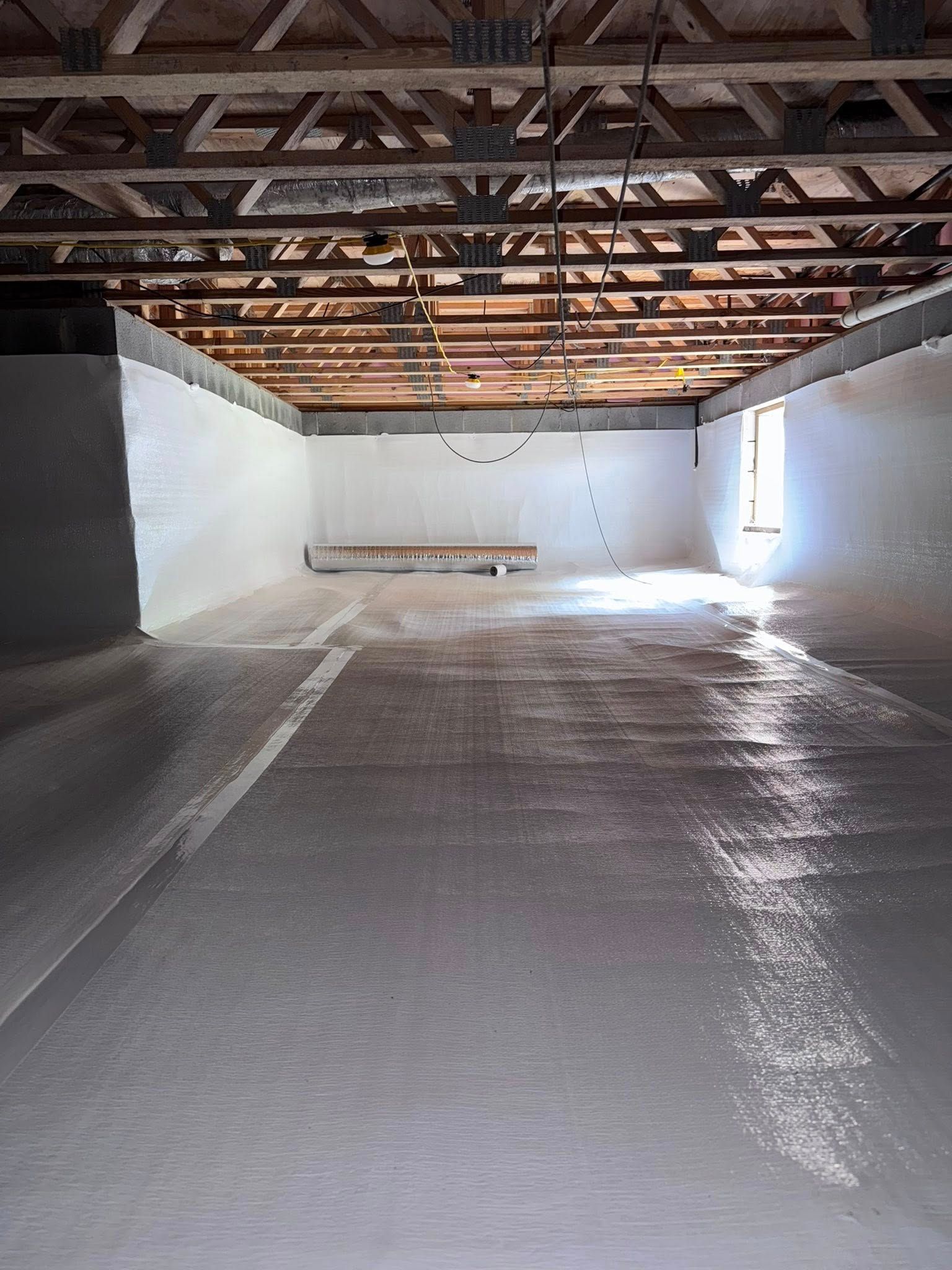
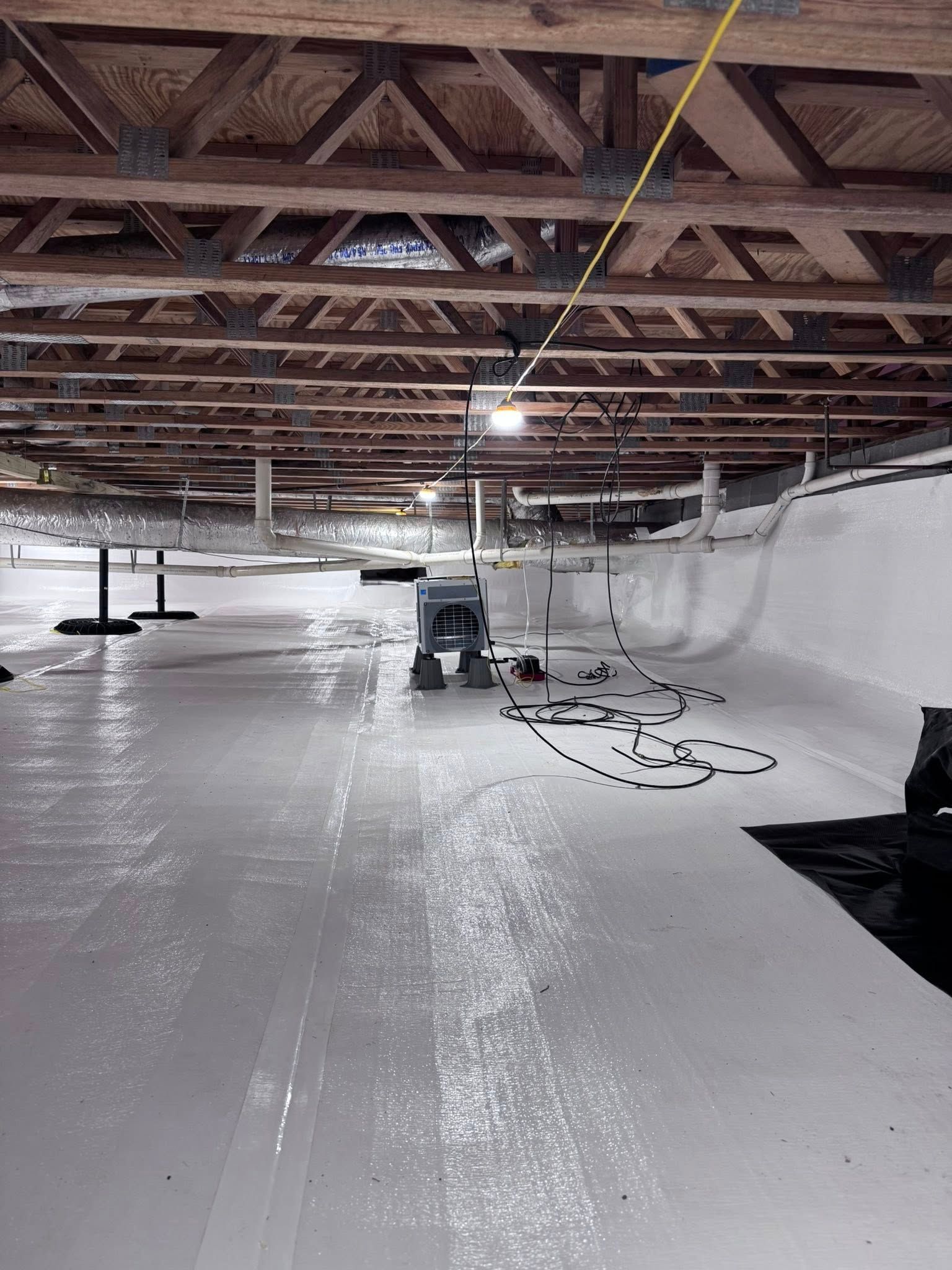
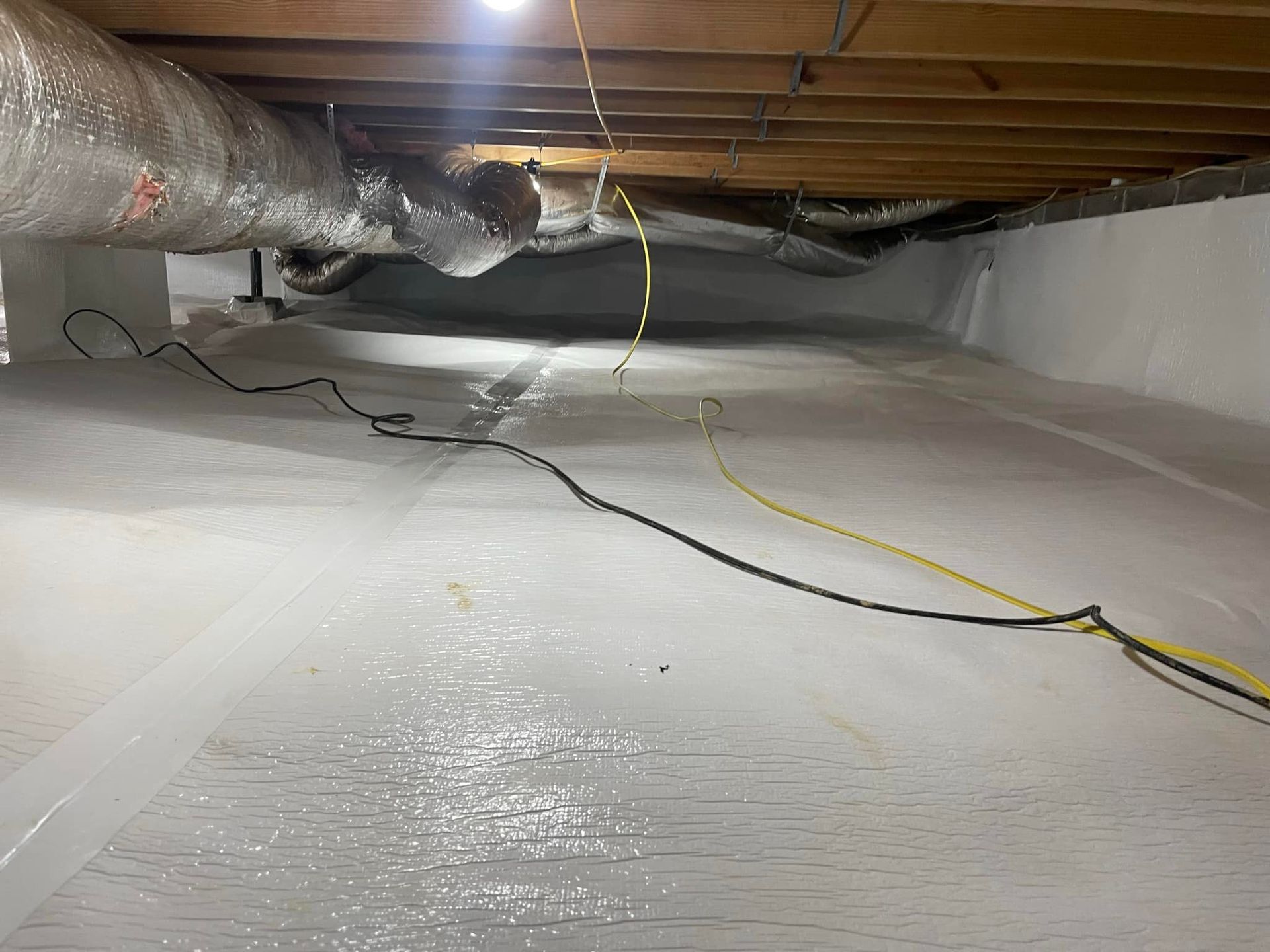
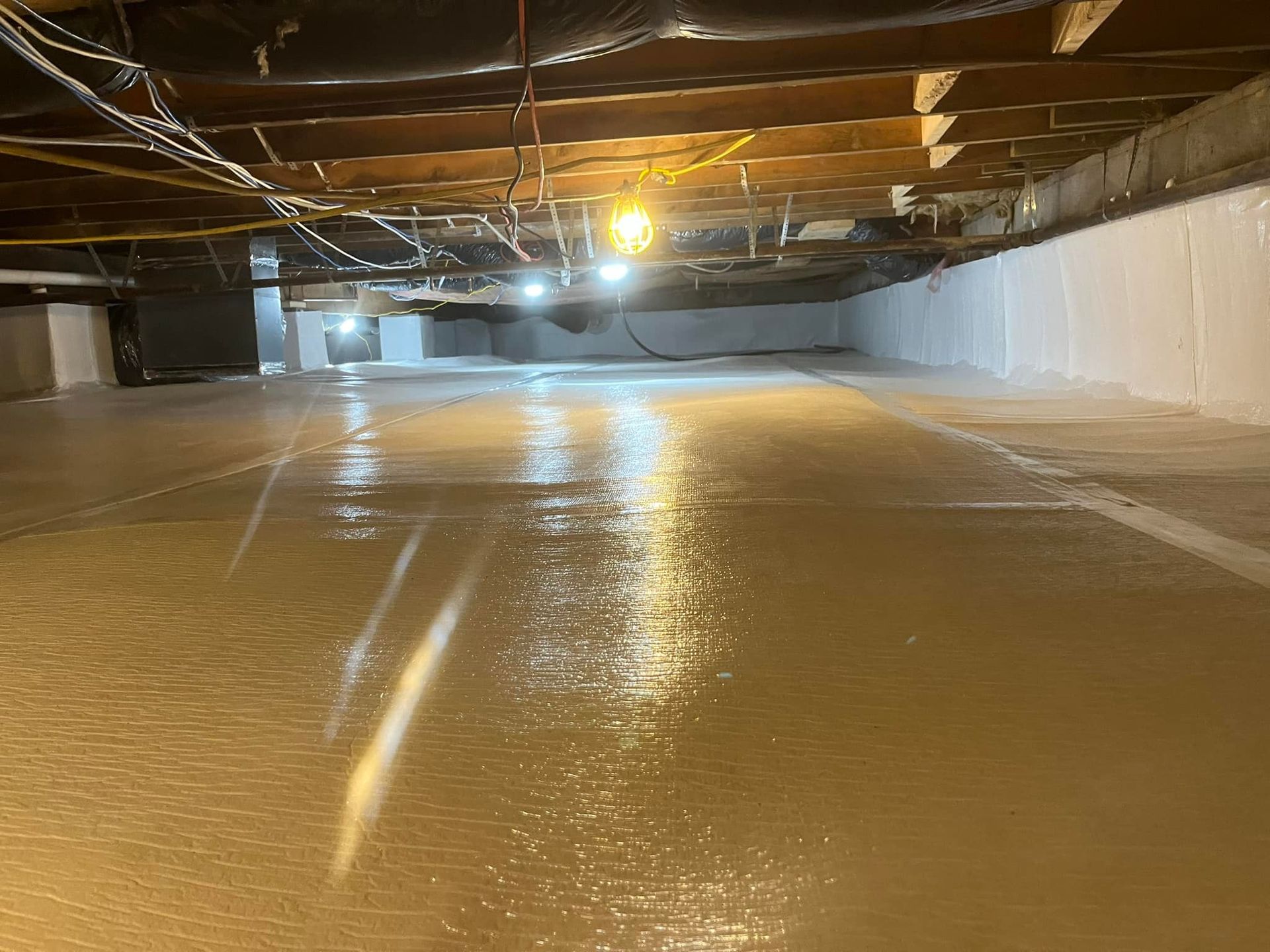
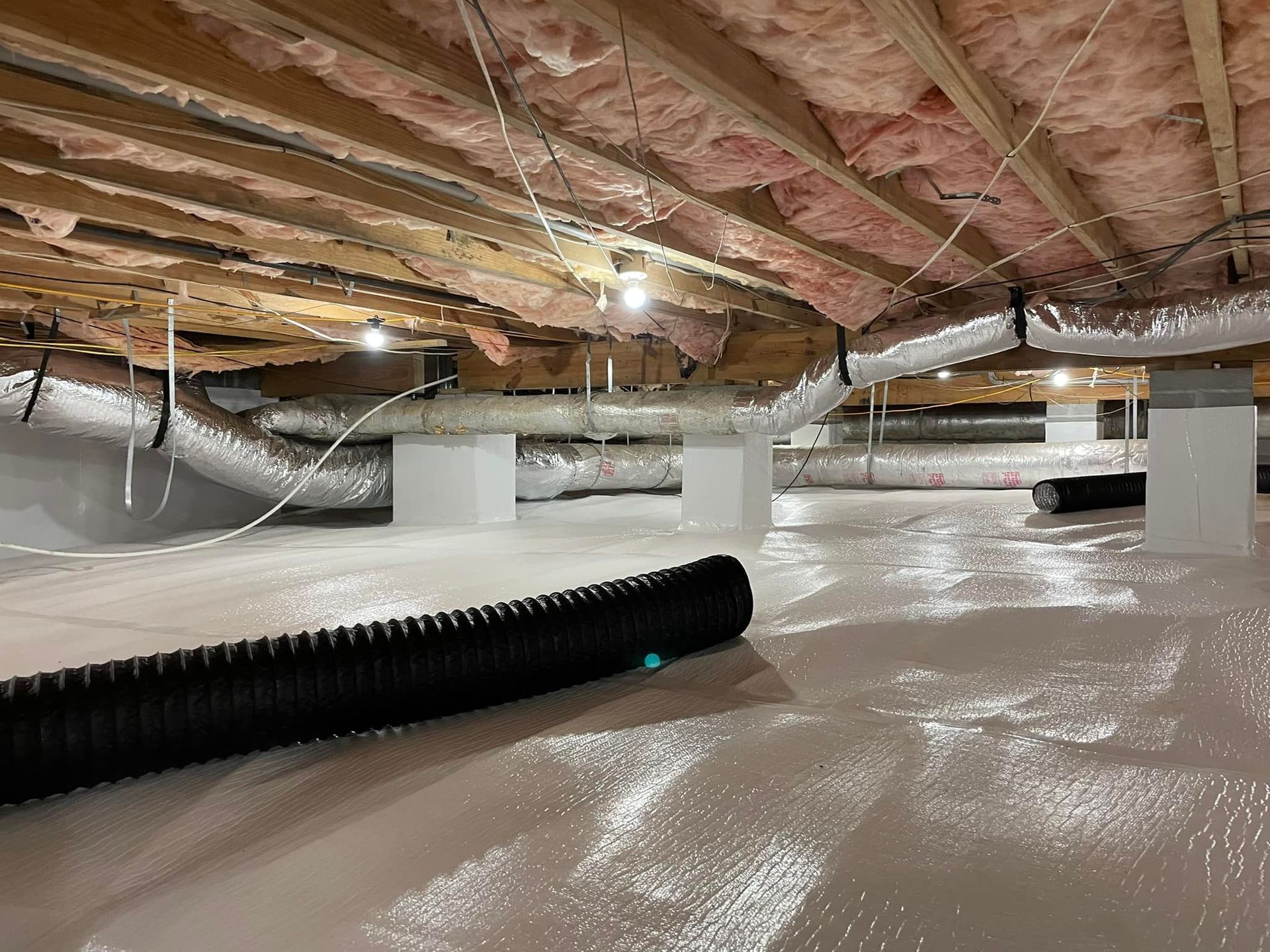
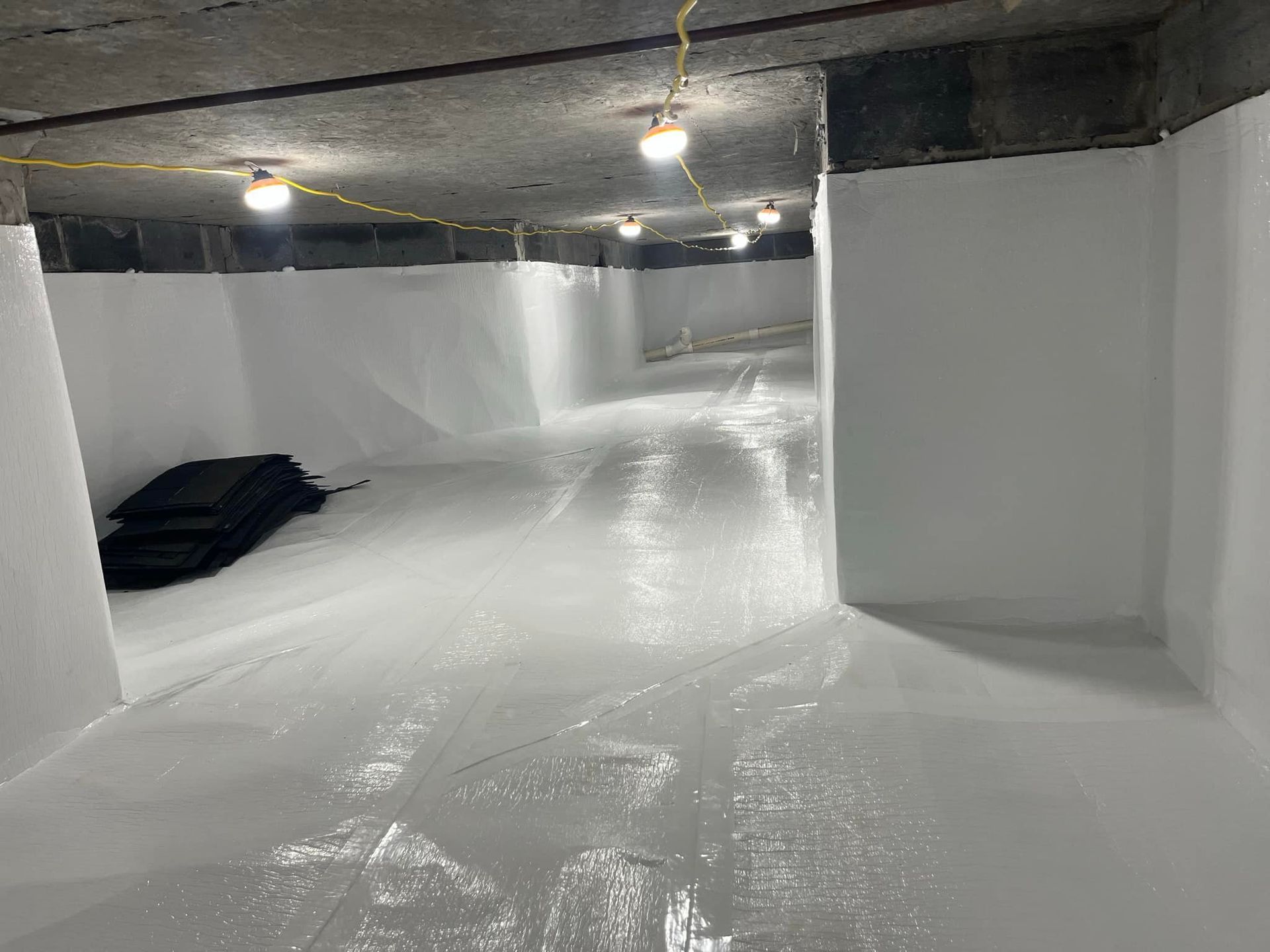
Completing the encapsulation properly. We're not just fixing the structural issues and leaving. We're finishing the full encapsulation - vapor barrier, dehumidifier, the whole system. So these homeowners get a crawlspace that's dry, supported, and protected.
Cleaning up completely. We haul out all the trash, the old materials, everything. When we're done, the crawlspace should look like a finished space, not a construction zone. That's part of doing the job right.
This takes more time than just slapping some jacks in and calling it good. But it's the only way to actually fix the problem instead of just covering it up.
What Proper Foundation Support Includes
Let me explain what foundation support should actually look like, because a lot of homeowners don't know what to expect.
Helical piers are your permanent solution. These are long steel shafts with helical plates (like big screws) that get driven deep into the ground. We keep going until we hit stable soil that can support the load. Then they're anchored to your foundation. They don't settle. They don't shift. They're engineered to hold your house up permanently.
Supplemental jacks need proper footings. If we're using jacks to support floor joists, they need concrete footings poured underneath. The footing spreads the load and keeps the jack from sinking into the dirt. Without it, you're wasting your money. The jack will eventually settle and you're back where you started.
Positioning matters more than you think. We don't just put jacks everywhere and hope for the best. We look at where the settling is happening, where the stress points are, how the floor system is built. Every house is different. The support needs to match the actual problem.
These systems work together. Sometimes you need helical piers for the foundation and jacks for the floor system. Sometimes it's one or the other. It depends on what's actually failing. A good contractor will explain what you need and why, not just sell you the most expensive option.
Steel and soil stability are the whole game. The steel needs to be strong enough to carry the load. And it needs to reach soil that's stable enough to support it. That's why helical piers go so deep - we're getting past the unstable surface soil to the solid stuff underneath.
This isn't complicated, but it does need to be done right. Foundation support is engineering, not guesswork..
Why This Keeps Happening in Foundation Work
You're probably wondering how work this bad gets done in the first place. Here's the reality of how it happens.
Companies are cutting corners on structural work. Foundation repair costs money. Materials, labor, time. Some companies look for ways to cut those costs. Skipping footings saves concrete and time. Rushing through jack placement saves labor. But it also means the work doesn't actually hold up.
Installers don't understand load-bearing requirements. I've seen crews where the guys installing jacks and piers have no idea how structural support actually works. They're just following basic instructions - put a jack here, put one there. They don't understand why or how to adjust based on what they're seeing.
"Good enough" vs. actually engineered solutions. Some companies aim for work that looks good enough to pass a home inspection. Not work that's actually engineered to last. There's a huge difference. One gets you through closing. The other actually protects the house.
Nobody's following through or taking accountability. Once the check clears, a lot of companies disappear. They're not coming back to check if the jacks are still level or if the piers are holding. They're on to the next job. And good luck getting them on the phone if something goes wrong.
Foundation work gets treated like a quick fix. Homeowners want it fixed fast and cheap. Companies promise fast and cheap. But foundation work isn't fast or cheap if you do it right. It takes time, proper materials, and people who know what they're doing.
This is why I'm so picky about the work we do. Foundation problems don't go away on their own. And bad foundation work just makes them worse.
Questions to Ask About Foundation Repair
If you're getting quotes for foundation work, here are the questions that'll separate the good contractors from the ones cutting corners.
"How deep do the helical piers go?" The answer should be specific - until they hit stable soil, usually 15 to 25 feet or more depending on your property. If they give you a vague answer or a fixed shallow depth, that's a problem. Piers need to reach stable soil, period.
"What kind of footings are you using under the jacks?" You want to hear "poured concrete footings." If they say blocks, pavers, or nothing at all, walk away. Jacks without proper footings will settle. It's not a matter of if, it's when.
"How do you determine where to place the jacks?" A good contractor will talk about load distribution, stress points, and the structure of your floor system. A bad one will give you a generic answer or just say "wherever they're needed." Placement matters. It should be thought through, not guessed.
"Can I see the plan for my specific foundation issues?" They should be able to show you what's wrong, where the support is going, and why. If they can't explain it clearly or show you pictures of what they're seeing, they probably don't understand it themselves.
"What's your experience with structural work?" Ask how long they've been doing foundation repair. Ask if they've installed the systems themselves or just sold them. Experience matters when you're talking about holding up your house.
"Do you clean up and finish the job completely?" This tells you about their standards. If they're leaving trash and half-finished work, that's how they approach everything. A professional crew cleans up. They finish what they start.
These questions will tell you real fast if you're dealing with someone who knows foundation work or someone just trying to close a deal.
Take the Next Step
If you're dealing with foundation issues or you're buying a home and concerned about what's underneath, let's take a look.
We'll do a thorough inspection of your crawlspace. Check the existing foundation support if there is any. Look for settling, structural damage, moisture issues - the whole picture. And we'll show you exactly what we're seeing with pictures.
You'll get an honest assessment of what you need. Not a sales pitch. Not a worst-case scenario designed to scare you into spending more. Just a straightforward explanation of what's wrong and what it'll take to fix it properly.
We'll explain the work and why it matters. Foundation repair can sound complicated, but it doesn't have to be. We'll walk you through what we're recommending and why, in plain language. You'll understand what you're paying for.
No pressure, no games. Take time to think about it. Get other quotes if you want. We're confident in our work and our pricing. We know how we stack up against the competition.
Whether you're a new homeowner who just discovered problems, or you're worried about foundation work that was already done, we can help. Give us a call or send us a message. Let's make sure your foundation is actually supporting your home the way it should be.