The Hidden Reason Your Energy Bills Are So High
It's Not Your HVAC System - It's What's Underneath Your House
HOW YOUR CRAWL SPACE IS COSTING YOU MONEY EVERY MONTH
I'm out here in Fountain City today looking at a crawl space, and I want to show you something that's probably costing you money every single month - and you have no idea it's happening.
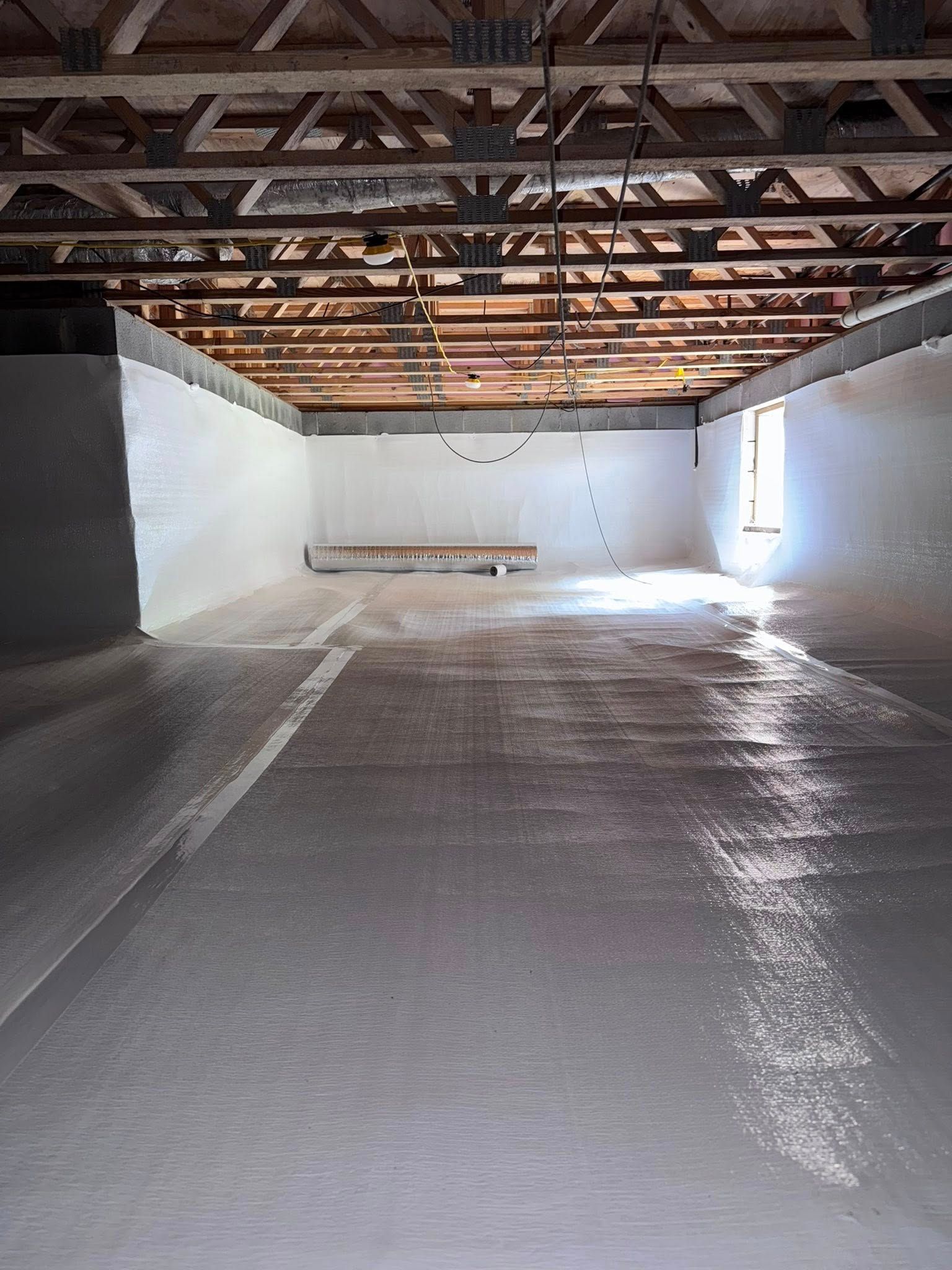
See this subfloor above me? This is what we call deck-style subfloor.
It's basically boards laid side by side with gaps in between.
And if you've got an older home in the Knoxville area, there's a good chance you've got the same thing.
Now, most people never think about their subfloor.
Why would you? It's hidden under your house where you can't see it.
But those gaps between the boards? They're letting air move in and out of your house constantly.
And that's affecting your energy bills, your comfort, and even the air quality in your home.
Here's what's really going on - and more importantly, what we can do about it.
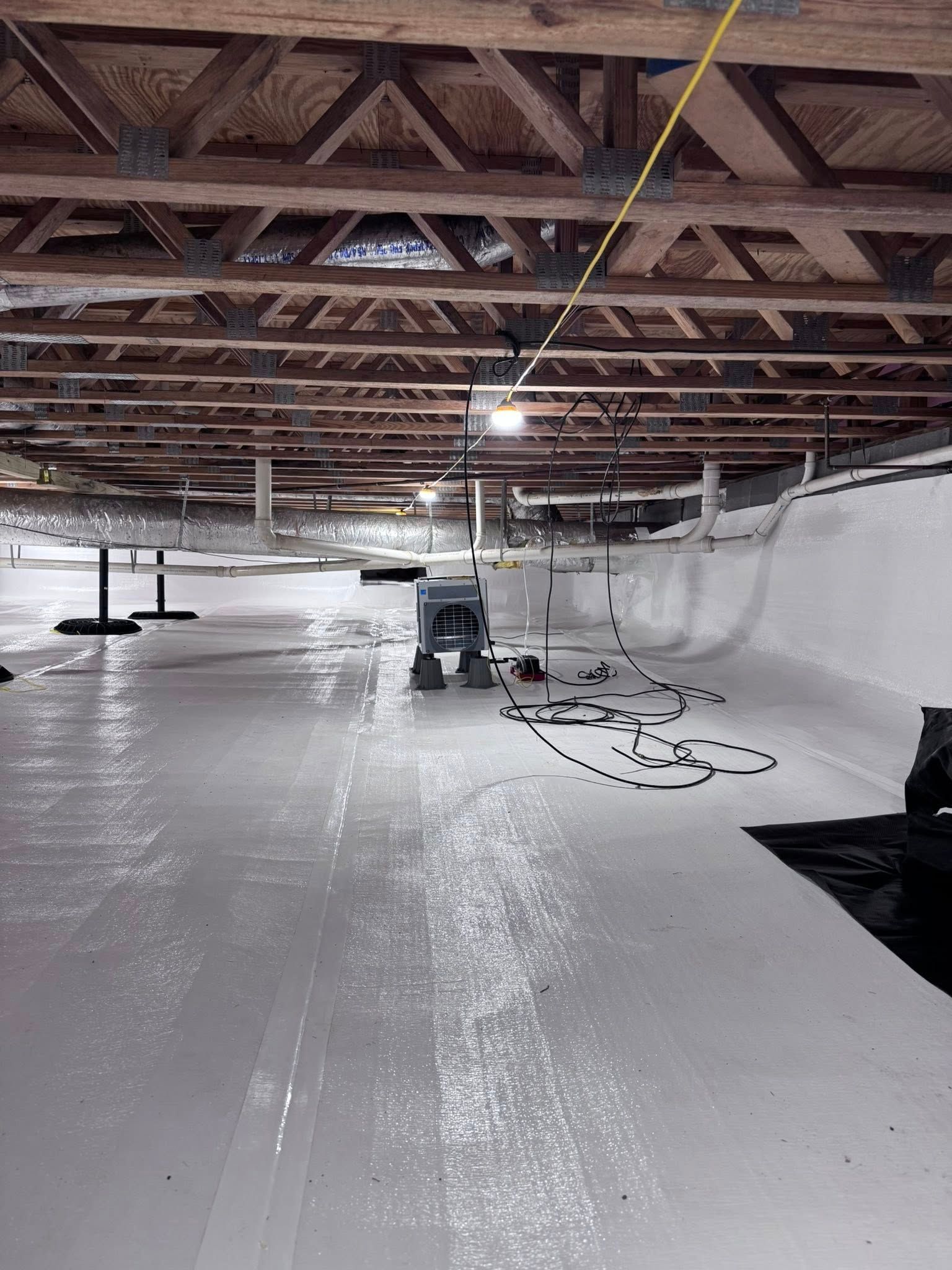
The Deck-Style Subfloor Problem
Back when they built a lot of these houses in Fountain City and around Knoxville, deck-style subfloors were standard. They'd lay down these boards with small gaps in between, then put another layer of flooring on top for your actual floors.
It was solid construction. These houses have been standing strong for 50, 60, sometimes 70 years. The builders weren't doing anything wrong - they were building the way everyone built back then.
But here's what nobody was thinking about at the time: energy efficiency. Indoor air quality. How the house actually breathes.
Those gaps between the deck boards create openings. And even though there's another layer of flooring on top of that, all those little imperfections and spaces add up. Air can move through those gaps pretty easily.
So what happens is your house breathes a lot more than it should. Air from your crawl space moves up through those openings into your living space. And air from inside your house can escape down through the same gaps.
Now, you might be thinking - "Okay, but how much air are we really talking about? Can a few little gaps really matter that much?"
Yes. They absolutely can. Because we're not just talking about a few gaps - we're talking about hundreds of small openings across your entire subfloor. All working together to make your house way less efficient than it could be.
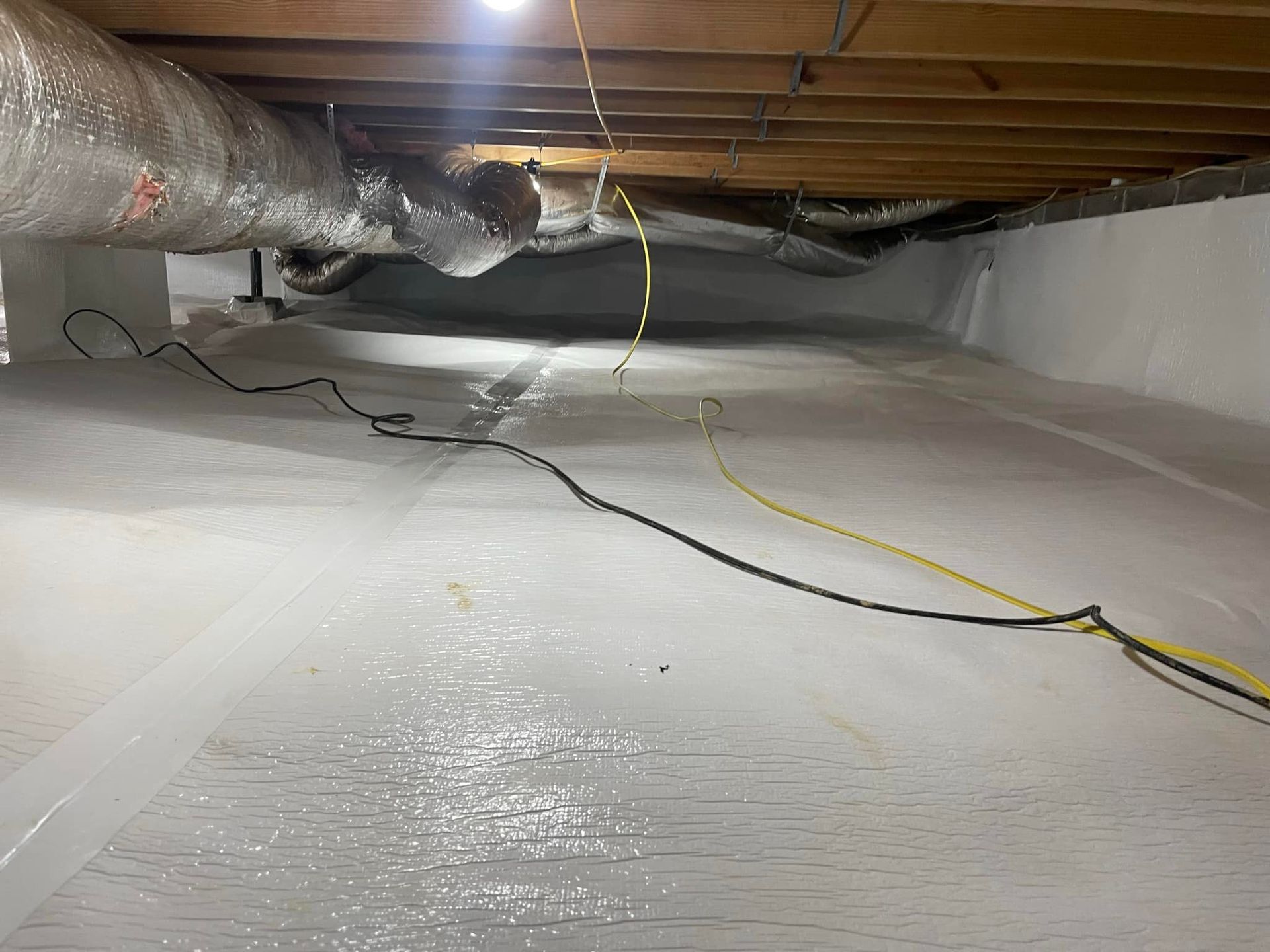
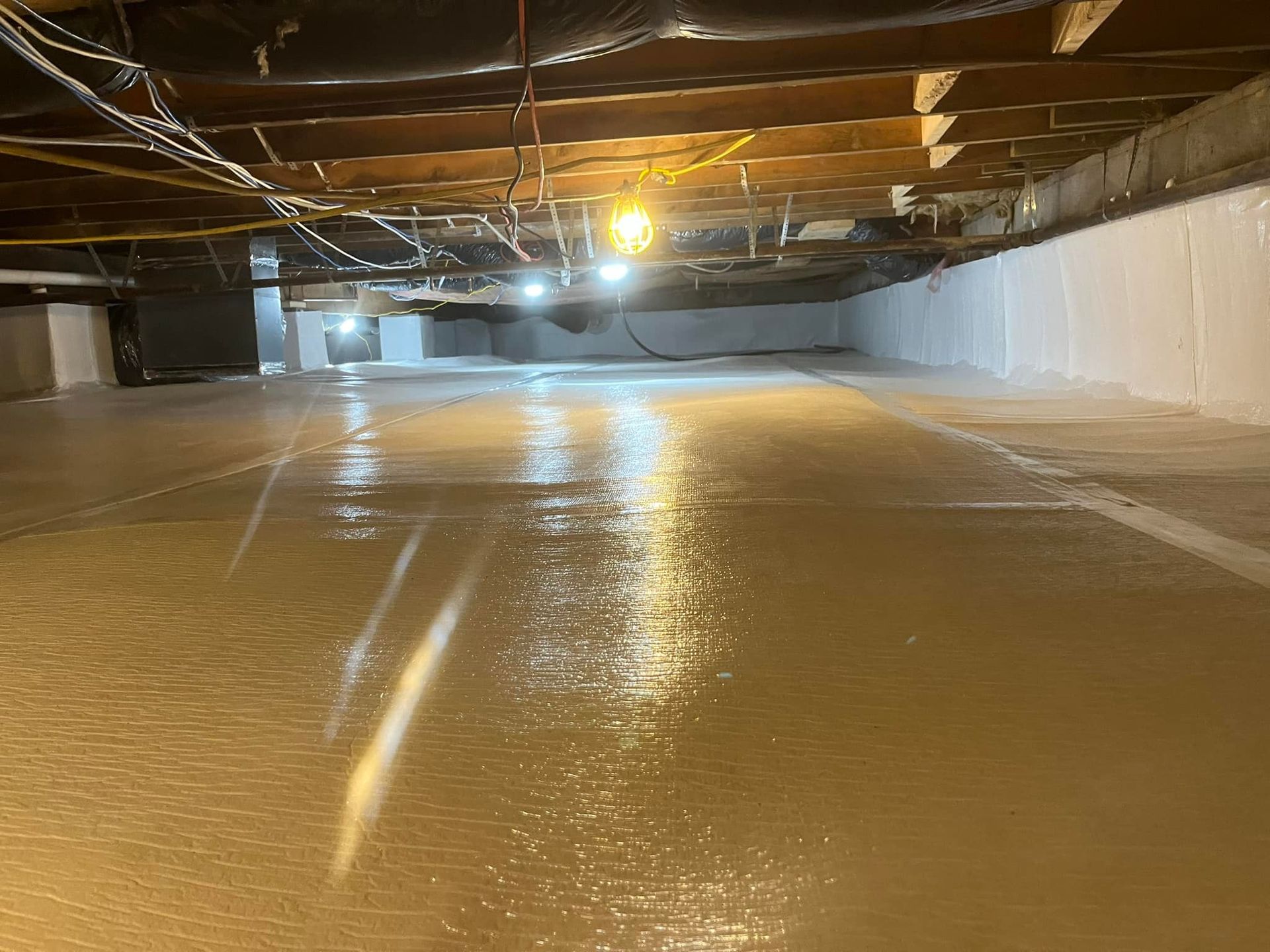
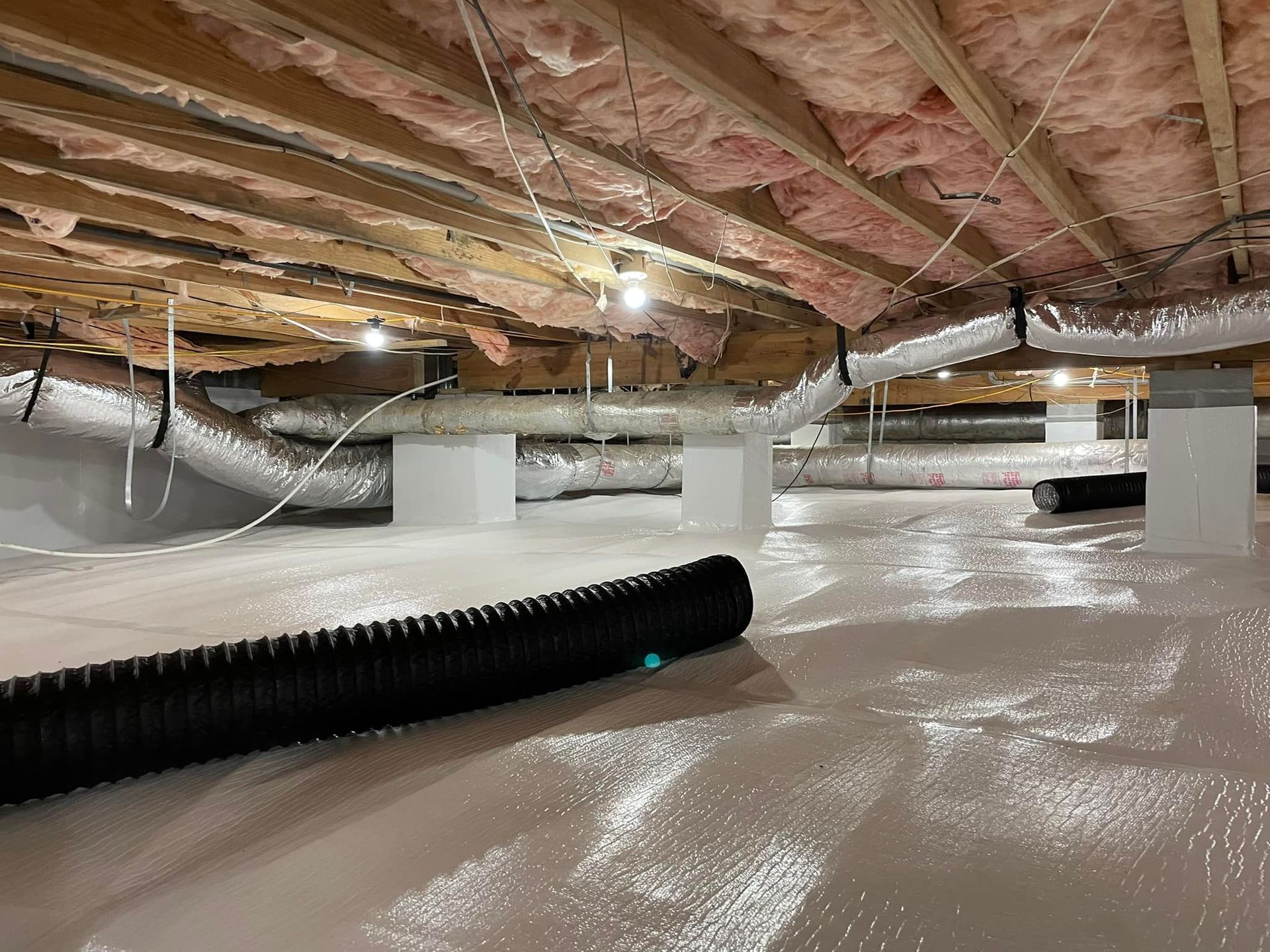
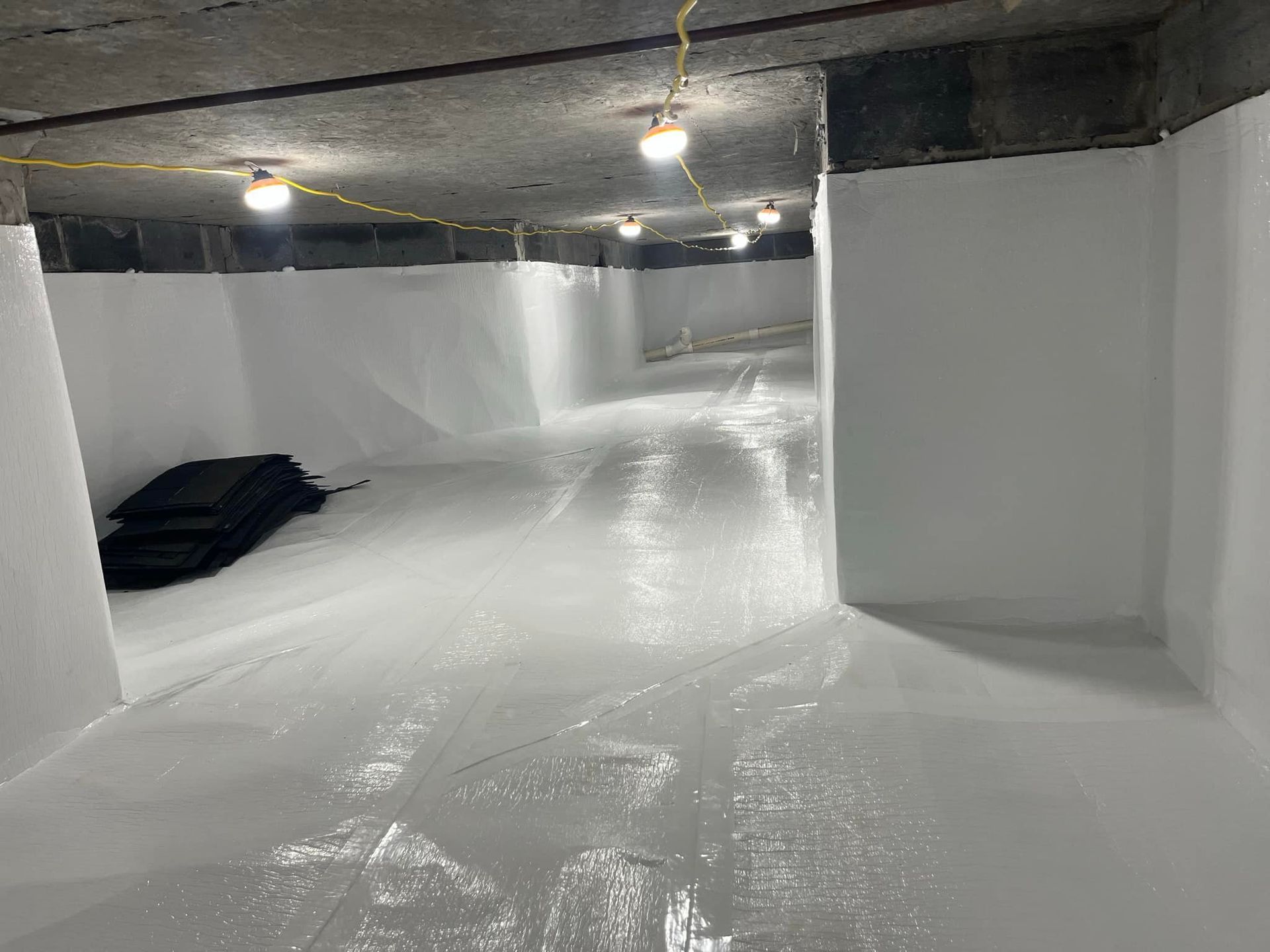
The Stack Effect Explained Simply
Alright, so let's talk about something called the stack effect. Don't worry - it's not complicated.
The stack effect is just the natural way air moves through your house. Warm air rises, right? We all learned that in school. So air naturally moves upward through your home - from the bottom floors to the top floors.
Here's what that means for your crawl space: air from down there doesn't just stay down there. It moves up through your house because of this natural airflow pattern.
Studies show that about 50% of the air you breathe in your living space actually comes from your crawl space first. Half the air in your home started underneath your house.
Think about that for a second. If your crawl space has moisture problems, fungal growth, deteriorating insulation - all that stuff is affecting the air that's moving up into your home. Into your kitchen, your bedrooms, where your kids are playing.
And with deck-style subfloors, this problem gets even worse because you've got all those extra openings for air to move through. The house is basically designed to pull air up from the crawl space.
So when people ask me why their crawl space matters when they never even go down there - this is why. Because what's happening in your crawl space is directly affecting what's happening in your living room.
What This Does to Your Energy Efficiency
Now let's talk about what all this air movement is doing to your energy bills.
Your HVAC system is working to heat or cool your home to a comfortable temperature. But if air is constantly moving in and out through your subfloor, your system has to work a lot harder to maintain that temperature.
In the summer, cool air you're paying to produce is escaping through those gaps. Hot, humid air from the crawl space is coming up to replace it. In the winter, the warm air you're paying to heat is dropping down into the crawl space, and cold air is coming up.
Your HVAC system is basically trying to condition air that's just going to escape. It's running longer cycles. Working harder. Using more energy.
This is why some people get a brand new HVAC system and their energy bills barely change. They think the new system is going to solve everything. But if the house itself is leaking air like crazy, even the most efficient HVAC system in the world can't keep up.
I see this all the time. Homeowners tell me they've replaced their HVAC twice in the last 15 years, and they're still dealing with high energy bills and rooms that won't stay comfortable. They think something's wrong with the equipment.
But the equipment is fine. The problem is underneath the house where nobody's looking.
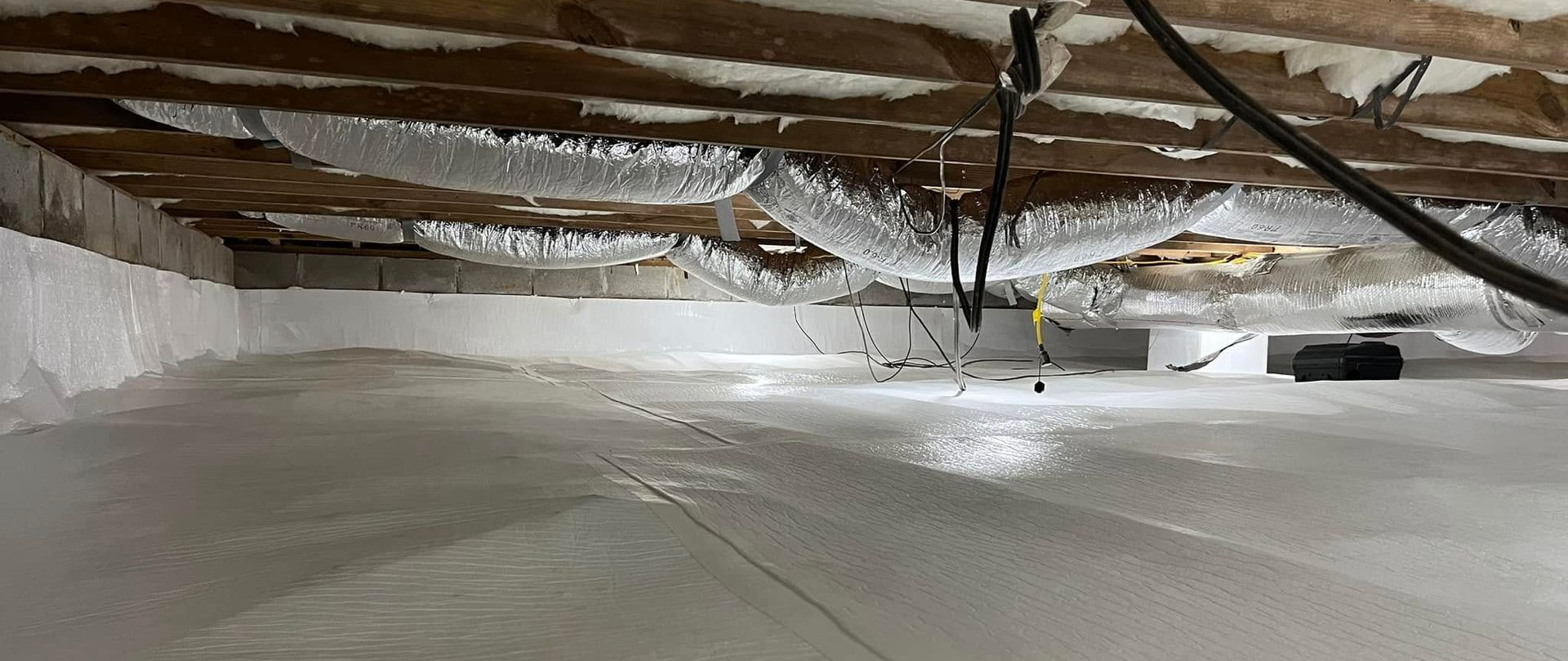
The Air Quality Problem Nobody Talks About
Here in this Fountain City crawl space, I'm seeing fungal growth on the wood. You can see the dark discoloration all over these floor joists. I've got deteriorating ductwork. Moisture everywhere. All the typical signs of a crawl space that's not controlled.
Now remember what I said about the stack effect - about 50% of the air you breathe upstairs is coming from down here first.
So if your crawl space looks like this one, with fungal growth and moisture problems, that's affecting your indoor air quality. The air moving through your house has been in contact with all of this first.
For some families, this means allergies that won't go away. Respiratory issues. That musty smell that you can't quite get rid of no matter how much you clean. Kids who always seem to have a runny nose or cough.
Most people never connect those health issues to what's happening under their house. They think it's pollen, or dust, or just bad luck. But a lot of times, it's the crawl space.
And with deck-style subfloors making it even easier for that air to move up into your living space, the problem gets worse. You've got more pathways for contaminated air to enter your home.
This isn't just about comfort or energy bills anymore. This is about the health of your family and the air you're breathing every single day.
What Knoxville and Fountain City Homeowners Should Know
If you're in an older home around Knoxville or Fountain City, there's a really good chance you've got this deck-style subfloor. It's incredibly common in homes built before the 1970s or 80s.
Signs that your crawl space is affecting your energy bills? High utility costs that don't make sense. Rooms that are always too hot or too cold no matter what you do. That musty smell that seems to come from nowhere. Allergies or respiratory issues that get worse when you're at home.
When you're getting your crawl space inspected, here are some things you should be looking for: Is there visible fungal growth? Is the insulation falling down or deteriorating? Are there moisture problems or standing water? And most importantly - is anyone talking about sealing the crawl space, or are they just focused on one piece of the puzzle?
Questions to ask contractors: How are you addressing air sealing? What are you doing about moisture control? Are you just installing a vapor barrier, or are you actually encapsulating the space? How will this affect my energy efficiency?
Red flags? Anyone who says a simple vapor barrier will solve everything. Anyone who's not talking about controlling moisture and air movement together. Anyone who can't explain how their solution addresses the stack effect and air quality issues.
And one more thing - while I'm inspecting crawl spaces, I'm also looking for other concerns. In this Fountain City crawl space, I noticed some foundation cracking that might need to be addressed with helical piers. Sometimes there are structural issues that need attention alongside the encapsulation work.
A good contractor is going to give you a complete picture of what's going on, not just sell you one service.
Ready to Lower Your Energy Bills and Breathe Better Air?
If your energy bills are higher than they should be, or you're dealing with air quality issues you can't seem to solve, your crawl space might be the culprit.
We'll come out and do a free inspection. I'll show you exactly what's going on down there with photos and a straightforward explanation. No games, no pressure, just honest information about your crawl space and what it's doing to your home.
You'll talk directly to me - I'm the owner, and I'm usually the one doing inspections. We'll get you scheduled within a week, and I'll give you a quote that actually makes sense for the work that needs to be done.
Those high energy bills aren't going to fix themselves. And the longer moisture and air quality problems go unaddressed, the more damage they're causing. Let's take a look and figure out the right solution for your home.
Contact Forever Guard Waterproofing today for your free crawl space inspection and energy efficiency assessment.