Sweating Ductwork: The Warning Sign Almost Every Crawlspace Has
I See This in Almost Every Crawlspace I Inspect
HERE'S WHAT SWEATING DUCTS ARE TRYING TO TELL YOU
I was out in Farragut today looking at a crawlspace. Before I even talked to the homeowner about what they needed, I knew exactly what the problem was.
Water marks all over the vapor barrier. Little trails and puddles underneath the ductwork. I see this in almost every single crawlspace I inspect.
Most homeowners have no idea this is happening. They just know their house feels humid or their energy bills seem high or some rooms never get cool enough.
This is one of those problems that hides until it becomes expensive. But once you know what to look for, it's obvious.
I'm going to show you what sweating ducts mean, why it happens, and what it's costing you if you ignore it.
What Sweating Ducts Actually Look Like
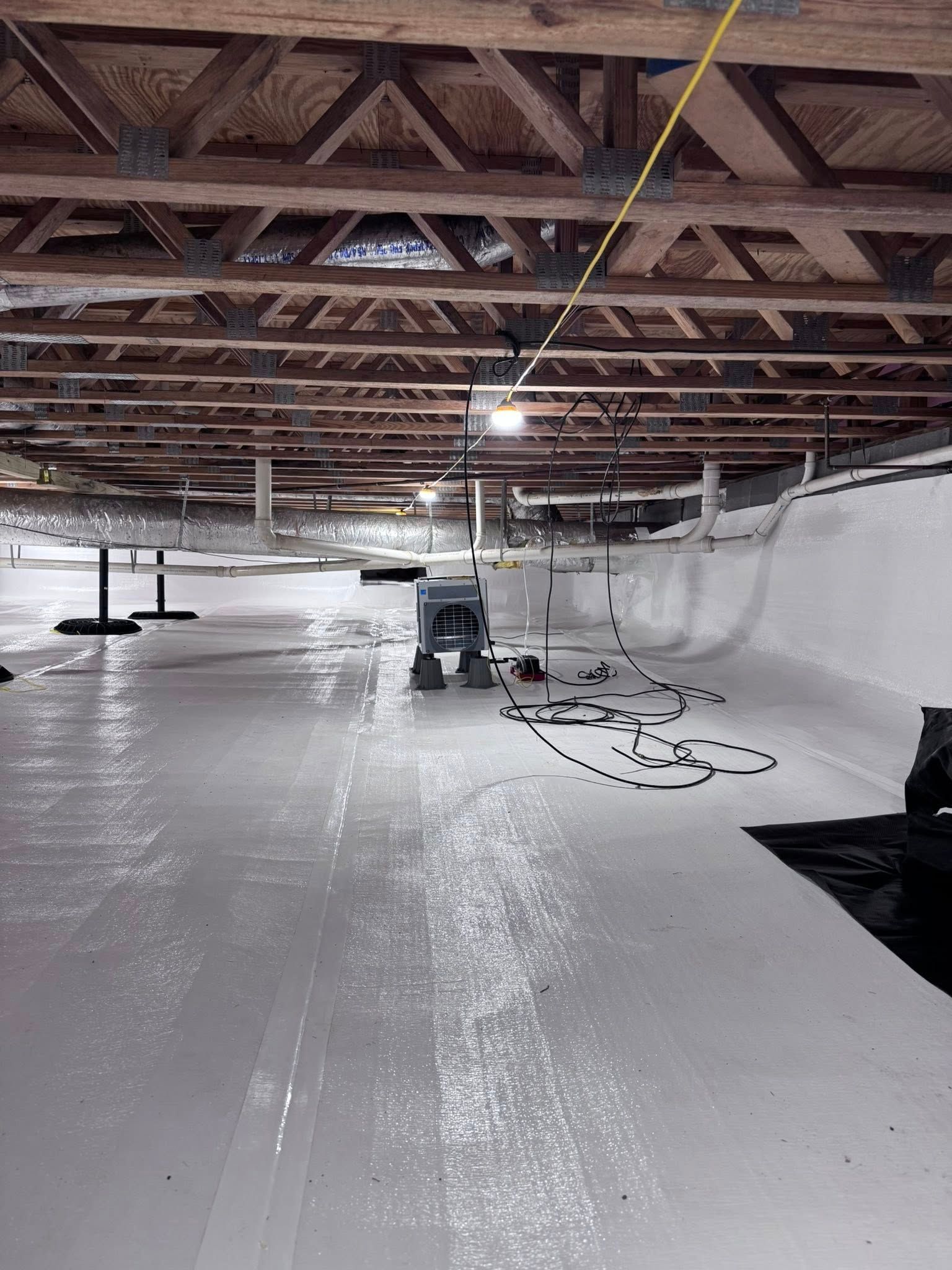
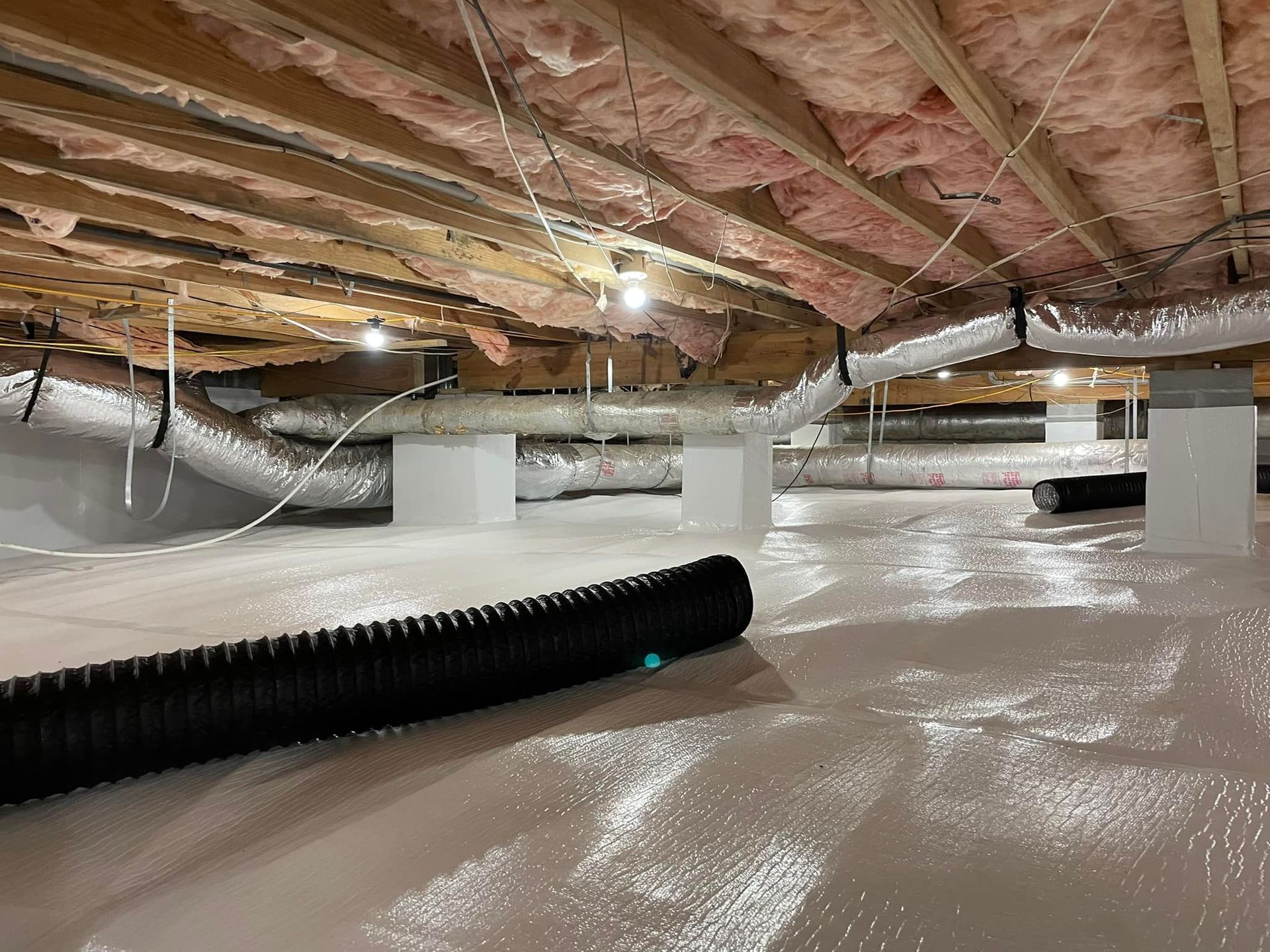
Those water marks on the vapor barrier aren't from ground water or standing water. They're from your ductwork.
When your crawlspace has high humidity, cold air running through your ducts causes condensation on the outside. Just like a cold drink on a hot day. Water droplets form, run down the duct, and drip off the bottom.
You'll see a trail of water stains directly under where the ducts run. Sometimes it's just moisture marks. Sometimes it's actual puddles.
This happens because your crawlspace air is humid and your duct air is cold. The temperature difference creates condensation. And that condensation is trying to tell you something - your humidity is way too high.
What This Really Means (High Humidity)
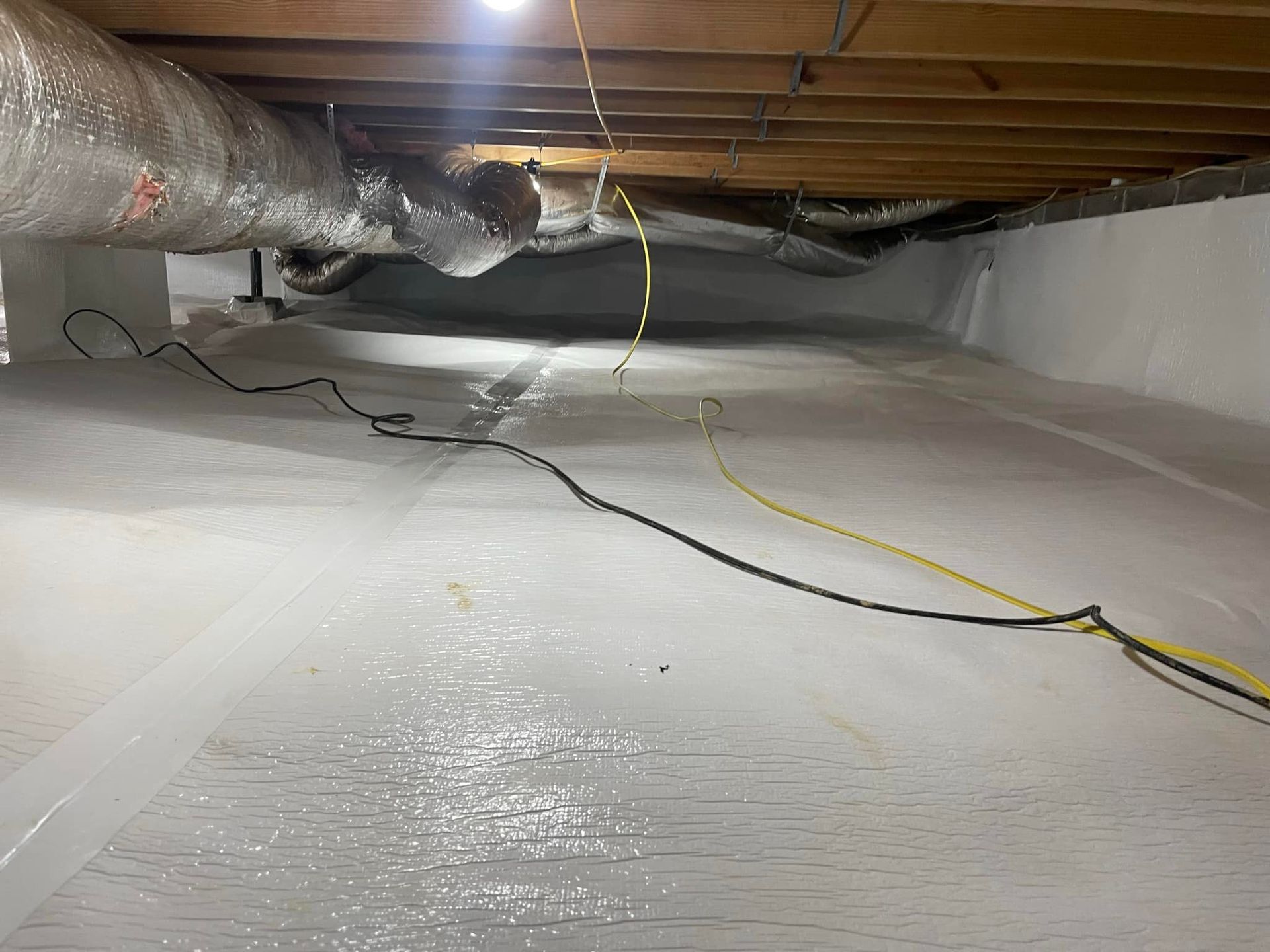
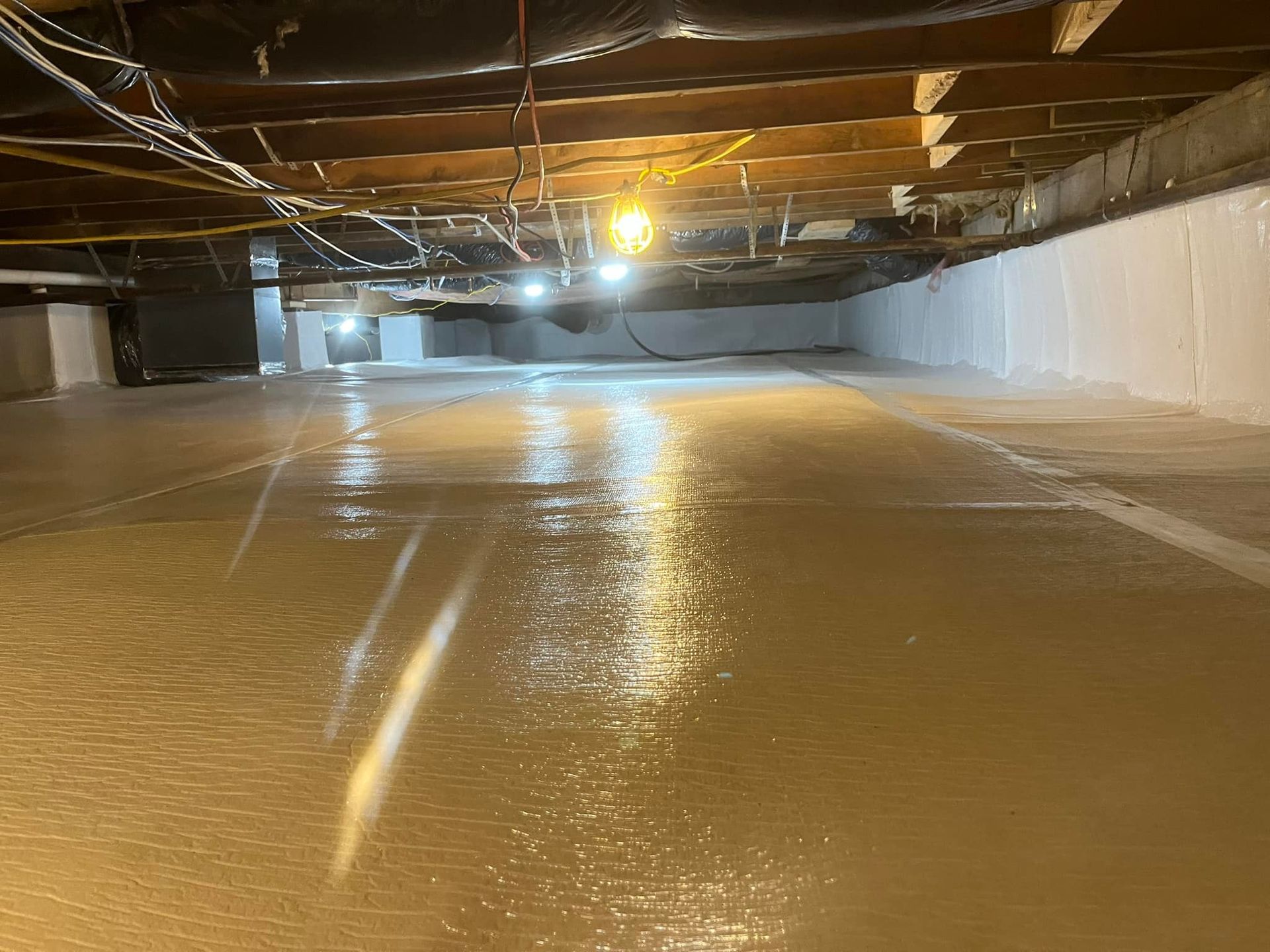
Sweating ducts are a symptom. The real problem is high humidity in your crawlspace.
When humidity gets above 60%, you start seeing condensation on anything cold. Your ducts are running cold air, so they're the first place it shows up.
But here's the thing - that dripping water raises the humidity even more. It's a cycle. High humidity causes condensation. Condensation adds more moisture. The problem keeps getting worse.
Most crawlspaces I inspect are running 70%, 80%, sometimes even 90% humidity. That's way too high. And your ductwork is paying the price.
The Damage This Causes Over Time
Condensation doesn't just drip and disappear. It breaks things down.
The insulation around your ducts starts deteriorating. It gets wet, falls apart, and stops doing its job. Then your ducts can't hold temperature the way they should.
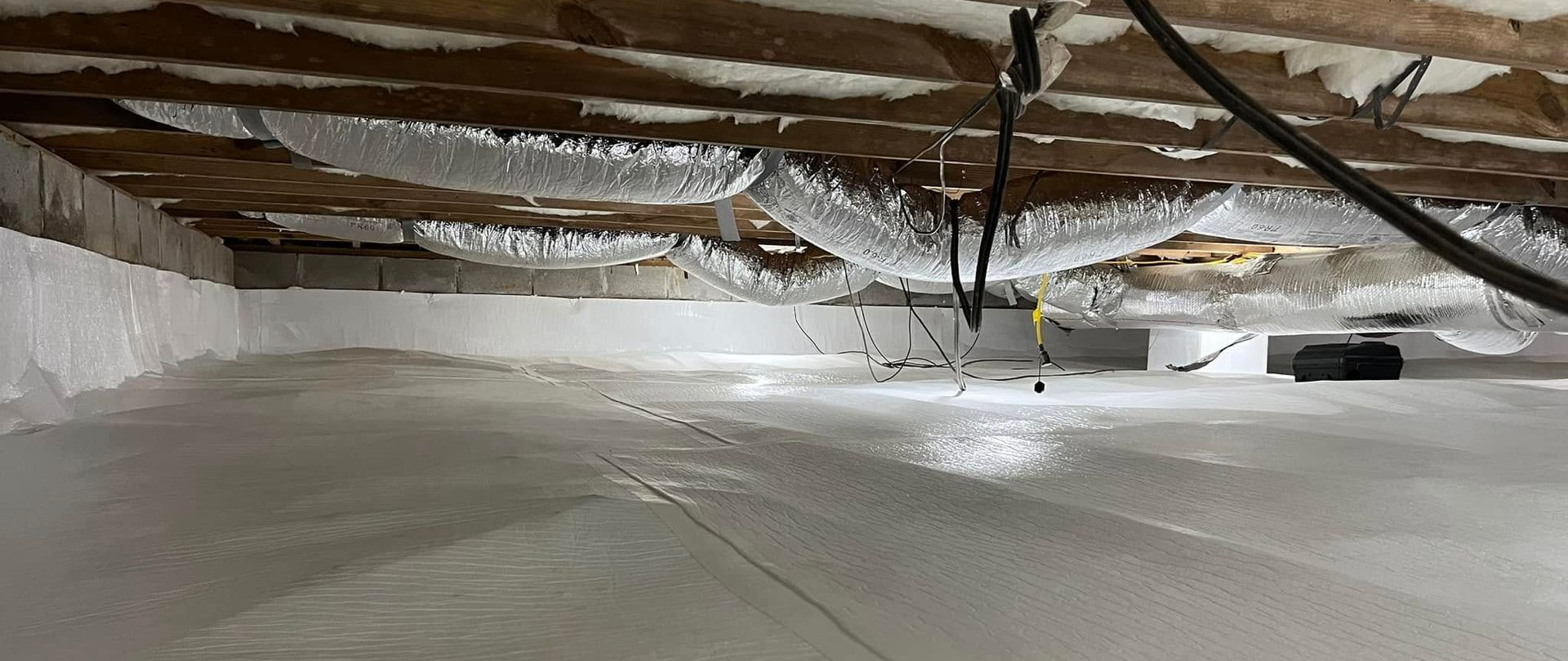
The tape seams come apart. Joints separate. Now you've got conditioned air leaking into your crawlspace instead of making it to your rooms.
Long term? You're looking at ductwork replacement. Or at minimum, reinsulating everything. That's thousands of dollars you could've avoided by controlling the humidity in the first place.
This isn't something that happens overnight. It takes months or years. But it's happening right now in most crawlspaces, and nobody knows until the damage is done.
Why This Affects Your Whole House
Here's what most people don't realize - about 50% of the air in your home comes from your crawlspace.
When your ducts are sweating and leaking, you're losing conditioned air. Your HVAC system is working to cool air that never makes it upstairs. It's just dumping into the crawlspace.
That's why some rooms never get comfortable. That's why your system runs constantly but your house still feels warm. You're paying to cool your crawlspace.
And your energy bills show it. Your HVAC is running longer, working harder, and you're still not getting the results you should.
Fix the crawlspace humidity, and you fix the ductwork. Fix the ductwork, and your whole house works better.
How to Fix the Root Cause
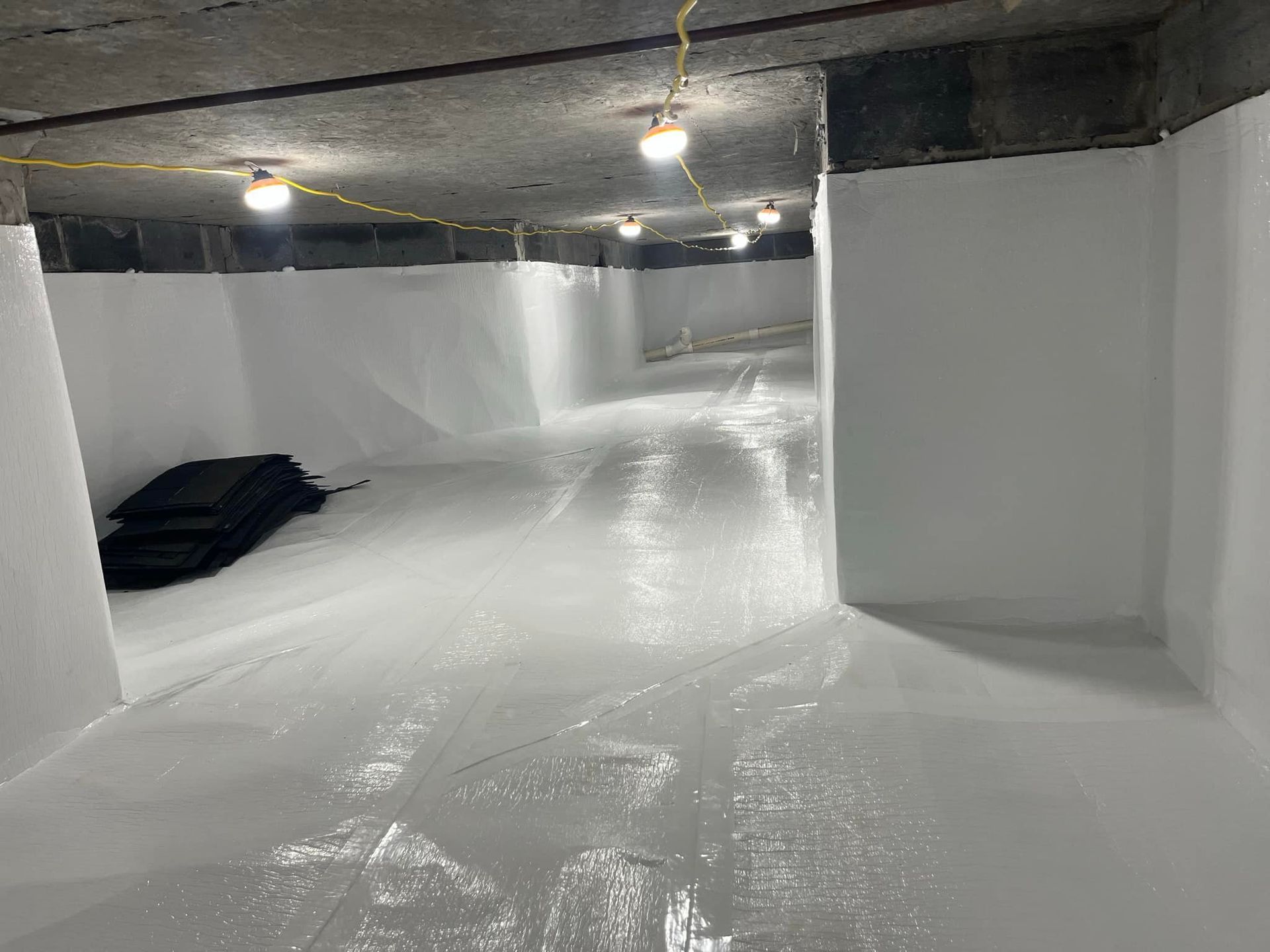
The only way to stop sweating ducts is to control the humidity. And that means proper encapsulation and dehumidification.
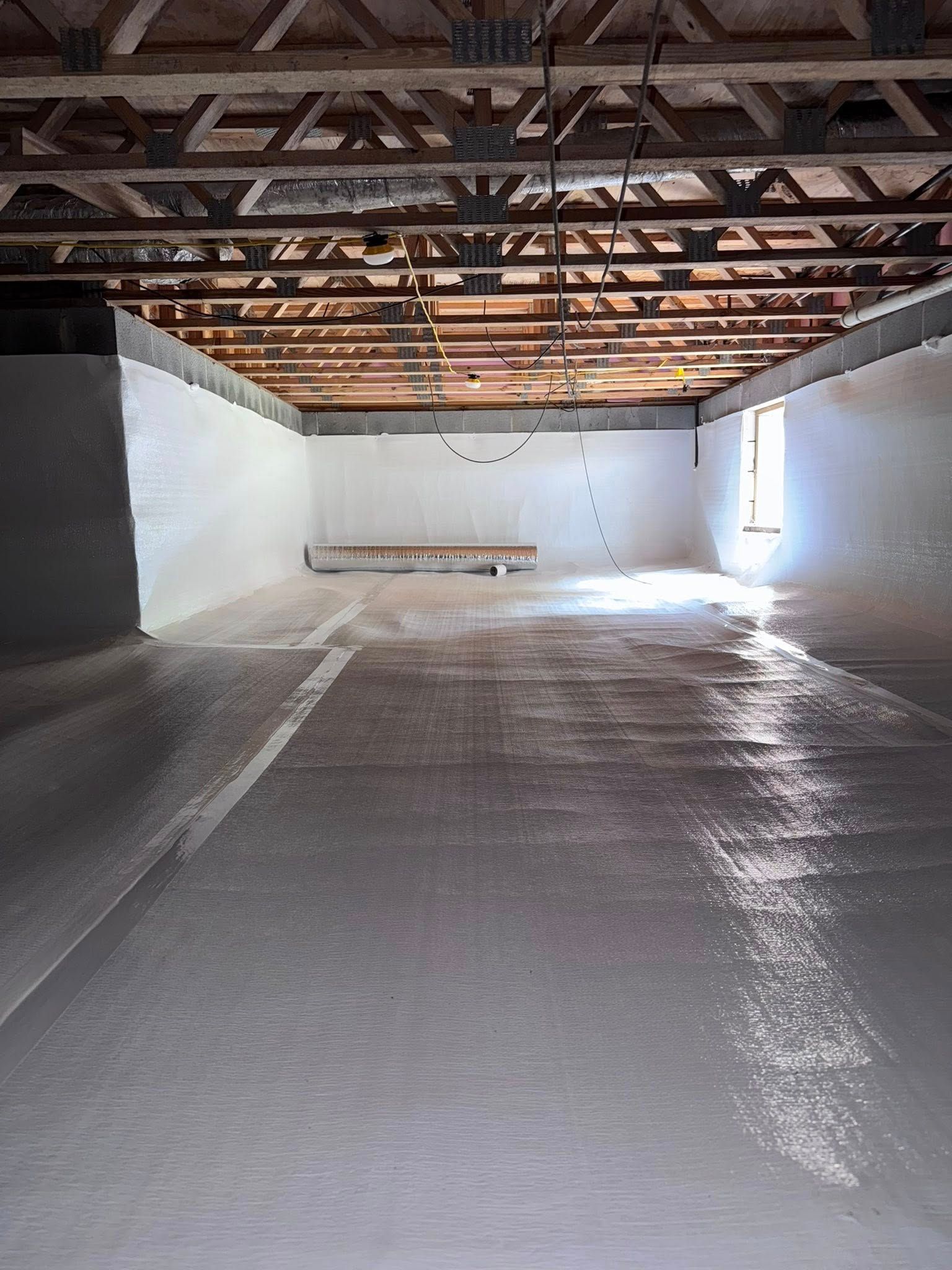
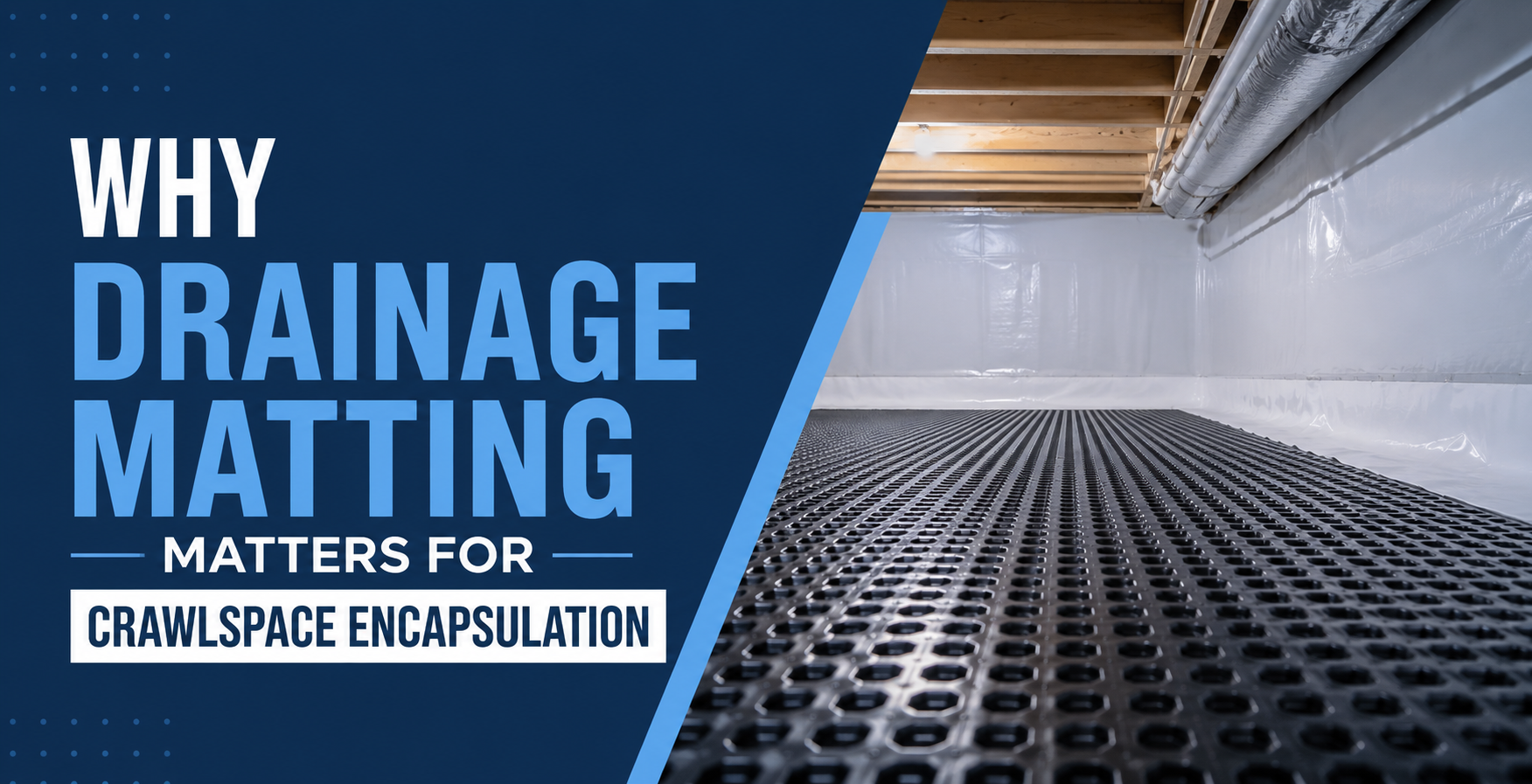
Encapsulation seals off the crawlspace from ground moisture. We use a thick vapor barrier on the floor and walls. We insulate the foundation walls and rim joist. This keeps outside moisture from getting in.
Then we install a dehumidifier that's sized correctly for the space. Not some cheap unit that drains under the vapor barrier. A real system that pulls moisture out and drains it completely away from the crawlspace.
Keep the humidity below 60%, and your ducts stop sweating. The condensation stops. The damage stops. Your HVAC works the way it should.
This isn't a band-aid fix. It's addressing what's actually causing the problem.
Get Your Free Crawlspace Inspection
If you're dealing with high energy bills, uncomfortable rooms, or you just want to know what's going on under your house, let's take a look.
I'll come out personally or send one of my managers. We'll do a full inspection, show you what we find, and give you honest recommendations.
No laptop presentations. No high-pressure sales tactics. Just real answers about your crawlspace.
Call us or send a message. We'll get you scheduled within a week. And we'll make sure you understand exactly what's happening and how to fix it.