The Hidden Obstacles That Block Crawl Space Drainage
When Good Drainage Systems Hit Buried Problems
SOMETIMES THE ISSUE ISN'T THE SYSTEM - IT'S WHAT'S HIDING UNDERNEATH
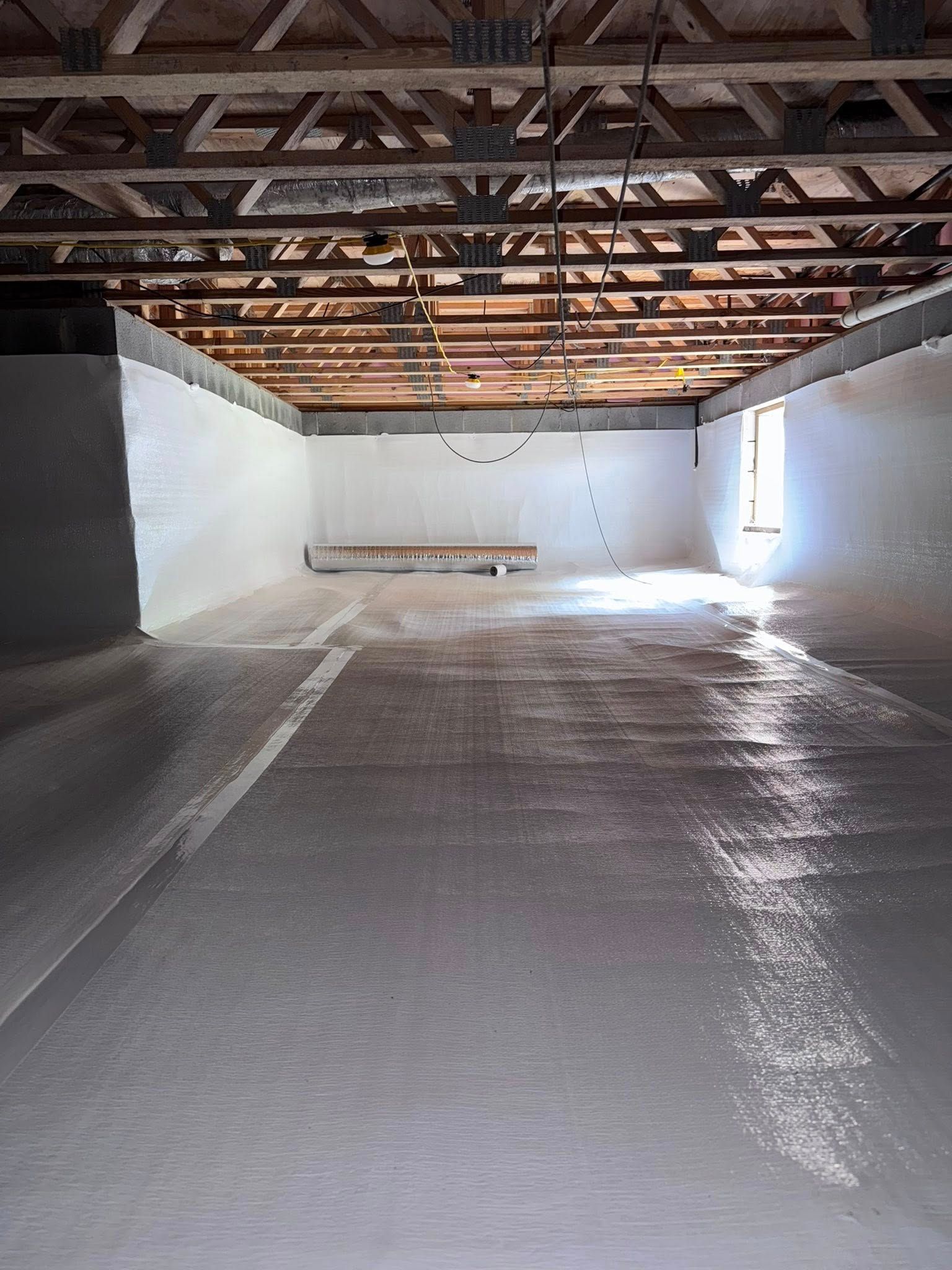
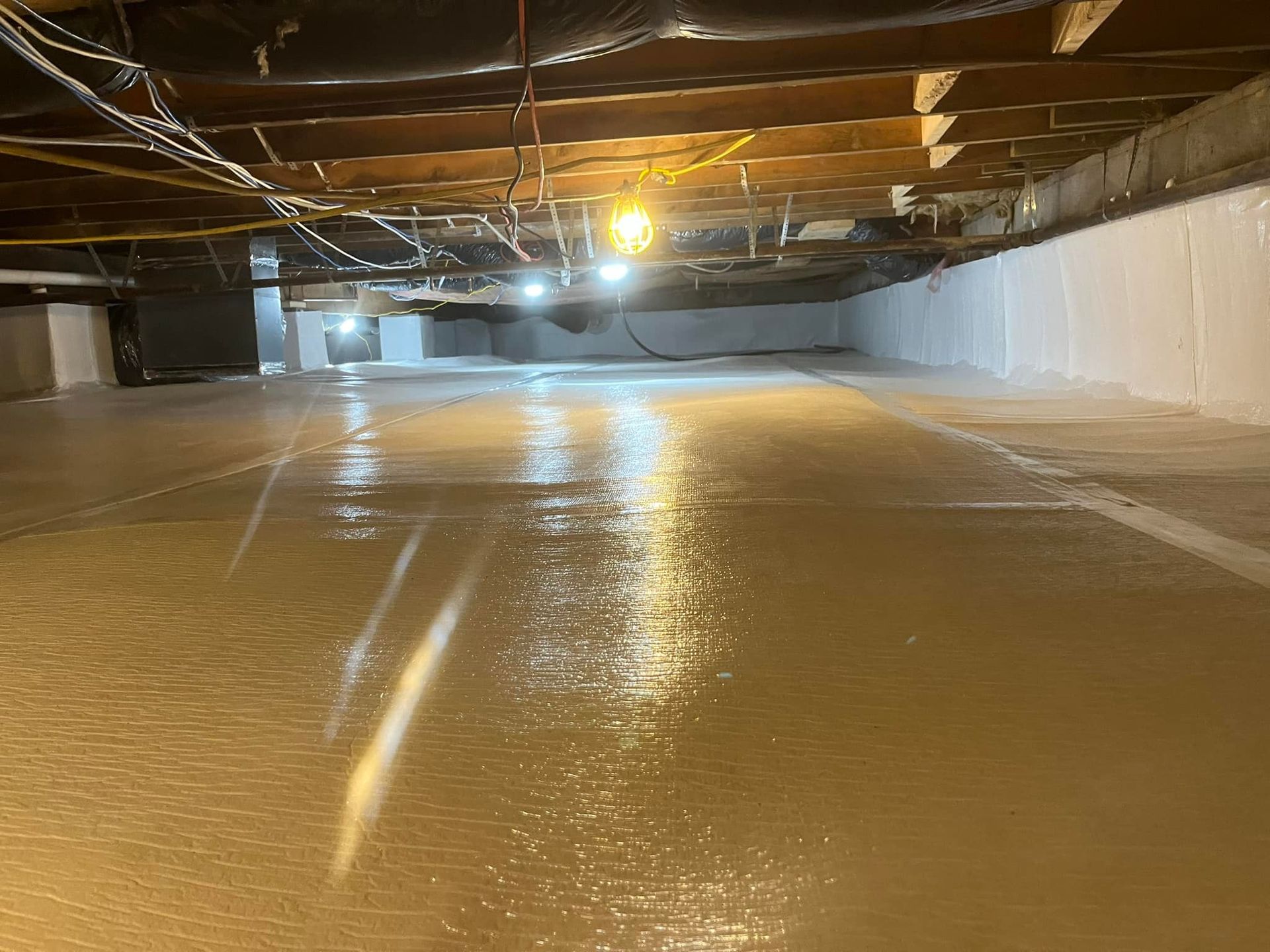
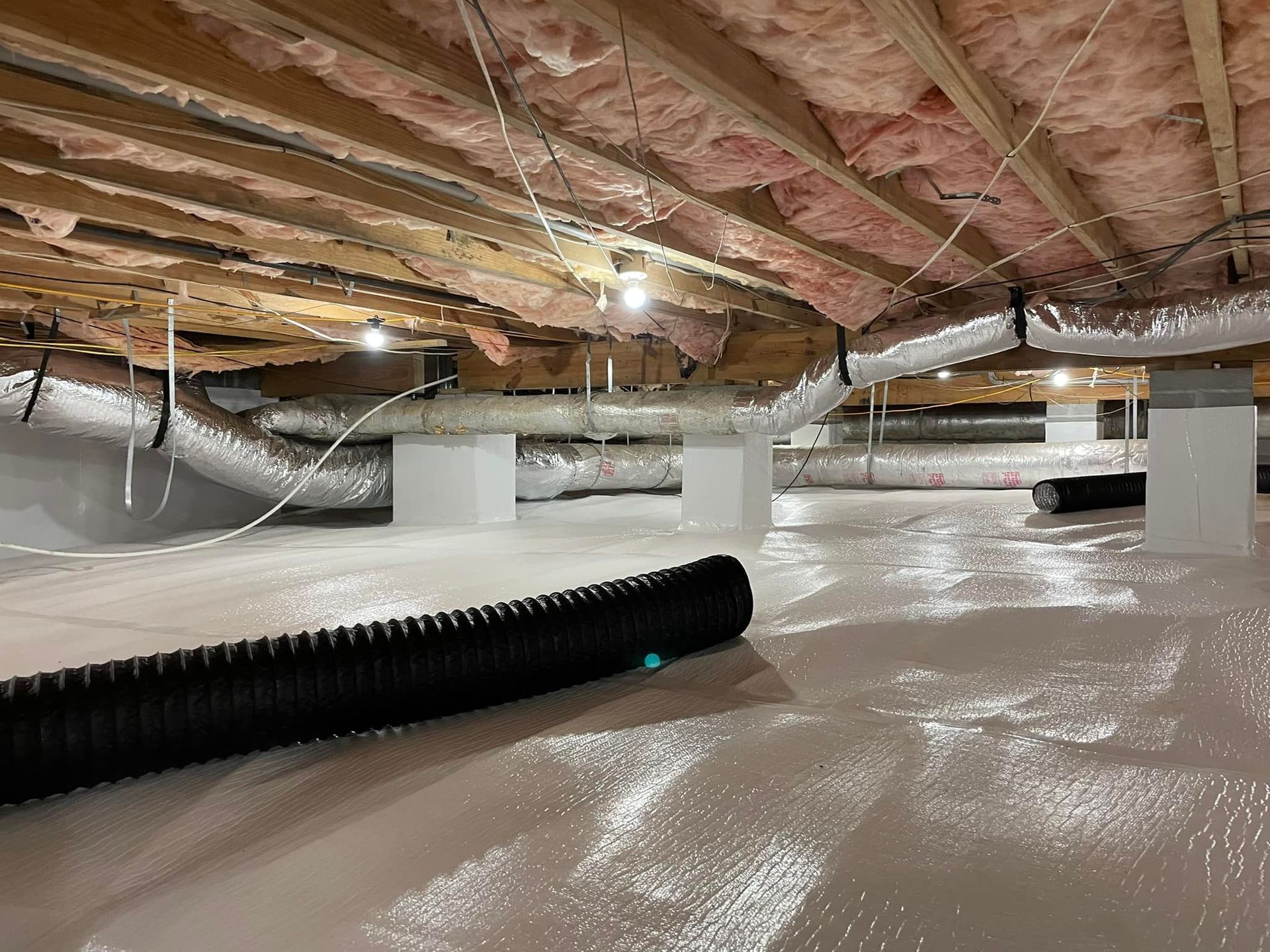
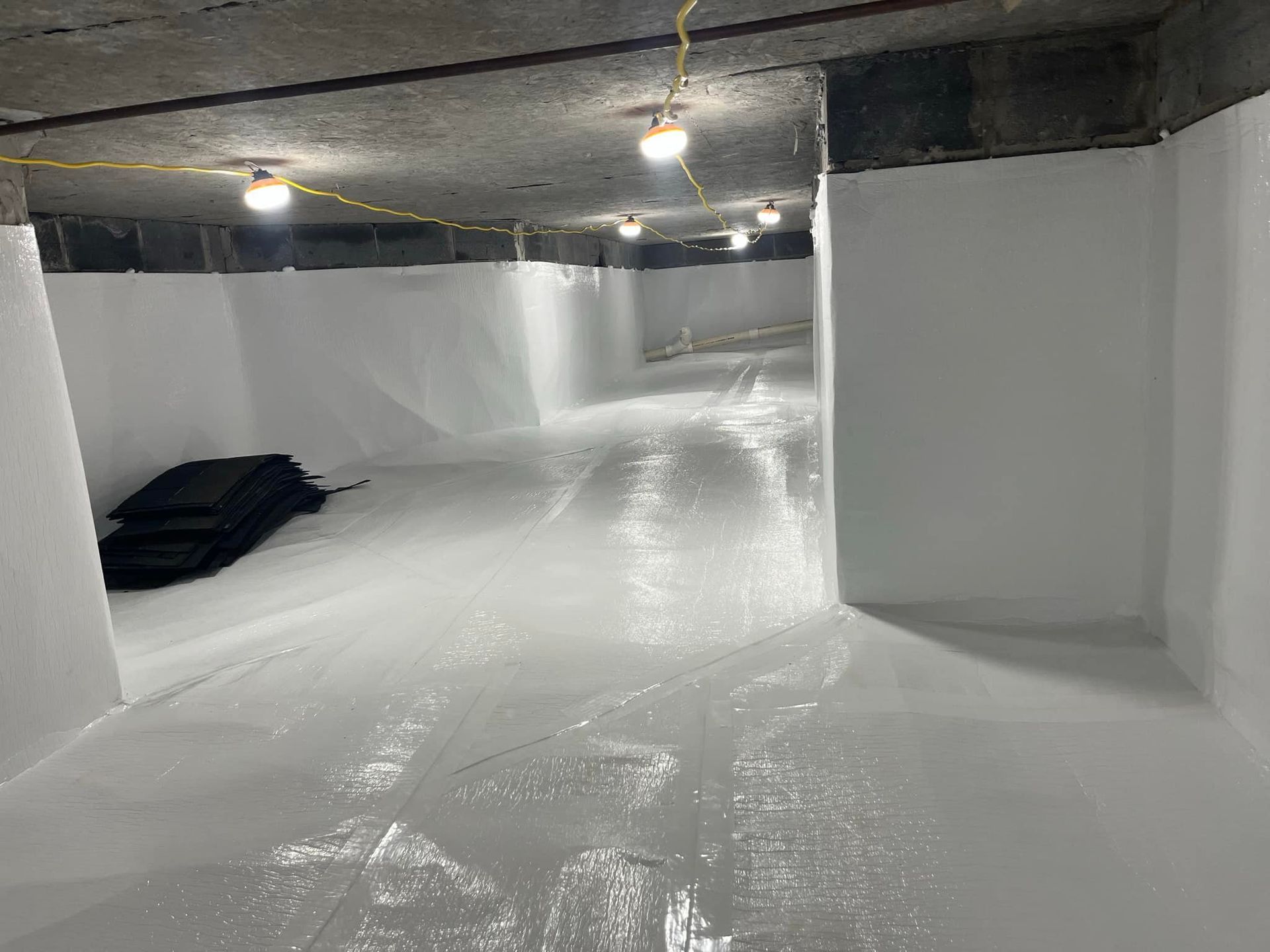
We did an encapsulation job in Englewood a few months back.
Everything looked great, system was working perfectly.
Then the customer called - she had water coming in by her crawl space door.
So we came out, found an unsealed conduit pipe running through the wall, sealed it up.
Problem solved. Or at least we thought it was.
A few weeks later, same customer, same spot, same problem.
Water by the door again.
This is the kind of situation that separates companies.
Some would charge for the second visit.
Some wouldn't come back at all. We came back to figure out what we missed.
Turns out the problem wasn't our system.
It was two cinder blocks buried under the dirt that we couldn't see when we installed the sump pump.
They were blocking water from getting to where it needed to go.
The First Problem: What We Could See
When she first called about water by the door, we did what we always do - came out to take a look.
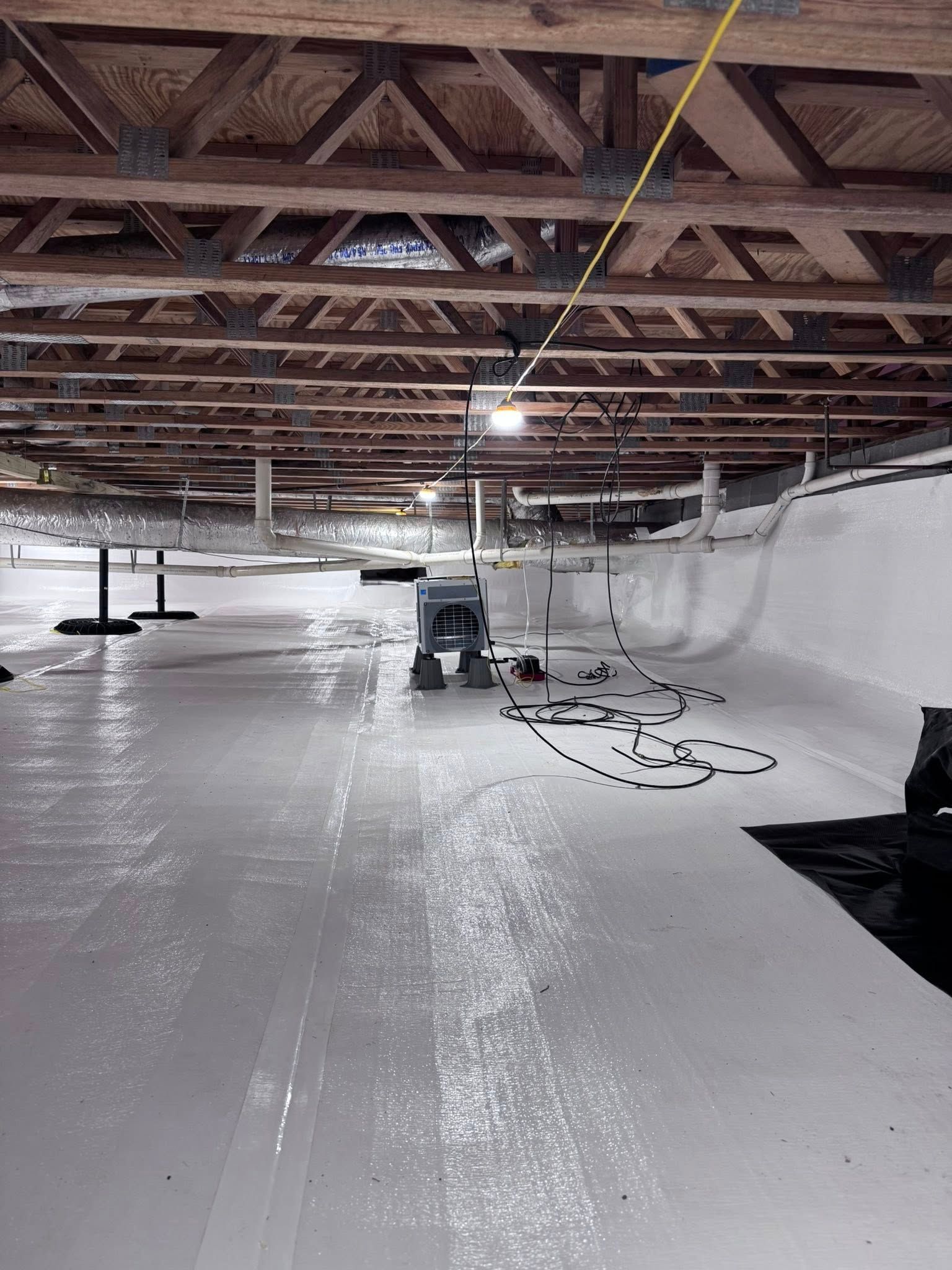
Found a conduit pipe running through the foundation wall. It was higher up than you'd normally expect water to come through, but it wasn't sealed. So water was finding its way in through that opening.
We sealed it up, made sure it was watertight, and that should have been the end of it. The grading in the crawl space was directing water toward the sump pump. Everything else looked good.
But drainage problems don't always have one simple cause. Sometimes you fix the obvious issue, and then you find out there's something else going on underneath.
The Second Problem: What We Couldn't See
When she called back with water in the same spot, I knew we were missing something.
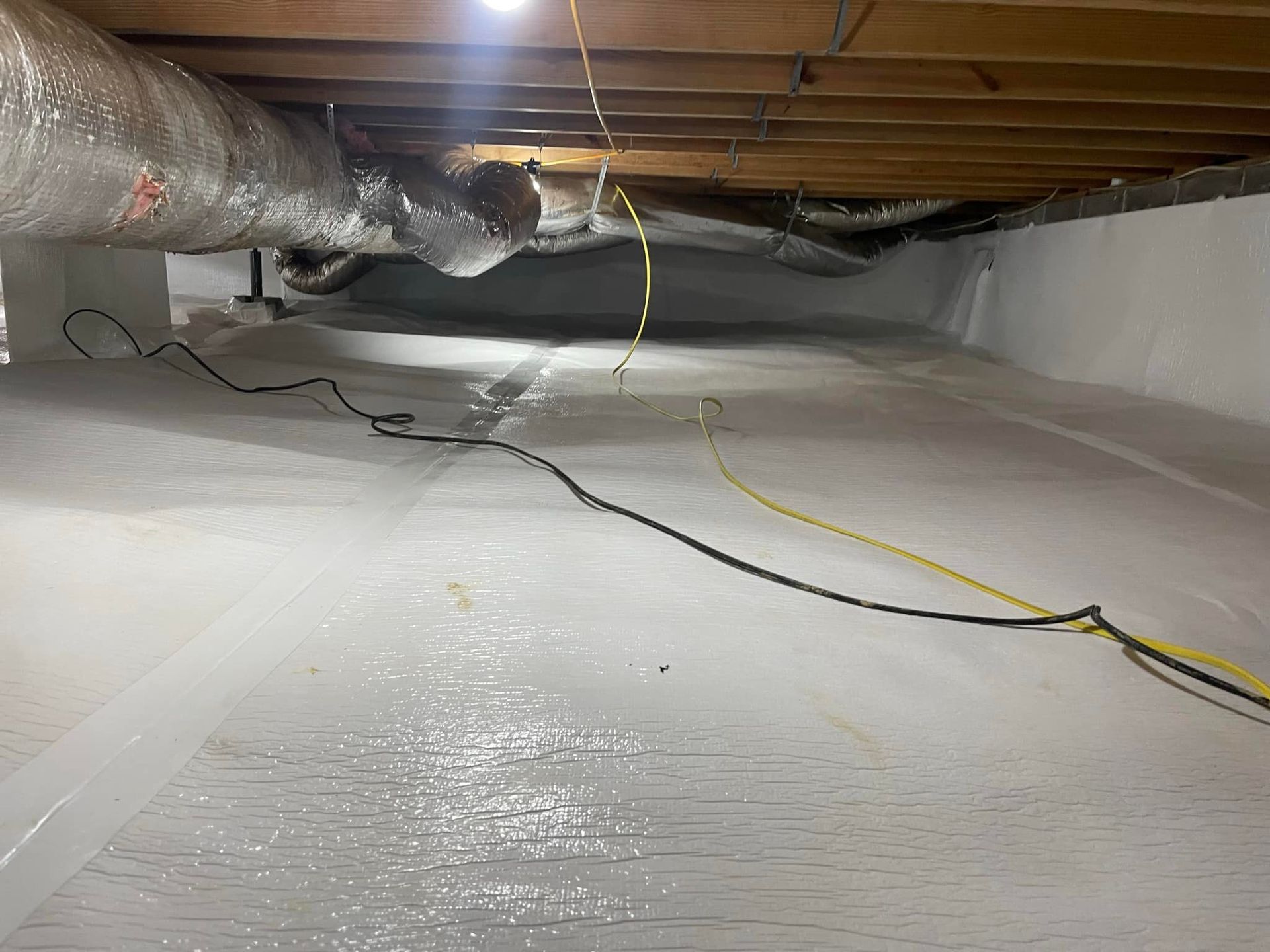
The sump pump was working fine. The encapsulation was intact. The grading should have been directing water straight into the pump. But water was still building up by the door and pushing through a tape seam.
So we started digging. Right underneath the door, buried in the dirt, we found two solid cinder blocks. They were sitting there under the surface where we couldn't see them when we did the original installation.
Those blocks were acting like a dam. Water was trying to flow toward the sump pump like it should, but it couldn't percolate through the dirt past those cinder blocks. So it just built up until it found another way out - through the tape seam by the door.
You can't fix what you can't see. And sometimes you don't know it's there until you start digging.
Why Hidden Obstacles Cause Drainage Problems
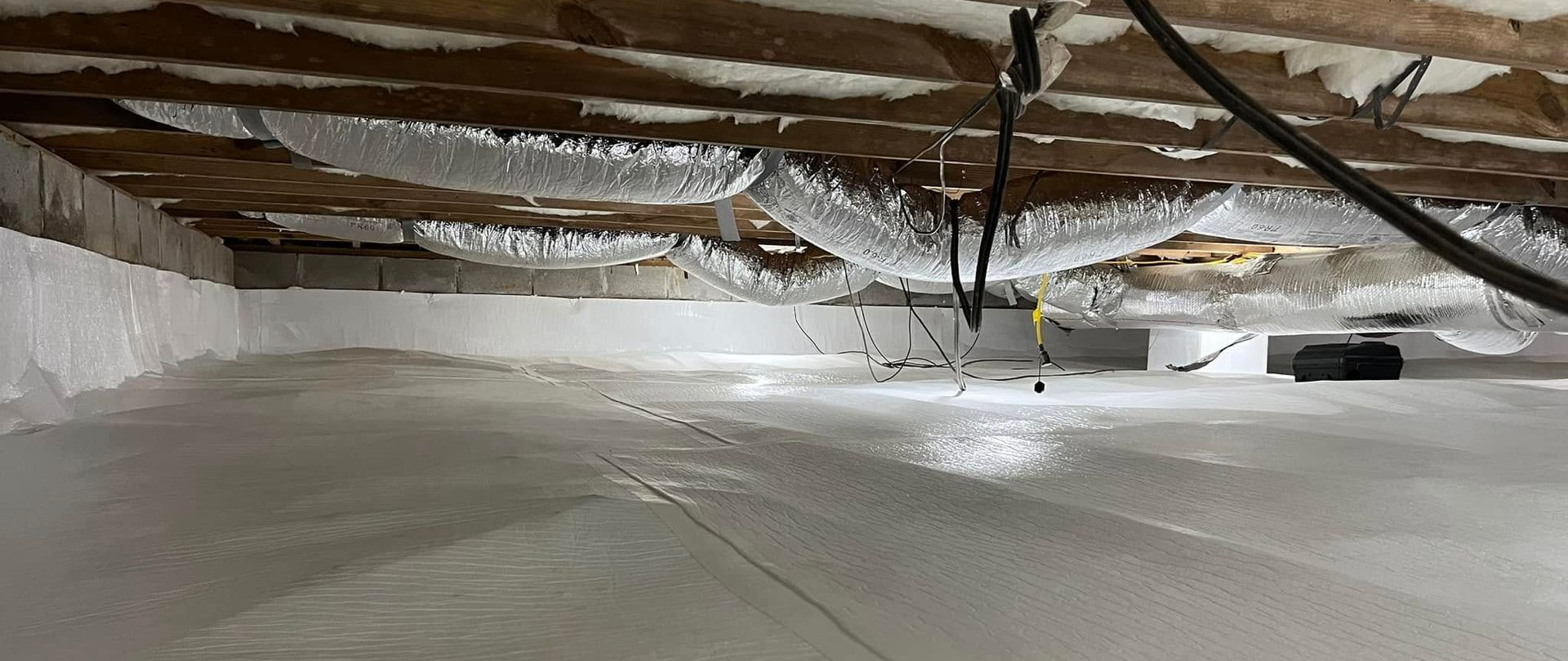
In an encapsulated crawl space, water is supposed to follow a pretty simple path. It comes in through the foundation, hits the drainage system, flows to the sump pump, and gets pumped out and away from your house.
But when something blocks that path - buried debris, old construction materials, whatever - the water doesn't just stop. It builds up. And when it builds up enough, it's going to find the weakest point and push through.
In this case, that weak point was a tape seam. Water built up behind those cinder blocks until there was enough pressure to push through the seam. Not because the encapsulation was bad, but because the water literally had nowhere else to go.
This is why grading matters so much in crawl space work. And it's why hidden obstacles can mess up even a perfectly installed system.
The Troubleshooting Process
We came back out at no charge. That's just what you do when something's not working right.
First thing was figuring out why water was still showing up in that exact spot. The conduit was sealed. The pump was working. The encapsulation looked good. So the problem had to be with the water flow itself.
We started digging around the area where the water was pooling. That's when we found those cinder blocks sitting right under the surface. Once we pulled them out, the problem was obvious.
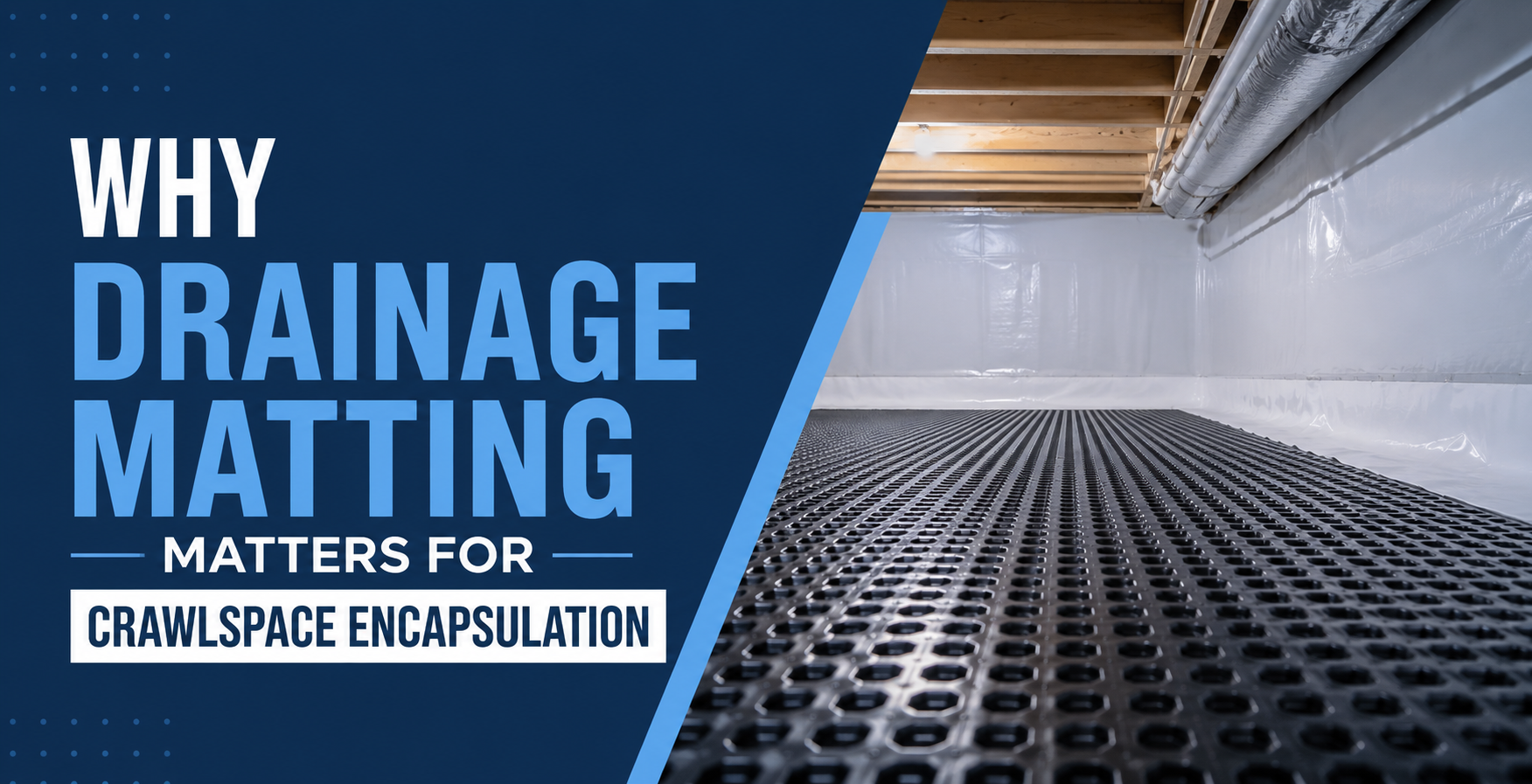
Added some additional drainage to make sure water could get around where those blocks had been. Connected it to the sump pump. Taped everything back up, vacuumed and cleaned the area. Now the water's flowing where it's supposed to go.
Sometimes troubleshooting means getting dirty and digging until you find what's actually causing the problem. Not just slapping a band-aid on it and hoping it holds.
How We Handle Warranty Situations
At Forever Guard, if you call us back because something's not working right, we're coming out to fix it. Period. No charge.
In this Englewood job, we came out twice after the original installation. Could we have caught those cinder blocks the first time? Maybe, if we'd dug up every square inch of dirt. But that's not realistic.
What is realistic is standing behind our work. When the customer called with a problem, we showed up. When she called again, we showed up again. And we'll keep showing up until it's actually fixed.
That's what building a relationship with a customer looks like. It's not about getting the job done and moving on. It's about making sure that customer is taken care of, even when it means coming back multiple times.
Ready for Honest Crawl Space Work?
If you need crawl space work done, or if you're having issues with work that's already been done, give us a call.
We'll come out and take an honest look at what's going on. If we find something we can fix, we'll tell you. If we find something that's going to take more digging to figure out, we'll tell you that too.
And if we do work for you and something comes up later, we're going to come back and make it right. That's not just a promise - it's how we've been doing business since day one.
You can reach out to me directly. I'm the owner, and I'm probably the one who'll be doing your inspection. No pressure, no games, just straight answers about what's actually going on under your house.
Contact Forever Guard Waterproofing today for your free crawl space inspection.