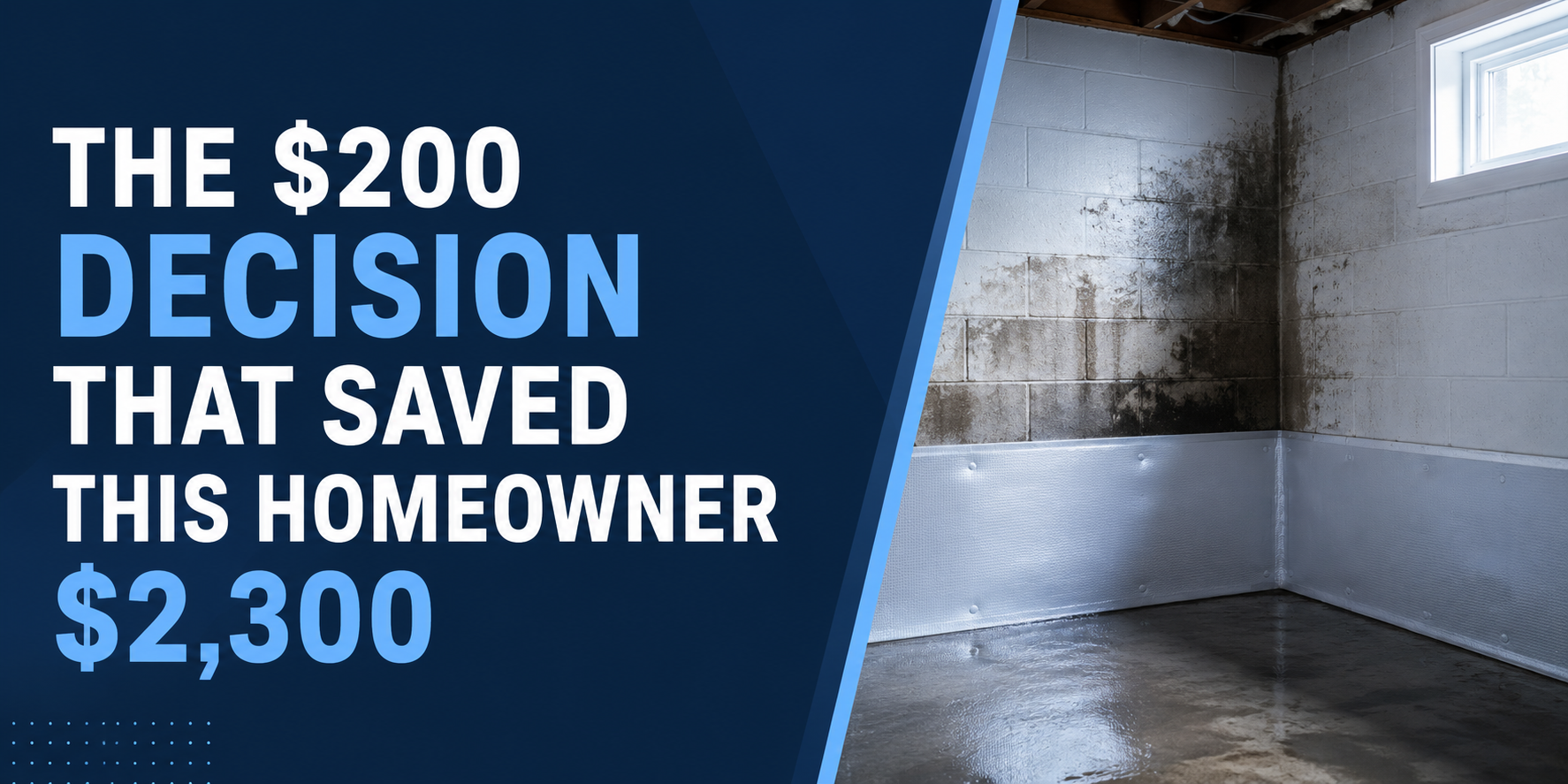
Why Crawl Space Issues Kill Real Estate Deals
The Hidden Dealbreaker Under Your House
WHAT HOME INSPECTORS FIND - AND WHY BUYERS WALK AWAY
I'm wrapping up a job here in Knoxville for a homeowner getting ready to sell.
They had their home inspection done, and like most inspections, it came back with a list of crawl space issues that needed fixing before the sale could go through.
Vapor barrier needed replacing.
Fungal growth needed treatment. Foundation cracks.
And structural problems where someone installed HVAC ducting and knocked out way too much block without thinking about support.
Here's the reality - crawl space and basement issues are the number one reason real estate deals fall through.
Buyers see foundation cracks or fungal growth on the inspection report and they either walk away completely or demand thousands off the asking price.
So we're fixing everything to get this house ready for the new buyers and make sure this deal actually closes.
What Home Inspectors Actually Look For
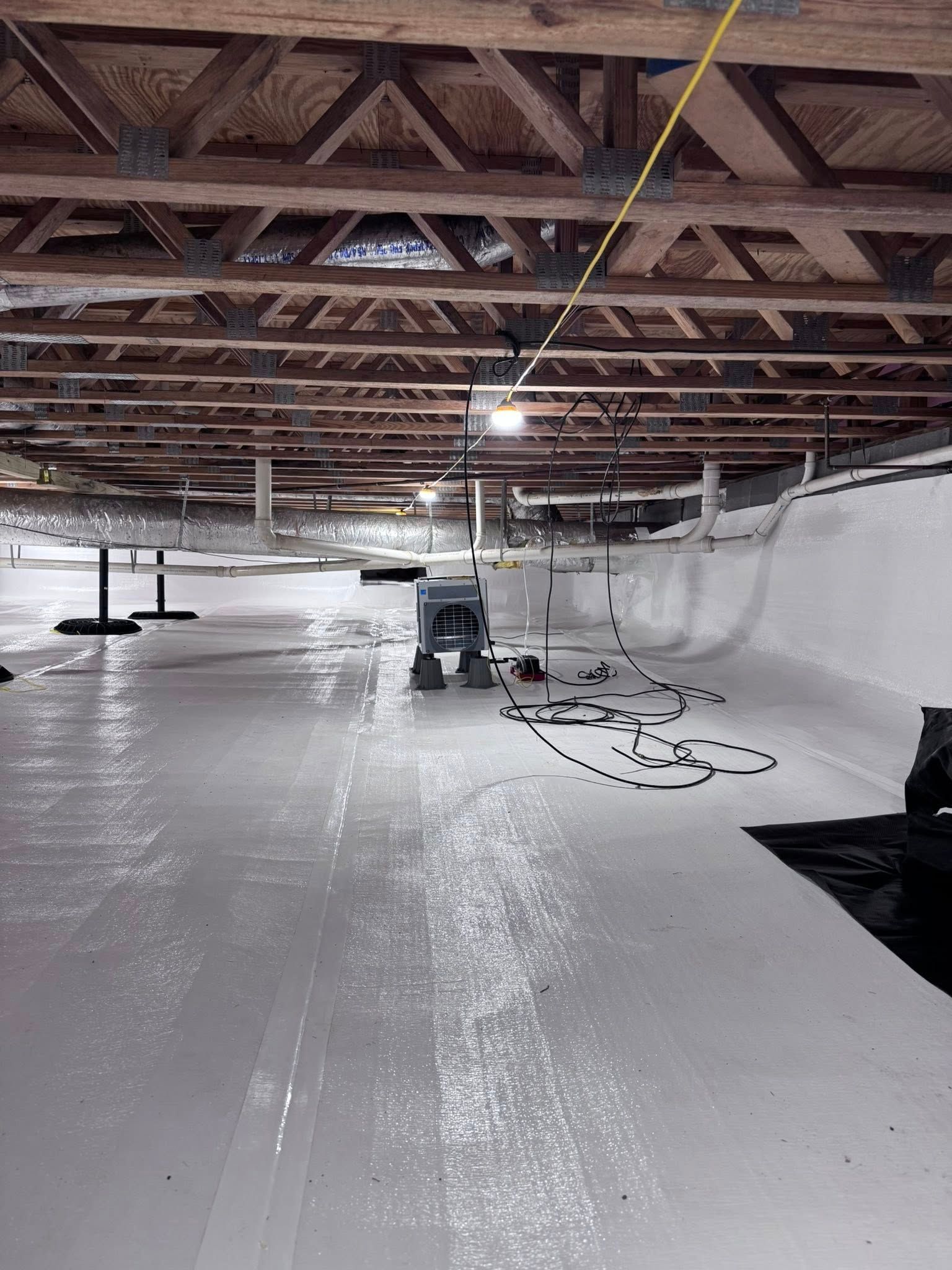
When a home inspector crawls through your crawl space, they're checking for specific things that signal problems to potential buyers.
First, they're looking at your vapor barrier. Is it there? Is it in good condition? Is it actually covering the ground, or is it bunched up and torn in spots? A missing or damaged vapor barrier means moisture is getting into the crawl space, and that's an immediate red flag.
Next, they're checking for fungal growth. Any visible mold or fungus on your floor joists or subfloor is going to end up in that report. Buyers see the word "fungus" and they panic.
Foundation cracks are another big one. Not all cracks are structural problems, but inspectors note them all. Buyers don't know the difference between a hairline crack and a serious foundation issue, so they treat everything like it's catastrophic.
And then there's the stuff that happens when other contractors work in your crawl space - like HVAC guys knocking out foundation blocks to run ductwork without considering what those blocks are supporting.
The difference between cosmetic issues and actual structural problems doesn't matter much when you're trying to sell. Buyers just see a list of crawl space problems and assume the worst.
The Real Problems We Found in This Knoxville House
So let's talk about what we're actually fixing in this crawl space.
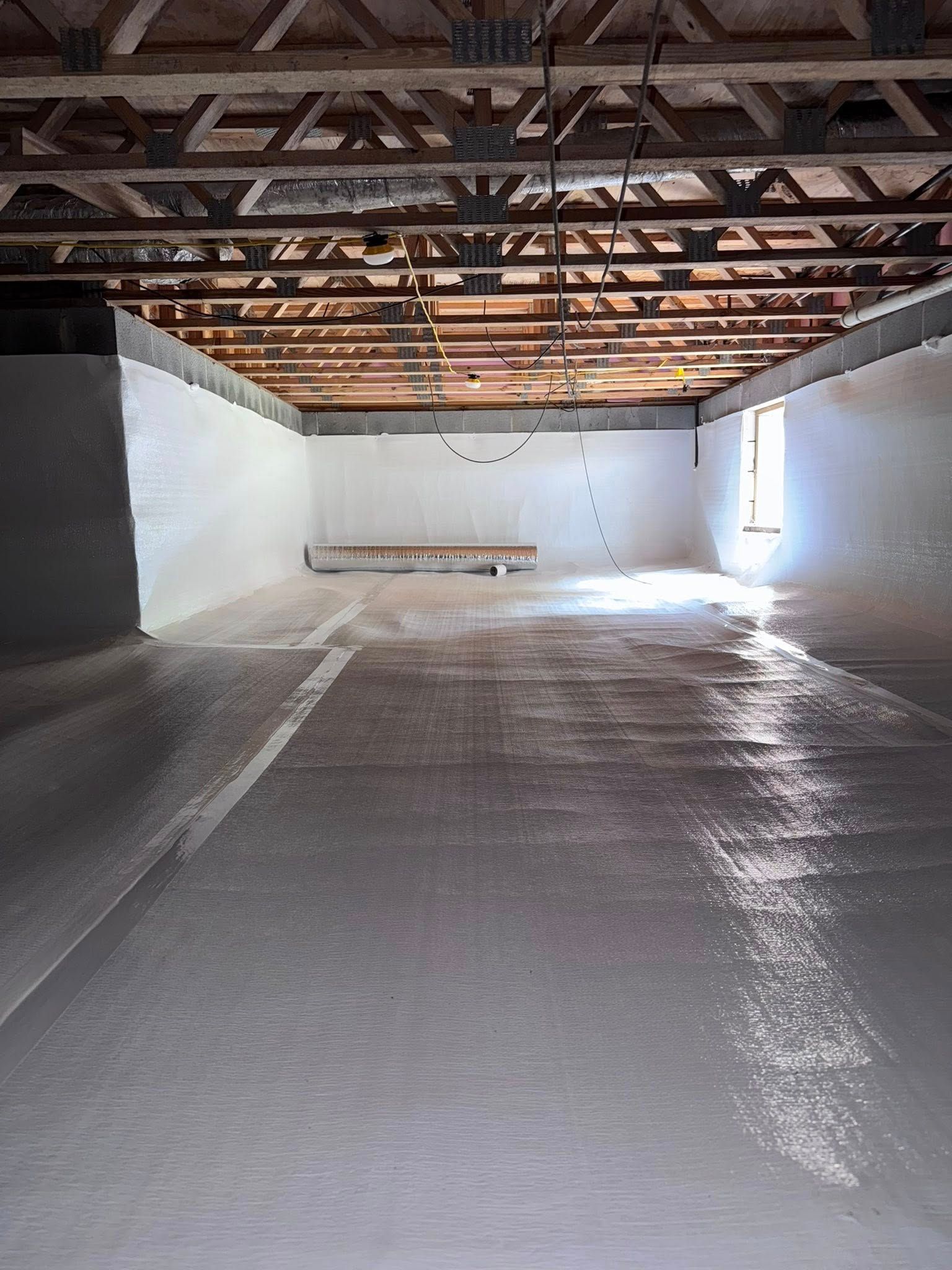
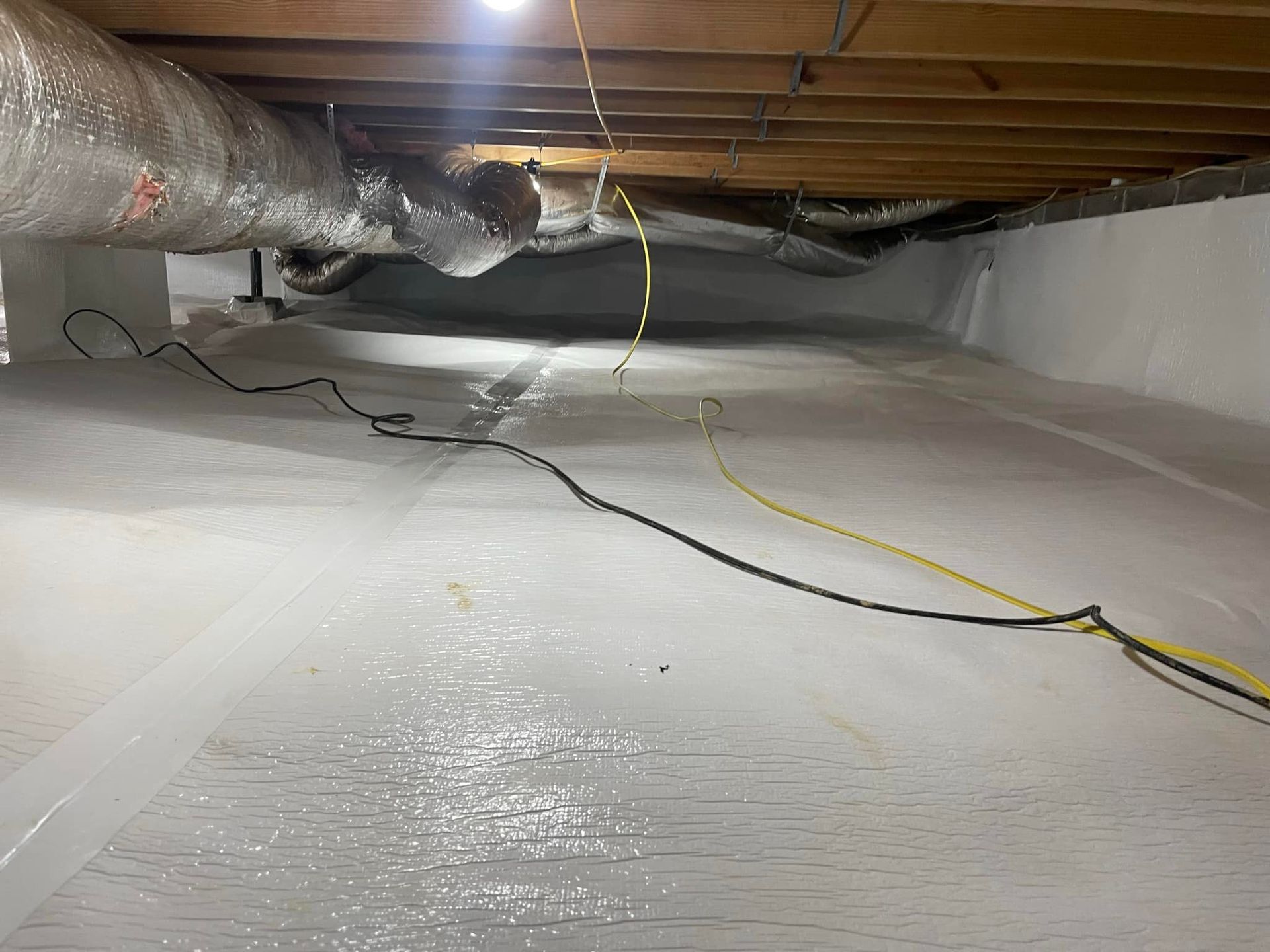
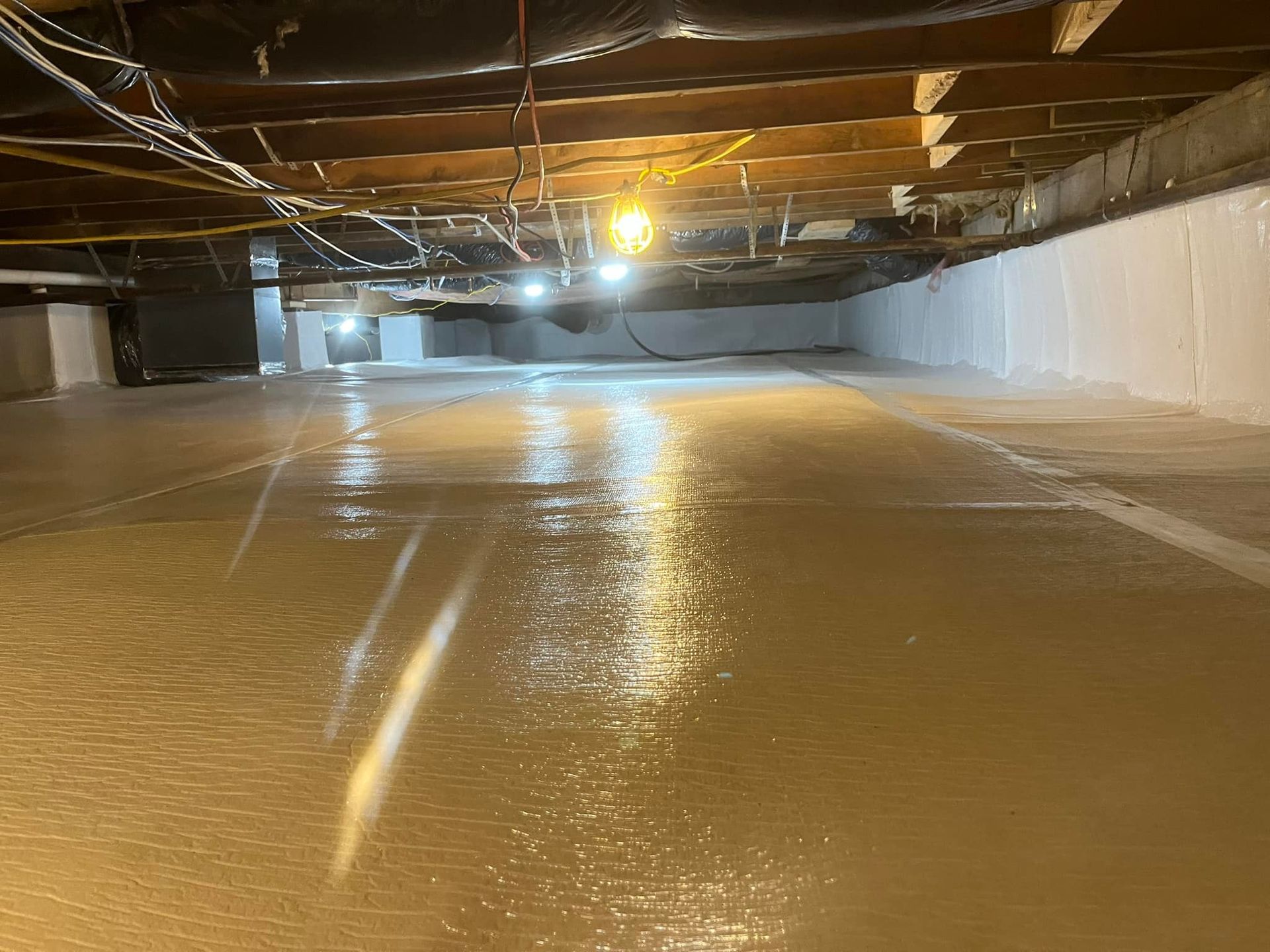
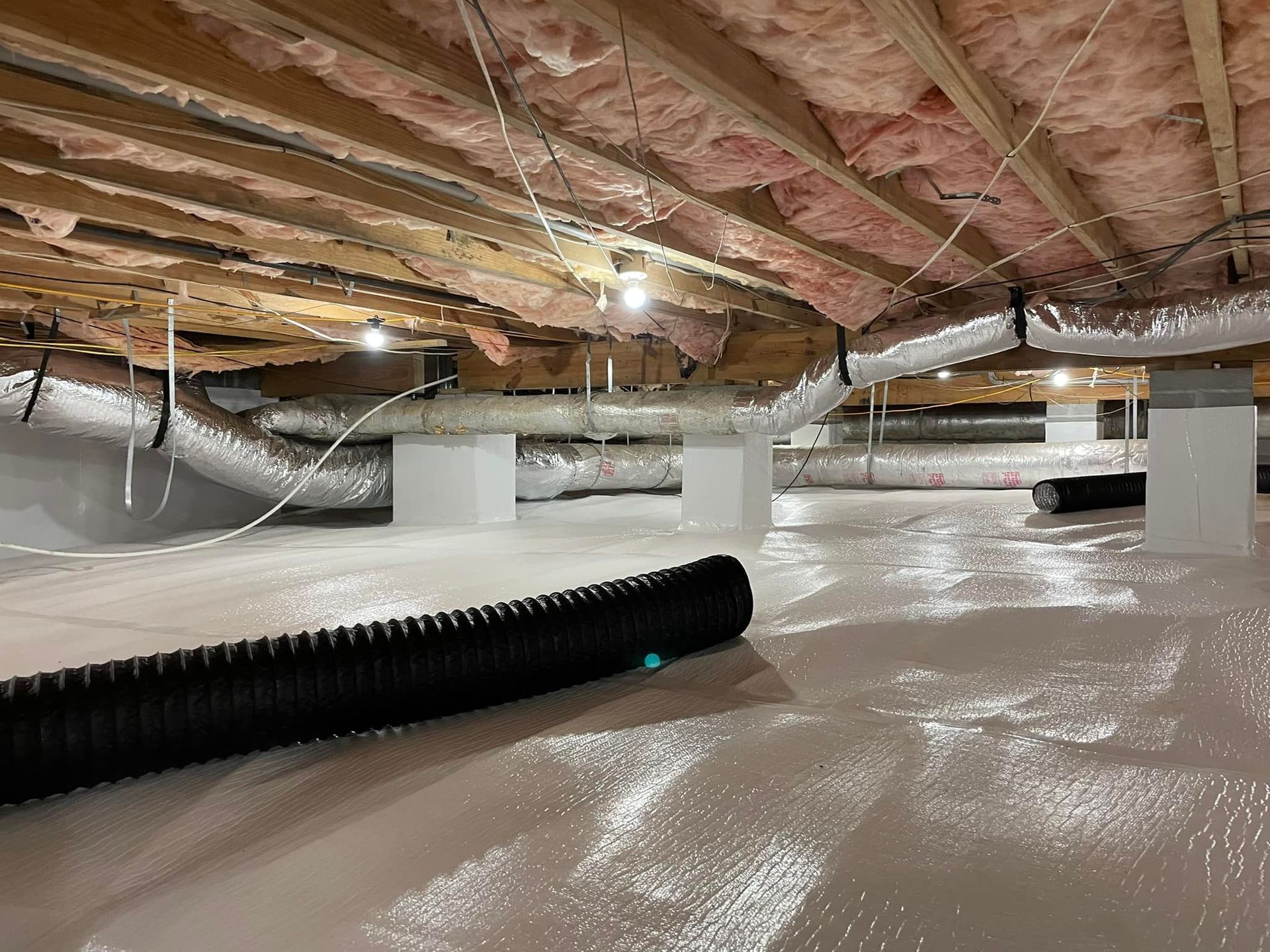
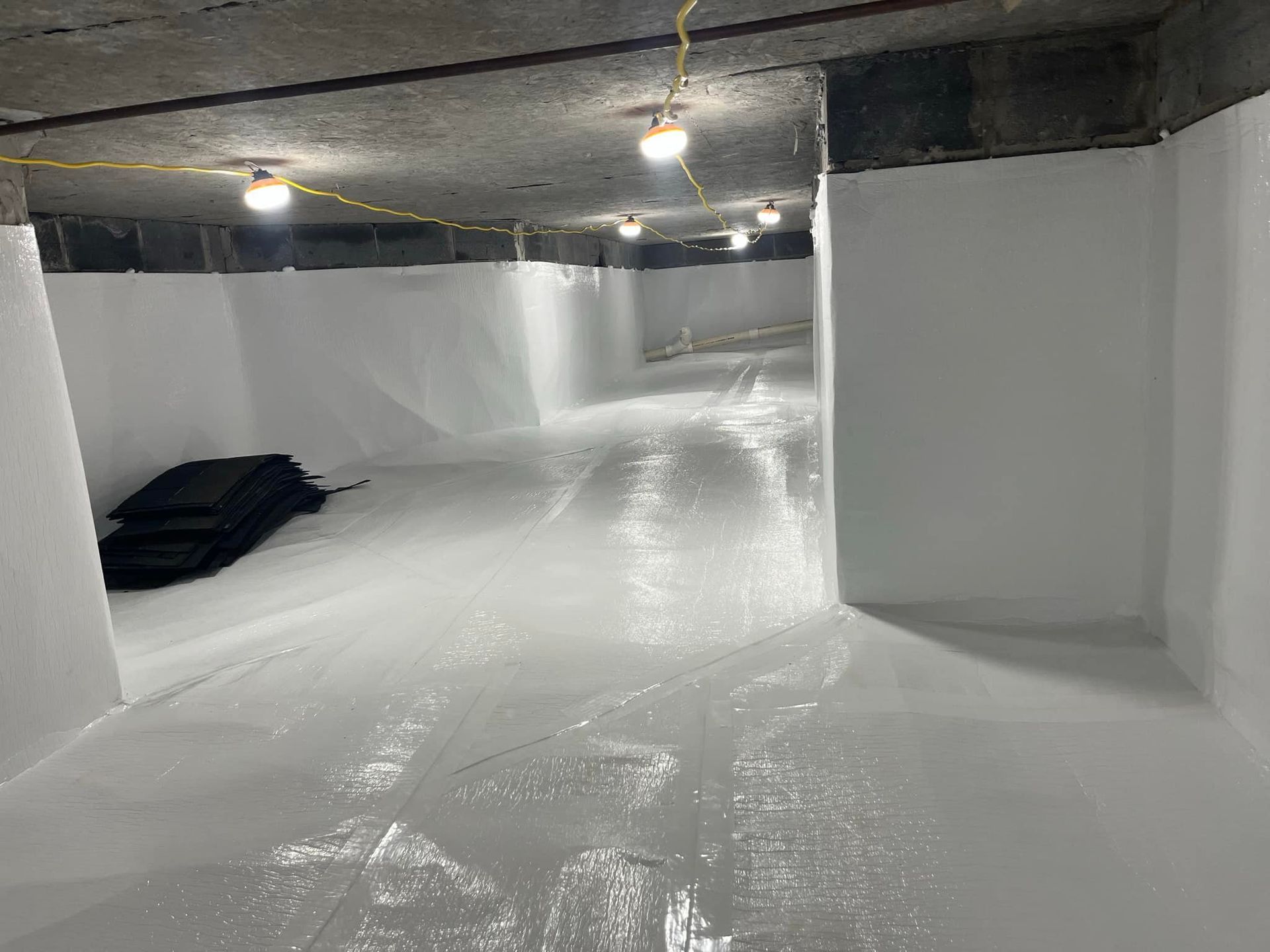
The vapor barrier was old and deteriorated. Not doing its job anymore. That needed to be pulled out and replaced with new material that's actually going to keep moisture out of the dirt.
There was fungal growth on the subfloor. Now, I gave these homeowners realistic expectations - treating the fungus helps, but if you're not fixing the moisture problem that caused it, you're just putting a band-aid on it. But for the sale to go through, it needed to be treated.
Foundation cracks showed up in the inspection report. These weren't massive structural failures, but they needed to be addressed. We used carbon fiber strapping to reinforce them and prevent them from getting worse.
And then there was the HVAC issue - which honestly frustrated me the most. Someone had knocked out way too much block where the ducting goes through the foundation wall. Didn't think about what was sitting above it or how the weight needed to be distributed.
Any one of these issues could've killed this sale. All of them together? The buyers would've walked or demanded a huge price reduction. That's how crawl space problems cost sellers money.
The HVAC Problem Nobody Talks About
Here's what happened with the HVAC installation in this house - and I see this more often than I should.
When they installed the HVAC system, they needed to run ductwork through the foundation wall into the crawl space. So they knocked out some blocks to make room. The problem? They knocked out way too many blocks and didn't think about structural support.
Right above that opening is where the main beam sits. That beam is carrying weight from the floor joists, which means it needs solid support underneath it. When you remove foundation blocks, you're removing that support.
What happens then? The weight from the main beam doesn't distribute properly across the foundation. You get stress on the remaining blocks, they crack, and over time you can end up with serious structural issues.
The right way to do this is to install a lintel - basically a steel beam that spans across the opening and distributes the weight properly. The load from the main beam transfers to the lintel, which then transfers it to the foundation blocks on either side of the opening.
So that's what we did. Knocked out all the cracked and damaged blocks, installed a proper lintel, and now that opening has the structural support it needs. The weight distributes correctly, and the new buyers don't have to worry about foundation problems down the road.
What We Did to Save This Sale
Alright, so here's everything we did to get this house ready for closing.
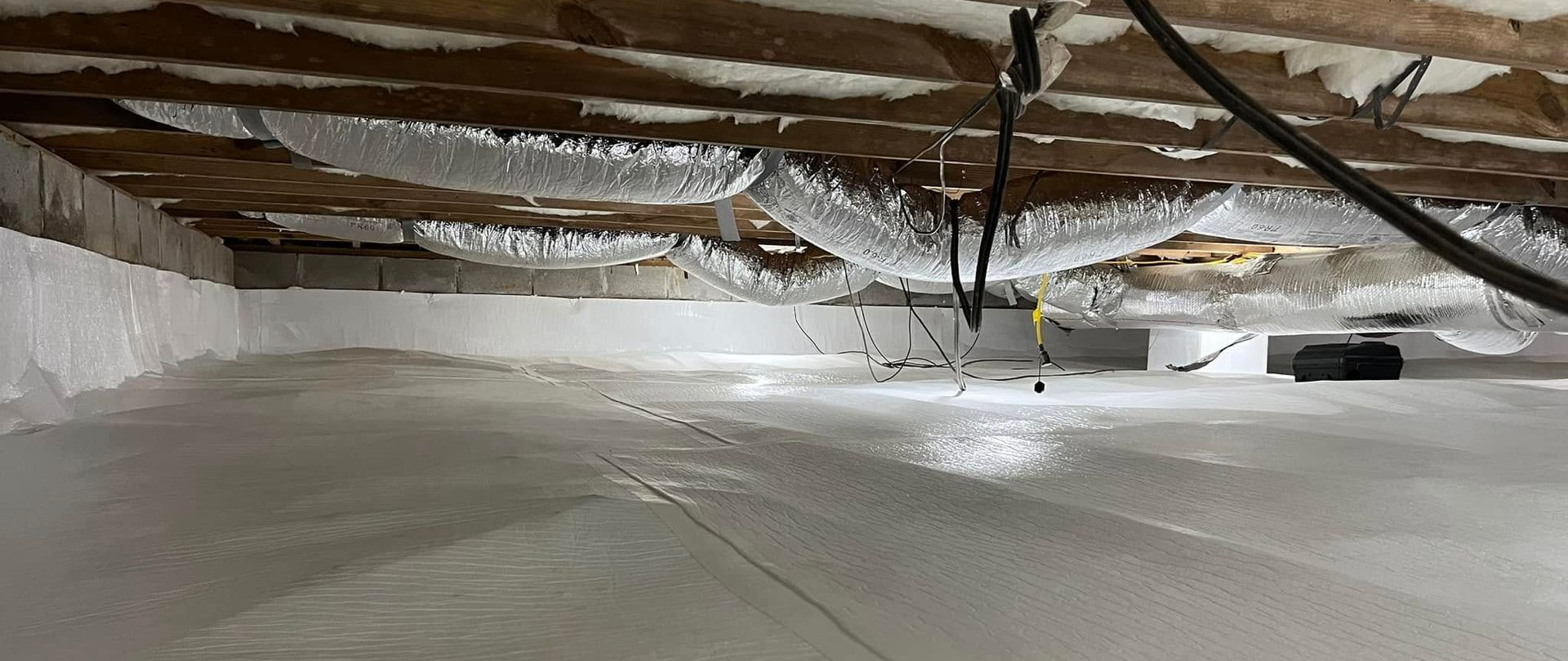
First, we pulled out the old vapor barrier and installed a new one. Proper coverage, sealed right, doing what it's supposed to do - keeping ground moisture out of the crawl space.
Then we treated the fungal growth. Like I said, I'm honest with homeowners about what this does and doesn't fix. The treatment kills the existing fungus, but if there's still a moisture problem, you could see it come back. For a home sale though, it addresses what's in the inspection report.
We installed carbon fiber strapping on the foundation cracks. This reinforces the foundation and prevents those cracks from spreading. It's a proven repair method that buyers and inspectors recognize as a legitimate fix.
And we handled that HVAC structural issue - knocked out the damaged blocks, installed the lintel, and made sure the main beam has proper support. Everything's sealed up and structurally sound.
Now this house is ready for the new buyers, and this sale can actually close. That's the goal - fix what needs fixing so the transaction doesn't fall apart over crawl space issues.
For Sellers: Get Ahead of the Inspection
Here's my advice if you're getting ready to sell your house - don't wait for the home inspection to tell you what's wrong with your crawl space.
Get your own inspection done before you list. Find out what's down there while you still have time to fix it on your terms, not under pressure from a buyer's deadline.
When crawl space problems show up after you've already accepted an offer, you're in a weak position. The buyer can demand you fix everything, ask for a price reduction, or walk away completely. You're scrambling to get repairs done quickly just to keep the deal alive.
But if you know what's wrong ahead of time? You can fix the issues before listing, or at minimum, you know what's coming and can factor it into your pricing strategy.
The cost of a pre-sale crawl space inspection is a few hundred bucks. The cost of a dead deal or a last-minute price reduction? Thousands. Maybe tens of thousands depending on what the inspection finds.
Get ahead of it. Know what you're dealing with. Then you're negotiating from a position of strength instead of desperation.
Ready to Get Your Crawl Space Inspected?
Whether you're buying, selling, or just want to know what's going on under your house, we can help.
We do pre-sale inspections to get your house ready before it hits the market. We do buyer inspections to give you an honest assessment of what you're dealing with. And we also inspect attics - the other common area where deals fall apart.
When I come out, you're getting a real inspection from someone who's actually done this work, not just a salesperson with a clipboard. I'll show you exactly what's wrong, what needs to be fixed, and give you realistic expectations about what those repairs will and won't do.
No pressure, no games. Just an honest look at your crawl space and straightforward answers about what needs to happen.
If you need an inspection to get a deal to closing, or if you just want to know what's down there before problems show up, give us a call.
Contact Forever Guard Waterproofing for your crawl space inspection.