How to Actually Control Moisture in a Tall Crawl Space
Why Your Crawl Space Dehumidifier Size Changes Everything
THE MISTAKE THAT COSTS HOMEOWNERS MONEY
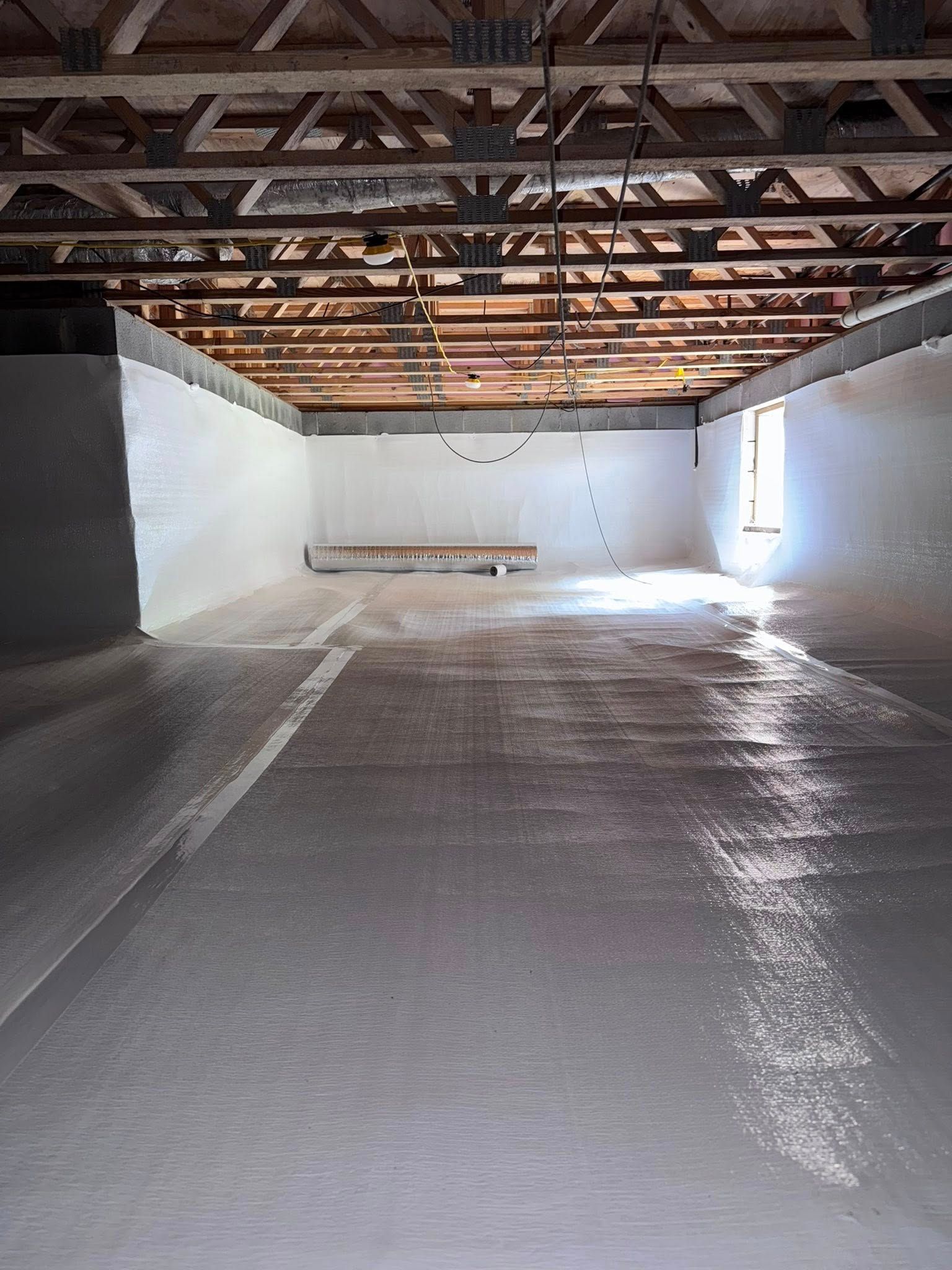
I'm out in Farragut looking at a crawl space that's got some issues.
Fungal growth on the main beam, critters tearing up the insulation, moisture problems.
Standard stuff I see all the time.
But here's what makes this one different - it's a tall crawl space.
Nice to work in, sure.
But that height changes everything about how we need to fix it.
Most homeowners think moisture control is just about square footage.
You measure the floor space, you install a dehumidifier based on that number, and you're done.
That's what most companies do too.
But that's not how air works.
And in a tall crawl space like this one, that approach is going to cost you money and never actually solve your problem.
Let me show you what's really going on here and how we're going to fix it the right way.
The Problem Most Companies Ignore
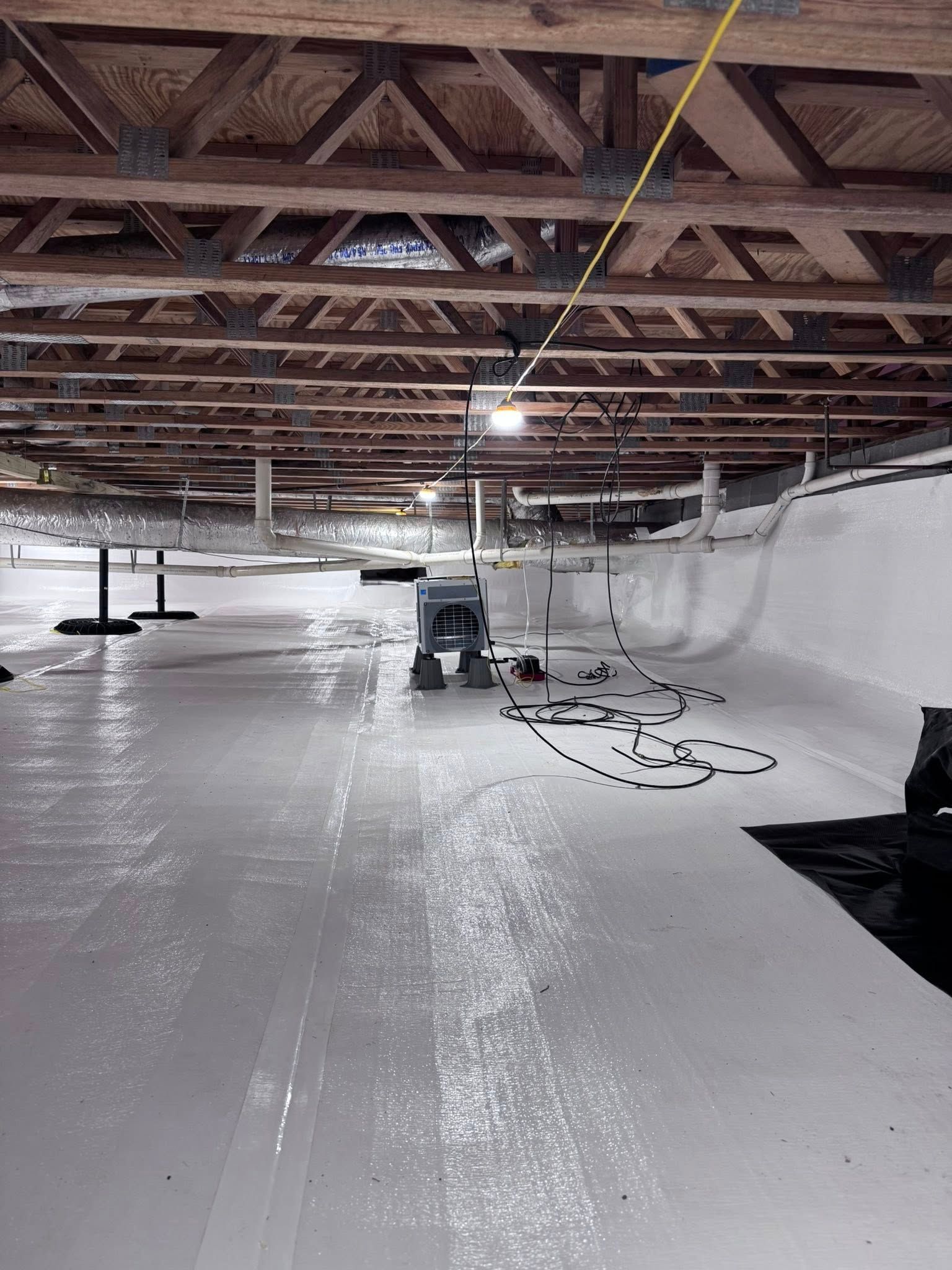
When companies size a dehumidifier for your crawl space, they look at square footage. This crawl space is about 1200 square feet. Standard height crawl space at 1200 square feet? You'd install a 70-pint dehumidifier and call it good.
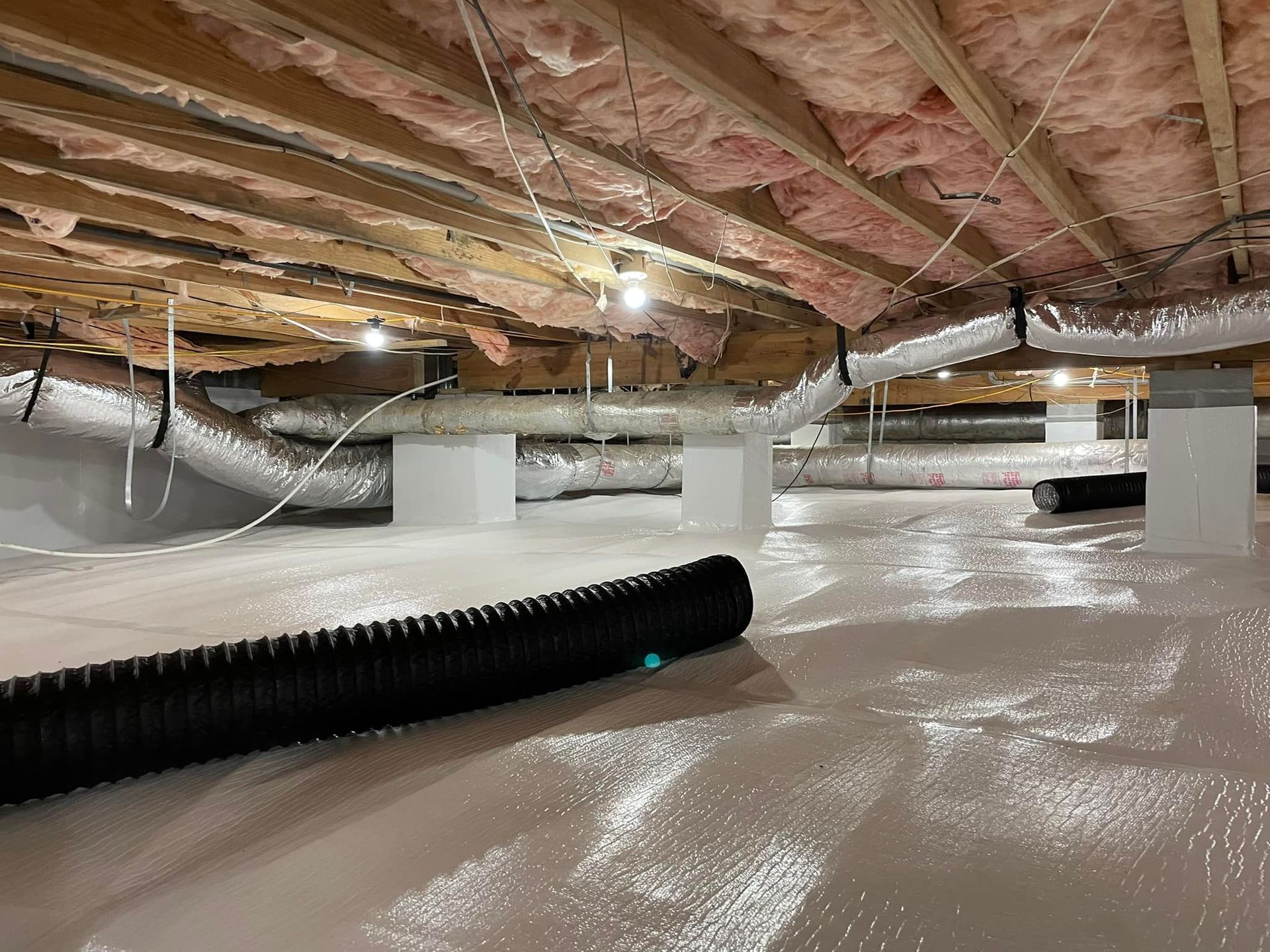
But this isn't a standard height crawl space. It's tall - which means there's more air in here. More cubic footage, not just more floor space.
Think about it like this - you've got the same floor area, but way more air volume that needs to be dehumidified. That 70-pint unit that works fine in a short crawl space? It's going to run constantly in here and never quite catch up.
So for this space, we're installing an E100 instead. Bigger unit, costs more, but it's what actually works for the air volume we're dealing with.
Most companies don't bother with this calculation. They just look at square footage because it's easier. Install the same size unit they'd use anywhere else and move on to the next job.
The problem is, your dehumidifier's going to be working overtime trying to control moisture it's not big enough to handle. You're paying for electricity to run equipment that's undersized for the job. And your crawl space never really gets dry..
What I'm Seeing in This Crawl Space
Walking through this crawl space, there's a few things happening that need to be addressed.
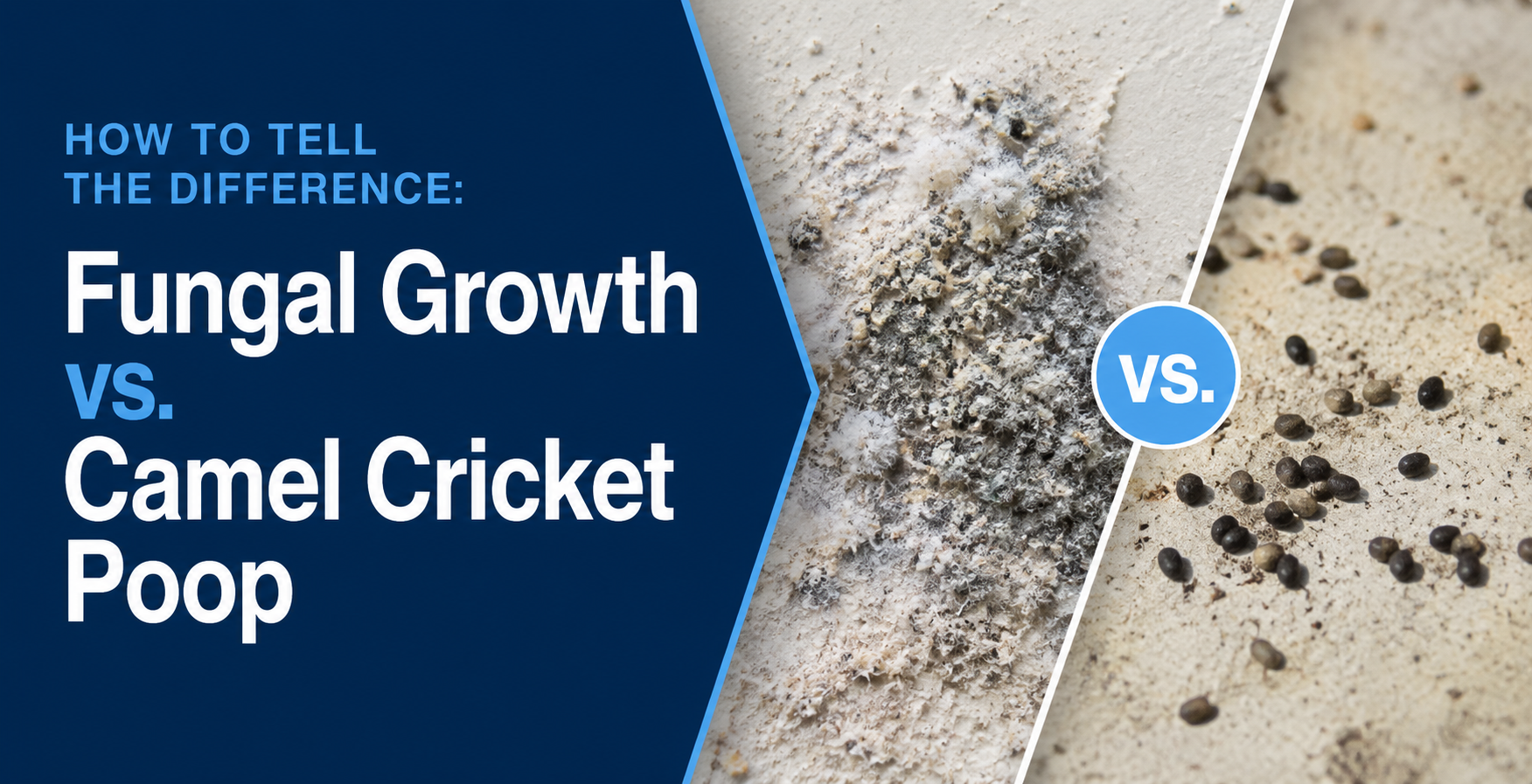
First, there's fungal growth on the main beam. That's your moisture problem showing itself. When you've got fungus growing on your structural wood, it means the humidity's been high for a while.
Then there's the vapor barrier situation. They've got standard black 6-mil plastic down here, but it's just misplaced and overlapped in spots. That's not doing much of anything. Water vapor is still getting through, which is why we've got the fungal growth in the first place.
And then we've got the critter problem. Something's been getting in here - tearing down insulation, leaving droppings everywhere. Once animals find a way into your crawl space, they'll keep coming back until you seal off their entry point.
All of this is connected. The moisture creates an environment. The poor vapor barrier doesn't stop it. And the critters are just taking advantage of an unsealed space.
How to Size a Dehumidifier Correctly
Here's how this actually works.
Standard crawl space at 1200 square feet - let's say it's got a typical height of 2 to 3 feet - you're looking at a 70-pint dehumidifier. That unit can handle the air volume in that space without running constantly.
But this tall crawl space? Same 1200 square feet on the floor, but we've got 5 or 6 feet of height. That's double or triple the air volume. Maybe more.
So we need to bump up to an E100 unit. It's designed to handle larger volumes of air, which is what we're actually dealing with here.
The math isn't complicated - you just have to actually do it. Calculate the cubic footage, not just the square footage. Then size your equipment based on what's really there.
A dehumidifier that's too small will run all the time trying to keep up. It'll wear out faster, cost you more in electricity, and never really get your humidity where it needs to be. An E100 in this space will cycle properly, run efficiently, and actually control the moisture.
The Complete Moisture Control Solution
So here's what we're doing to fix this crawl space properly.
First, we're sealing off wherever those critters are getting in. Could be a vent that's not screened right, could be a gap around a pipe. Whatever it is, we find it and seal it. No point in fixing everything else if animals are just going to keep coming back.
Next, we're pulling out all that torn-up insulation. It's contaminated, it's not doing its job anymore, and it needs to go.
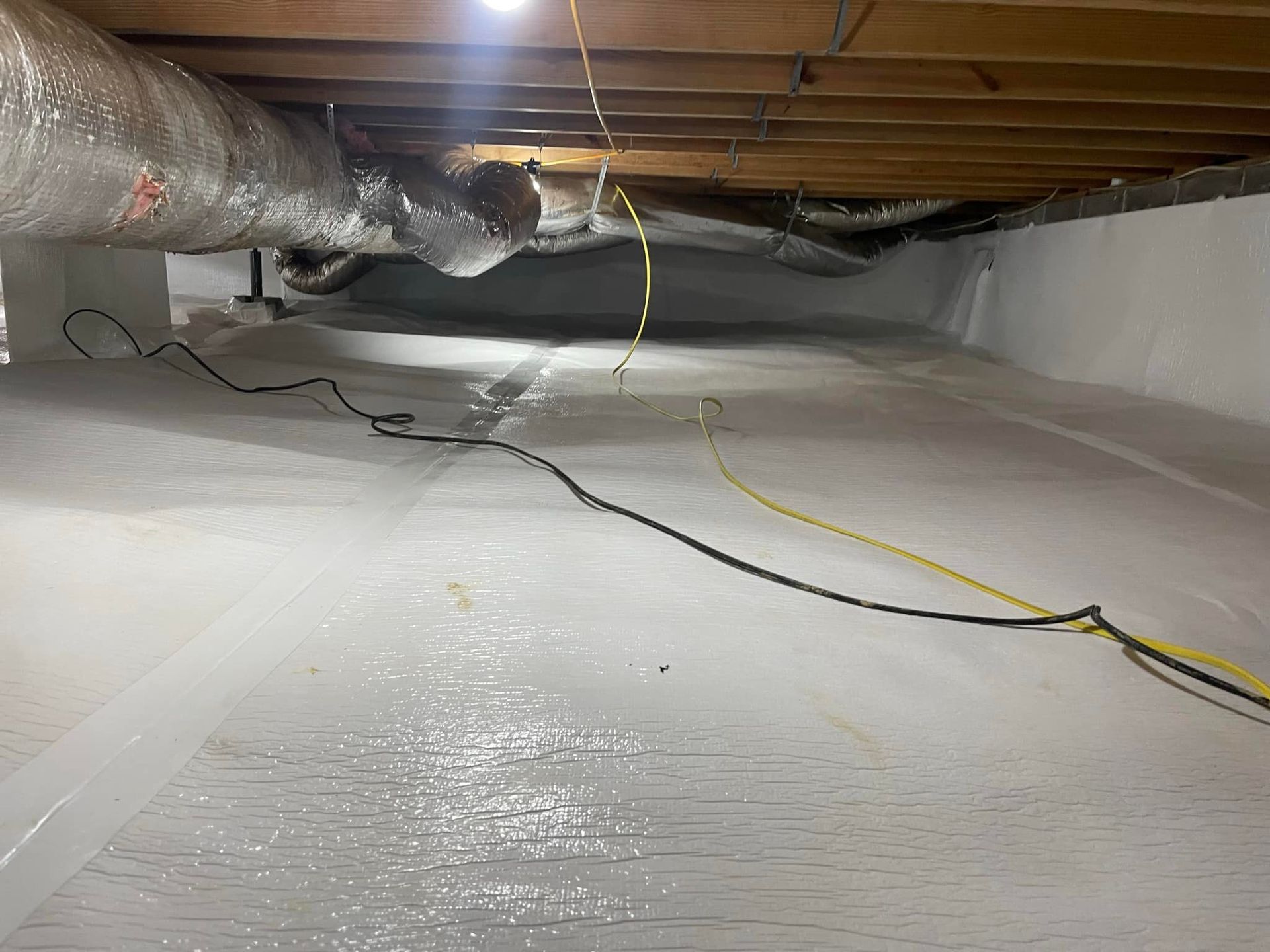
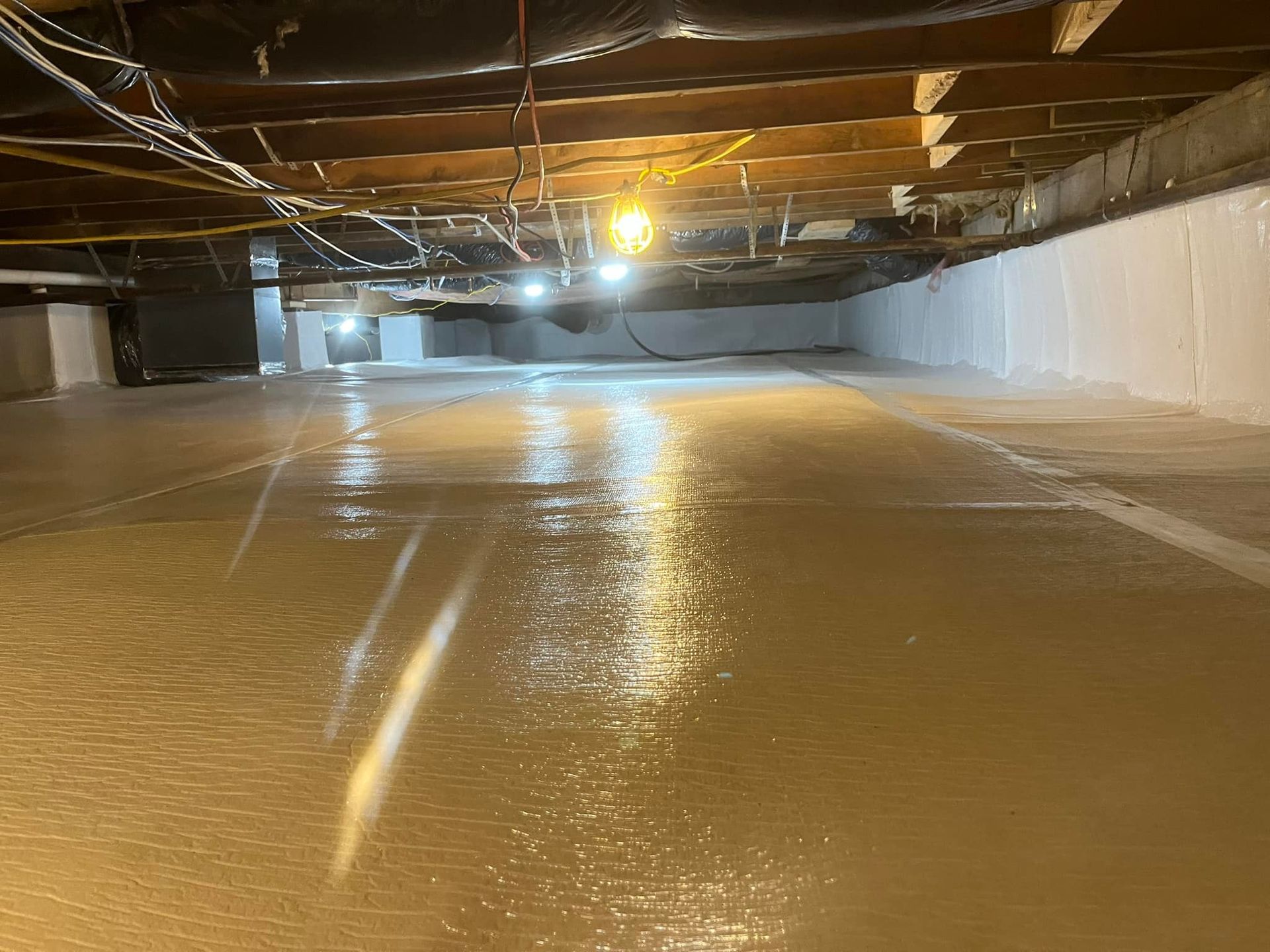
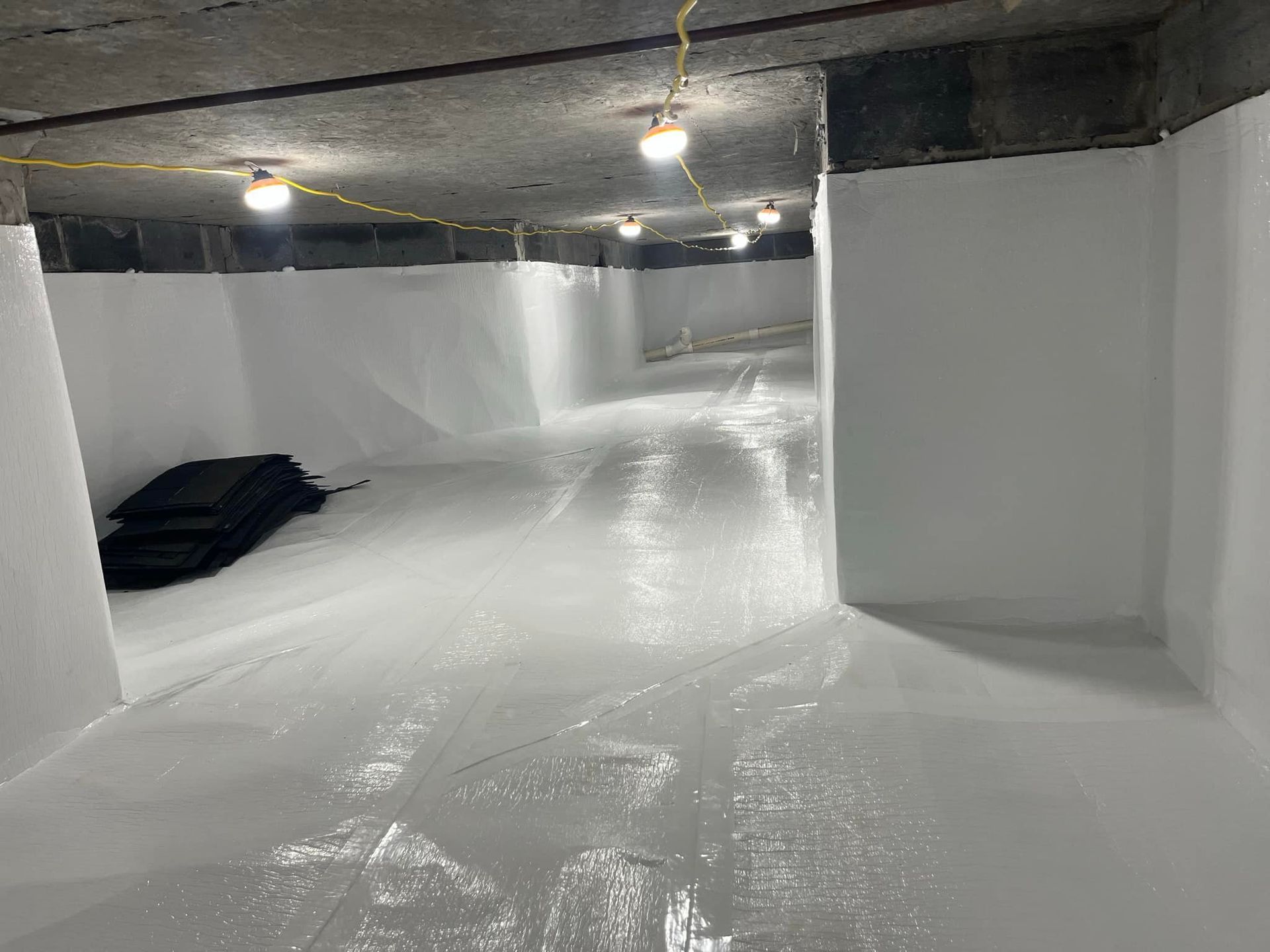
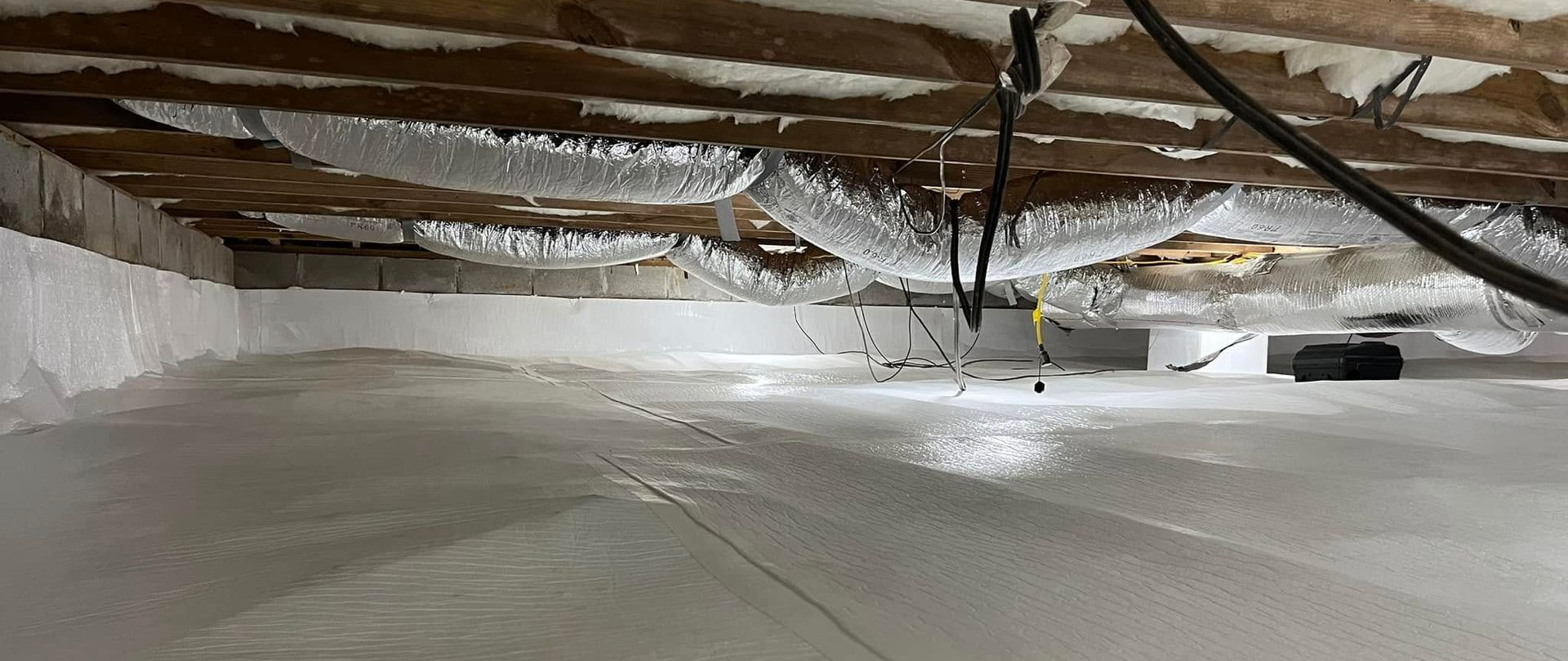
Then we're doing a proper encapsulation. Not just overlapping some plastic on the ground - we're installing a real vapor barrier that's sealed at the seams, attached to the walls, covering the whole space. That's what actually stops moisture from coming up through the ground.
After that, we're installing that E100 dehumidifier. Properly sized for the air volume, with drainage set up so it runs automatically without you having to empty buckets.
Each step matters. You can't just do one without the others. Seal the entry points so critters stay out. Remove the contaminated materials. Install a real vapor barrier. Control the humidity with correctly-sized equipment.
That's how you actually solve the problem instead of just covering it up.
Ready to Fix Your Crawl Space Moisture Problem?
If you've got a crawl space with moisture issues - or if you're just not sure what's going on down there - give us a call.
We'll come out, do a free inspection, and show you exactly what we find. I'll walk through your crawl space, take pictures, and explain what's happening and what needs to be done to fix it.
No laptop presentations. No pressure tactics. Just honest assessment and properly sized solutions.
And if you've got a tall crawl space, I'll let you know about that storage potential too. Might as well get something extra out of the deal.
Contact Forever Guard Waterproofing today for your free crawl space inspection.