Foundation Cracks in a Brand New House? Here's What Went Wrong
When Brand New Isn't Problem-Free
The Decatur Crawl Space That Needed Fixing Before Move-in
Just wrapped up a job in Decatur, about an hour south of Knoxville.
The house? Brand new. Like, just-built new.
And we were already out there fixing foundation cracks, dealing with standing water, and treating fungal growth.
That's the thing about new construction - people assume everything's perfect because it's new.
But "new" doesn't mean "done right." Sometimes it means the problems are just getting started.
This homeowner did everything right. They bought a new house.
And before they'd even finished unpacking, they were seeing issues in the crawl space.
That's not bad luck.
That's what happens when corners get cut during construction.
Let me show you what we found and what we had to do to actually fix it.
The Problems in a Brand New Crawl Space
When we first got out there, we found three main issues:
First, foundation cracks. In a brand new foundation. These weren't hairline cracks you could ignore - these needed to be stabilized.
Second, standing water. Water was pooling in the crawl space with nowhere to go. No drainage system, no sump pump, nothing to handle it.
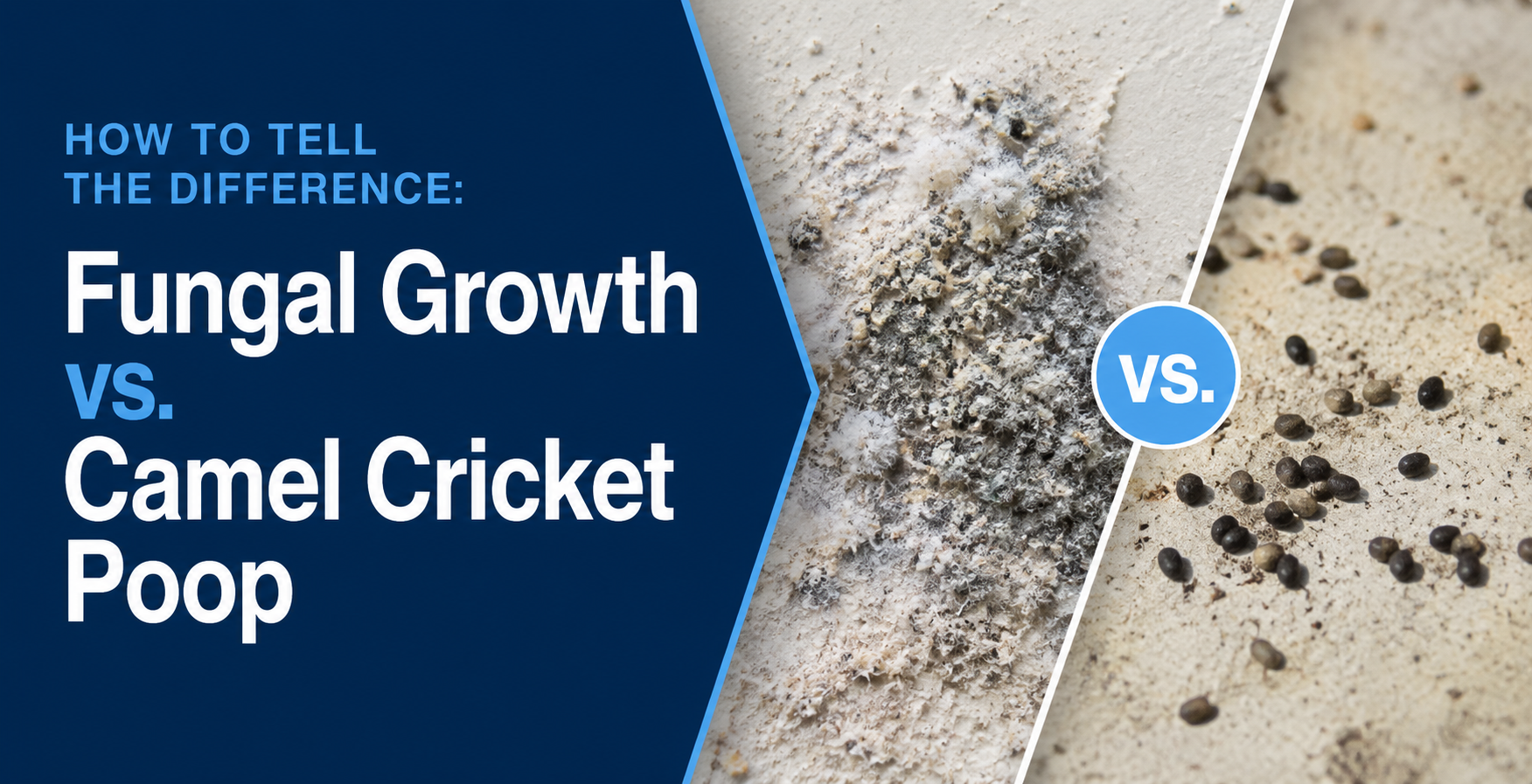
Third, fungal growth on the wood. And this is the one that surprises people the most - how does a brand new house already have fungal growth?
Here's the thing - all three of these problems are connected. The standing water creates humidity. The humidity accelerates the fungal growth. And the moisture in general can contribute to foundation movement and cracking.
It's not three separate issues. It's one moisture problem showing up in three different ways. And it all starts way before the house is even finished being built.
The Lumber Yard Issue Nobody Talks About
So how does a brand new house already have fungal growth on the lumber? Let me explain something most people don't think about.
That lumber used to build your house? It doesn't show up fresh from the sawmill the day they frame your house. It's been sitting in a lumber yard. Sometimes for weeks. Sometimes for months.
And what happens to wood sitting outside in a lumber yard? It gets rained on. It absorbs moisture. It sits there wet, dries out a little, gets rained on again.
By the time that lumber gets delivered to your job site and framed into your house, it's already been through a lot. It might look fine on the outside, but the moisture damage has already started.
Then they build your house with it, close everything up, and don't do anything to control the humidity. That wood is already compromised, and now it's sitting in a humid crawl space. Fungal growth isn't a matter of if - it's a matter of when.
Nobody wants to talk about this because it's just how the construction industry works. Lumber sits. Time is money. Nobody's waiting around for perfectly dry materials when there's a schedule to keep.
But homeowners are the ones who end up dealing with it..
The Humidity Problem from Day One
Here's another thing about new construction - the house itself is creating moisture problems from day one.
When they build a house, there's moisture everywhere. Concrete that's still curing. Fresh paint. New drywall. All of that releases moisture into the air as it dries and settles.
In a perfect world, you'd have humidity control running from the moment the house is closed up. But that's not how it works. They finish construction, hand you the keys, and whatever moisture is trapped in there just... stays there.
Add that to the compromised lumber we just talked about, and you've got a recipe for problems. High humidity in the crawl space. Condensation forming on cool surfaces. Wood that's already moisture-damaged now sitting in a humid environment.
Fungal growth can start showing up in weeks. Not years - weeks.
This Decatur house wasn't even fully moved into yet, and we were already seeing visible fungal growth on the floor joists. That's how fast it happens when conditions are right.
And those conditions? They were built into the house from day one.
The Complete Fix: What This House Actually Needed
Alright, so how do you actually fix all this? You can't just slap a band-aid on one problem and call it done. You've got to address everything.
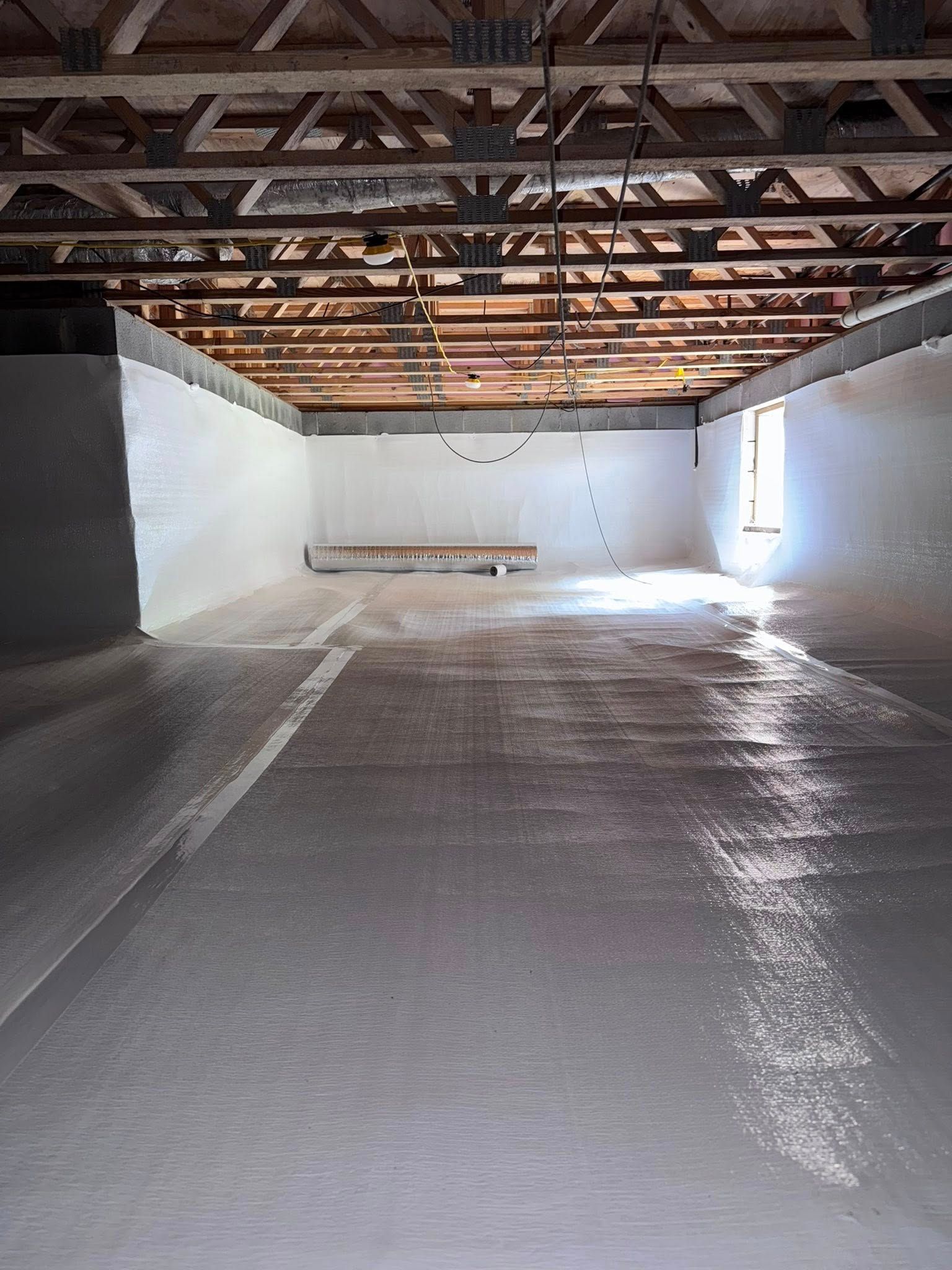
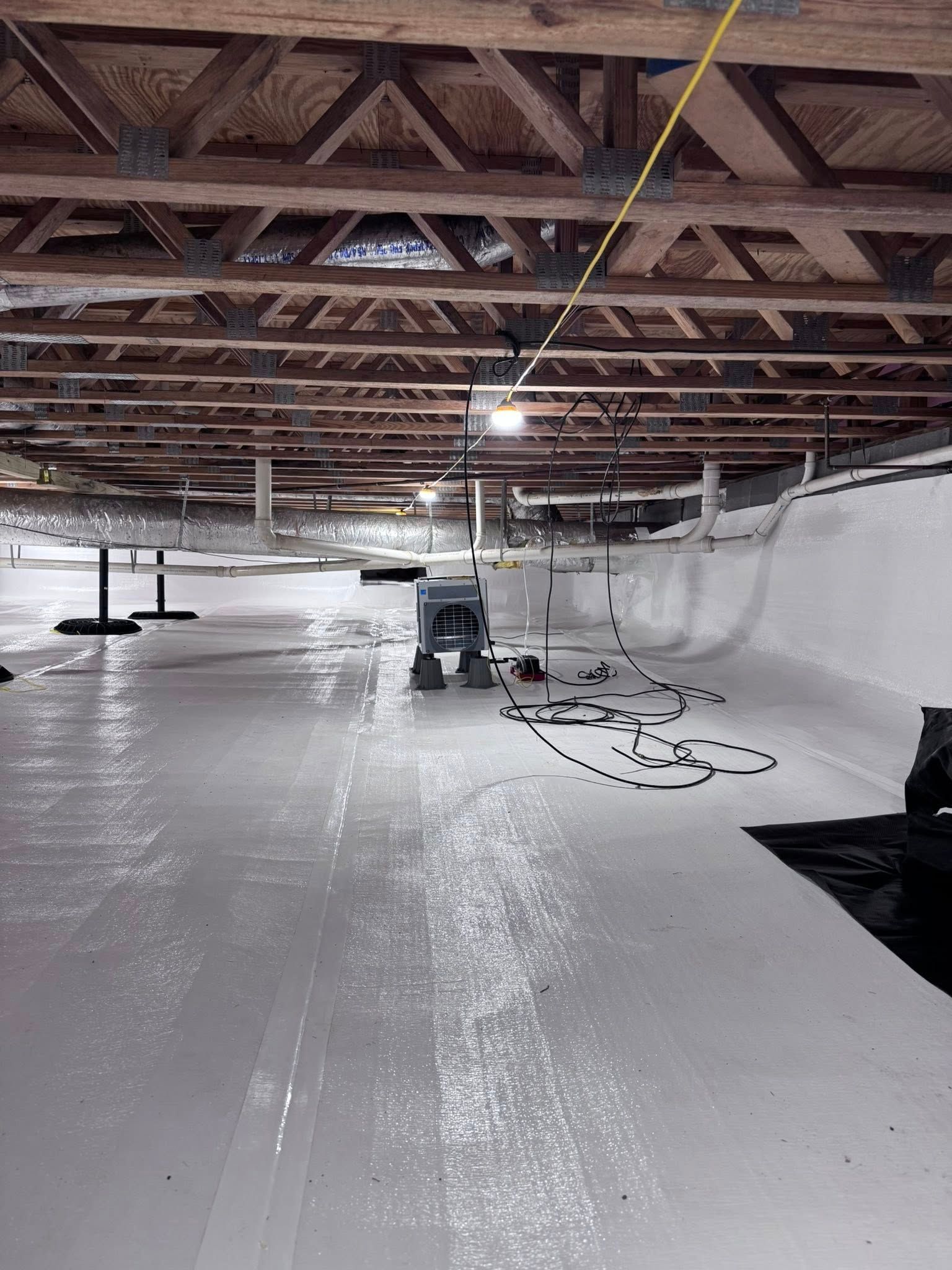
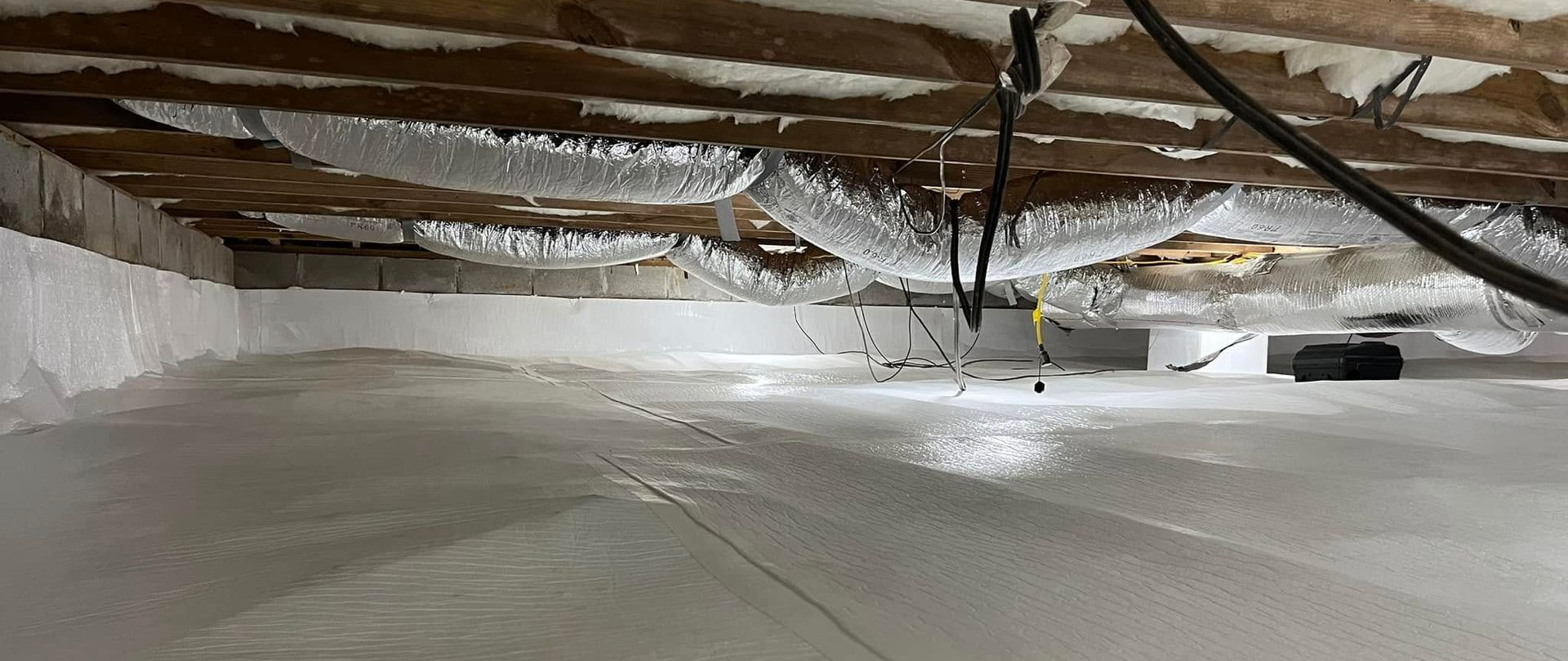
For this crawl space, we installed a complete system.
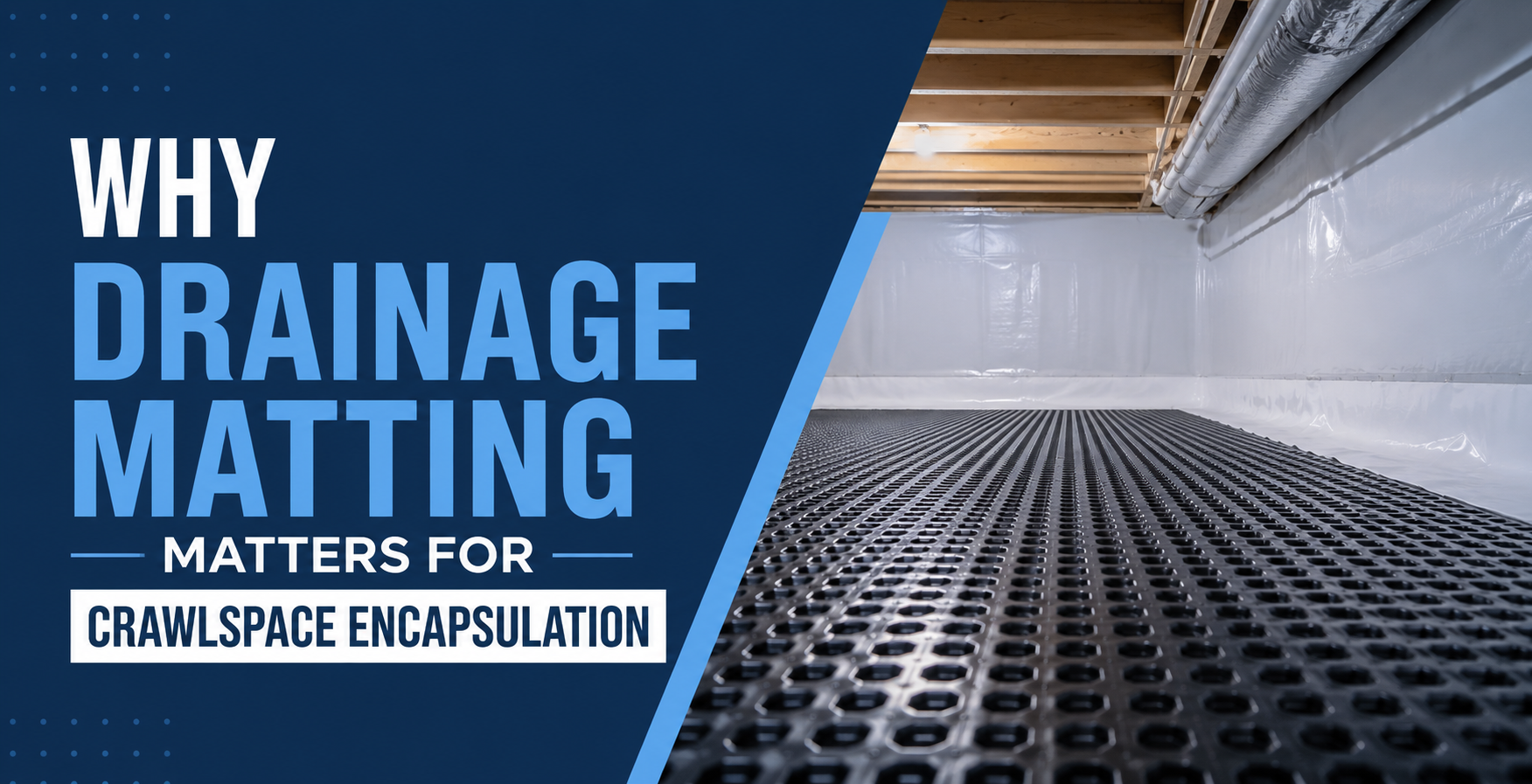
First, perimeter drainage. We put in a drainage system around the interior perimeter of the foundation to catch water as it comes in. No more standing water pooling with nowhere to go.
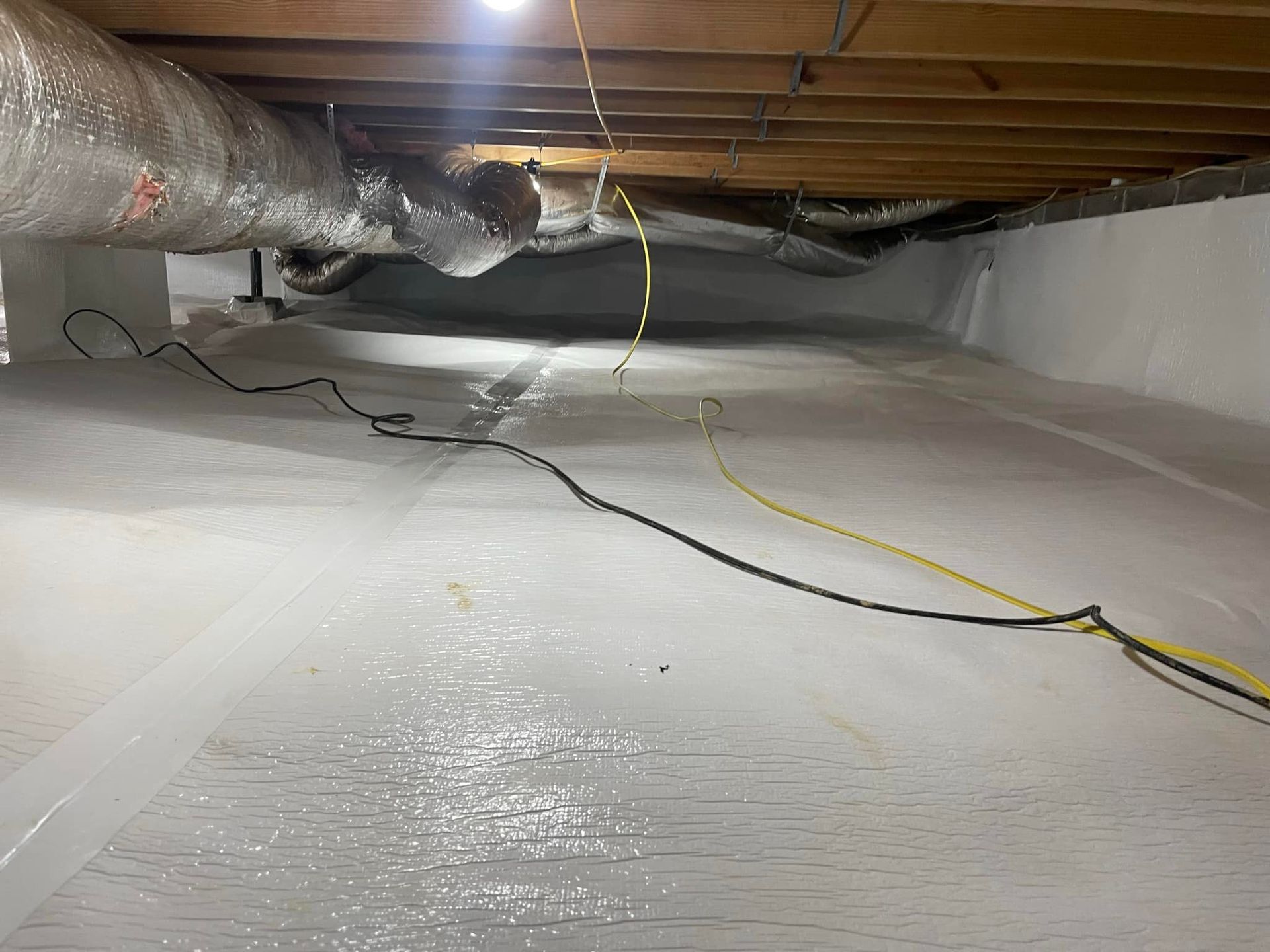
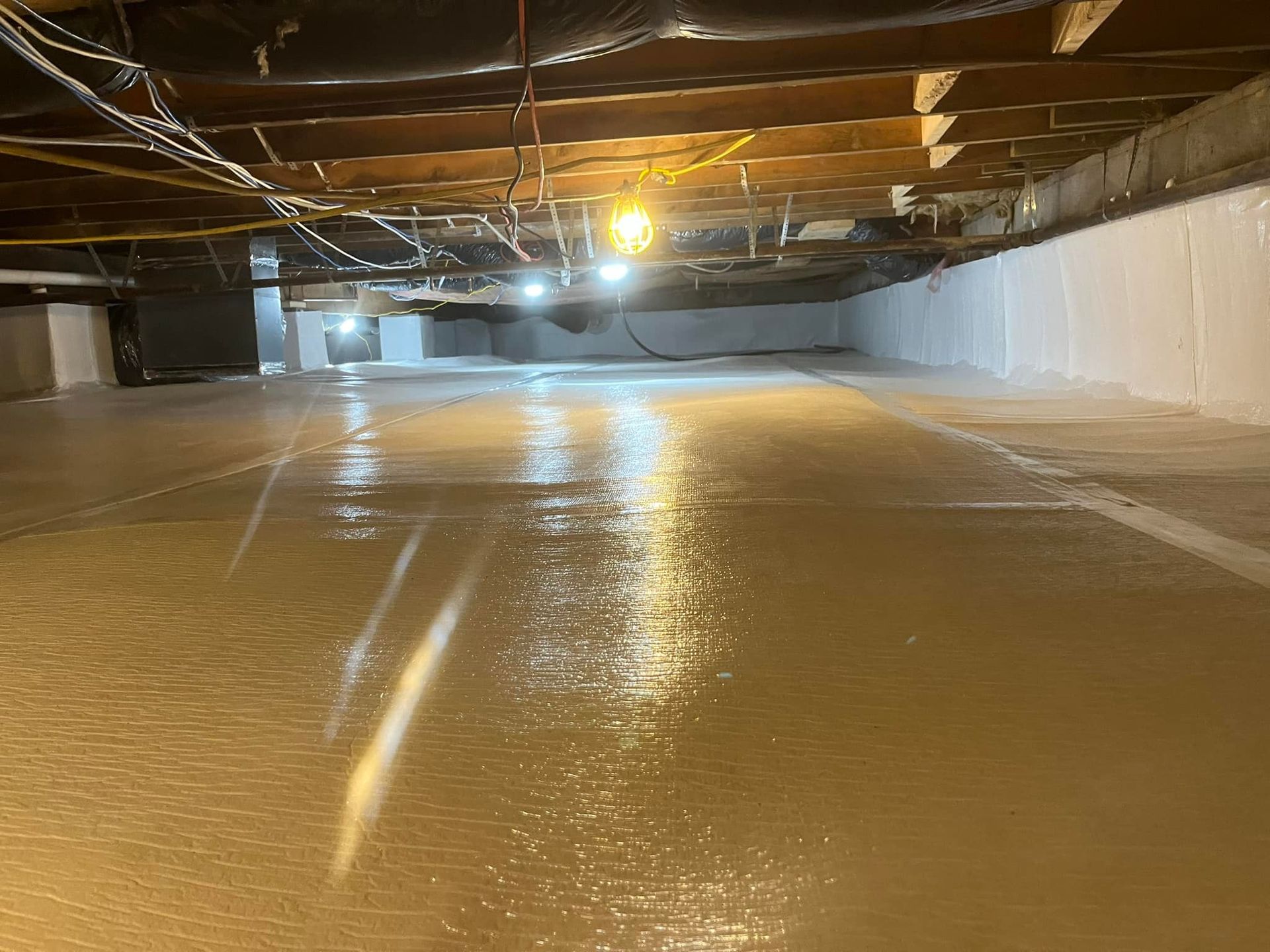
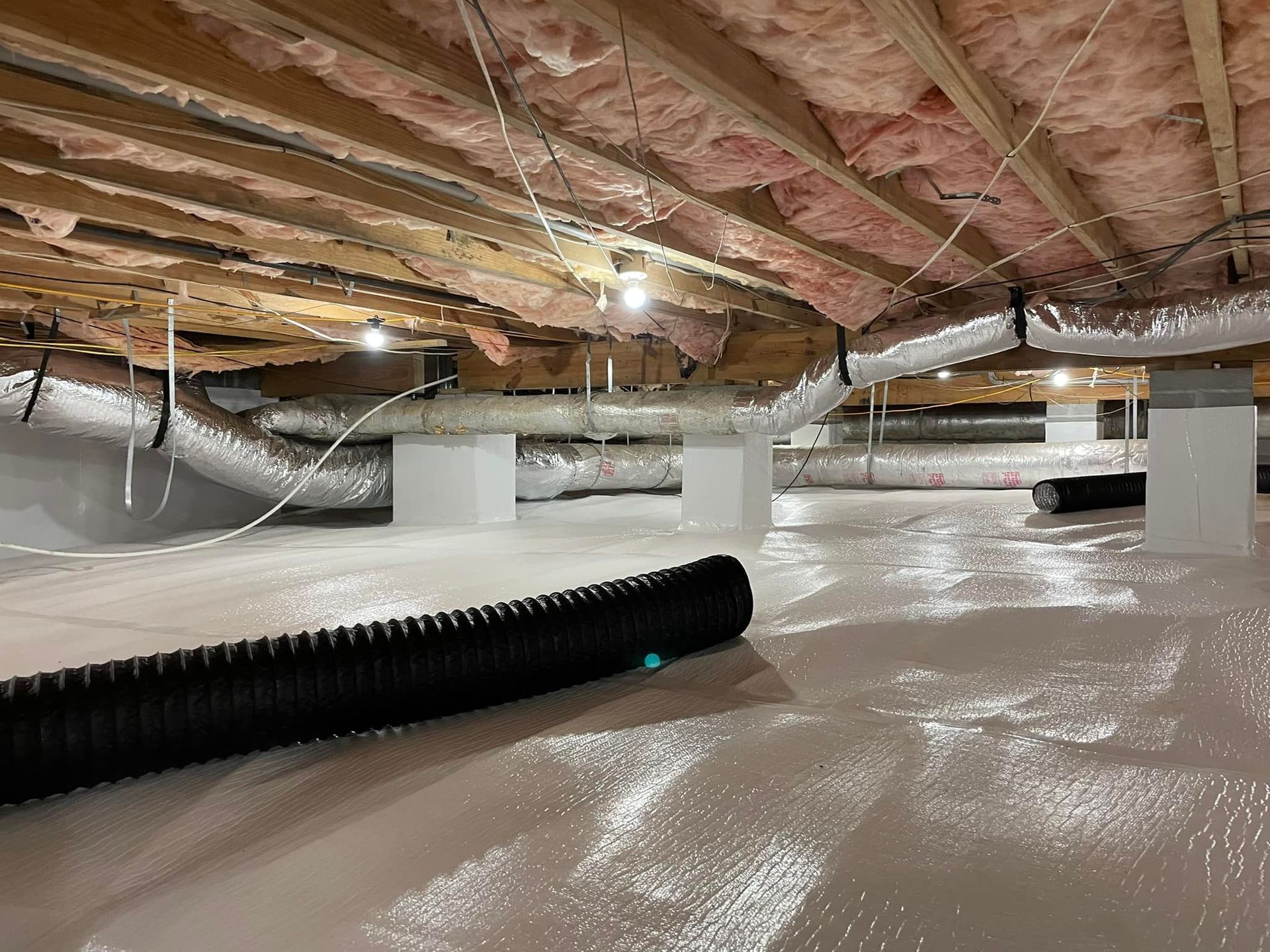
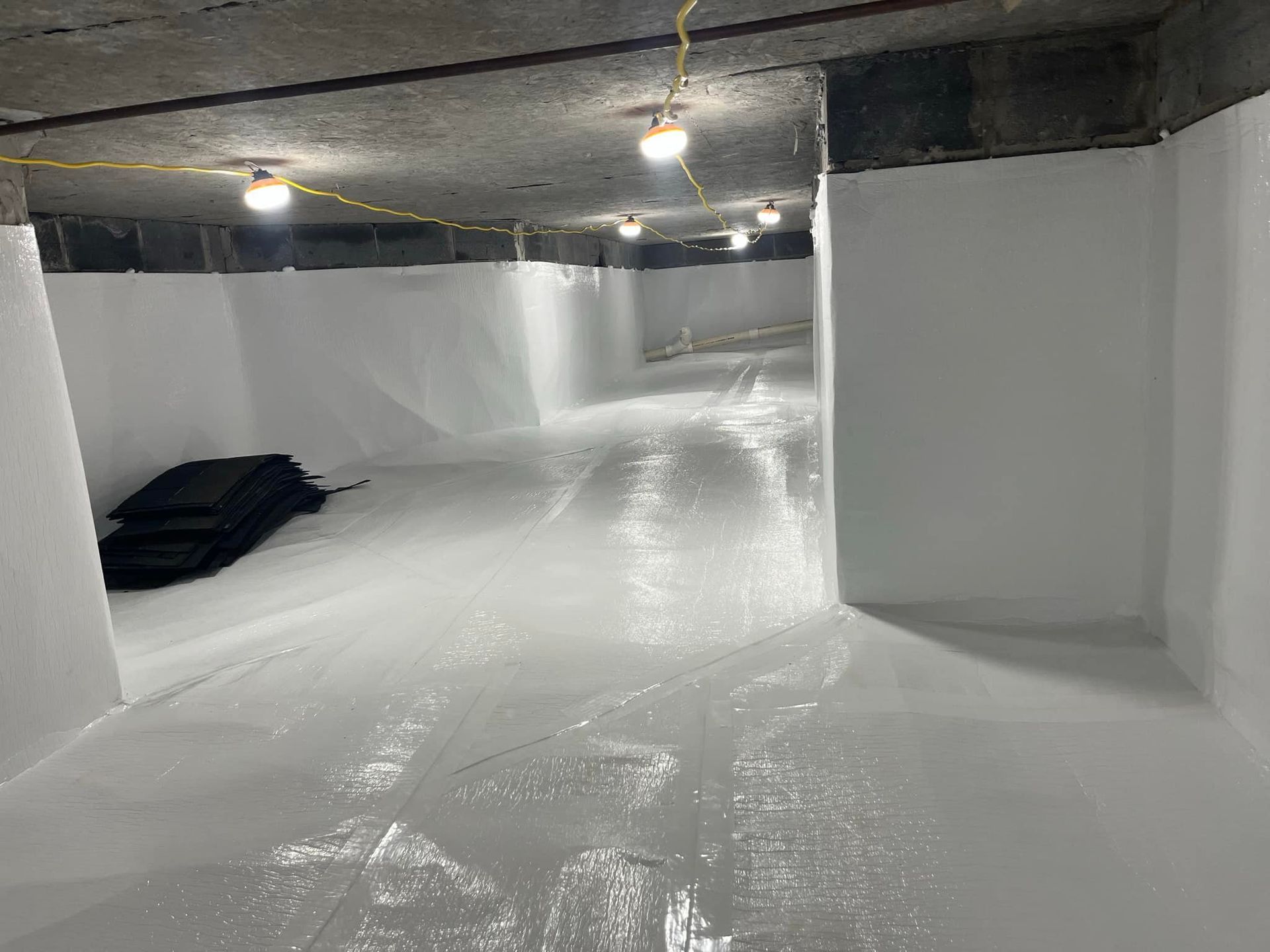
Second, full encapsulation. We covered everything with our thick vapor barrier - walls, floors, piers. This controls moisture coming up from the ground and creates a sealed environment.
Third, dehumidification. We installed a commercial-grade dehumidifier that keeps the humidity at the right level year-round. This is what actually prevents future fungal growth.
Fourth, sump pump system. All that drainage routes to a sump pump that pushes water up and away from the foundation. It's not just removing water - it's making sure it doesn't come back.
Fifth, fungal growth treatment. We treated all the existing growth on the lumber. You can't just encapsulate over a problem and pretend it's not there.
And finally, carbon fiber strapping. Those foundation cracks needed to be stabilized, which we'll talk about next.
This isn't a one-fix situation. It's a complete system working together to solve the moisture problem for good.
Ready to Get Your Crawl Space Done Right?
If you've got a new house with crawl space issues - or you're just not sure if everything's okay down there - give us a call.
We'll come out, do a free inspection, and show you exactly what we find. No assumptions, no dismissing problems as "normal settling," just an honest look at what's actually going on.
New construction problems don't fix themselves. And your builder's warranty probably won't cover crawl space moisture issues. But we can.
Reach out today and let's get your crawl space properly taken care of - the way it should've been done from the start.
Contact Forever Guard Waterproofing for your free crawl space inspection.