Brand New House with Foundation Cracks? Here's What Went Wrong
When New Construction Goes Wrong
Why Your Brand New Home Already Needs Foundation Repairs
I'm out here in Decatur finishing up work on a crawl space, and honestly, this job bothers me more than most.
This house is brand new.
Less than a year old.
And we're already installing carbon fiber to stabilize foundation cracks and treating fungal growth that's taken over the crawl space.
Think about that - these homeowners bought a brand new house, and before they've even lived here a year, they're dealing with foundation repairs and mold problems.
That's not normal wear and tear.
That's someone cutting corners during construction.
But here's what I want you to understand - if you're buying new construction, "new" doesn't automatically mean "built right."
This crawl space is proof of that.
What We Found in This Brand New Home
The foundation cracks were bad enough that we had to use carbon fiber reinforcement. That's not a small fix - that's structural stabilization for cracks that developed because of settlement.
There was standing water in the crawl space. Enough water to cause that foundation to settle and crack. In a brand new house, water shouldn't be pooling anywhere near your foundation.
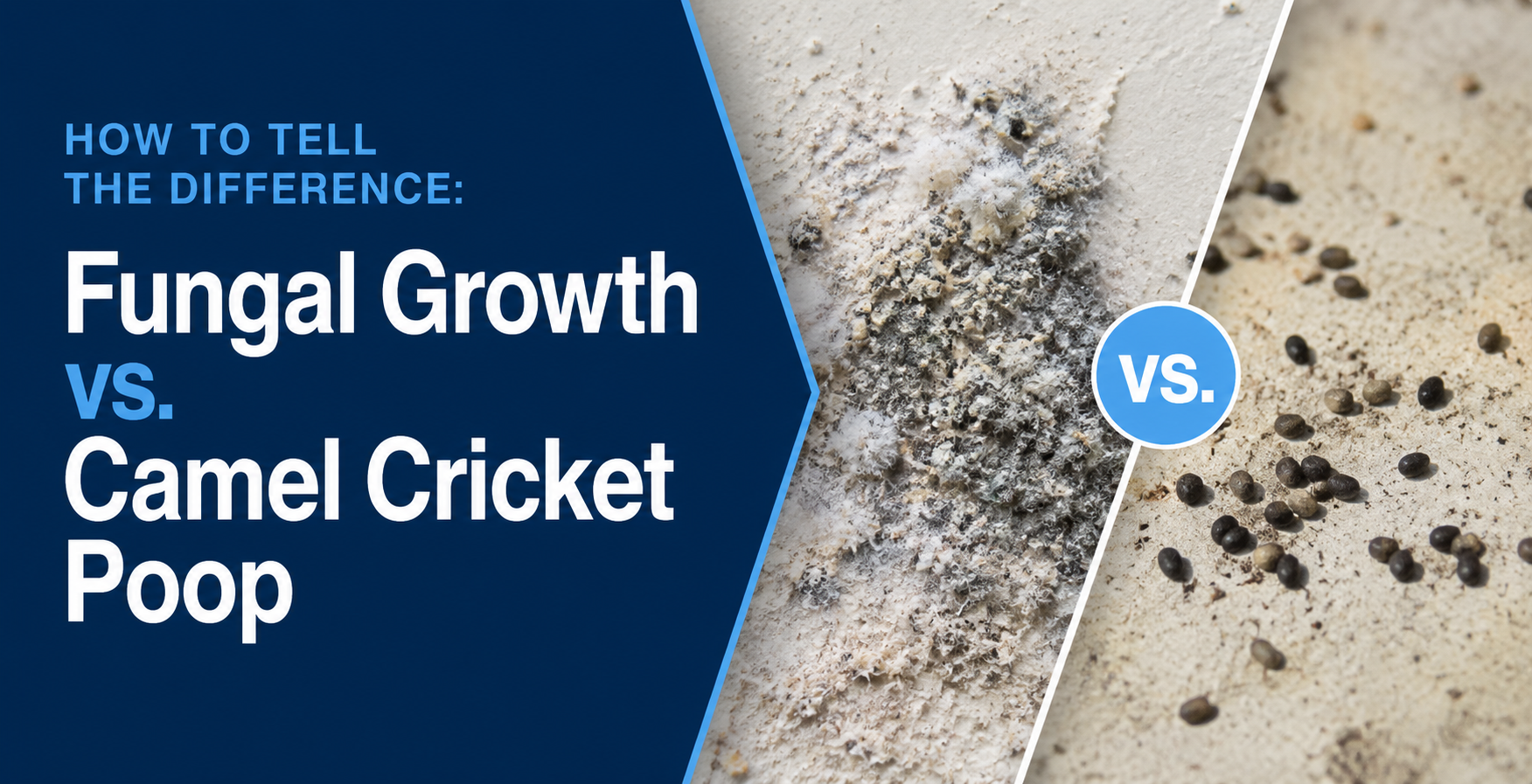
And the fungal growth - it was all over the subfloor and joists. The moisture levels were so high that fungus had already taken hold before these homeowners probably even knew there was a crawl space problem.
All of this damage happened in less than a year. That's how fast things go wrong when the crawl space isn't handled correctly from the start.
The Real Cause: Water Problems from Day One
So what actually caused all this damage in such a short time? Water.
When water gets into your crawl space and has nowhere to go, it sits against your foundation. That constant moisture softens the soil under your footer. The footer settles. When the footer settles unevenly, you get cracks in your foundation walls.
In this Decatur house, the drainage wasn't installed properly during construction. Maybe it wasn't installed at all. Either way, water was coming in with no way to get out.
That's why we're now installing a perimeter drainage system - something that should've been there from day one. We're catching that water as it comes in and routing it to a sump pump that pushes it out and away from the house.
The foundation cracks didn't just appear randomly. They're a direct result of water intrusion that started the moment this house was built.
Why Fungal Growth Shows Up So Fast
Here's the thing about fungus - it doesn't need much time. It just needs the right conditions. High humidity, organic material (like wood), and warmth. Your crawl space has all three.
When there's standing water and no moisture control, the relative humidity shoots up. In this crawl space, it was high enough that fungal growth spread across the subfloor before anyone noticed there was a problem.
We can treat that fungus - and we did. We killed everything that was growing. But if you just treat it and walk away, it's coming back. Fungus doesn't die permanently unless you fix the conditions that let it grow in the first place.
That's why we installed dehumidification. We're keeping the relative humidity at the right level so fungus can't come back. And remember - about 50% of the air you breathe upstairs comes from your crawl space. If your crawl space has fungal growth, that's affecting your indoor air quality.
How We Fixed It the Right Way
Alright, so here's what actually needed to happen to fix this crawl space properly.
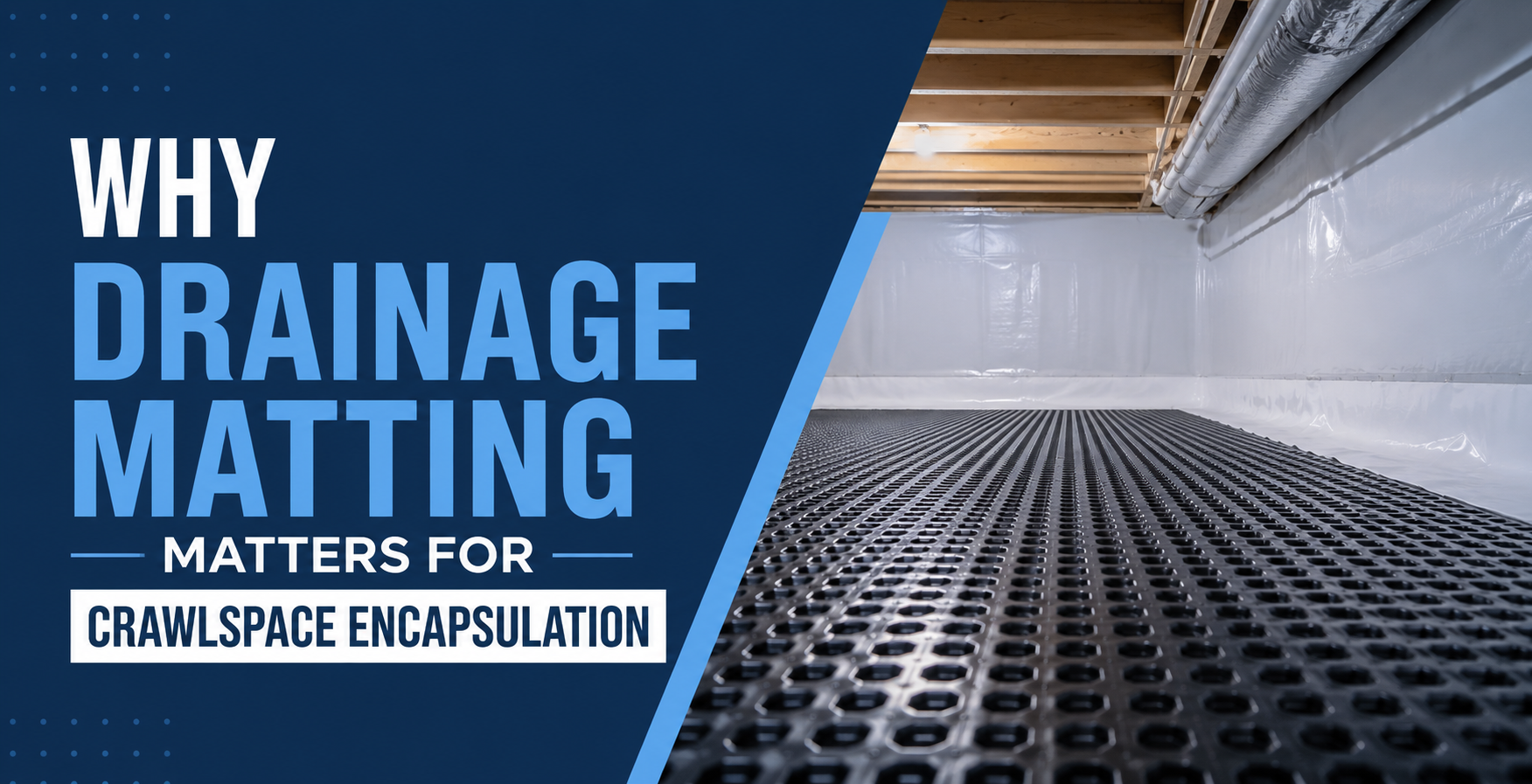
First, we installed perimeter drainage around the entire crawl space. This catches water as it comes in, before it has a chance to pool. That drainage routes to a sump pump at the lowest point in the crawl space. The sump pump pushes the water up and out, away from the foundation.
Next, the foundation cracks. We used carbon fiber reinforcement - basically high-strength fabric embedded in epoxy that stabilizes the cracks and prevents them from getting worse. We had to wait for the right weather to finish this because epoxy needs proper conditions to cure.
Then we treated all the existing fungal growth on the subfloor and joists. Killed everything that was there.
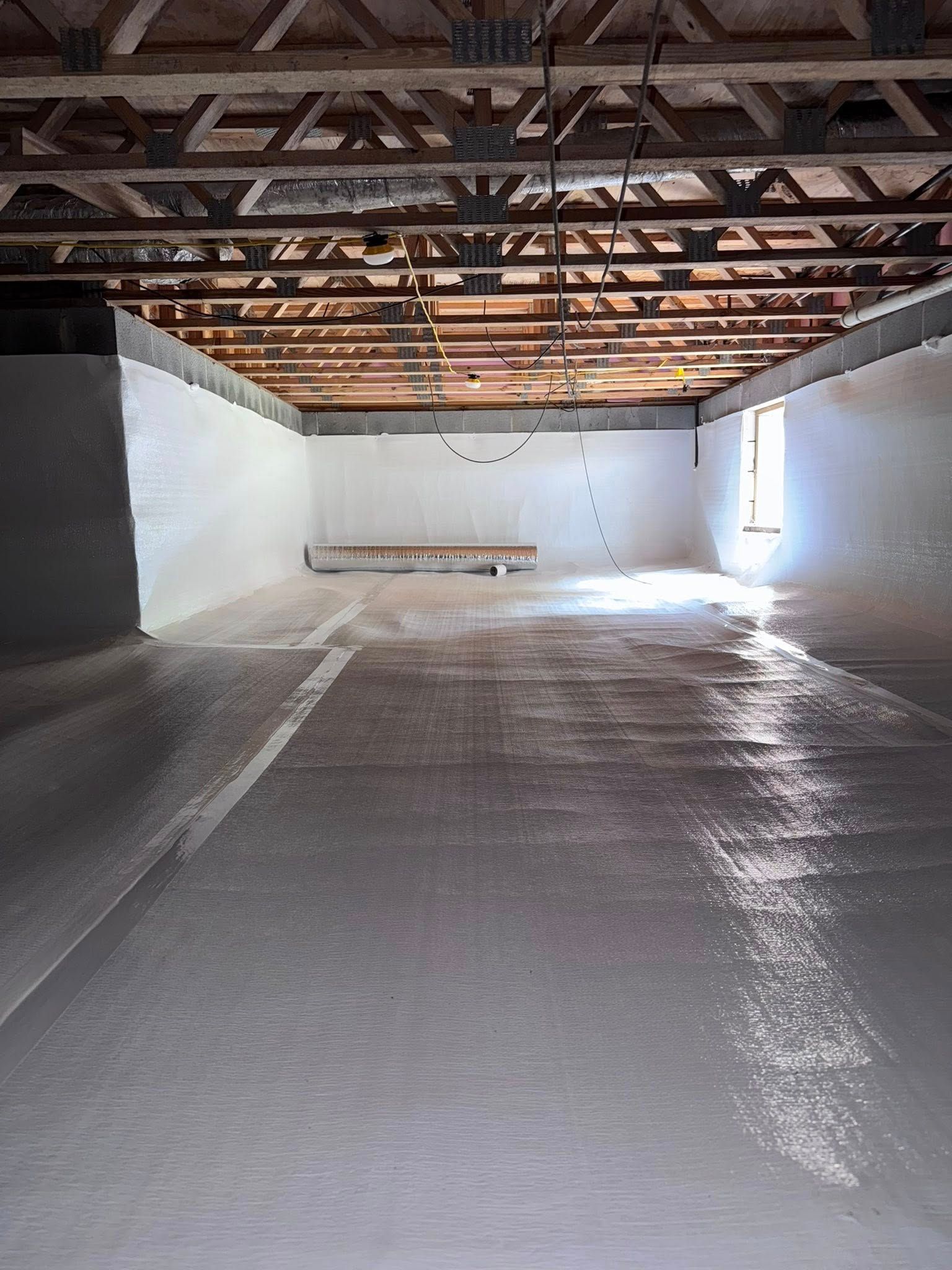
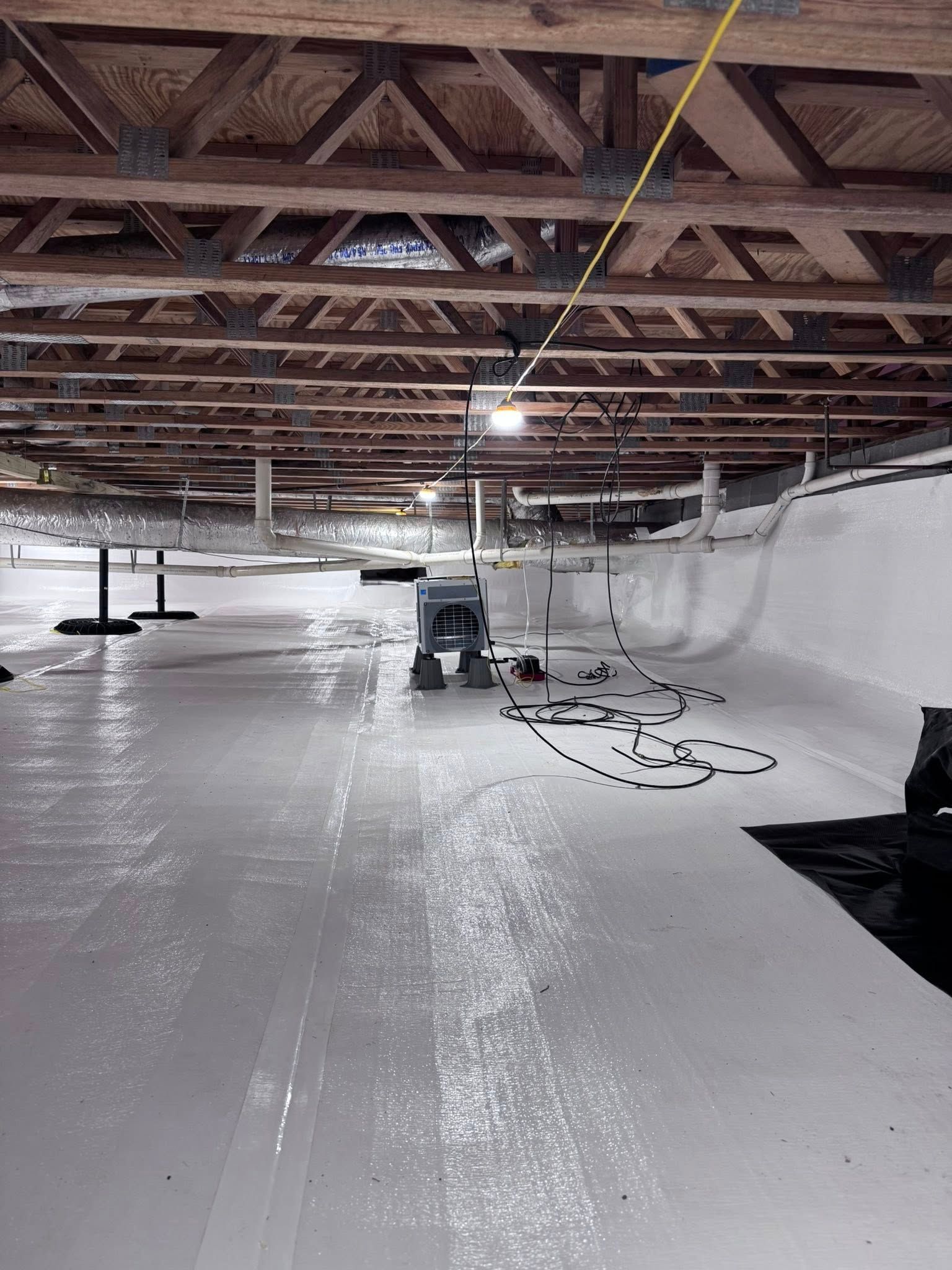
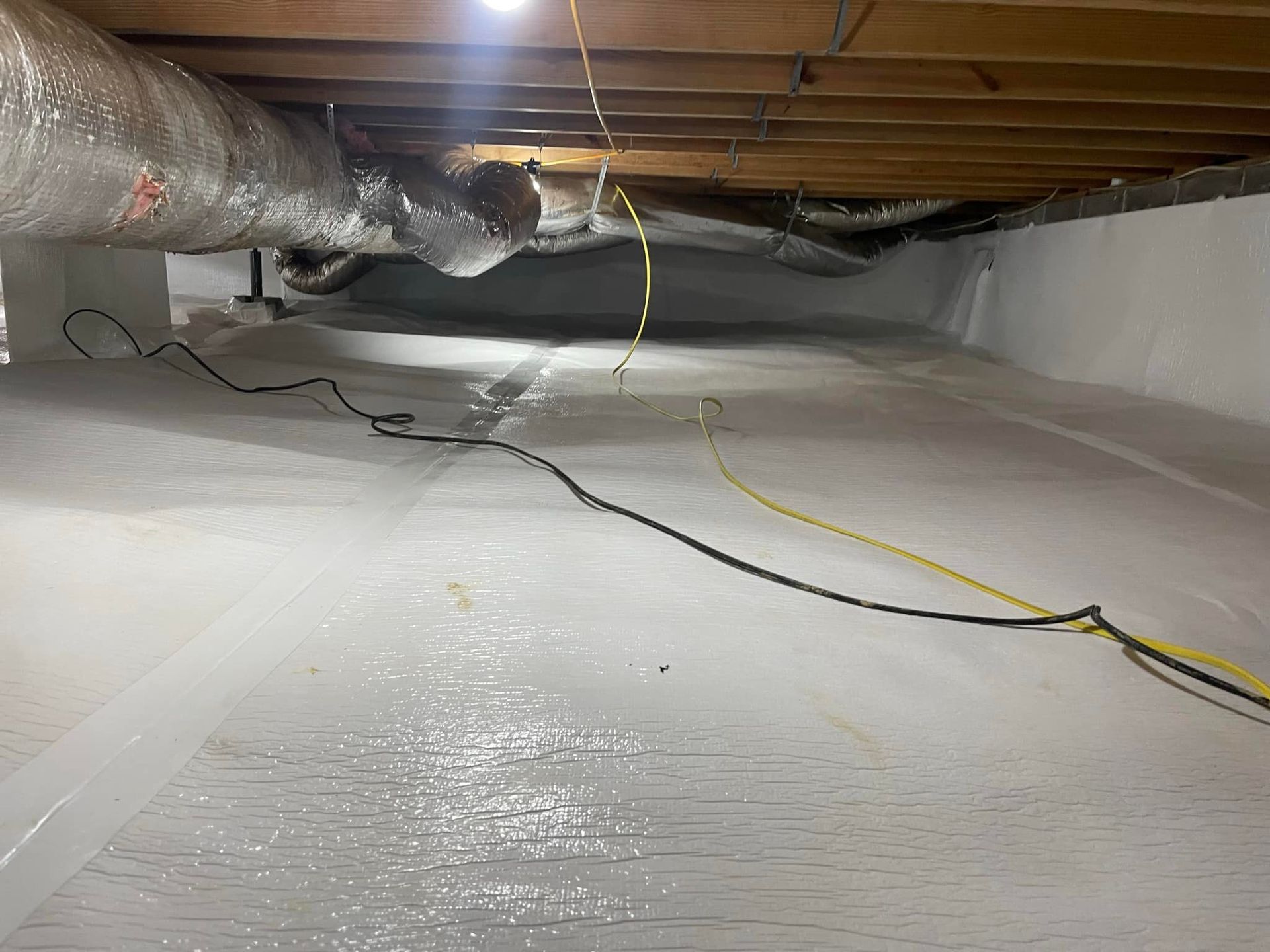
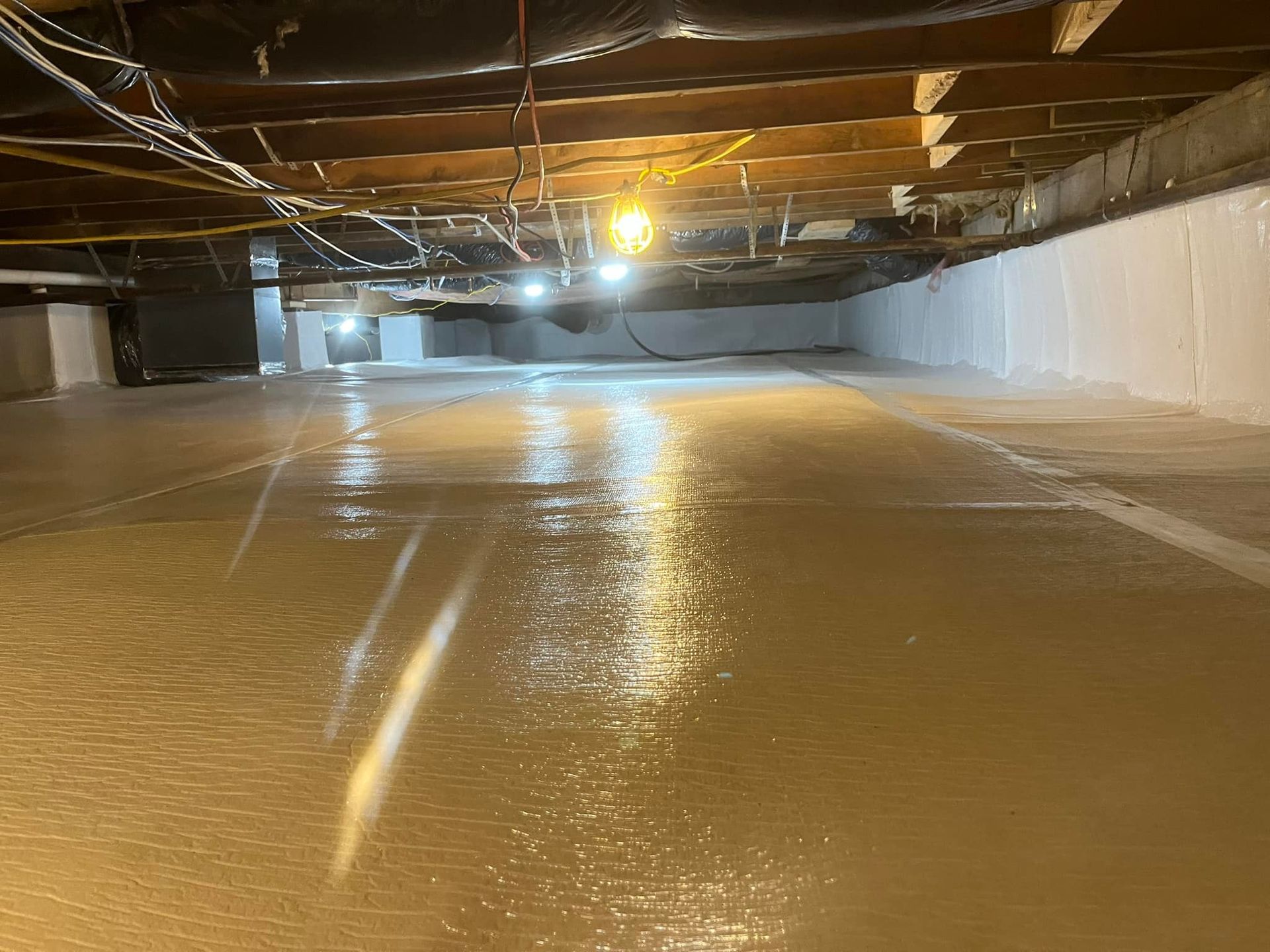
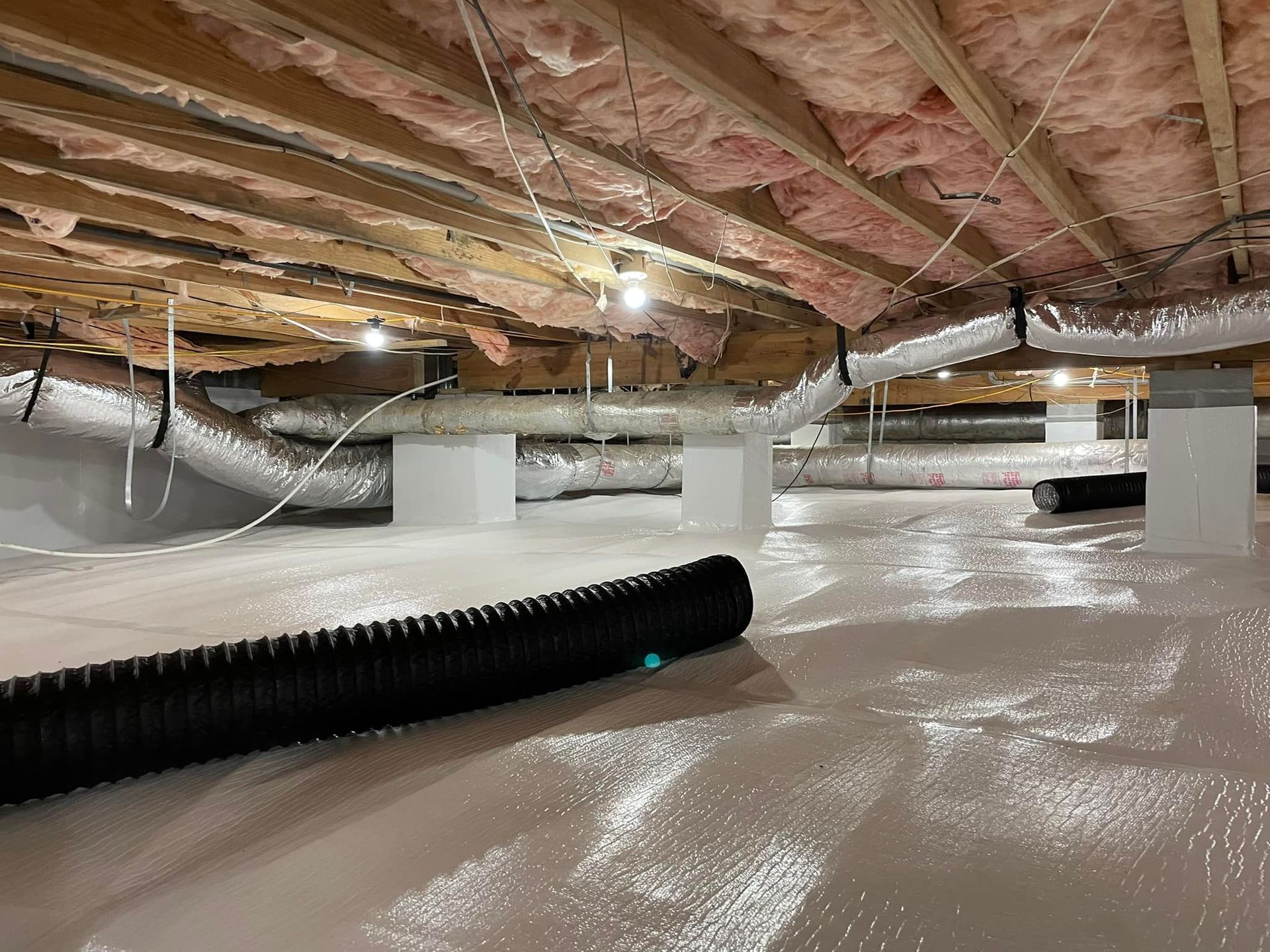
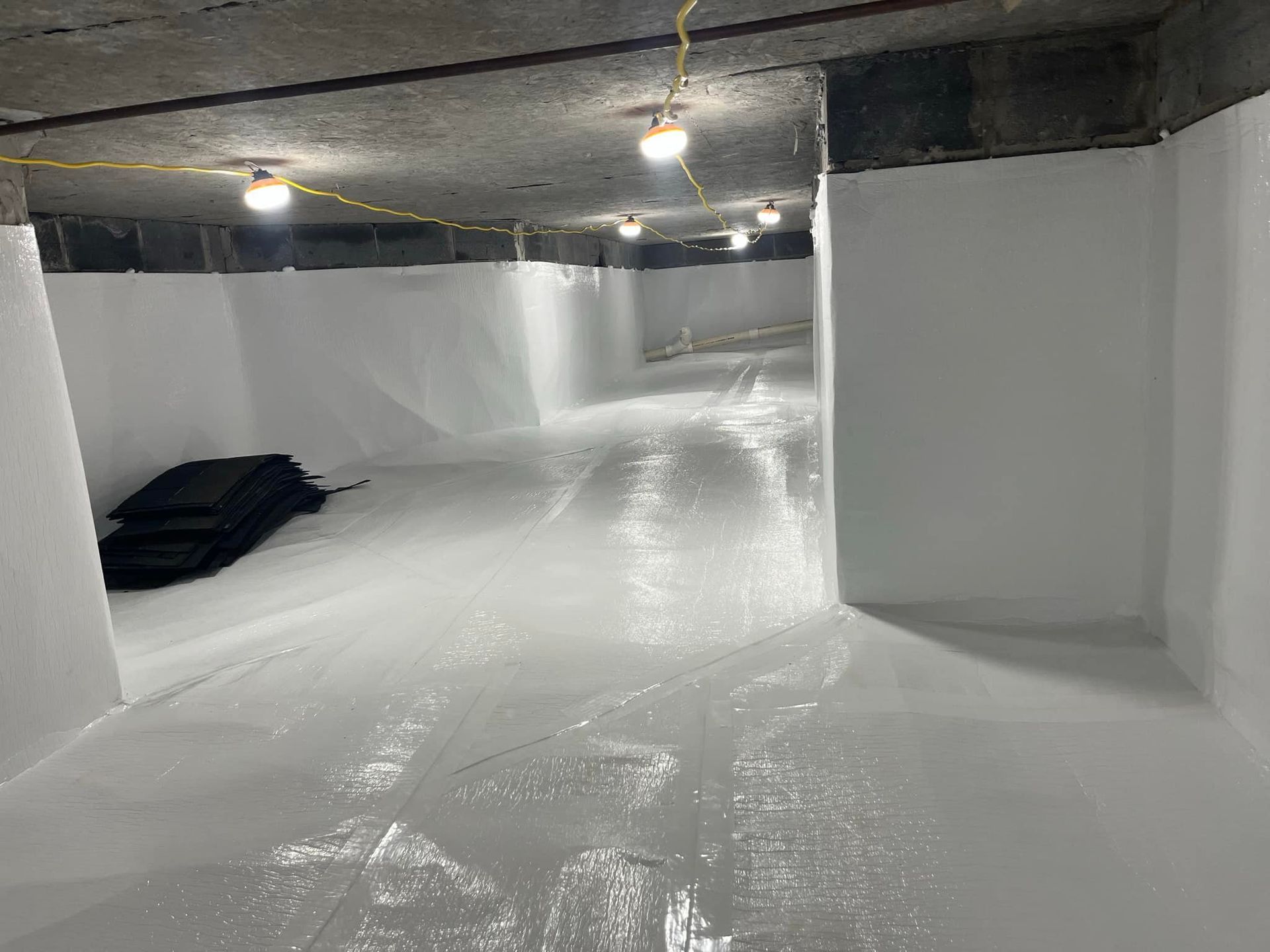
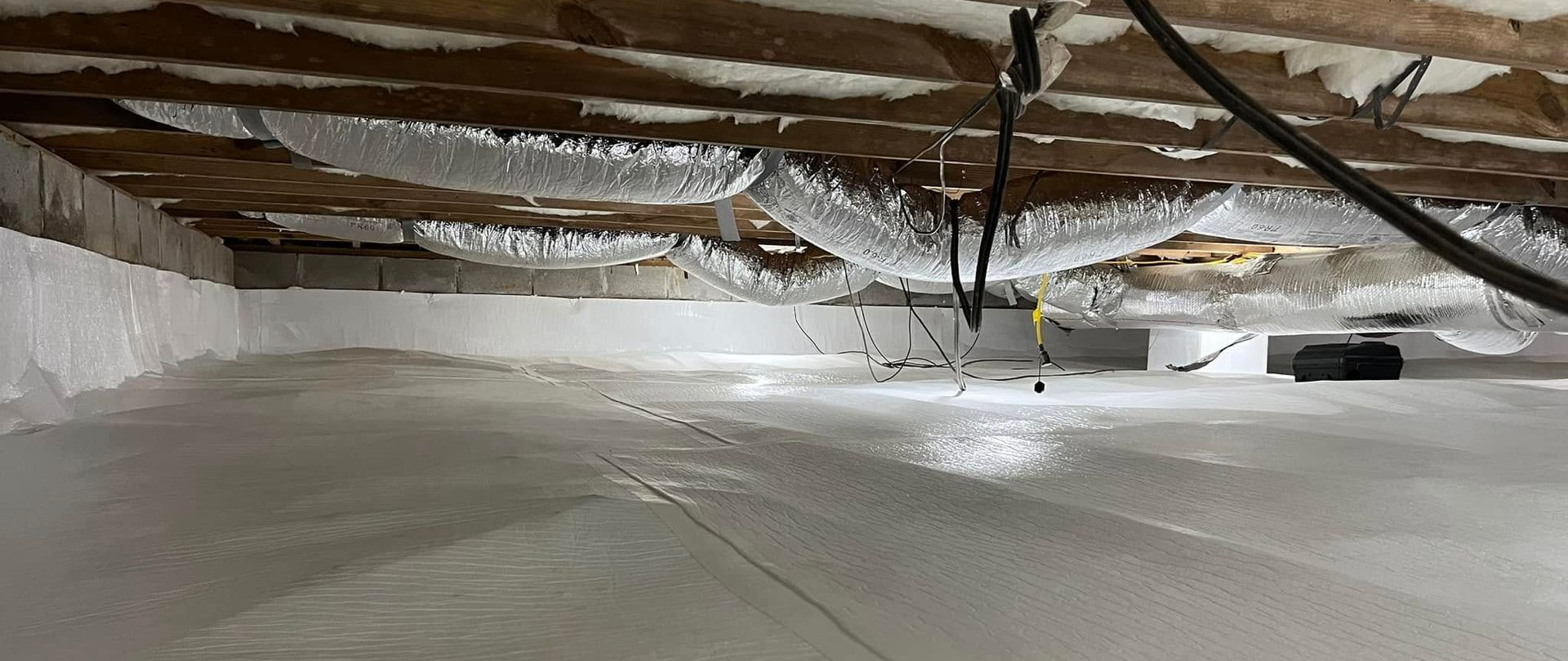
After that, full encapsulation. We covered the entire crawl space - floors, walls, everything - with a thick vapor barrier. This creates a sealed environment where moisture can't get in from the ground.
Finally, dehumidification. We installed a system that actively controls the humidity level year-round. This is what prevents that fungal growth from ever coming back.
Now they've got a clean, dry crawl space with tons of room for storage. The way a brand new house should be from the start.
Ready to Inspect Your New Construction?
If you've bought a new house in the last few years and you're not sure what's going on in your crawl space, let's take a look.
We'll come out, do a free inspection, and show you exactly what you're working with. No pressure, no sales pitch - just an honest assessment from someone who's seen hundreds of crawl spaces and knows what to look for.
Even if your house is only a year or two old, it's worth checking. Problems don't wait, and catching them early means fixing them before they turn into foundation repairs and mold remediation.
You can reach out to me directly - I'm the owner, and I'll probably be the one doing your inspection. We'll get you scheduled within a week and show you what's really going on under your house.
New construction should mean peace of mind. If it doesn't, let's figure out why and get it fixed the right way.
Contact Forever Guard Waterproofing today for your free crawl space inspection.