The Fire Hazard Hiding in Plain Sight: Dryer Vent
What a Crawl Space Inspector Found That Could Save Your Home
A simple observation during a routine inspection reveals a common safety risk most homeowners miss
I was out in Maryville yesterday doing a crawl space inspection.
Before I even opened the crawl space door, I do what I always do - walk the perimeter of the house to check drainage, grading, and how water moves around the foundation.
That's when I spotted something that had nothing to do with the crawl space but everything to do with safety.
The dryer vent was dumping lint all over the ground outside.
Not just a little bit - enough to tell me there's a serious buildup inside that vent line.
This isn't part of a standard crawl space inspection, but it's the kind of thing you can't ignore when you see it.
Because what I was looking at is one of the leading causes of house fires in America.
Why Dryer Vents Become Fire Hazards
Here's what most people don't realize: cleaning your lint filter after every load isn't enough. Lint still makes its way past that filter and builds up inside your dryer vent line over time.
That lint is extremely flammable. Add heat from your dryer, restricted airflow from the blockage, and you've got the perfect conditions for a fire to start. According to fire safety experts, thousands of dryer fires happen every year - and most could have been prevented with simple maintenance.
The problem is, you can't see what's building up inside that vent. By the time lint starts showing up outside like I saw in Maryville, there's already a significant blockage that needs immediate attention.
Warning Signs You Can See Right Now
You don't need to be a professional inspector to spot dryer vent problems. Here's what to watch for:
Your clothes are taking two or three cycles to dry completely. That's your dryer telling you it can't exhaust air properly.
The laundry room feels unusually hot when the dryer's running. That heat should be venting outside, not back into your home.
You see lint accumulating around the exterior vent opening. Like what I found in Maryville, this means there's buildup inside the line.
Your dryer feels hot to the touch on the outside. This isn't normal and points to restricted airflow.
You smell something burning when the dryer runs. This is the most serious warning sign - turn off your dryer and call a professional immediately.
What's Really Happening Inside Your Vent
Think about how much lint you pull off your dryer filter after every load. Now imagine years of that same lint building up inside a vent line you can't see or reach.
That's exactly what happens. Even with regular filter cleaning, small fibers make their way through and stick to the inside of your vent ductwork. Over time, this creates a thick layer that restricts airflow more and more.
The restricted airflow makes your dryer work harder and run hotter. It takes longer to dry your clothes, which means even more heat building up in a vent line packed with flammable material.
It's not a question of if this will become dangerous - it's when.
Simple Steps to Protect Your Home
The good news is dryer vent fires are completely preventable. Here's what you need to do:
Get your dryer vent professionally cleaned at least once a year. If you do a lot of laundry or have a long vent run, do it twice a year.
Professional cleaning involves specialized tools that remove all the lint buildup from your vent line. It usually takes less than an hour and costs a fraction of what you'd pay for fire damage.
Between professional cleanings, check your exterior vent regularly. Make sure the flapper opens when the dryer runs and closes when it's off. Clear away any visible lint or debris.
Clean your lint filter after every single load. No exceptions.
If you notice any of the warning signs I mentioned, don't wait for your annual cleaning - call someone right away.
Beyond the Dryer: The Whole-House Approach
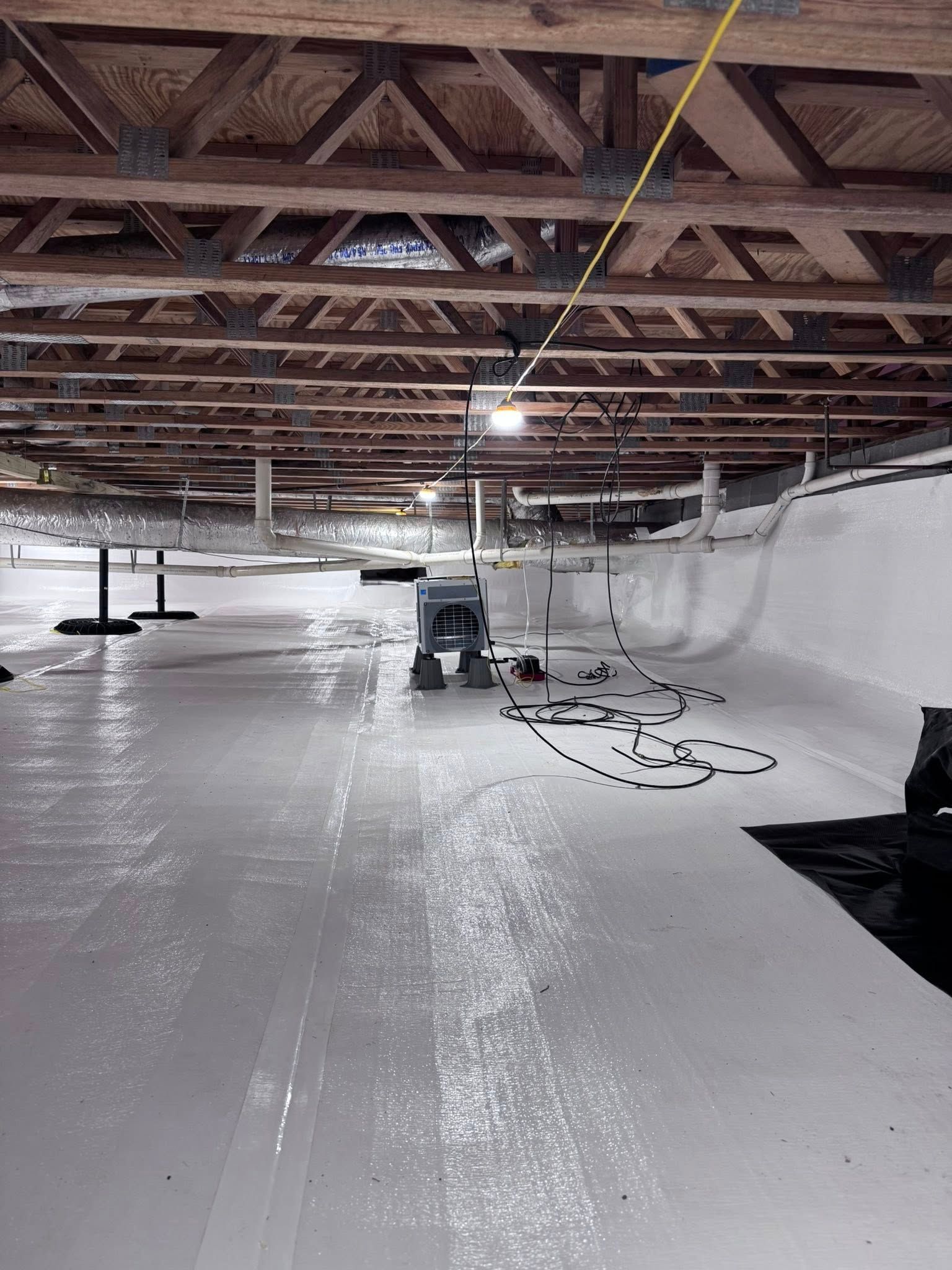
When I walked around that house in Maryville, I wasn't looking for dryer vent problems. I was checking drainage and foundation grading. But that's the thing about thorough inspections - you notice what needs attention.
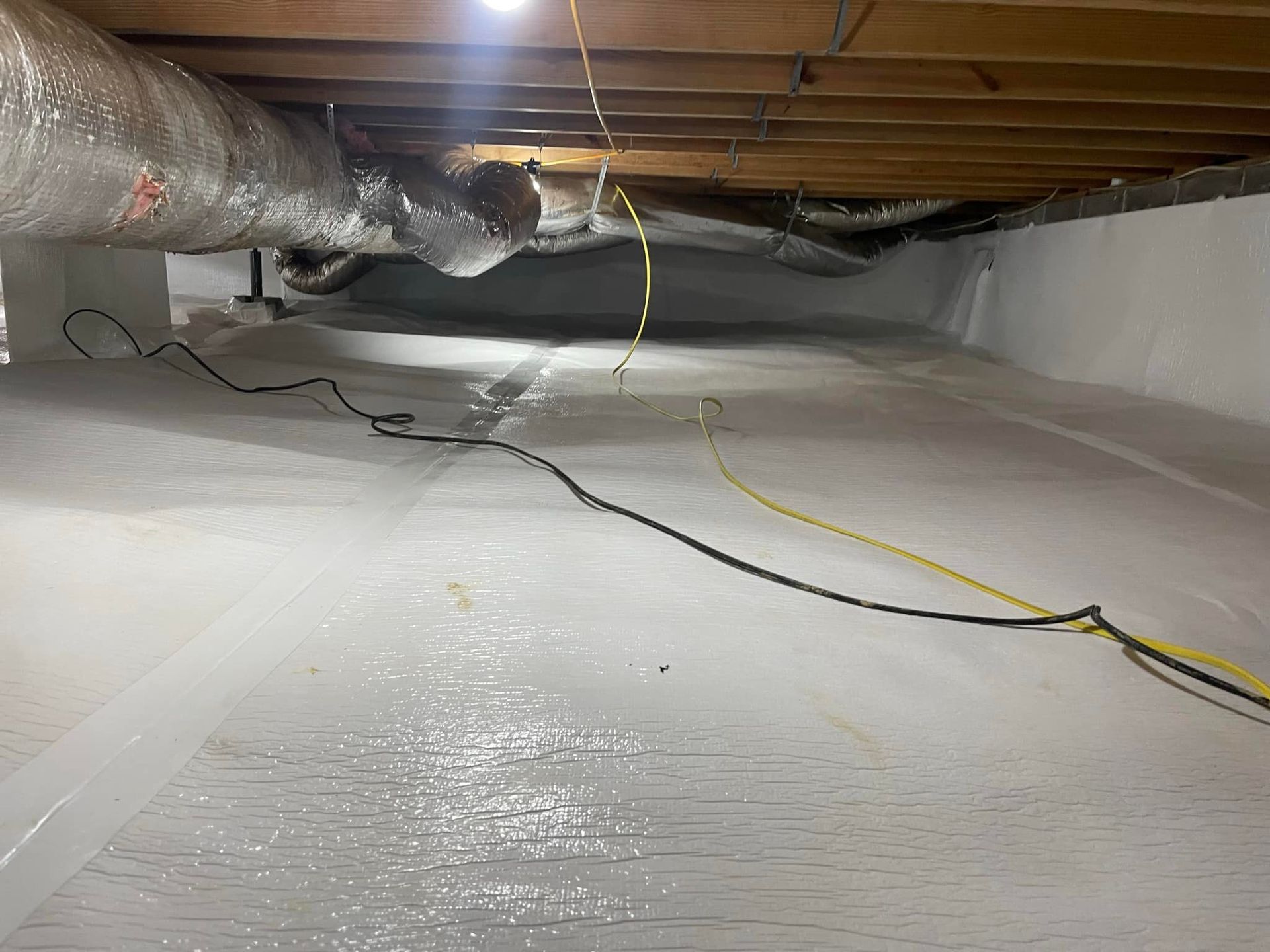
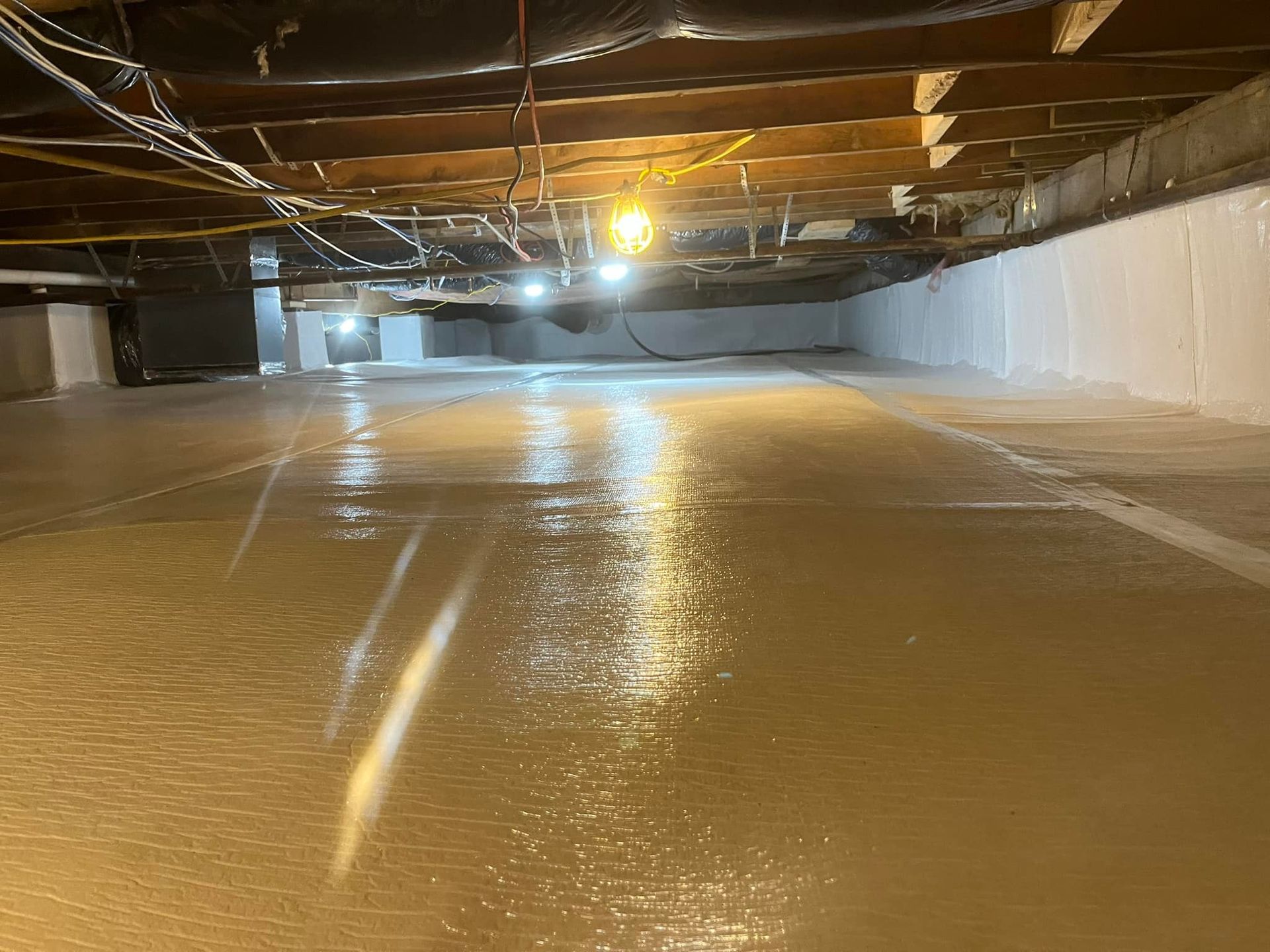
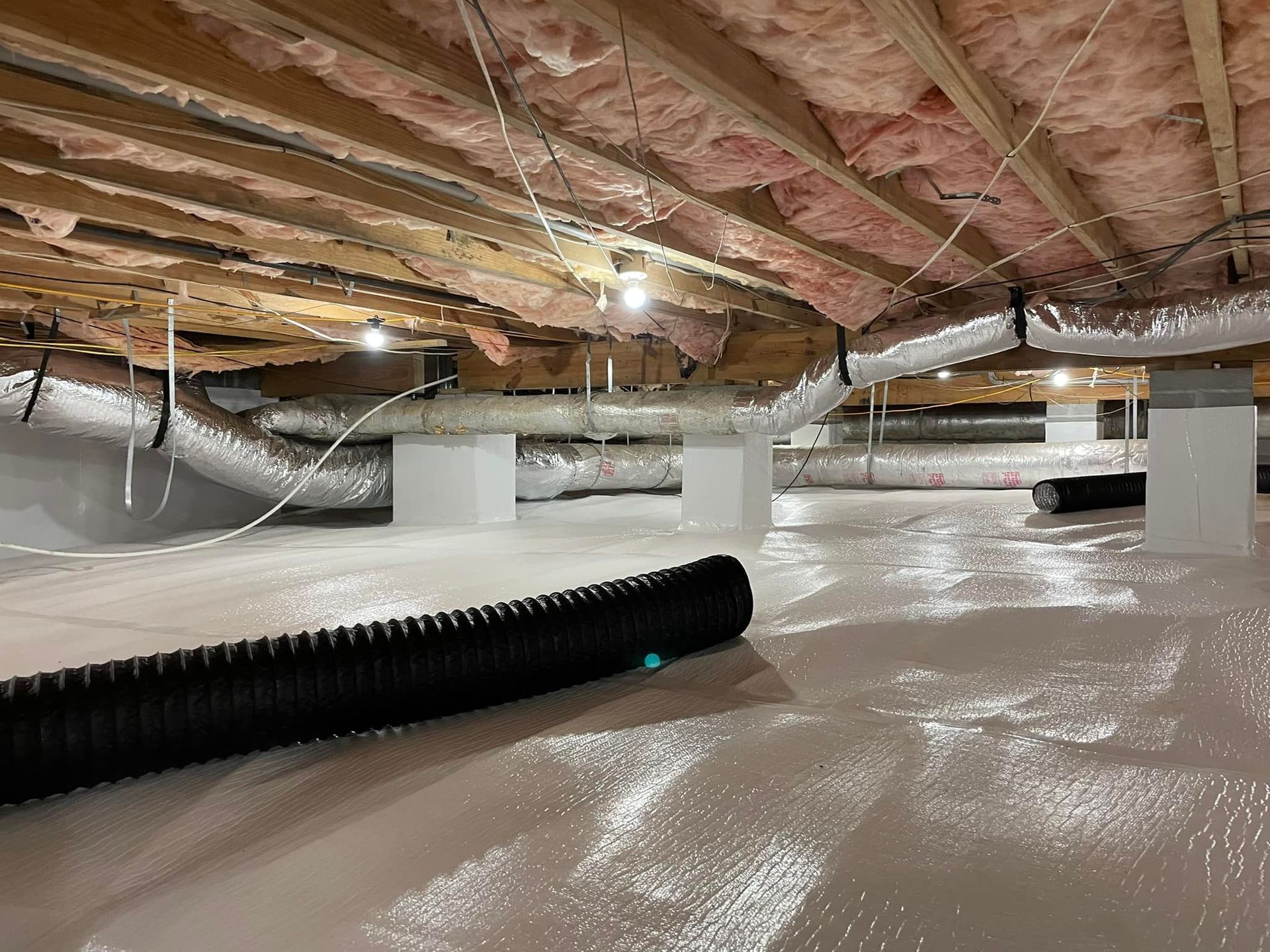
Your home is a system where everything connects. When I see a dryer vent that hasn't been maintained, it tells me the homeowner probably isn't thinking about what's happening in their crawl space either. Both are out of sight, out of mind - until they become expensive problems.
That's why I don't just pop open a crawl space door and call it done. I look at the whole picture. How water moves around your foundation, where your downspouts drain, what condition your exterior vents are in. All of it matters.
A good inspector isn't just checking boxes on a list. They're looking for anything that could cause problems down the road, whether it's directly related to what you called them for or not.
Don't Wait for Warning Signs
Look, I get it. Dryer vents aren't exactly exciting. Neither are crawl spaces. But ignoring either one can cost you thousands - or worse.
If you can't remember the last time your dryer vent was cleaned, it's time. And while you're thinking about home maintenance, when's the last time you checked what's happening under your house?
We do thorough inspections that look at your whole property, not just one system. Because catching problems early - whether it's a fire hazard or moisture damage - is always cheaper than dealing with them later.
Give us a call. Let's make sure your home is safe and sound, from the crawl space up.