Radon Systems That Work: Why Proper Installation Matters
Not All Radon Mitigation Systems Are Created Equal
What separates effective systems from ones that just look good
Most people think radon mitigation is pretty simple - drill a hole, stick in a fan, run some pipe to the roof. Done.
But that's not how it works if you want a system that actually protects your family.
I just finished installing a radon mitigation system here in Knoxville, and like every installation we do, it involved a lot more than what you see on the surface.
The white PVC pipe and fan are the visible parts, but the real work happens underneath your foundation where you can't see it.
A proper radon system has to pull radon gas from under your entire slab, not just one spot.
That takes careful planning, proper sizing, and thorough testing to get right.
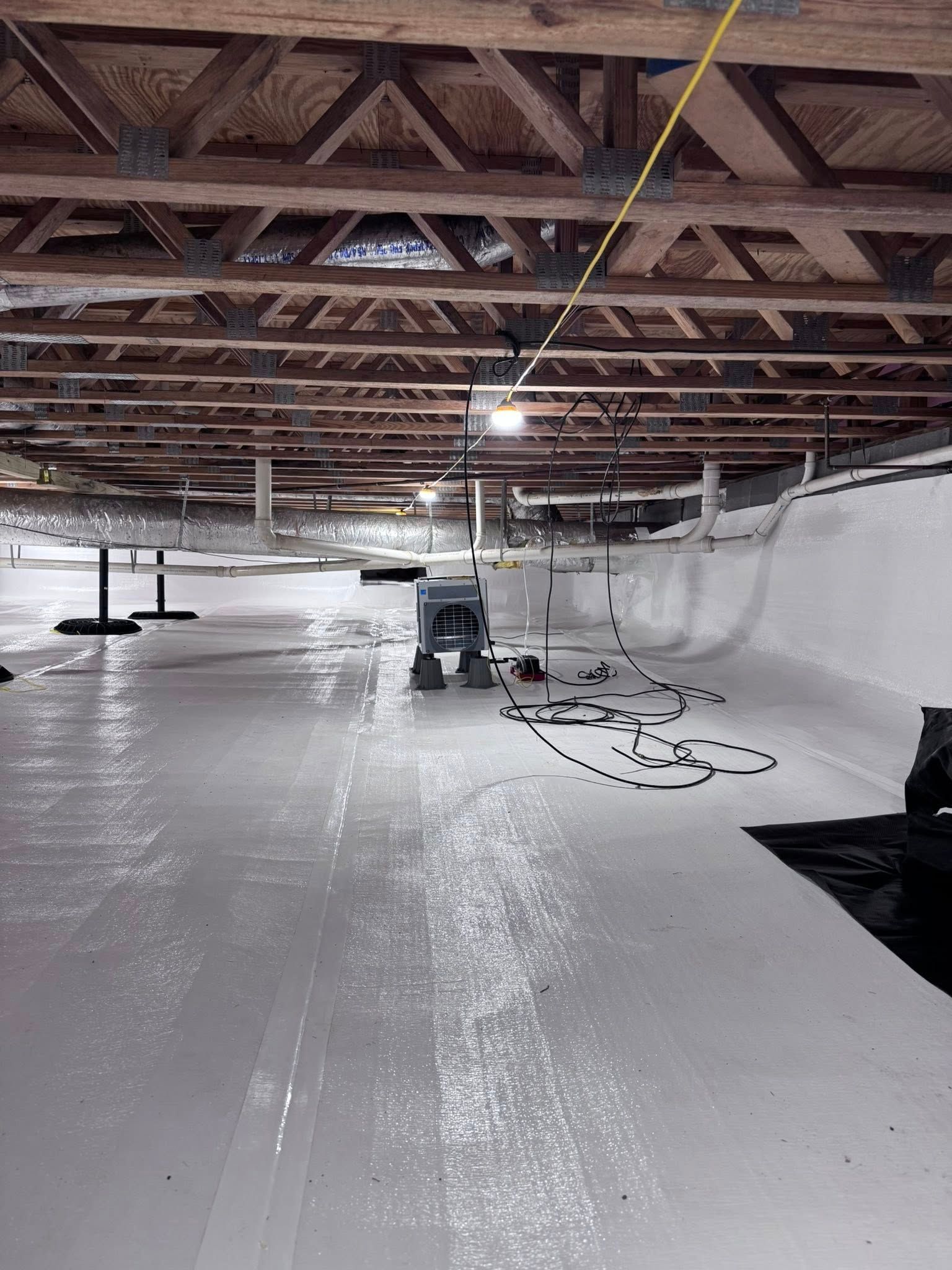
What's Really Happening Under Your Slab
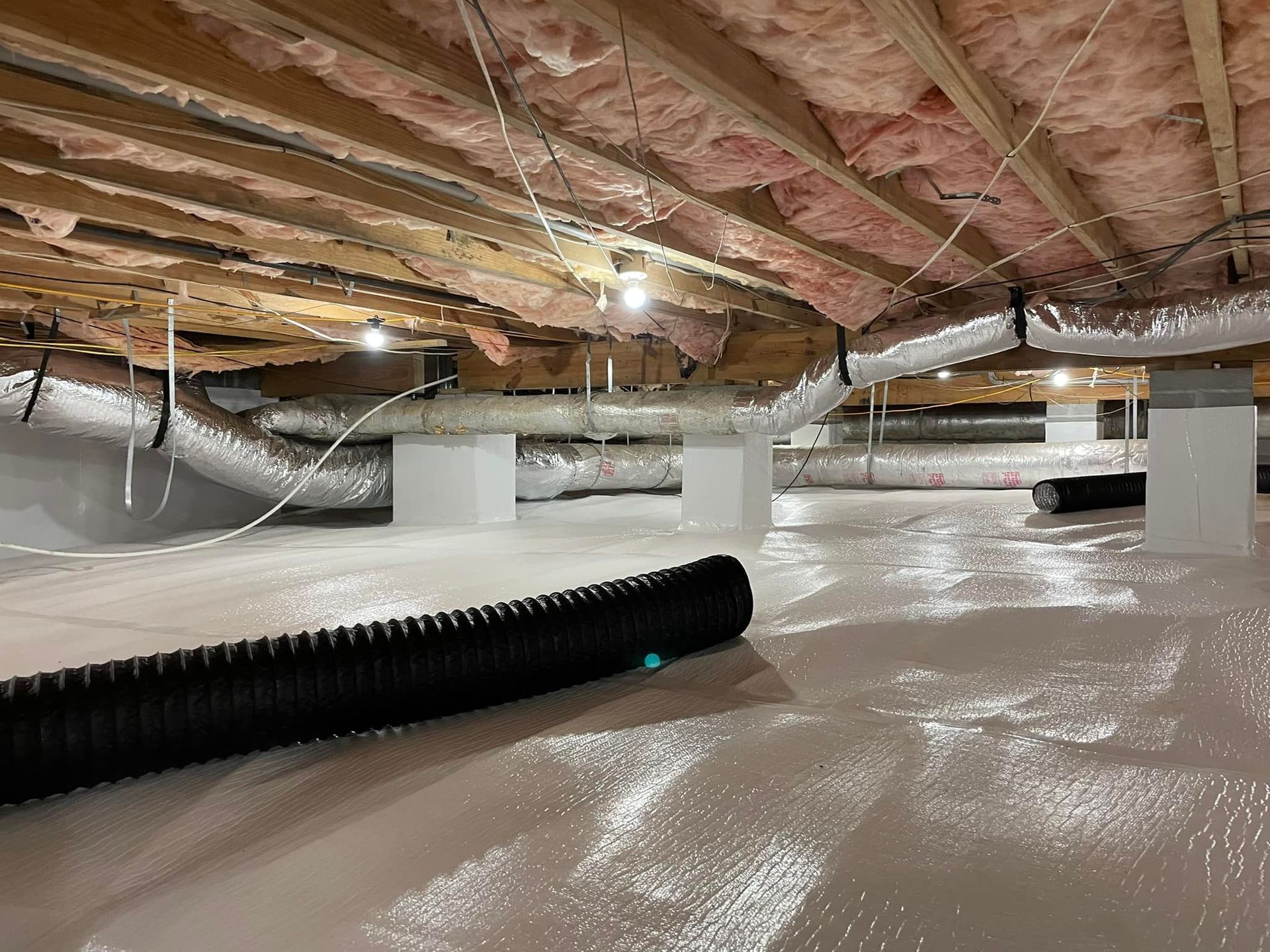
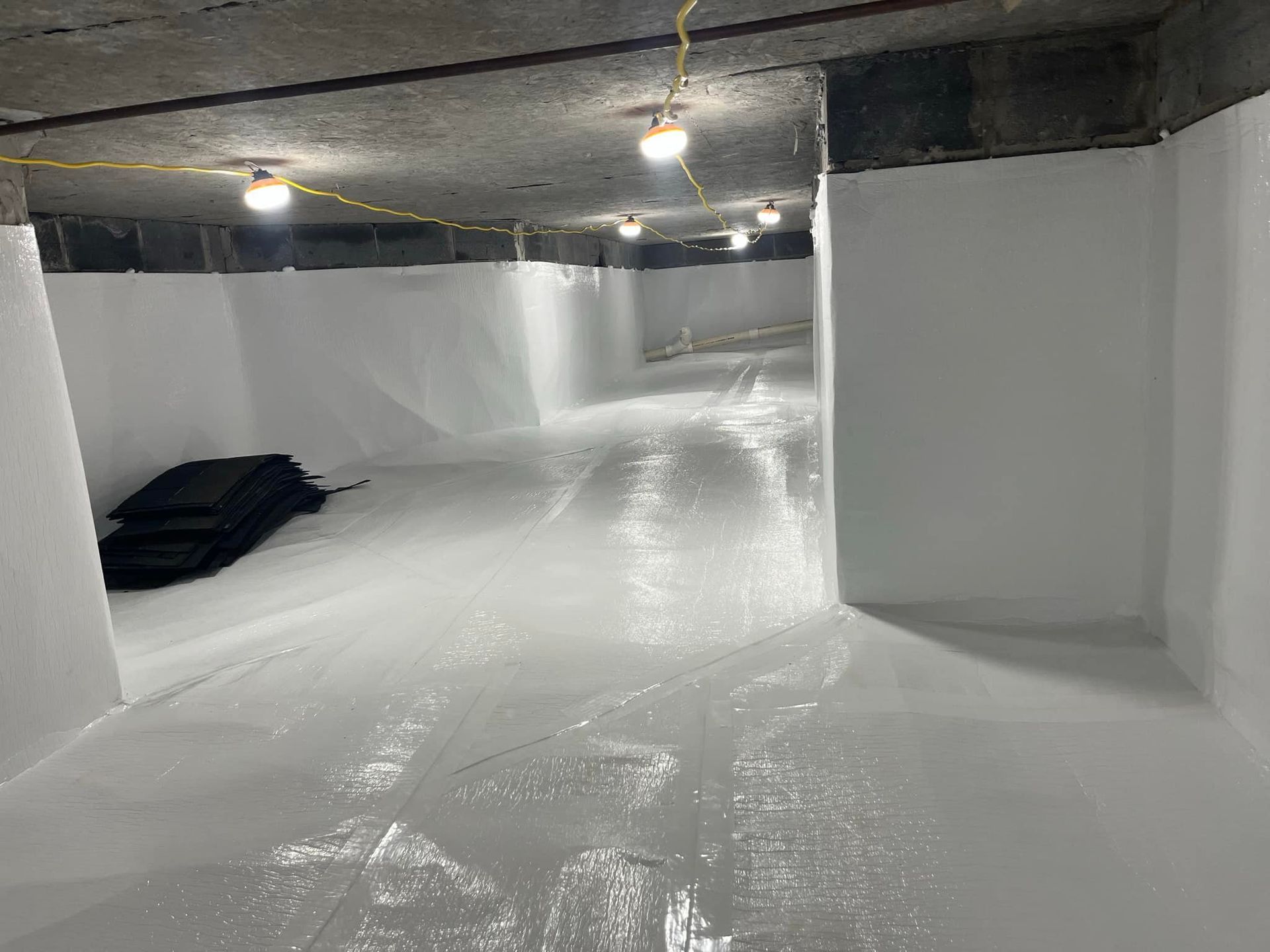
Here's what most homeowners don't realize: we have to dig out a significant amount of aggregate and dirt from underneath your concrete slab. We're creating what's called a bulb - basically a collection point where the radon fan can draw air from.
Think of it like this: if you just drilled a hole and stuck a pipe under your slab, you'd only be pulling air from that one small area. The radon in the rest of your foundation would keep seeping into your home.
But when we create a proper bulb and size the fan correctly, the system pulls air from under your entire foundation. That vacuum draws the radon gas before it can enter your living space.
This is why we test multiple spots before finalizing the installation. We need to make sure the location we chose can pull enough air to protect your whole home. If it can't, we have to adjust our approach.
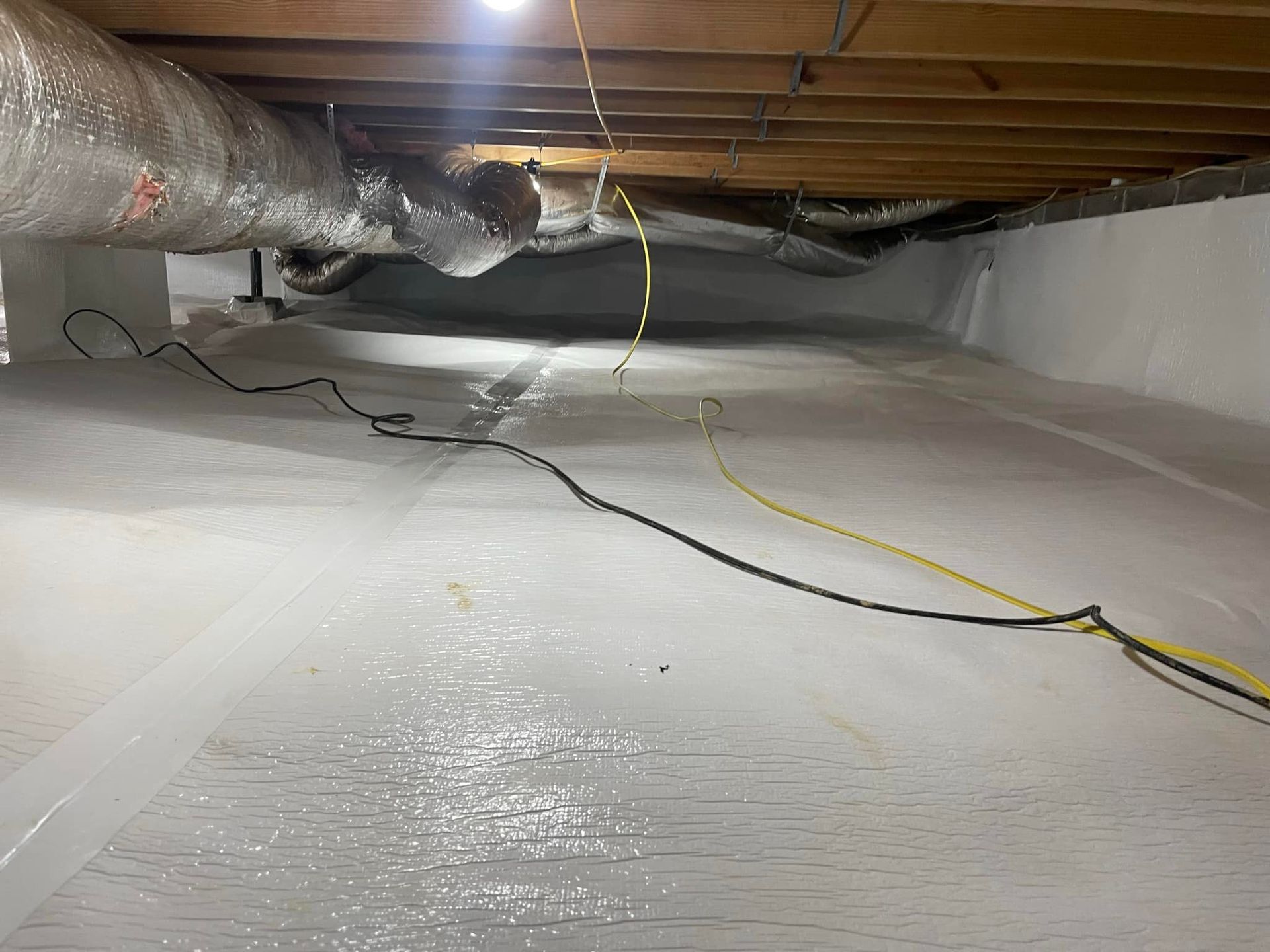
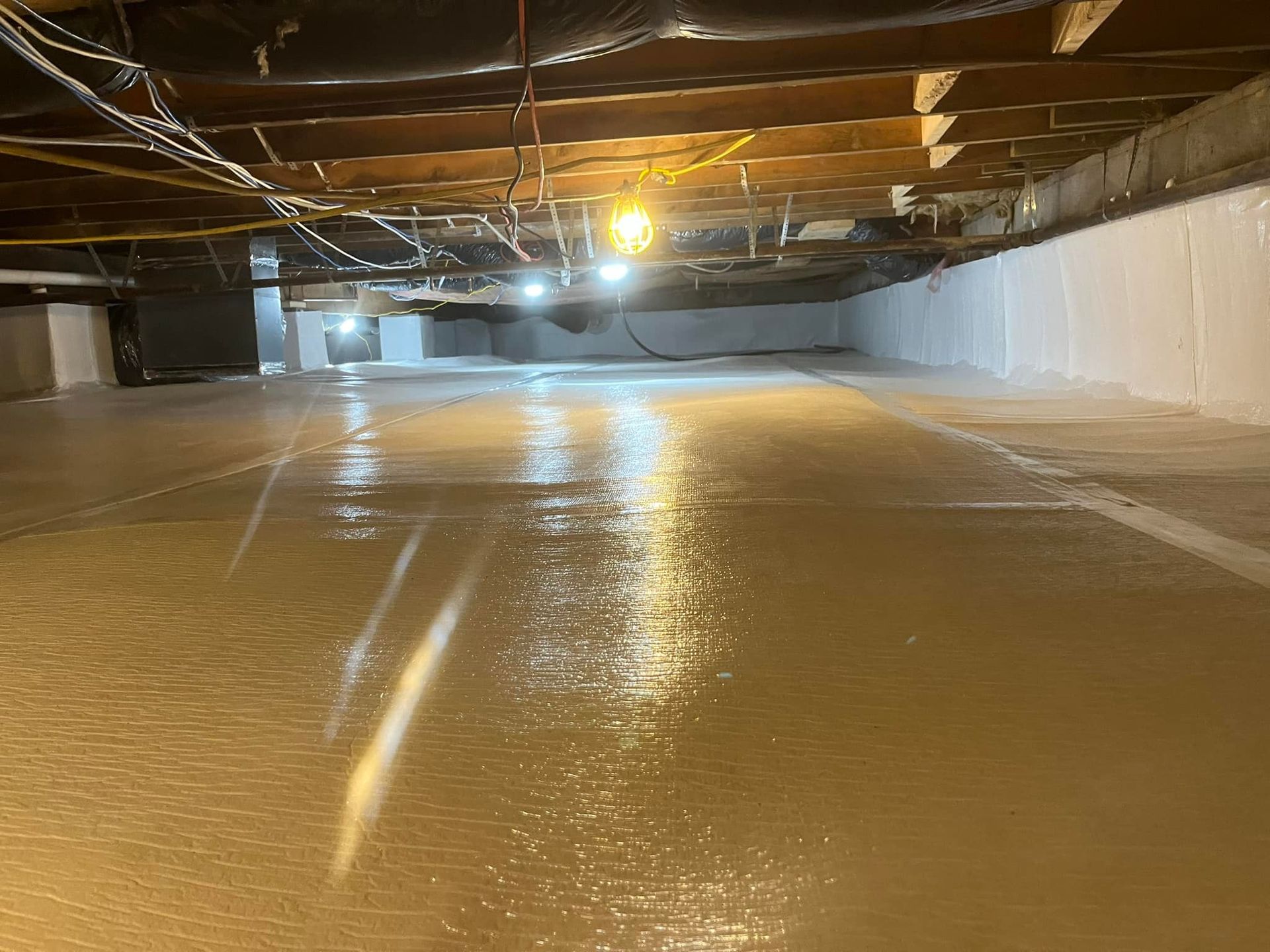
Testing Makes the Difference
Before we finish any radon installation, we run vacuum tests at different spots around the foundation. This isn't just checking a box - it's making sure the system actually works.
We're looking for adequate vacuum pull across the entire area under your slab. If we find spots where the vacuum isn't strong enough, that tells us radon could still be seeping into those areas of your home.
When a system misses coverage in certain spots, you're not getting full protection. The radon levels might drop some, but you're still at risk. That's why we don't move forward until we know the system is pulling from everywhere it needs to.
Clean Installation That Respects Your Home
Nobody wants an ugly pipe running through the middle of their living space. When we plan a radon system, we look for the best spot that balances effectiveness with keeping your home looking good.
Usually, we can run the system through a utility room. Sometimes in basements, we might need to use a closet. Either way, we're trying to make the installation as clean as possible without making huge holes or running pipes where they'll be in the way.
The exhaust has to go all the way to your roofline - that's not just our preference, it's code. We don't want radon gas venting into your attic or near windows where people could breathe it. The system pulls radon from under your foundation and sends it safely above your home where it disperses into the air..
Getting the System Sized Right
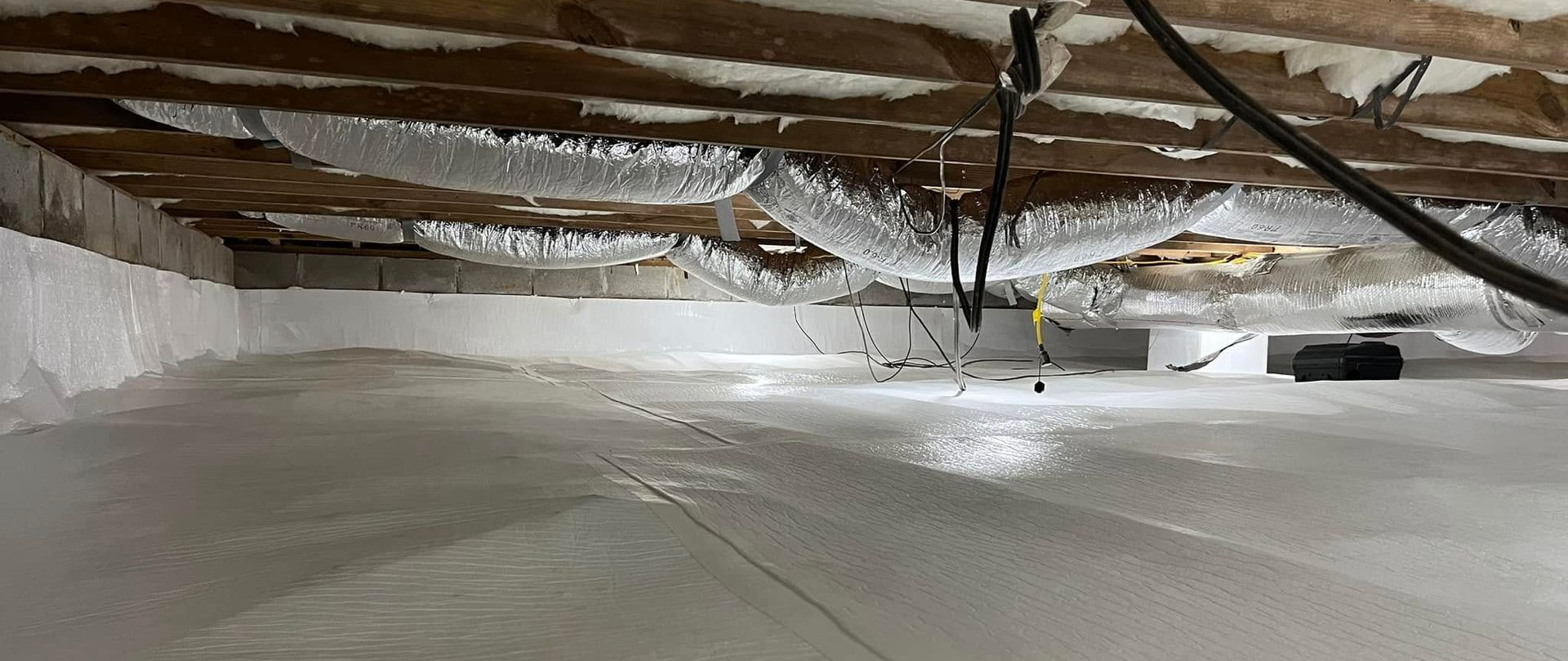
The fan size matters more than most people think. Too small, and you won't pull enough air to protect your whole foundation. We match the fan to your home's size and foundation type.
It's not just about the fan either - the piping size has to work with the fan to create the right amount of flow. Everything in the system works together to create that vacuum pull under your slab.
When it's sized correctly, the system runs efficiently and effectively for years. Get it wrong, and you might have a system that looks good but doesn't actually protect your family.
Peace of Mind Through Proper Installation
Look, radon mitigation isn't something you want to cheap out on or have done halfway. This system is protecting your family from a real health risk.
When we install a radon system, we're taking the time to do it right. Proper excavation under the slab, thorough vacuum testing, correct fan sizing, and clean installation that follows code. It's the difference between a system that actually works and one that just looks like it works.
The house we just finished in Knoxville already shows significant improvement in radon levels. That's what happens when the system is installed correctly from the start.
Don't trust your family's health to guesswork or shortcuts. Get it done right the first time.