Buying a Home? Don't Fall for These Common Crawl Space Band-Aids
What Every Home Buyer Needs to Know About Crawl Space 'Quick Fixes
Why the cheapest solution isn't always the smartest investment
This morning, I got a call from a realtor.
She had buyers interested in a home, but the inspection flagged fungal growth and moisture in the crawl space.
Her solution? "I think all we need is a vapor barrier and a fungus treatment."
I hear this almost every week during home buying season.
Realtors want to keep deals moving.
Sellers want to spend as little as possible. Everyone's focused on getting to closing day.
And I get it - nobody wants to blow up a deal over crawl space work.
But here's what worries me: the buyers are the ones who'll be living with whatever gets done.
Or more accurately, whatever doesn't get done.
The Band-Aid Approach: What It Really Means
So what happens when you just do a vapor barrier and fungus treatment without fixing the actual problem?
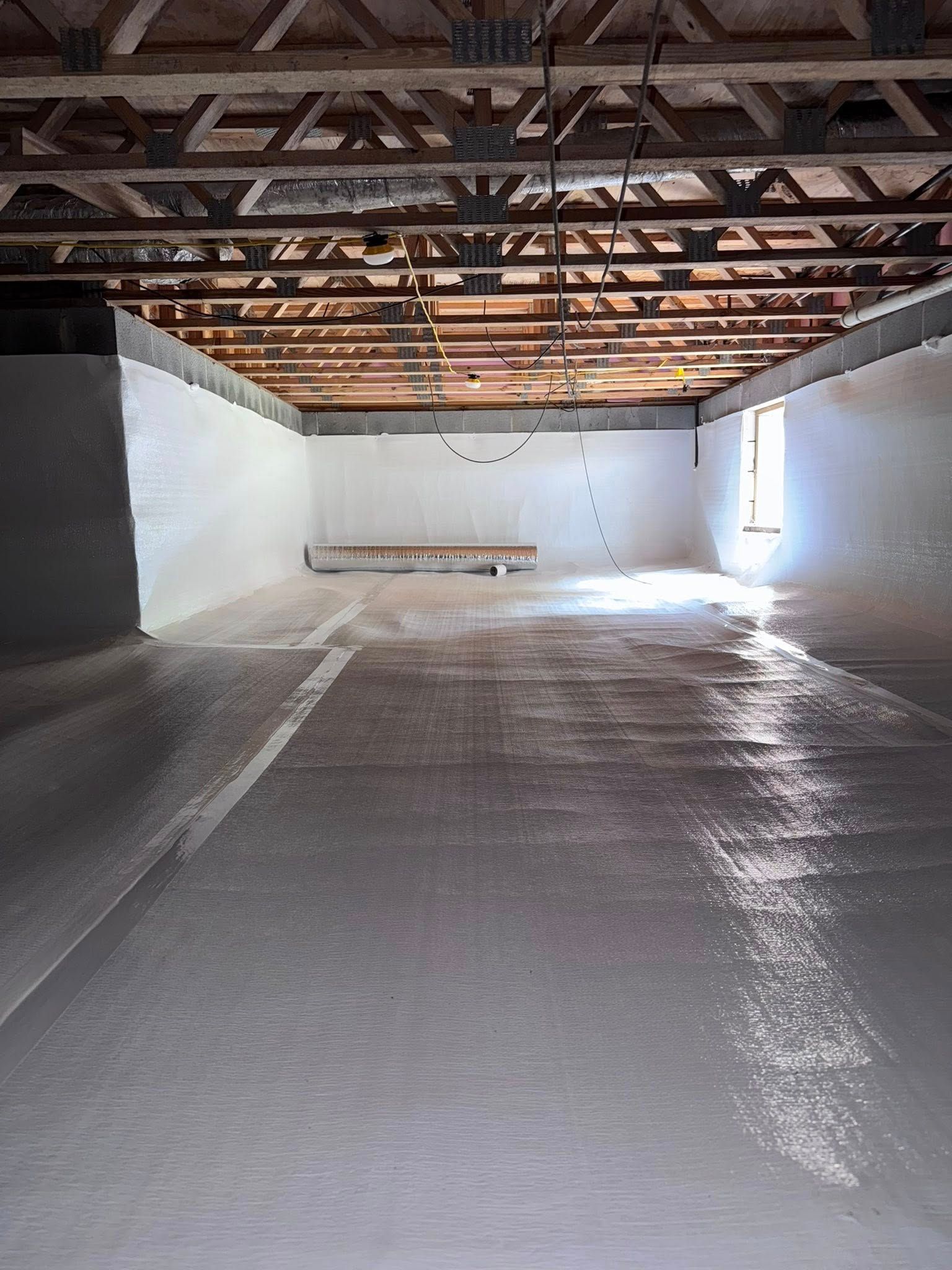
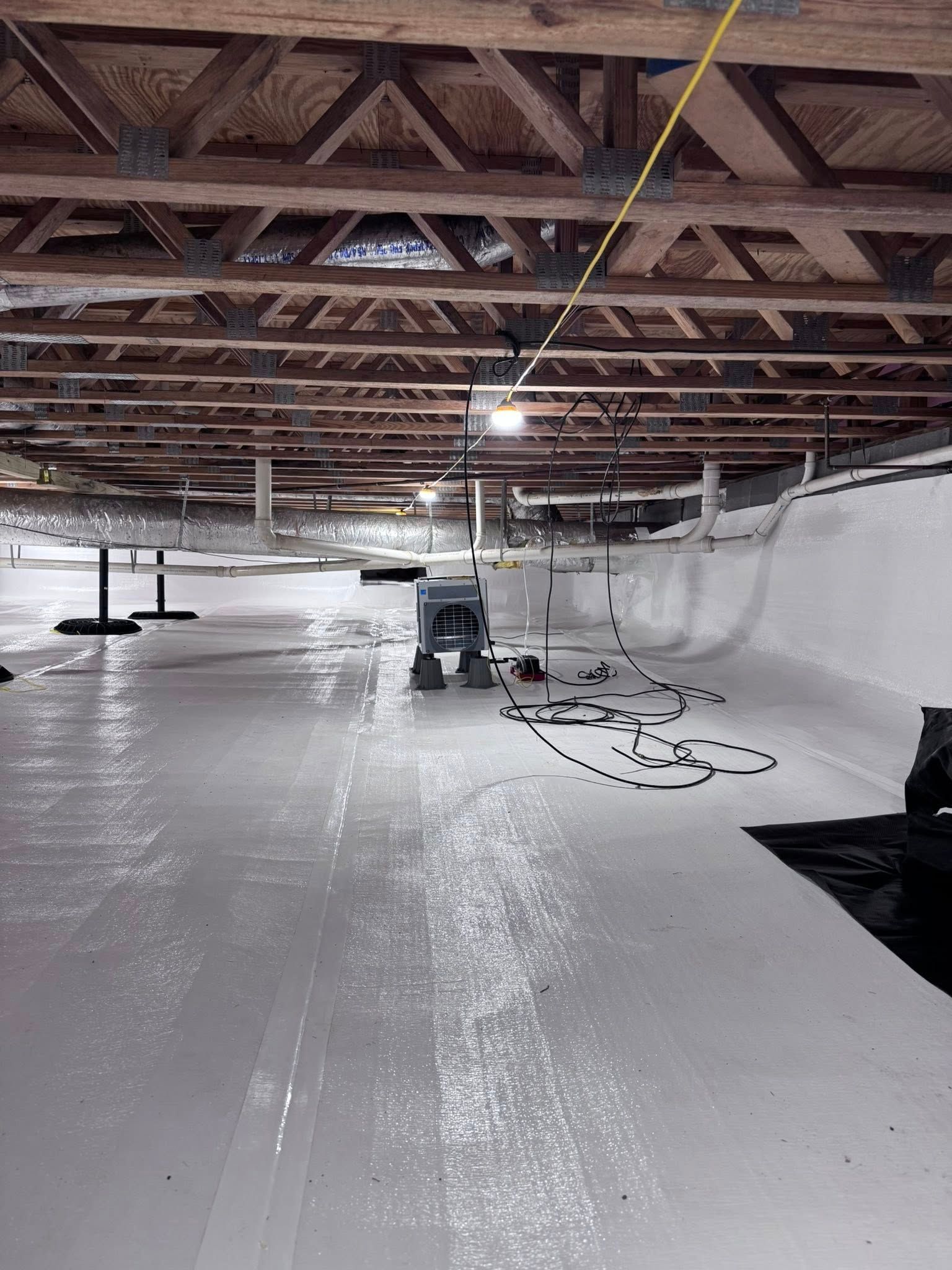
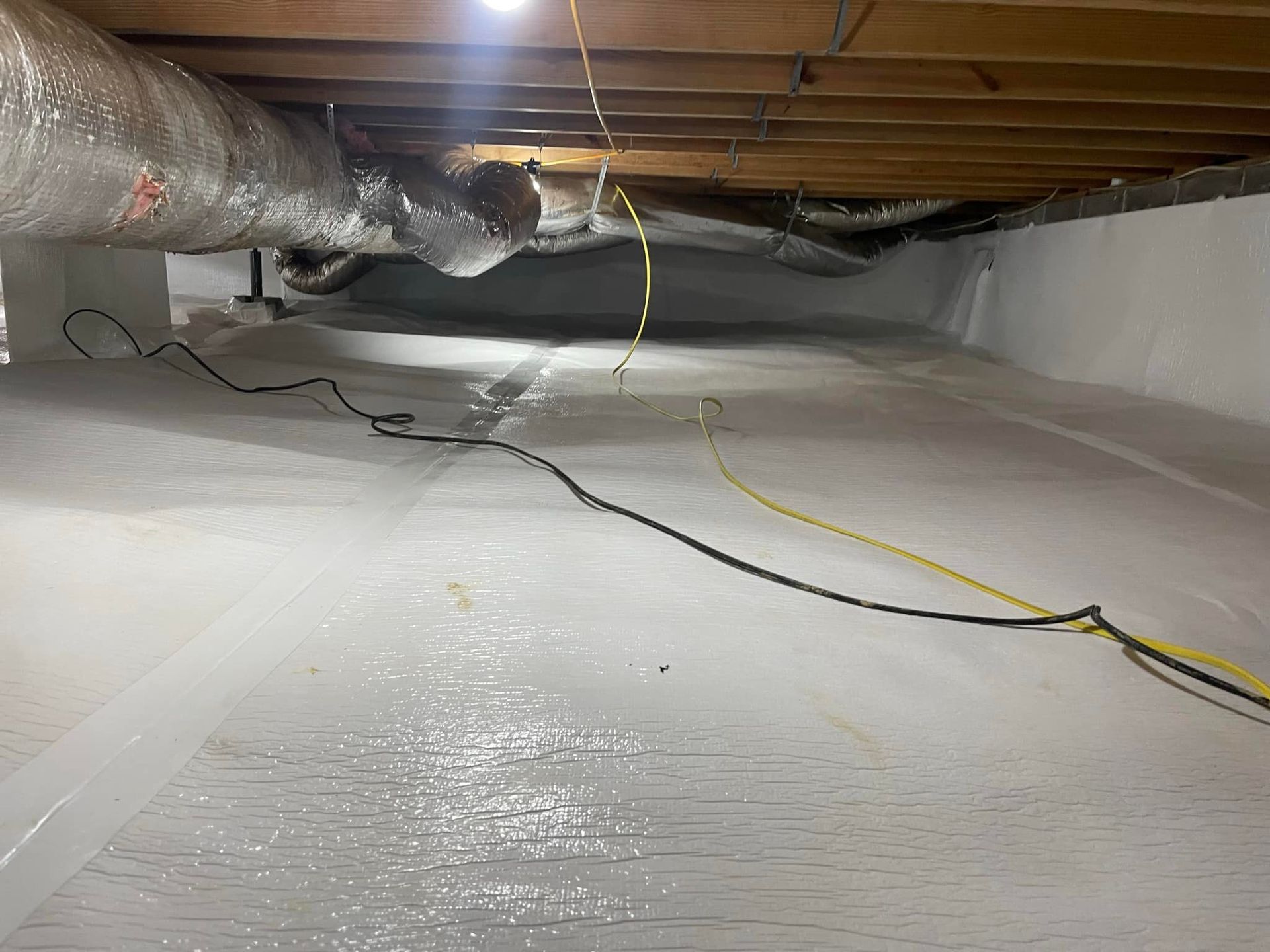
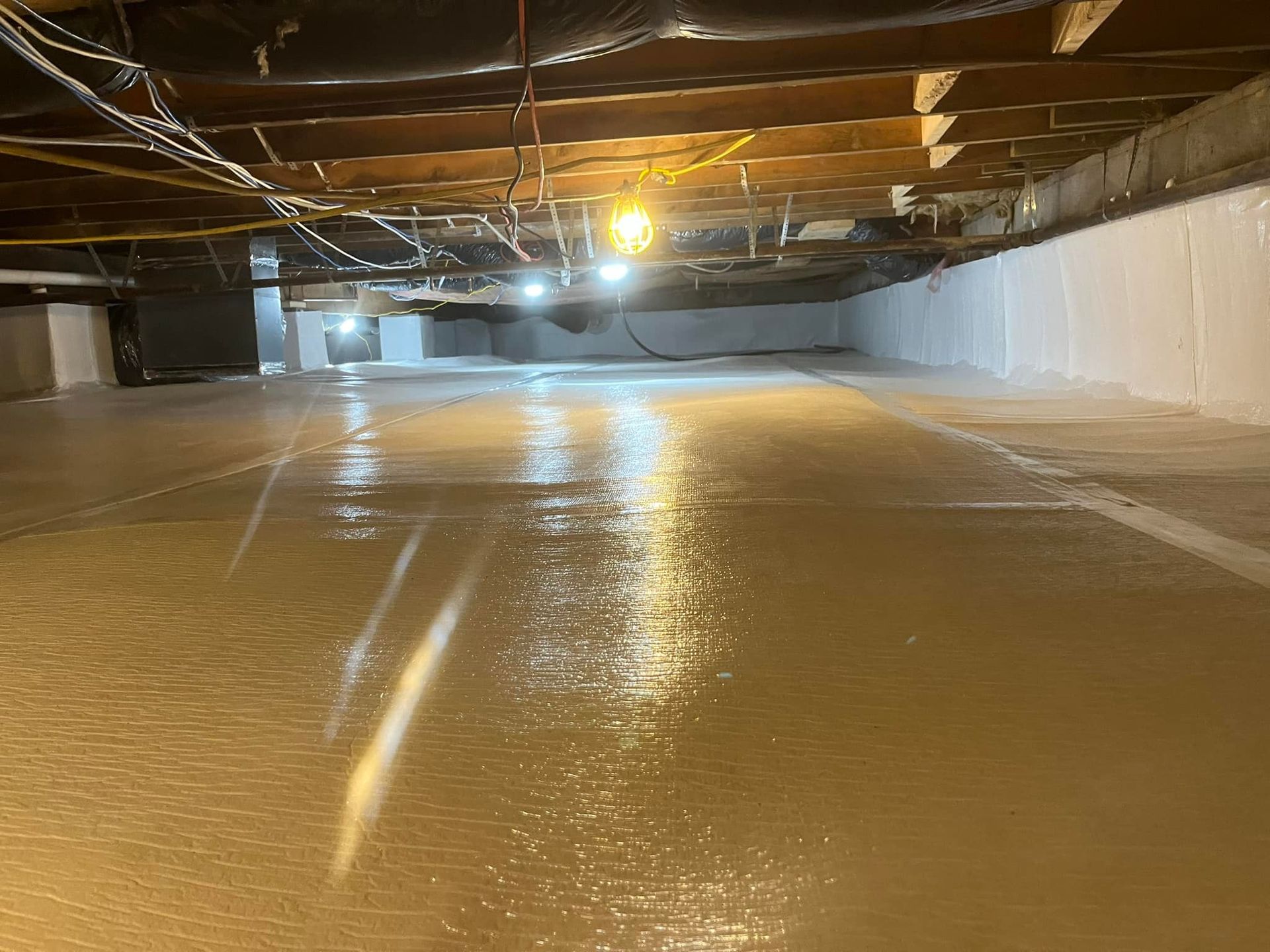
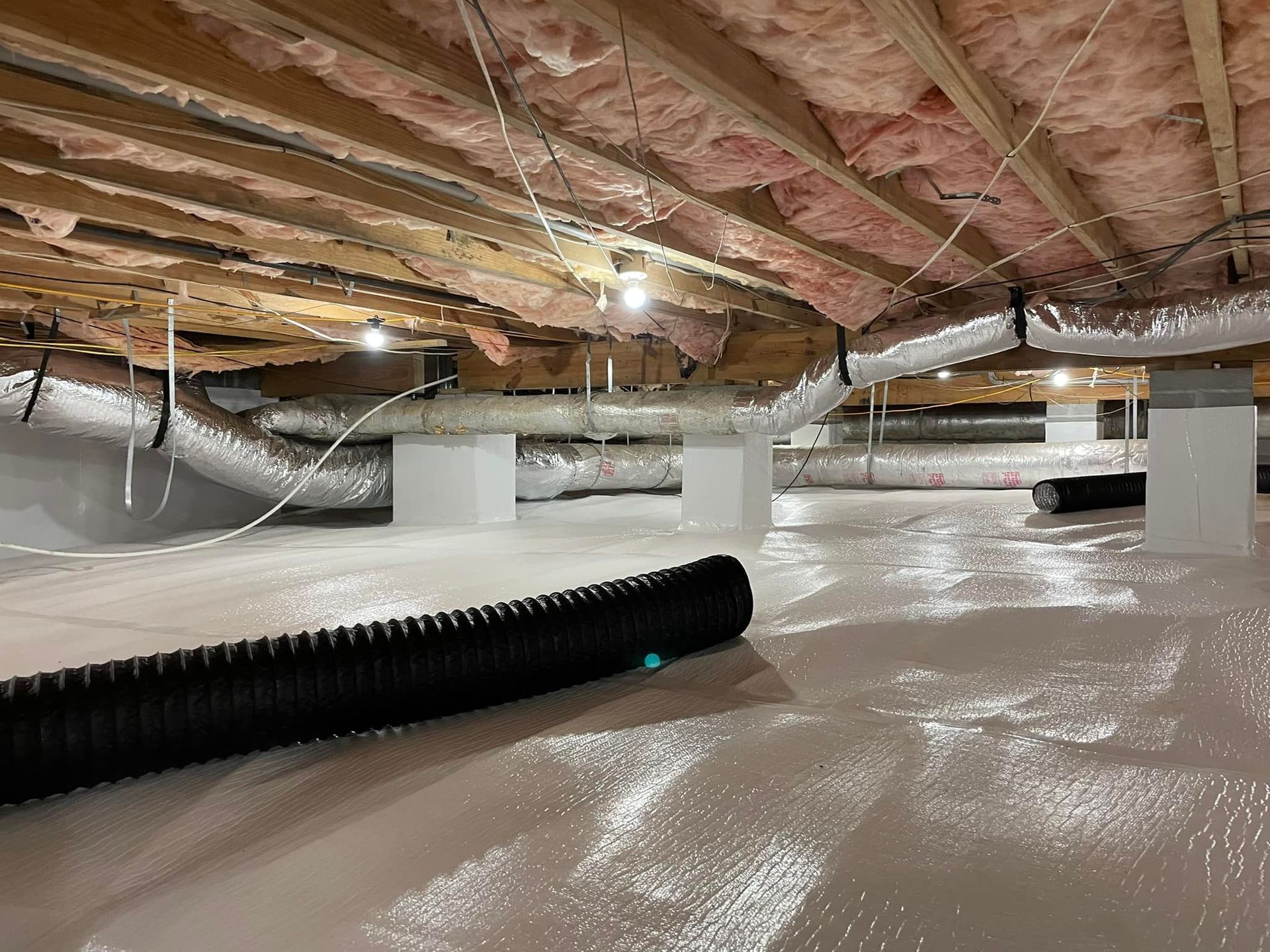
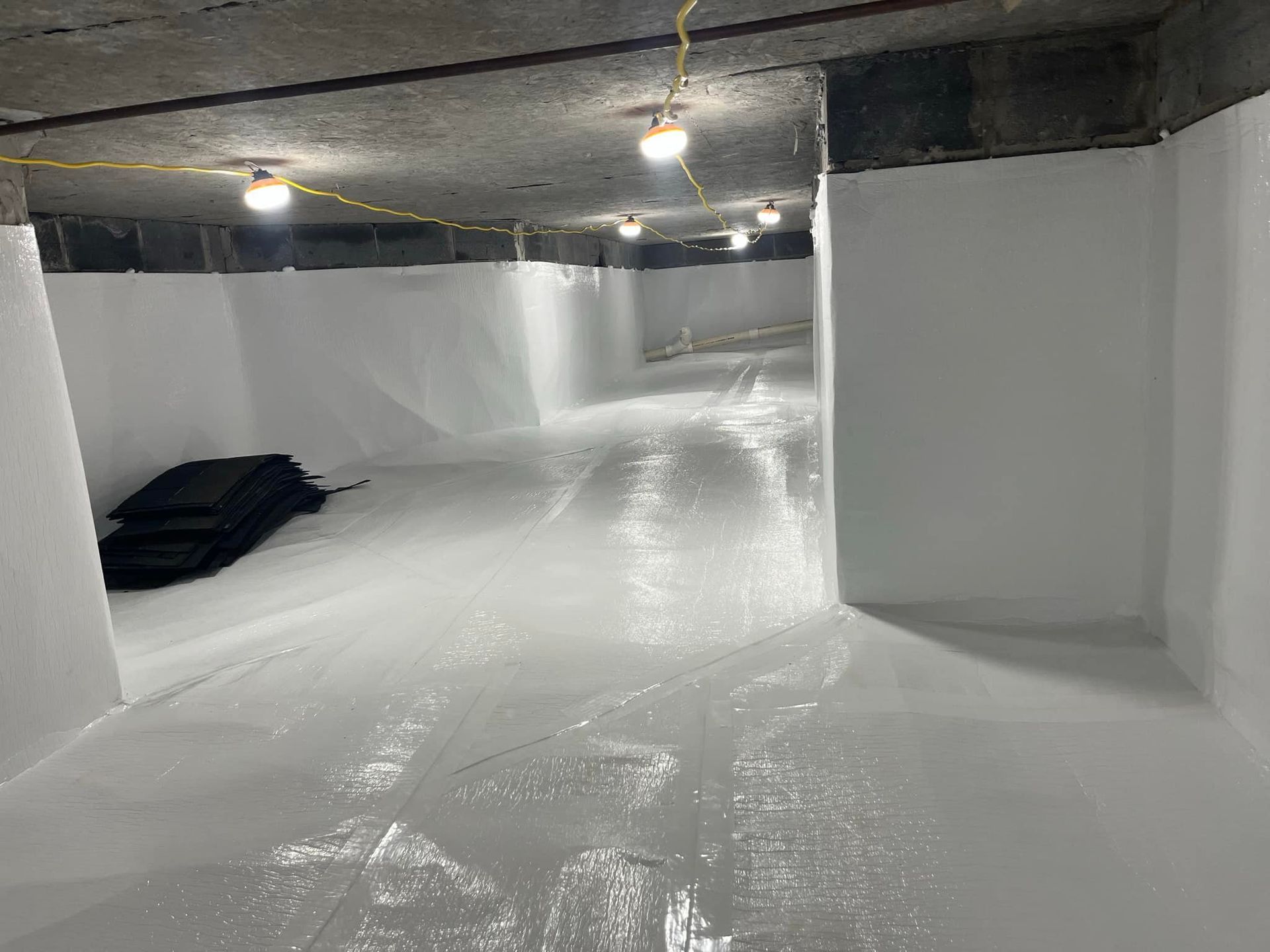
In the short term, it looks great. We kill the fungus, put down a clean vapor barrier, and the crawl space passes inspection. Everyone's happy. The deal closes.
But here's the reality: if water is still getting into your crawl space, that fungus is coming back. We're talking a few months, maybe less if you get heavy rain. The vapor barrier might slow things down slightly, but it's not stopping the water that's causing the problem in the first place.
It's like mopping your floor while the pipe is still leaking. Sure, the floor looks dry for now. But you haven't actually fixed anything.
Why Quick Fixes Fail
The problem with band-aid solutions is they ignore the source. In this morning's inspection, water was coming through the foundation wall. That's the real issue - not the fungus itself.
Fungus is just a symptom. It's telling you there's too much moisture in your crawl space. You can kill it all day long, but if moisture keeps getting in, it's going to grow right back.
Think about it this way: if your check engine light comes on, you don't just put tape over it. You figure out what's wrong with the engine. Same thing here - the fungus is your check engine light. The moisture intrusion is what actually needs fixing.
What Actually Needs to Happen
When I inspect a crawl space with these issues, I'm looking for where the water is coming from. Is it groundwater? Poor drainage? Cracks in the foundation? Each situation is different.
Once we know the source, we can address it properly. Maybe that means installing drainage. Maybe it's sealing foundation cracks. Maybe it's fixing grading issues around the house.
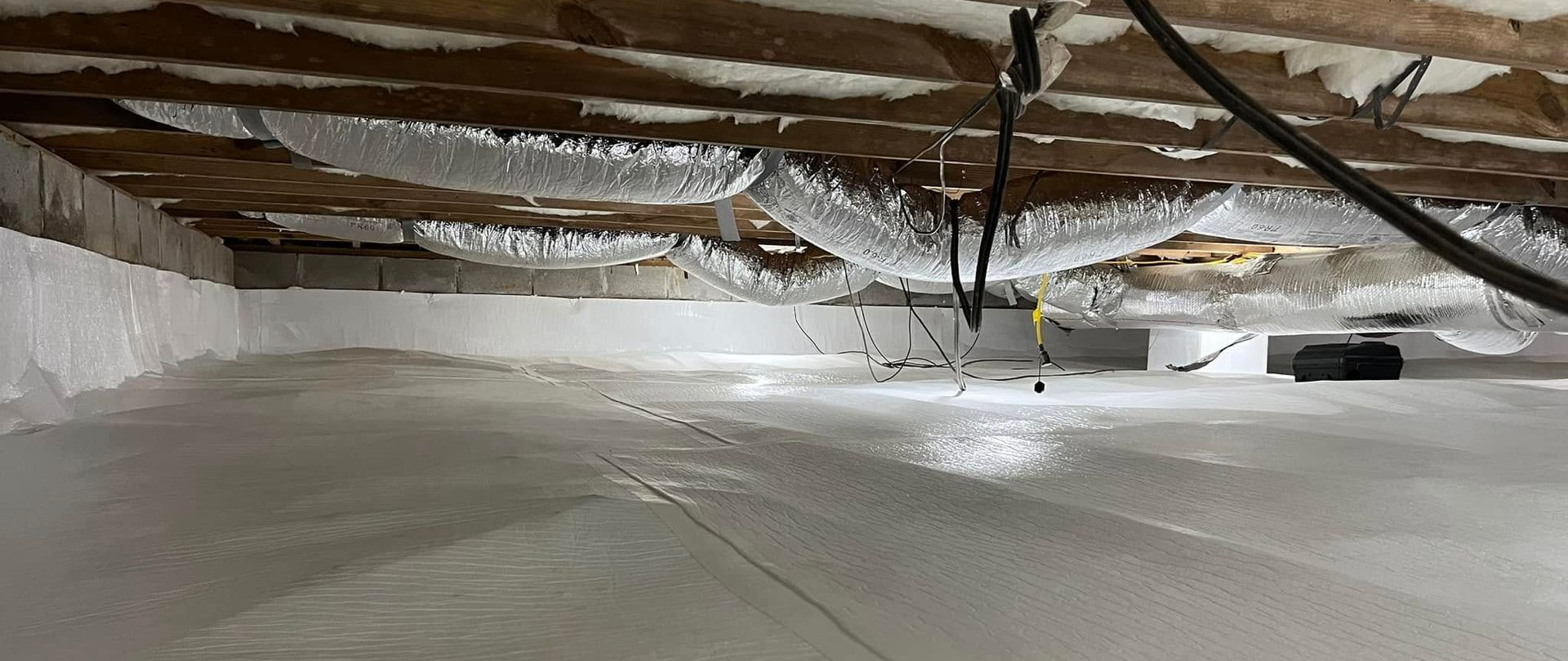
Then - and only then - does the vapor barrier and encapsulation make sense. Because now you're creating a moisture barrier in a space where you've already stopped the water from getting in.
That's a real solution. It protects your investment for years, not just months.
Questions to Ask Before You Buy
If you're buying a home and the inspection shows crawl space issues, here's what you need to know:
What work is the seller actually doing? Just fungus treatment and a vapor barrier, or are they addressing the moisture source?
Was water intrusion identified? If so, what's being done about it?
Who's doing the work? Get their assessment in writing about what they found and what they're fixing.
Don't be afraid to ask for a second opinion. Your home inspector found the problem - get a crawl space specialist to explain what really needs to happen.
Protect Your Investment From Day One
Look, I understand the pressure to just get the deal done. I've seen buyers so excited about a house that they don't want to rock the boat. I've seen sellers who just want to close and move on.
But you're about to make one of the biggest investments of your life. Don't let anyone rush you into accepting a temporary fix when you need a real solution.
When I send quotes that address the actual problems - not just the symptoms - they sometimes get rejected. Sellers choose the cheaper option. The deal moves forward. And honestly, I lose that job.
But at least the buyer knows the truth. They know what was done and what wasn't. They can make an informed decision about whether to move forward, negotiate further, or walk away.
That's what honest business looks like. It's not about telling people what they want to hear. It's about giving them realistic expectations so they can make smart decisions.