Battery Backups for Sump Pumps: Are They Worth the Extra Cost?
A Straight Answer About Whether You Need This $2,500 Add-On
What battery backups actually do - and don't do - for your sump pump
Every time a storm rolls into Knoxville, my phone starts ringing.
Homeowners want to know if they need a battery backup for their sump pump.
It's a fair question - nobody wants to wake up to a flooded crawl space because the power went out during heavy rain.
The problem is, there's a lot of confusion about what battery backups actually do.
Most people think they're buying insurance against flooding.
What they're really buying is something much more limited.
Before you spend $1,500 to $2,500 on a battery backup system, you need to understand exactly what you're getting for that money.
What a Battery Backup Actually Does
Here's the reality: a typical battery backup for your sump pump will run for 30 minutes to an hour when it's pumping constantly. That's it.
The system works like this - you've got a second pump, usually about one-third horsepower, that sits in line with your main sump pump. It's connected to a marine-style battery. When your power goes out, that battery kicks in and keeps pumping.
But here's the key part most people miss: it's not designed to protect your crawl space through a long power outage. It's designed to buy you time to connect your house to a generator or hook up another power source.
Think of it like a spare tire on your car. It gets you to the shop, but you're not driving cross-country on it.
When Battery Backups Make Sense (And When They Don't)
So when does a battery backup actually make sense? Here are the situations where I recommend them:
If you live in an area with frequent, extended power outages and you own a generator, a battery backup gives you that crucial window to get the generator running. If you travel a lot and won't be home to respond to power issues, the extra runtime could prevent damage.
But for most homeowners in Knoxville, they're not necessary. Our power outages are usually pretty short - maybe a few hours at most. We've got good line workers who get things fixed quickly. Your sump pump will be back online before that battery would have run out anyway.
Your money might be better spent on other crawl space improvements that provide more value.
The Real Cost Beyond the Price Tag
That $1,500 to $2,500 upfront cost is just the beginning. Battery backups need maintenance to work when you need them.
Marine batteries don't last forever. You're looking at replacement every few years, depending on how often the system kicks in. Each replacement can run several hundred dollars. The backup pump itself needs testing to make sure it's actually going to work during an emergency.
Compare that to your main sump pump, which just runs on regular power and typically needs minimal maintenance. You're adding complexity and ongoing costs for a system that most homeowners will rarely use.
Better Ways to Protect Your Investment
If you're worried about power outages and flooding, there are other options worth considering first.
A portable generator can power your entire sump pump system plus other essentials in your home. Modern battery generators are quieter and easier to use than old-style gas generators. Proper drainage design around your foundation can reduce how much water even reaches your sump pump.
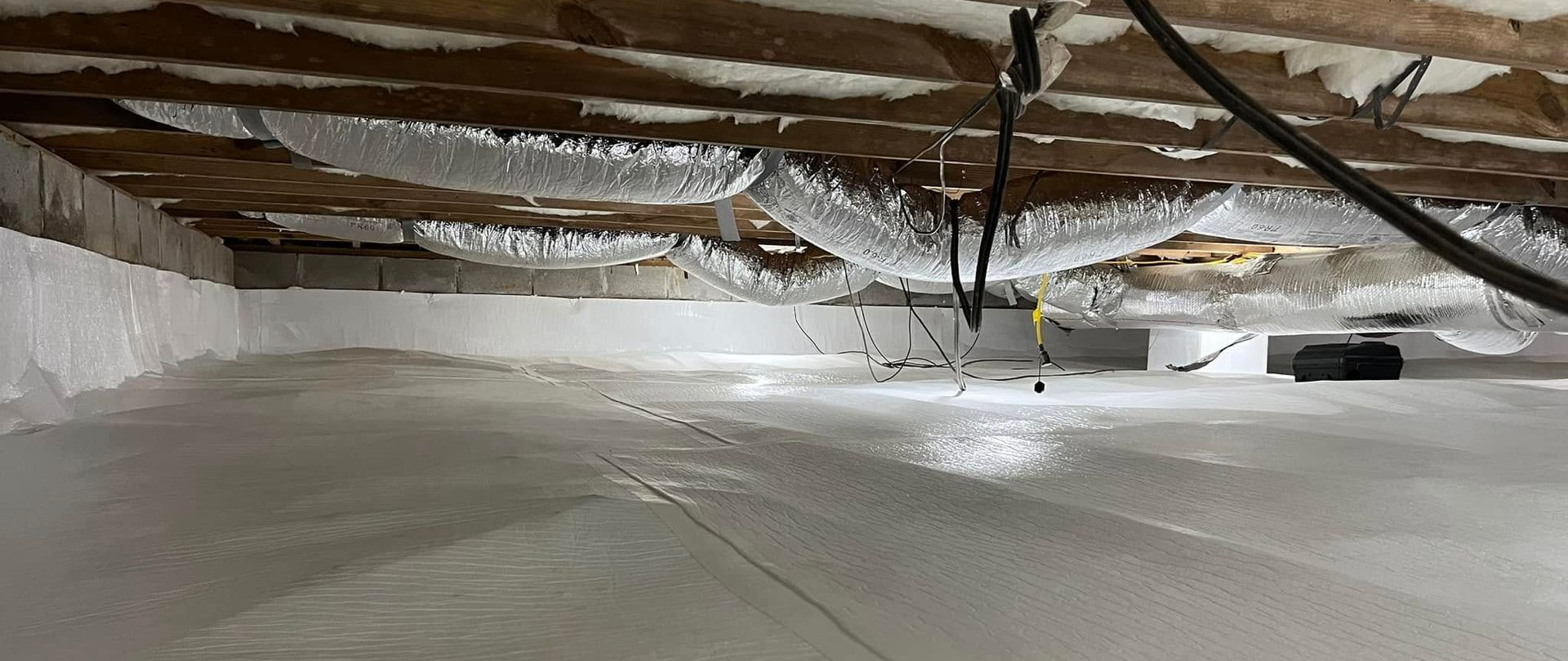
The best protection is actually prevention. Regular maintenance on your sump pump, keeping your drainage clear, and making sure your system is sized right for your crawl space will do more to prevent flooding than any backup battery.
How to Know Your Contractor Did It Right
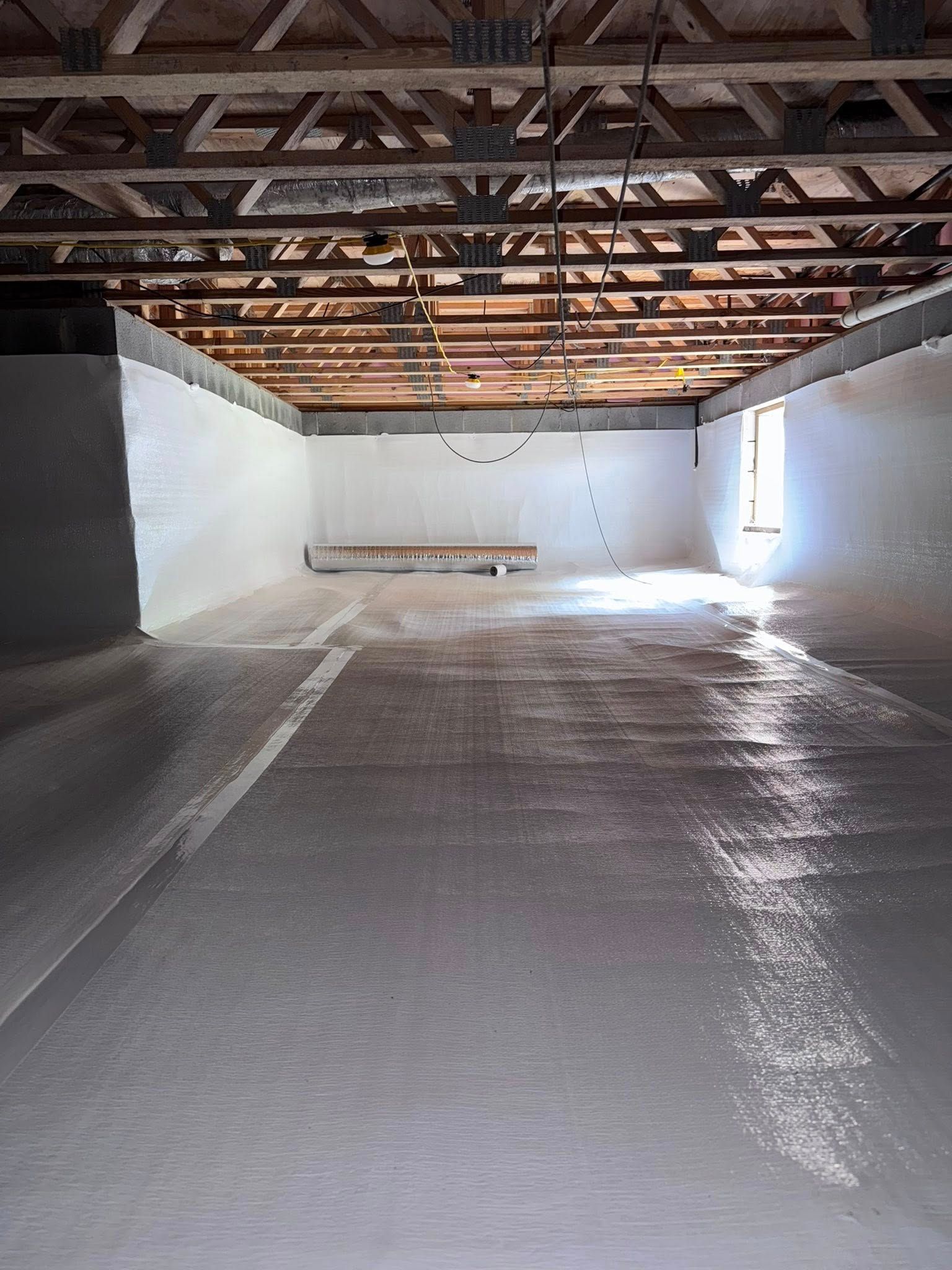
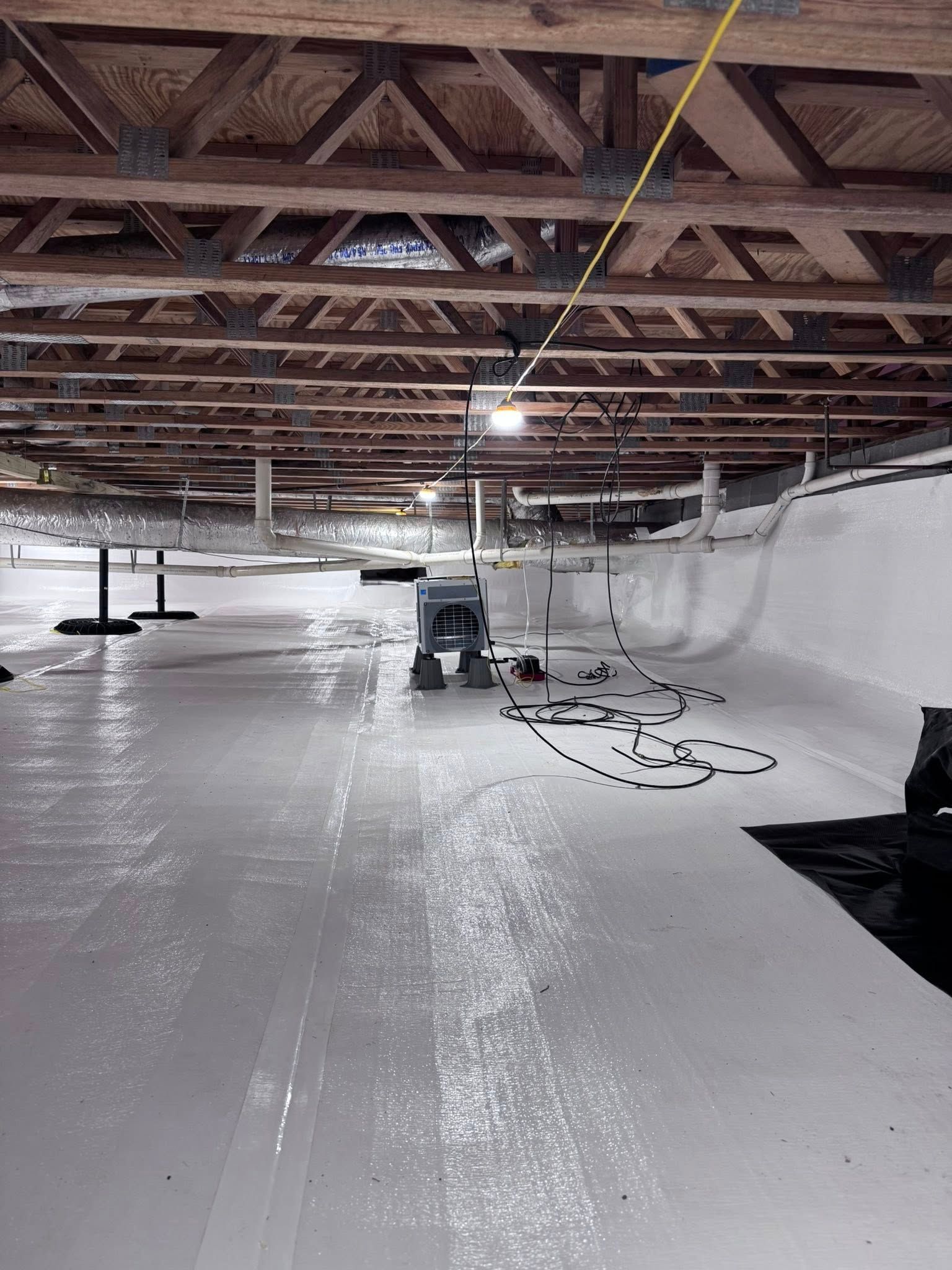
Quality crawl space work isn't hard to spot if you know what to look for. When you come back months later, the encapsulation should still be clean and intact. The structural repairs should be holding. Nothing should look like it's falling apart or failing.
Before you hire anyone, ask them how they address moisture issues along with structural repairs. If they only want to install jacks without talking about encapsulation, that's a red flag. If they can't explain why moisture matters, find someone else.
Good contractors also follow up on their work. We want to see how our repairs hold up over time. That's how you know someone stands behind what they do.
Make the Right Decision for Your Home
Look, I'm not trying to talk you out of a battery backup if you really need one. I'm just trying to make sure you understand what you're buying.
Ask yourself these questions: How often does your power go out? When it does, how long is it typically down? Do you have a generator or plan to get one? Are you home most of the time or do you travel frequently?
Your answers will tell you whether a battery backup makes sense for your situation.
If you're still not sure, give us a call. We can look at your specific crawl space, talk about your concerns, and help you figure out the best way to protect your home. No pressure, no games - just honest advice about what actually works.