When Outside Drainage Isn't Enough: Understanding Crawl Space Water Issues
Why Perfect Grading Still Leaves Some Crawl Spaces Wet
The underground pressure working against your foundation
I was out in Maryville yesterday walking around a house, trying to figure out where water was getting into the crawl space.
The homeowner had done everything right - good grading all around the foundation, gutters flowing properly, no obvious problems.
But there was still water in the crawl space.
This happens more often than you'd think.
Homeowners spend money on exterior work, expecting it to solve their water problems.
Sometimes it helps.
But sometimes, even with perfect grading, water still finds a way in.
The reason? There's a force working against your foundation that most people don't know about.
What's Really Happening Under Your Foundation
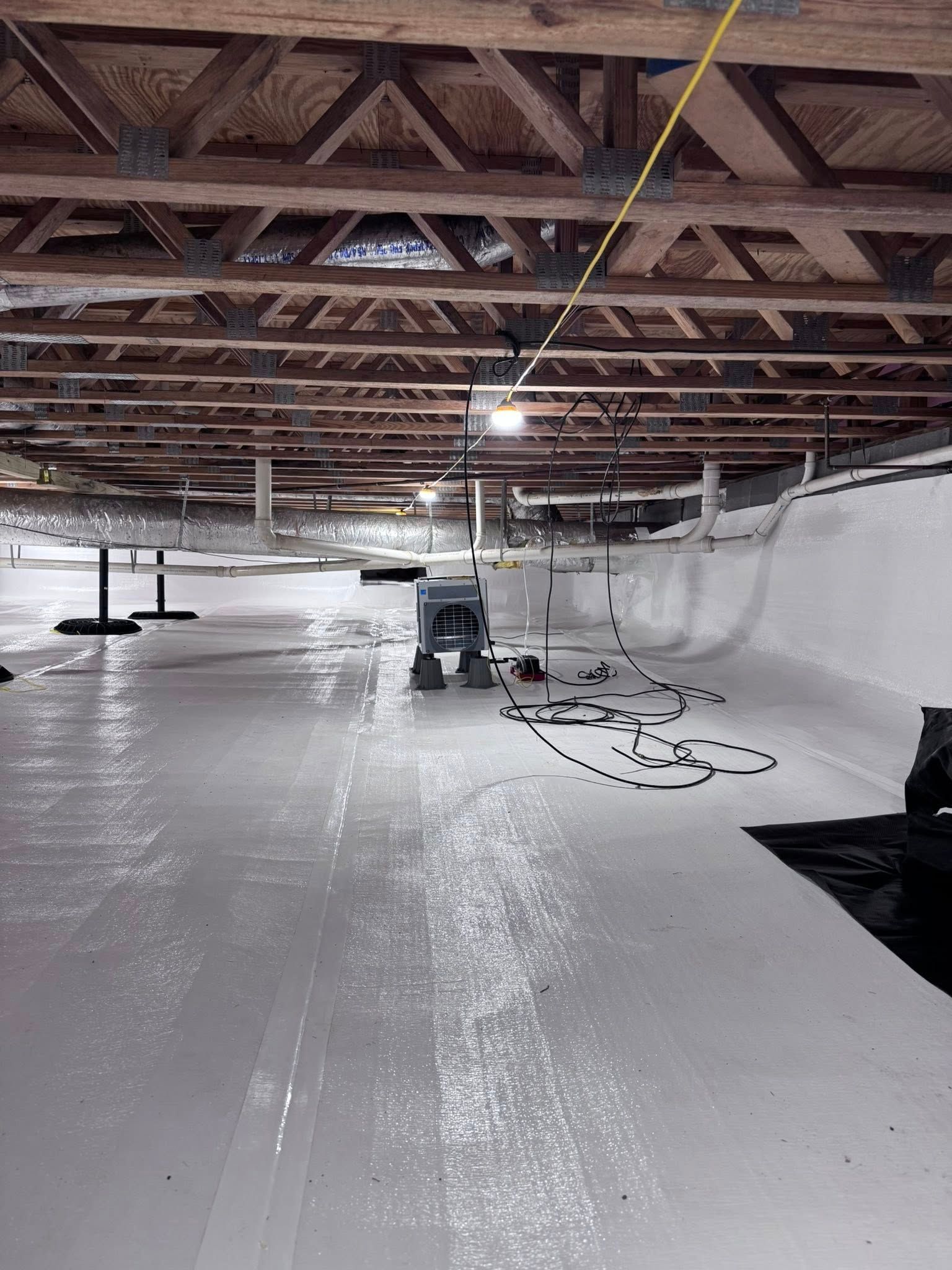
When it rains, water soaks into the ground around your house. As the soil fills up with water, it creates pressure - kind of like a sponge that can't hold any more liquid.
This pressure, called hydrostatic pressure, pushes against everything around it. That includes your foundation walls and the area under your footer.
Here's the thing: concrete might seem solid, but water under pressure can work its way through tiny cracks and pores. It can also push up from underneath your footer, finding any gap or weakness to get through.
So even when your yard slopes away perfectly and water runs off like it should, you can still end up with moisture problems underneath your house. The water isn't coming from the surface - it's being forced through from underground pressure.
Why Exterior Fixes Don't Always Work
Look, I get it. When homeowners see water in their crawl space, the first thought is usually about fixing things from the outside. Regrade the yard, add some French drains, extend the downspouts.
And sometimes those fixes help. If water is pooling near your foundation or gutters are dumping right next to your house, those are obvious problems worth addressing.
But when you're dealing with hydrostatic pressure - that underground water pushing against your foundation - exterior work has limits. You can't reshape every inch of your property. You can't control the water table or how saturated the soil gets after heavy rain.
At some point, you're fighting a battle you can't win from the outside.
The Case for Interior Drainage
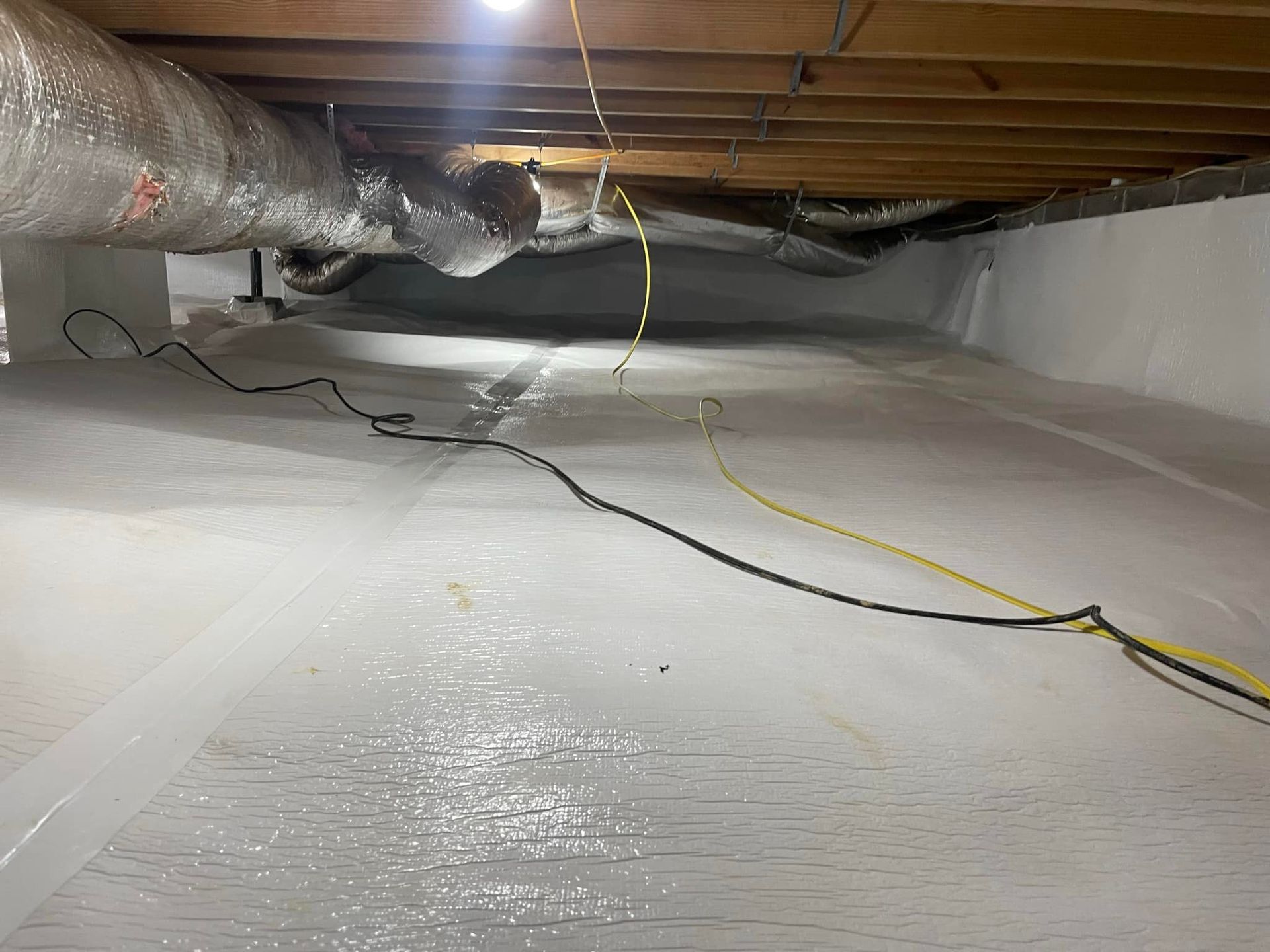
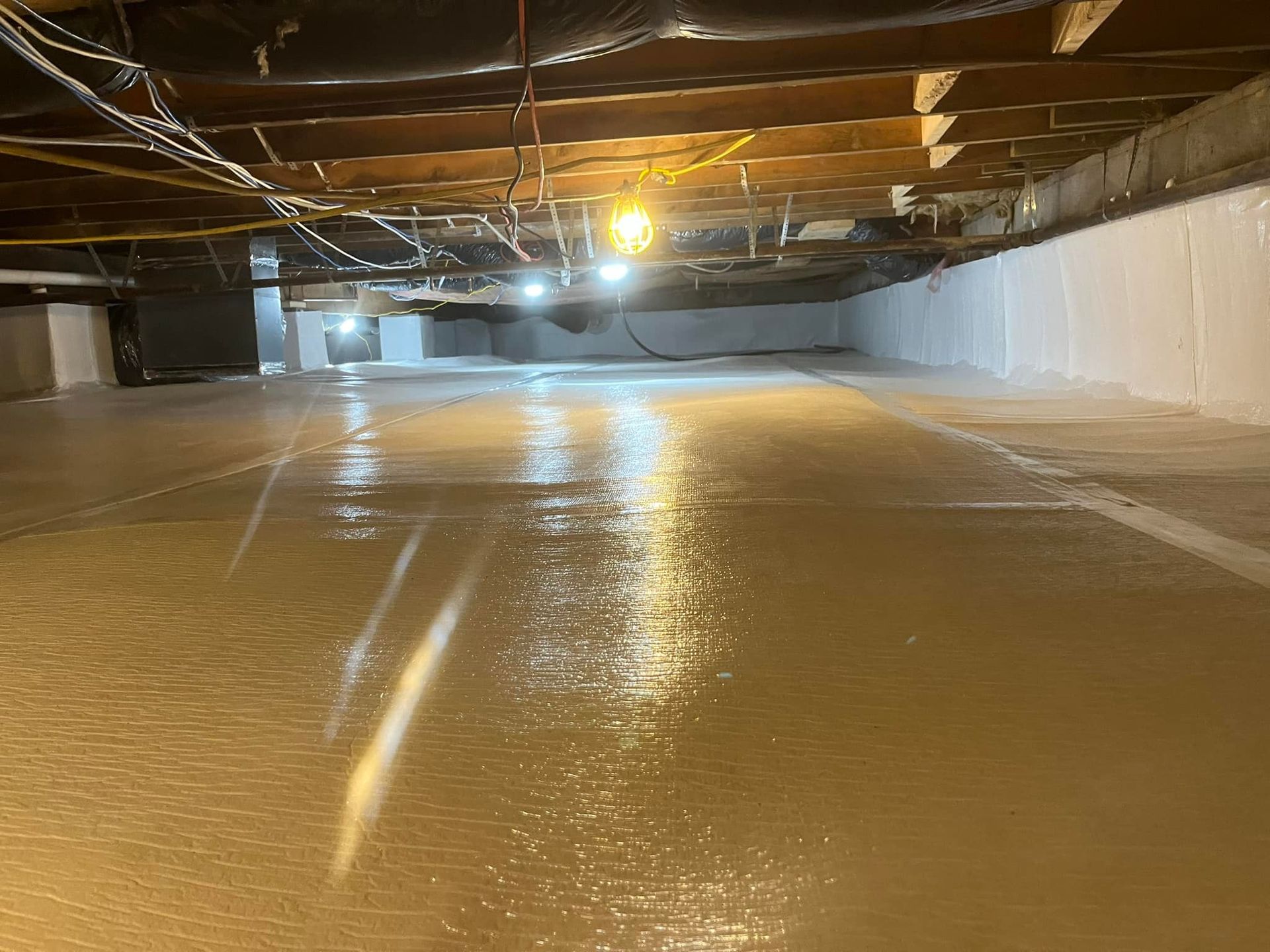
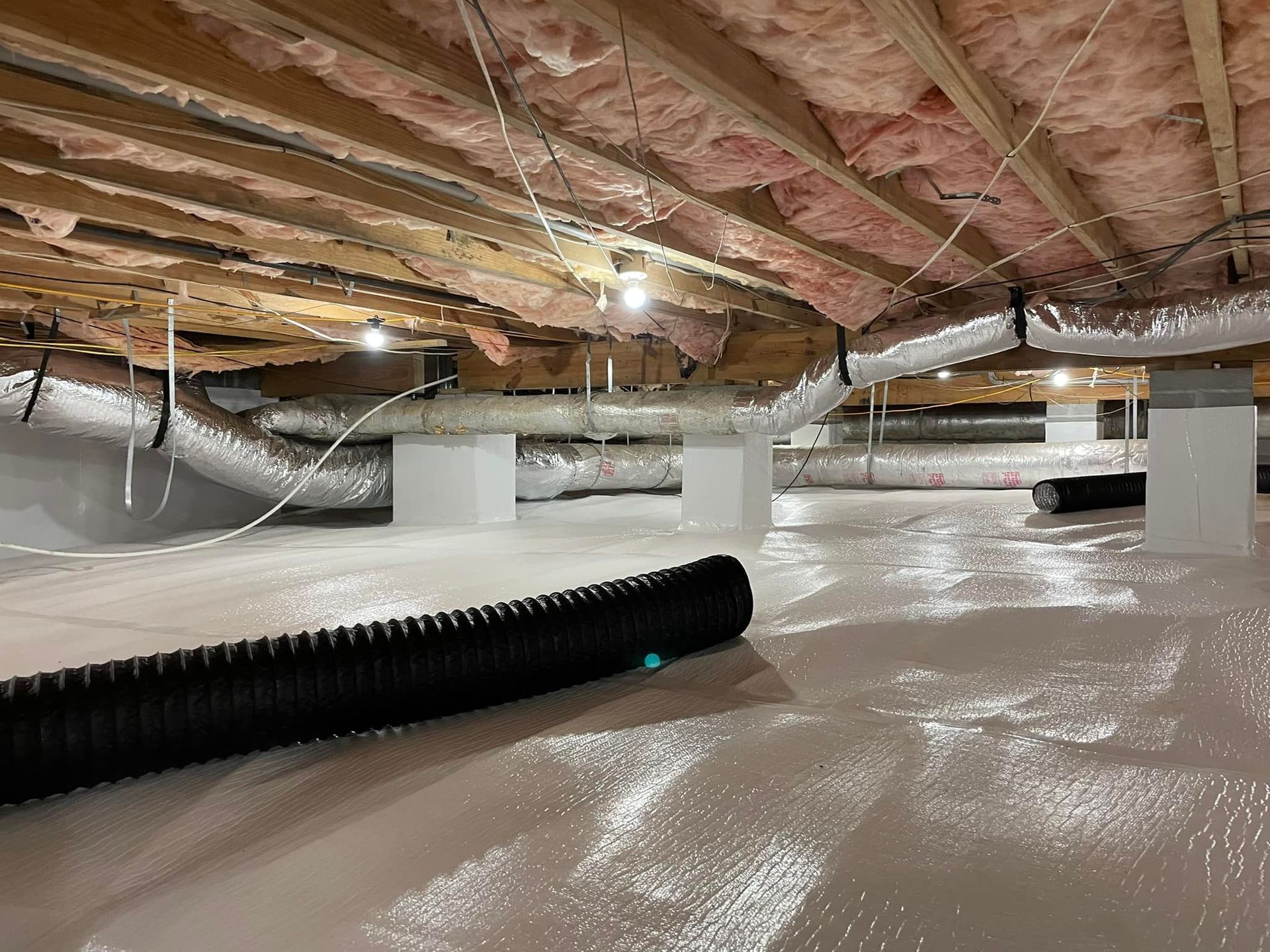
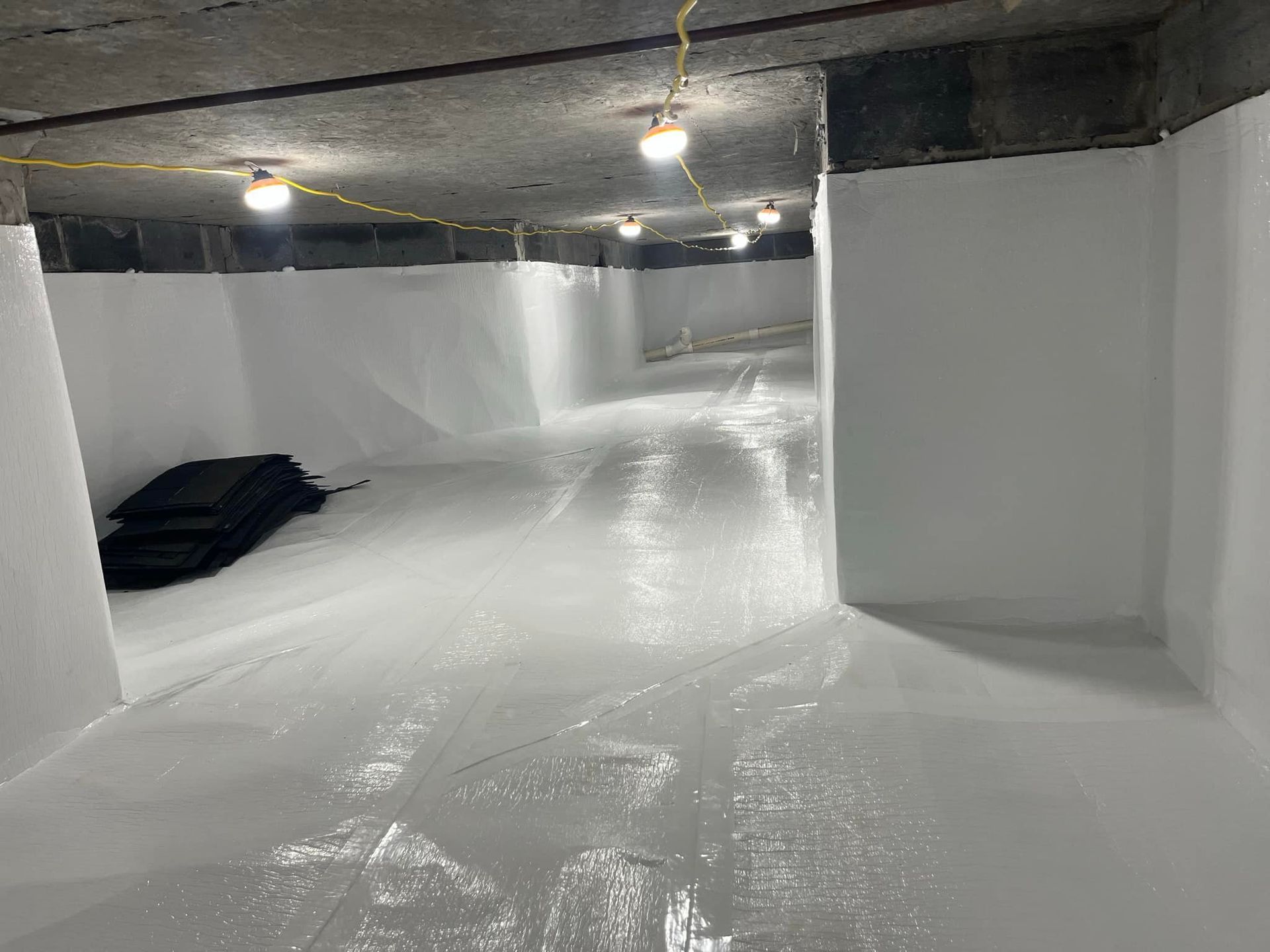
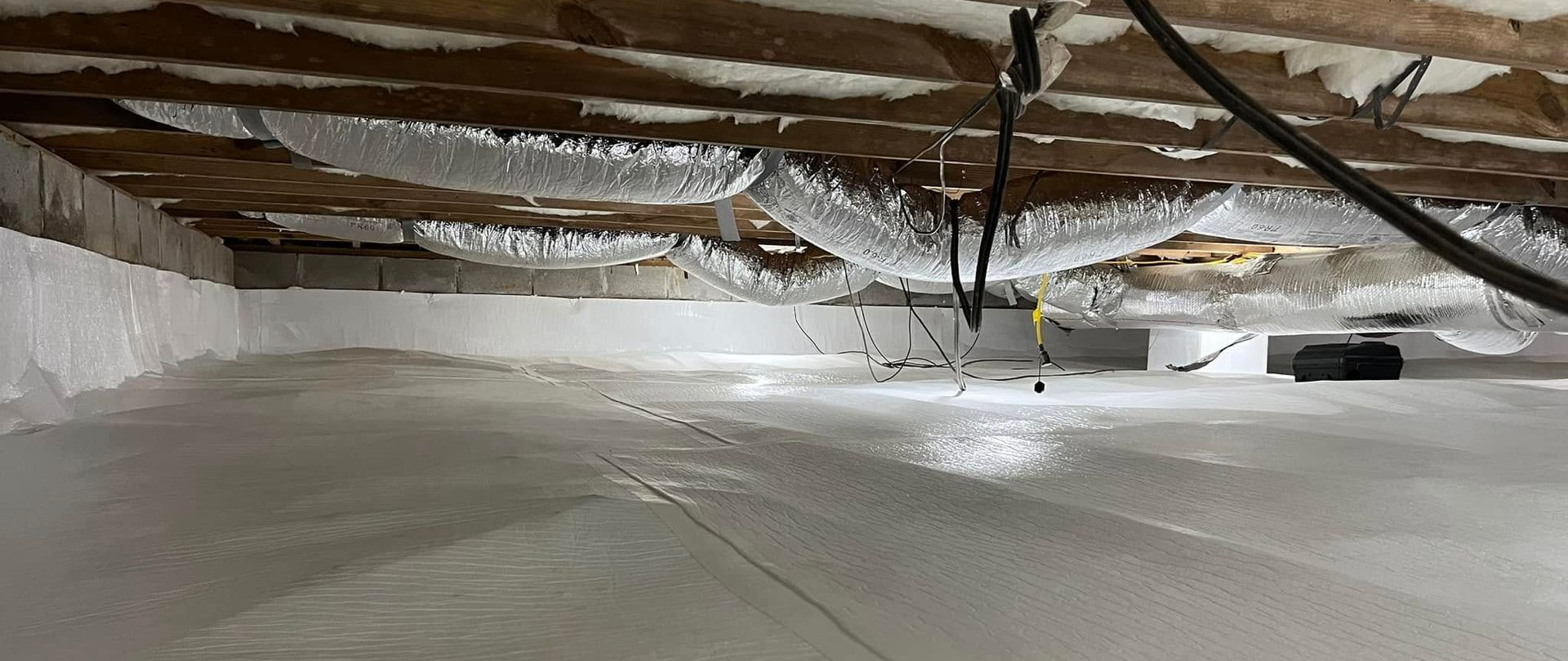
Interior drainage works differently. Instead of trying to keep all the water away from your foundation, we accept that some water is going to get in. Then we control where it goes.
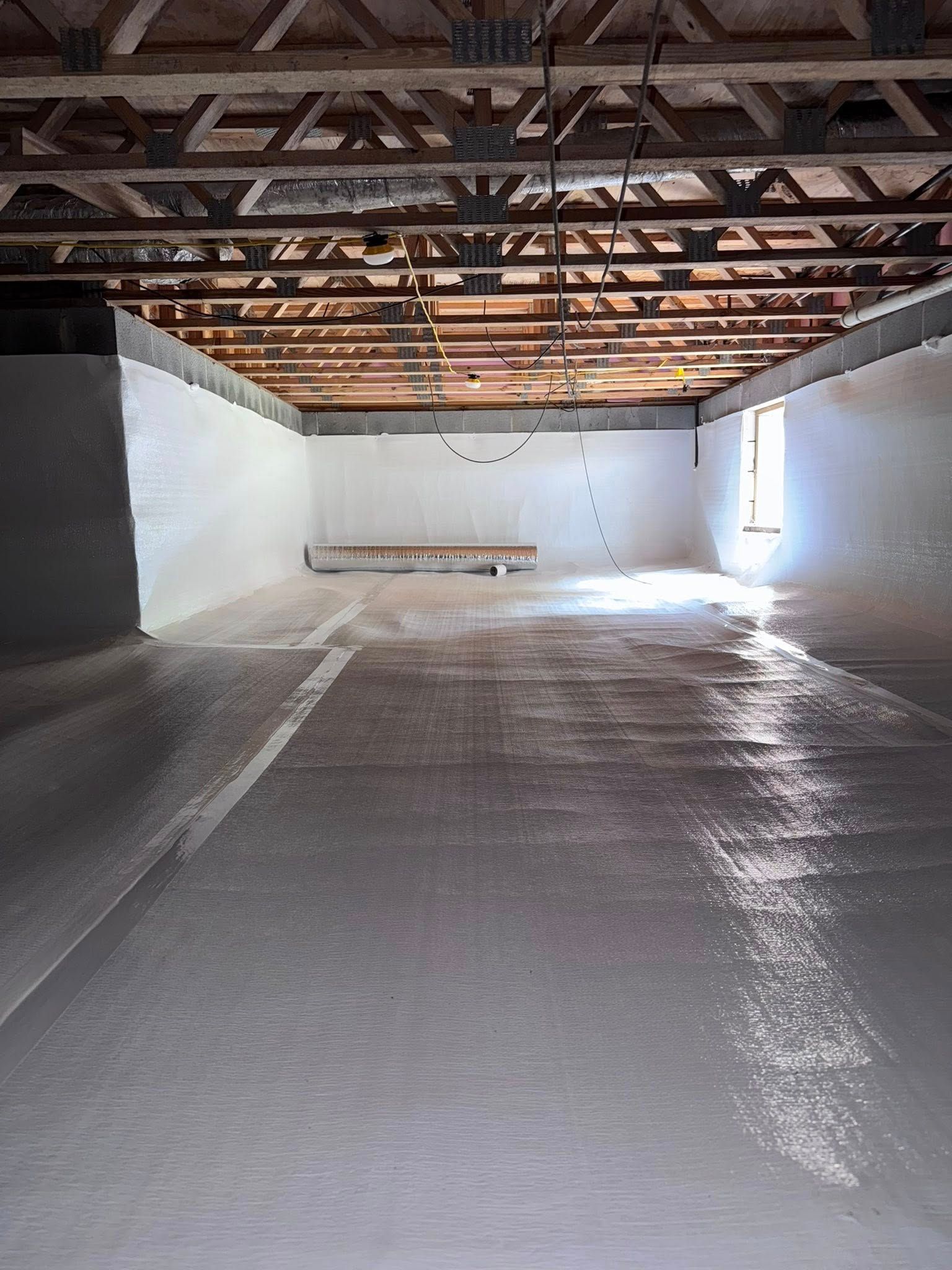
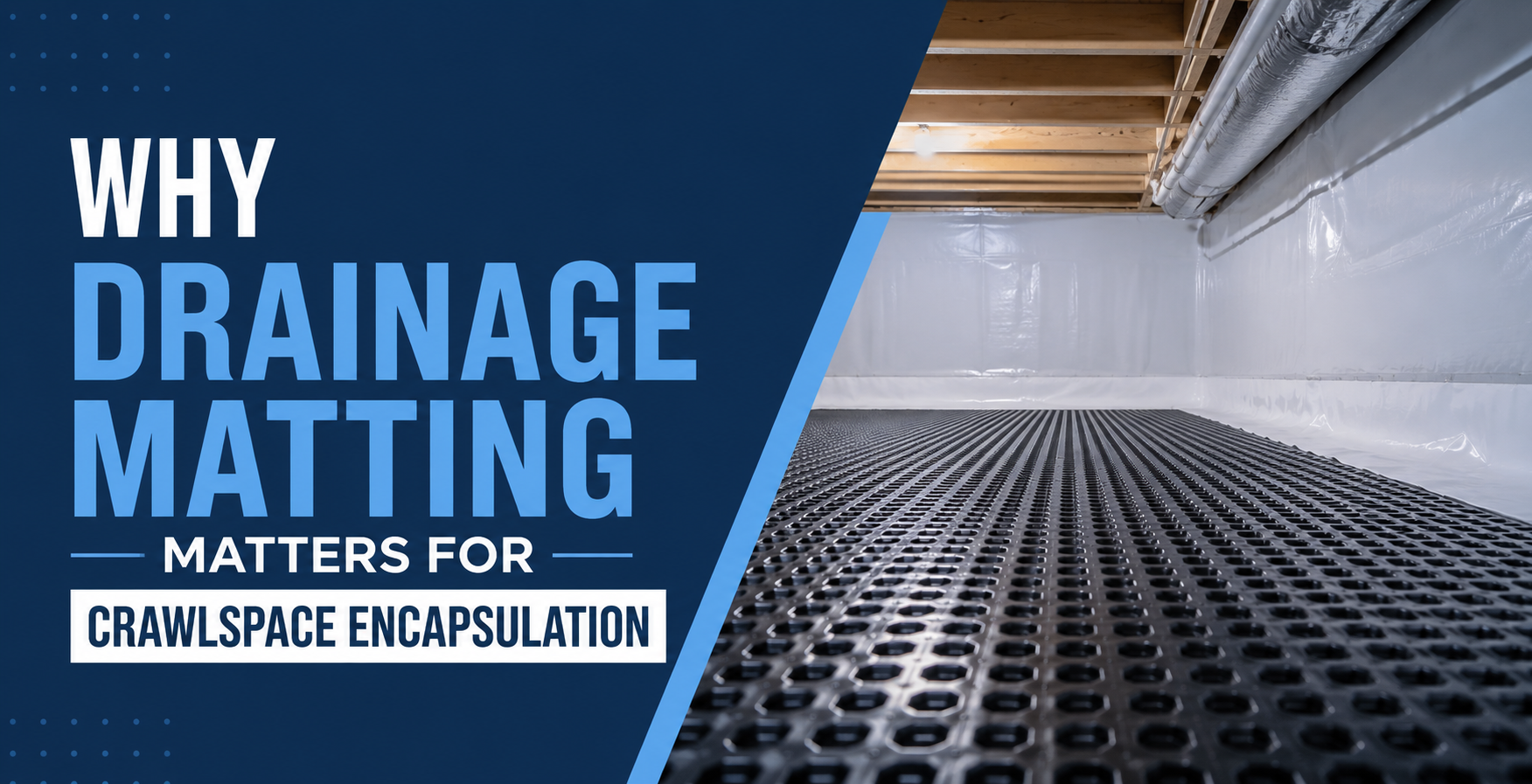
We install drainage systems inside your crawl space that catch the water as it comes through. The water flows to a collection point, and we pump it out and away from your house.
It sounds simple, but it's effective. You're not fighting nature anymore - you're working with it. And because everything is installed inside, we can direct the water exactly where we want it to go.
Plus, interior systems are often more affordable than major exterior work and more reliable in the long run.
When to Choose Interior vs. Exterior Solutions
Here's my honest take: if you've got obvious problems on the outside, fix those first. Clean your gutters, extend downspouts away from the house, do some basic grading if water pools near your foundation.
But if you've already done that and you're still getting water, or if your yard looks good but you still have moisture problems, interior drainage is probably your answer.
The key is getting the right diagnosis. Every house is different. Some need exterior work, some need interior systems, and some need both.
Don't waste money on solutions that won't solve your specific problem.
Stop Fighting Water and Start Managing It
The biggest lesson I've learned after thousands of crawl space inspections is this: you can't always keep water away from your foundation. But you can control what happens when it gets there.
If you're dealing with crawl space water problems, don't guess at solutions. Get a professional assessment from someone who understands how water moves underground and what actually works.
We'll walk your property, check your crawl space, and give you honest recommendations about whether you need exterior work, interior drainage, or both. No games, no overselling - just solutions that match your specific situation.
Don't let water damage continue while you're trying fixes that won't work. Let's figure out the right approach for your home.