Vapor Barriers Don't Work Without This Critical Step
Why Perfect Grading Still Leaves Some Crawl Spaces Wet
The underground pressure working against your foundation
I was out in Maryville yesterday looking at a crawl space that had already been treated by a pest control company.
They'd laid down a new vapor barrier and done a borate treatment on the wood to kill fungal growth.
The homeowner thought everything was taken care of.
But when I got down there, I could see the real problem hadn't been touched. Sure, the place looked cleaner.
There was even crystallization on the ground from where the borate treatment had dried - a sign that the work had been done.
But all the moisture sources were still there, doing their damage.
This homeowner paid good money thinking they'd solved their crawl space issues.
Instead, they got a temporary fix that's going to fail in a year or two.
And then they'll have to pay again to actually fix it right.
Understanding Where Moisture Really Comes From
Here's what most people don't realize: moisture doesn't just come from the ground. It comes from three main sources - your vents, your foundation walls, and the dirt floor itself.
In an average crawl space, you're looking at 10 to 20 gallons of water evaporating every single day. That's not a small amount. And if you just lay down a basic vapor barrier without sealing those other sources, that moisture is still getting in. It comes up around the edges. It seeps through the vents. It pushes through your foundation walls.
A regular vapor barrier isn't sealed to anything. So all that moisture keeps doing what it's always done - it just looks a little better while it's happening.
What Happens When You Skip Moisture Control
So what does all that moisture actually do? In the spring, summer, and fall, you're running your AC. That means cold air is pushing through your ductwork in the crawl space. When warm, humid air hits those cold ducts, condensation forms.
It's not just a little bit of water either. Your ducts will literally start sweating. Over time, it gets bad enough that water actually drips off them like rain. And once that starts happening, your problems multiply fast.
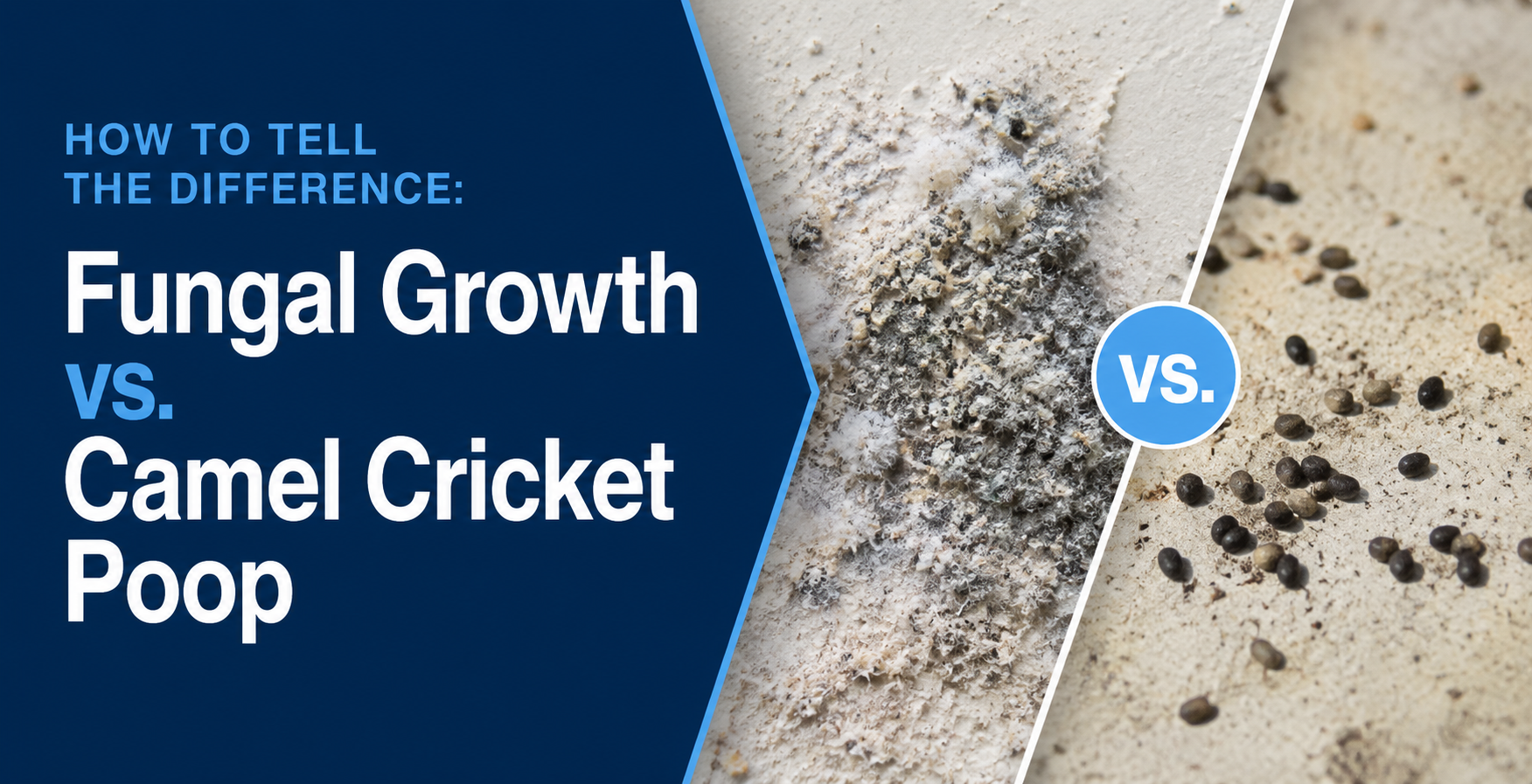
The joints in your ductwork begin to deteriorate. The insulation around your ducts starts falling apart. And that fungal growth you paid to treat? It comes right back because the moisture never stopped.
Band-Aid Treatments vs. Real Solutions
A basic treatment looks like this: lay down a vapor barrier, spray some fungal treatment on the wood, maybe add some ventilation. It looks good when they're done, and it might even smell better for a while.
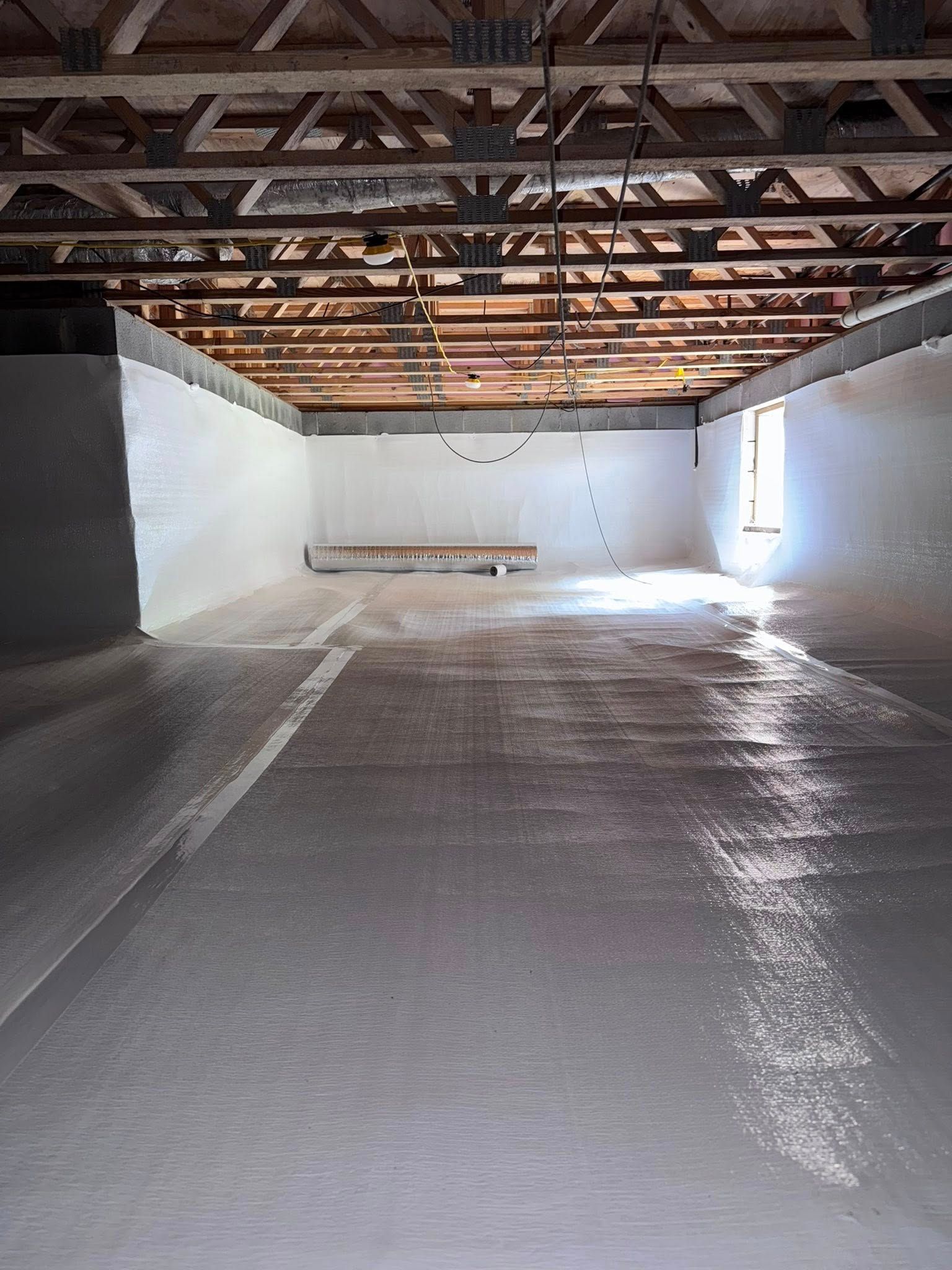
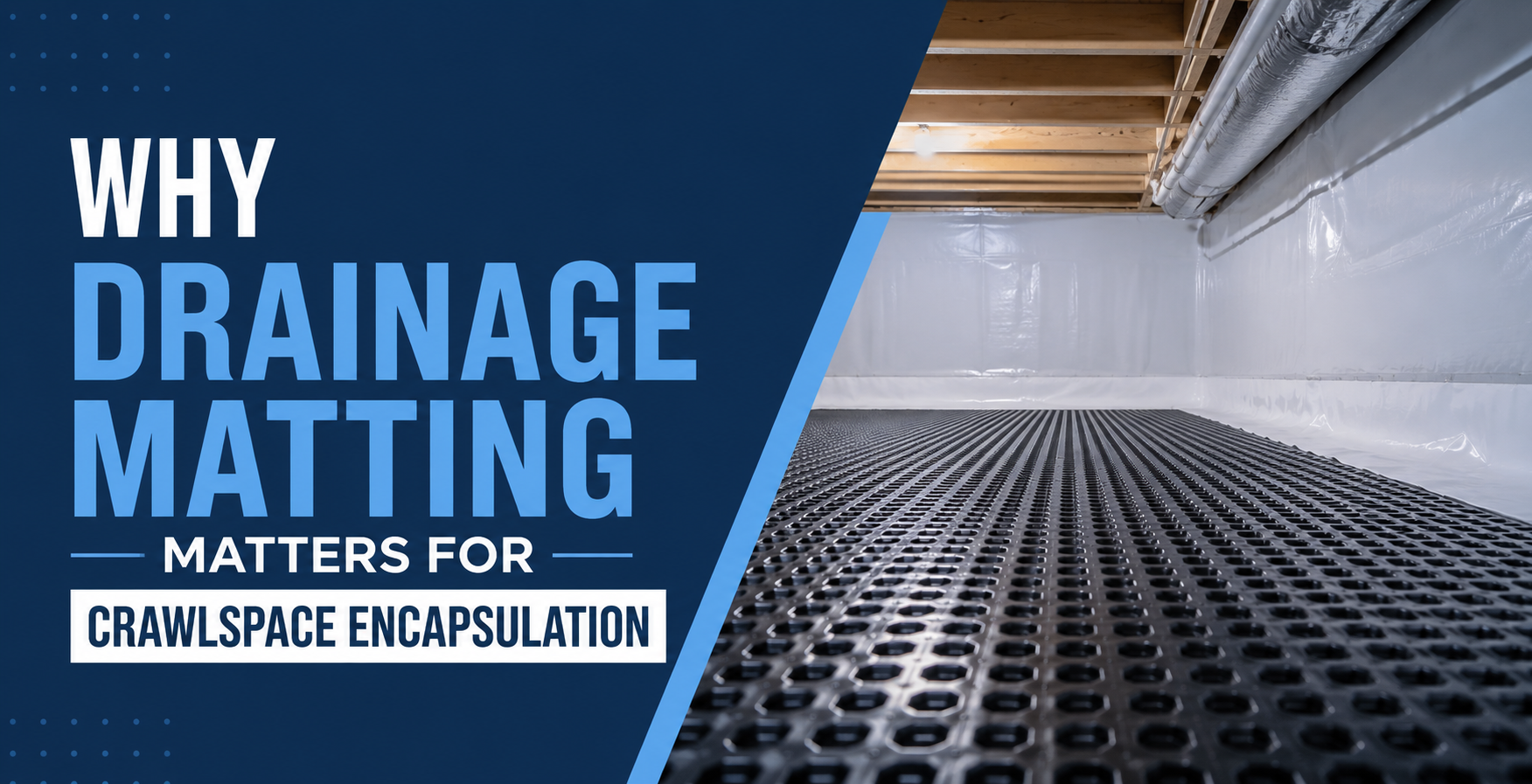
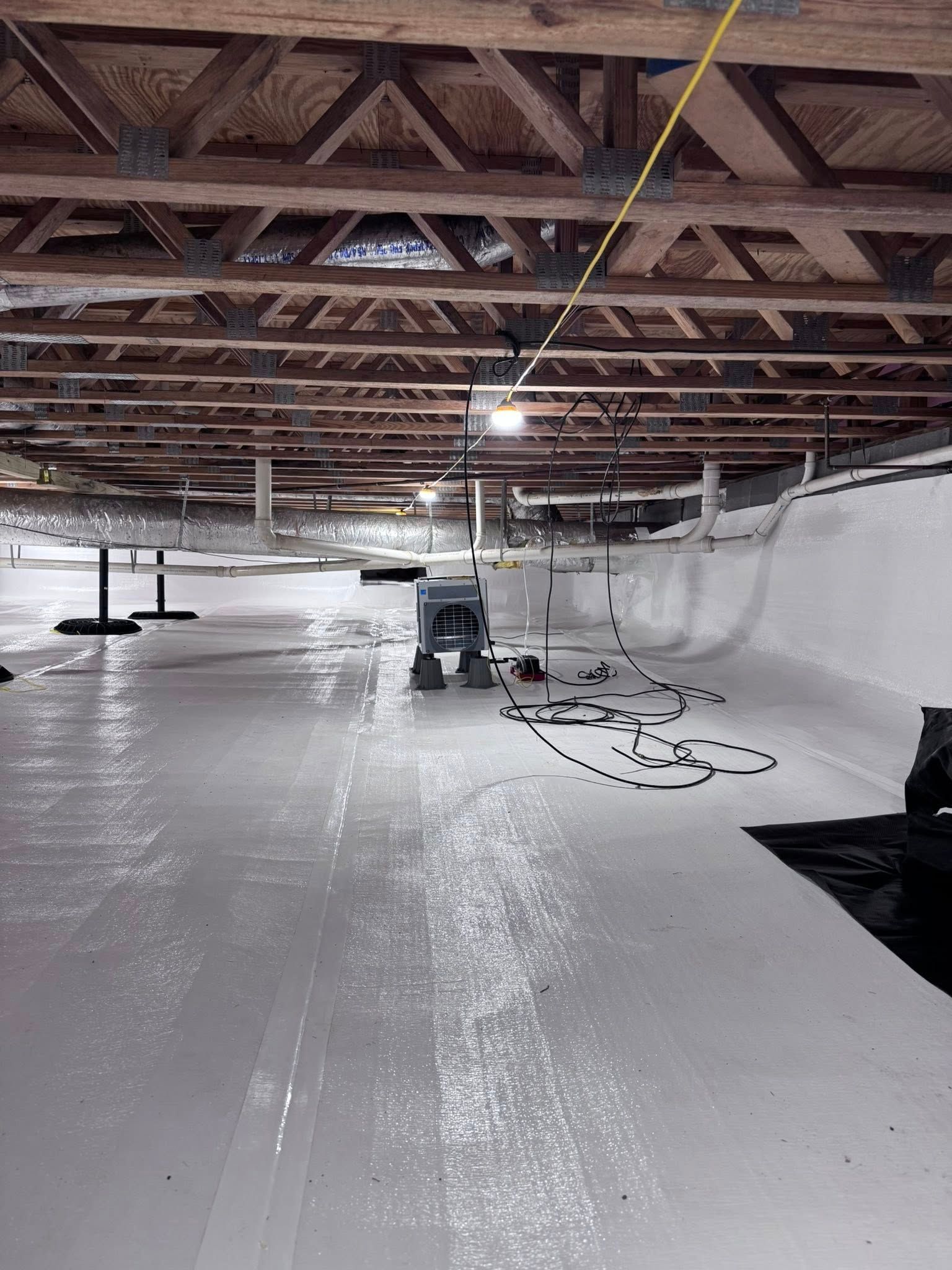
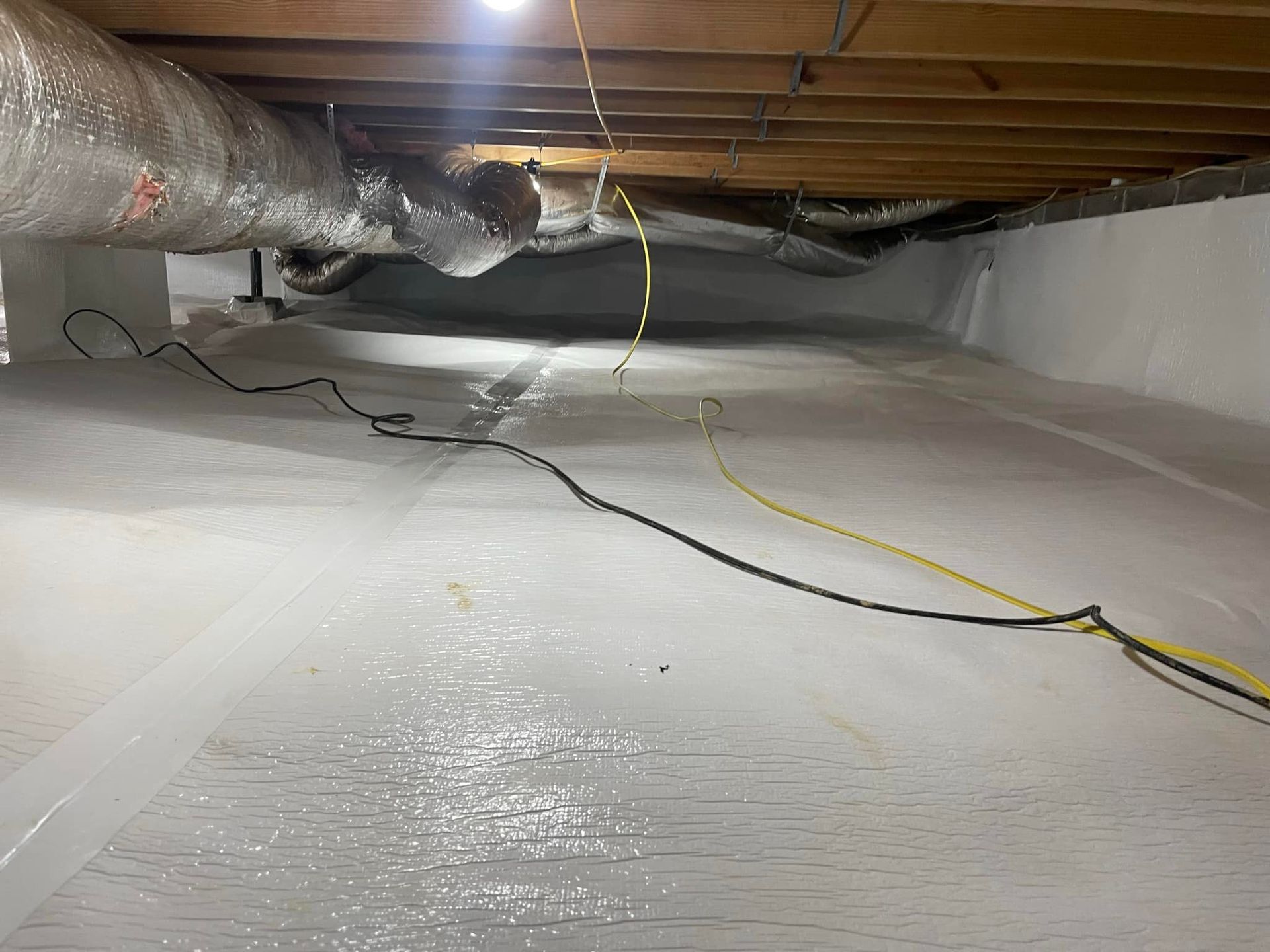
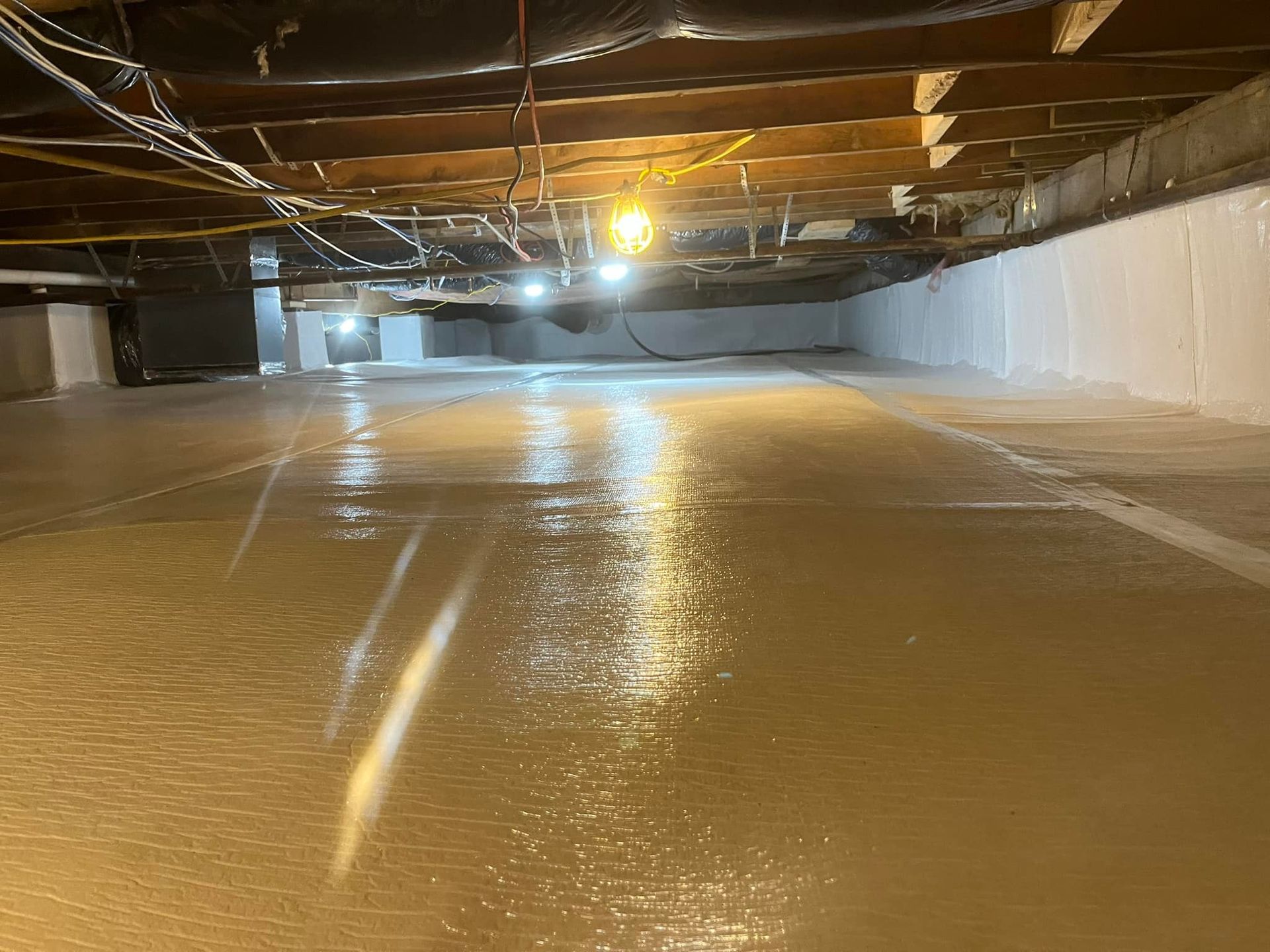
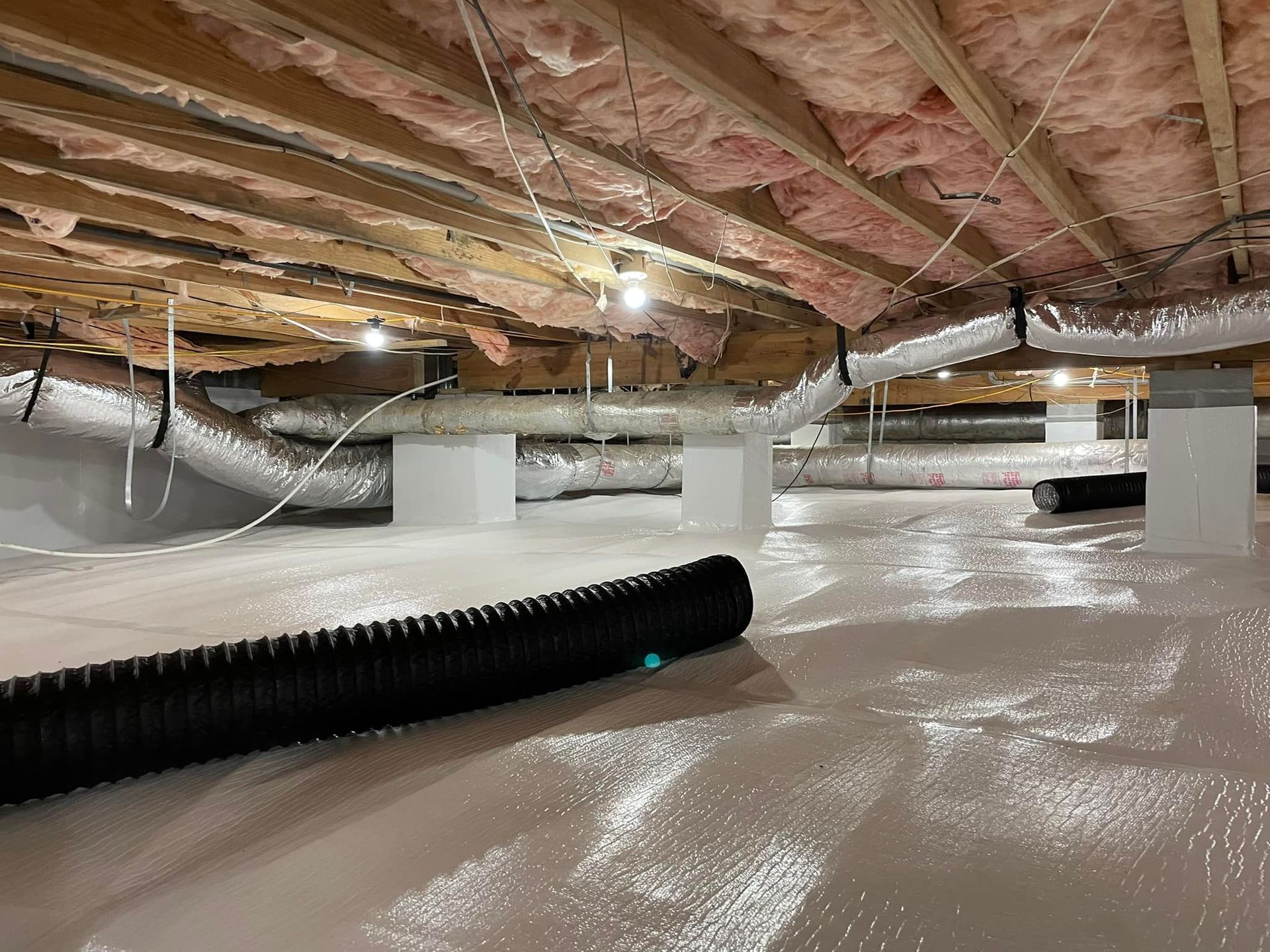
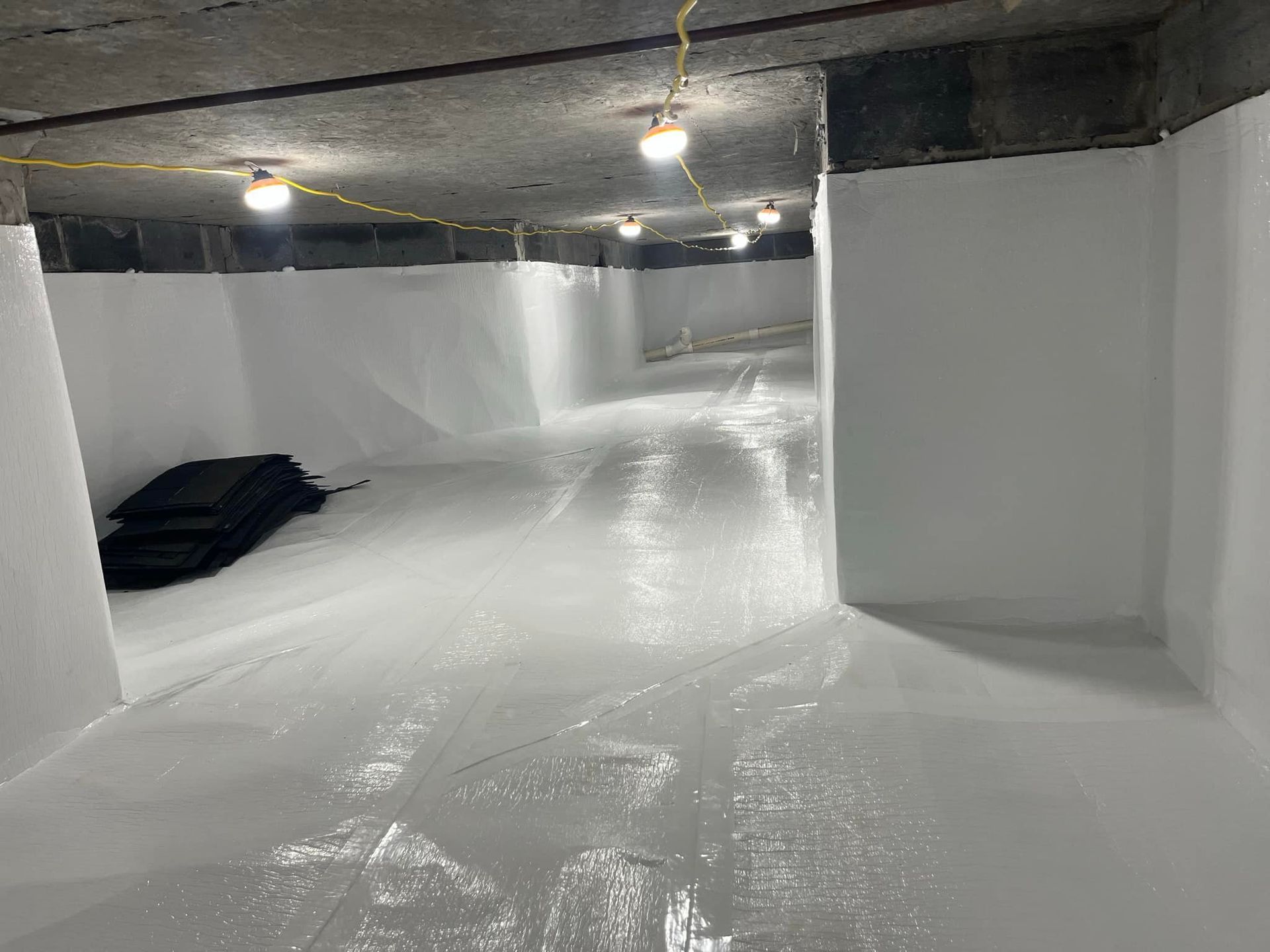
But a complete encapsulation addresses all the moisture sources. We seal the vents. We seal the walls. We use a thick vapor barrier that's actually attached and sealed to the foundation. Then we control the humidity with proper dehumidification.
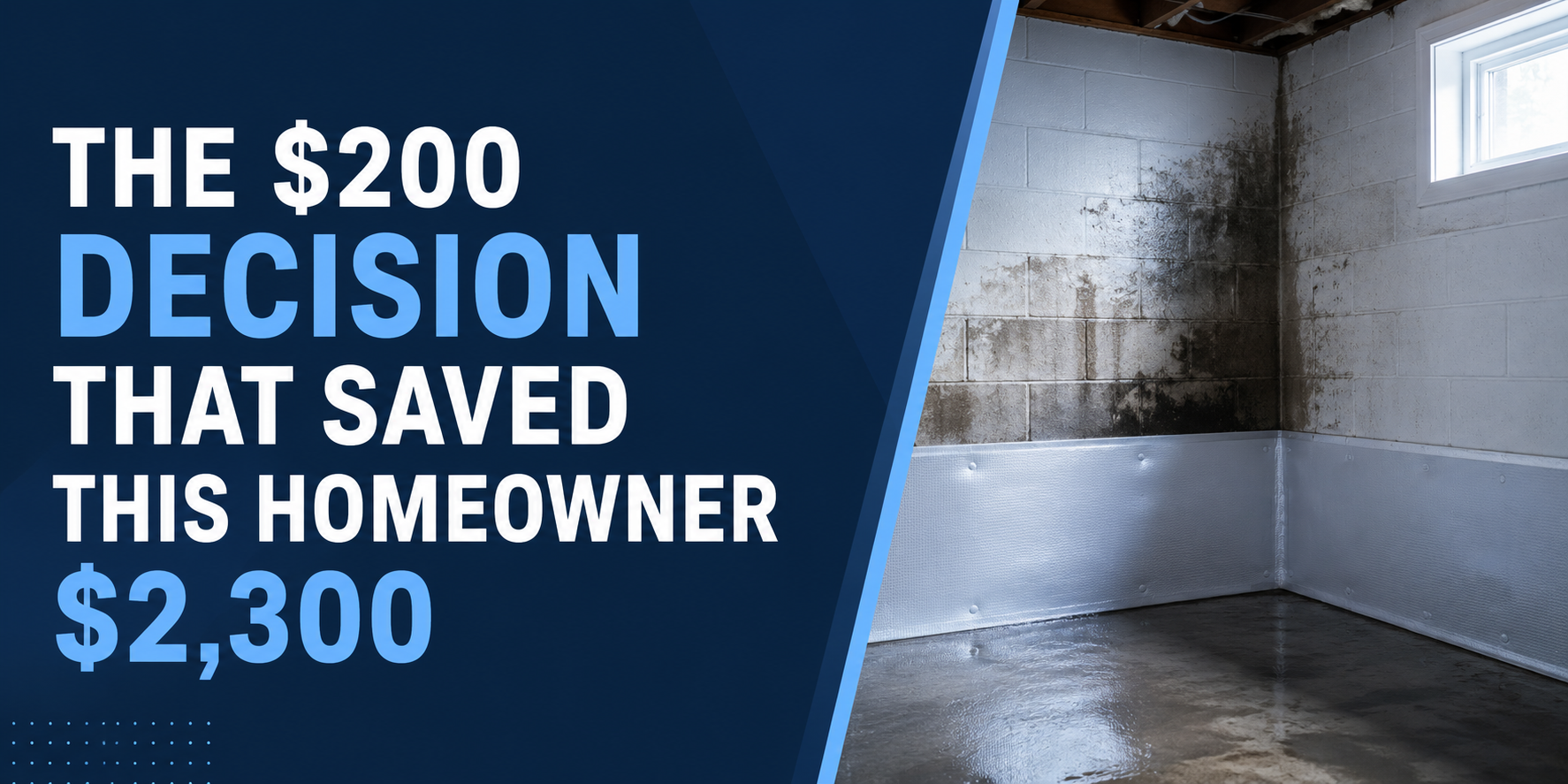
Yes, complete encapsulation costs more upfront. But here's the math that matters: paying for a half solution now and then paying again in two years to fix it right costs way more than doing it correctly the first time.
How to Know If Your Crawl Space Work Was Complete
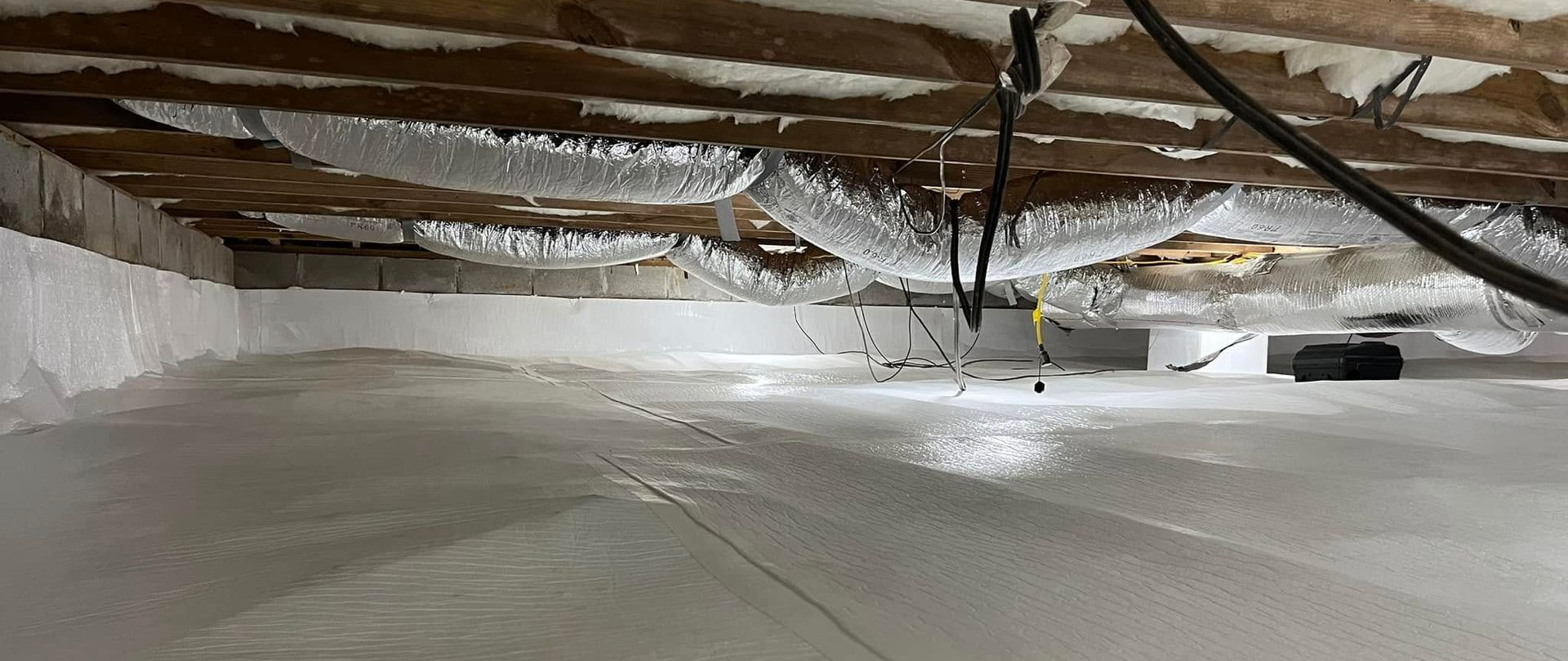
If someone worked on your crawl space, here's what you should see if they did it right:
Sealed foundation vents - not just covered, but properly sealed. A thick vapor barrier that's attached to your walls and sealed at all seams. Insulation in the right place - on the walls, not hanging from your floor joists. And a dehumidifier that's actually controlling moisture levels.
Questions you should ask any contractor: Are you sealing the vents? What thickness vapor barrier are you using? How are you controlling humidity after installation? If they can't give you clear answers, that's your red flag.
Get It Done Right the First Time
Look, I get it. Complete crawl space encapsulation isn't cheap. But neither is paying for work that doesn't actually solve your problem.
When we do an encapsulation, we're not just making your crawl space look better. We're eliminating the moisture sources that cause all those issues in the first place. That means your ductwork stays intact. Your insulation stays where it belongs. And you're not dealing with recurring fungal growth every few years.
The homeowner in Maryville is going to have to pay twice - once for the treatment that didn't work, and again to actually fix the problem. Don't let that be you.
If you've had crawl space work done and you're not sure it was complete, or if you're dealing with issues that keep coming back, give us a call. We'll give you an honest assessment of what's actually happening under your house and what it takes to fix it for good.