Standing Water in Your Crawl Space? Here's What You Need to Know
Understanding Water Problems Before They Damage Your Foundation
How to read the signs and fix the problem right
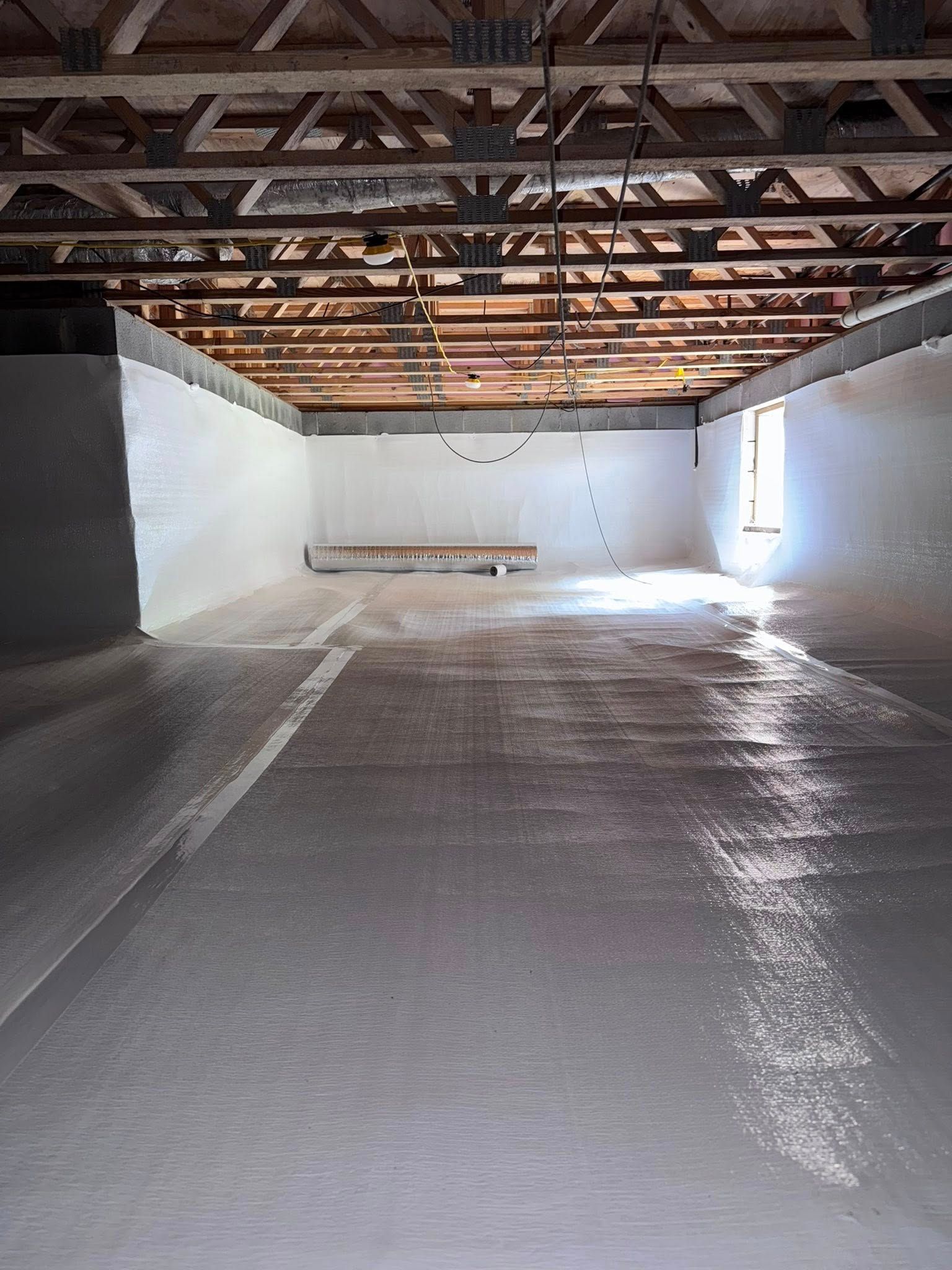
I was out in Maryville yesterday looking at a crawl space that seemed perfectly dry.
No standing water anywhere.
The homeowner thought maybe they'd dodged a bullet since we haven't had heavy rain lately.
But the evidence told a different story.
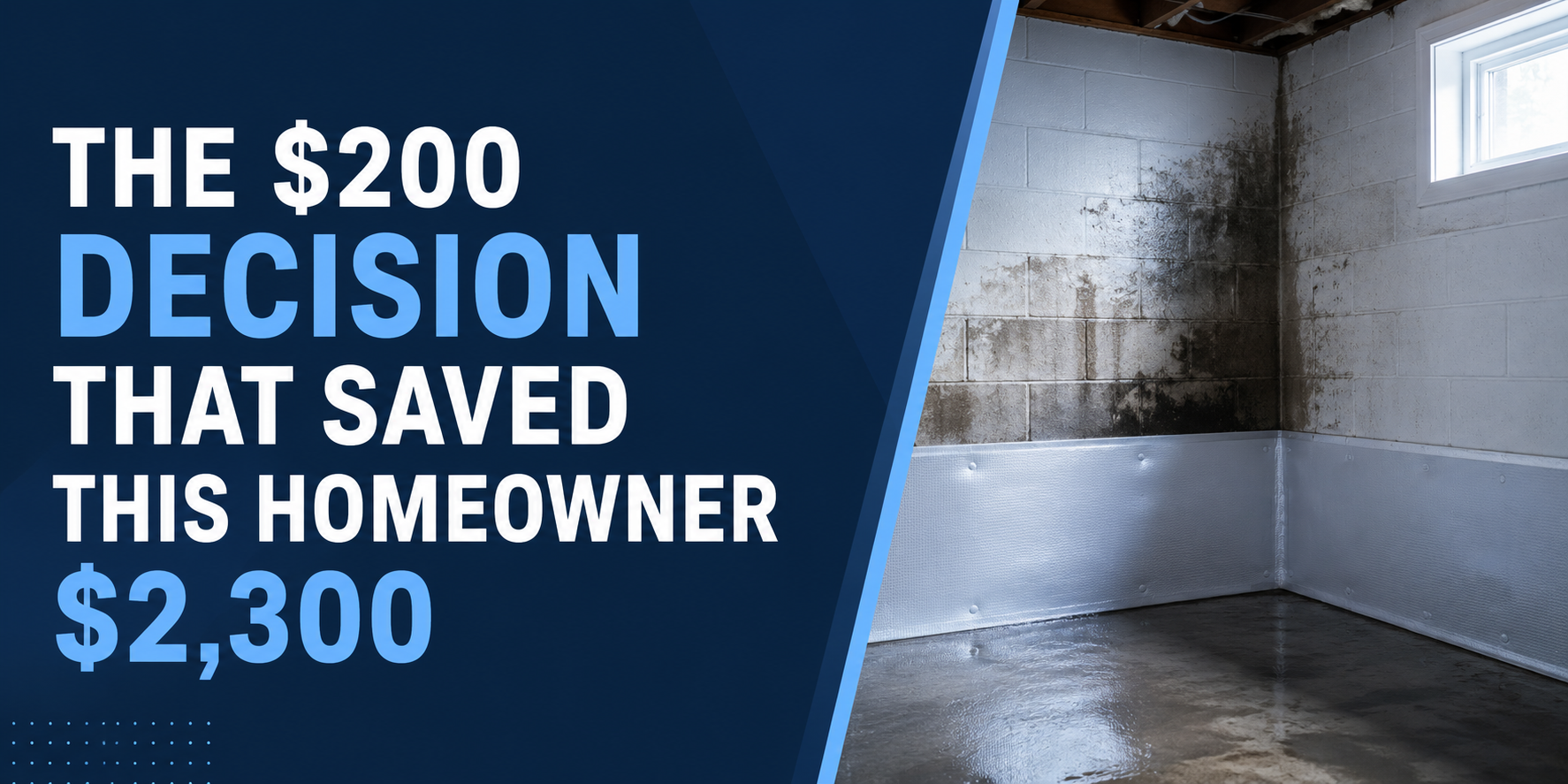
Water marks all over the foundation walls.
Dirt lines on the vapor barrier.
Clear trails showing exactly where water had been flowing.
This crawl space had serious water problems - we just happened to catch it on a good day.
That's the thing about crawl space water issues.
What you see today might not show the full picture.
The real story is written on your walls and floors in the form of stains, marks, and sediment lines left behind after the water recedes.
Reading Your Crawl Space's Water History
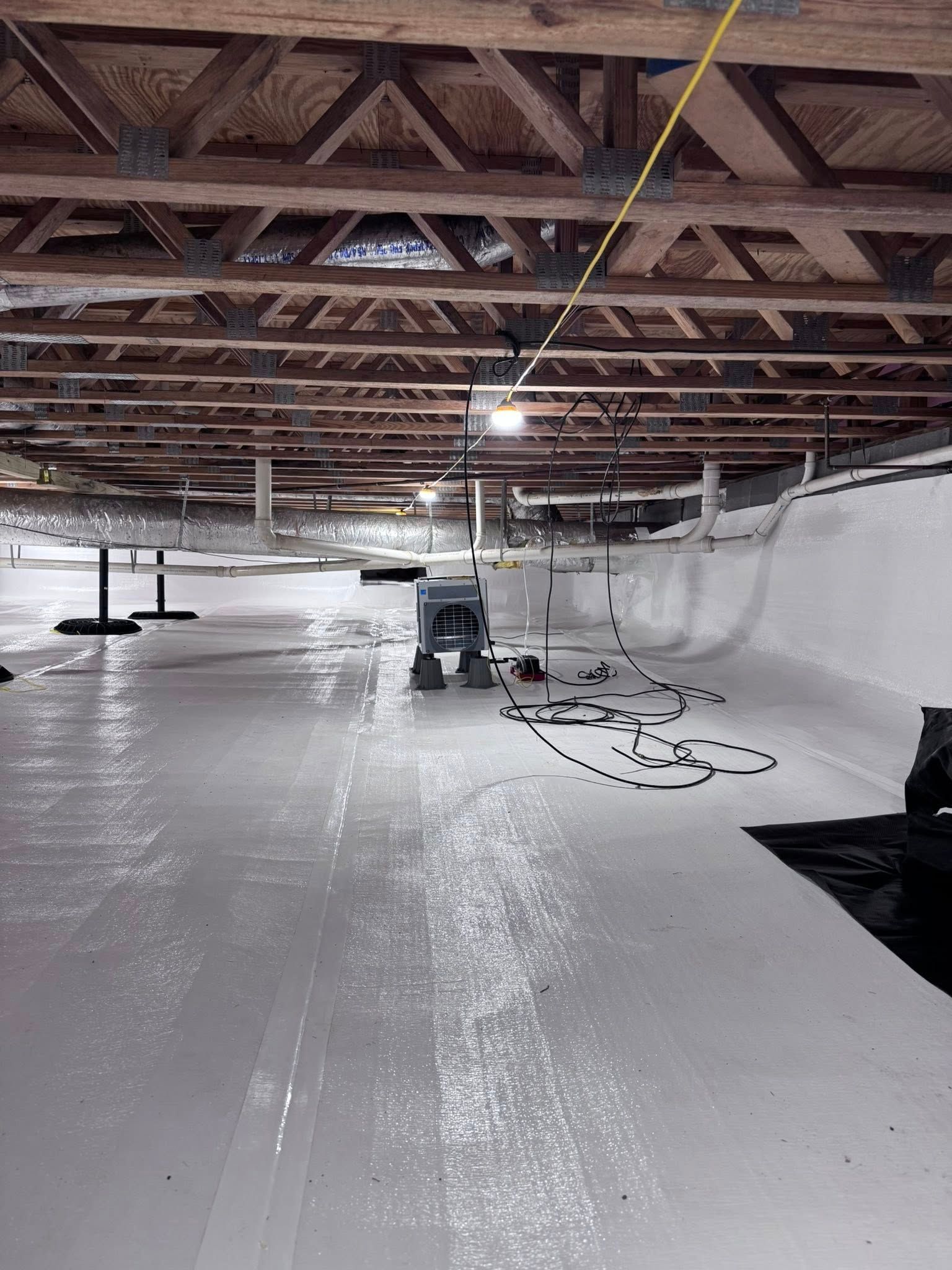
When I inspect a crawl space for water problems, I'm looking at more than just puddles. I'm reading the evidence water leaves behind:
The marks on your foundation walls show me how high the water gets during heavy rain. Sometimes it's just a few inches. Other times it's climbing halfway up the block.
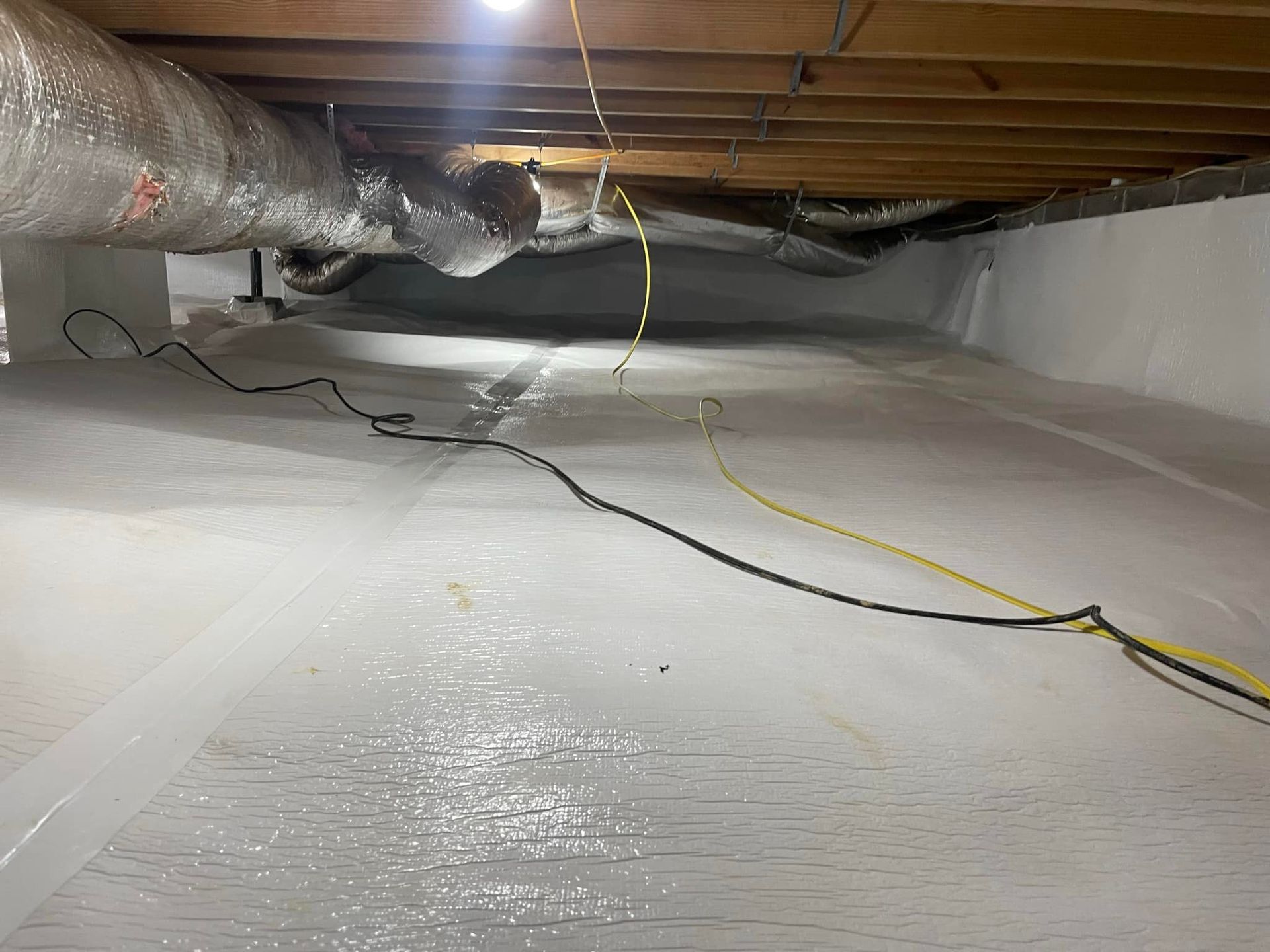
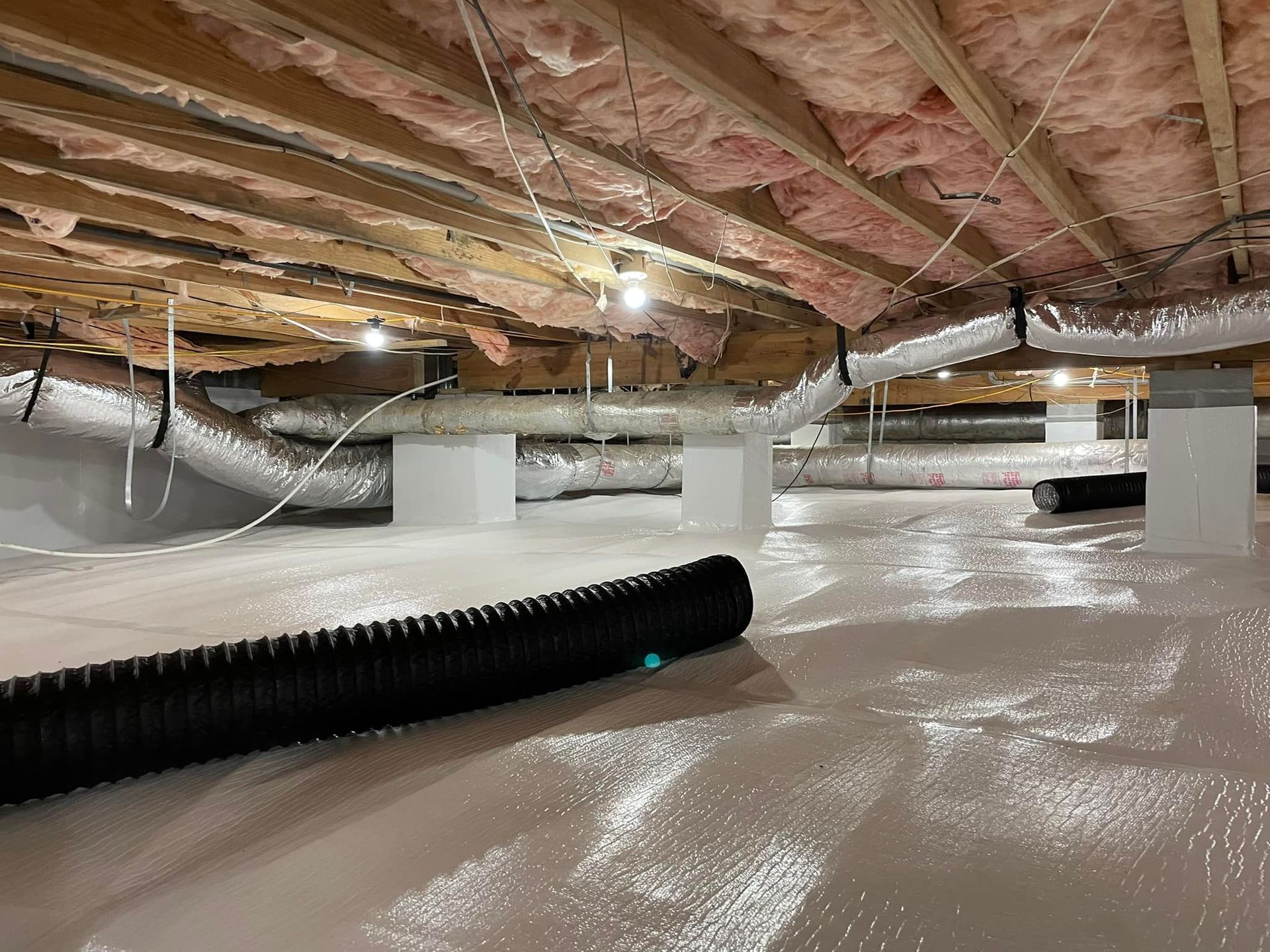
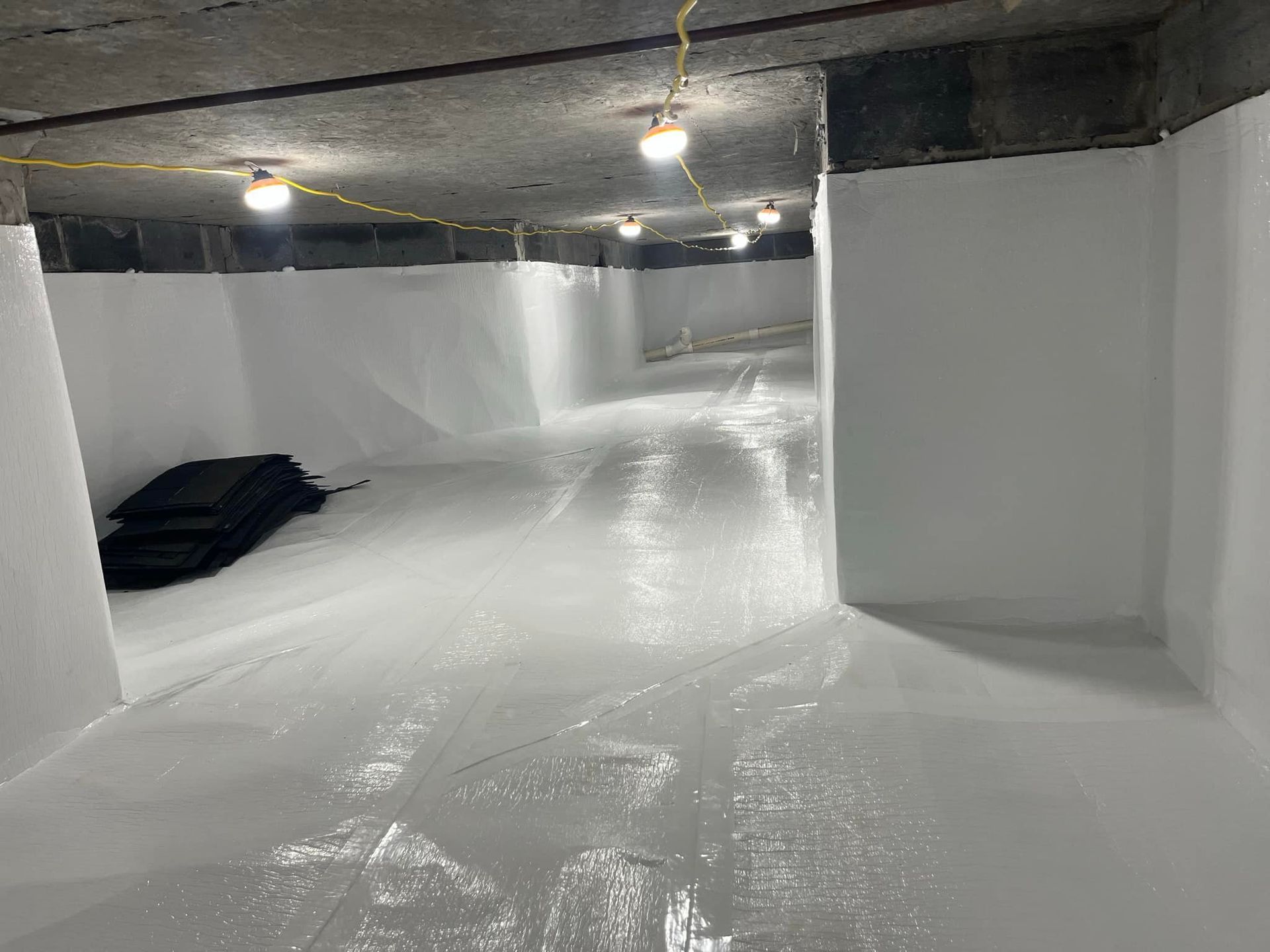
Dirt lines on your vapor barrier tell me where water is pooling and how far it's spreading. These lines appear right up against the wall where water and soil meet.
Water trails around the perimeter show me the path water takes as it moves through your space. Water doesn't just appear randomly - it flows in predictable patterns based on your crawl space's layout.
All of these signs help me understand your specific water problem and design a solution that actually works.
Why Water Keeps Coming Back
Here's what most people don't understand about water: it always takes the path of least resistance. It's not being difficult - it's just following basic physics.
In your crawl space, water is going to flow to the lowest point it can find. If that lowest point is against your foundation wall, that's where it's going to sit. If there's a natural depression in one corner, water will collect there every single time it rains.
This is why some crawl space fixes don't work. You can have a sump pump installed, but if it's not in the right spot, water will still pool in other areas. The water isn't avoiding your pump on purpose - it's just flowing where gravity takes it.
Understanding how water moves through your specific crawl space is the key to solving the problem for good.
The Right Way to Install Drainage and Sump Pumps
Getting water out of your crawl space isn't complicated, but it does need to be done right. Here's how we approach it:
First, we find the natural low point in your crawl space. That's where water wants to go anyway, so that's where the sump pump should be. If there isn't a clear low point, we can create one by adjusting the grade.
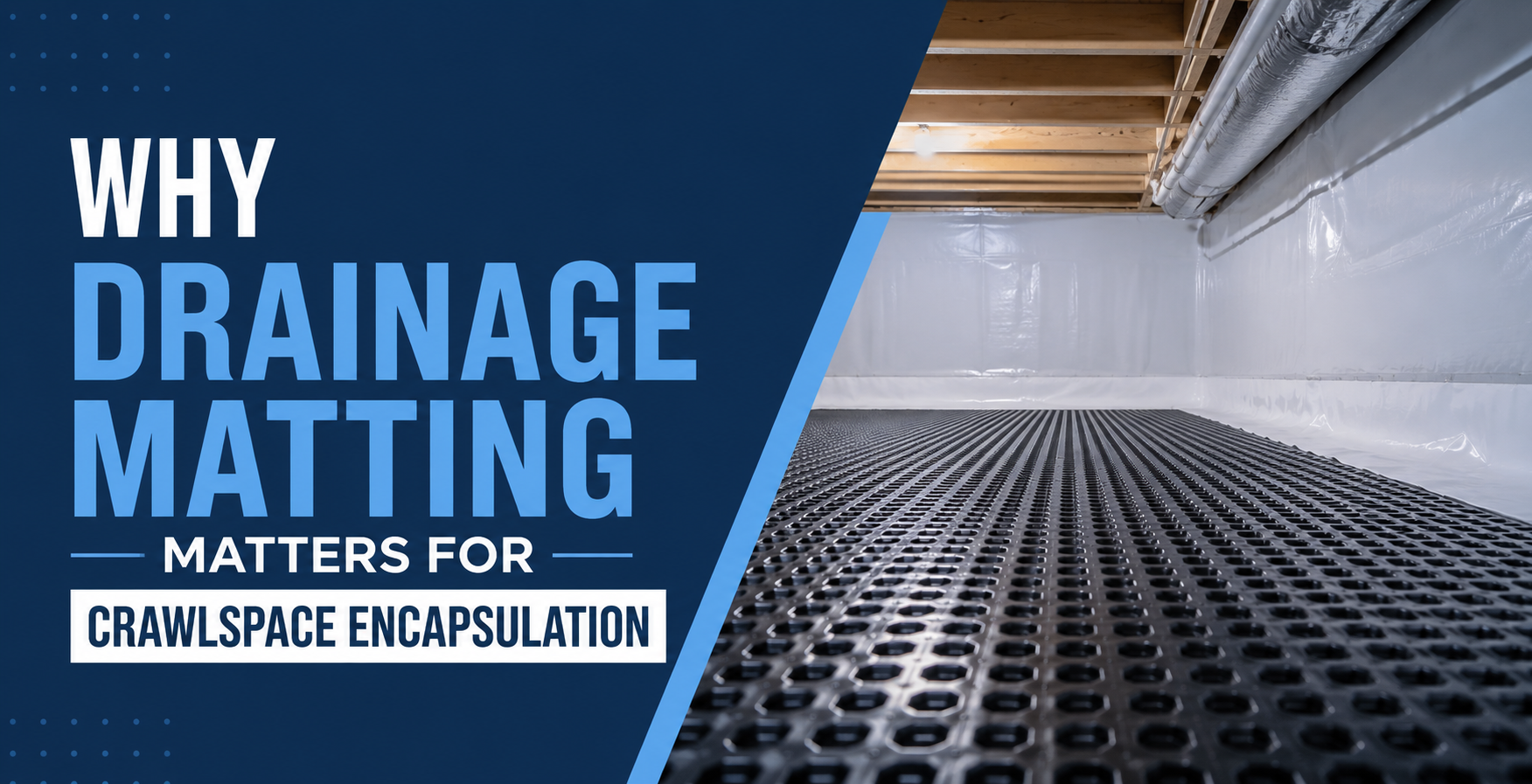
Next, we look at drainage. Based on those water marks and trails, we know exactly where water is entering and how it's flowing. We install drainage in those specific areas to intercept the water and direct it toward the pump.
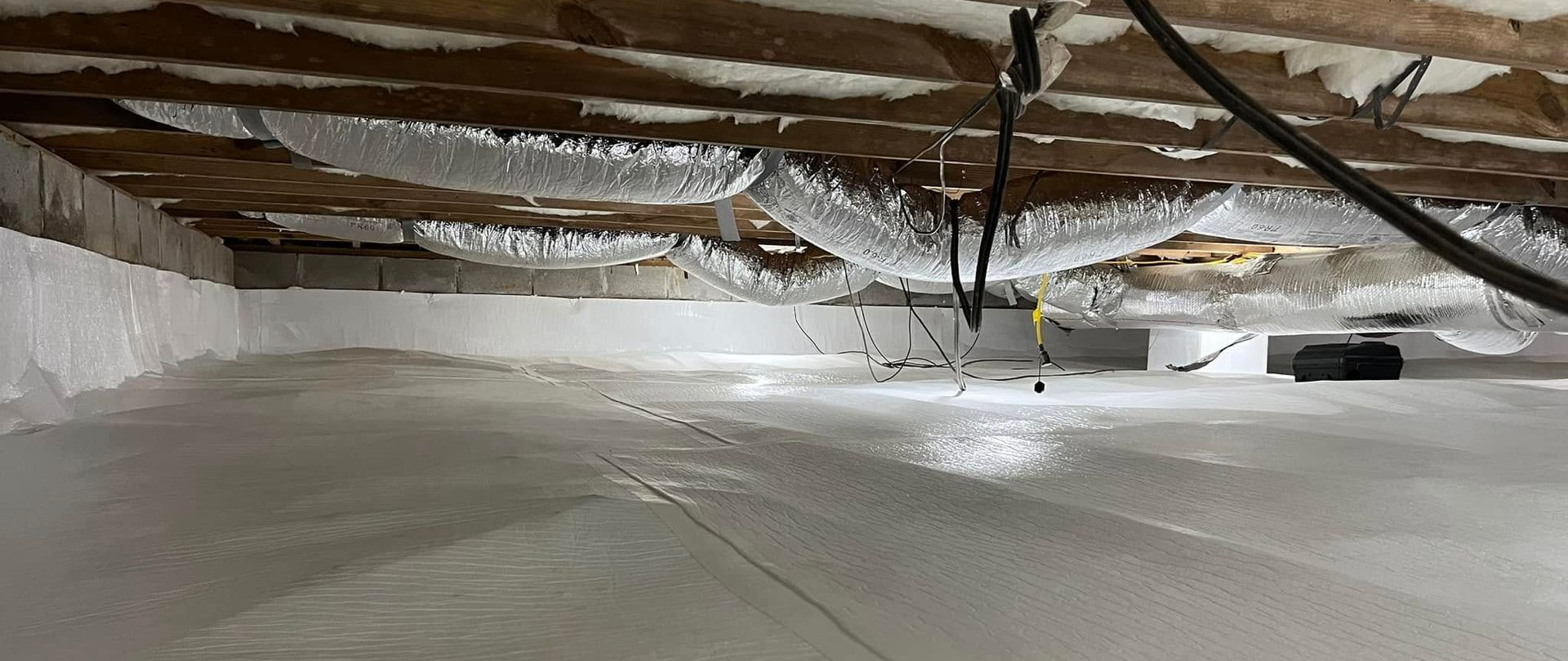
The pump then evacuates water from your crawl space and sends it away from your foundation on the outside. The key is getting it far enough away that it doesn't just circle back around.
When everything is positioned correctly, the water does most of the work. It flows naturally to where we want it to go.
Don't Wait Until the Next Big Rain
Right now, your crawl space might look fine. But those water marks are telling you what's coming when the next storm hits.
Ignoring water problems doesn't make them go away. Each time water enters your crawl space, it's creating conditions for mold, damaging your insulation, and putting stress on your foundation. Over time, these issues get worse and more expensive to fix.
The best time to address crawl space water is before the next heavy rain. Once you're dealing with active flooding, your options become more limited and more costly.
Get Your Crawl Space Inspected
Look, I get it. Crawl spaces aren't fun to think about. But water problems don't fix themselves, and waiting only makes things worse.
We offer thorough crawl space water assessments to understand exactly what's happening under your home. I'll look at those water marks, check the flow patterns, and explain what needs to be done to keep your crawl space dry.
Every crawl space is different. The solution that works for your neighbor might not be right for your situation. That's why we take the time to understand your specific water problem before recommending a fix.
Don't wait until the next big storm to find out how bad your water problem really is.