Is Your Home's Radon System Actually Working?
What a Strange Installation in Farragut Taught Me About Radon Systems
How to know if your radon mitigation system is doing its job
I was out in Farragut yesterday doing an inspection when I spotted something I'd never seen before - a radon mitigation fan installed horizontally as a bathroom exhaust fan.
Now, does it work? Sure.
The fan's got power, it's vented outside, and it's doing the job of moving air.
But here's the thing - radon fans cost significantly more than standard bathroom exhaust fans, and they're built for a completely different purpose.
It got me thinking about how many homeowners might not really understand what their radon systems are designed to do or whether they're set up correctly.
What Radon Systems Are Actually Designed to Do
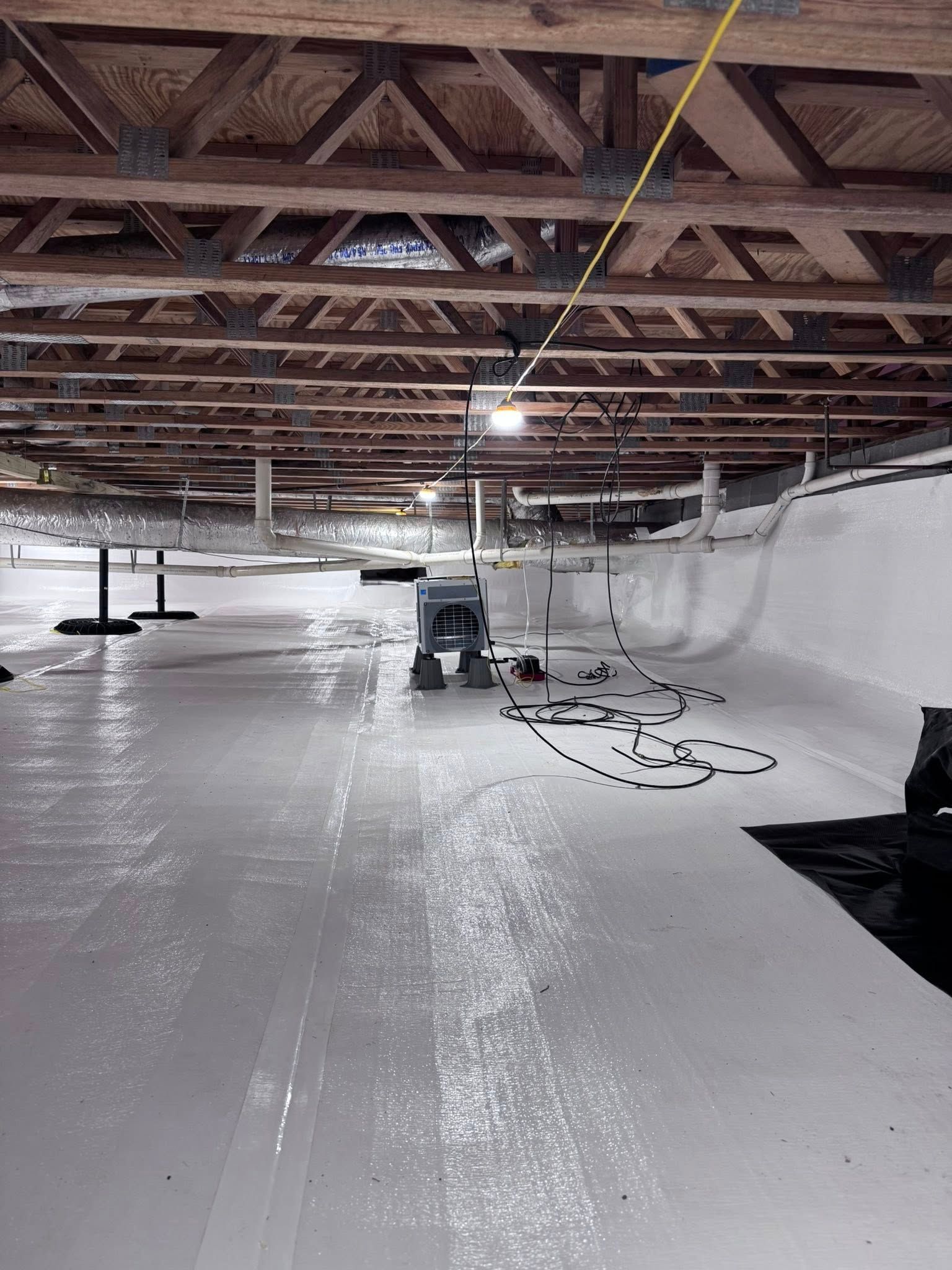
Radon mitigation fans aren't your typical exhaust fans. They're engineered to run continuously - we're talking 24 hours a day, 7 days a week, for years without stopping.
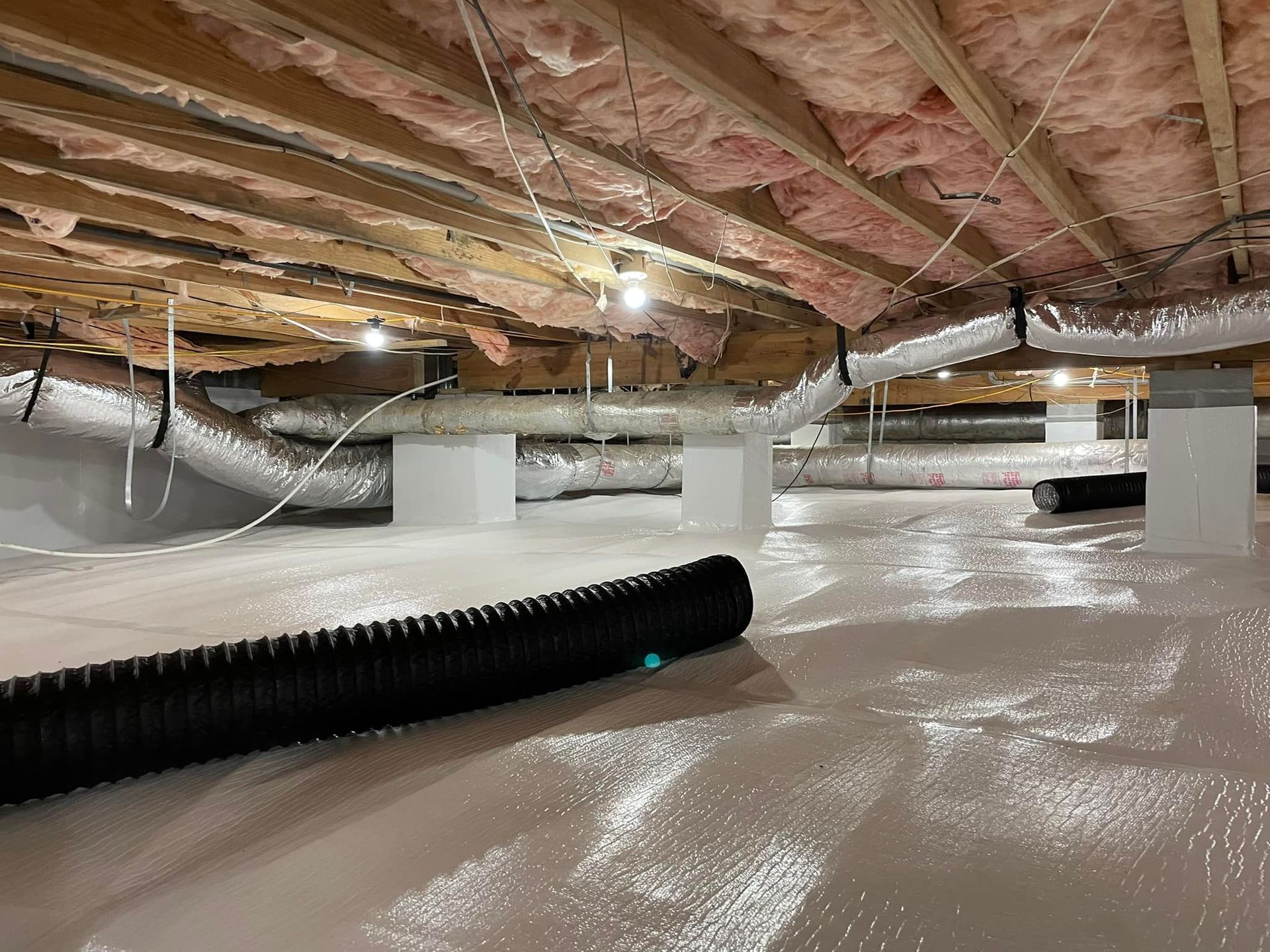
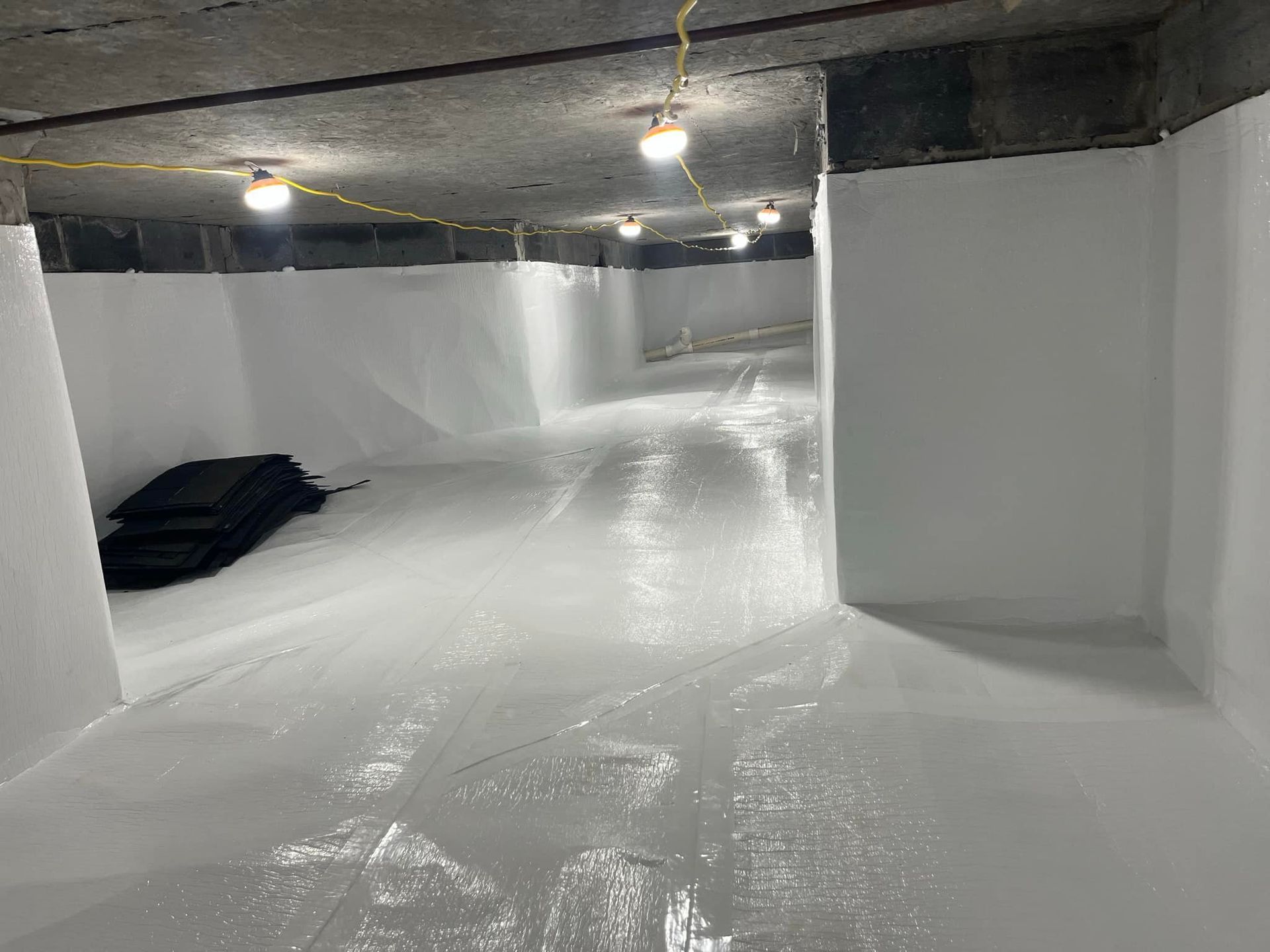
These systems create negative pressure underneath your foundation, pulling radon gas out before it can seep into your home. Then they vent it safely outside where it disperses into the air.
Think of it like this - using a radon fan for bathroom exhaust is like using a commercial truck to pick up groceries. Will it work? Yes. But you're paying for heavy-duty equipment designed for a much bigger job. A standard bathroom fan costs a fraction of the price and handles moisture exhaust just fine.
The real question is - if you actually need radon mitigation, are you using the right equipment installed the right way?
Signs Your Radon System Is Working (Or Not)
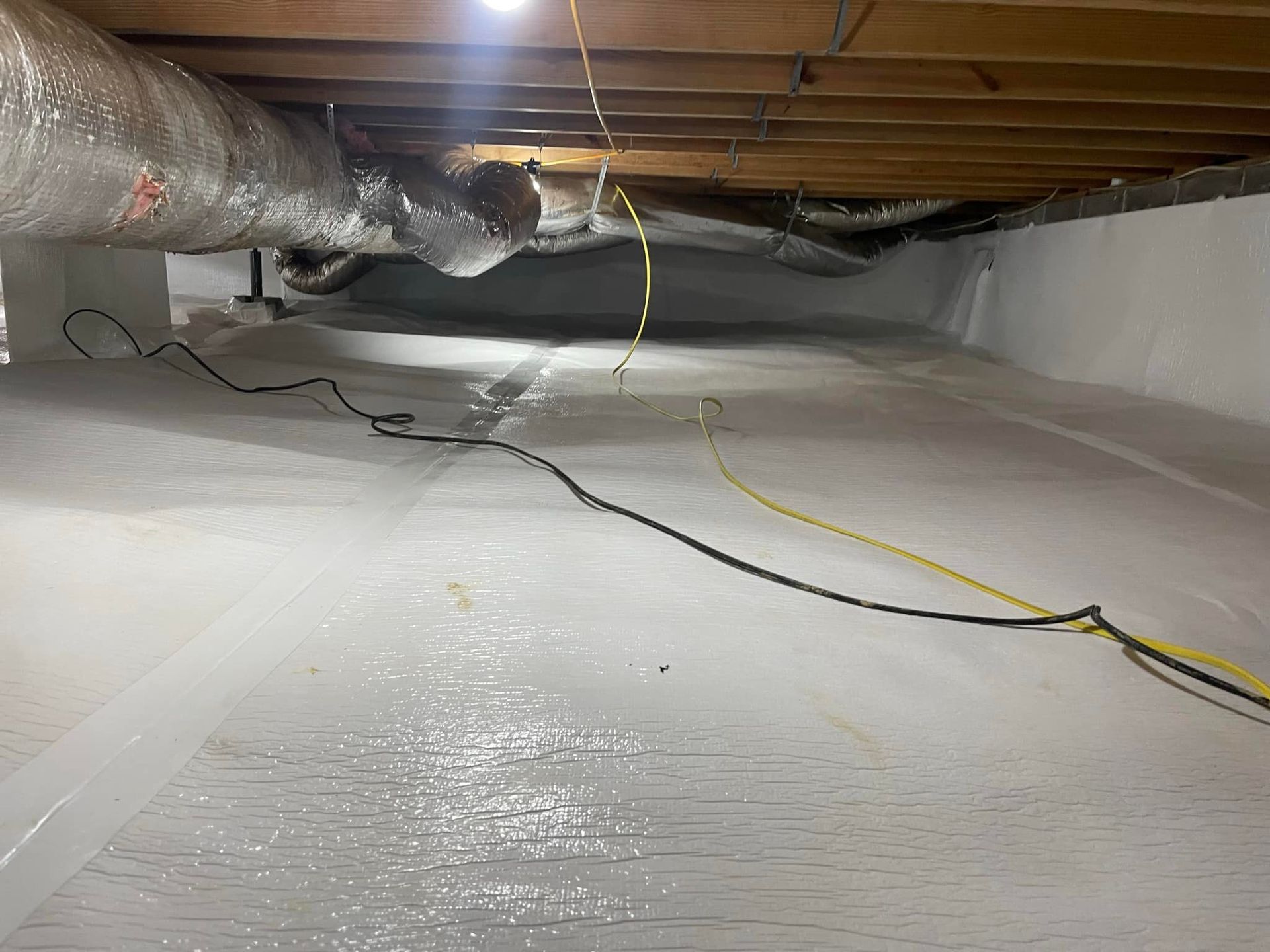
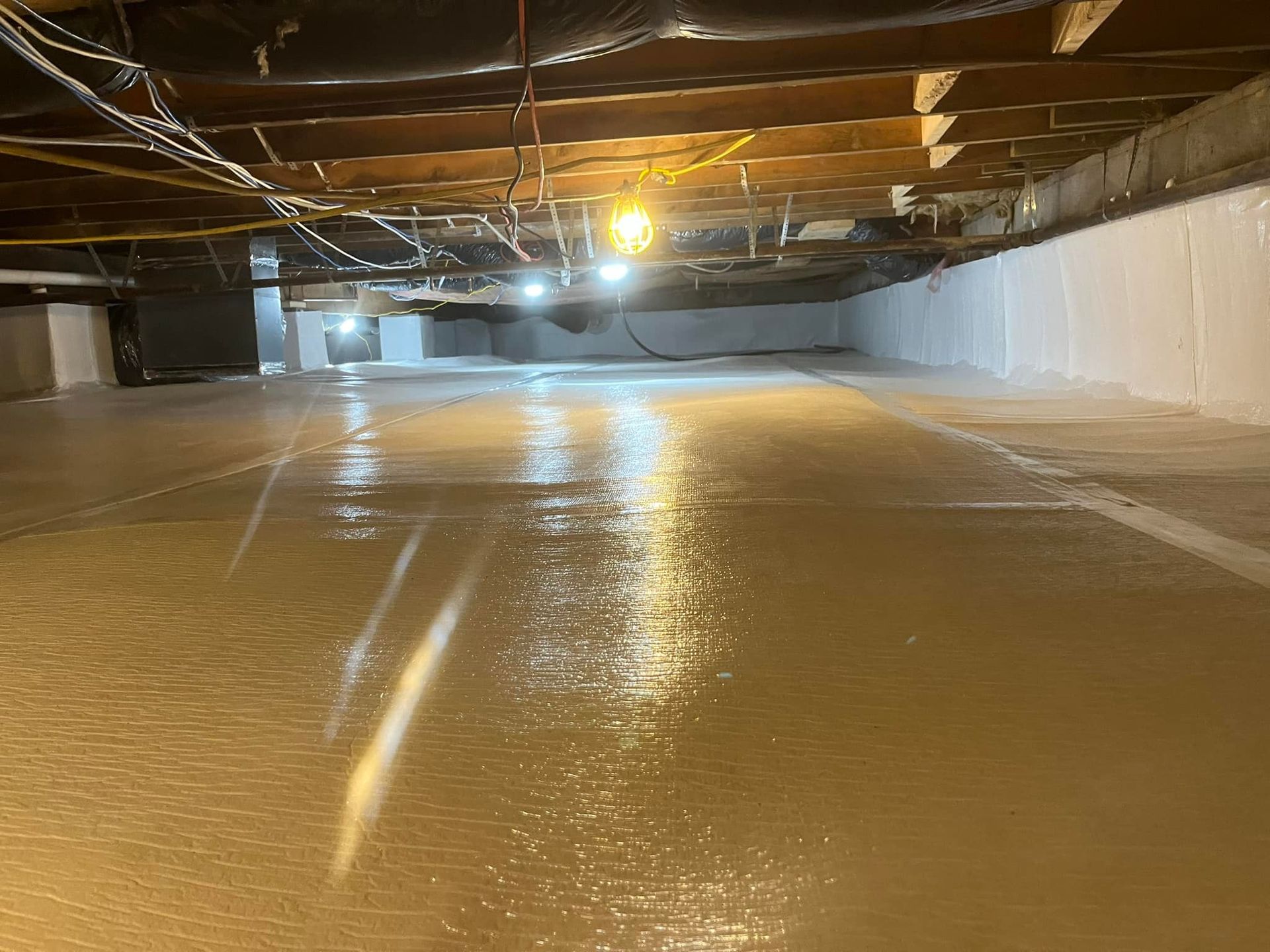
So how do you know if your radon system is actually doing its job? Here are the basics to check:
First, look for the indicator light or gauge on your system. Most radon fans have a simple way to show they're running. If there's no light or the gauge shows zero, something's wrong.
Second, listen. A working radon fan makes a low hum. If it's completely silent, it's probably not running.
Third, check the pipe routing. Radon systems should vent above your roofline and away from windows or air intakes. If the exhaust is dumping radon near where people spend time, that defeats the whole purpose.
Finally, look at how long the system has been running. These fans are built to last, but they don't run forever. If your system is more than 10 years old and hasn't been checked, it's time for an inspection.
The Cost of Cutting Corners on Radon
Here's what makes radon different from other home maintenance issues - you can't see it, smell it, or taste it. But long-term exposure is the second leading cause of lung cancer in the United States.
That's why proper radon mitigation matters. When you cut corners on equipment or installation, you're not just wasting money. You're potentially leaving your family exposed to a real health risk.
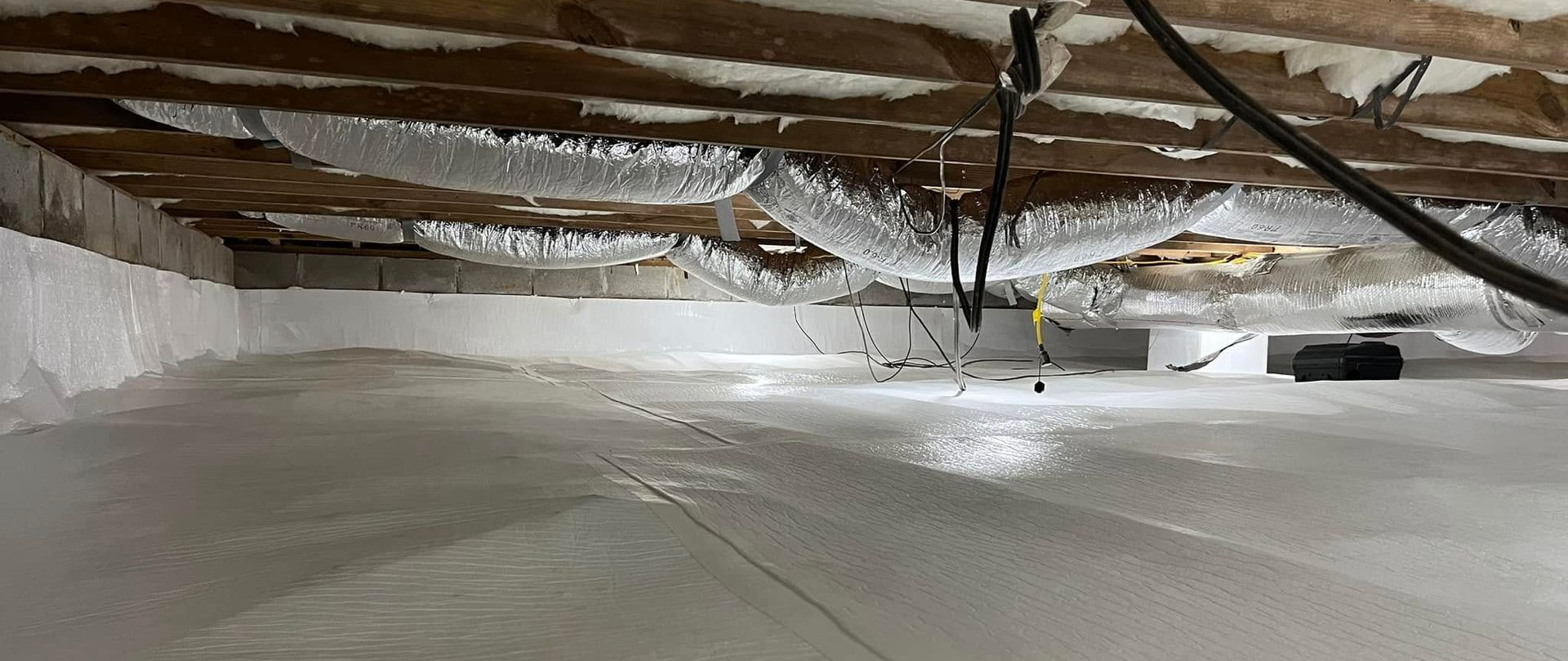
A properly installed radon system with the right equipment will run efficiently for years, keeping radon levels safe. But the wrong setup - whether it's improper venting, inadequate fan capacity, or equipment that wasn't designed for the job - can leave you thinking you're protected when you're not.
What to Do If You're Not Sure About Your System
If you already have a radon system, here's what you can do right now:
Check if the fan is running. Look for that indicator light or listen for the hum.
Test your home's radon levels. You can pick up a test kit at most hardware stores or hire a professional. This tells you if your system is actually reducing radon to safe levels.
Look at your installation. Does the venting make sense? Is everything sealed properly?
If anything seems off, or if you haven't had your system checked in years, call a professional. A quick inspection can tell you if your system is working correctly or if something needs attention.
Get Your Radon System Checked
Look, radon isn't something you can ignore and hope it goes away. It's also not something you can detect on your own without proper testing.
If you're not sure whether your radon system is working correctly, or if you've never had your home tested, we can help. We'll inspect your system, check if it's installed properly, and make sure you're actually protected.
Don't assume your radon mitigation is doing its job just because a fan is running. Let's make sure your home is actually safe.