Your Dehumidifier Might Be Making Your Moisture Problem Worse
When Good Equipment Creates Bad Results
Why your dehumidifier could be working against you
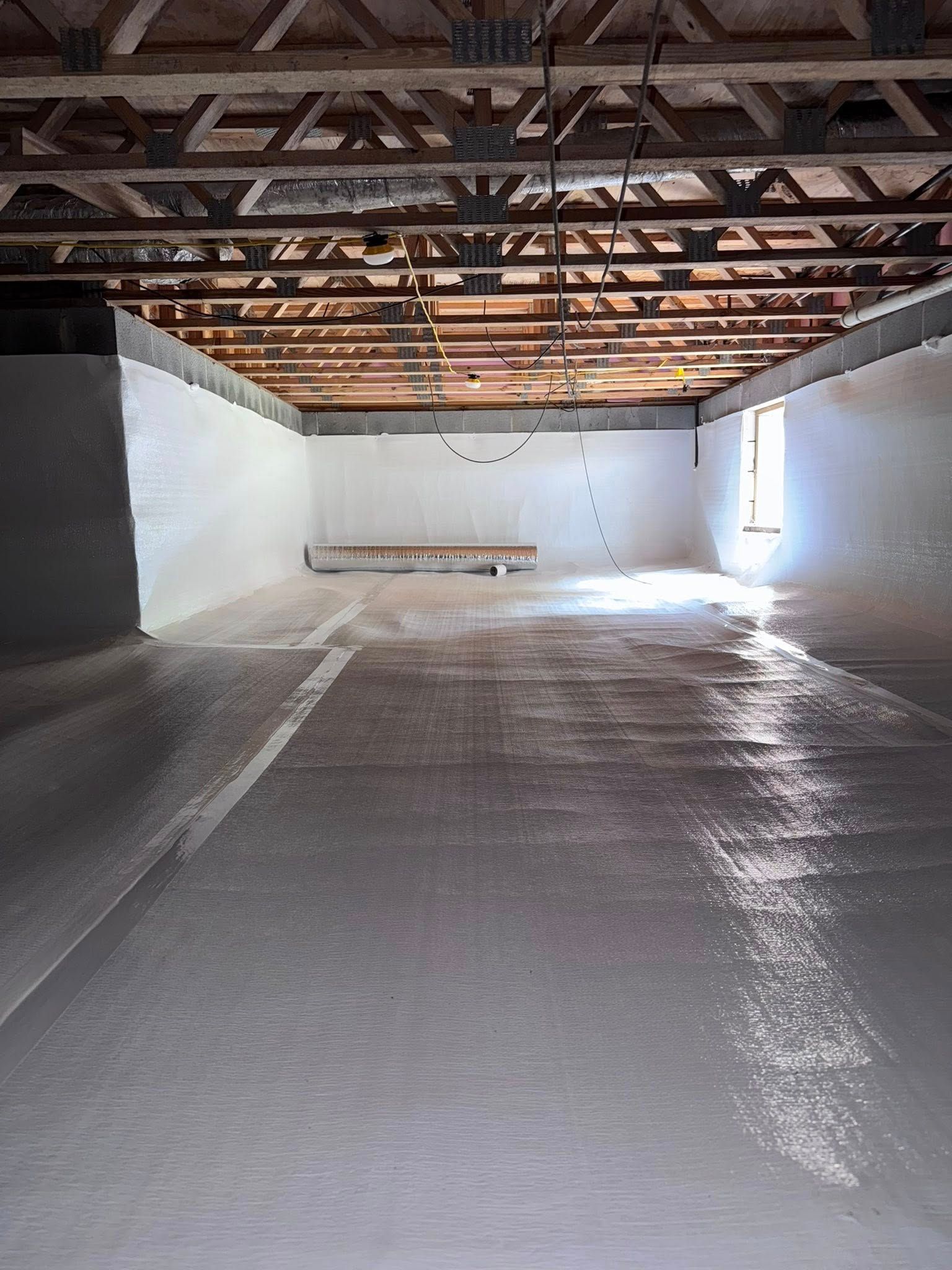
I was out in Farragut yesterday doing an inspection for a homeowner who couldn't figure out why their crawl space kept having problems.
They had musty smells upstairs, humidity that kept spiking even in winter, and they were frustrated because they'd already invested in a quality dehumidifier.
They had a Santa Fe unit - one of the best on the market. The vents were sealed. They had a vapor barrier down. Everything looked right on the surface.
But when I got under the house, I found the problem immediately.
That expensive dehumidifier was creating its own moisture problem.
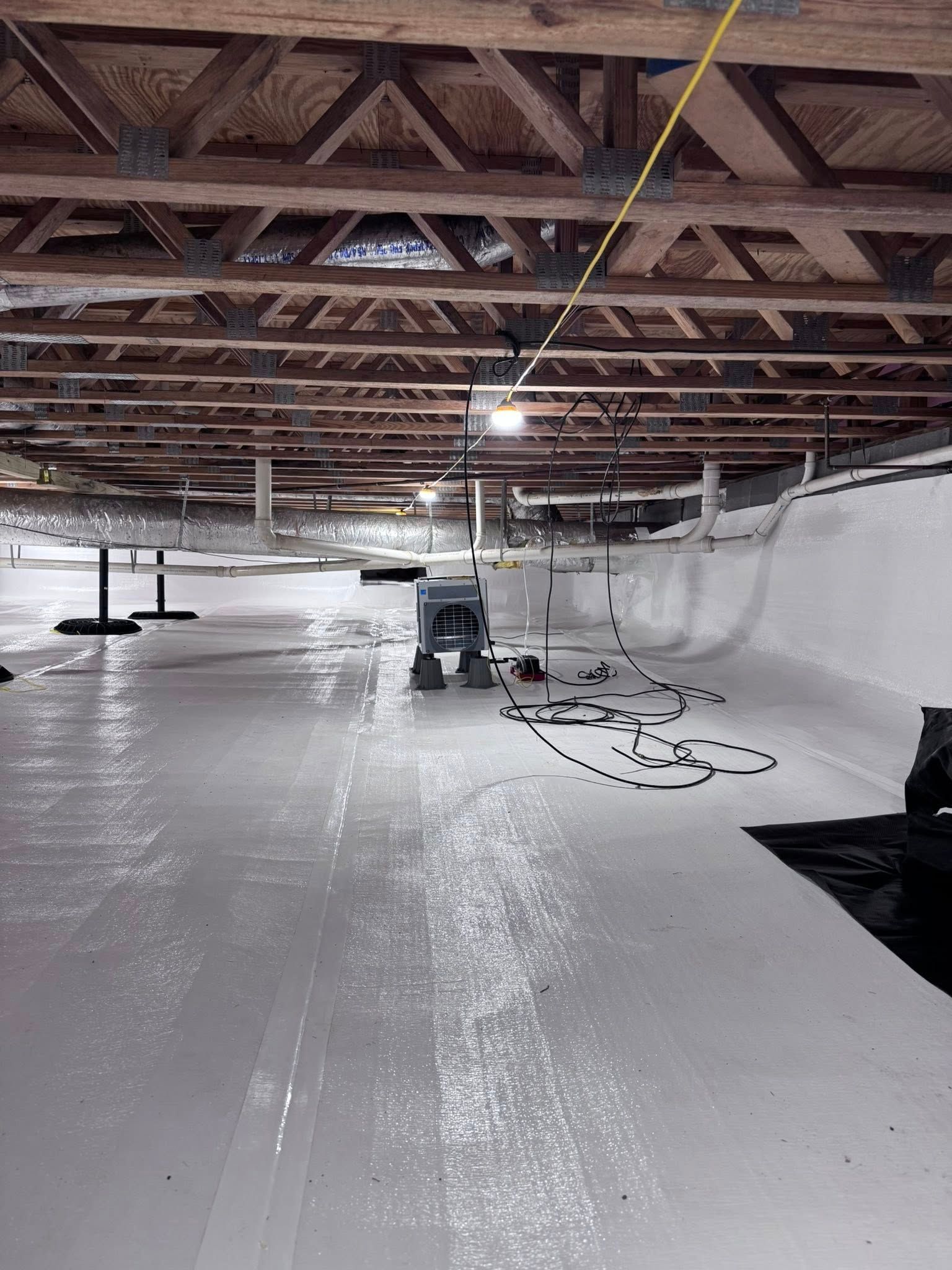
The discharge line was just stuck under the vapor barrier, dumping water straight into the dirt below.
Every drop of water the dehumidifier pulled out of the air was going right back into the ground, evaporating, and creating more humidity.
The system was fighting itself in an endless cycle.
How a Simple Mistake Costs You Money
Here's what happens when a dehumidifier discharge line dumps water under your vapor barrier: the unit pulls moisture from the air, pushes it through the line, and deposits it into the dirt. That water then evaporates back into the crawl space air. The dehumidifier senses the humidity, kicks on again, and pulls out that same water.
Over and over. All day. Every day.
This means your dehumidifier is running way more than it should. That drives up your power bill every month. It also wears out the equipment faster, meaning you'll need to replace it sooner.
And here's the thing that surprises most people - this house was relatively new. The homeowner assumed new construction meant everything was done right. But I see this mistake all the time, even in homes built in the last few years. Someone installs good equipment but misses this one critical step in the setup.
What Proper Dehumidifier Setup Looks Like
The fix for this problem isn't complicated, but it makes all the difference. Your dehumidifier discharge line needs to actually remove water from the crawl space - not just move it around.
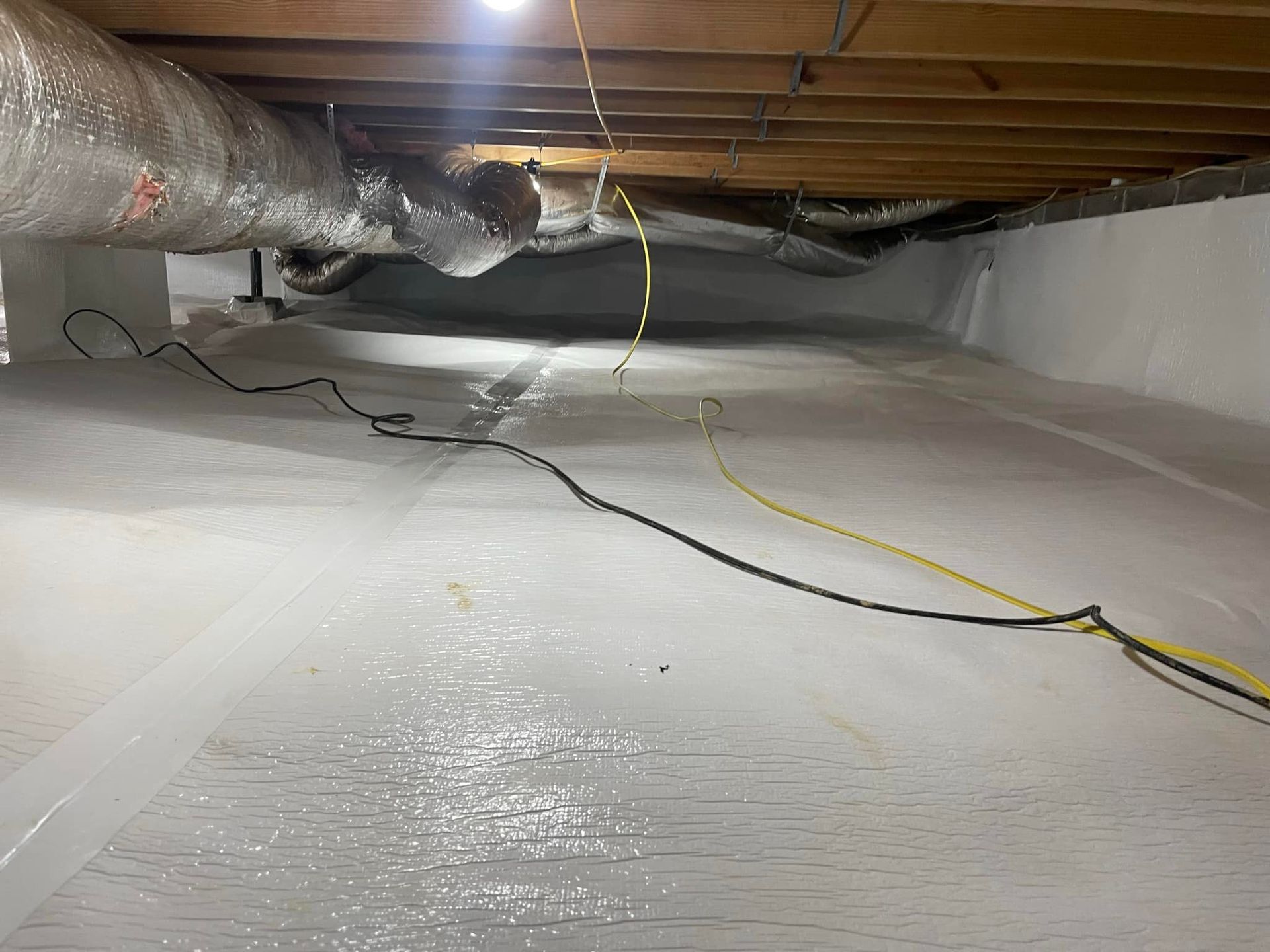
That means routing the line outside your foundation with a condensate pump. The pump pushes water up and out, away from your house. Once that moisture is gone, it's gone for good. No more cycle.
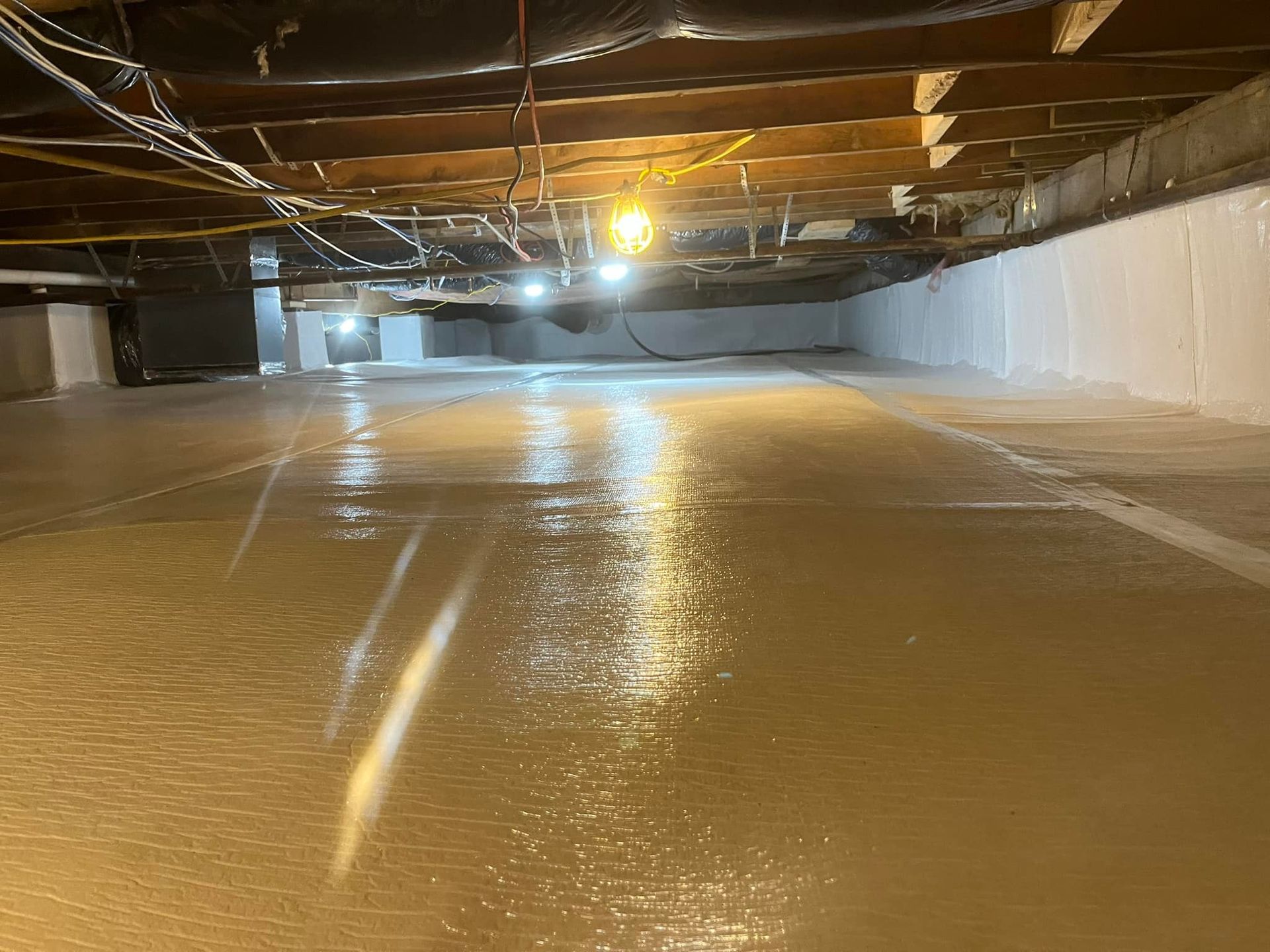
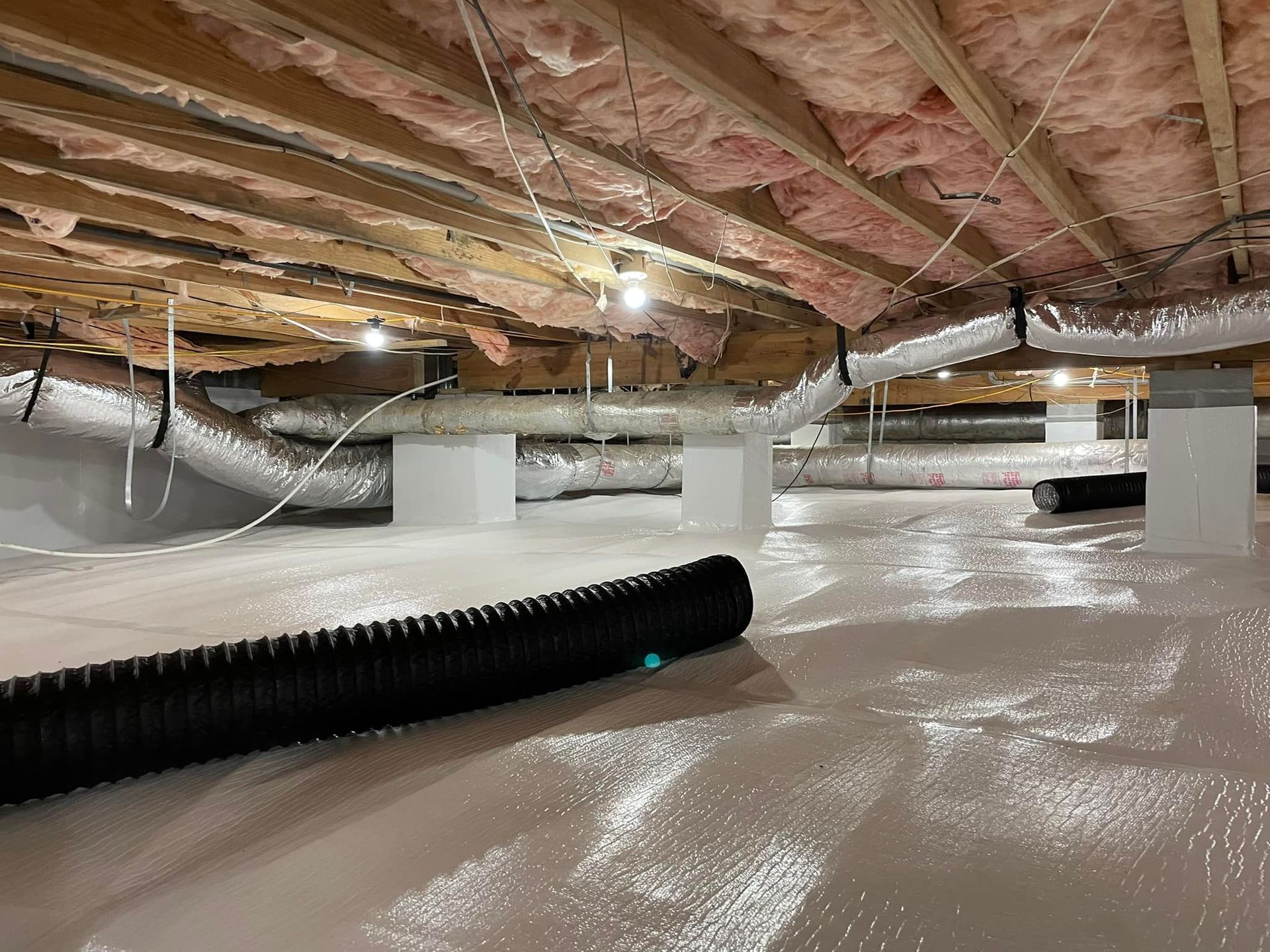
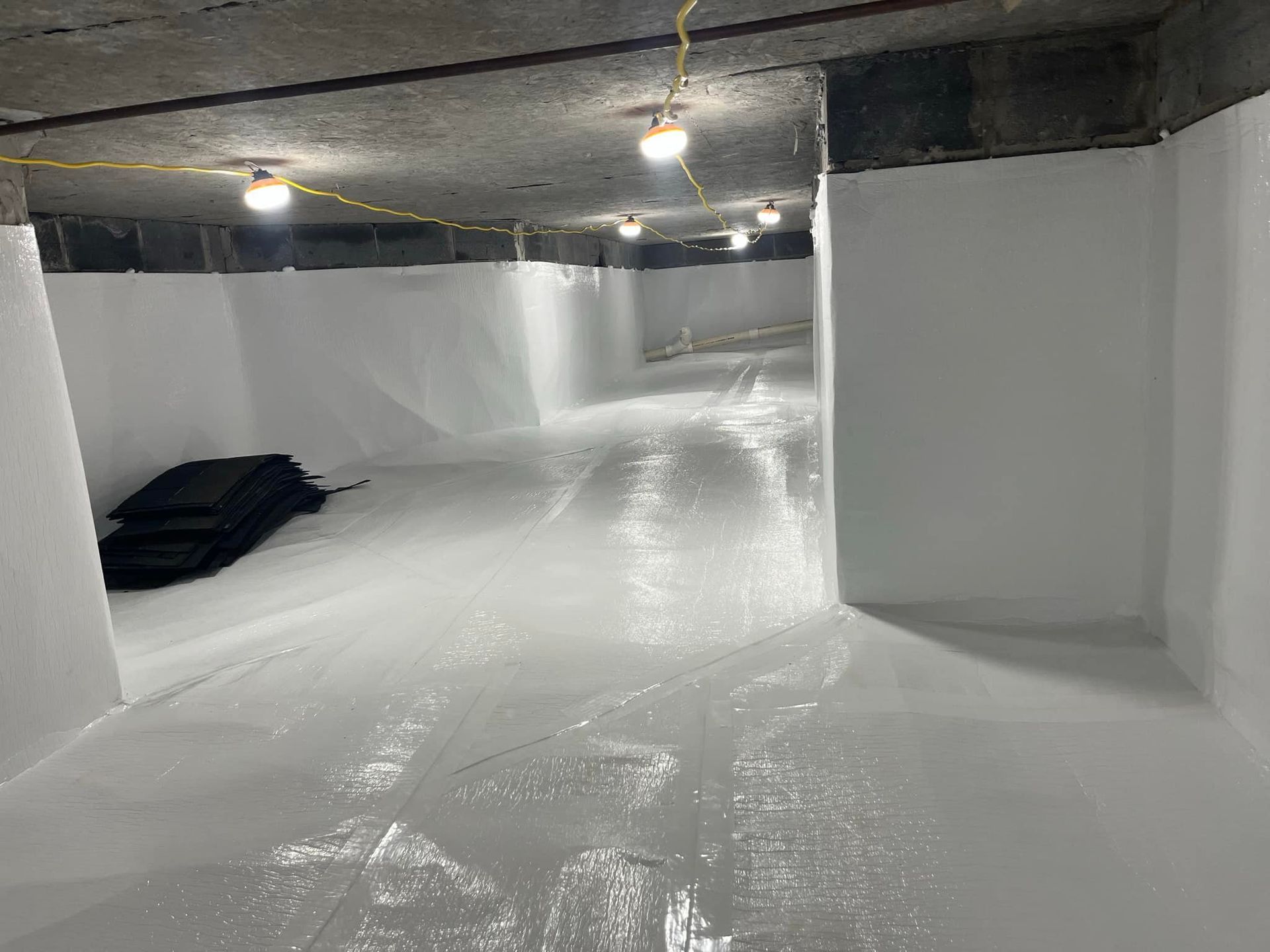
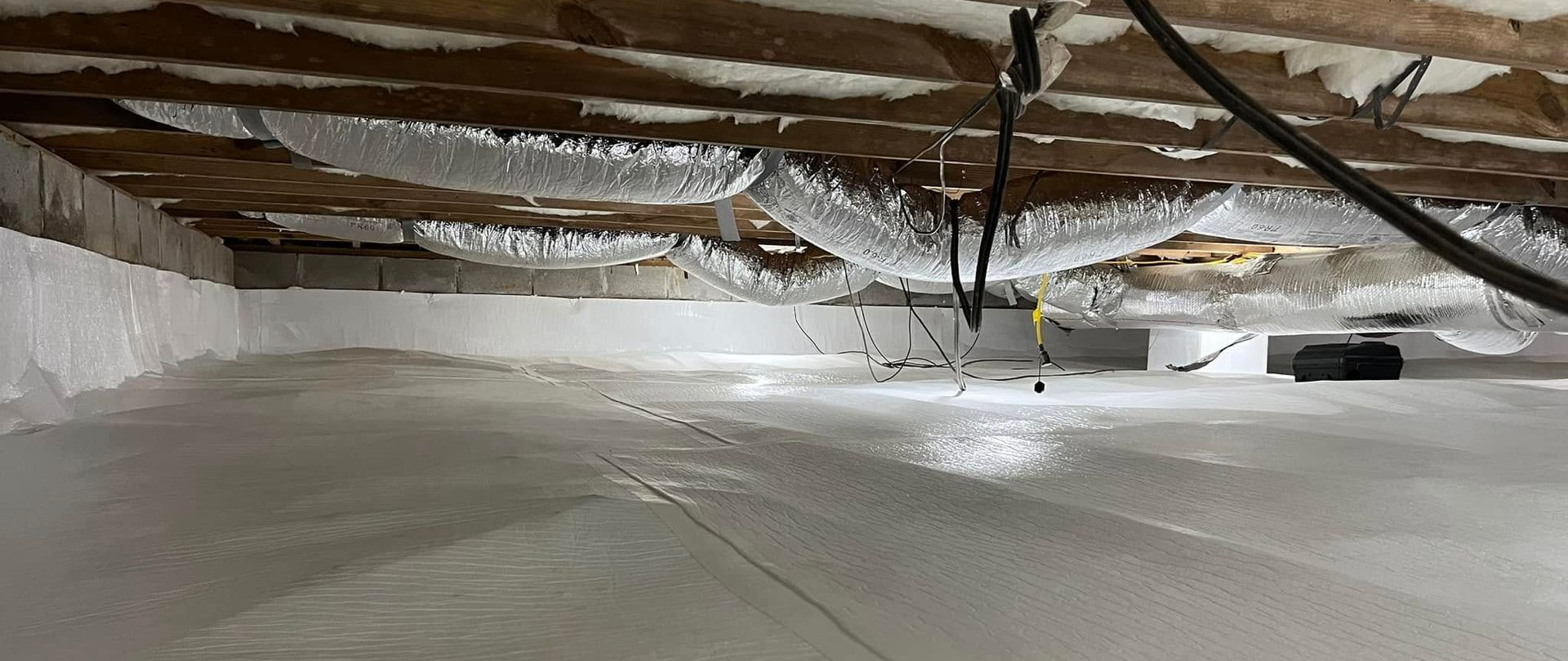
But here's the other piece most people miss: a dehumidifier works best in an encapsulated crawl space, not just one with a vapor barrier on the ground. When you seal the walls and create a controlled environment, the dehumidifier can maintain steady humidity levels. We're aiming to keep it below 60 percent year-round - that's the sweet spot where mold and fungal growth can't take hold.
Signs Your System Isn't Working Right
How do you know if your dehumidifier setup has this same problem? Here are the warning signs I look for:
Your humidity keeps spiking and falling instead of staying steady. You notice musty or funky smells coming from your crawl space or lower floors. The dehumidifier seems to run constantly without making real progress. You're seeing early signs of moisture damage like compressed shims or small patches of fungal growth.
Any one of these tells me the system isn't doing its job. And most of the time, it's because the water isn't actually leaving the space.
The Fix Is Simpler Than You Think
Good news - correcting this problem doesn't mean starting from scratch. We can work with the equipment you already have.
Installing a proper condensate pump and routing the discharge line outside solves the core issue. Once water leaves your crawl space instead of recycling through it, your dehumidifier can finally work the way it's supposed to.
You'll notice the difference pretty quickly. Humidity levels stabilize. Those musty smells disappear. Your dehumidifier runs less often because it's not fighting itself anymore. And long term, you're preventing the kind of moisture damage that leads to expensive repairs down the road.
Stop Fighting Your Equipment
Look, you've already invested in quality equipment for your crawl space. You shouldn't have to deal with humidity spikes, musty smells, and a dehumidifier that runs nonstop.
The problem isn't your equipment - it's how it's set up. And that's something we can fix.
We'll assess your current system, identify what's not working, and give you honest recommendations about what needs to change. No overselling, no unnecessary work. Just the fixes that will actually solve your moisture problem for good.
Don't let a simple setup mistake waste your money and damage your home. Let's end that moisture cycle and get your crawl space working the way it should.