Crawl Space Vent Fans Making Things Worse? Here's Why
The Farragut Code Requirement That Backfires
WHY VENT FANS ACTUALLY INCREASE MOISTURE PROBLEMS
I'm out here in Farragut looking at a crawl space that's got all the typical moisture problems - fungal growth on the wood, ductwork that's sweating and deteriorating, the whole deal.
But here's what's interesting about this one.
They've got vent fans installed. And in Farragut, that's actually required by code for non-encapsulated crawl spaces.
The idea makes sense on paper - pull the bad air out, get some circulation going, reduce moisture.
Except it doesn't work that way. In fact, it makes things worse.
I see this all the time with newer homes around here.
Builders install these fans thinking they're preventing moisture issues.
Then six months later, I'm getting a call because the crawl space is worse than houses without the fans.
So let me explain what's actually happening down there, and why these fans are causing problems instead of solving them.
The Science Behind Why Vent Fans Fail
Here's the physics that most people don't know about. For every degree that air cools as it enters your crawl space, the relative humidity rises 2.2%.
Let me say that again - when air cools down, humidity goes UP.
So what happens when you've got a vent fan running? It pulls a vacuum. It's pushing air out of the crawl space, which means more air has to come in through the vents to replace it.
That incoming air is outdoor air. And as soon as it hits your cooler crawl space, it cools down. And when it cools down, the relative humidity shoots up.
The fan is literally sucking more humid air into your crawl space. You're not ventilating the moisture out - you're pulling more moisture in. The harder that fan works, the more humid air you're bringing into the space.
It's working against itself. And your crawl space is paying the price with fungal growth, deteriorating materials, and all the moisture problems that come with high humidity.
What I See In Real-World Applications
I've been doing this work long enough to see the pattern. New homes get built, vent fans get installed because that's what code requires, and the builder thinks they're ahead of the game on moisture control.
Then I get the call.
The homeowner's noticing musty smells. The insulation's starting to fall down. There's fungal growth appearing on the floor joists. The ductwork is sweating so much it's dripping.
And when I crawl through and take a look, sure enough - those vent fans are running, doing exactly what they're designed to do. Pulling air out, sucking humid air in, making everything worse.
I've seen crawl spaces with vent fans that have worse moisture problems than crawl spaces that are just left alone with regular vents. At least with regular vents, you're not actively pulling humid air in all day long.
The builders aren't trying to create problems. They're following code and doing what they think is right. But the result is the same - a crawl space that's getting more humid, not less.
The One Thing Vent Fans Actually Help With
Now, to be fair, vent fans do help with one thing - soil gases.
If you've got radon or other gases coming up from the soil, having some air movement to evacuate those gases out of the crawl space can be beneficial.
You're getting that air circulation that pushes those gases out instead of letting them build up.
But here's the problem - that one benefit doesn't outweigh the moisture damage you're creating.
You might be moving some soil gases around, but you're also creating an environment for fungal growth, rotting insulation, deteriorating ductwork, and all the problems that come with high humidity.
It's a trade-off that's not worth it. There are better ways to deal with soil gases that don't involve making your moisture problem worse.
What This Farragut Crawl Space Really Needs
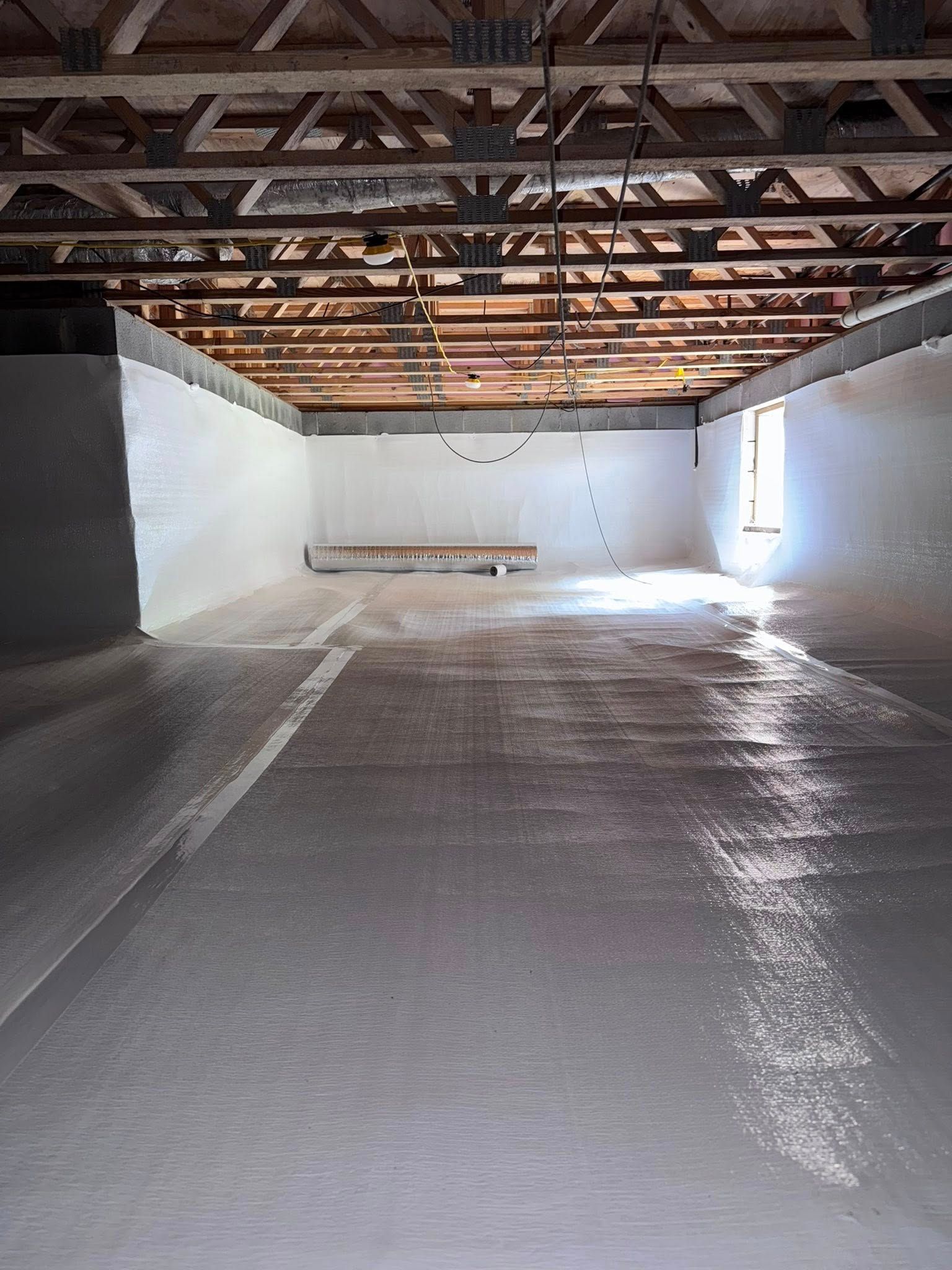
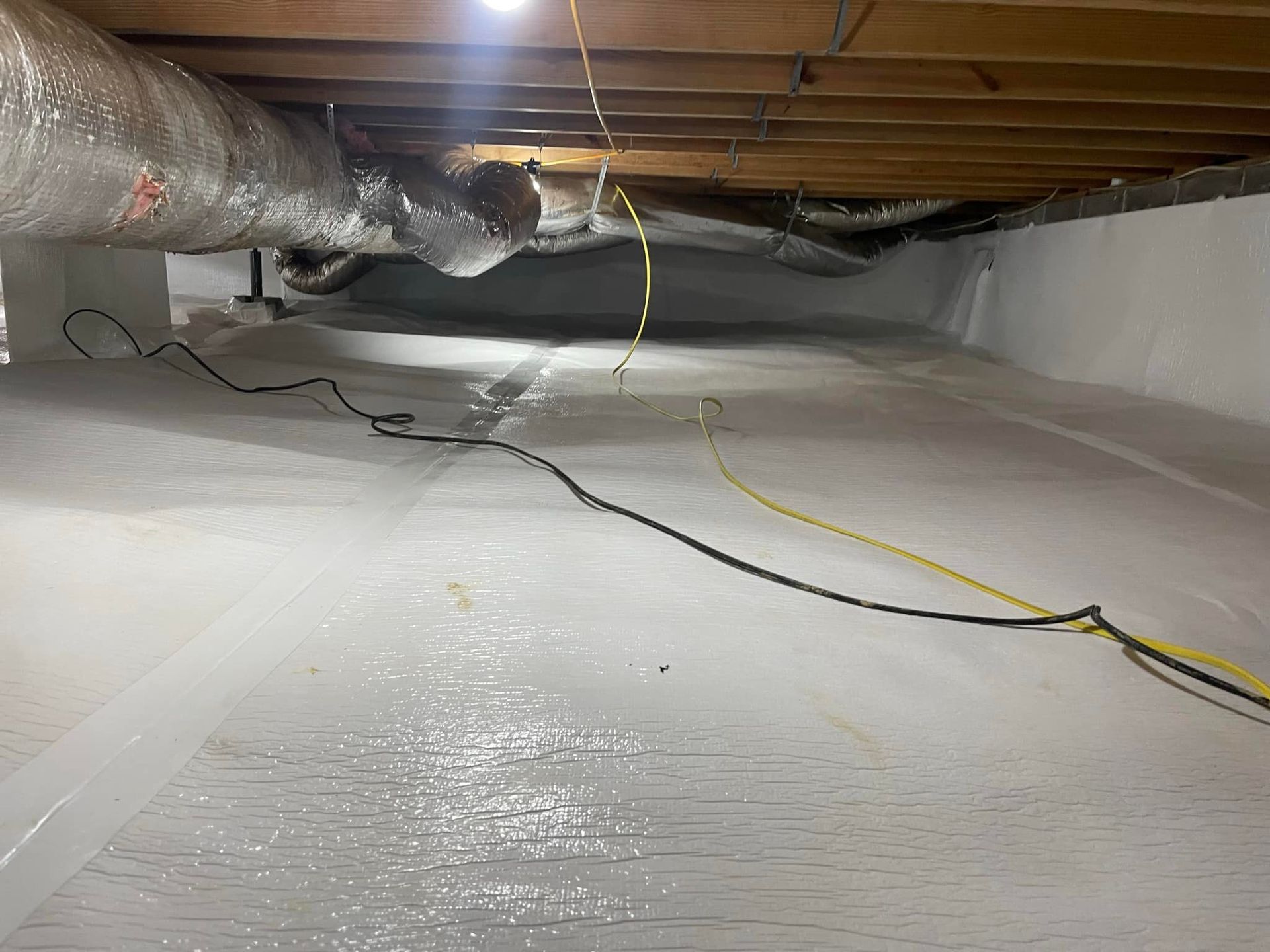
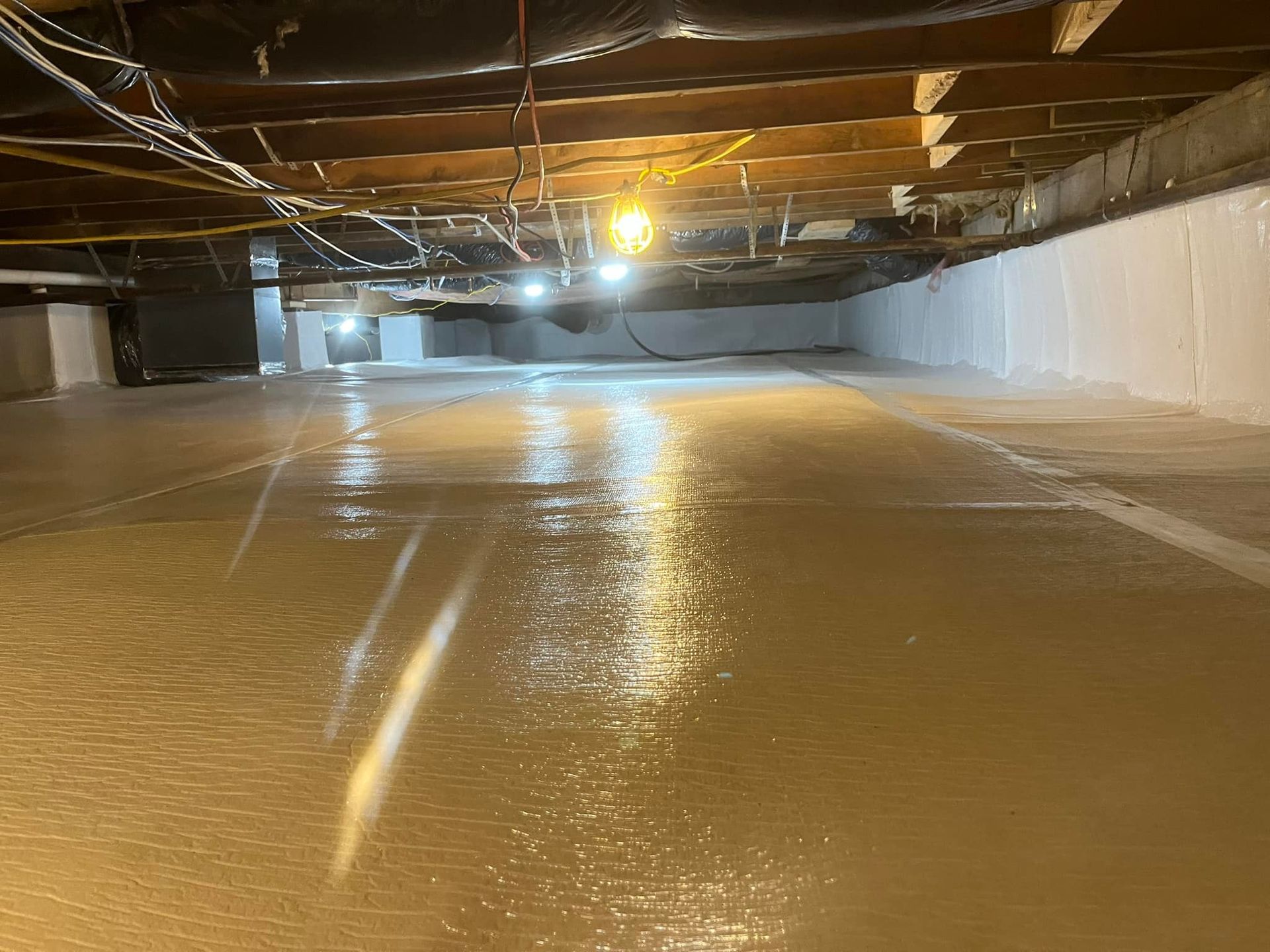
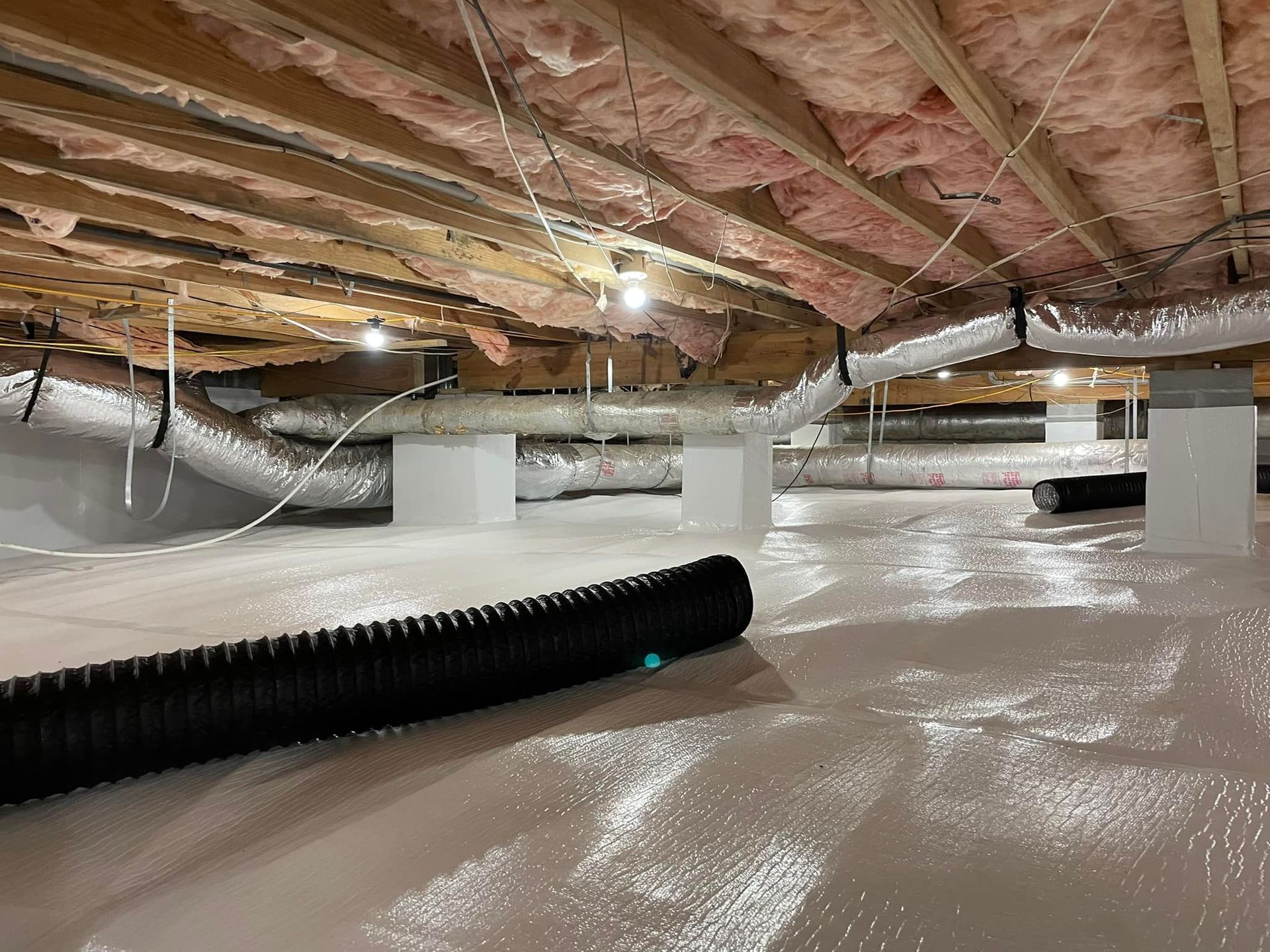
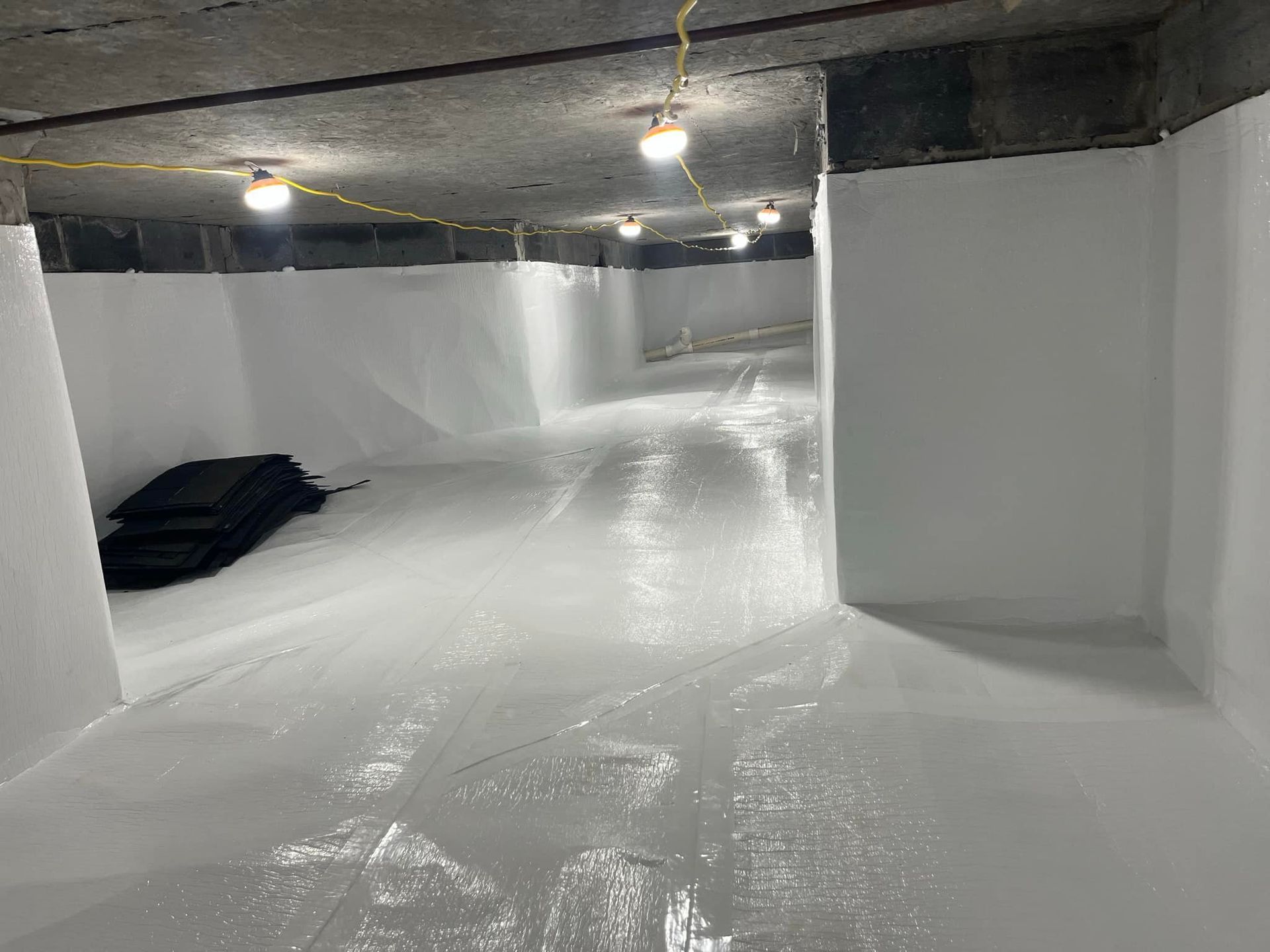
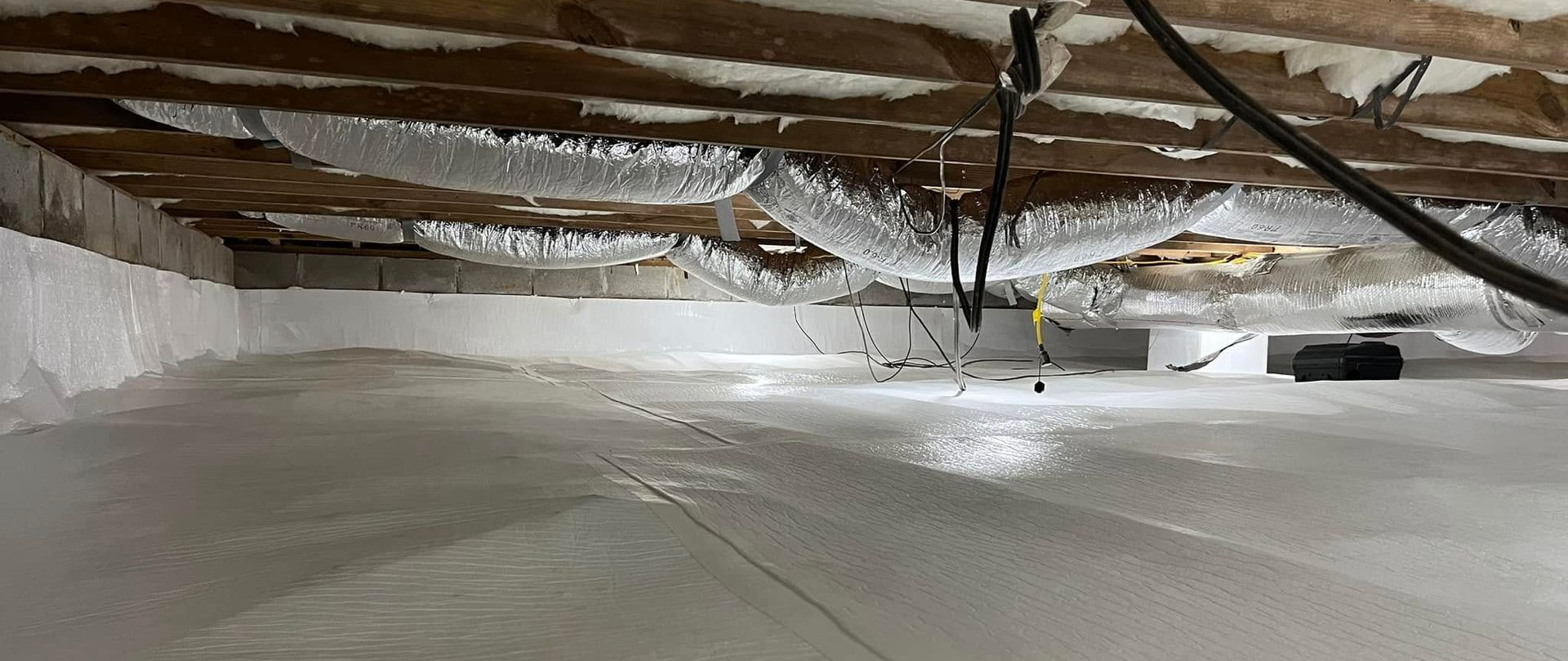
So what's the actual solution here? Encapsulation, not ventilation.
We need to seal this crawl space up. That means treating the subfloor for the fungal growth that's already there. Possibly pulling the old insulation if it's deteriorated beyond saving.
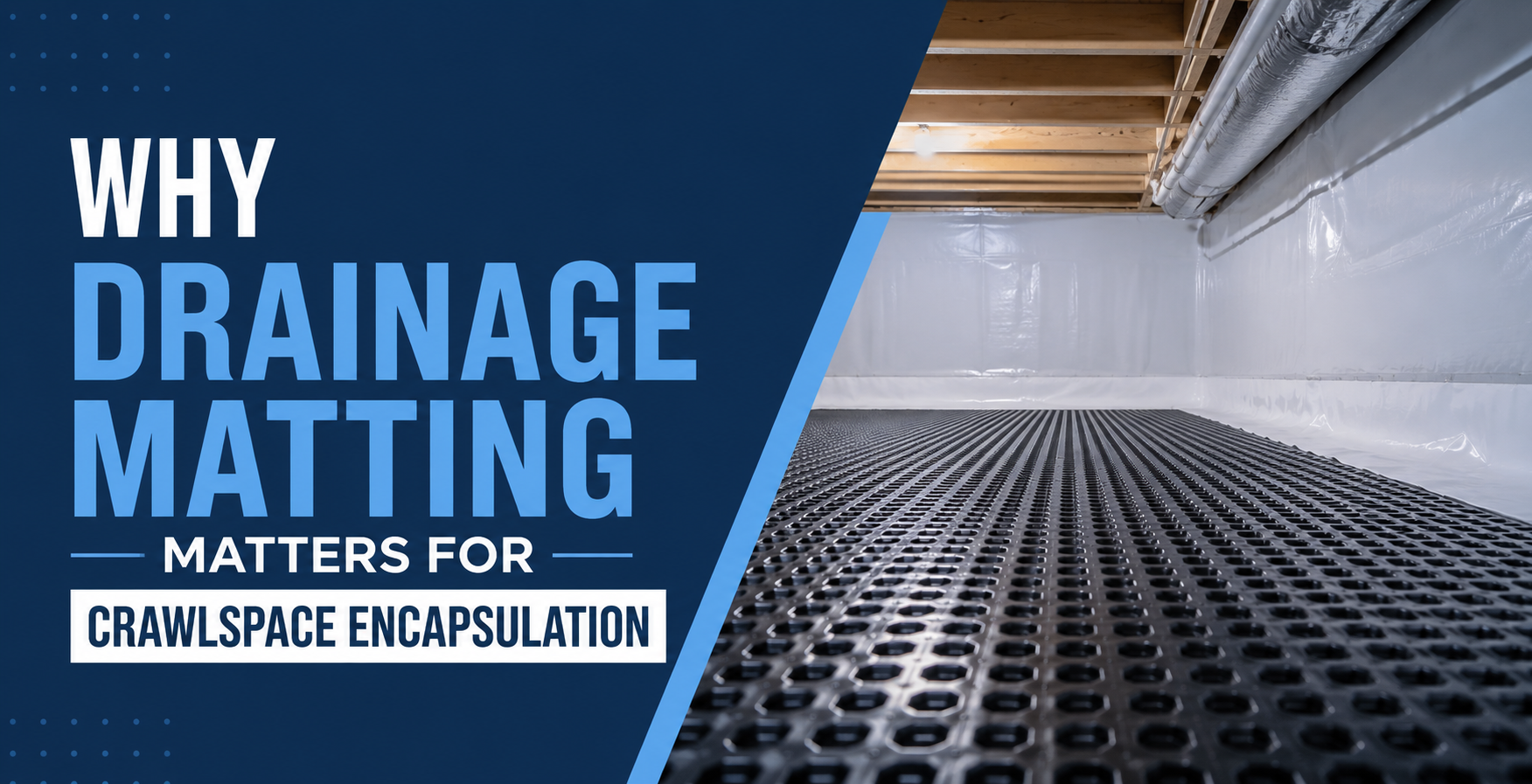
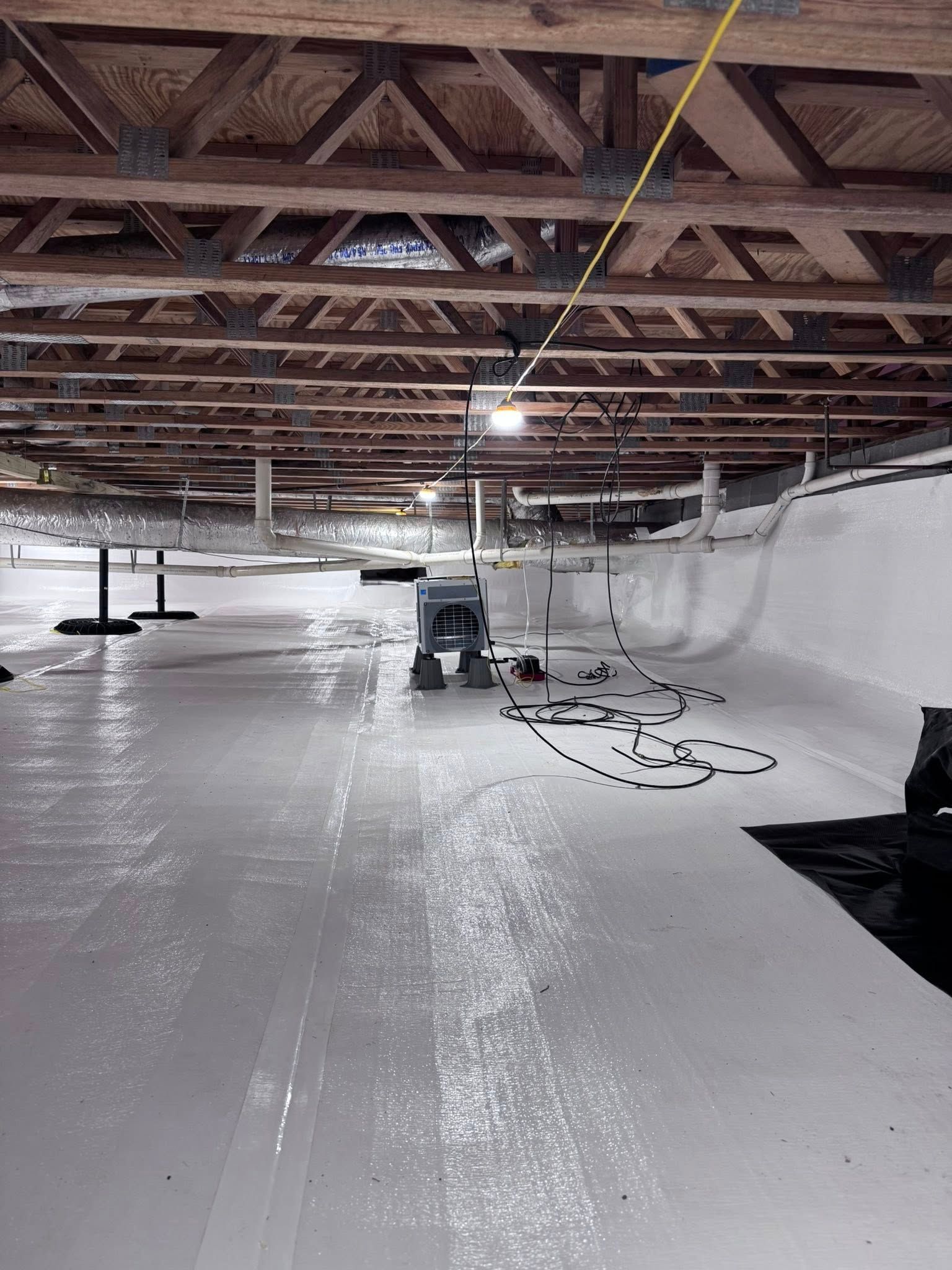
For the walls, we can put foam board insulation up. Here in Farragut, that's technically what code calls for in an encapsulated space anyway. Then we seal the floor with a proper vapor barrier.
But here's the key part - dehumidification. Once the space is sealed, we install a dehumidifier that actually controls the humidity level year-round. Not pulling humid air in from outside, but controlling the air that's already in the space.
That's what actually works. That's what stops the fungal growth, protects your insulation, keeps your ductwork from sweating and falling apart.
Down at the low point in this crawl space, there's standing water. So we're also putting in a sump pump with some drainage to give that water somewhere to go. Can't control moisture if you've got water pooling in the space.
And those supplemental support beams - the four by fours just sitting on the corner of cinder blocks? We're going to swap those out for proper adjustable jacks with base plates. If we're already down here fixing everything else, we might as well do the structural support right too.
The Other Problems We Found
While we're talking about this Farragut crawl space, the vent fans aren't the only issue we need to address.
At the low point, there's standing water. Not a ton, but enough that it's sitting there creating more moisture and humidity. We'll install a sump pump with some drainage to catch that water and pump it out and away from the foundation.
Then there's the structural support situation. Someone put in supplemental four by fours to help support the floor. But they're just sitting on the corner of cinder blocks. No proper base plates, no adjustable jacks, just wood resting on concrete.
It might be holding for now, but that's not a long-term solution. When the wood shifts or settles, you've got no way to adjust it. And if moisture gets to that wood sitting directly on concrete, it's going to deteriorate faster.
We'll give them the option to swap those out for proper support - adjustable jacks with real base plates that can be fine-tuned if any settling happens down the road.
Ready to Actually Fix Your Crawl Space?
If you've got vent fans running in your crawl space and you're still dealing with moisture problems, give us a call.
We'll come out and do a free inspection. I'll crawl through your entire space, take pictures of what's going on, and show you exactly what we find. No laptop presentation, no pressure - just honest pictures of your crawl space and a straight explanation of what needs to happen.
I'm the owner, and I'm probably the one who'll be doing your inspection. We'll get you scheduled within a week, and I'll give you a quote that actually makes sense for your specific situation.
Those vent fans might be required by code, but that doesn't mean they're solving your problem.
Let's look at what's really going on and fix it the right way.
Contact Forever Guard Waterproofing today for your free crawl space inspection.