When Equipment Fails: How Good Contractors Handle Warranties
Equipment Fails Sometimes - That's Not the Problem
THE PROBLEM IS WHAT HAPPENS NEXT
I was back in a crawlspace yesterday that we finished three years ago.
Not because there was a problem with our work. Because the dehumidifier compressor went bad. Equipment fails sometimes - even good equipment. That's just reality.
But here's what matters: what happened next.
The customer called. AprilAire sent us a new unit for free. I swapped it out the same week. Done.
No runaround. No "let me check if that's covered." No waiting a month for someone to show up. Just handled it.
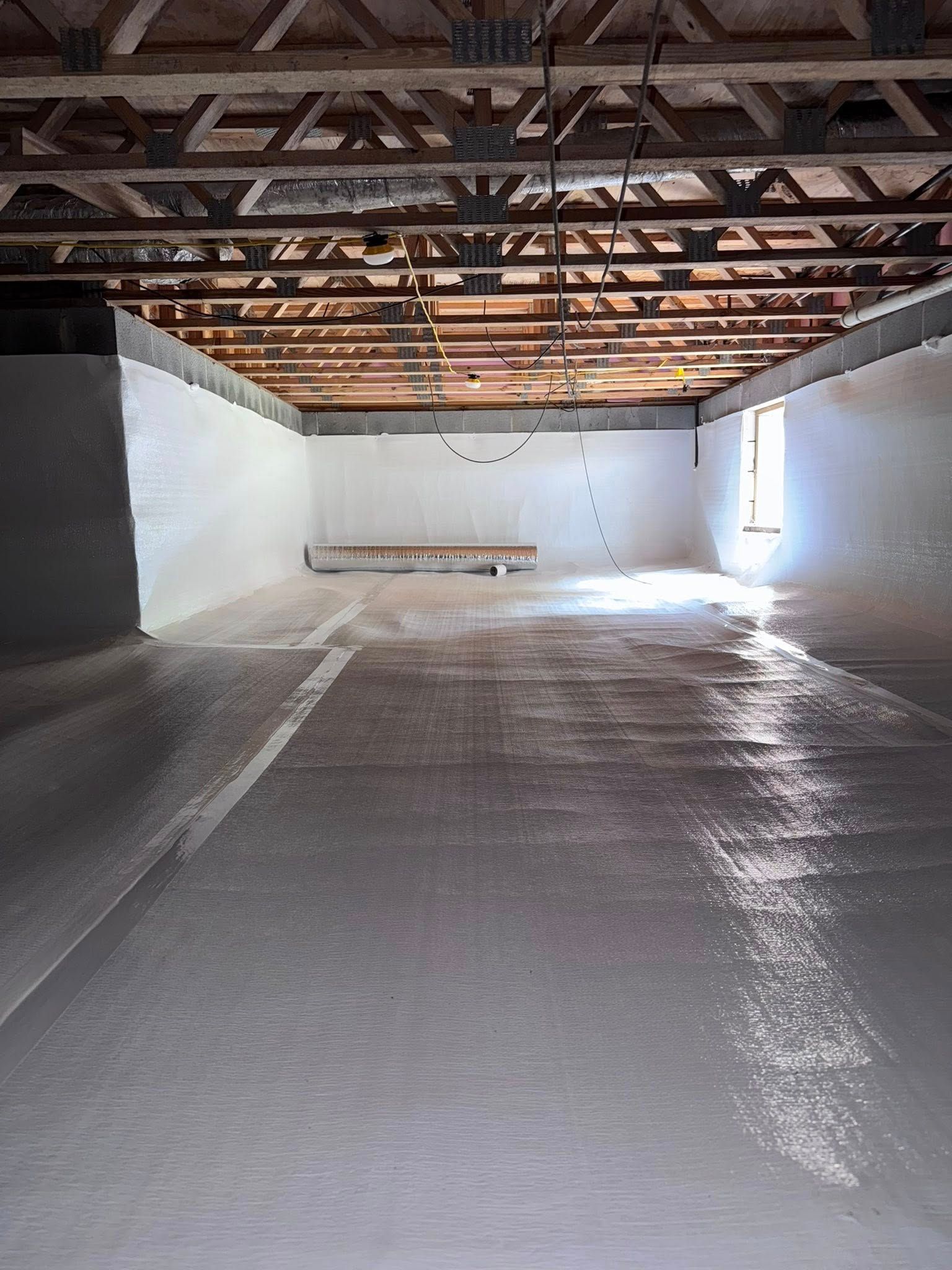
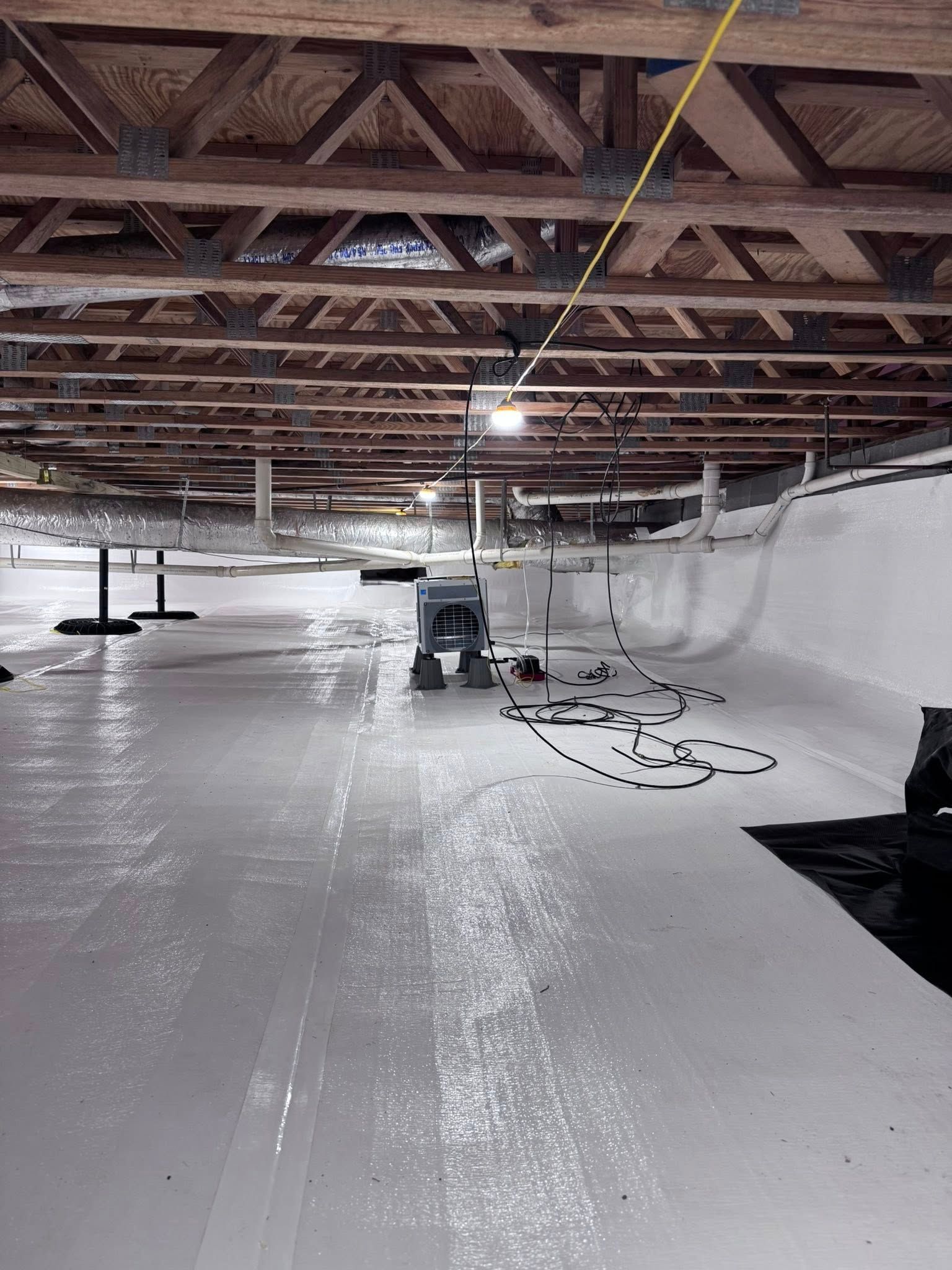
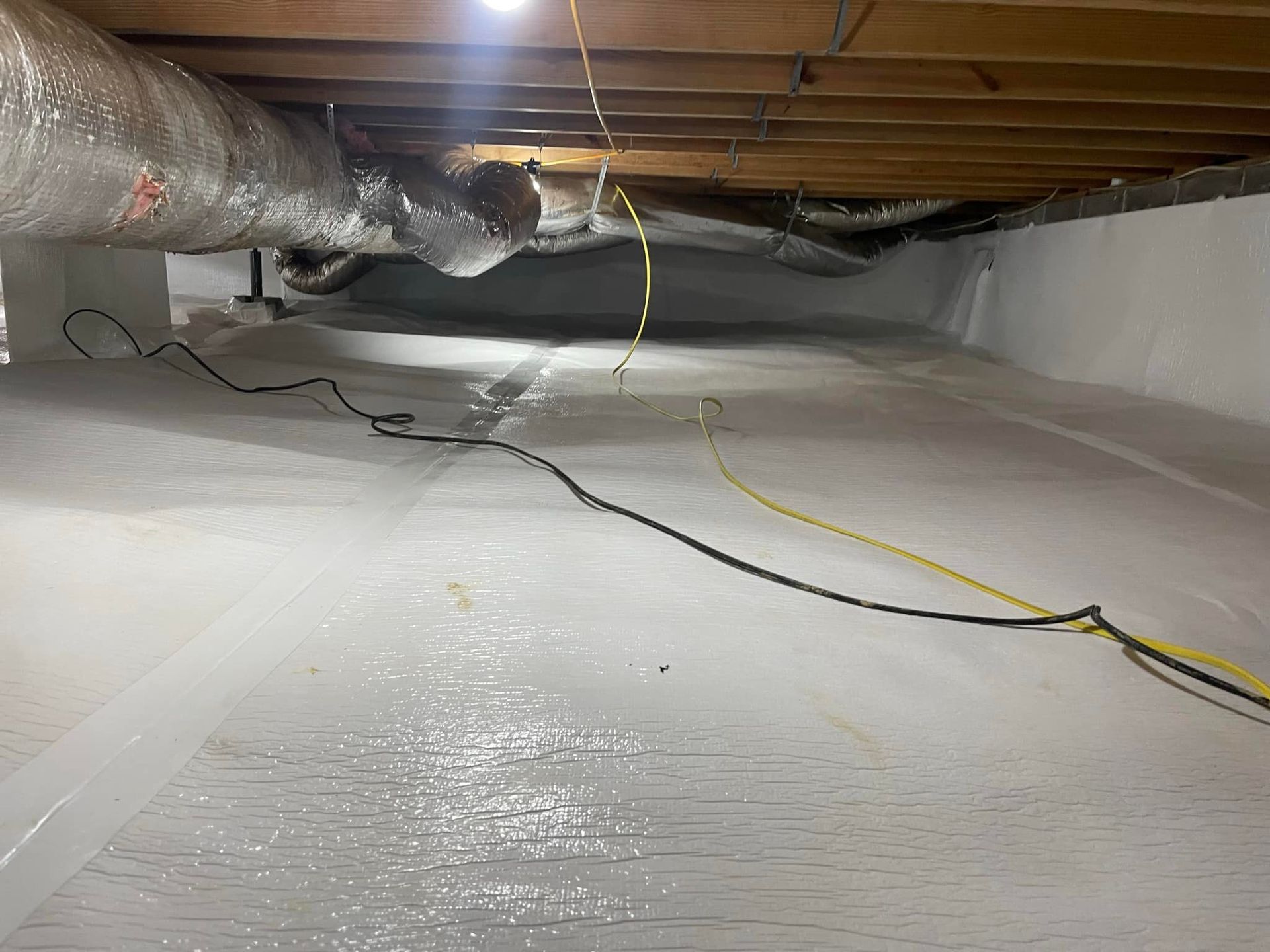
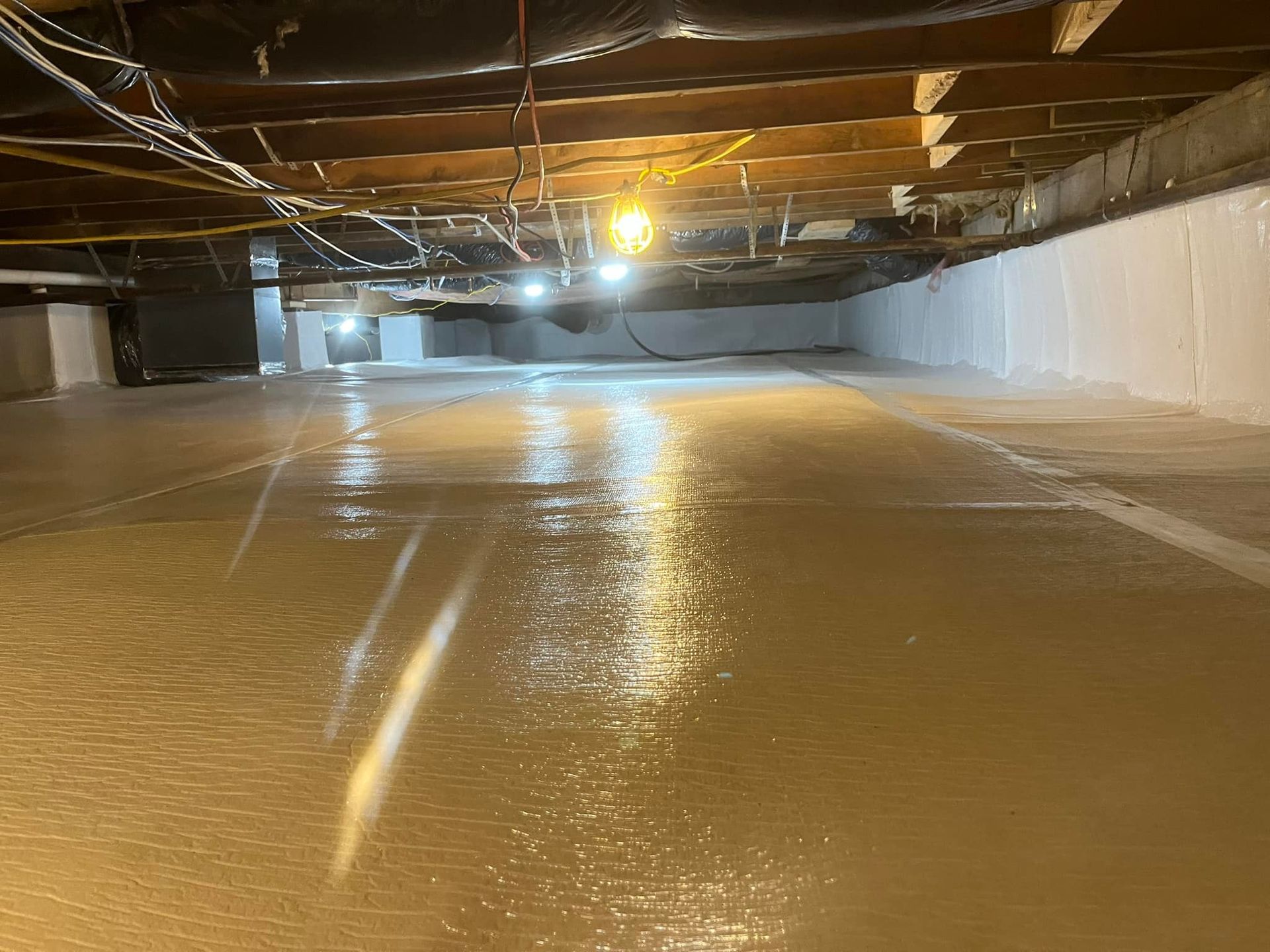
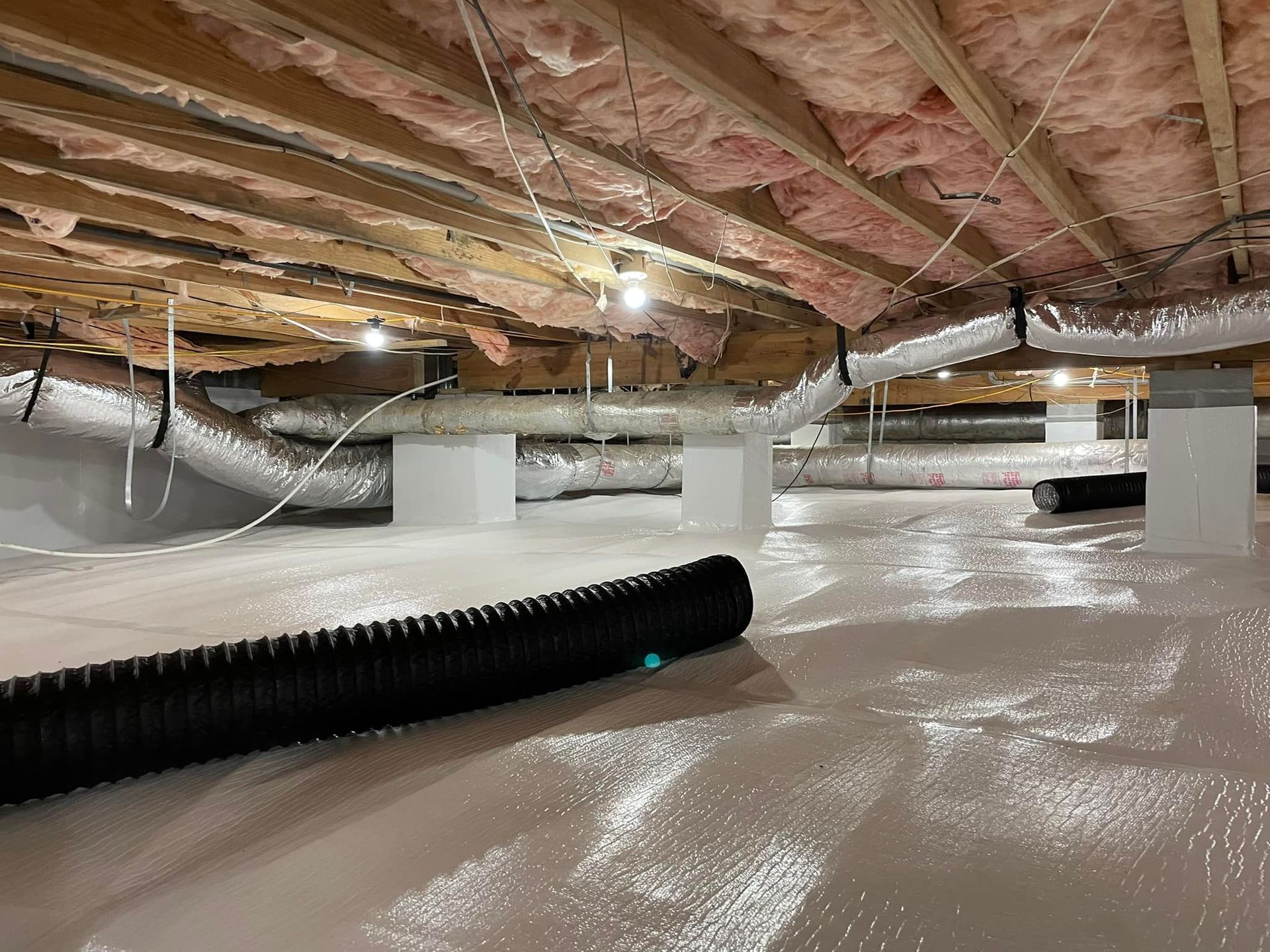
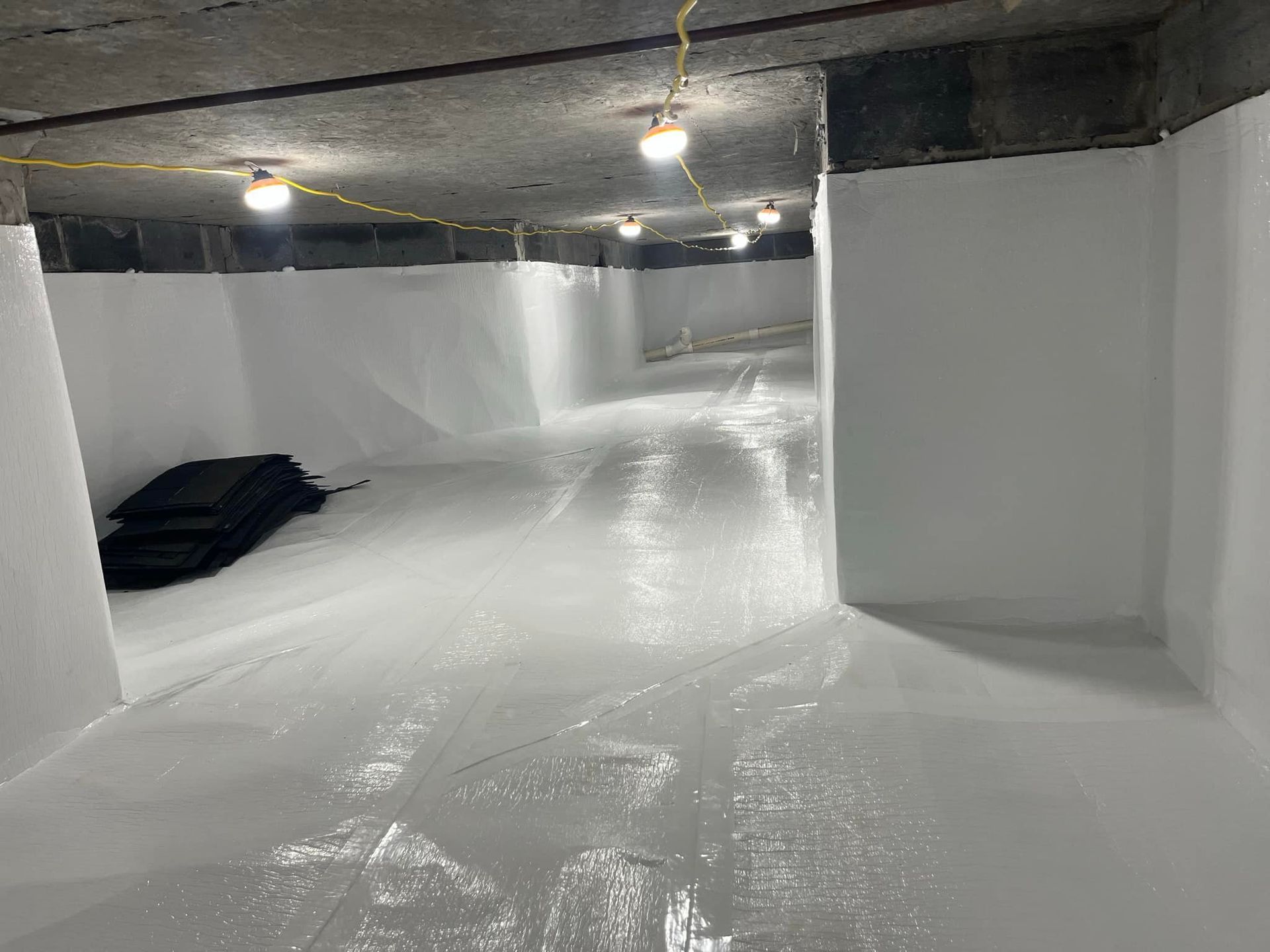
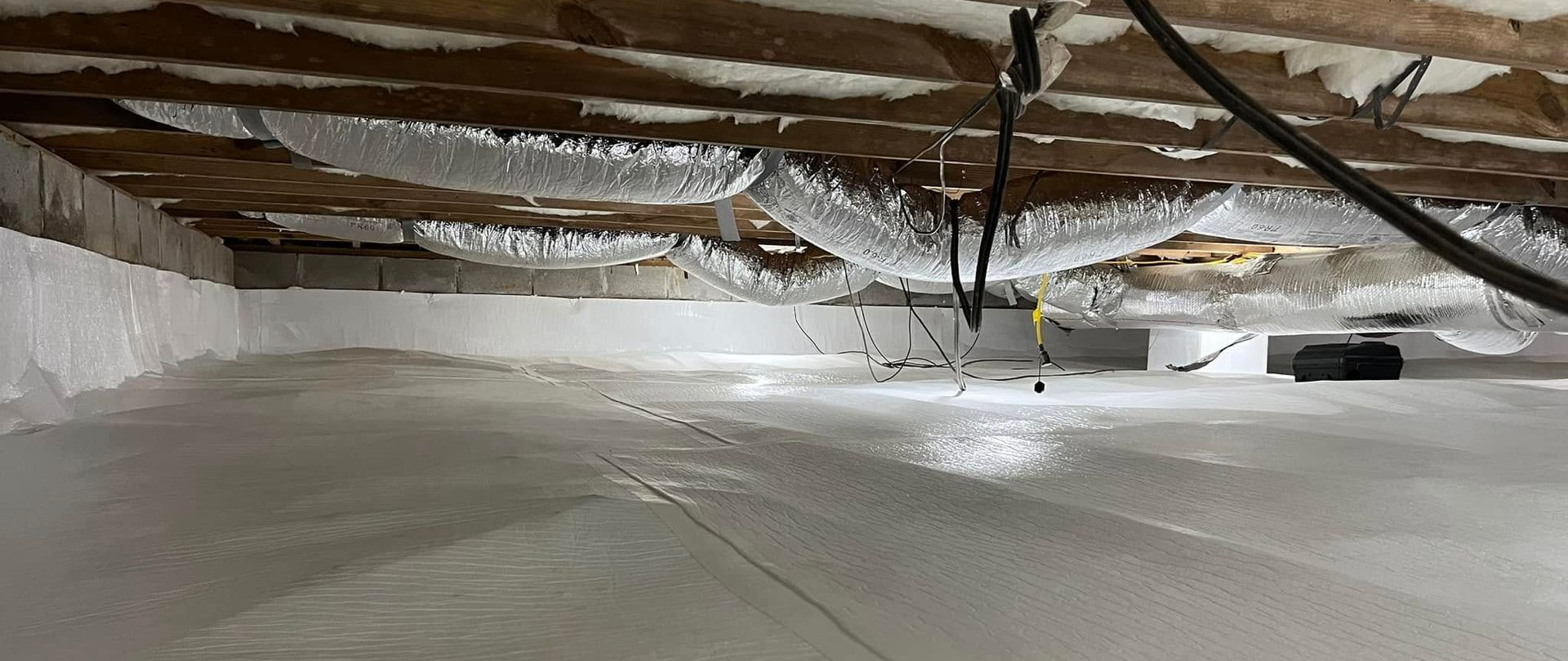
And while I was down there replacing the unit, I looked around. This crawlspace still looks almost exactly like it did when we left it three years ago. Clean. Dry. Vapor barrier intact. No smells, no breakdown, no problems.
That's what a real warranty looks like. Not the promise on paper - the actual follow-through when something goes wrong.
Most companies make warranties sound great until you need to use one. Then you find out what they're really worth.
What Happened With This Warranty Claim
Let me walk you through how this actually went down.
Customer noticed the dehumidifier wasn't running right. They called us. Not a call center - they got one of my managers who actually knows what's going on.
We diagnosed it as a bad compressor. Happens sometimes with any mechanical equipment. I contacted AprilAire, the manufacturer. They didn't give me the runaround. They sent a new unit. No charge.
I scheduled the swap for the same week. Came out, pulled the old unit, installed the new one. Waited a few minutes to make sure the compressor kicked on properly. Done.
Total time from customer's call to problem solved? Less than a week.
That's how it should work. But it only works that way when two things are true: you use quality equipment from manufacturers who stand behind it, and you're a contractor who actually shows up when customers need you.
Most companies fail on one or both of those.
What Makes a Warranty Actually Worth Something
Here's what separates a real warranty from worthless paperwork.
The manufacturer needs to stand behind their equipment. AprilAire does. When their compressor failed, they didn't make excuses or point fingers. They sent a new unit. That's what quality manufacturers do. Cheap equipment companies? You're on your own.
The contractor has to actually respond. You shouldn't have to call five times and leave voicemails. When this customer called, they talked to a real person who could help them. Not a robot. Not a call center in another state. Someone who knows their job and can make decisions.
It needs to happen in a reasonable timeframe. "We'll get someone out there in four to six weeks" isn't acceptable when your crawlspace equipment isn't working. We handled this the same week. That's the standard.
No surprise charges or fine print games. This was covered. Period. No "service visit fee" or "diagnostic charge" or "that part isn't included in the warranty." The customer didn't pay anything.
And honestly? The contractor needs to care enough to make it right. I could've sent someone else or put it off. But I went myself to make sure it was done properly. That's the difference between a job and a relationship.
The Real Test: What the Crawlspace Looked Like
While I was down there swapping the dehumidifier, I took a look around. This is the part that really matters.
Three years. That's how long it's been since we finished this crawlspace.
It still looks fantastic. The vapor barrier is clean and intact. No tears, no breakdown, no delamination. No cat pee smell like you get with cheap materials. Just a clean, dry crawlspace.
Sure, there's a little dirt tracked in from the homeowner going in and out to store stuff. That's normal. But the work itself? Looks almost exactly like the day we left.
The insulation is still in place. The vapor barrier is still sealed properly. Everything is holding up the way it should.
This is what happens when you don't cut corners. When you use quality materials and install them right. The work lasts.
I see crawlspaces from other companies that are falling apart after a year. Vapor barriers coming loose. Tape failing. Materials breaking down. That's what happens when companies are focused on closing deals fast instead of doing work that holds up.
Quality shows up years later, not just on install day.
Why Most Warranties Are Worthless
Let's talk about why so many homeowners get burned by warranties.
The fine print excludes everything that actually matters. "Lifetime warranty" sounds great until you read that it doesn't cover materials, labor, or anything that could actually go wrong. You're basically warranted against nothing.
Good luck getting anyone to call you back. You'll leave messages. Send emails. Get transferred around. Maybe someone eventually shows up three months later. Or maybe they just ignore you until you give up.
They hit you with fees. "Oh, the warranty covers the part, but there's a $200 service visit fee. And a diagnostic fee. And a reinstallation fee." By the time they're done, you might as well have paid for a new system.
Everything is "normal wear and tear." Dehumidifier stopped working after a year? Normal. Vapor barrier falling apart? That's just what happens. Fungal growth came back? You must have a moisture issue. They'll blame anything except their work.
The company structure makes accountability impossible. You're dealing with a corporate entity that's three layers removed from the guy who did your install. Nobody takes ownership. Nobody cares if you're happy. They got paid years ago.
And here's the big one - no local presence. These big companies can mess up your job and disappear. They're not in your community. You're not going to run into them at the grocery store. There's no reputation to protect.
A warranty is only as good as the company behind it. And most of these companies aren't worth the paper their warranty is printed on.
Questions to Ask About Warranties Before You Hire
If you're getting crawlspace quotes, here are the warranty questions you need to ask. A good contractor will have clear answers. A bad one will dodge or get vague.
"What equipment brands do you use and why?" If they're using brands you've never heard of or can't explain why they chose them, that's a red flag. We use AprilAire because they stand behind their equipment. When something goes wrong, they handle it.
"Do the manufacturers warranty their products?" The equipment warranty matters just as much as the contractor's warranty. Maybe more. Find out what's covered and for how long.
"Who do I call when something goes wrong?" If the answer is a 1-800 number or "our customer service department," think twice. You want to know you can reach a real person who knows your job.
"What's your typical response time for warranty issues?" Days? Weeks? Months? Get a straight answer. We handle most warranty calls within the same week.
"Are there any service fees for warranty work?" Some companies say it's "covered" but then charge you for the visit, the labor, the diagnostics. Find out upfront what you'll actually pay if something needs fixing.
"Can you show me examples of how you've handled warranty claims?" Ask for specifics. Real situations. How they solved them. If they can't give you examples, they probably don't handle many - or don't handle them well.
These questions will tell you whether a company actually stands behind their work or just talks a good game.
Take the Next Step
If you're dealing with crawlspace issues or thinking about getting work done, let's talk about what quality actually looks like.
I'll come out and do a free inspection. Show you what's going on. Explain what needs to be done and why. And I'll tell you exactly what equipment we'd use and what warranties back it up.
No games. No pressure. Just a straight conversation about your crawlspace and how to fix it right.
And if you hire us? You're not going to disappear into some customer database. You'll have direct access when you need something. We'll come back and check on the work. We'll handle warranty issues the same week you call.
That's how it should work. That's how we do it.