Why DIY Sump Pumps Fail (And What to Do Instead)
Found a Home Depot Bucket in a Crawlspace Today
HERE'S WHY DIY DRAINAGE USUALLY DOESN'T WORK
I was out in Ooltewah today, just north of Chattanooga, looking at a crawlspace with standing water.
The homeowner had tried to fix it themselves. They bought a sump pump from Home Depot, stuck it in a bucket, and dropped it in the crawlspace.
I get it. You've got water down there and you need to do something. A pump seems like the obvious solution. And honestly, I respect people trying to protect their home.
But here's the problem - that pump was completely clogged. Didn't work. And even if it did work, it wouldn't solve the issue because it wasn't in the right spot.
Water was still pooling. The foundation was still getting exposed. The crawlspace was still a mess.
This happens more than you think. Homeowners spend money on a DIY fix that seems like it should work, but they're still dealing with the same problems six months later.
I'm going to walk you through why these DIY setups usually fail and what actually needs to happen to fix standing water in a crawlspace for good.
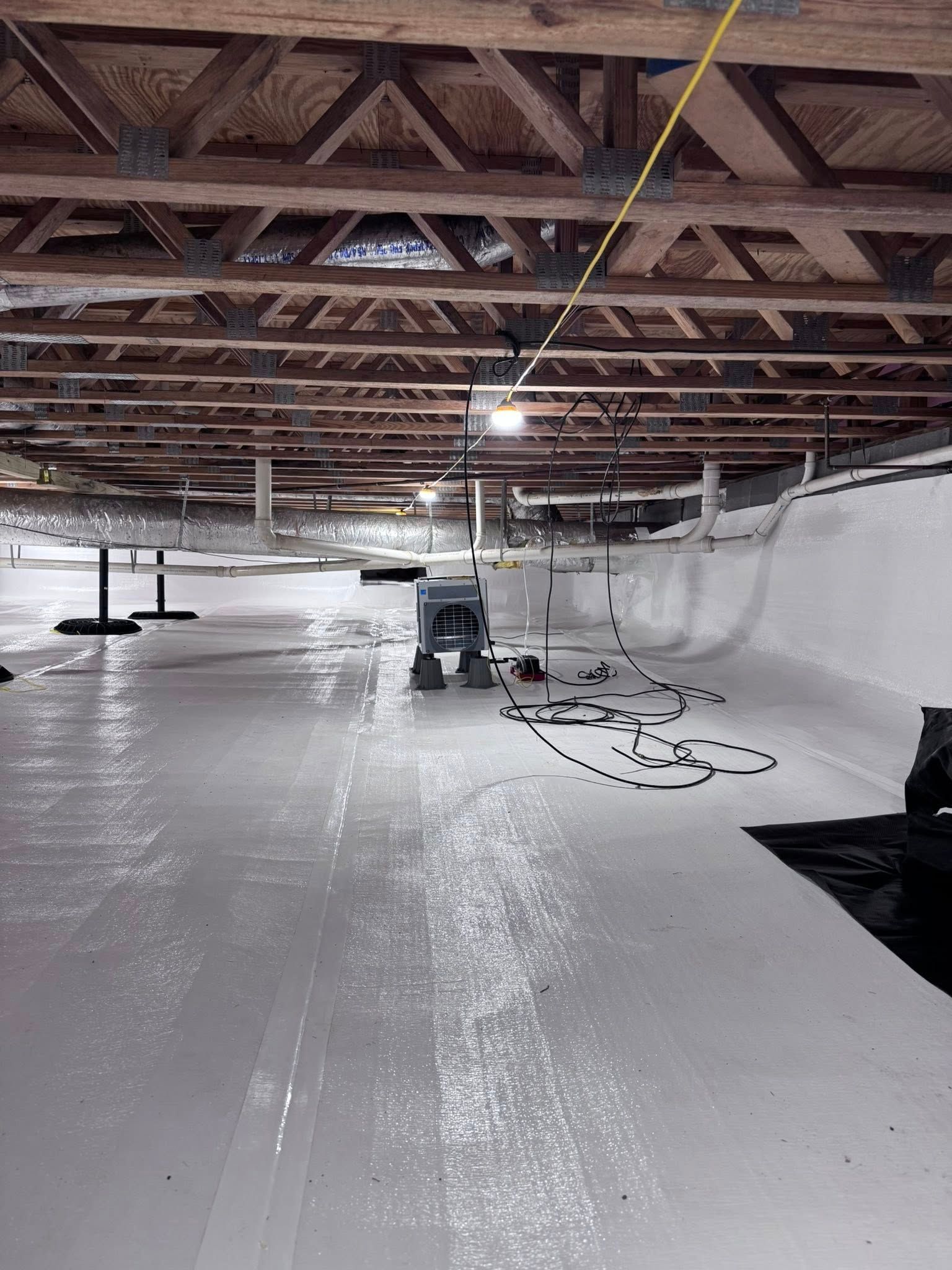
What I Found in This Crawlspace
Let me break down what was going on in this space.
Standing water in multiple spots. This wasn't just one puddle. Water was collecting in different low points throughout the crawlspace. That's your first clue that a single pump in a bucket isn't going to cut it.
That Home Depot pump sitting in a bucket. It was completely clogged. Full of debris. I didn't even bother testing it because you could tell just by looking it hadn't worked in a while. And it was sitting in the wrong spot anyway.
Drainage on top of the ground. There was some corrugated drainage pipe just laying there. Either it got pulled up or it was never installed right in the first place. Either way, it wasn't doing anything.
Water exposing the footings. In one corner, the water had pooled so high and so often that you could see the concrete footing. That's foundation damage waiting to happen. Actually, it's probably already happening.
All the typical moisture problems. Insulation falling down. Fungal growth on the floor joists. Ductwork starting to deteriorate. None of that gets better until you actually fix the water problem.
This crawlspace had been dealing with moisture for a while. And that DIY pump? It might have made the homeowner feel like they were doing something, but it wasn't actually protecting their home.
Why the DIY Pump Wasn't Working
Here's the thing about that bucket and pump setup - it had multiple problems working against it.
It was in the wrong spot. The pump was sitting where it was easy to access, not where the water actually collects. Water follows gravity. It goes to the lowest point. If your pump isn't at that lowest point, the water is just going to pool somewhere else.
No drainage feeding into it. A sump pump by itself doesn't catch water. You need drainage - actual trenched pipe - to collect the water and bring it to the pump. This setup had none of that. It was just sitting there hoping water would magically find it.
It's in a bucket. A proper sump basin has holes that let water in from the surrounding soil. A Home Depot bucket? That's sealed. The only way water gets in is from the top. You're missing most of the water that's coming up from below.
Completely clogged. Even if everything else was right, this pump was full of mud and debris. It hadn't been maintained. Probably stopped working months ago and nobody knew.
Doesn't fix why water is there. This is the biggest issue. The pump - even a good one - is just addressing the symptom. It's not stopping water from getting into the crawlspace in the first place. You're just constantly fighting it.
The homeowner probably spent $150-200 on this setup thinking they were being smart. But all they did was put a bandaid on something that needed actual repair.
How Water Actually Works in Crawlspaces
If you're going to fix a water problem, you need to understand how water behaves.
Water always goes to the lowest point. Always. It's not random. Gravity pulls it down and it settles wherever the ground is lowest. If you've got multiple low spots, you'll get multiple puddles.
The ground isn't level. Most crawlspaces have high points and low points. Maybe there's a mound of dirt in the middle. Maybe one corner is lower because of how the house settled. You have to work with that reality.
You can't fight gravity. Putting a pump somewhere convenient doesn't change where water wants to go. You either put the pump where the water naturally collects, or you trench drainage to bring the water to the pump. Those are your options.
Pooling water causes damage. When water sits against your foundation, it creates pressure. It saturates the soil. It exposes footings. Over time, that leads to settling, cracks, and serious structural problems.
The crawlspace I looked at today had a mound in the middle with low points on either side. Water was collecting on both sides. To fix it right, we'd have to trench through that mound to get all the water to one low point, then pump it out from there.
You can't just ignore how water moves and expect a pump to magically solve everything.
The Right Way to Install Crawlspace Drainage
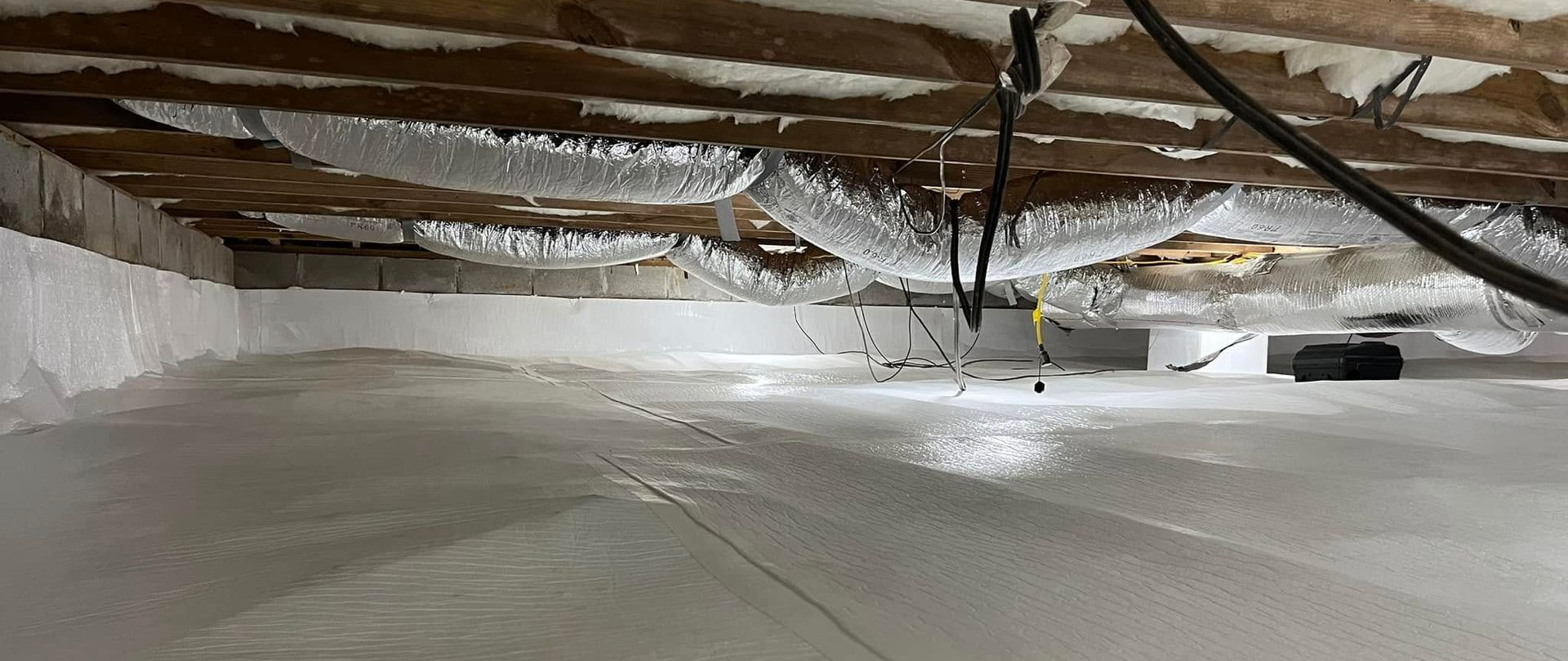
Here's how we actually fix standing water problems.
Find the lowest point. First thing we do is figure out where water naturally wants to go. We're looking at the grade, the soil, how the crawlspace is built. The pump goes at that lowest point. Period.
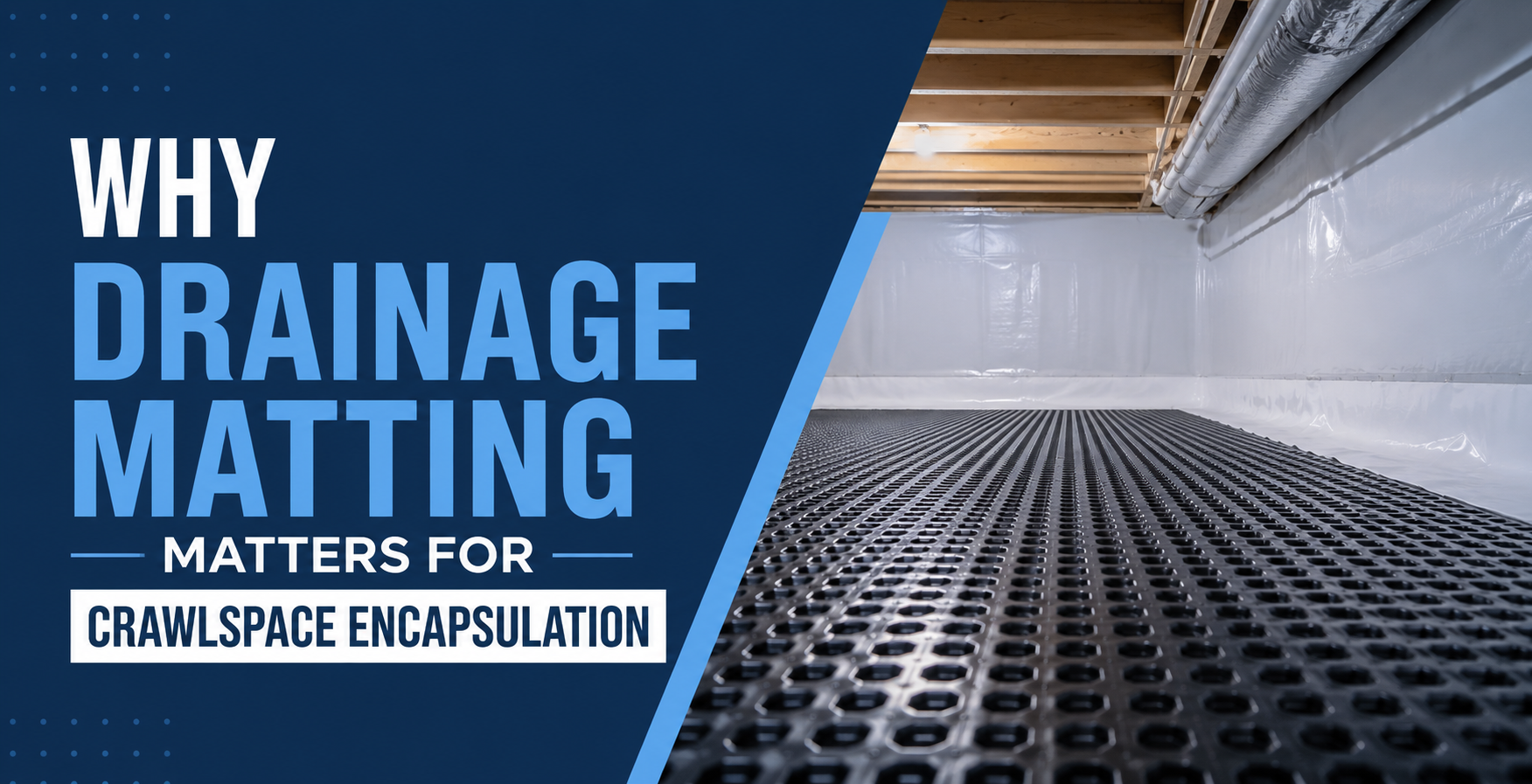
Trench drainage to catch the water. We dig trenches and install perforated pipe that collects water before it pools. That pipe runs to the sump basin. This way we're catching water throughout the crawlspace and directing it where we want it to go.
Install a proper sump basin. Not a bucket. An actual basin with holes that allow water to flow in from below and from the drainage pipes. It's designed for this specific job.
Use a pump rated for crawlspace conditions. We use pumps that can handle debris, that have backup options, that are built to run when they need to. Not the cheapest thing at Home Depot.
Discharge the water away from the house. The pump needs to send water far enough away that it's not just seeping back into your crawlspace. We run discharge lines that actually get the water away from your foundation.
Make sure it works long-term. We test everything. We check the basin, the drainage, the discharge. And we come back to maintain it so it keeps working.
This isn't complicated, but it has to be done right. You can't skip steps and expect it to work.
Common DIY Mistakes I See
I've seen a lot of DIY attempts over the years. Here are the mistakes that keep coming up.
Pump in the wrong location. This is the big one. People put the pump where they can reach it easily or where there happens to be an outlet. Not where the water actually goes. Then they wonder why they still have standing water.
No drainage system. A pump by itself doesn't do much. You need perforated pipe trenched into the ground to actually collect the water and bring it to the pump. Most DIY setups skip this entirely.
Poor discharge planning. I've seen pumps that discharge right next to the foundation. The water just comes back into the crawlspace. You have to get it away from the house or you're wasting your time.
Using the wrong equipment. Pumps designed for clean water basements don't work well in dirty crawlspaces. They clog. They burn out. You need equipment actually rated for crawlspace conditions.
No maintenance. Sump pumps need their filters cleaned and their basins checked. Nobody thinks about that until the pump stops working and they've already got damage.
Treating the symptom, not the cause. A pump removes water that's already there. It doesn't stop water from coming in. If you're not addressing drainage around the outside of your house, you're just fighting a losing battle.
I'm not saying DIY is always wrong. But with crawlspace water problems, the cost of doing it wrong is foundation damage. That's not something you want to gamble on.
Crawlspace Water Problems? Let’s Take a Look
If you've got standing water in your crawlspace, let's take a look at it.
I'll come out and do a free inspection. We'll figure out where the water's coming from, where it's going, and what actually needs to happen to fix it.
I'm not going to sell you stuff you don't need. If it's something simple, I'll tell you. If it needs a full drainage system, I'll explain why and show you exactly what we'd do.
No pressure. No games. Just an honest assessment of what your crawlspace needs.
You can reach out anytime. We'll get you on the schedule and figure out the right solution for your situation.
Let's make sure your foundation is protected and you're not dealing with this water problem again next year.