Why You Should Never Encapsulate Over Wood Structure
I'm Looking at a Crawlspace in Ooltewah
HERE'S A MISTAKE I SEE OTHER CONTRACTORS MAKE
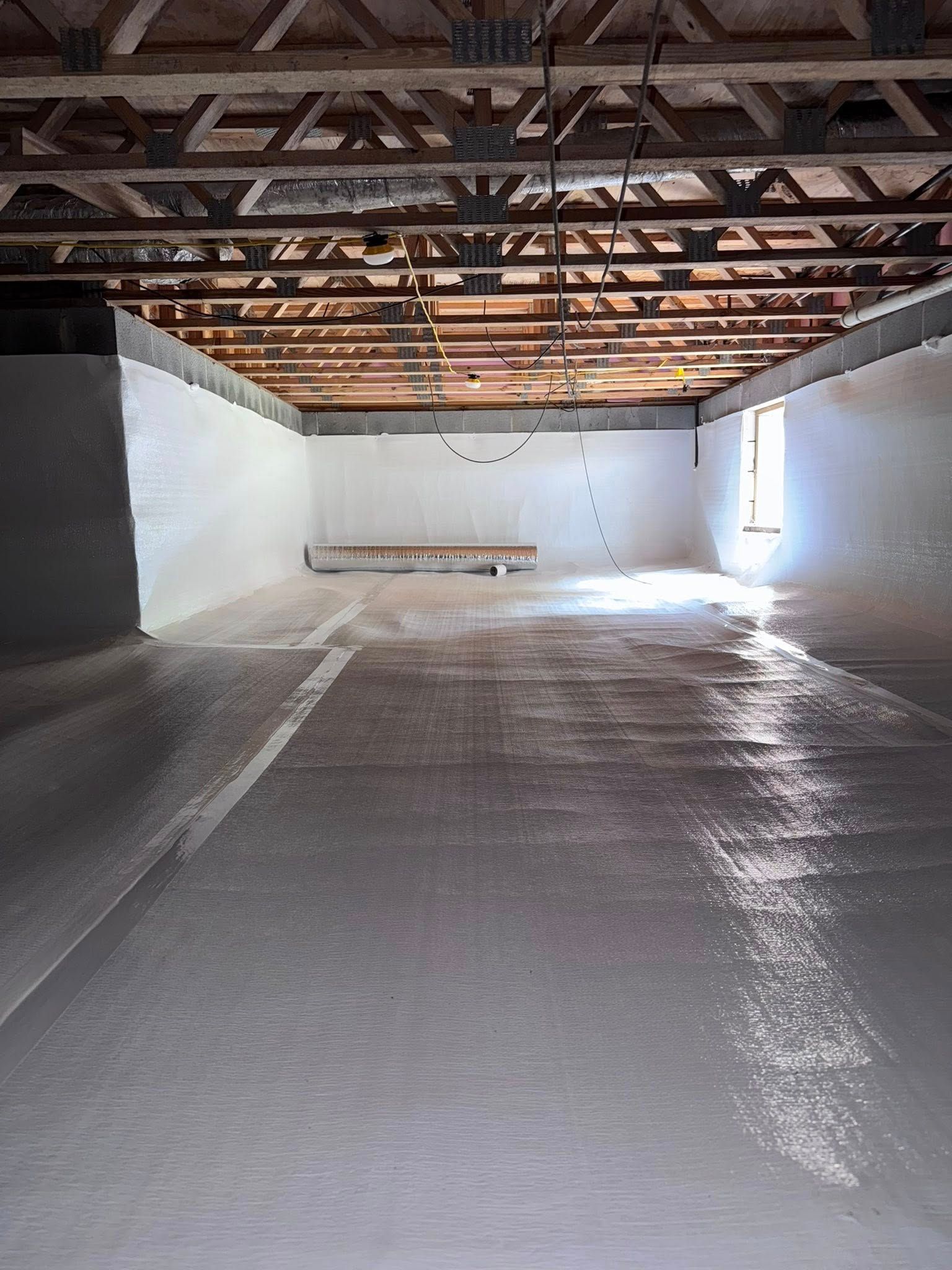
I'm down in a crawlspace in Ooltewah today, and I want to show you something I see other contractors do wrong all the time.
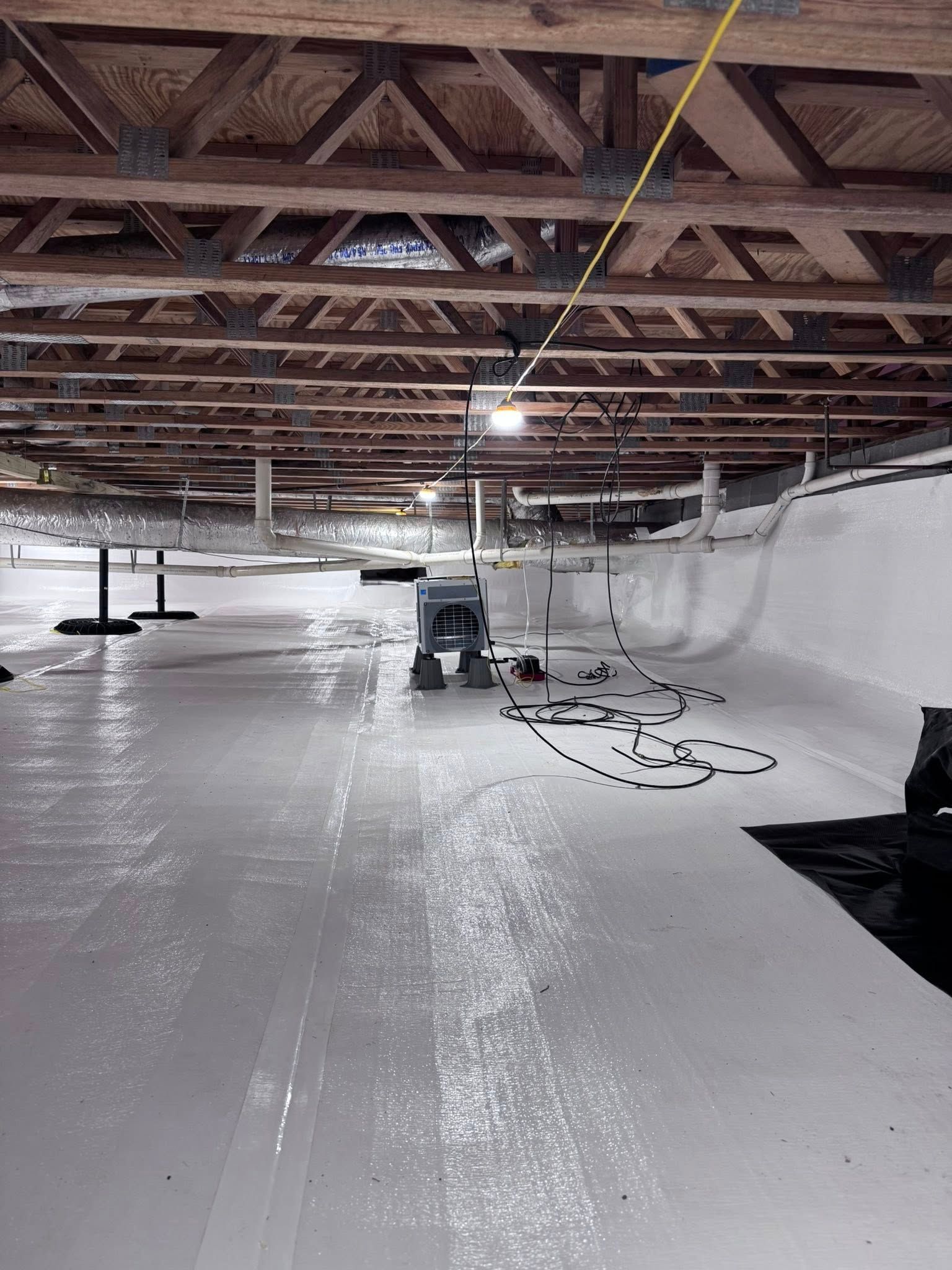
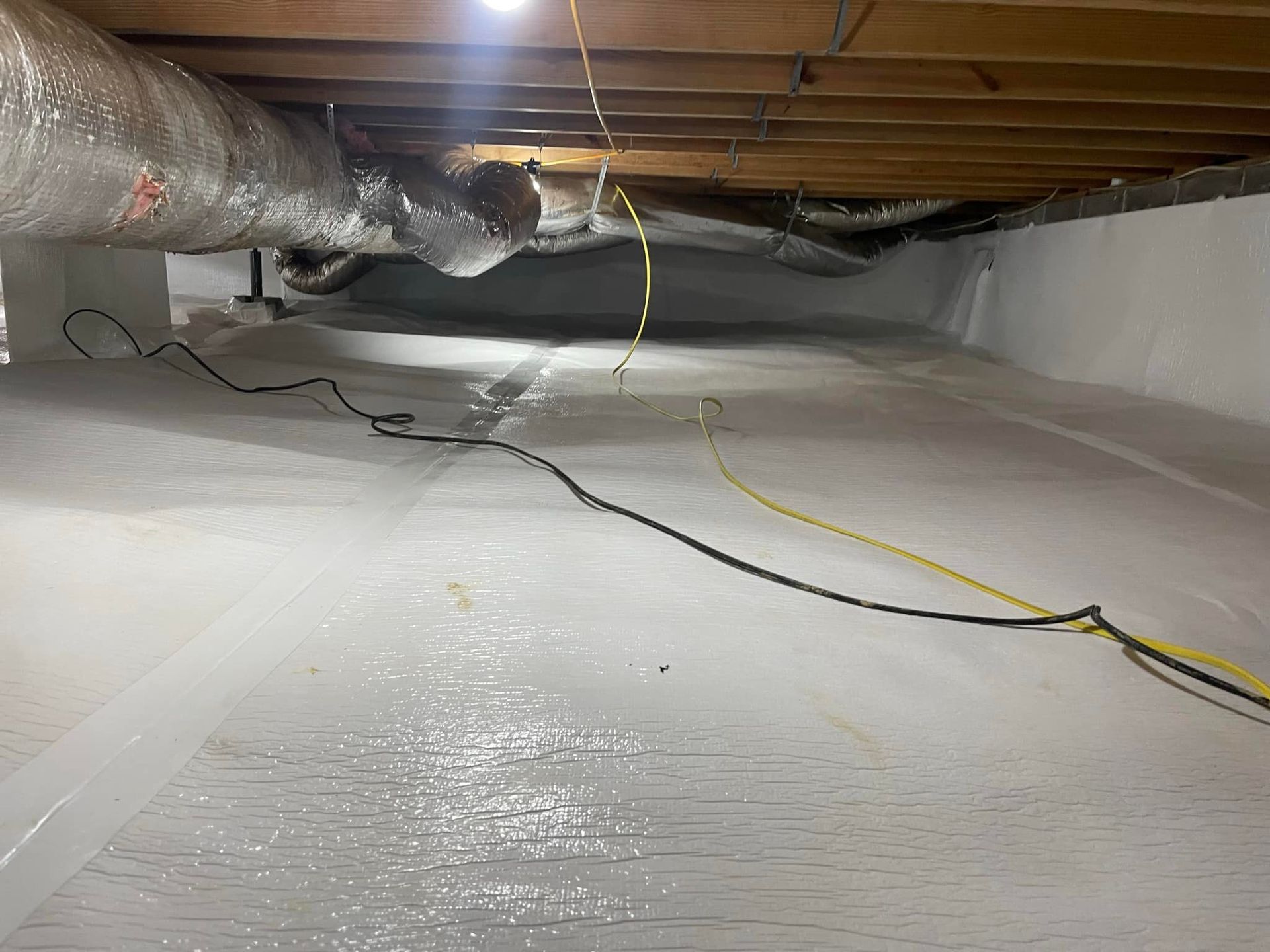
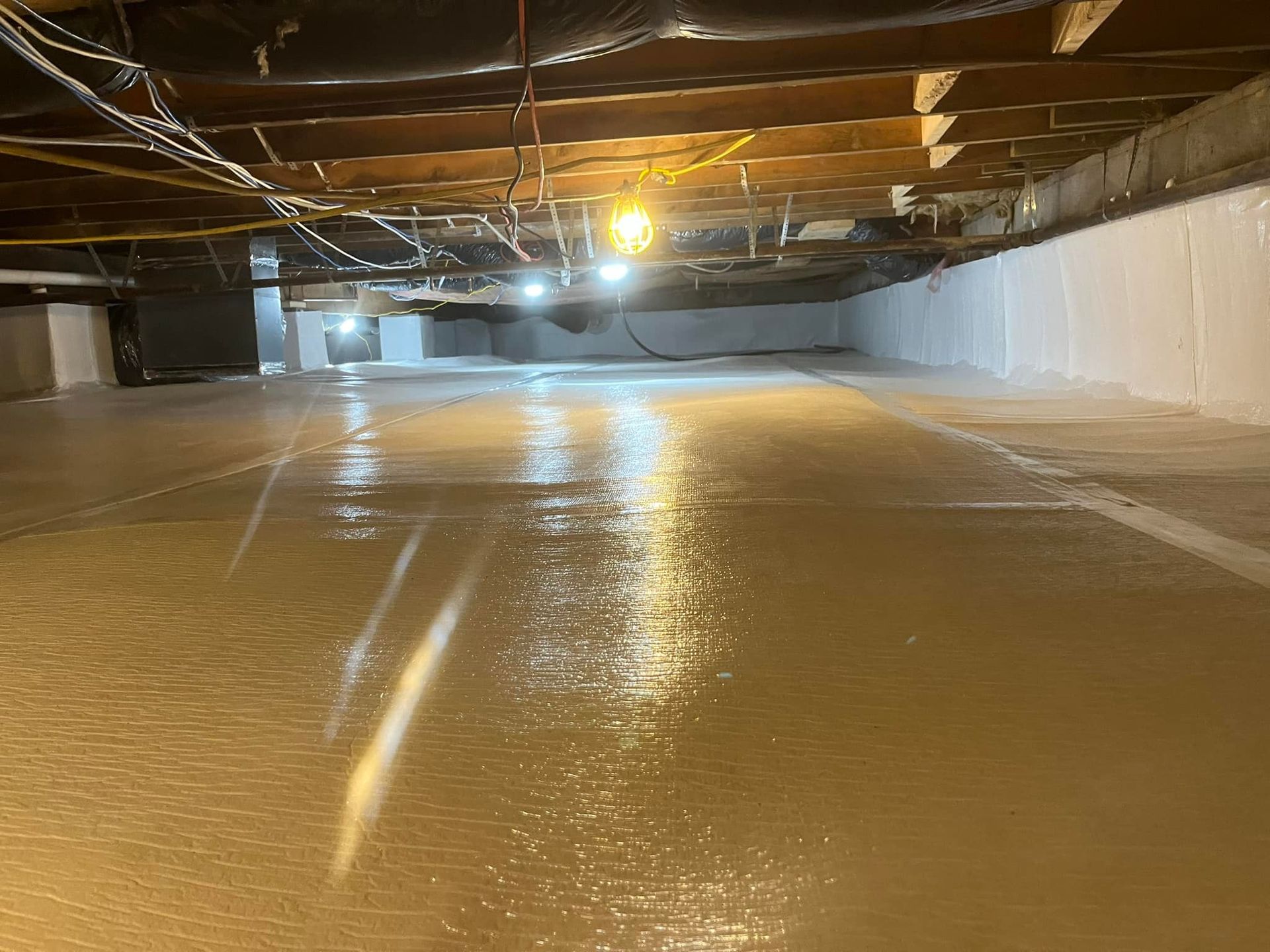
This house has a basement on one side and a crawlspace on the other. There's wood structure separating the two spaces. And some companies will just wrap their vapor barrier right over that wood because it's easier and faster.
But that's a mistake. A big one.
When you cover that wood with a vapor barrier, two things happen. First, you void your termite warranty because inspectors can't see the wood anymore. Second, you trap moisture against the wood, which causes the exact rot and decay you're trying to prevent.
You can already see some deterioration starting at the bottom of this wood. That's why doing this right matters.
I'm going to walk you through why we never encapsulate over wood structure, what problems it causes, and how we handle it the right way.
The Wood Structure Situation
In houses like this one, you've got wood beams or joists that separate the crawlspace from the basement area. It's part of the foundation structure.
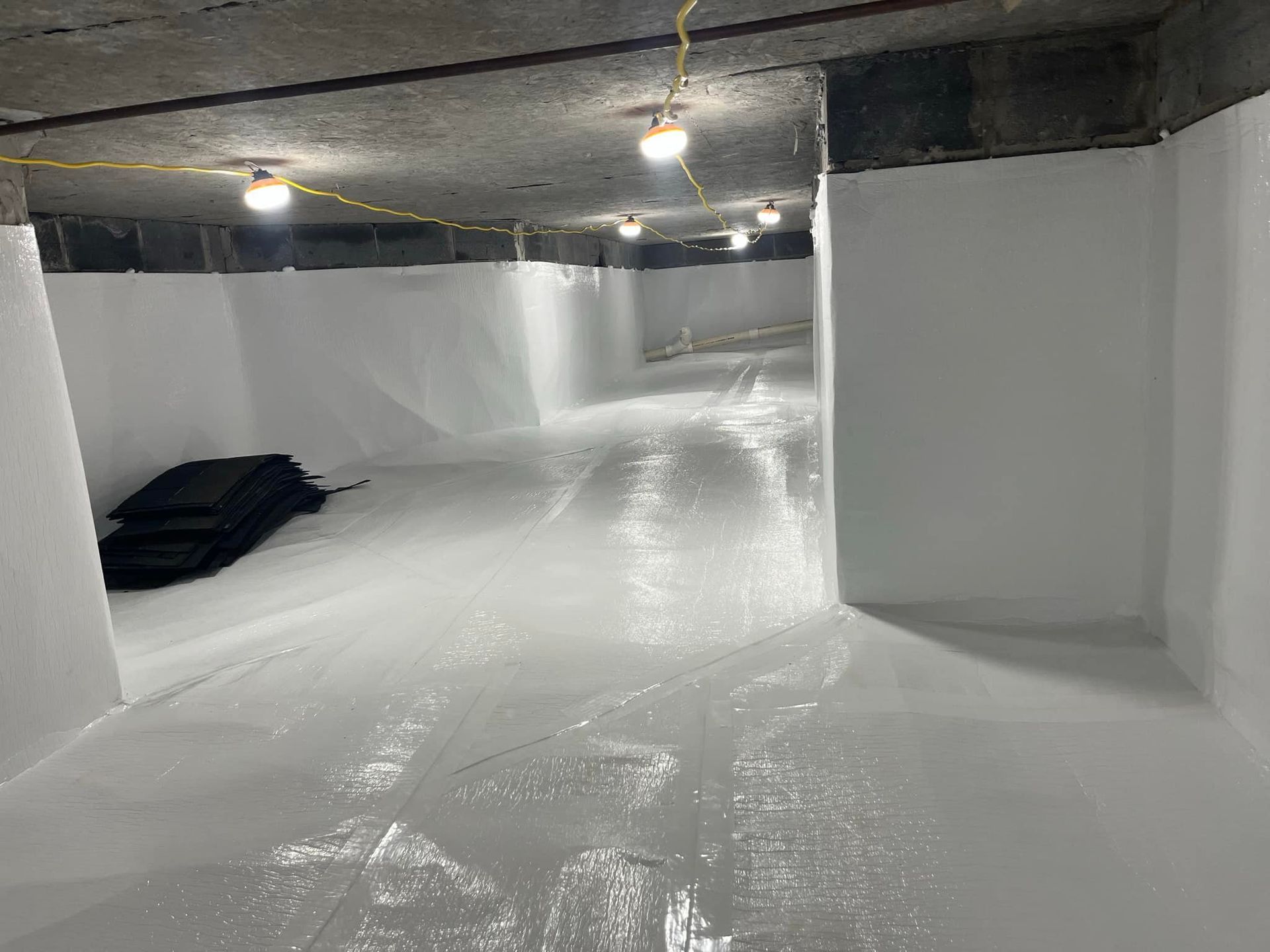
Now, when a contractor comes in to encapsulate the crawlspace, the easiest thing to do is just run that vapor barrier up the wall and right over that wood. Wrap it all up, tape it down, move on to the next job.
And look, I get it. It's faster. It looks clean. The customer sees everything covered in white plastic and thinks it looks great.
But here's what's actually happening. That wood needs to be visible. It needs to breathe. And when you seal it up with a vapor barrier, you're creating two serious problems that won't show up until later - after the contractor is long gone and your money is spent.
The first problem is termite inspections. The second is moisture. And both of them can cost you thousands of dollars down the road.
Let me break down why this matters.
Problem #1: Termite Inspection Sight Lines
Termite sight lines are exactly what they sound like - clear visual access to the wood in your crawlspace so pest control can actually see if termites are eating it.
Most termite warranties require these sight lines. It's written right into the contract. If the inspector can't see the wood, they can't inspect for termites. And if they can't inspect, your warranty is void.
So when a contractor wraps that wood structure with a vapor barrier, you just lost your termite protection. You might not even know it until you file a claim and the pest control company says, "Sorry, we can't see the wood. Your warranty doesn't cover this."
Now if termites get into that wood, you're paying out of pocket for the damage and the treatment. That could be thousands of dollars because someone wanted to save ten minutes on installation.
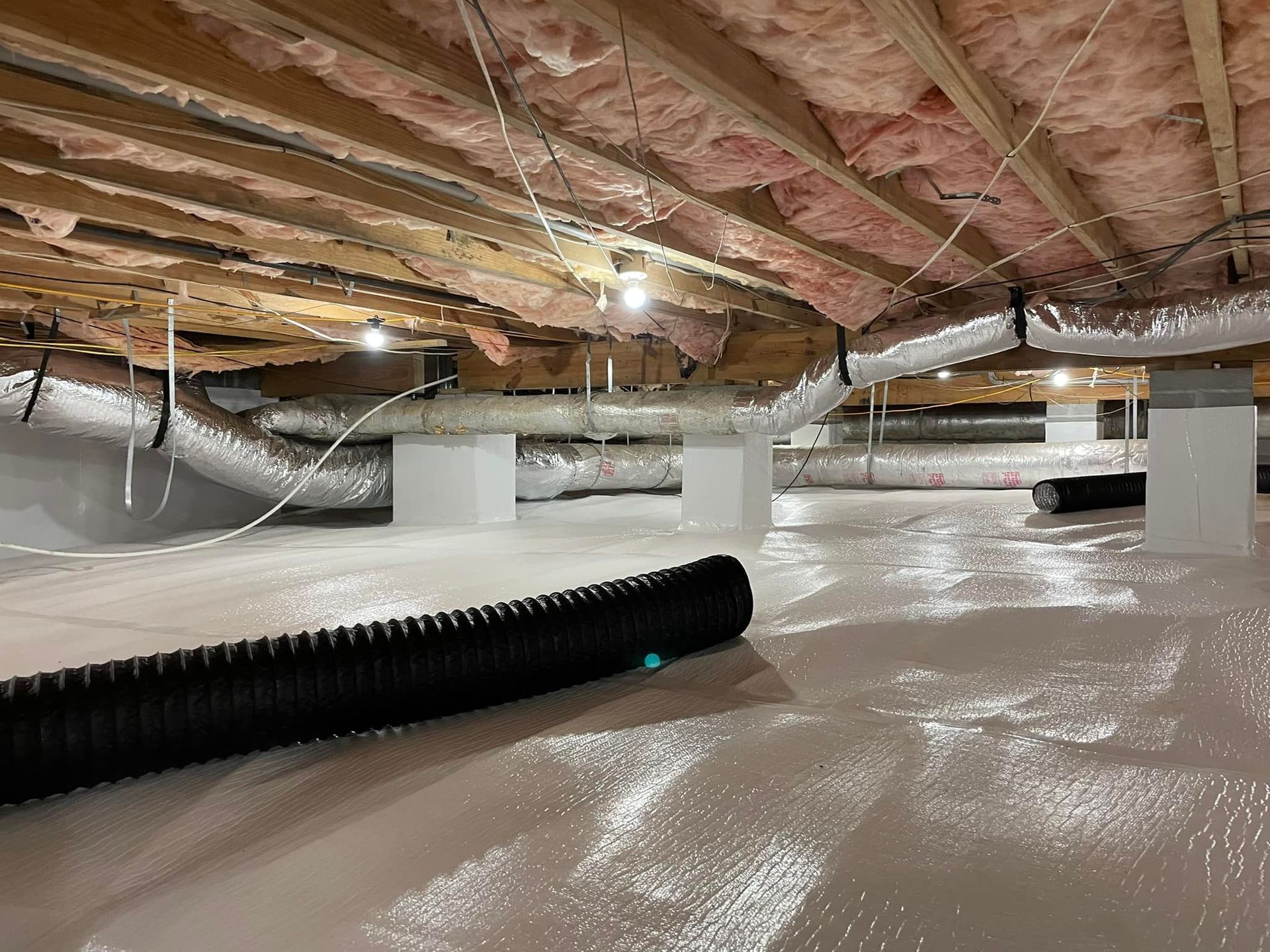
This is also why we always leave the top block of the foundation wall exposed when we run the vapor barrier up. Same reason. Pest control needs to be able to inspect that area. We're not going to void your warranty just to make our job easier.
Problem #2: Trapping Moisture Against Wood
Here's the thing about crawlspace encapsulation - the whole point is to keep moisture away from your wood.
Moisture rises up from the ground. A good vapor barrier blocks it and keeps it in the dirt where it belongs. Your wood stays dry. No rot. No fungal growth. That's how it's supposed to work.
But when you wrap the vapor barrier over wood structure, you flip the script. Now that moisture rising from the ground hits the barrier and stops - right at the wood. It's trapped there with nowhere to go.
The wood can't breathe. It can't dry out. It just sits there wet, day after day. And wet wood rots. It develops fungal growth. It deteriorates.
You can see it starting to happen at the bottom of this wood right here. That's the beginning of rot. If this wood was sealed with a vapor barrier, we wouldn't even be able to see this problem until it got much worse.
So you paid for encapsulation to protect your wood. But the way it was installed is actually destroying your wood faster. That's the exact opposite of what you want.
How We Do It Differently
The right way takes a little more work, but it's not complicated.
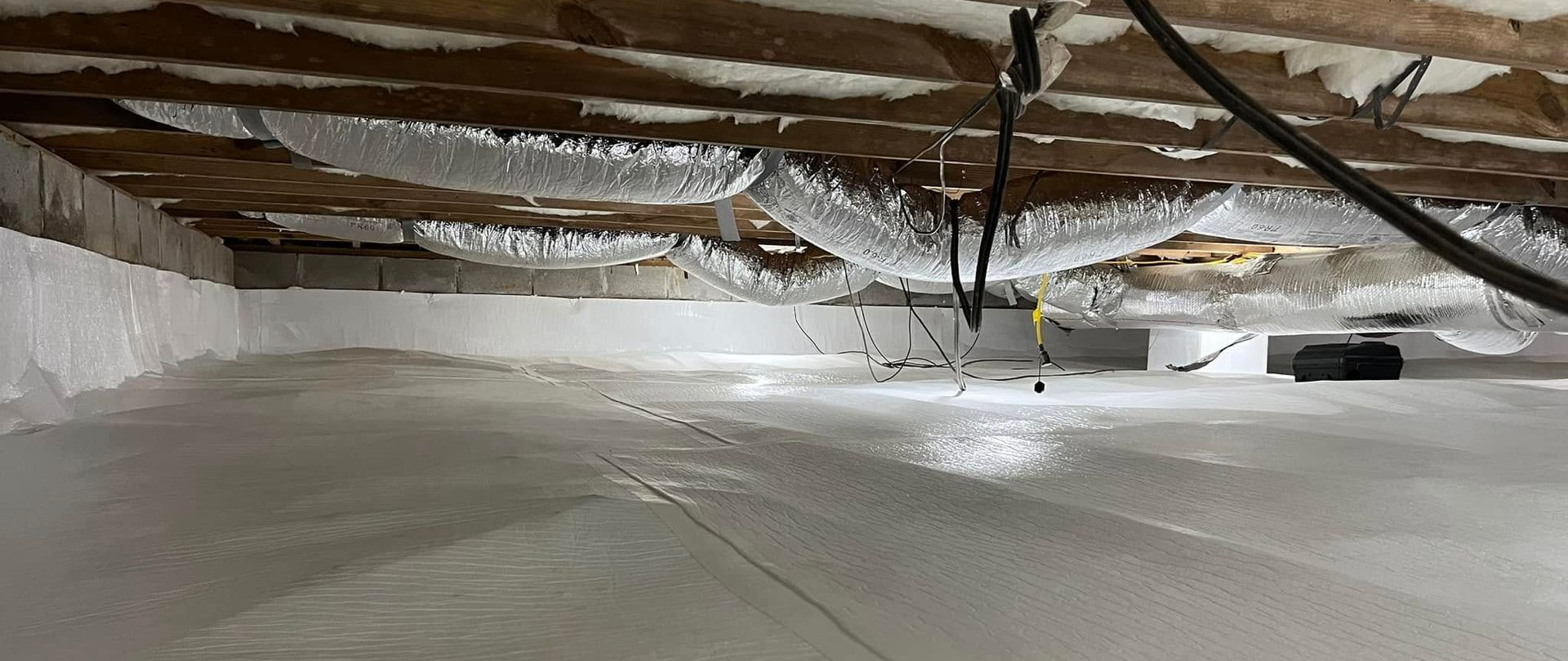
Instead of wrapping the vapor barrier over the wood, we attach it to the concrete below the wood. We knock off those concrete forms you see here, clean up the surface, and seal the barrier to the concrete foundation.
That way the wood stays completely exposed. Pest control can inspect it. Air can circulate around it. And moisture from the ground is still blocked by the vapor barrier - it just stops at the concrete, not at the wood.
The wood can breathe. Your termite warranty stays valid. And your crawlspace is actually protected the way it should be.
Does it take more time? Yeah, a little. We're being more precise about where we attach things. We're thinking about termite sight lines and moisture flow instead of just covering everything as fast as possible.
But that's the difference between doing a job and doing it right. We're not trying to be the fastest. We're trying to protect your home for the long term.
Why Shortcuts Cost You Later
Here's what happens when a contractor takes that shortcut and wraps over the wood.
Everything looks fine at first. The crawlspace is white and clean. You paid your money, the job is done, everyone's happy.
Six months go by. A year. Maybe two.
Then your pest control company comes out for their annual inspection. They can't see the wood because it's covered. They tell you your warranty is void. Now you've got a choice - pay to have the vapor barrier redone so the wood is visible, or lose your termite protection entirely.
Or maybe termites get in there and you don't even know it because nobody can see the damage. By the time you find out, they've been eating your floor joists for who knows how long. Now you're looking at serious structural repairs on top of termite treatment.
And that trapped moisture? That wood rot doesn't announce itself. It just quietly gets worse. The wood deteriorates. Eventually you've got sagging floors, structural issues, maybe even mold problems in your house.
All of this could have been avoided if the contractor had just attached the vapor barrier correctly in the first place.
You saved maybe an hour of labor on install day. But now you're spending thousands fixing problems that shouldn't exist. That's not a good trade.
Take the Next Step
If you've already had encapsulation done and you're worried about whether it was done right, let's take a look.
I'll come out and do a free inspection. I'll show you exactly how the vapor barrier was installed, whether your wood is properly exposed, and if your termite sight lines are protected. No charge. Just an honest assessment.
And if you're getting quotes right now, I'll walk you through exactly how we'll handle every detail - from the wood structure to the concrete attachment to protecting your warranties.
You'll get pictures. Clear explanations. A quote that makes sense. And installation that's done right the first time.
We're not trying to be the fastest crew in town. We're trying to be the ones who still have a good reputation five years from now when your crawlspace still looks good and your home is still protected.
Give us a call or send a message. Let's make sure your crawlspace is done right.