Crawlspace Doors: The Small Detail That Makes a Big Difference
Found a Snake Skin by This Crawlspace Door
HERE'S WHY THE RIGHT DOOR MATTERS MORE THAN YOU THINK
I was out in Ooltewah yesterday looking at a crawlspace with standing water and moisture issues. Typical stuff I see all the time.
But when I got to the door, I found a snake skin. Right there in the gap at the bottom.
Now, I'm down there to quote drainage and encapsulation work. That's the big stuff. But I wanted to talk about this door because it's one of those details people skip over until they've got a problem.
A bad crawlspace door isn't just about snakes getting in. It affects your energy bills. Your HVAC system. Your dehumidifier. The whole crawlspace system.
Most people don't think about their crawlspace door until something's living under their house or their energy bills are through the roof. By then, it's been costing them money for months or years.
So let me show you what a good door actually looks like and why it matters.
What's Wrong with Most Crawlspace Doors
Let's start with what I see on most houses.
Wood. Almost every crawlspace door I look at is made of wood. And wood rots. It warps when it gets wet. It expands and contracts with temperature changes. After a few years, gaps open up.
That door in Ooltewah? Had a gap big enough for a snake. And if a snake can get through, so can mice, air, humidity, and everything else you don't want in your crawlspace.
No weather stripping. Even doors that fit okay when they were new don't have weather stripping. So air just flows right through. Your crawlspace is supposed to be sealed from outside air. A door without weather stripping defeats the whole purpose.
No insulation. Most doors are just a piece of wood. No insulation backing. So in the summer, hot humid air is radiating right through. In the winter, cold air is doing the same thing.
Cheap hardware. If there's hardware at all, it's usually rusted out or broken. You can't lock it. Sometimes you can barely close it. I've seen doors held shut with a rock or a piece of wood wedged against them.
Nobody maintains them. Doors get installed and forgotten. They rot. Hardware breaks. Gaps open up. And nobody thinks about it until there's a bigger problem.
This isn't about being picky. A bad door undermines everything else you do to protect your crawlspace.
What Those Gaps Actually Cost You
Here's what happens when your crawlspace door has gaps or isn't sealed properly.
You're losing energy every single day. Hot air in the summer. Cold air in the winter. It's flowing right into your crawlspace. Your HVAC system is trying to control the temperature in your house, but it's fighting against outside air coming in from below.
Your dehumidifier can't keep up. If you've got a dehumidifier running in your crawlspace, it's working against outside humidity constantly flowing in. It's like trying to dehumidify your house with the windows open. The equipment runs non-stop and your humidity levels stay high anyway.
Critters get in. Mice can fit through a hole the size of a penny. That gap under the door in Ooltewah? A mouse doesn't even have to try. Snakes, as you saw, get in easy. Possums and raccoons will push their way through if the door is weak enough. Once they're in, they nest in your insulation and make a mess.
Moisture problems get worse. Outside air brings humidity. That humidity condenses on cooler surfaces. You end up with more moisture in the crawlspace, which leads to mold, fungal growth, and wood rot. The door is supposed to be part of keeping moisture out, not letting it in.
You're paying for it on your energy bill. All that air exchange means your heating and cooling system works harder. Month after month, year after year, you're spending extra money because of a bad door.
It's not just annoying. It's actually costing you money and undermining your crawlspace health.
How We Build Crawlspace Doors Right
When we rebuild a crawlspace door, we're doing it to last and actually seal the space.
We use PVC board for the door itself. Not wood. PVC doesn't rot. It doesn't expand and contract with weather. It won't deteriorate over time. You can hose it off if it gets dirty and it looks the same as the day we installed it.
We reframe the opening if we need to. A lot of times, the door frame is rotted out just like the door. So we'll rebuild that with treated lumber or PVC to make sure everything fits tight and stays that way.
We weather strip it. The door gets proper weather stripping all the way around so when it closes, it seals. No air getting through. No gaps for mice or insects.
We insulate it. The door gets insulation backing so it's not just a thin piece of material between your crawlspace and the outside. This keeps temperature and humidity from transferring through.
We use zinc hardware. Good quality hinges and a latch that actually works. You can put a lock through it if you want. It won't rust out in a year or two like cheap steel hardware.
It's built to be part of your crawlspace system, not just something that covers the hole.
Why This Matters for Your Whole System
Here's the thing people don't realize - your crawlspace is a system. Everything works together.
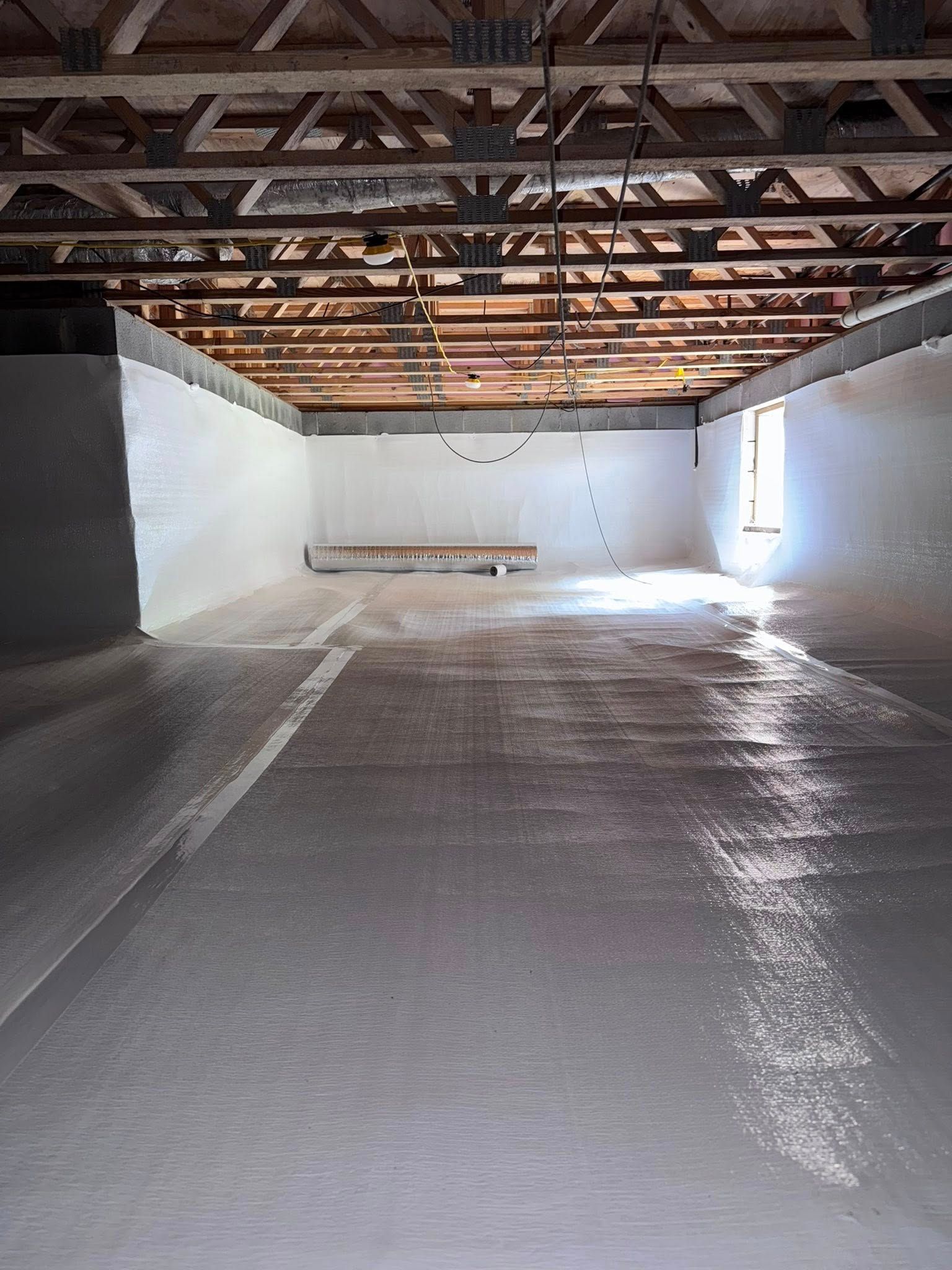
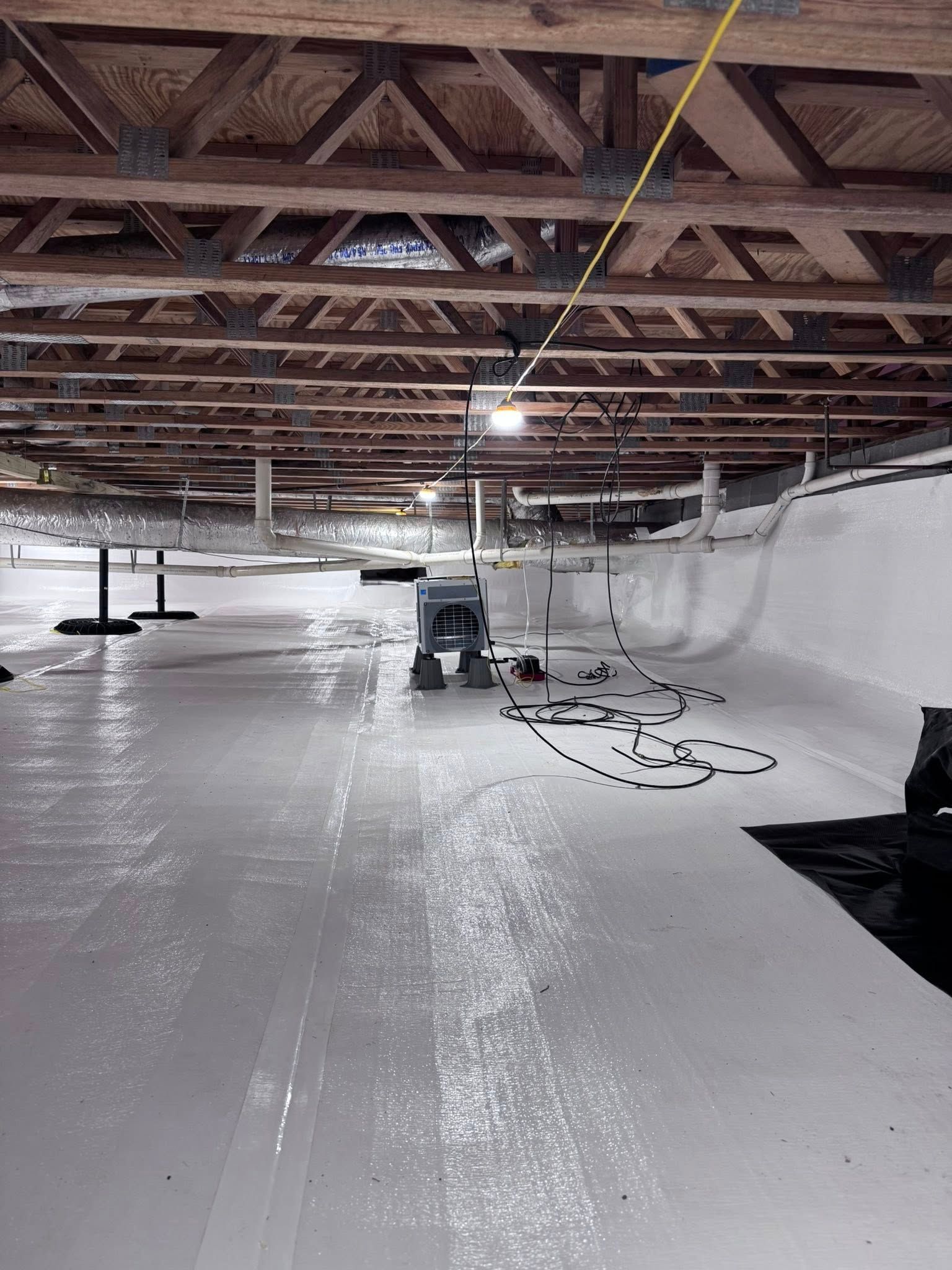
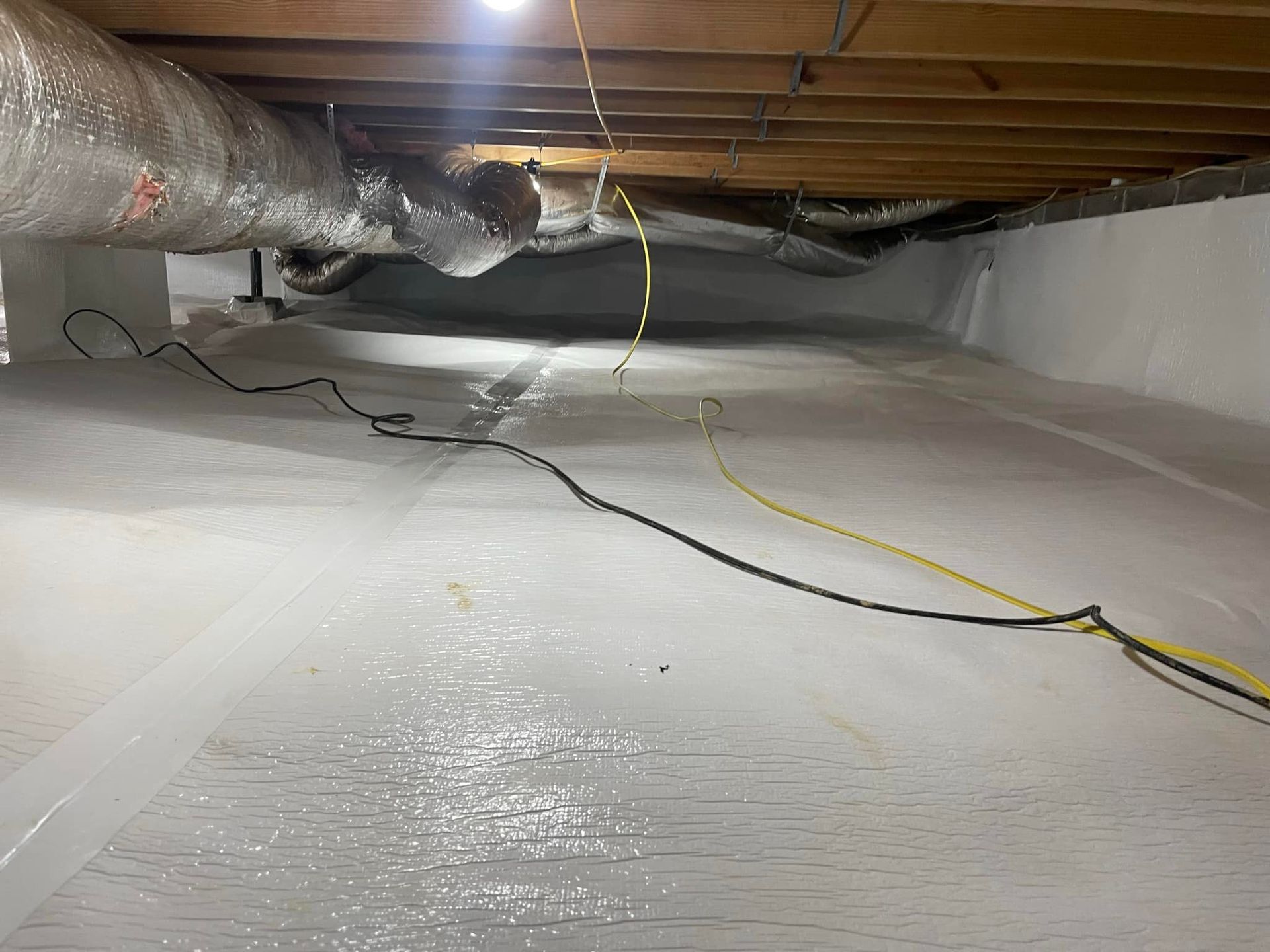
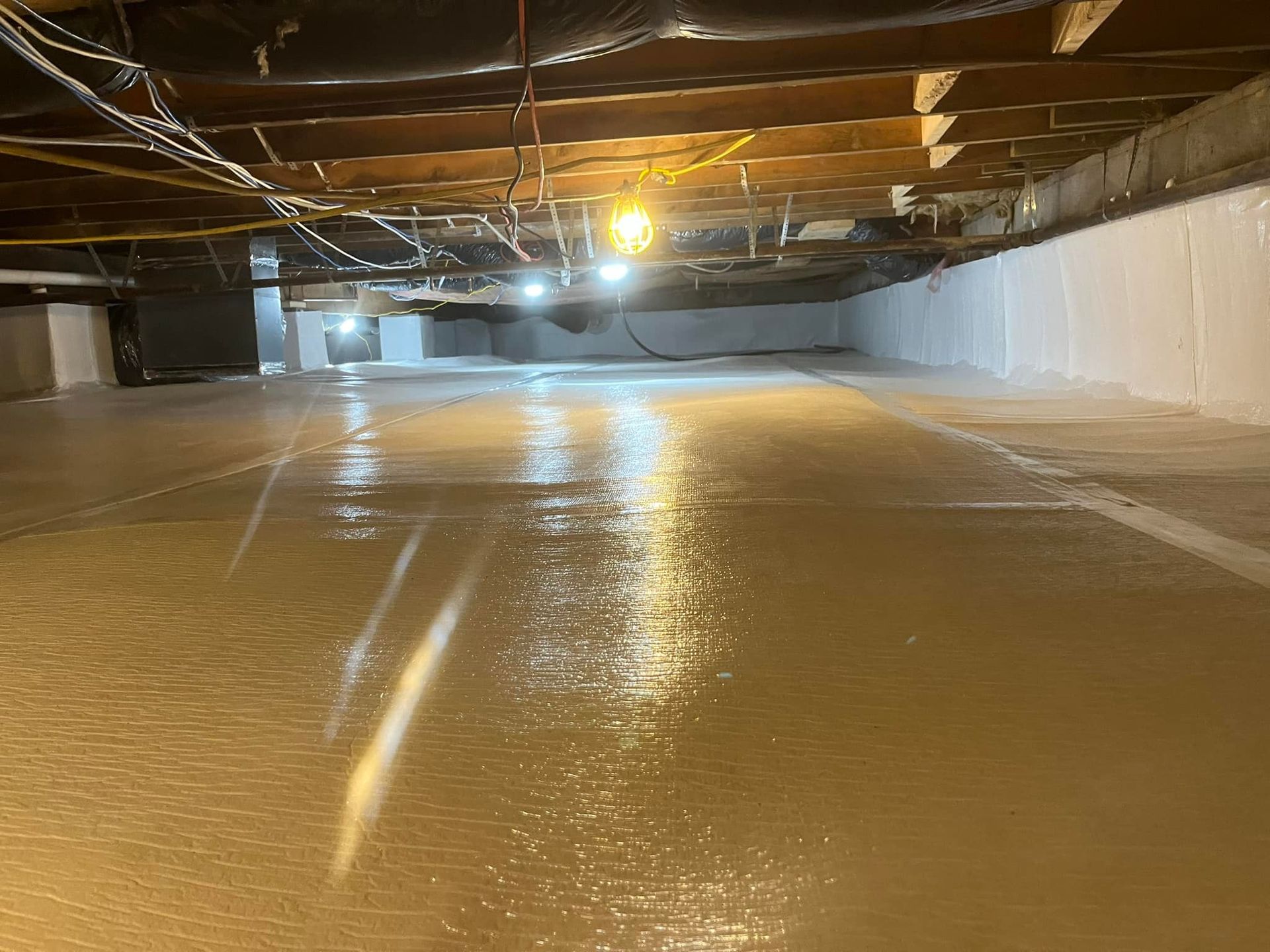
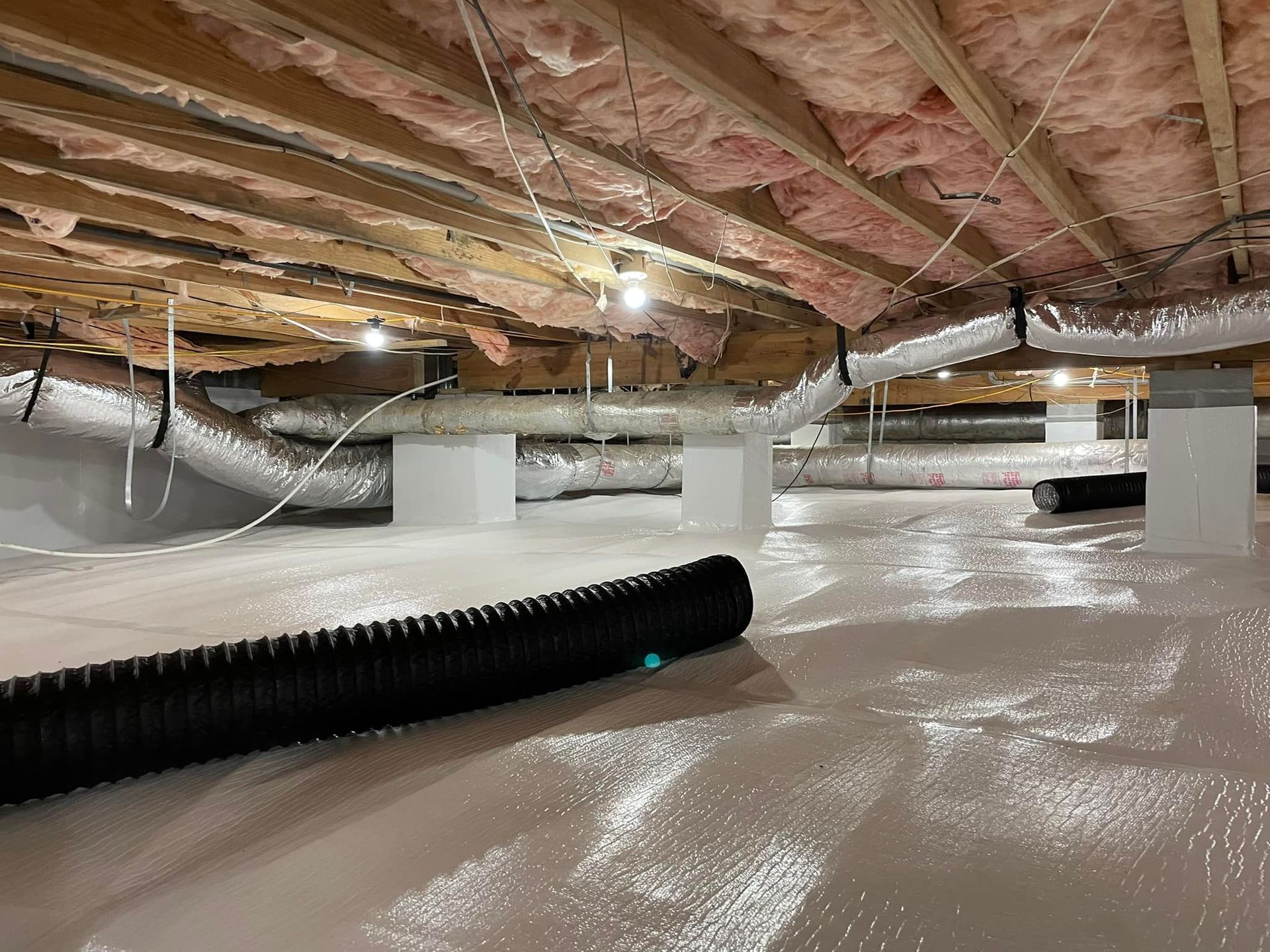
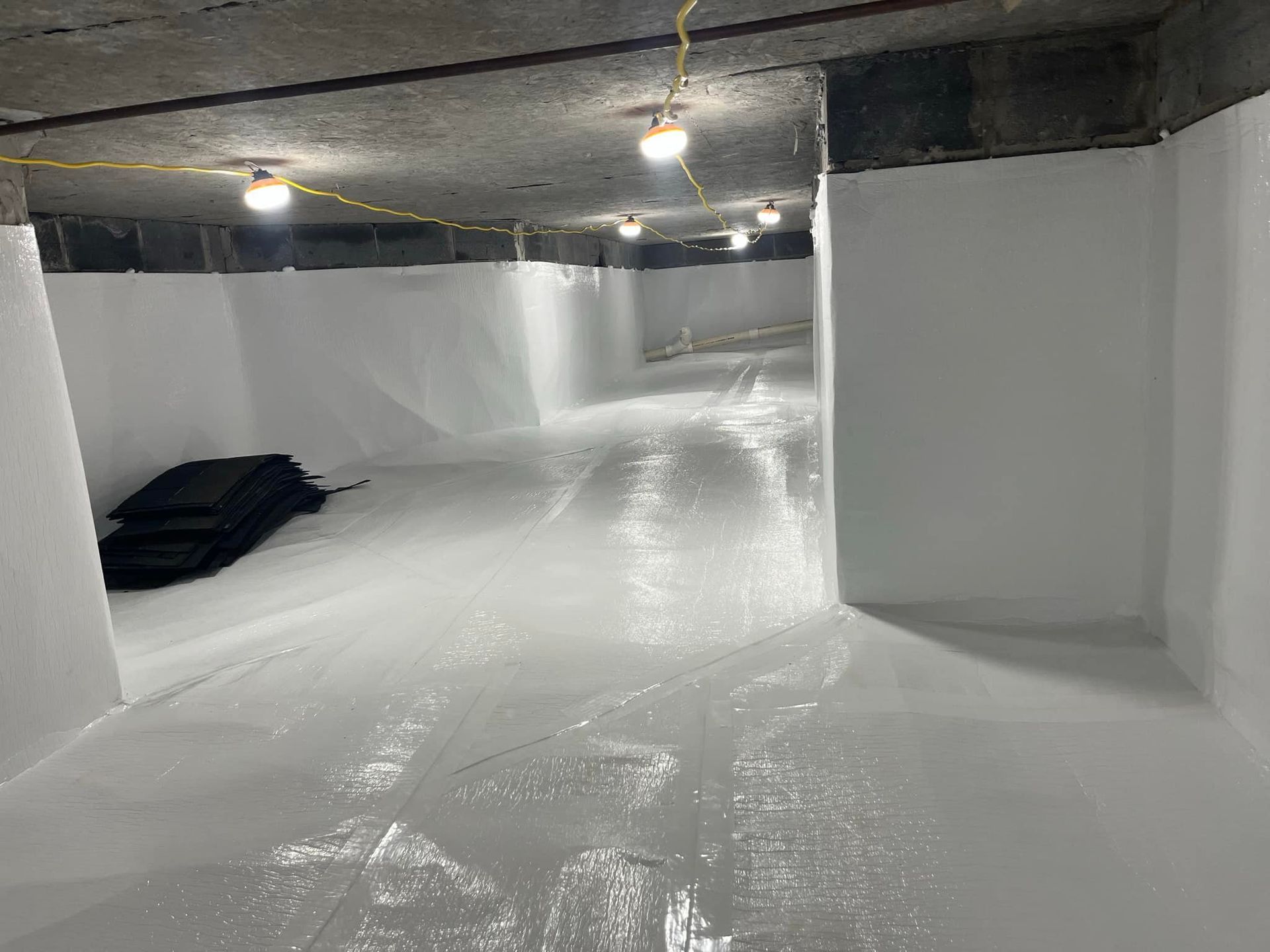
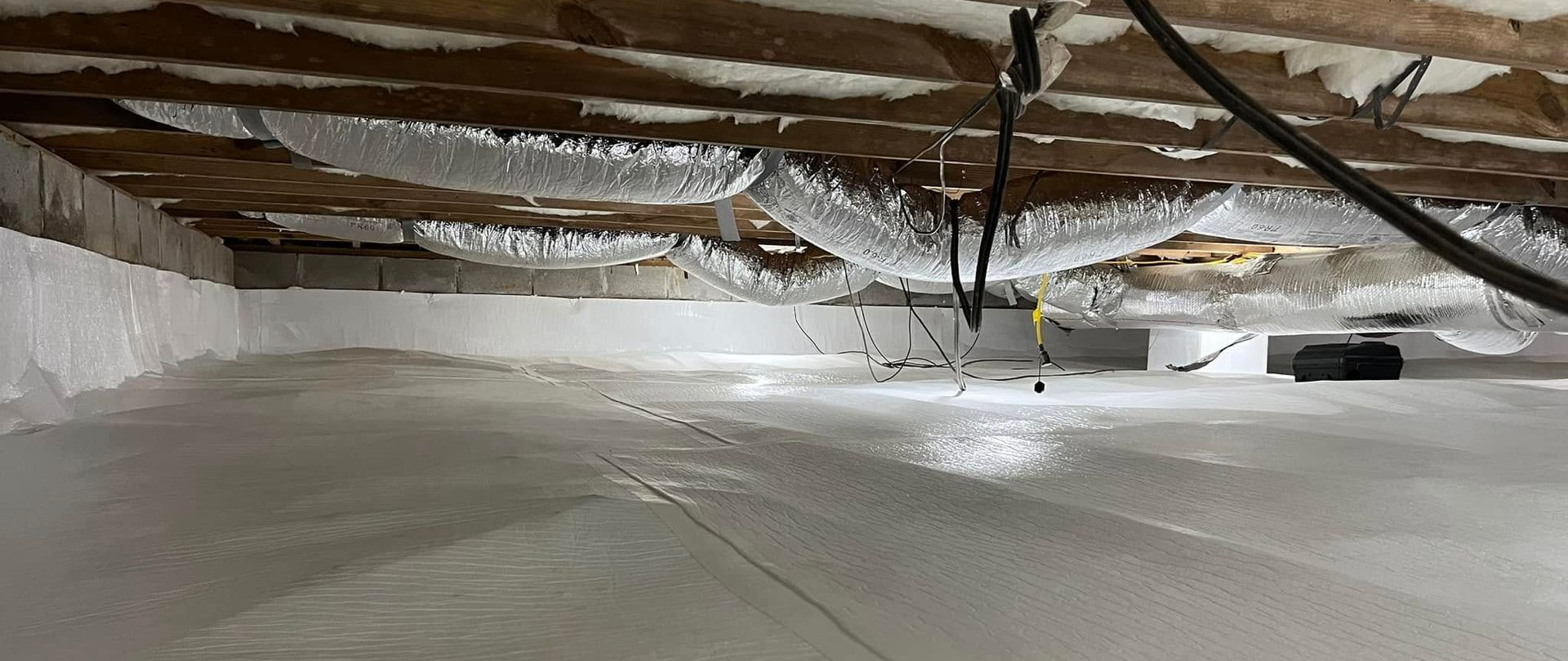
You can have the best encapsulation in the world. Perfect vapor barrier. Proper insulation. A good dehumidifier. But if your door is letting outside air in, none of that works the way it should.
The encapsulation is designed to seal the crawlspace from ground moisture. The dehumidifier controls the humidity. The insulation regulates temperature. But all of that assumes the space is sealed from outside air.
A bad door is like having a leak in a boat. Doesn't matter how good the rest of the boat is if water's coming in through a hole.
I see this all the time. Customer calls because their crawlspace still smells musty or feels humid even though they had work done. I go look and find a door with gaps you can see daylight through. The system isn't failing. It's just fighting a losing battle against outside air.
When we do crawlspace work, we treat the door as part of the job. Not an afterthought. Because one weak point can compromise everything else.
If you're going to spend money fixing your crawlspace, make sure the door is done right. Otherwise you're not getting what you paid for.
The Pest Problem Nobody Talks About
Let's talk about what actually happens when pests get into your crawlspace.
Mice are the most common. They get in through tiny gaps and build nests in your insulation. They chew on things. They leave droppings everywhere. And their urine soaks into the insulation, which then affects the air quality in your house. Remember, about 50% of the air you breathe comes up from your crawlspace.
Snakes follow the mice. They're looking for food and shelter. Most of them aren't dangerous, but nobody wants snakes living under their house. And if you've got gaps big enough for snakes, you've got gaps big enough for a lot of other things.
Raccoons and possums cause real damage. They're bigger and they tear up insulation to make nests. They're also a lot harder to get rid of once they've moved in. I've seen crawlspaces where animals destroyed thousands of dollars worth of insulation and vapor barrier.
The real problem isn't just that they're there. It's what they do to your crawlspace and your air quality. Contaminated insulation. Damaged vapor barriers. Droppings and urine that create health hazards.
Pest control companies can trap and remove animals. But if you don't seal the entry points, more will just come back. The door is usually the easiest way in, so that's where you need to start.
Fix the door, seal the gaps, and you solve the problem at the source.
Get Your Crawlspace Inspected
If you're dealing with moisture issues, pests, or high energy bills, your crawlspace might be the problem. And your door might be part of it.
We do free inspections. I'll come out personally or send one of my managers. We'll look at everything - not just the door, but your whole crawlspace. Moisture levels, ventilation, insulation, drainage, all of it.
We'll show you what's going on with pictures. Explain what needs to be fixed and why. Give you options that actually work for your situation.
And we'll include the door in that assessment. If it needs to be replaced or rebuilt, we'll tell you. If it's fine, we'll tell you that too.
No pressure. No games. Just a straightforward look at what your crawlspace needs.
Give us a call or send a message. Let's make sure your crawlspace is actually sealed and protected, starting with that door.