What Happens When Contractors Ignore Moisture in Crawl Space Repairs
When Half a Fix Is Worse Than No Fix at All
THE STRUCTURAL WORK THAT KEEPS FAILING BECAUSE NOBODY DEALT WITH THE MOISTURE
I'm out here in Knoxville looking at a crawl space with some serious structural damage.
Deteriorated wood, failing main beam, the whole nine yards.
But here's the thing - this homeowner already paid to fix this.
A big company came through, one of my major competitors actually, and did structural repairs.
Put in a supplemental beam, sistered some joists, charged thousands of dollars.
And it's still falling apart.
Why? Because they never dealt with the moisture.
The environment that caused the problem in the first place is still there.
So all that wood they "fixed" just kept deteriorating.
Now we're looking at replacing the main beam, redoing the structural support the right way, and finally addressing the moisture issue that should've been part of the original fix.
This homeowner is going to have to pay twice for the same problem.
And that's exactly what happens when contractors treat the symptoms but ignore the cause.
The Repairs That Were Done (Sort Of)
So let me walk you through what the previous contractor actually did.
They installed a supplemental beam underneath the main beam. The main beam is what holds up your entire house - it runs the length of your crawl space and carries all the weight from above. When it starts to fail, you need support.
They also sistered some of the floor joists. Sistering means they attached new boards alongside the old damaged ones to reinforce them. It's a common repair technique when joists are weakened but not completely gone.
On the surface, this looks like they fixed it. You've got new wood down there. You've got additional support. The structure looks reinforced.
But when you look closer, you start seeing the problems.
The Problems With How It Was Done
First issue - that supplemental beam is just sitting on blocks. No proper footings underneath. No base plates to distribute the weight.
When you're adding structural support, you need a solid foundation for that support to sit on. Footings spread the load so you're not concentrating all that weight on a small point. Base plates do the same thing - they distribute weight across a larger area.
Without them, you're basically balancing thousands of pounds of house on some stacked blocks. Over time, those blocks can shift, settle, or sink into the soil. Then your "support" isn't supporting anything anymore.
Second issue - the sistered joists don't have proper bracing. When you sister a joist, you're transferring load from the damaged piece to the new piece. But you need supplemental bracing to help distribute that weight off the main beam.
They sistered one side but didn't address the load distribution. So the main beam is still carrying more weight than it should, and it's still deteriorating.
These aren't small details. This is the difference between a repair that lasts and a repair that fails in a few years.
The Real Problem Nobody Fixed
But here's the biggest issue - the moisture is still there.
Look, you can sister joists and install support beams all day long. But if you've got high humidity and moisture in that crawl space, the wood is going to keep deteriorating. That's just how it works.
Moisture breaks down wood over time. It causes rot, it weakens the structure, it creates the perfect environment for fungal growth. The same conditions that destroyed the original main beam are still there, doing the same damage to everything else.
In this crawl space, the main beam is still rotting even with the supplemental support underneath it. The sistered joists are deteriorating. All that new wood they brought in? It's on the same path as the old wood because nothing changed about the environment.
You can't do structural repairs in a high-moisture crawl space and expect them to last. You have to deal with both problems - the damaged structure AND the moisture causing the damage.
They only fixed half the problem. And half a fix means the homeowner's going to be dealing with this again in a few years.
What Actually Needs to Happen Now
So what does this homeowner actually need? Let me break it down.
The main beam probably needs to be replaced entirely. It's deteriorated to the point where patching it isn't going to cut it. We need to pull it out and put in a new one.
The supplemental support needs to be done right - proper footings, proper base plates, installed in a way that actually distributes the load correctly.
The sistered joists need proper bracing to take weight off that main beam and spread it out where it needs to go.
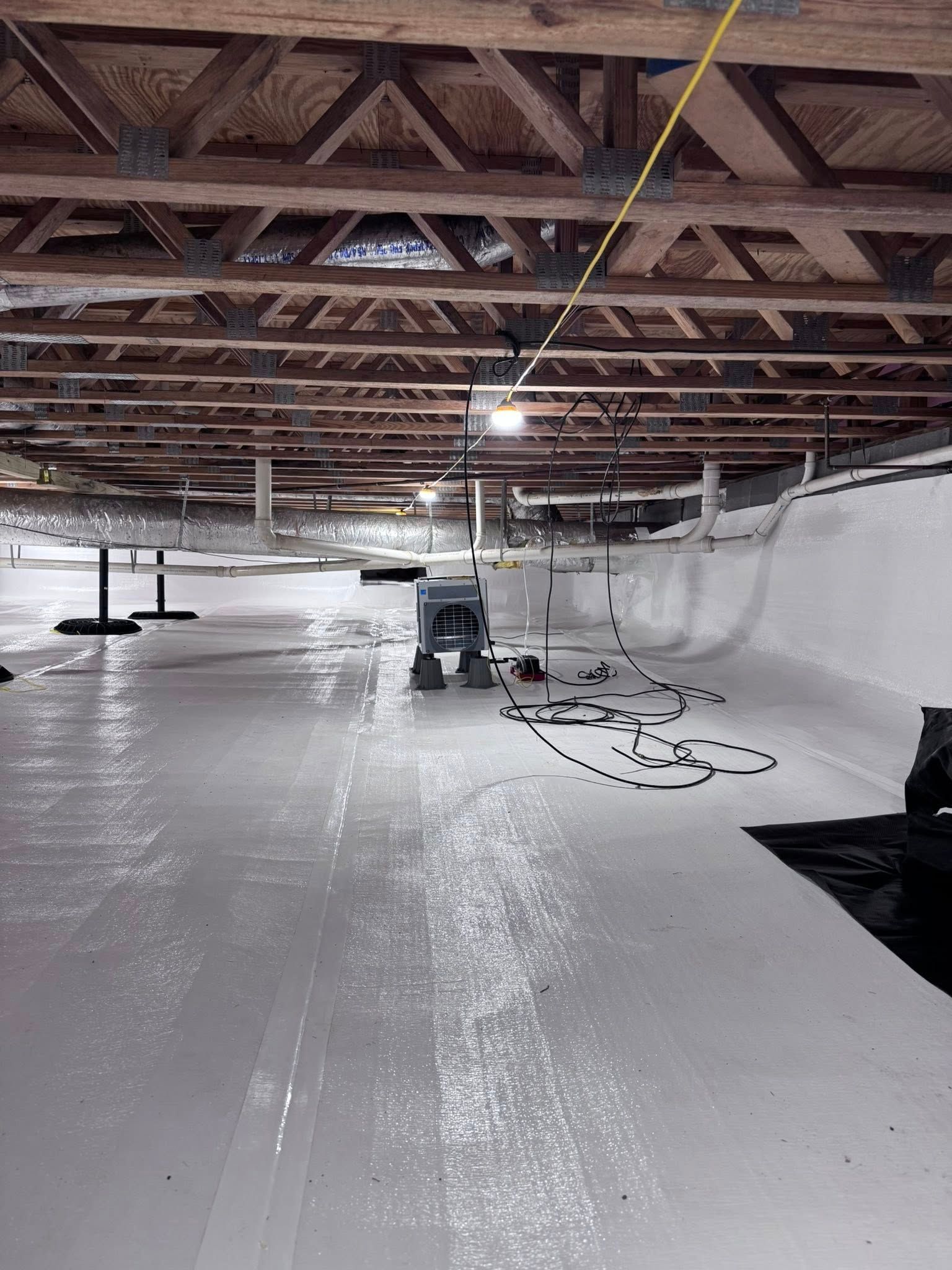
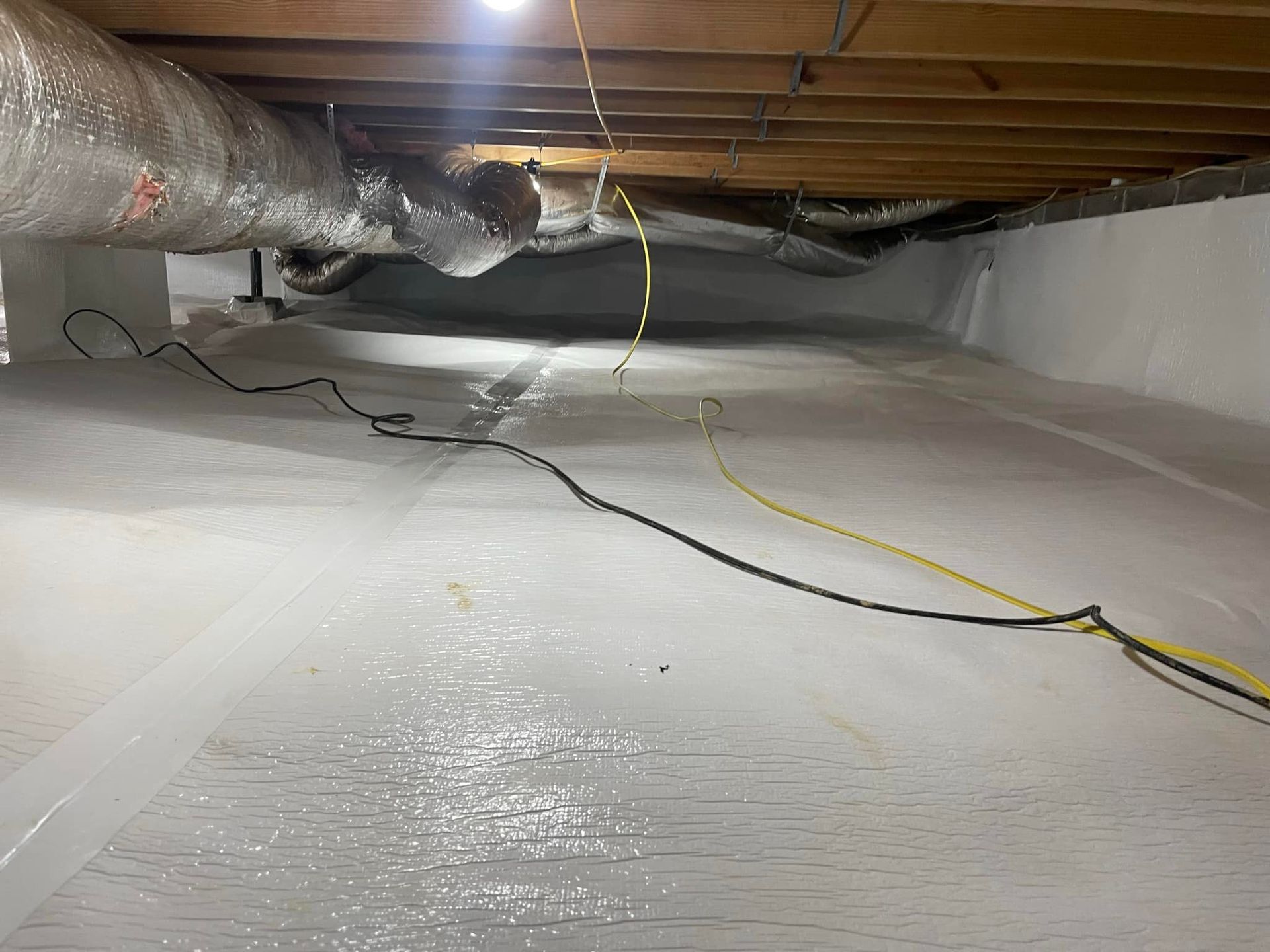
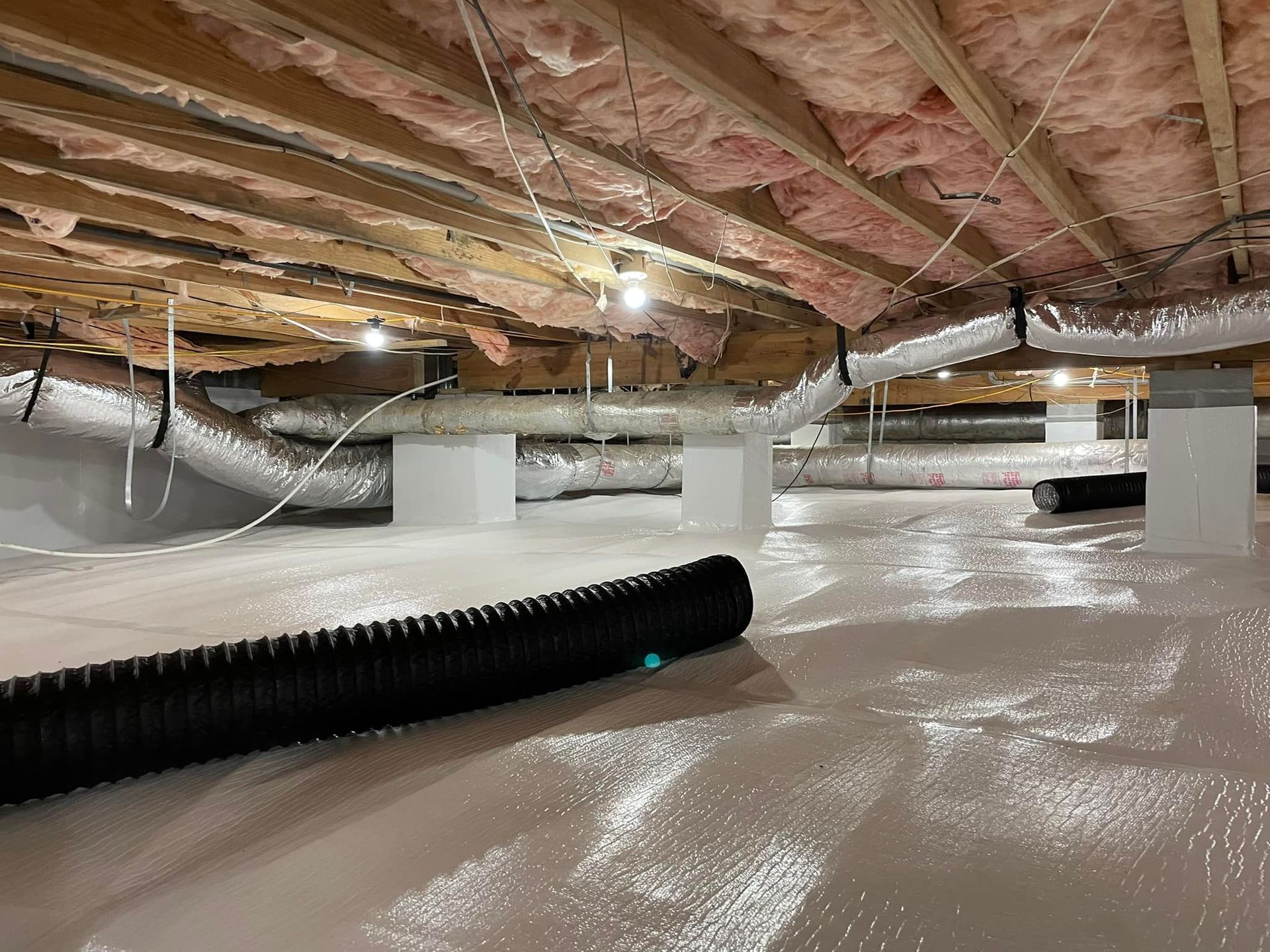
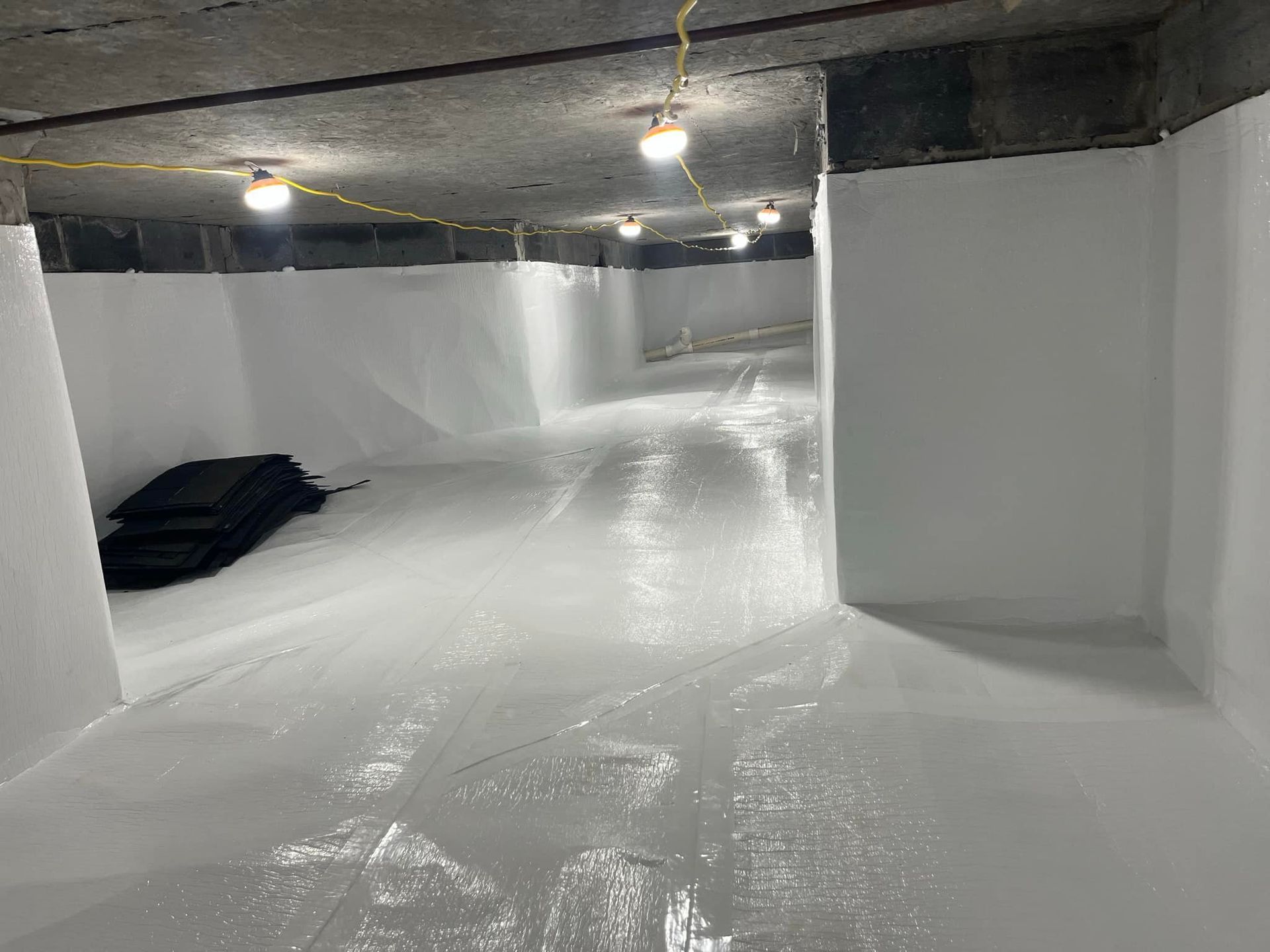
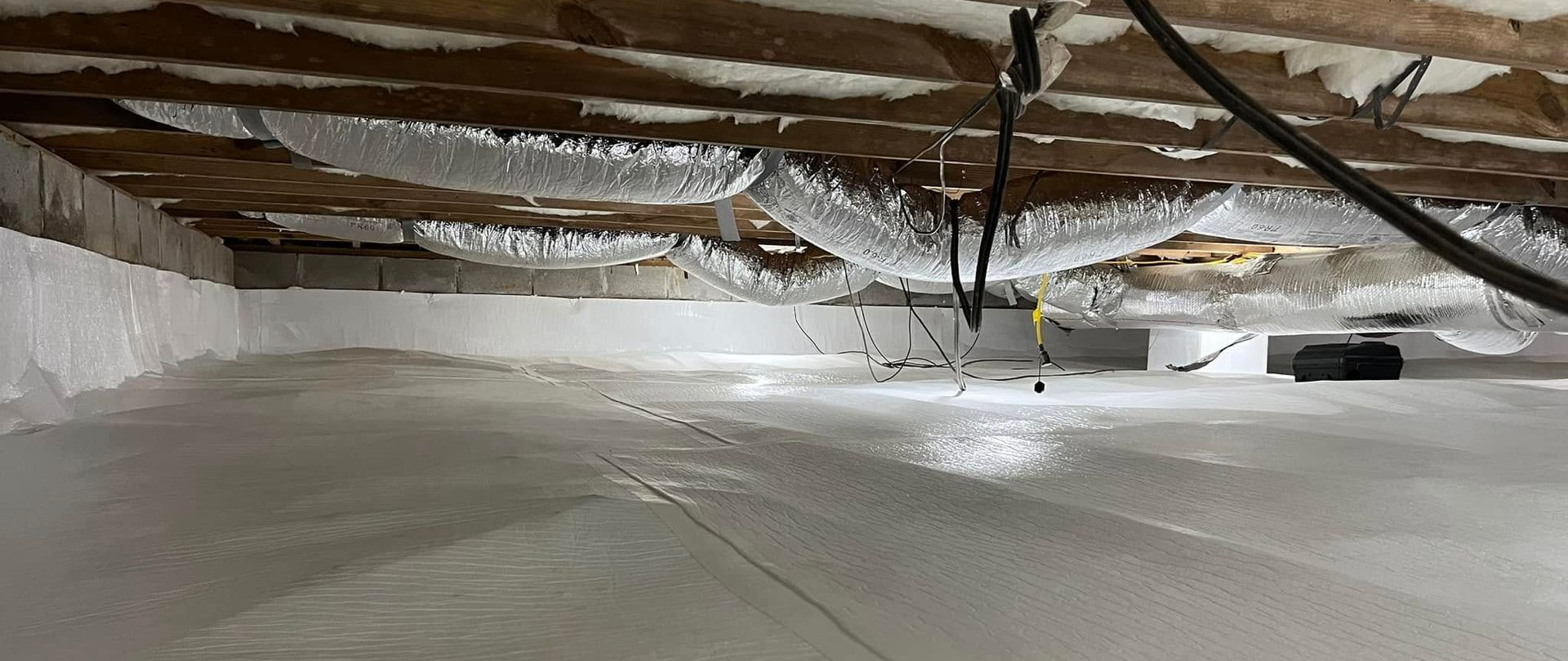
And then - finally - we need to deal with the moisture. That means moisture control systems, probably a dehumidifier, getting the humidity down to levels where wood isn't constantly deteriorating.
All of that should've been part of the original repair. Structure and moisture control together, not one without the other.
Now she's got options. We can do the full structural replacement with proper moisture control. We can do it in phases if budget's a concern. But either way, we're not leaving this crawl space until both problems are actually solved.
Because I'm not going to be the guy who takes her money and leaves her with the same problem three years from now.
Why Moisture Control Isn't Optional
Here's something every homeowner needs to understand - your crawl space structure and your crawl space environment work together.
You can replace every beam, sister every joist, and reinforce every support. But if the moisture stays, those new beams are just going to rot like the old ones did.
Wood doesn't last in high-humidity environments. It breaks down. It weakens. Eventually it fails. That's not a maybe - that's a guarantee.
Proper moisture control means getting the humidity down to safe levels and keeping it there. Usually that's a dehumidifier system that runs year-round, maintaining the right conditions so wood stays stable and fungal growth can't take hold.
This is the difference between treating symptoms and fixing causes. Replacing rotted beams treats the symptom. Controlling the moisture fixes the cause.
You need both. One without the other is just throwing money at a problem that's going to come right back.
Get It Fixed Right This Time
If you've already paid for crawl space repairs that aren't holding up, or if you're just not sure what's going on under your house, reach out.
We'll come do a free inspection and give you an honest assessment. We'll tell you what was done right and what wasn't. We'll show you what needs to happen to actually fix it for good.
No pressure to hire us. No sales pitch. Just transparency about what you're dealing with and what it's going to take to solve it.
You shouldn't have to pay twice for the same problem. But if you're in that situation, let's at least make sure the second time is the last time.
Contact Forever Guard Waterproofing for your free crawl space inspection. Let's get this fixed right.