How to Fix a Settling Foundation the Right Way
Installing Helical Piers on a Century-Old Knoxville Home
REAL FOUNDATION SUPPORT, NOT JUST ANOTHER PATCH JOB
I'm out in Knoxville today installing helical piers on a house that's been standing for over a hundred years.
This foundation has been patched multiple times. You can see at least six cracks just on this one section where someone tried to fix them with concrete. But the cracks kept coming back.
That's because patching a crack doesn't fix why it cracked in the first place. If your foundation is still settling or shifting, those cracks are just going to open up again.
This house has good bones. Real craftsmanship. Solid materials. But even the best houses need help after a century. Soil settles. Foundations shift. That's just what happens over time.
Today we're giving this foundation the support it actually needs. Not just covering up the problem. Actually fixing it so this house can stand strong for another hundred years.
What We Found on This Foundation
When we dug out the footer, the issues were pretty clear.
Six patched cracks on just this section of foundation. Someone had been fighting this problem for a while. Every time a crack showed up, they'd patch it and hope it held. It didn't.
The footing was shallow. Really shallow. That's common with older homes - they didn't always dig as deep as we do now. But shallow footings don't have as much support, especially when the soil underneath starts to settle.
The foundation itself wasn't very deep either. Combined with that shallow footing, this house was basically sitting on soil that had been compressing for over a century.
All those patches told us the story. This foundation had been moving. Settling. Shifting just enough to crack the concrete. And no amount of patching was going to stop it because the problem wasn't the cracks - it was what was happening underneath.
That's when you need real support. Something that goes down to stable soil and actually holds the weight of the house.
Why Foundations Settle (Especially Old Ones)
Here's what happens over time, especially with older houses.
Soil compresses. When a house sits on the ground for a hundred years, all that weight slowly pushes down on the soil. Clay soils are the worst for this - they compress and shift way more than other types. Eventually, the soil just can't support the house the way it used to.
Water makes it worse. Rain, groundwater, drainage issues - water moves soil around. It washes it away. It causes expansion and contraction. Over decades, that movement adds up. Your foundation might have been sitting on solid ground in 1920, but by 2026, that same soil has eroded or shifted.
Old houses weren't built the same way. Back then, they didn't always dig deep footings. They didn't have the equipment or the building codes we have now. So a lot of these older homes are sitting on footings that wouldn't pass inspection today. That doesn't mean they were built wrong - it just means standards have changed.
A hundred years of freeze and thaw cycles. Every winter, moisture in the soil freezes and expands. Every spring, it thaws and contracts. Do that a hundred times and you've got soil that's been pushed and pulled in every direction. That takes a toll on any foundation.
Even well-built houses need help eventually. This isn't about poor construction. It's just physics. Time, weather, and gravity win every time.
Patching vs. Actually Fixing
Let me explain the difference between patching and fixing.
When you patch a foundation crack, you're treating the symptom. You're covering up the crack with concrete or epoxy. It looks better. The crack is gone. But if the foundation is still settling, that crack is going to come back. Maybe not in the same spot, but it's coming back.
I see this all the time. Homeowners will patch the same cracks two, three, four times. They think maybe this time it'll hold. But it won't. Because the foundation is still moving underneath.
That's the cycle people get stuck in. Patch the crack. Wait six months. Another crack shows up. Patch that one. Wait another year. The first crack is back. It's frustrating and it wastes money.
Here's how you know if you need more than a patch. If the cracks keep coming back, your foundation is moving. If you've got multiple cracks in different spots, your foundation is settling unevenly. If doors and windows are sticking or you're seeing gaps between your floors and baseboards, the whole structure is shifting.
At that point, you don't need another patch job. You need to stabilize the foundation. You need to stop it from settling in the first place. That's what helical piers do.
How Helical Piers Work
Helical piers are pretty straightforward once you understand what they're doing.
Think of them like giant screws that go into the ground. They've got these helical plates - kind of like threads on a screw - that grip the soil as we drill them down. We keep drilling until we hit stable soil that can actually support the weight of your house.
Here's how we install them. First, we dig out the footer so we can see the foundation. Then we mount a bracket to the foundation wall. That bracket is what's going to connect the foundation to the pier.
We attach a drive head to our hydraulic machine. That drive head spins the helical pier down into the ground. We're not just drilling to a certain depth - we're drilling until we get enough back pressure. That back pressure tells us we've hit soil that's strong enough to hold.
Once the pier is down and we've got that resistance, we mount the bracket to it. Now the weight of the house is being transferred through that bracket, down the pier, to stable soil deep underground. The foundation isn't sitting on compacted, settled soil anymore. It's sitting on a pier that goes down to the good stuff.
How deep do they go? It depends. Sometimes we hit stable soil at eight feet. Sometimes it's twenty feet. We don't guess - we drill until the pressure tells us we're there.
That's what makes helical piers a permanent fix. They're not relying on the soil that's been settling for a hundred years. They're going past all that to soil that hasn't moved and won't move.
The Complete Foundation Solution
For this house, helical piers weren't the only thing we did. We took a complete approach.
We installed the helical piers on the exterior to stabilize the foundation from outside. Those piers are now carrying the load down to stable soil so the foundation stops settling.
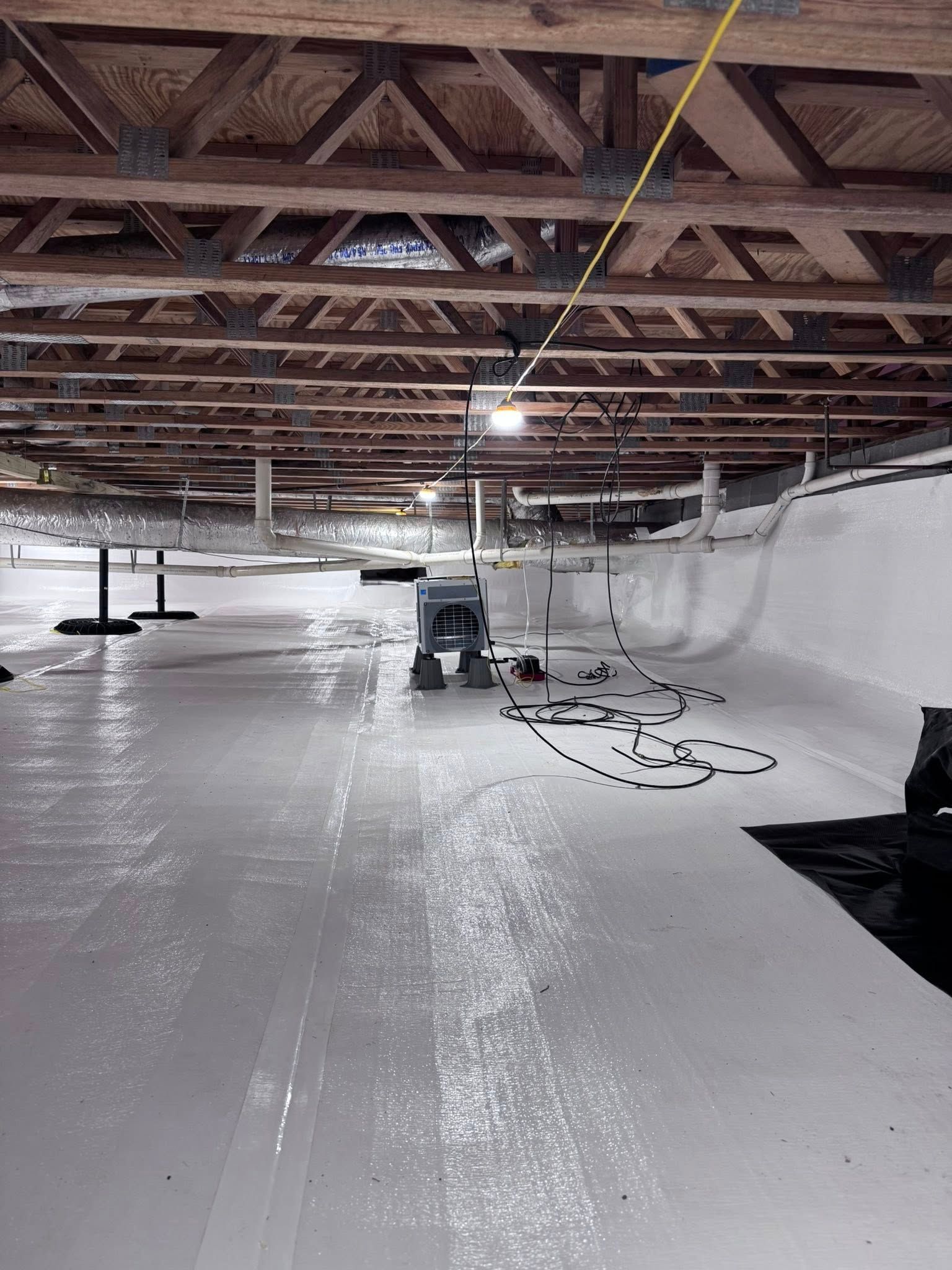
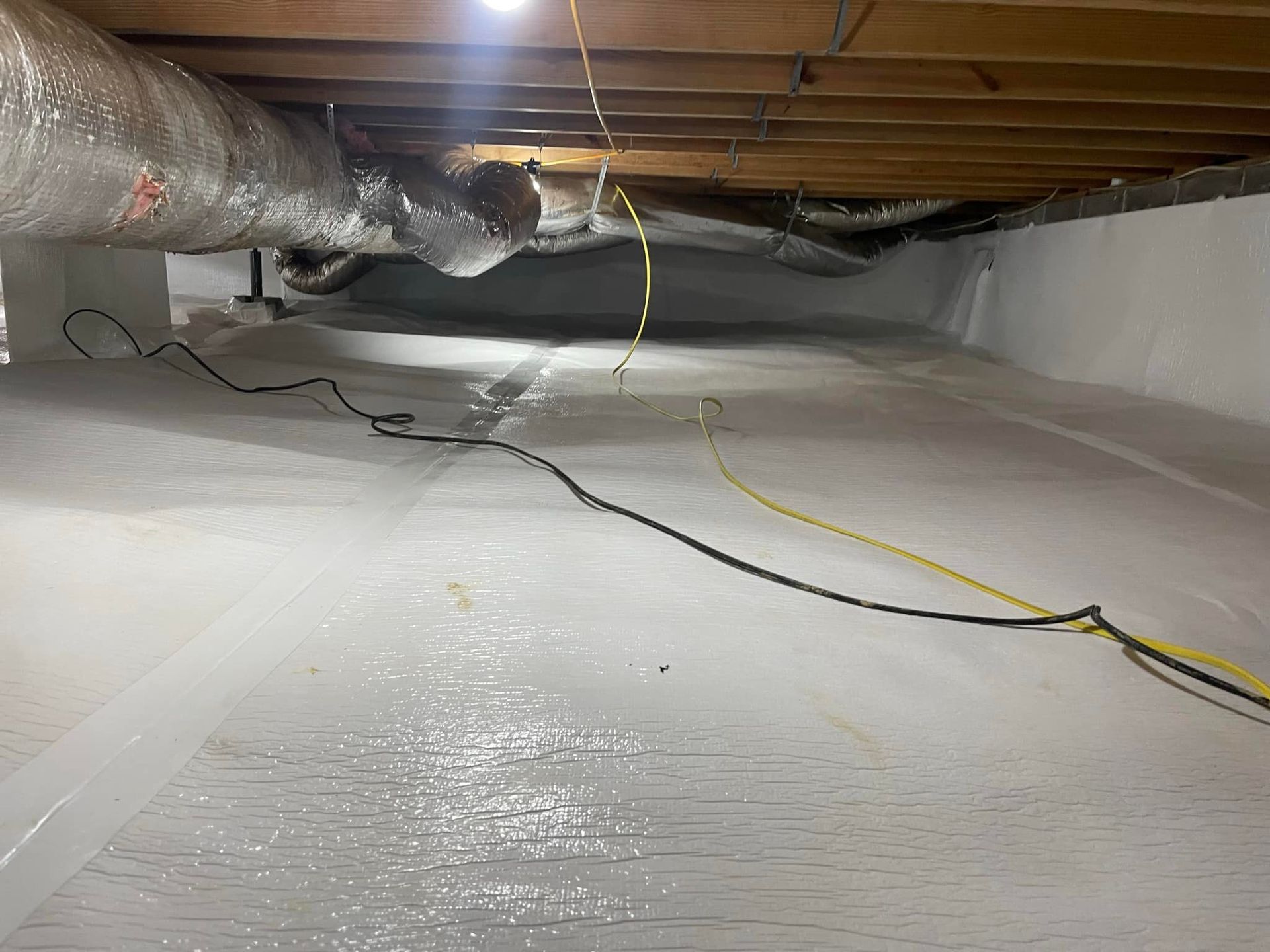
But we also went inside the crawlspace and installed supplemental jacks. These jacks support the floor joists and give extra strength to the structure from underneath. Between the piers outside and the jacks inside, this foundation is supported from every angle.
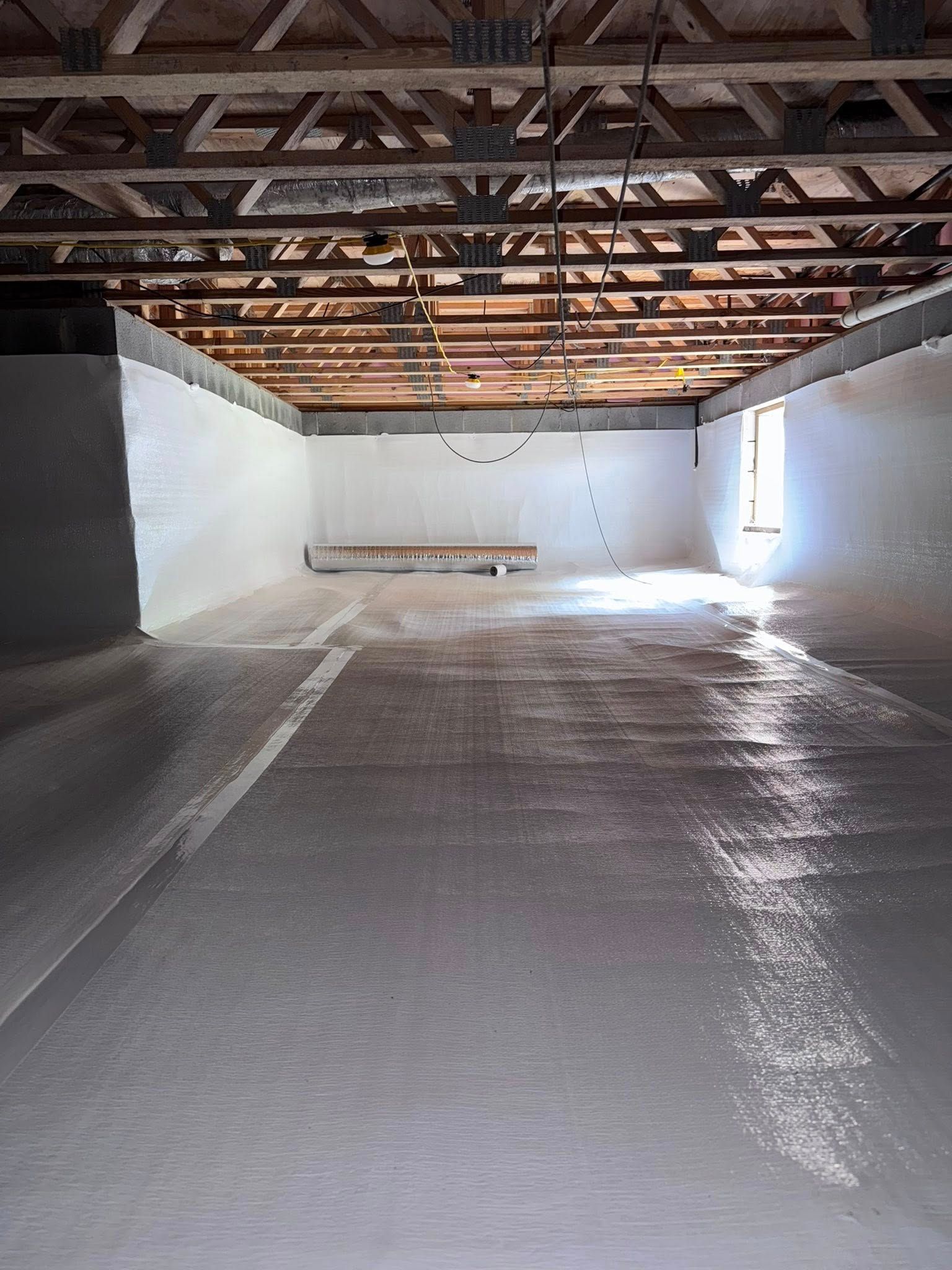
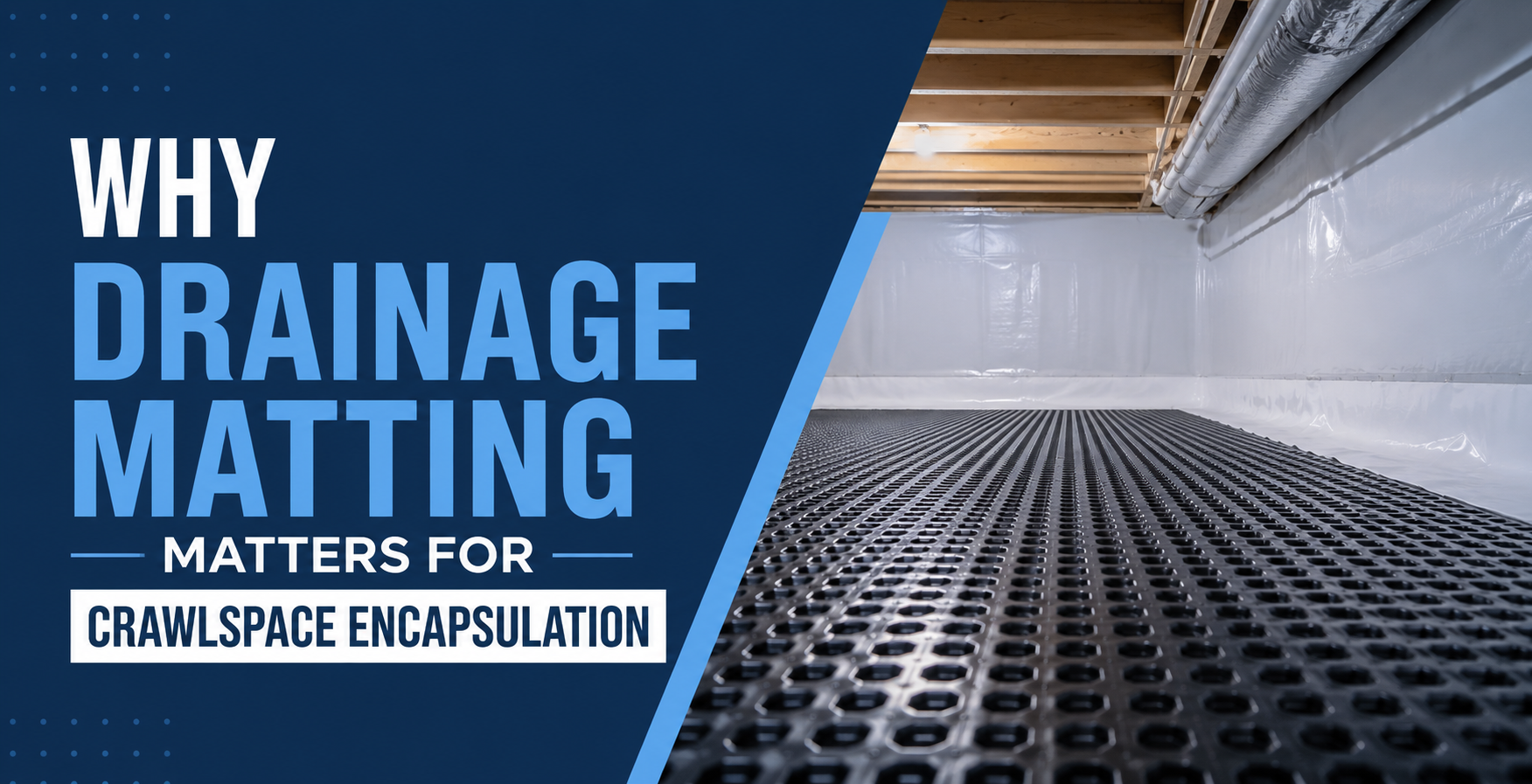
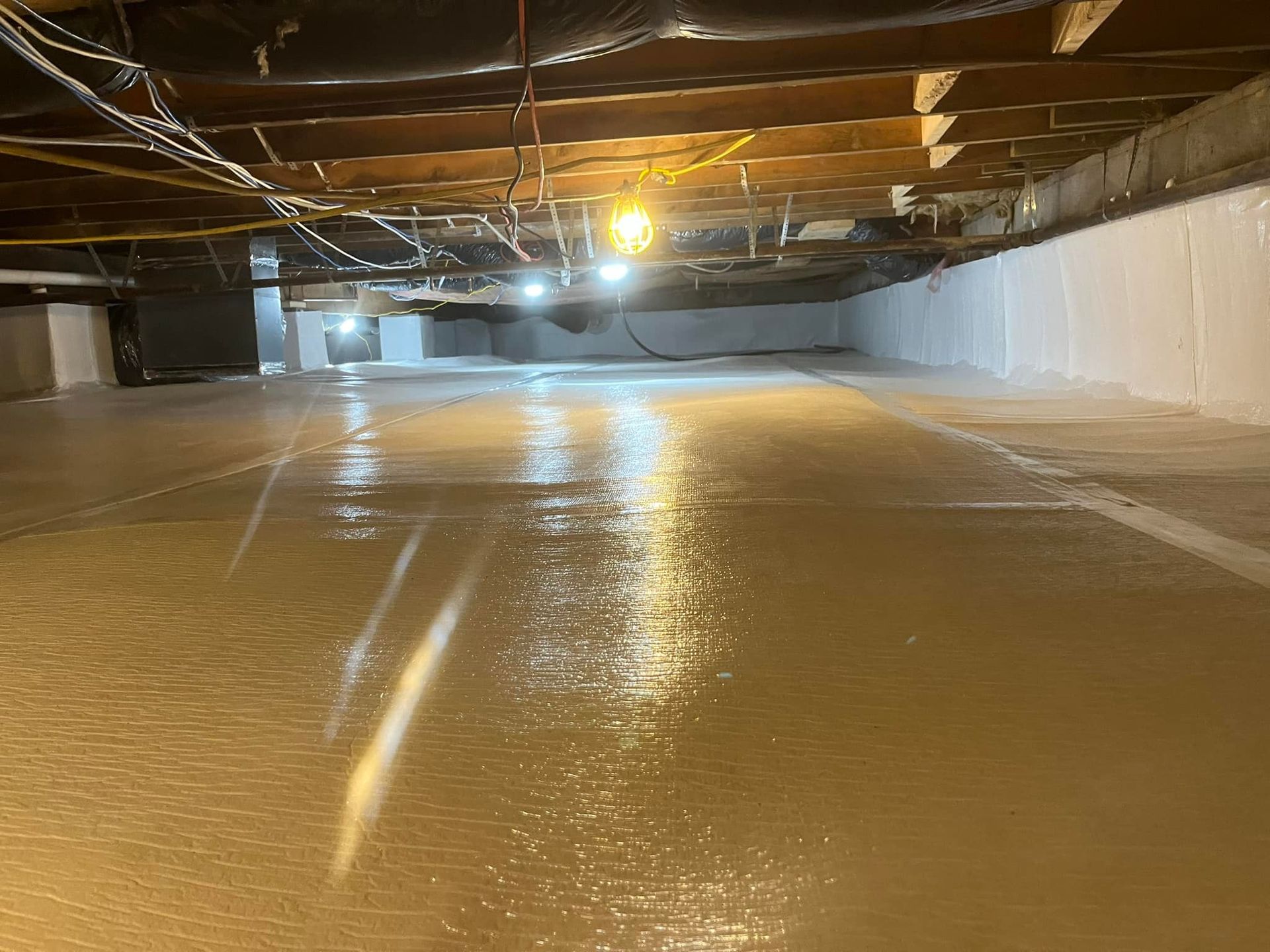
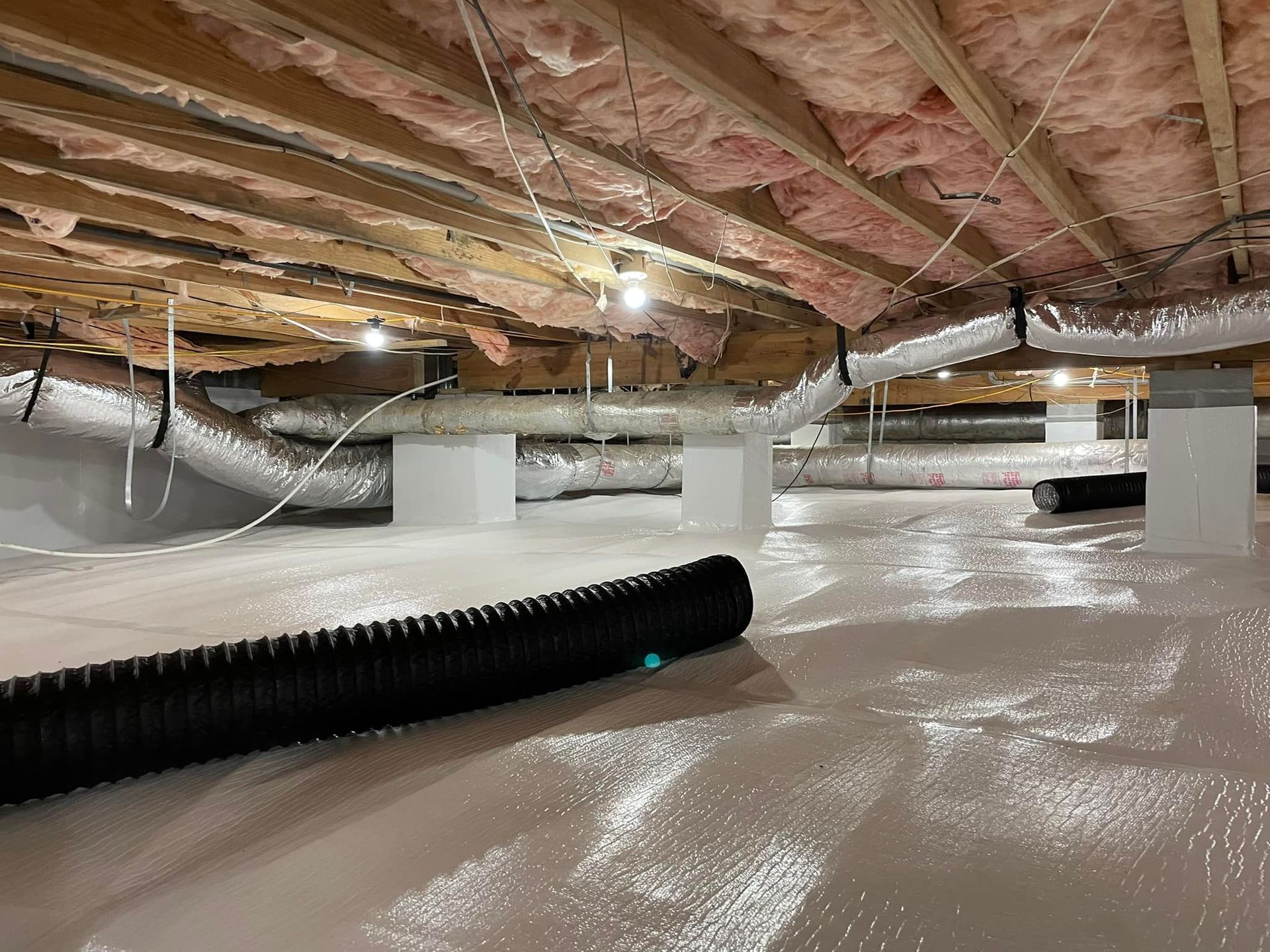
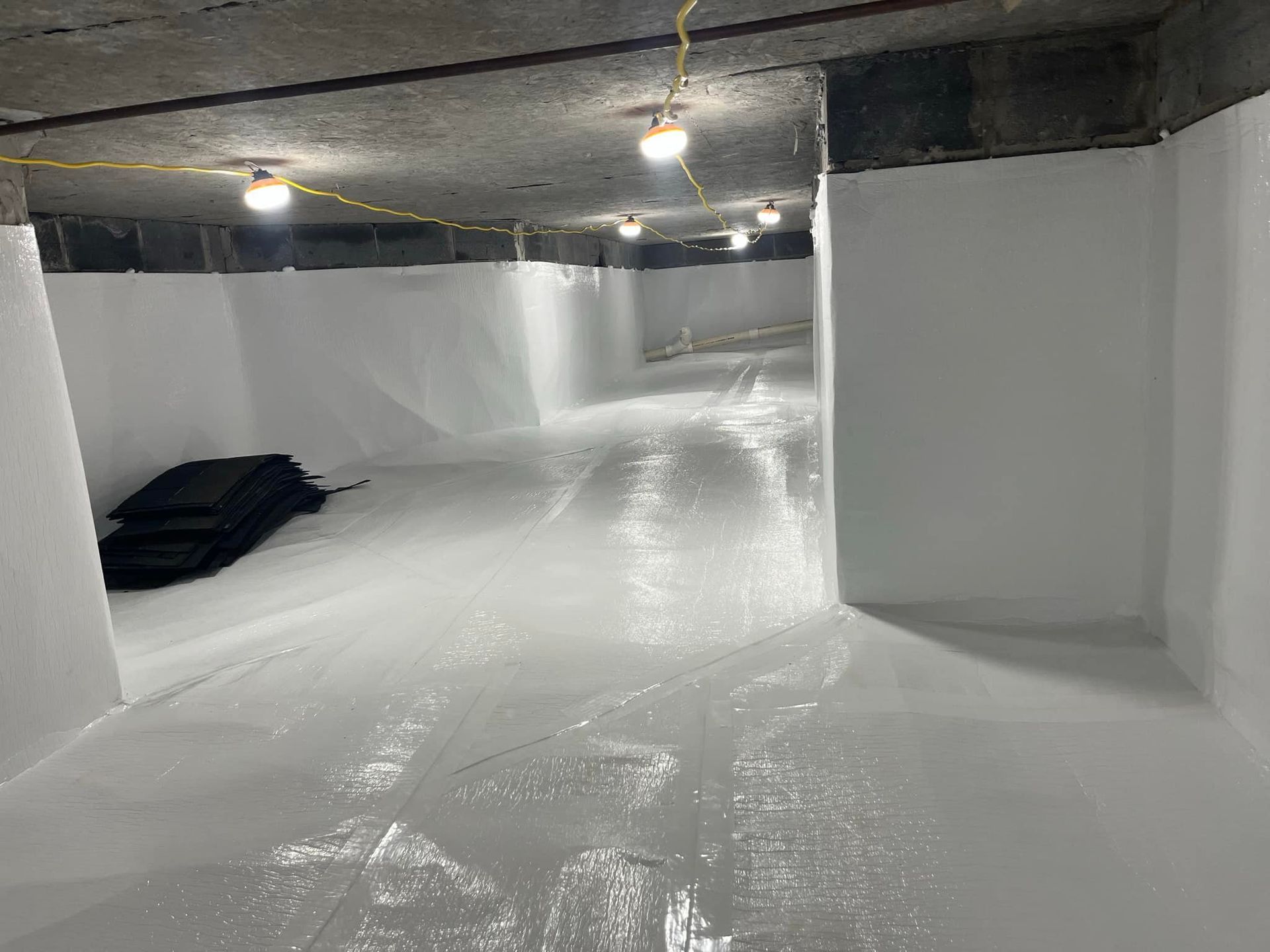
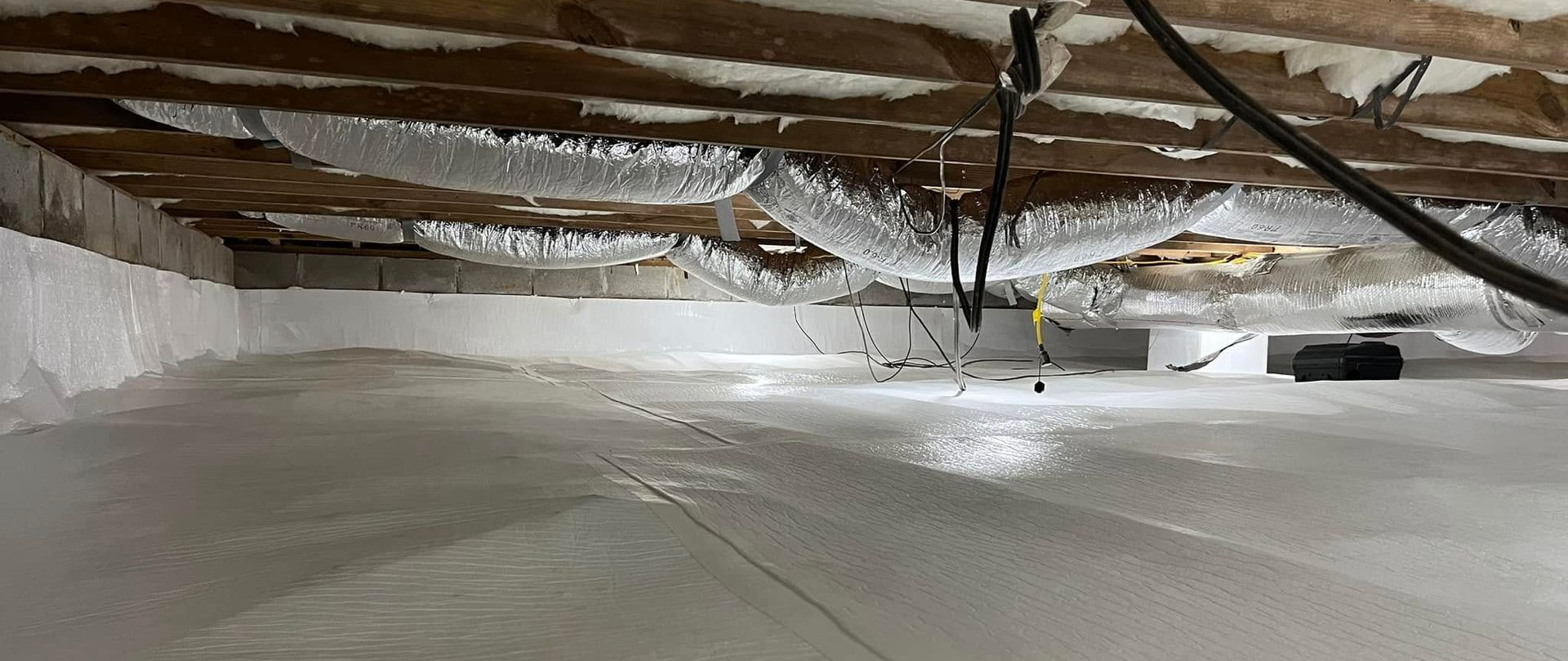
And we encapsulated the crawlspace. Moisture is one of the biggest enemies of any foundation. Controlling humidity and keeping water out protects the foundation long-term. It all works together.
We don't just throw one solution at a problem and hope it works. We look at what the house actually needs. Sometimes that's just piers. Sometimes it's piers and jacks. Sometimes you need drainage or encapsulation too.
This house needed the full treatment. And now it's set up to last another hundred years.
Get Your Foundation Inspected
If you're worried about your foundation, let's take a look.
I'll come out and do a full inspection. We'll look at the cracks, check for settlement, assess what's actually going on underneath your house.
You'll get a clear explanation of what we find. Pictures. Details. No confusing jargon or scare tactics. Just an honest assessment of what your foundation needs.
If it needs work, I'll give you options. If it doesn't, I'll tell you that too. No pressure. No games with pricing. Just straightforward answers.
We work on a lot of older homes here in Knoxville. We know these houses. We respect them. And we know how to protect them for the long haul.
Give us a call or send us a message. Let's make sure your foundation is as solid as the day your house was built.