How to Handle Foundation Issues When Selling Your House
We Just Helped Close a Deal on a House with Foundation Problems
HERE'S HOW TO DO IT RIGHT WHEN YOU'RE THE SELLER
I got a call from a realtor in Oak Ridge last week. A deal had just fallen through.
The buyers loved the house. They were ready to close. Then the inspection happened.
The crawlspace failed. Standing water. Improper drainage. The buyers walked away.
Here's the thing - someone had already "fixed" the drainage. The seller paid for it. They thought the problem was handled.
But when I went out there to look at it, I saw why the deal died.
This wasn't a repair. It was someone making it look like they did something without actually fixing anything.
And now the seller has to start over. New buyers. More time on the market. And they still have to pay to get it done right.
If you're selling a house, listing a house, or buying a house - you need to know what happened here. Because this same situation plays out all the time.
What We Found and Fixed
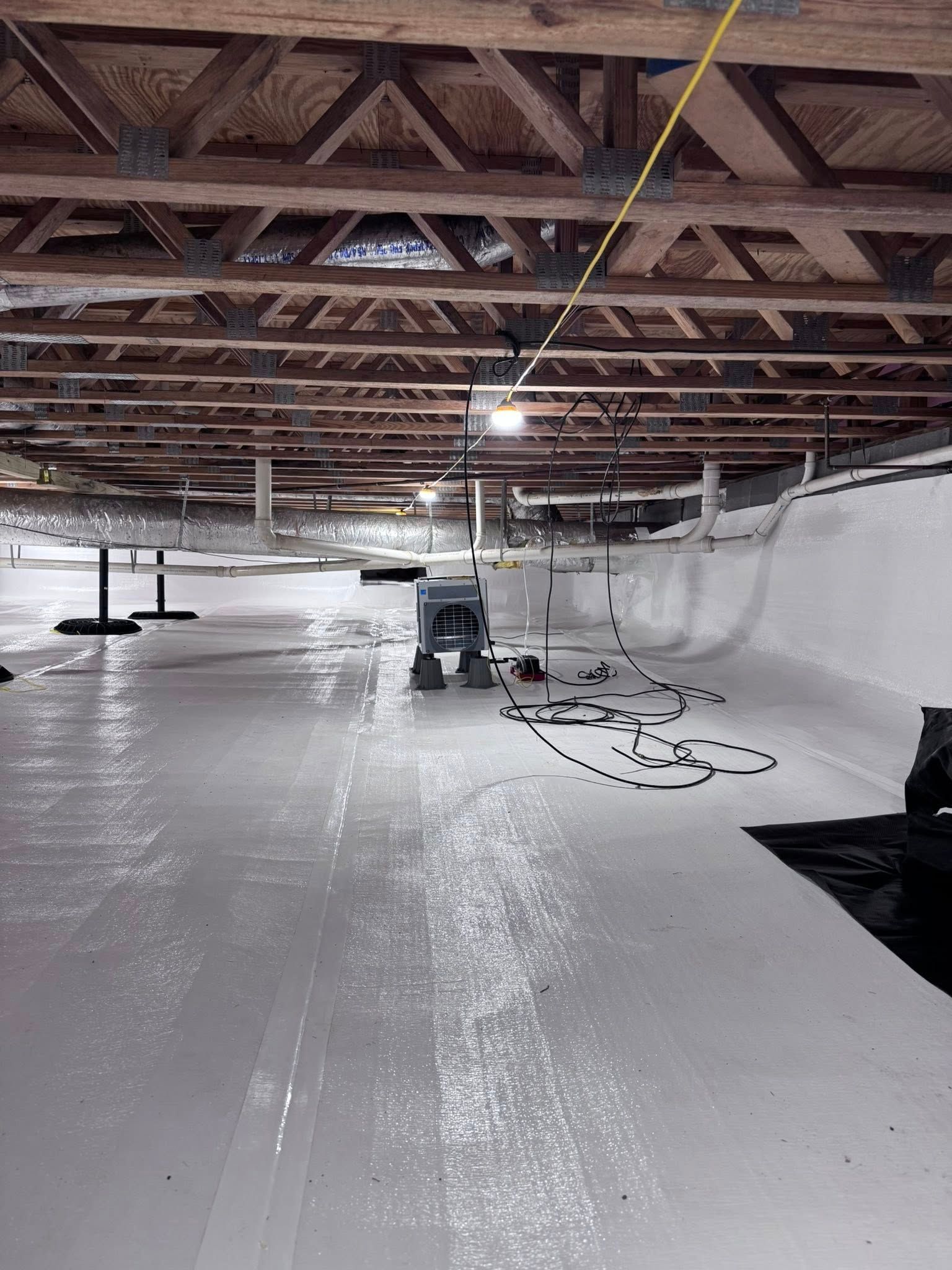
This house had settlement on one section of the foundation. Not terrible, but enough that it needed attention.
We're installing helical piers. These are basically long steel shafts that we drill deep into the ground until we hit stable soil. Then we attach brackets to the foundation and transfer the weight to those piers. It stops the settling and stabilizes everything.
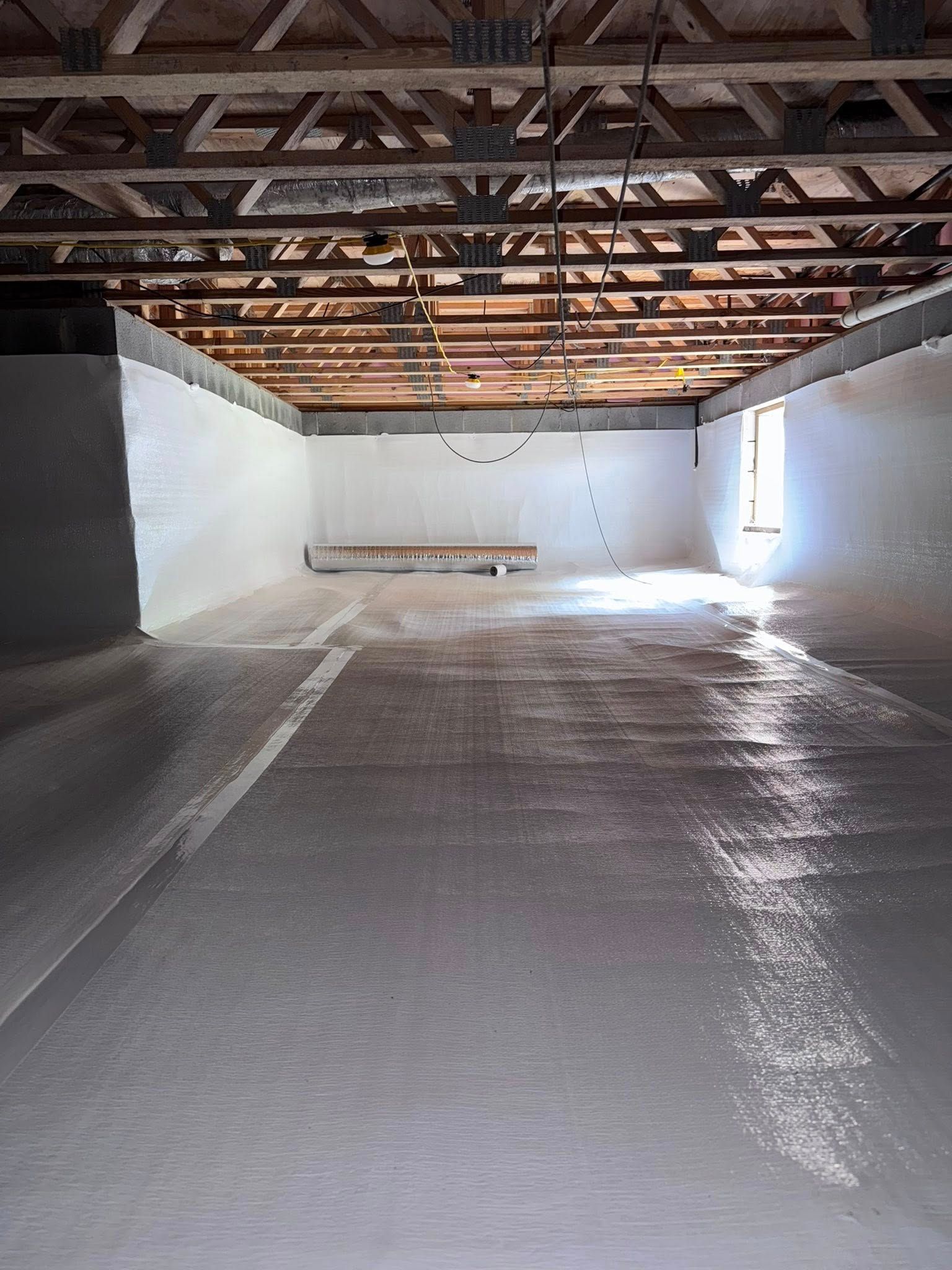
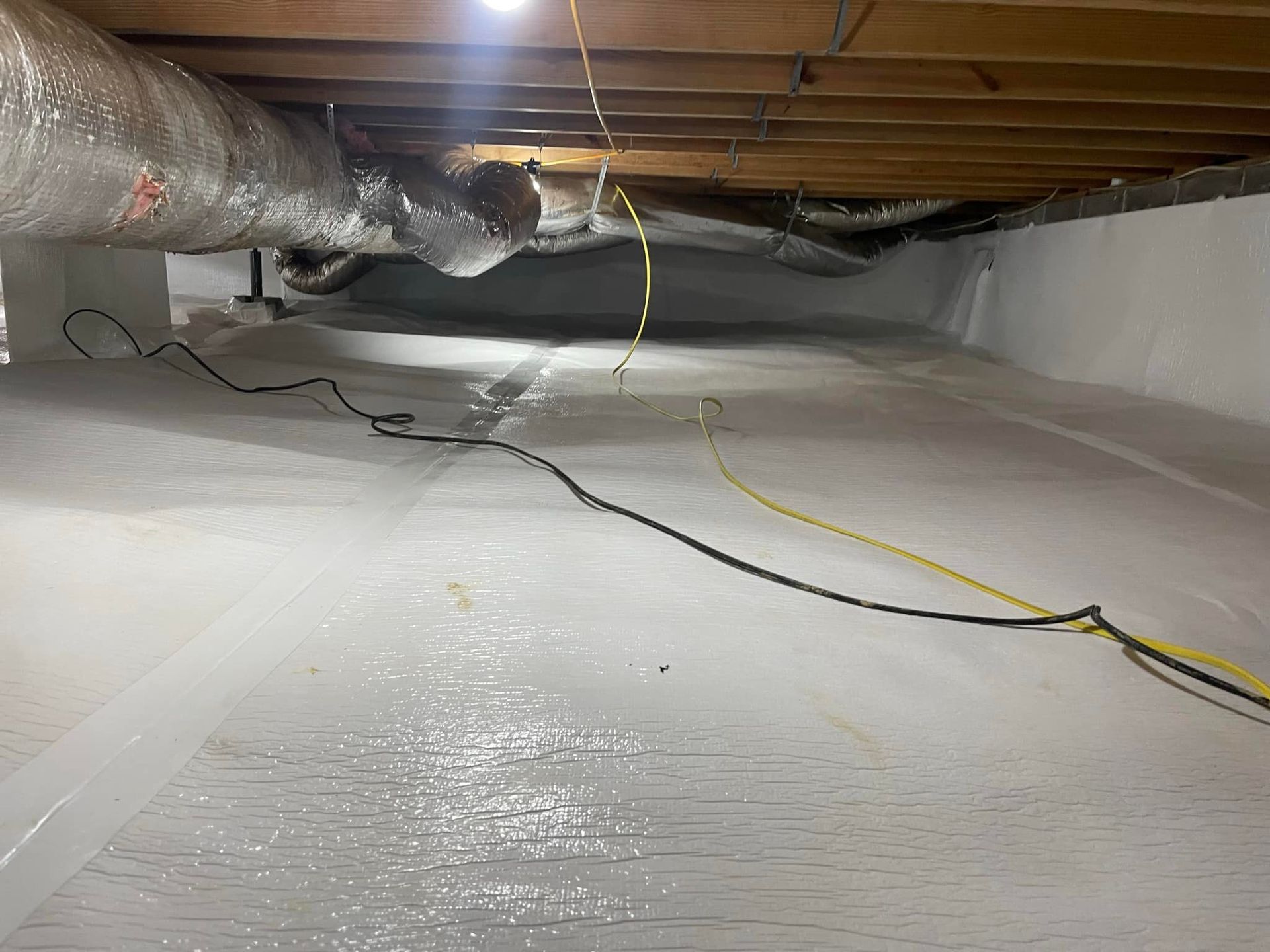
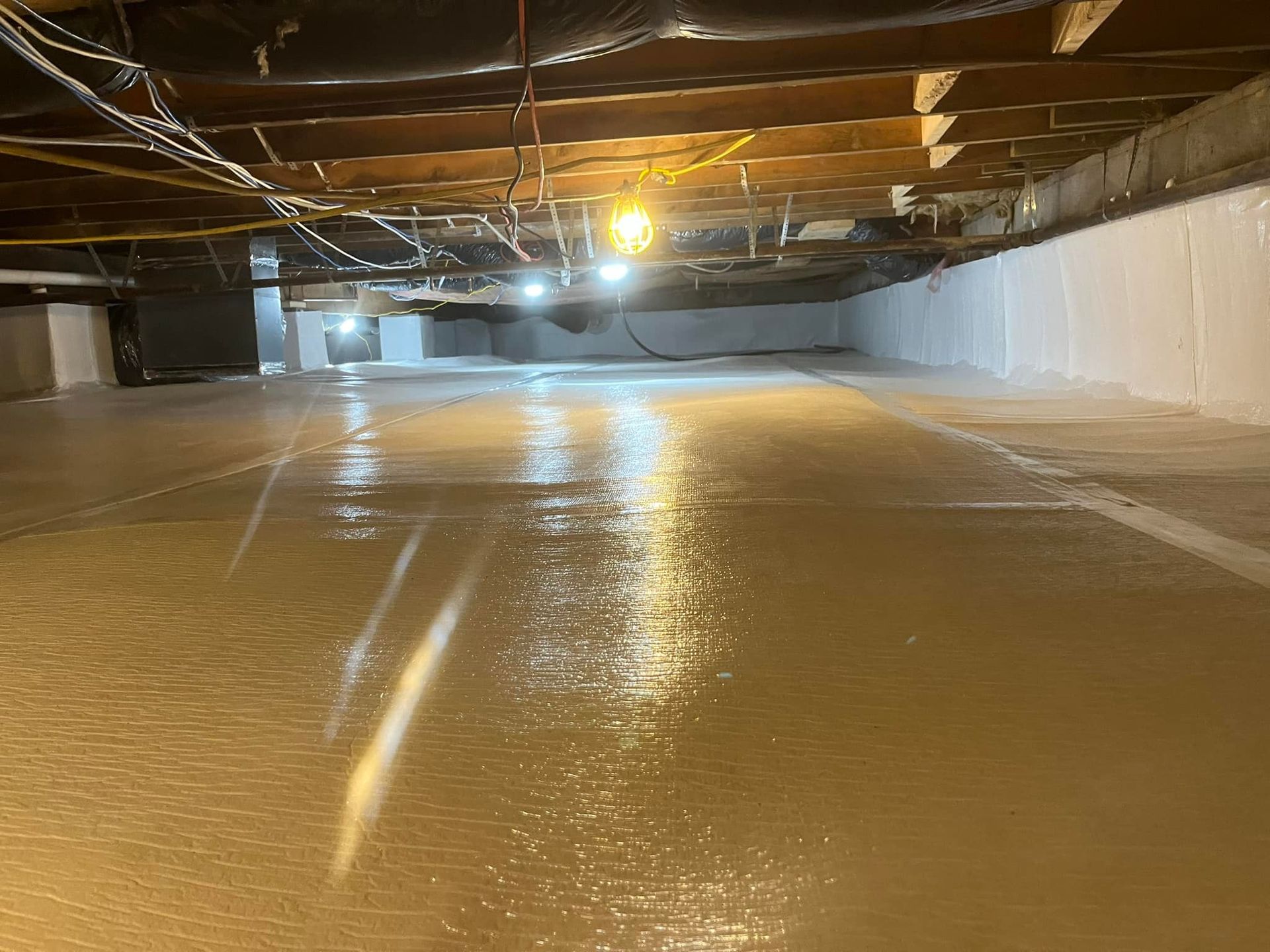
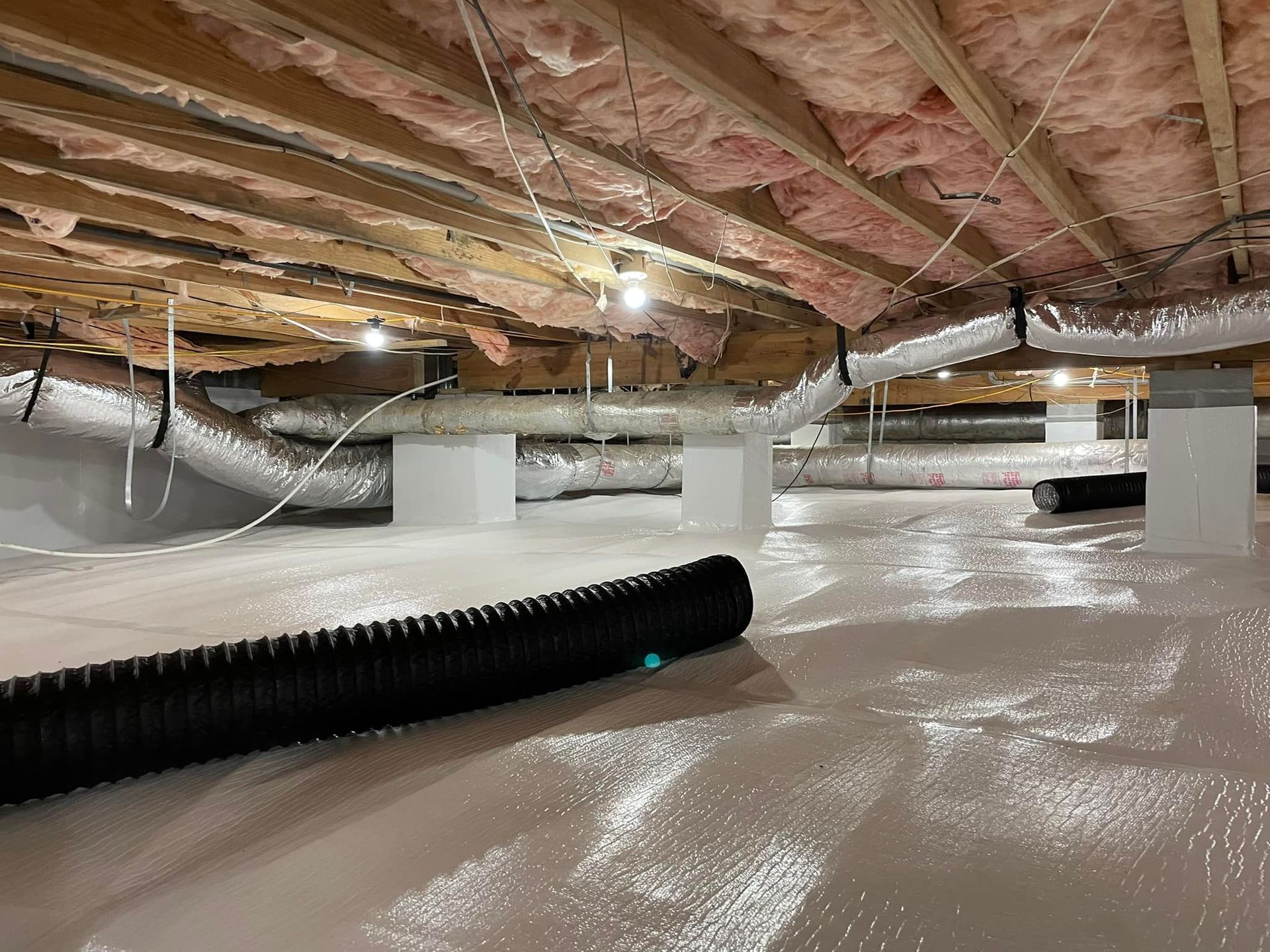
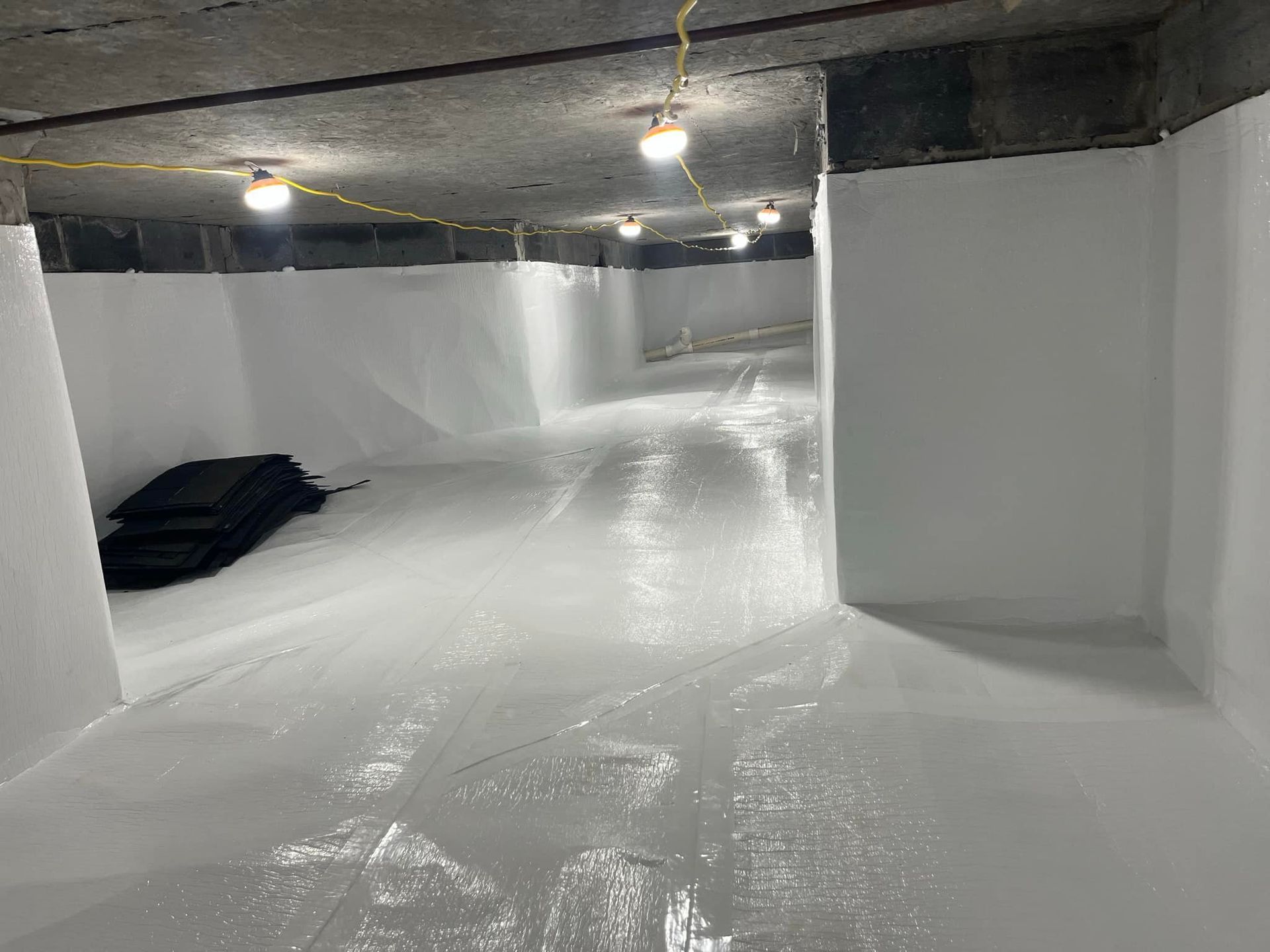
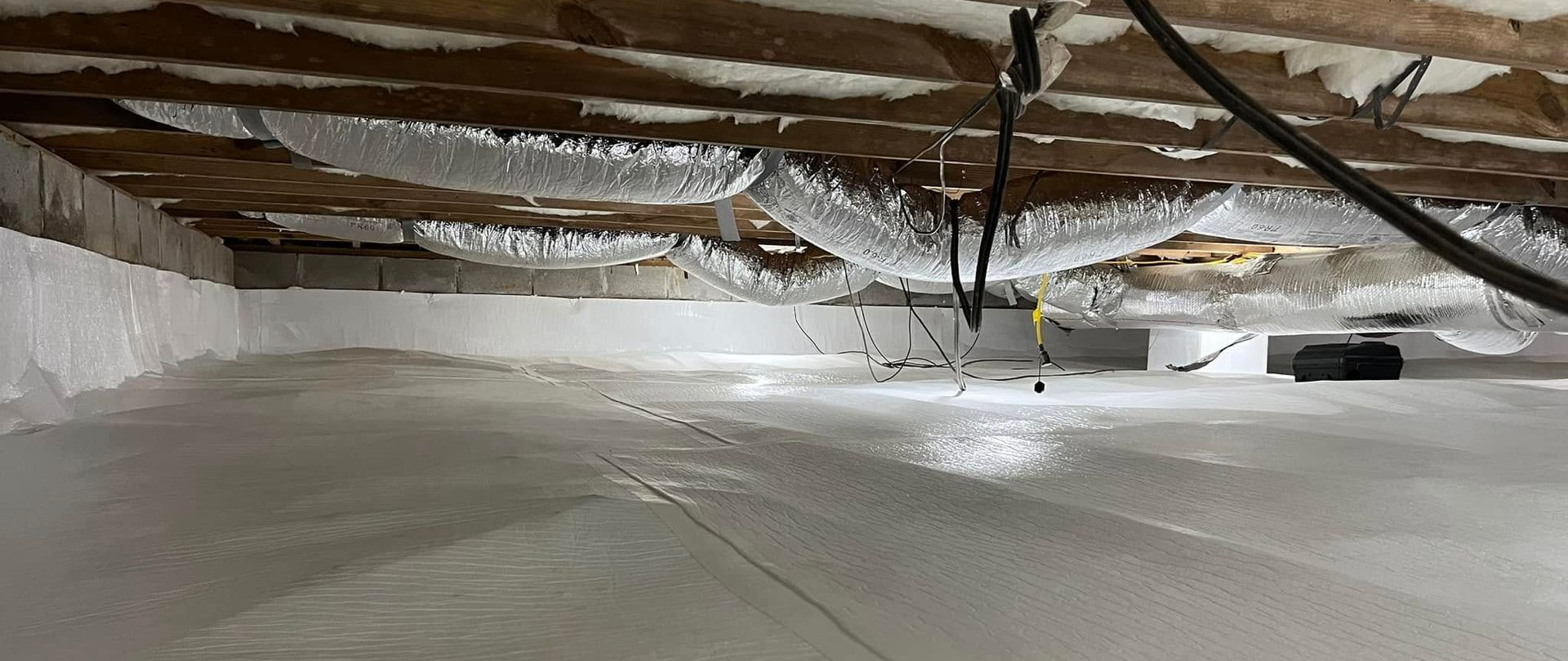
We had already encapsulated the crawlspace for this customer. When we got in there, we found some previous work that wasn't done well - surprise, surprise. So we fixed that too and added some supplemental jacks where the floor needed support.
The customer looked at everything we recommended. He asked questions. We explained what was critical and what was optional. He made his choices based on what the buyers needed and what his budget allowed.
That's it. No pressure. No scare tactics. Just honest assessment and real options.
Giving Real Options (Not Just the Biggest Quote)
Here's where most foundation companies mess this up. They see a selling situation and think, "Great, captive audience. Let's quote everything."
That's not how we work.
When this customer called, I asked him straight up - what's the situation? He told me he's selling, buyers found some issues, and he needs to get it handled before closing.
So I didn't walk in there planning to sell him a $40,000 foundation overhaul. I walked in planning to figure out what actually needed to happen.
The helical piers? Non-negotiable. The settlement was real and needed to be stabilized. The buyers' inspector flagged it, and rightfully so.
The crawlspace encapsulation and jacks? Also needed, but we gave him different material options and approaches based on his timeline.
Some of the cosmetic stuff? We talked about it, but he didn't need to do it for the sale to go through.
This is why we give options. Some customers are staying in their house for 20 years - they might want the premium everything. This customer is handing over the keys next week - he needs the problems solved, not the deluxe package.
The buyers got a solid foundation repair with a warranty. The seller didn't overpay for stuff that didn't matter. Everybody wins.
What Sellers Need to Know About Foundation Issues
If you're selling and you've got foundation problems, here's what you need to understand.
Don't try to hide it. I know it's tempting. But foundation issues show up in inspections. Every time. And when buyers find out you knew about it and didn't disclose it? That's when deals fall apart and lawyers get involved.
Get it inspected before you list. Know what you're dealing with upfront. It's way better to address it on your timeline than scrambling when you're already under contract.
Understand what actually needs fixing. Not every crack means your house is falling down. But some issues are serious. Get a professional opinion - and I mean a real one, not from some company that just wants to sell you the most expensive solution.
Know how buyers will look at it. Their inspector is going to flag anything questionable. Their lender might require certain repairs before they'll fund the loan. Plan for that reality instead of hoping it doesn't come up.
The cost of covering it up is always higher. Trust me on this. I've seen sellers try to slap some paint over cracks or do cheap band-aid fixes. It never works. The next inspector finds it, the buyers freak out, and now you've got trust issues on top of foundation issues.
Be honest. Get it assessed. Fix what actually needs fixing. That's how you keep deals moving.
What Buyers Should Ask For
If you're buying a house with foundation issues, you're not being unreasonable to want them fixed. But you need to be smart about what you ask for.
Get realistic about repair expectations. Foundation work isn't cosmetic. It's not going to make everything look brand new. It's going to stabilize the problem and prevent it from getting worse. That's what matters.
Ask for multiple opinions if something feels off. If the seller gets a quote that seems crazy high or doesn't make sense, suggest they get another one. You want the problem fixed right, not just expensively.
Understand the actual scope of work. Read the proposal. Ask questions. Make sure you know what's being done and why. If the contractor can't explain it in plain English, that's a red flag.
Think about timeline. Foundation work takes time. Helical piers aren't a same-day thing. If you're pushing for a quick close, be realistic about what can actually get done before closing versus what might need to happen after with money held in escrow.
Make sure there's a warranty. Any reputable foundation company warranties their work. If it's not in writing, don't accept it.
You're making a huge purchase. It's okay to want reassurance that the foundation is solid. Just be reasonable and work with the seller to find solutions that actually fix the problem.
The Right Way to Handle It
Whether you're the seller or the buyer, here's how foundation issues should be handled during a sale.
Disclose everything upfront. Sellers, put it in your disclosure. Don't wait for the inspector to find it. Buyers appreciate honesty, and it sets the tone for working together instead of fighting.
Get a professional assessment. Not your brother-in-law who "knows about houses." An actual foundation specialist who can tell you what's going on and what needs to happen.
Provide clear options with real explanations. This is where having the right contractor matters. We don't just hand you a number. We explain what we found, why it's a problem, what the options are, and what each one costs. Then you decide.
Let the buyers see the plan. Share the proposal. Let their inspector review it. Let them ask questions. Transparency kills deals way less often than secrecy does.
Use contractors who will actually communicate. I've been on calls with buyers, their inspectors, their agents - whoever needs to understand what we're doing. Most big companies won't do that. They just want to do the work and leave. Find someone who'll stand behind their assessment.
Get it done right, not just cheap. The lowest bid usually means cut corners. And in a selling situation, that comes back to haunt you real quick when the buyer's inspector takes a second look.
Do it this way and foundation issues don't have to kill your deal. They're just another part of the process that gets handled like adults.
Ready to Sell? Get Ahead of Foundation Issues
If you're thinking about selling and you're worried about foundation problems, let's take a look before you list.
I'll come out and give you an honest assessment. Tell you what actually needs to be fixed and what doesn't. Give you real options based on your situation - not just the most expensive solution.
If you're under contract and buyers found something during inspection, we can work with that too. We'll put together a plan that makes sense, communicate directly with the buyers or their inspector if needed, and get it done on a timeline that works.
No scare tactics. No pressure. Just straight talk about what's going on with your foundation and how to handle it.
Whether you need helical piers, crawlspace work, or just someone to tell you honestly what you're dealing with - that's what we do.
Give us a call. Let's figure out the right solution for your situation and keep your deal moving forward.