How Crawlspace Wood Treatment Actually Works
Watch What Happens When Treatment Hits Fungal Growth
THIS IS WHAT PROPER WOOD TREATMENT LOOKS LIKE
I'm in a crawlspace right now treating wood for a home inspector. The house is going up for sale, and the inspector found fungal growth on the floor joists.
Watch what happens when the treatment hits that wood. It suds up. Turns white. That's the oxidation process working.
Most homeowners never see this step. A lot of companies skip it entirely. They'll either ignore the fungal growth or just seal over it with some coating.
But this is what actually fixes the problem. The treatment kills the fungal growth and brightens the wood back to almost new condition.
I'm showing you this because you should know what proper treatment looks like. Whether you're selling a house, buying one, or just dealing with crawlspace issues, this is the right way to handle it.
What's Actually Happening in That Video
When that spray hits the wood and starts to sud up, it's oxidizing. That's a chemical reaction that's breaking down the fungal growth and cleaning the wood at the same time.
The white foam you see? That's the product working. It's pulling the discoloration out of the wood and killing the organisms that caused the growth in the first place.
As it dries, the wood brightens. What looked dark and stained will look clean and almost new. You can actually see the difference.
This is treatment. Not sealing.
Sealing means you spray some kind of coating over the wood to "encapsulate" the fungal growth. But that doesn't kill anything. It just covers it up. And wood needs to breathe. When you seal it, you trap moisture inside, which causes more rot and more problems down the road.
Treatment actually addresses what's happening in the wood. It cleans it. Kills the growth. And then you control the humidity with a dehumidifier so it doesn't come back.
That's the difference. And it matters.
When Wood Treatment Is Needed
You need wood treatment when you've got visible fungal growth on your floor joists or subfloor. That usually shows up as dark staining, discoloration, or fuzzy growth on the wood surface.
It happens because of moisture. High humidity in the crawlspace. Poor ventilation. Sometimes standing water. When the relative humidity stays above 60% for long periods, fungal growth starts.
A lot of times, homeowners don't know it's there until they go to sell the house. The home inspector gets down there with a flashlight and finds it. Then it becomes a negotiation point or something that has to be fixed before closing.
Here's what you need to know - there's a difference between surface fungal growth and actual structural damage. Surface growth can be treated. The wood is still solid. But if the wood is soft, rotting, or compromised, treatment isn't enough. You might need to sister joists or replace sections.
Most of the time, what we find is surface growth. It looks bad, but the wood is still structurally sound. Treatment takes care of it. Then we address the moisture issue so it doesn't come back.
The Treatment Process Step-by-Step
First, we inspect the whole crawlspace. We're looking at how much growth there is, where it's located, and what's causing the moisture problem.
Then we apply the treatment. It's a spray application that covers all the affected wood. You saw in the video how it suds up when it hits the growth. That's how you know it's working.
As it oxidizes, it's cleaning and killing at the same time. The wood starts to brighten almost immediately. But it needs time to fully dry and finish the process.
Drying time depends on the humidity level in the crawlspace. Usually a few hours to a day. Once it's dry, the wood looks clean and the growth is gone.
We take pictures before and after. That documentation matters, especially if you're selling a house. The buyer and the inspector need to see that the work was done and done properly.
What Happens After Treatment
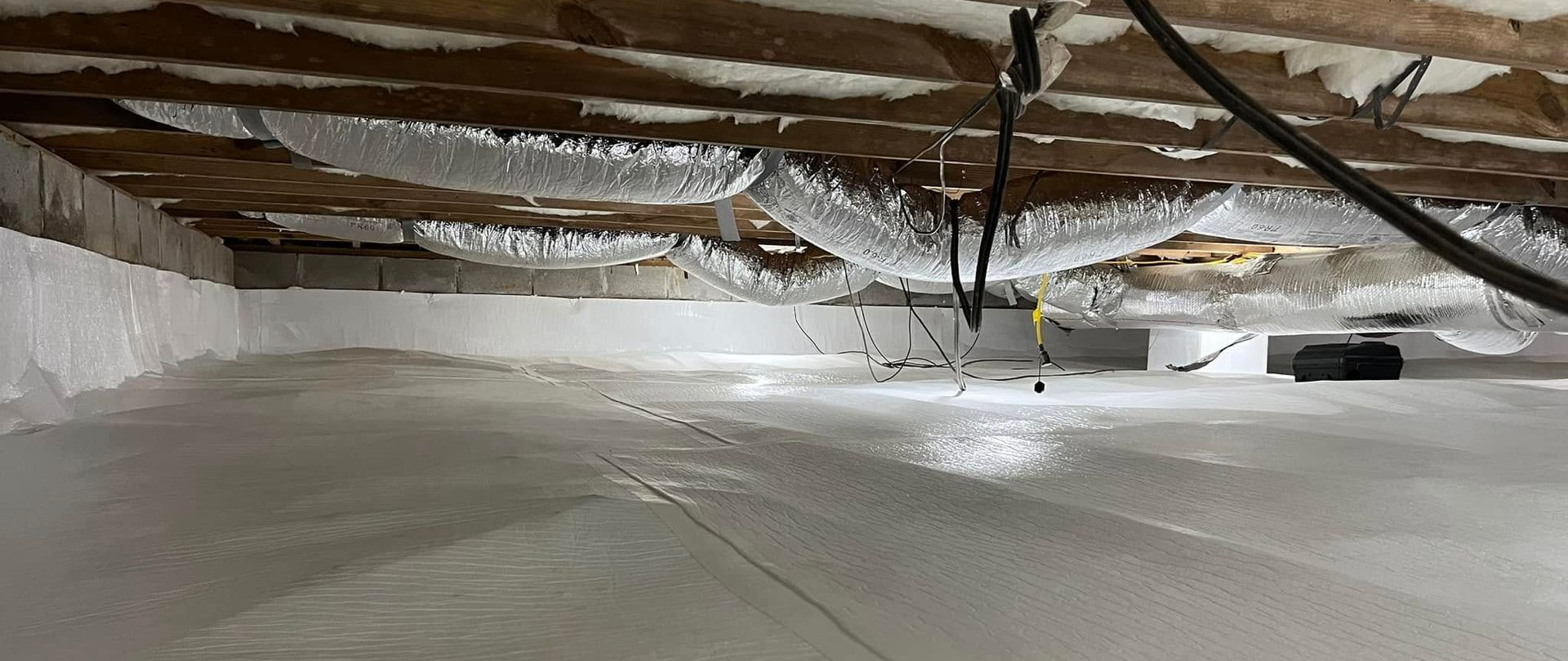
Once the treatment dries, the wood looks a lot better. Clean. Bright. Almost like new in most cases.
But here's the important part - you can't just treat the wood and walk away. If you don't fix the moisture problem, the fungal growth will come back.
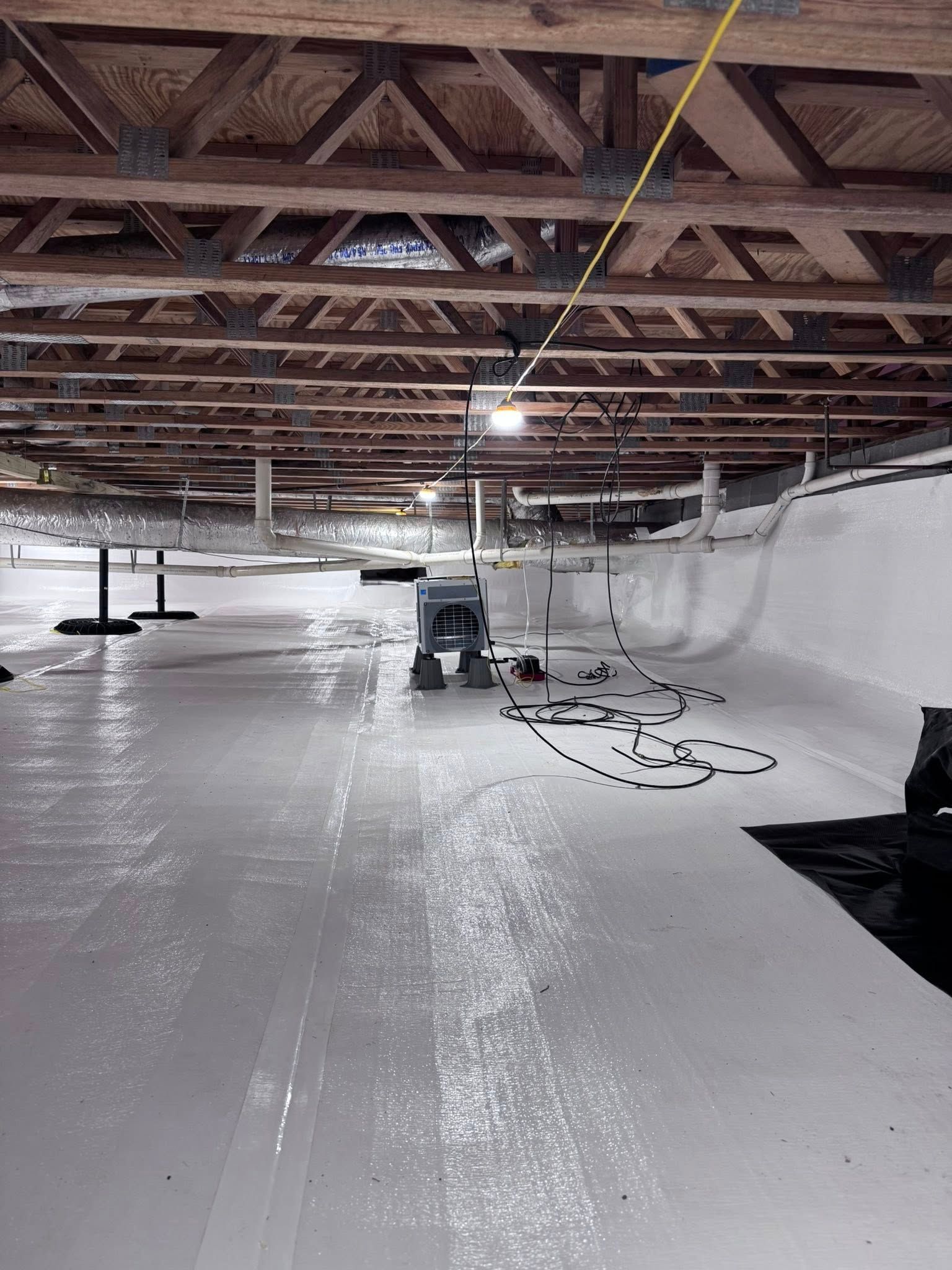
That's where humidity control comes in. We install a dehumidifier to keep the relative humidity below 60%. That's the threshold where fungal growth and wood decay happen. Keep it below that, and the wood stays clean.
The dehumidifier runs continuously, pulling moisture out of the air. It needs to drain properly - either to a sump pump or outside. And it needs to be maintained. Filters cleaned. Drain lines checked.
Long-term crawlspace health isn't just about treating what's already there. It's about preventing it from coming back. That means controlling the environment.
Treatment Before Encapsulation
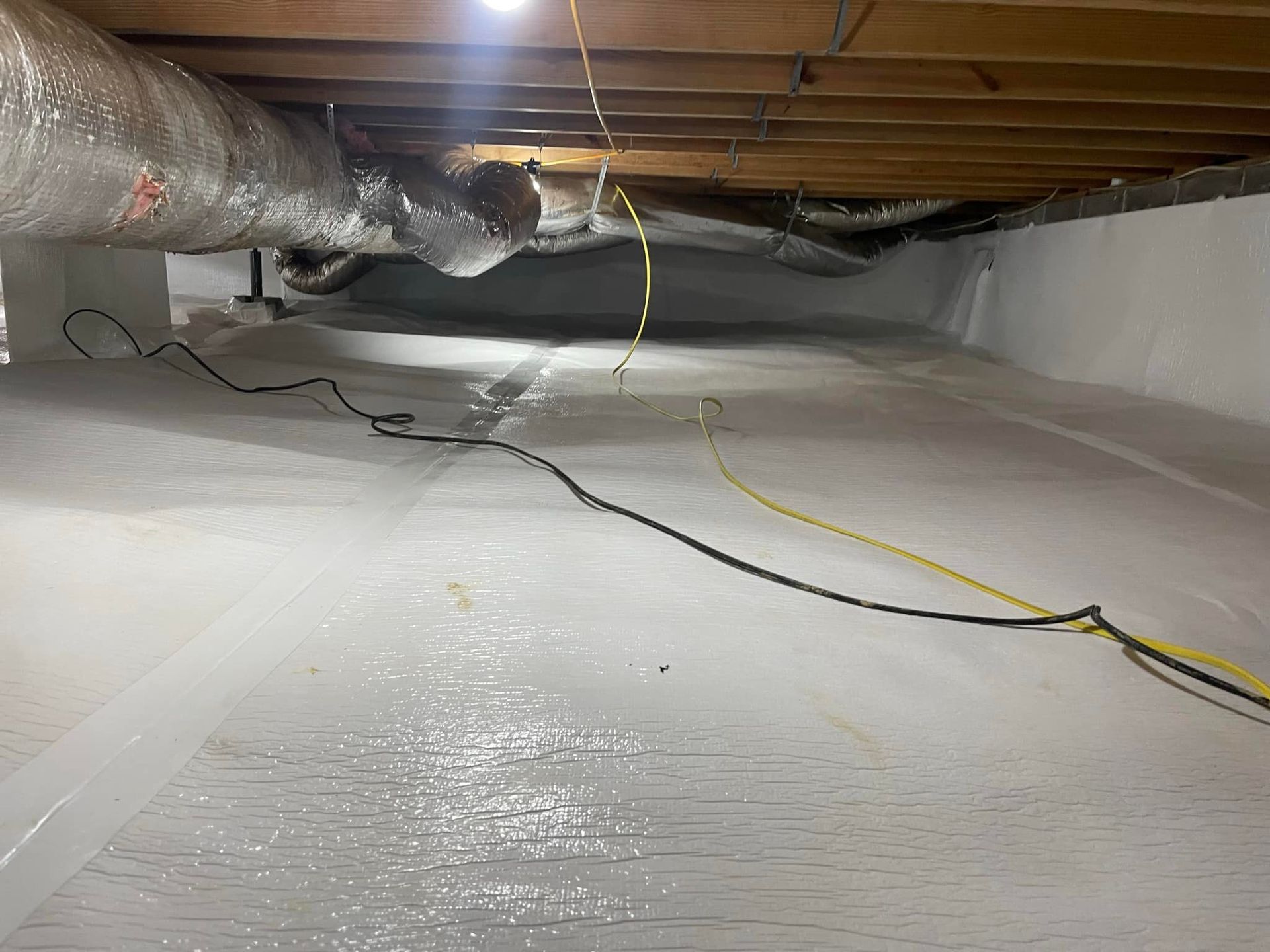
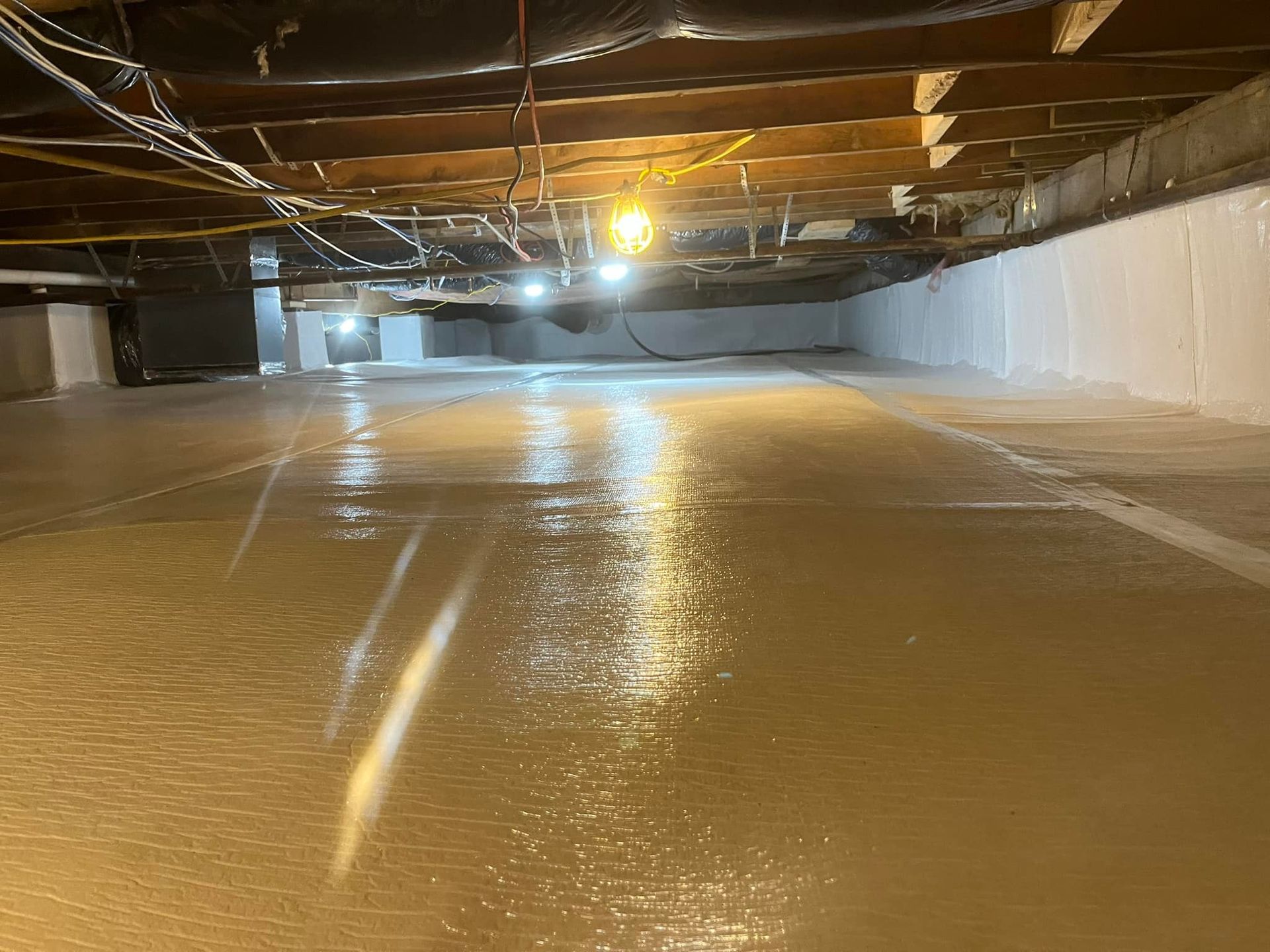
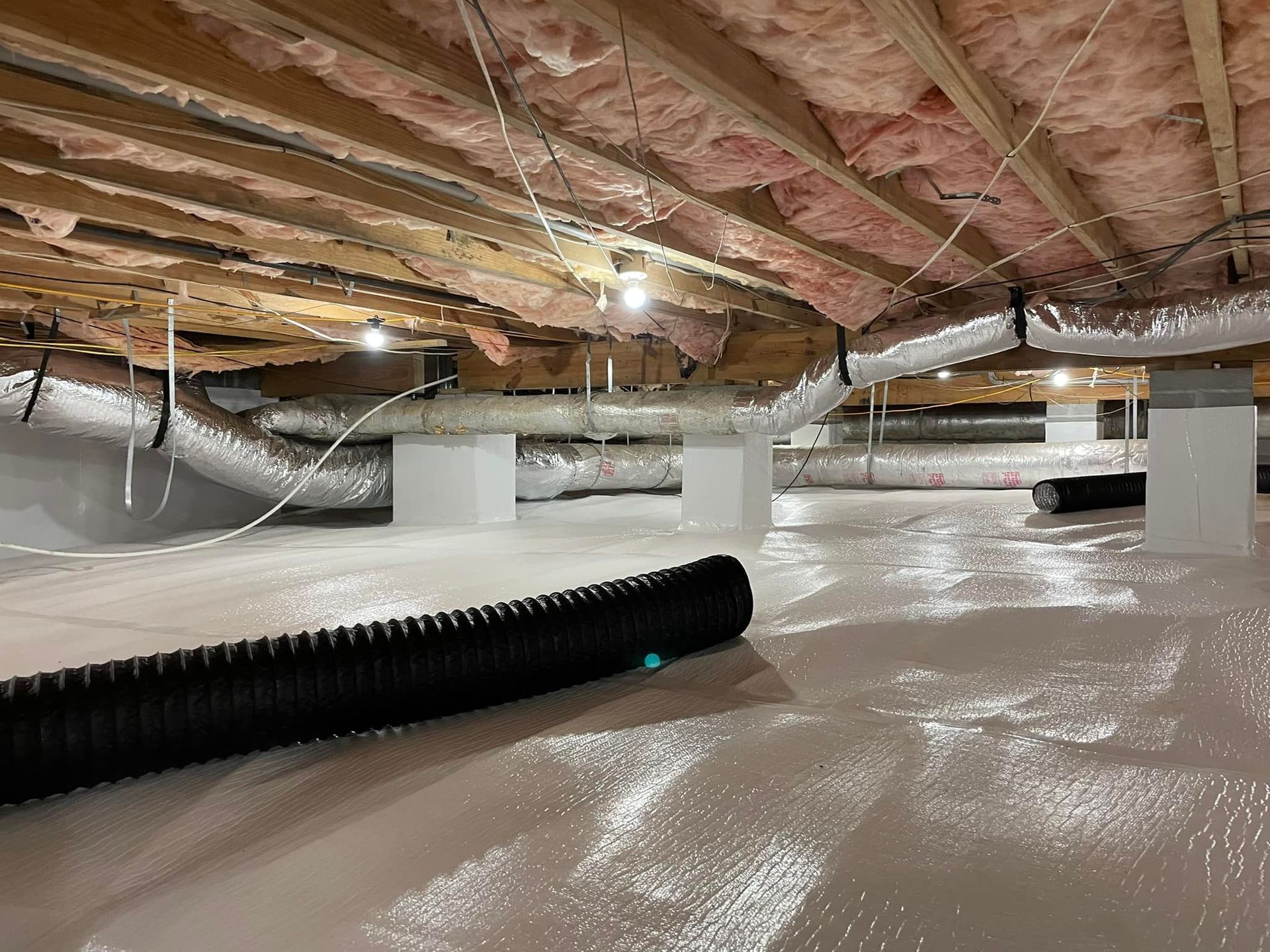
If you're getting your crawlspace encapsulated, wood treatment should happen first. Always.
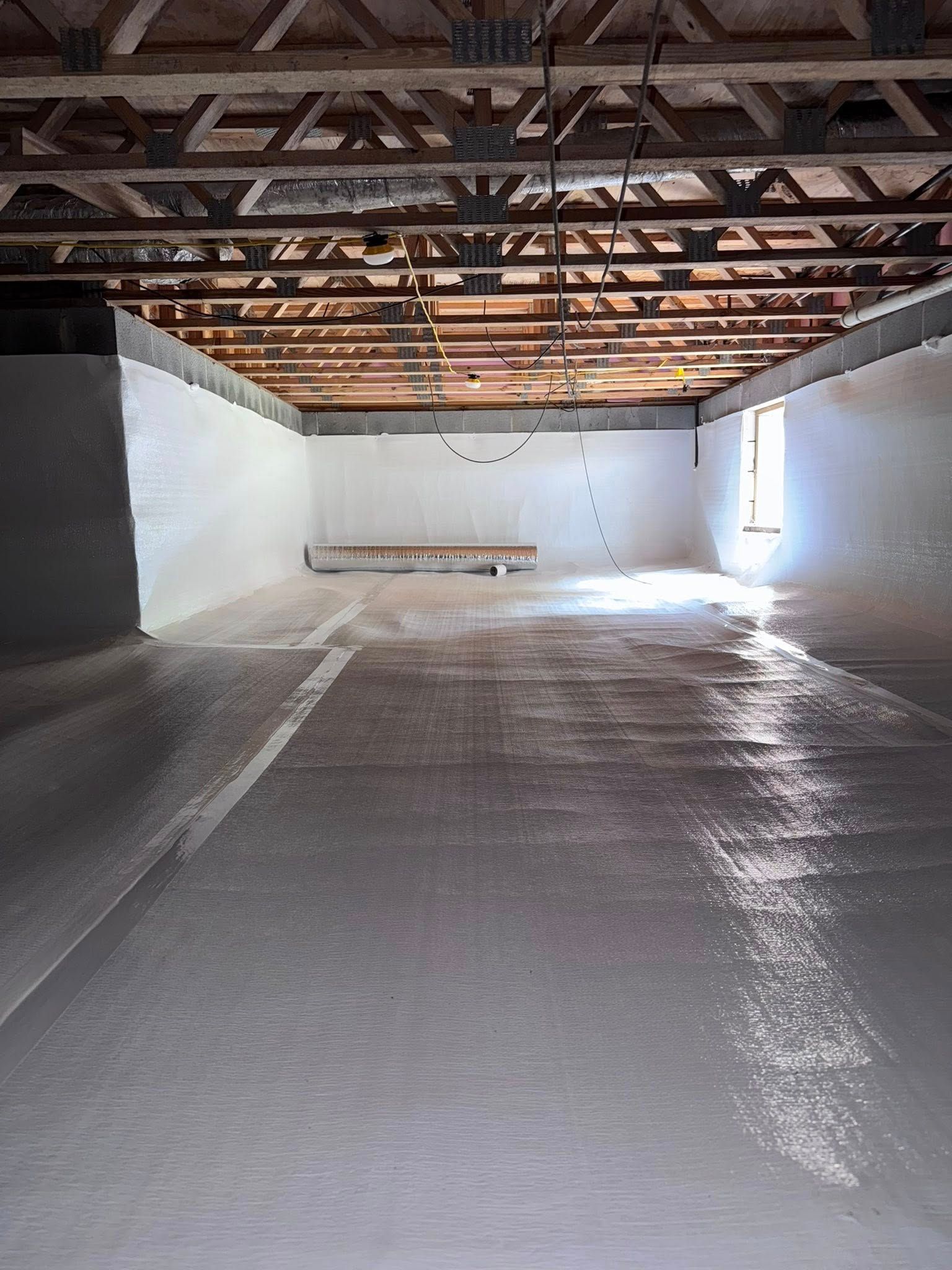
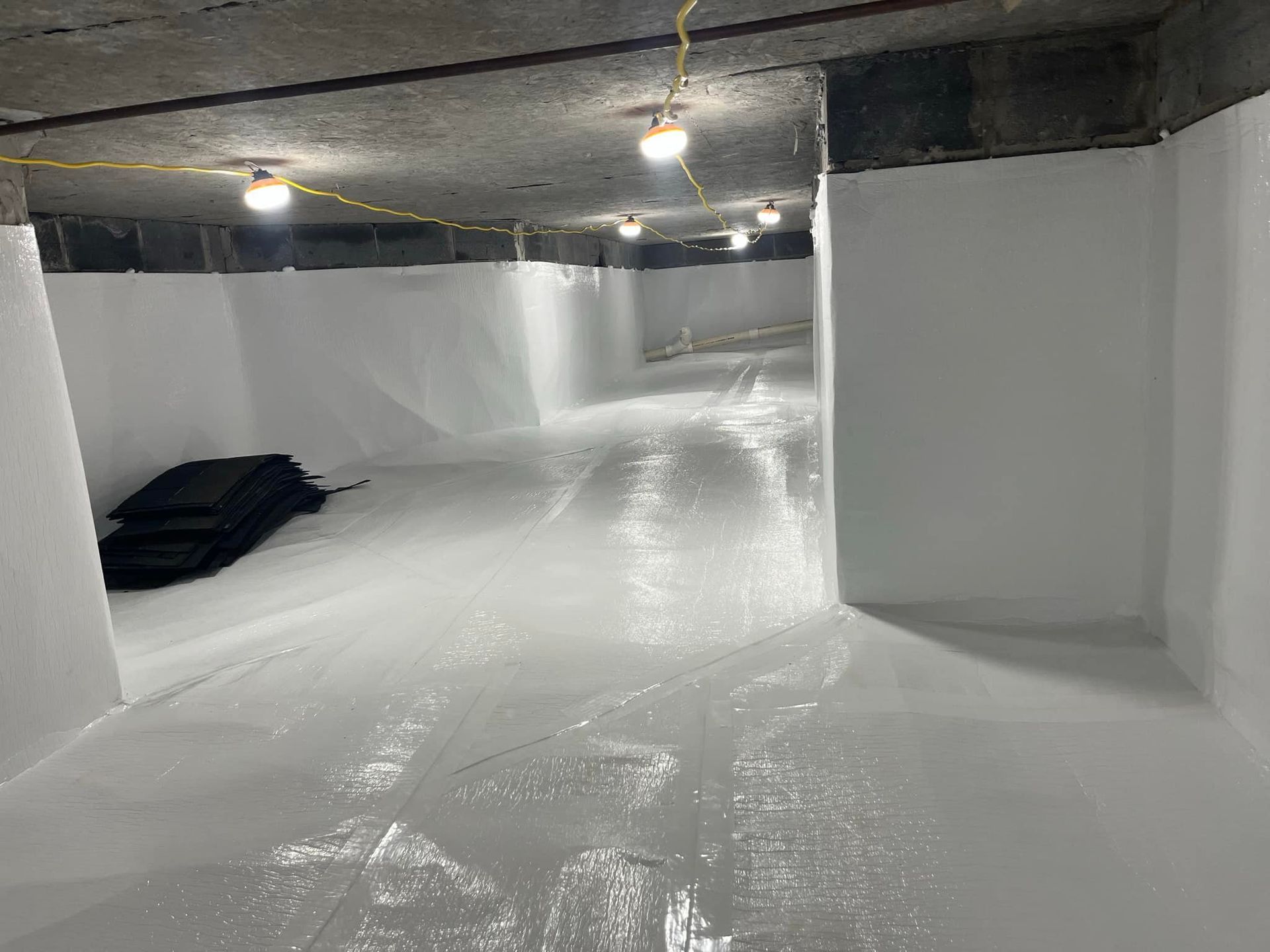
You don't want to seal up a crawlspace with fungal growth already on the wood. That growth needs to be treated and killed before you install the vapor barrier and dehumidifier.
The right sequence is: treat the wood, let it dry, then install the encapsulation system. Some companies skip the treatment step entirely. They'll just throw down a vapor barrier over dirty, stained wood and call it done.
That's cutting corners.
Quality companies treat first. We want that wood clean before we seal up the crawlspace. And we want to make sure the dehumidifier is controlling the humidity so nothing grows back.
This is one of those things that separates good work from fast work. It takes an extra day or two. But it's the difference between a crawlspace that actually stays clean and one that has problems a year down the road.
Take the Next Step
If you've got fungal growth in your crawlspace, or you're getting ready to sell and want to make sure everything's clean, let's take a look.
We'll do a full inspection. Show you what's going on. Treat the wood properly with documentation. And make sure your humidity is controlled so it doesn't come back.
For home sellers, we can work with your timeline and provide everything the inspector and buyer need to see.
For homeowners dealing with moisture issues, we'll explain the whole process. What needs treatment. What needs humidity control. What it's going to cost.
No pressure. No games. Just a straightforward assessment and a plan to fix it right.