Growing a Team That Treats Your Mahomet Home Like Their Own
I Just Came Back to Adjust Jacks We Installed Six Weeks Ago
THIS IS WHAT PROPER WOOD TREATMENT LOOKS LIKE
I'm out in Seymour today checking on a crawlspace we finished about a month and a half ago.
This isn't a warranty call. Nothing's wrong. This is just part of the job.
Anytime we install jacks in a crawlspace, we come back 30 to 60 days later and tighten everything up. Most homeowners don't even know this needs to happen. And honestly, most companies don't do it.
But here's the thing - wood changes when you dry it out. And if you don't come back to adjust those jacks, they're not going to work the way they should long-term.
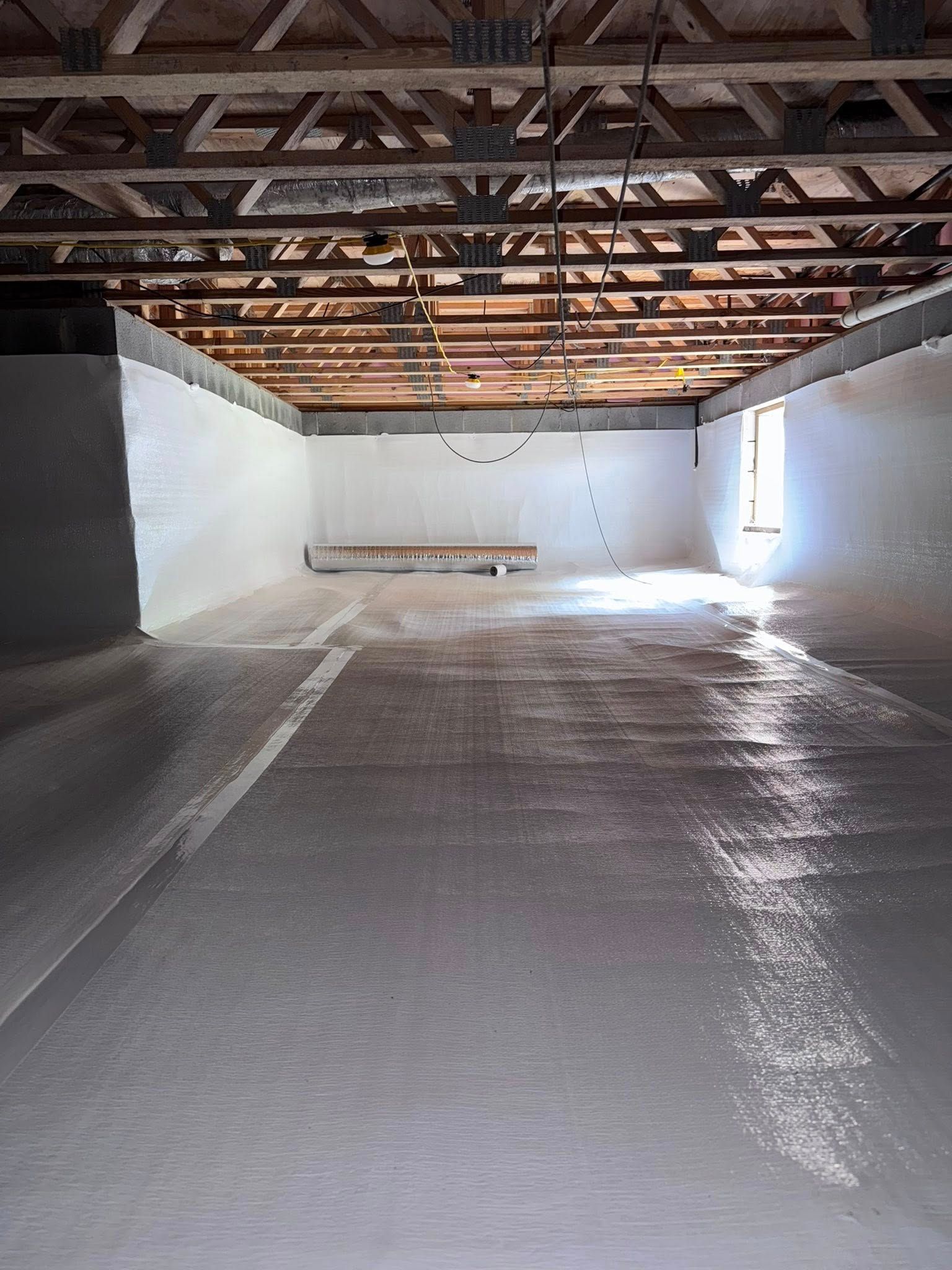
This customer's floors are solid. The creaks are gone. The encapsulation looks perfect. I'm just here to make some small adjustments and make sure everything stays that way.
Let me walk you through why this matters and what actually happens to your crawlspace in those first couple months after we finish the work.
What Happens When You Dry Out a Crawlspace
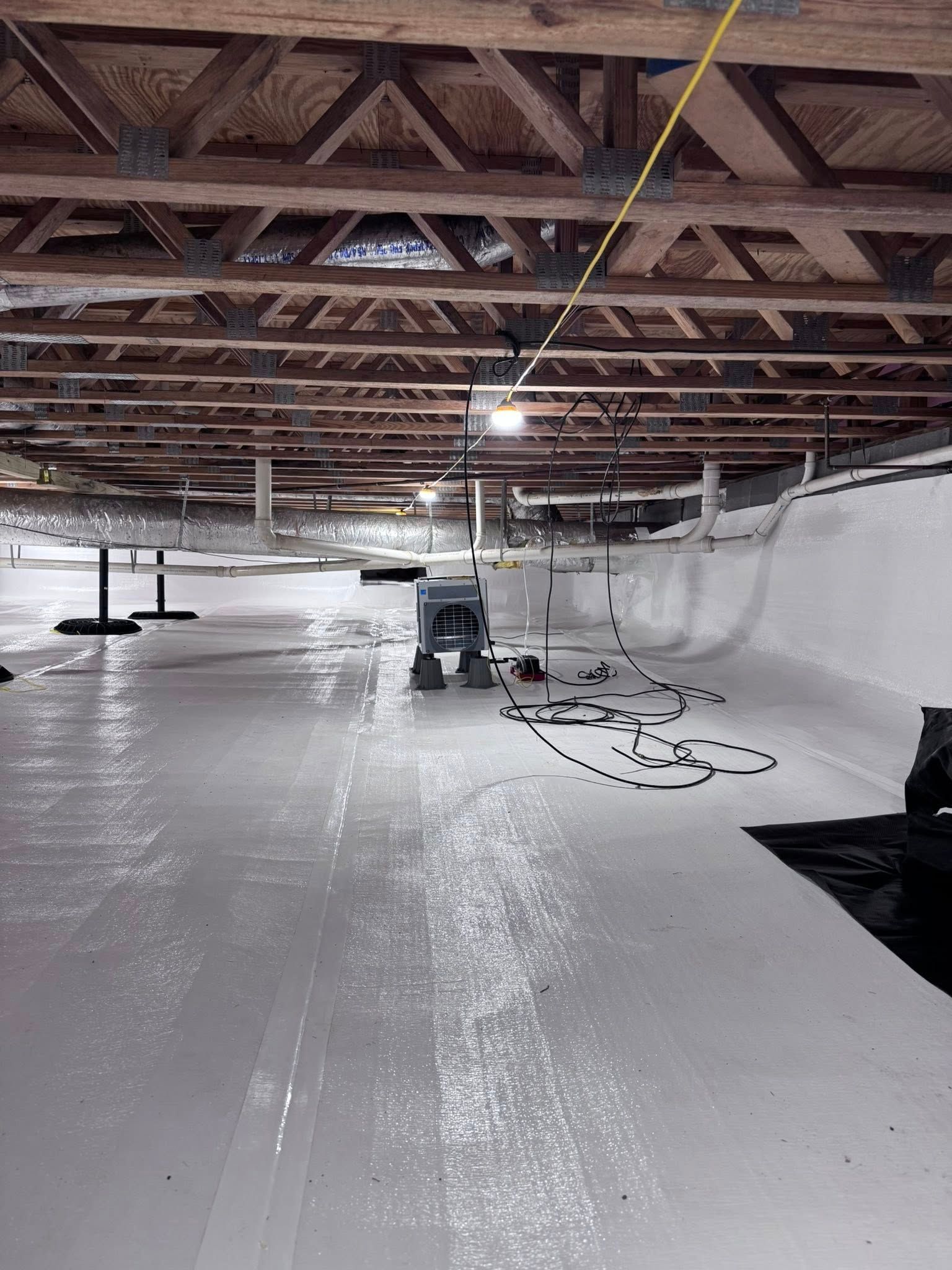
When we encapsulate your crawlspace and install a dehumidifier, we're pulling a ton of moisture out of the space. That's the whole point - get rid of the humidity that's causing problems.
But that moisture isn't just sitting in the air. It's also in the wood. Your floor joists, your subfloor, your beams - they've all been soaking up humidity for years, maybe decades.
When the dehumidifier starts running, that wood dries out. And when wood dries out, it shrinks.
This is especially true with engineered I-beams. Those things are way more susceptible to moisture than regular solid joists. When they get wet, they can actually delaminate - the layers start separating. So when you dry them out, they settle and contract more than you'd expect.
Over the first 30 to 60 days after we finish an encapsulation, that wood is going through changes. It's a good thing - we want that moisture out. But it means the jacks we installed need adjusting.
If we cranked those jacks down tight on day one when the wood was still wet, and then the wood shrinks? You'd end up with too much pressure in the wrong places. Drywall cracks upstairs. Uneven settling. More problems than you started with.
That's why we take a gradual approach. Install the jacks. Let the crawlspace dry out. Then come back and make the adjustments when the wood has stabilized.
Why We Don't Tighten Jacks All the Way Initially
Here's what a lot of companies get wrong - they install jacks and crank them down as tight as they can on day one.
Seems like it would work, right? Get maximum support right away?
But that wood is still wet. It hasn't dried out yet. And when it does dry out over the next month or two, it's going to shrink.
If you've already got those jacks tightened all the way, that shrinking wood is going to cause problems. You'll end up with too much pressure in some spots and not enough in others. The wood contracts unevenly. And upstairs? You start seeing drywall cracks pop up where there weren't any before.
Sometimes when I come back to a really bad situation - where the wood was super saturated - those jacks will actually fall over. The wood shrinks that much. If we had cranked them tight initially, we would've done serious damage to the structure.
So we install them snug. Enough to start providing support. But we leave room to adjust.
Then when I come back 30 to 60 days later, the wood has stabilized. I can tighten everything properly. Get more lift if we need it. Make sure the support is exactly where it should be.
That's how you do it right without causing new problems.
The Follow-Up Visit: What We Actually Do
When I show up for this follow-up visit, I'm checking every jack we installed.
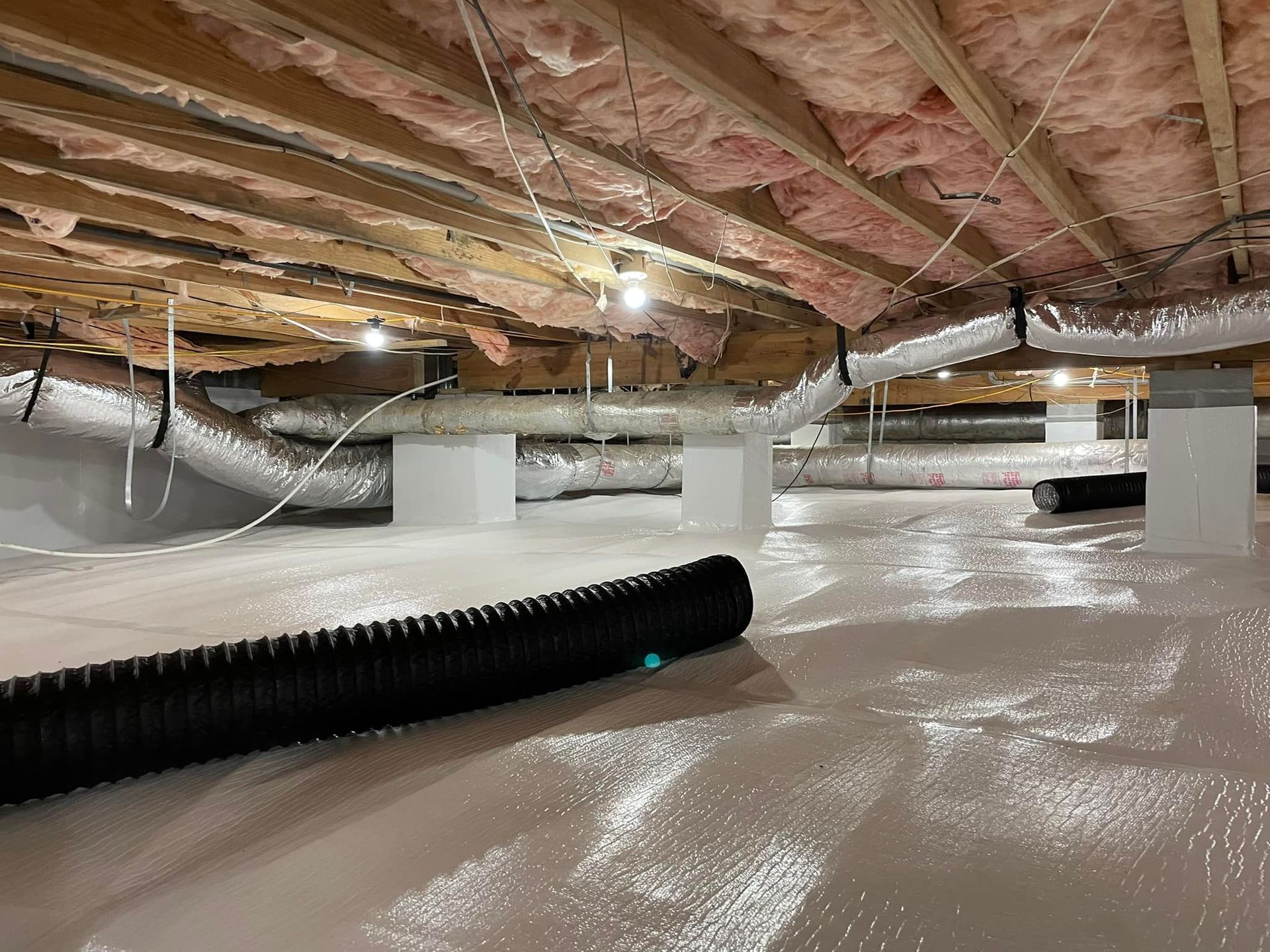
I'm looking at how much the wood has settled. Seeing if the jacks need tightening. Sometimes they need a lot of adjustment. Sometimes, like this job in Seymour, not much at all. It depends on how wet the wood was to start with.
I'll tighten where it's needed. If we need to get a little more lift to level things out, I'll do that too. The goal is making sure those floors upstairs are solid and level.
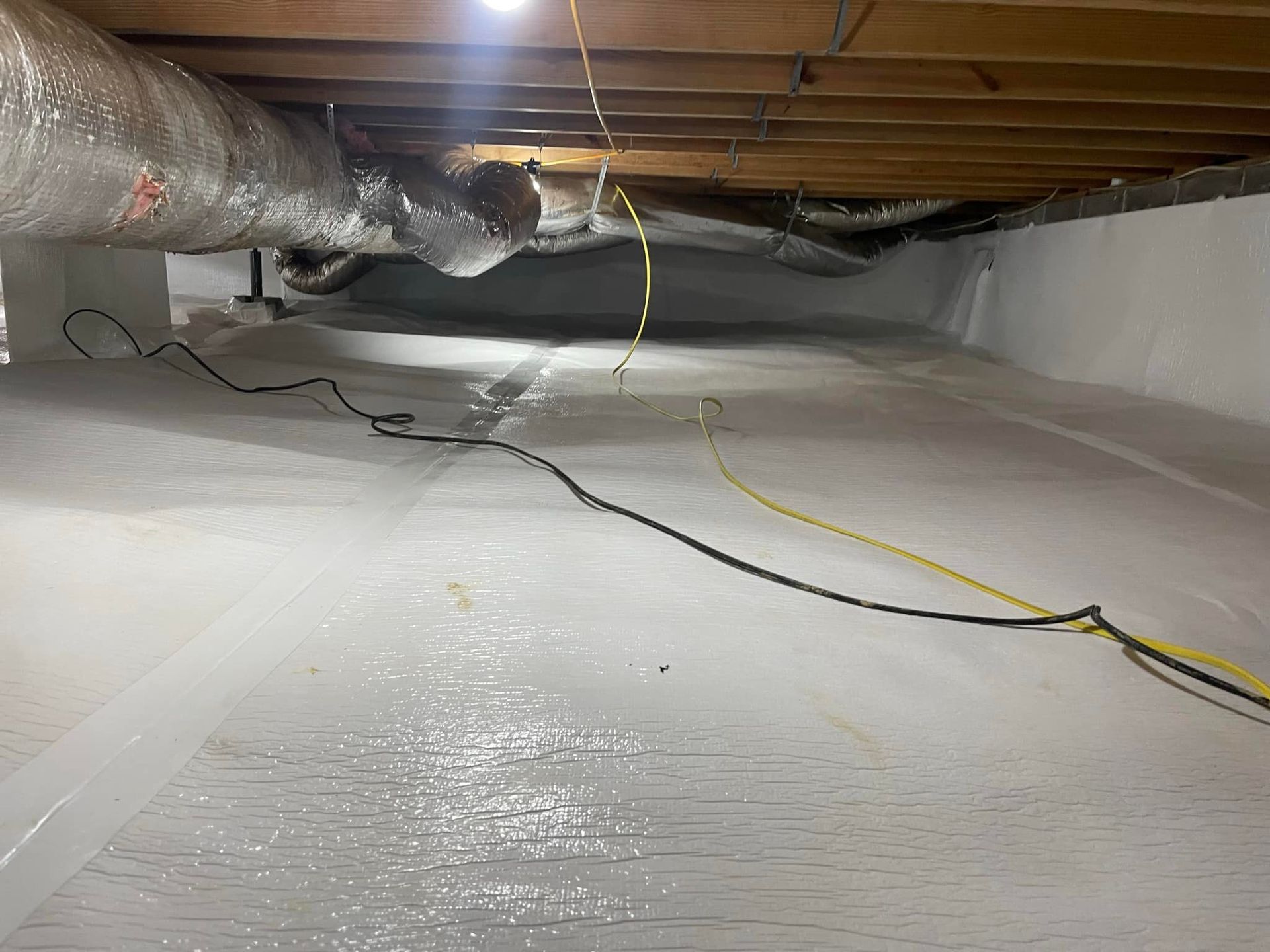
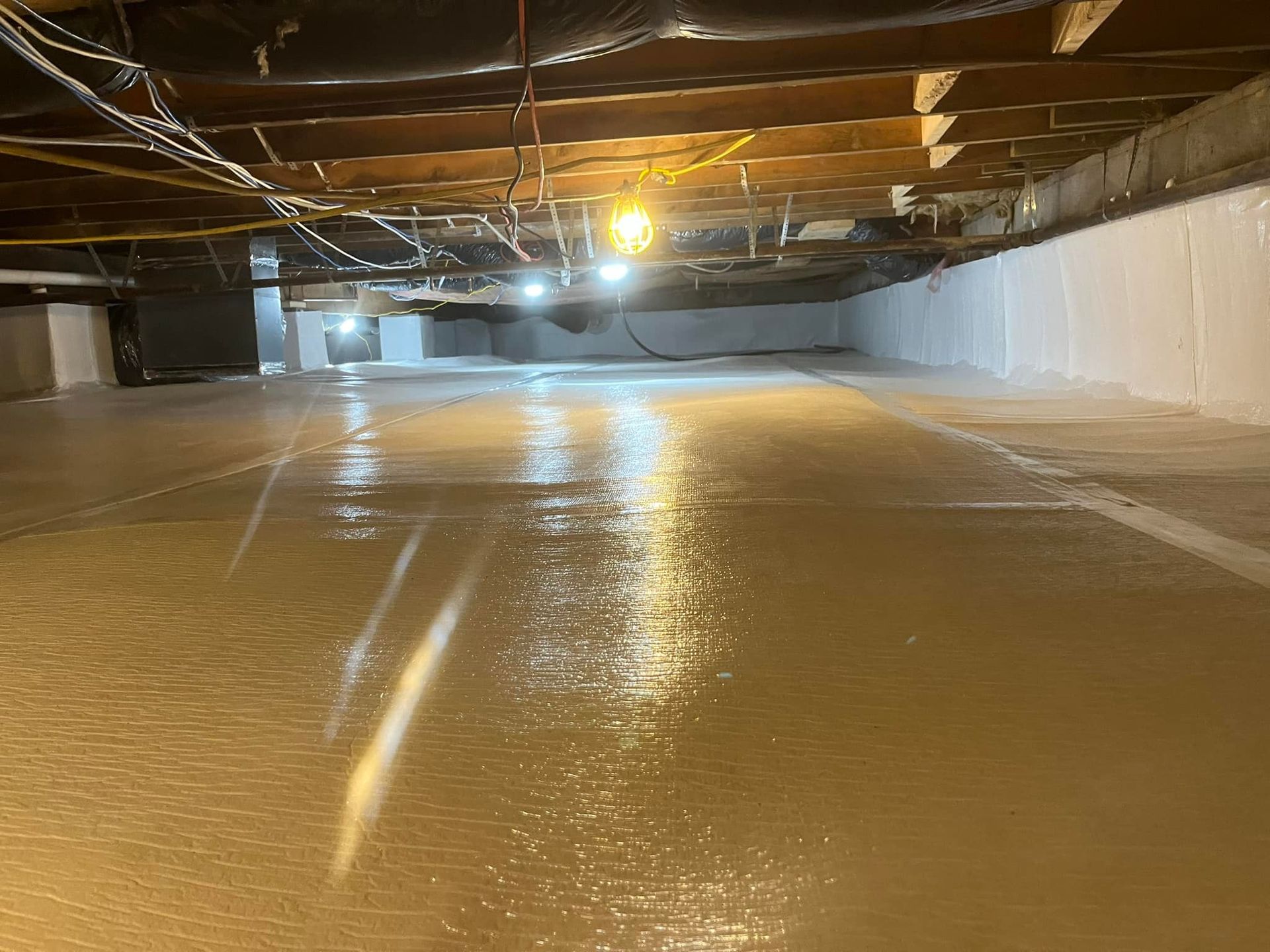
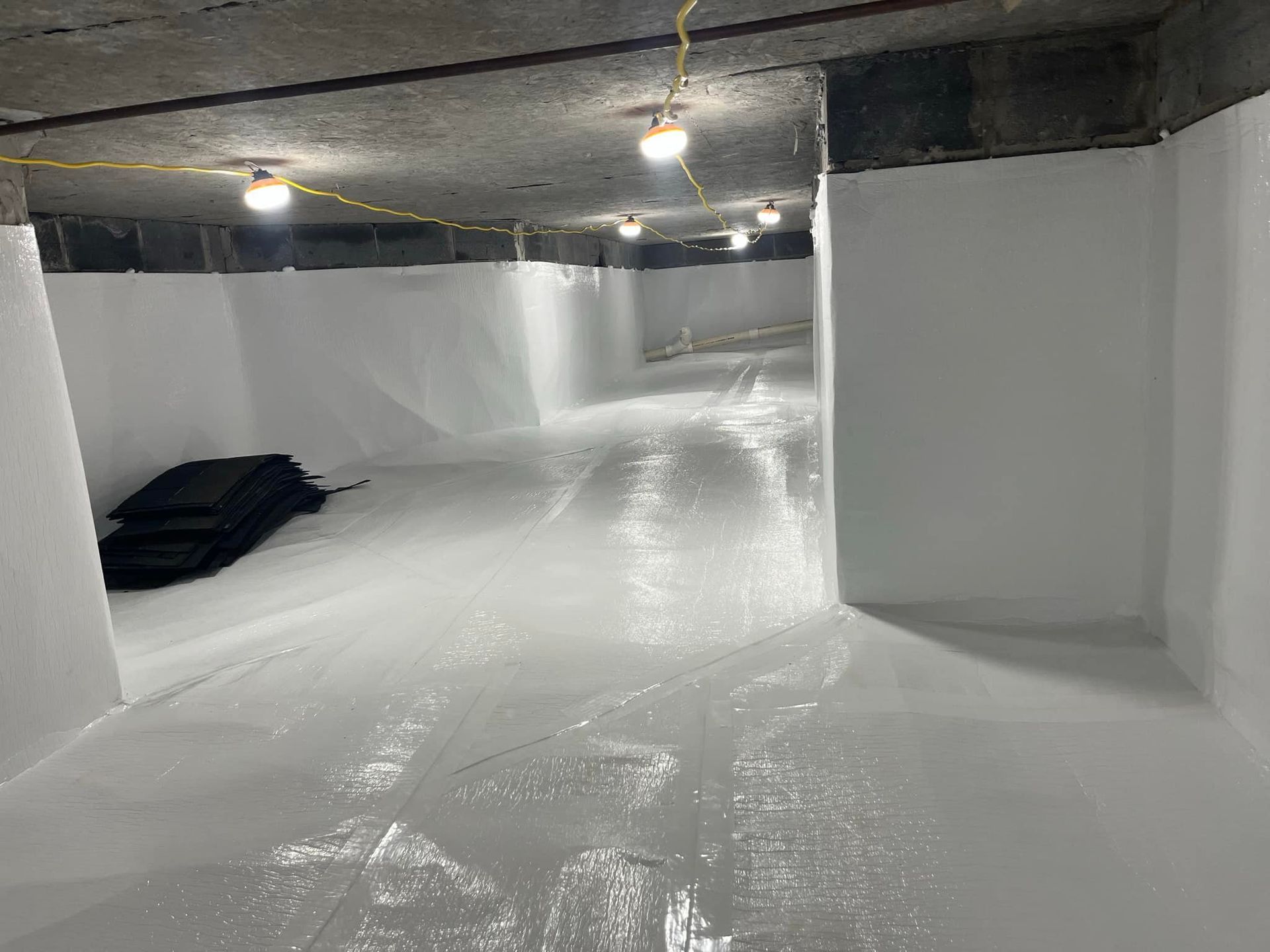
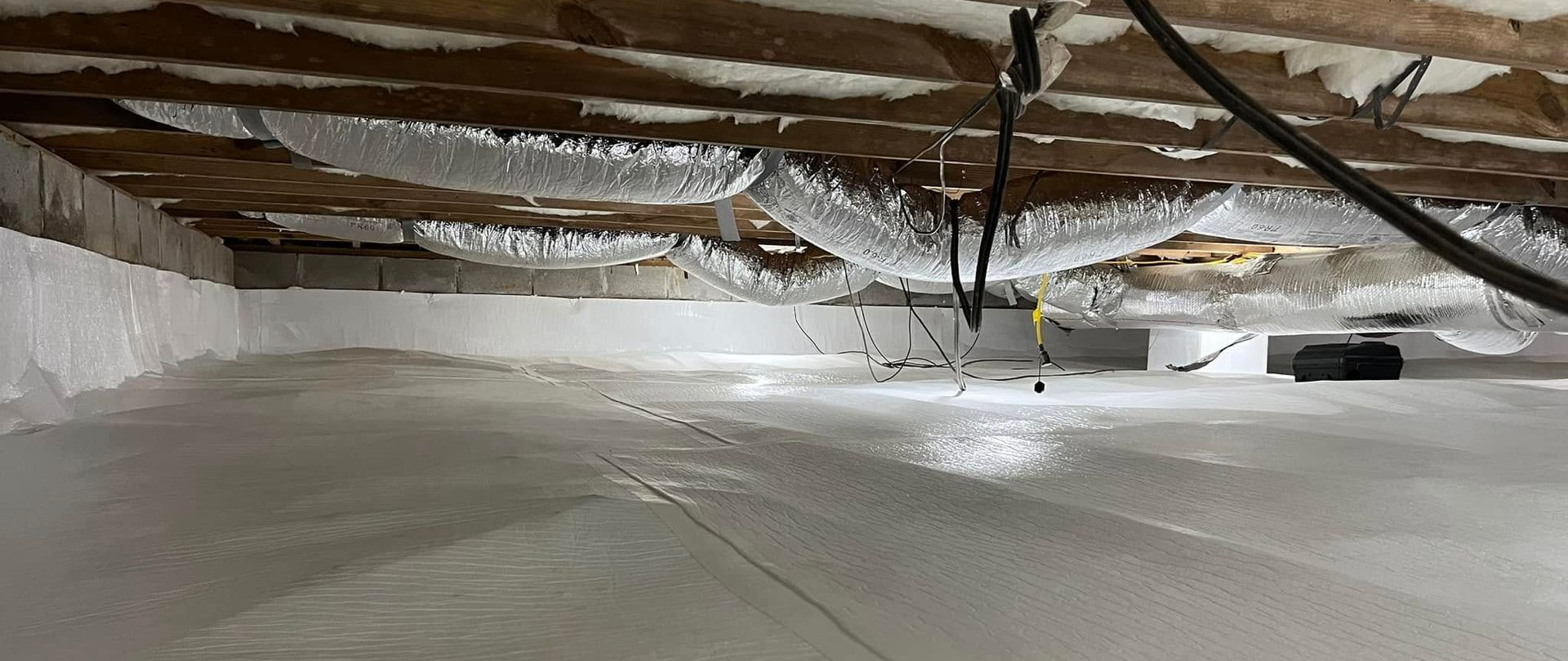
While I'm down there, I'm also checking the overall encapsulation. Making sure the vapor barrier still looks good. No tears or issues. The seams are holding. Everything's where it should be.
I check the dehumidifier. Make sure it's running properly. Drain line is clear. The space is staying at the right humidity level - below 60% where fungal growth and wood decay happen.
And I talk to the customer. Ask how the floors feel. If they've noticed any changes. Make sure they're happy with everything.
This whole visit usually doesn't take long. Maybe 30 minutes to an hour depending on the size of the crawlspace. But it makes a huge difference in how well those jacks perform over the years.
What Happens If You Skip This Step
Most companies skip this follow-up. They install the jacks, collect their money, and you never see them again.
So what happens to those jacks over time?
The wood dries out and settles. The jacks that were providing good support on day one? Now they're not quite tight enough. Maybe they're barely touching the beam. Maybe they've loosened up enough that they're not doing anything at all.
Your floors might feel okay for a while. But eventually, those bouncy spots come back. The creaking starts again. You're right back where you started, except now you're out thousands of dollars.
Or if the company did crank them too tight initially, you get the opposite problem. Drywall cracks. Doors that won't close right. Uneven floors. They "fixed" your crawlspace but created problems everywhere else in the house.
Either way, you paid for a solution that doesn't actually work long-term.
And good luck getting them to come back and fix it. Most of these companies will either charge you again, tell you it's not covered under warranty, or just ignore your calls completely.
That's why we build this follow-up into every job. It's not an extra service. It's not something you have to ask for. It's just part of installing jacks correctly.
Our Approach to Crawlspace Jacks
Every time we install jacks, the follow-up visit is built into the job. It's not extra. It's not something you have to remember to schedule. We automatically come back 30 to 60 days after we finish.
We track every job. We know when it's time to come back and check things. You'll get a call from us to schedule it.
When we show up, we're checking everything. The jacks. The encapsulation. The dehumidifier. Making sure the whole system is working together the way it should.
And if you need anything after that? You've got my number. Or one of my managers. You're not calling some 1-800 number hoping someone gets back to you. You're talking to real people who know your job and can actually help.
This is how crawlspace work should be done. Not just fast - right.
The big companies can't operate this way. They're moving too fast, trying to hit quotas, covering too much territory. There's no time for follow-up visits.
We stay small on purpose. It lets us actually take care of our customers instead of just checking boxes and moving on.
Let's Check Your Crawlspace
If you've got bouncy floors, creaking, or settlement issues, let's take a look at what's going on.
I'll come out personally or send one of my managers. We'll do a full inspection. Take pictures. Show you exactly what's happening under your house.
If you need jacks, we'll explain how we install them and why that follow-up visit matters. If you don't need jacks, we'll tell you that too. We're not going to sell you stuff you don't need.
And when we do the work, we're coming back to make sure it's done right. That's just how we operate.
Give us a call or send a message. We'll get you on the schedule and answer any questions you've got.