Why Your Floors Are Cold (And Why More Insulation Won't Fix It)
The Real Solution to Cold Floors Has Nothing to Do With Adding More Insulation
A crawl space expert explains why traditional fixes fail and what actually works
I'm under a house right now, and it's freezing. Not just chilly - actually cold enough that I can see my breath.
Meanwhile, the homeowners upstairs are dealing with floors so cold they need to wear slippers just to walk around their own house.
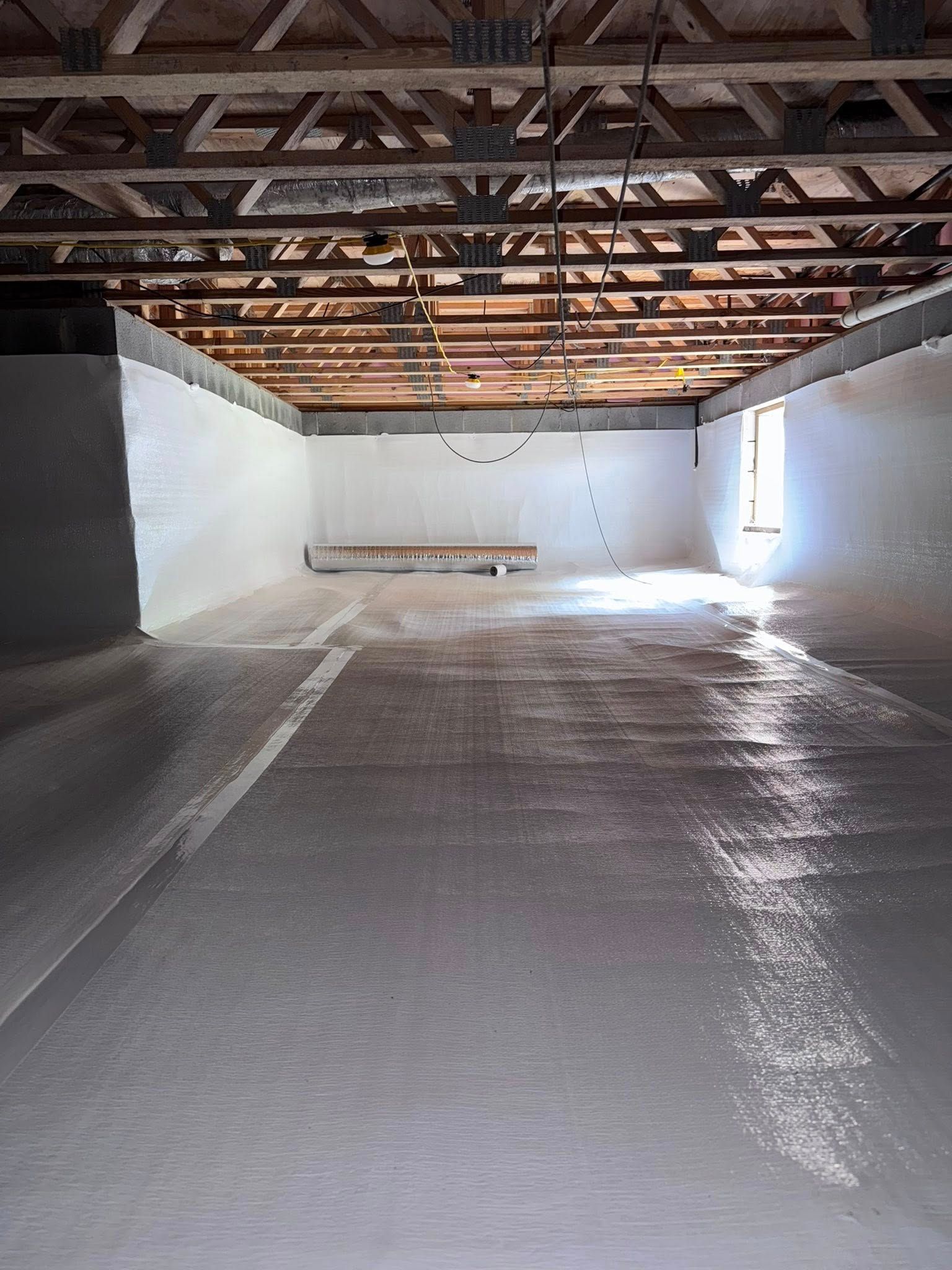
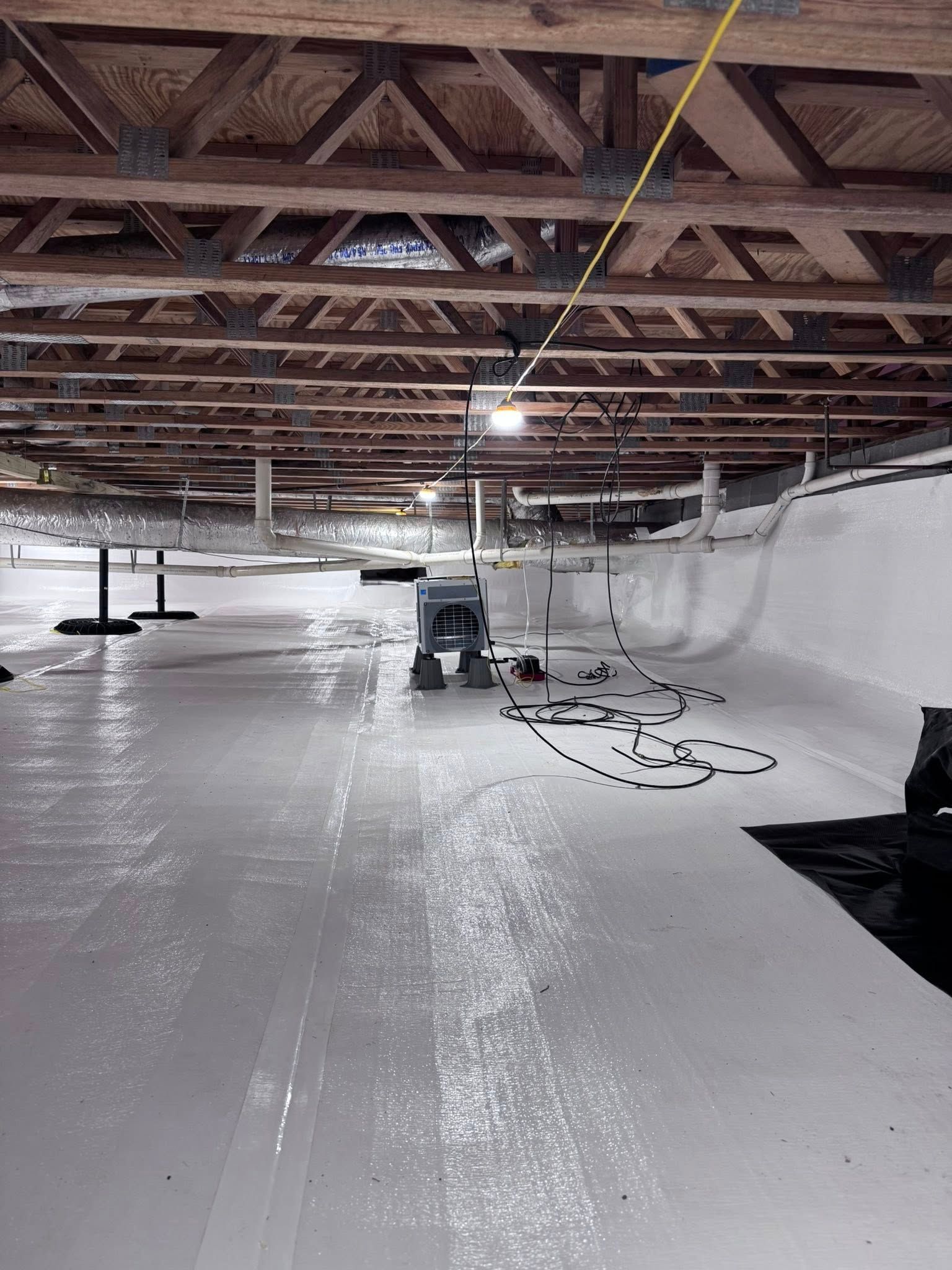
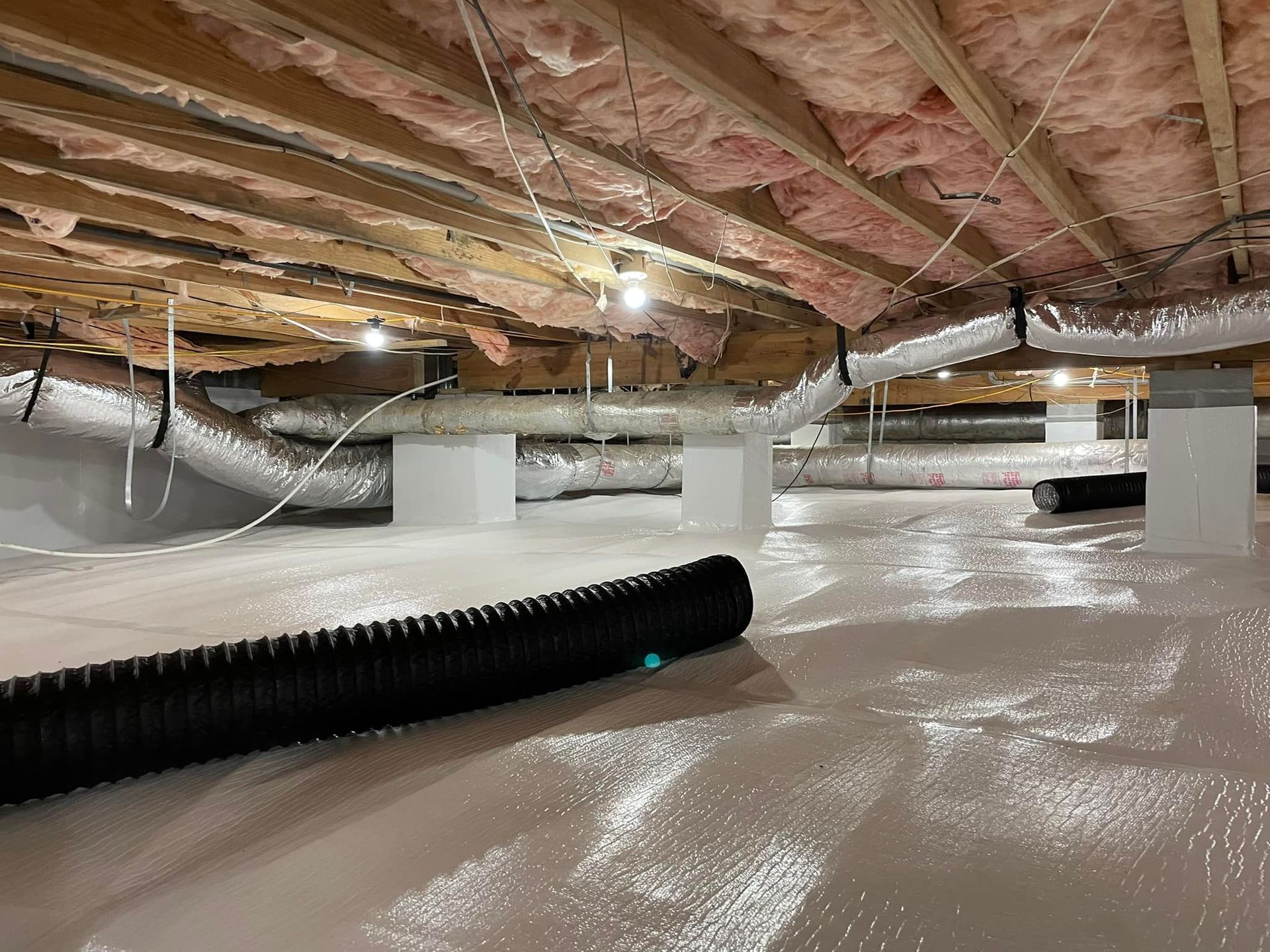
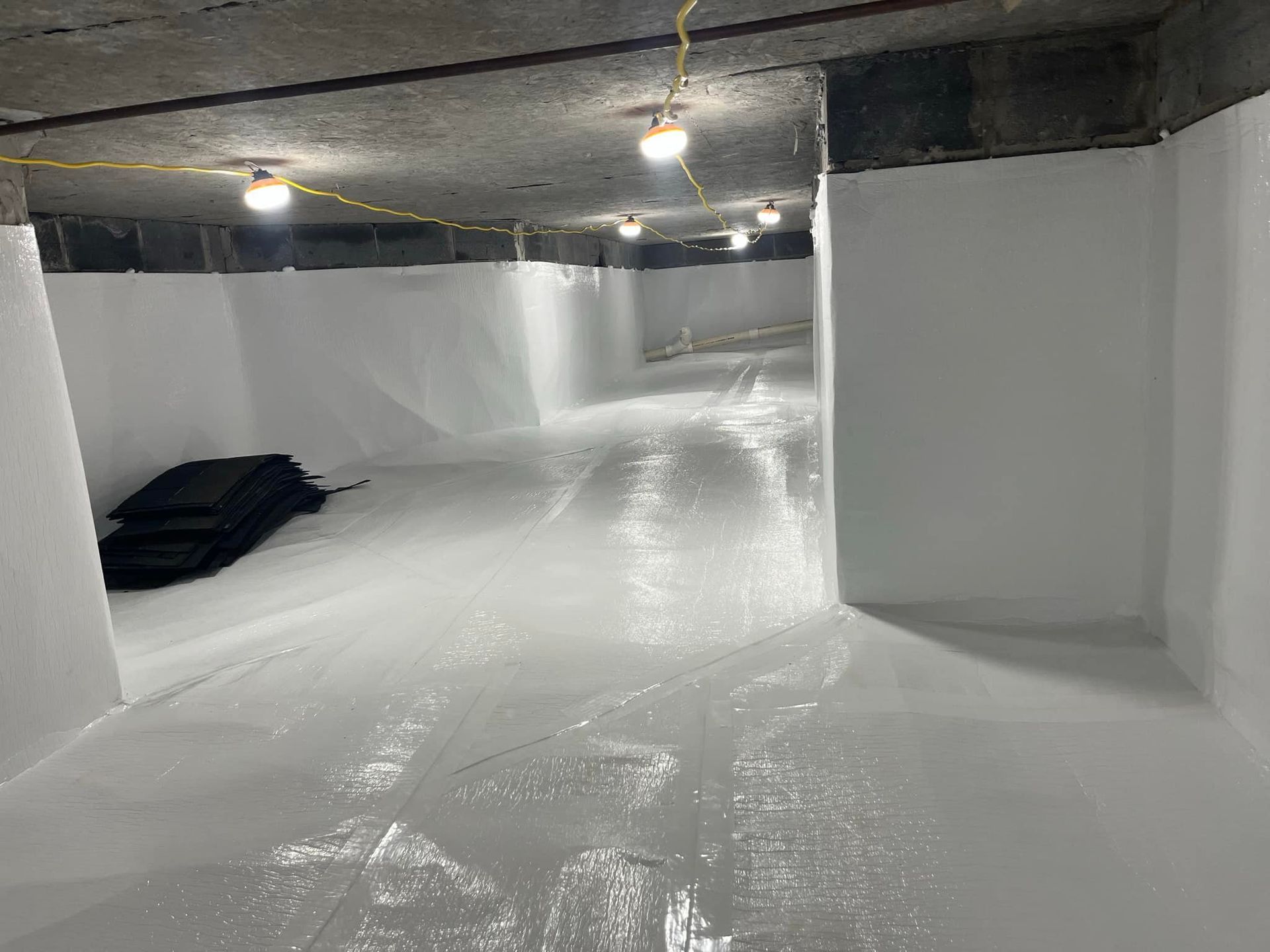
Here's what's interesting: when I step into one of our encapsulated crawl spaces on a day like today, the temperature difference is night and day.
Those spaces stay within just a few degrees of the living area above.
But this traditional crawl space? It's basically the same temperature as outside.
The homeowners called us thinking they needed more insulation.
They've already got R19 insulation in their floor joists, which should be plenty.
But their floors are still cold, and now they're wondering what went wrong.
R19 Insulation Isn't Enough When Cold Air Flows Freely
Here's the problem: insulation can only do so much when you're constantly pumping cold outside air through your crawl space.
Think about it like this - you wouldn't open all your windows in winter and expect your heater to keep up, right? But that's essentially what's happening in a traditional crawl space. Cold air flows in through foundation vents, circulates freely under your home, and no amount of insulation can completely stop it from affecting your floors above.
That R19 insulation is doing its job. But it's fighting a battle it can't win. Outside air keeps flowing, temperatures keep dropping, and your floors stay cold no matter how much insulation you add.
Two Problems, One Solution
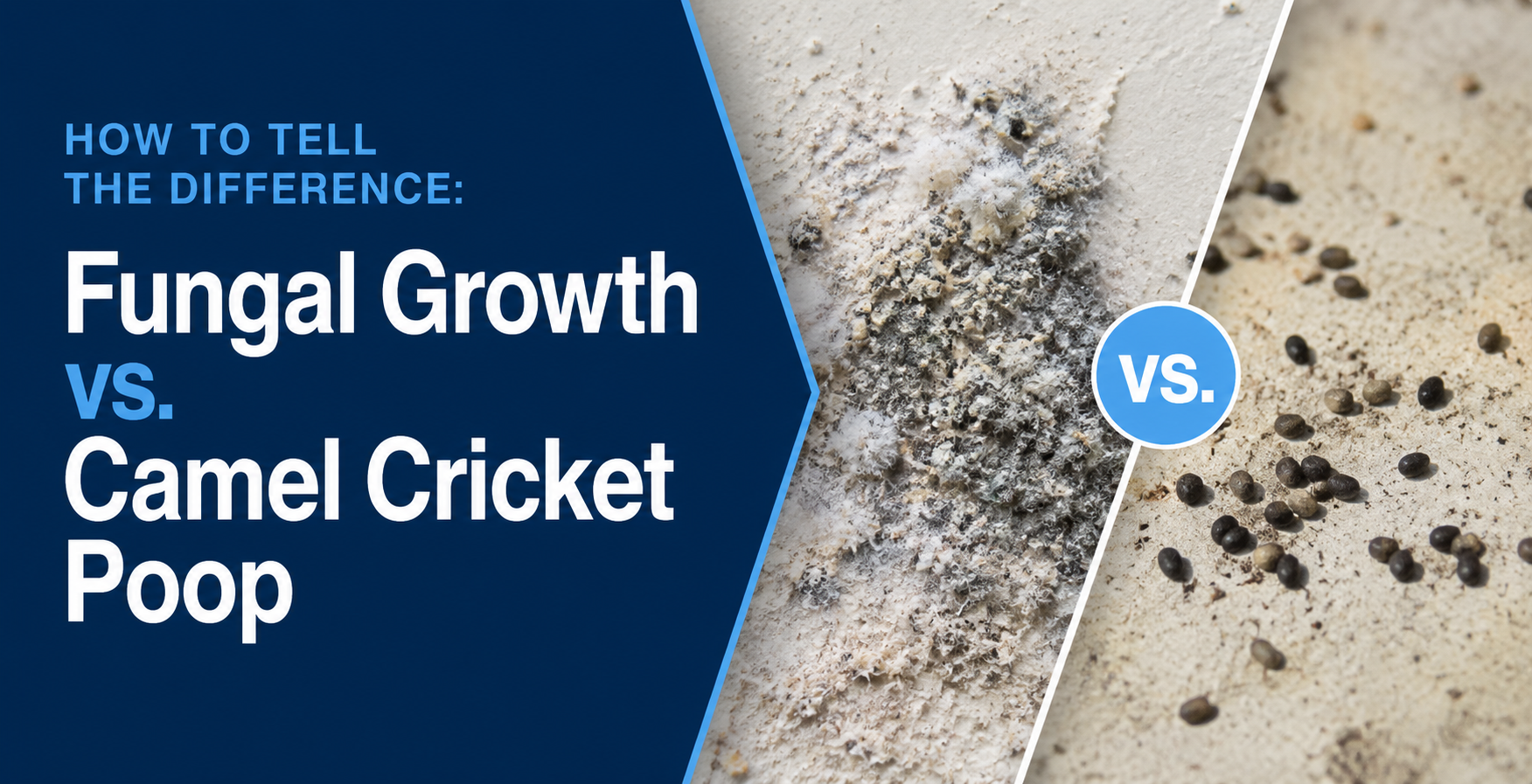
When I showed these homeowners what was happening under their house, they understood why more insulation wasn't the answer. We're not just dealing with cold floors - there's significant fungal growth on the wood from moisture issues.
This is actually pretty common. The same conditions that make your crawl space cold also create perfect conditions for moisture problems. You've got outside air constantly flowing through, bringing humidity in summer and cold dampness in winter.
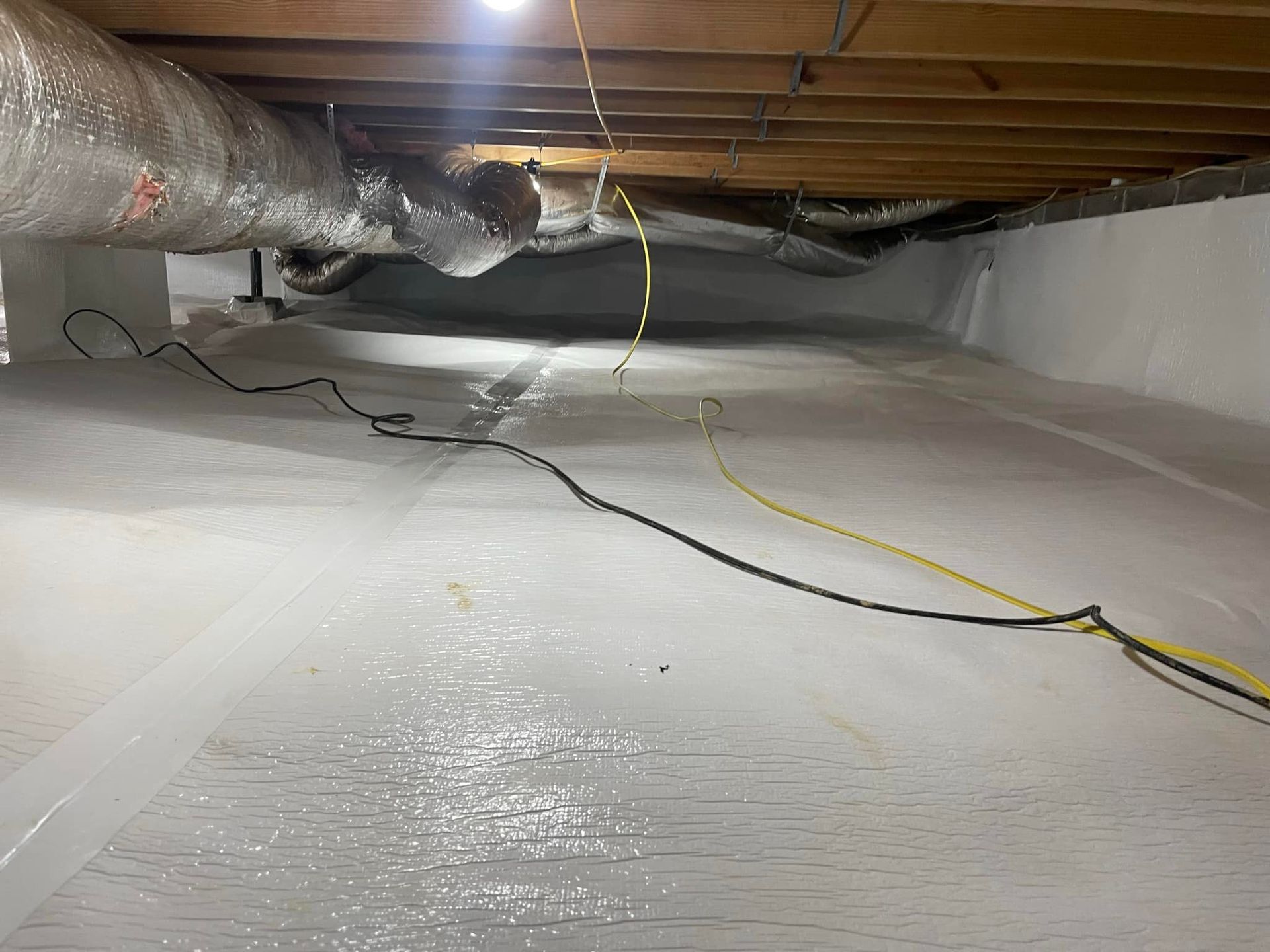
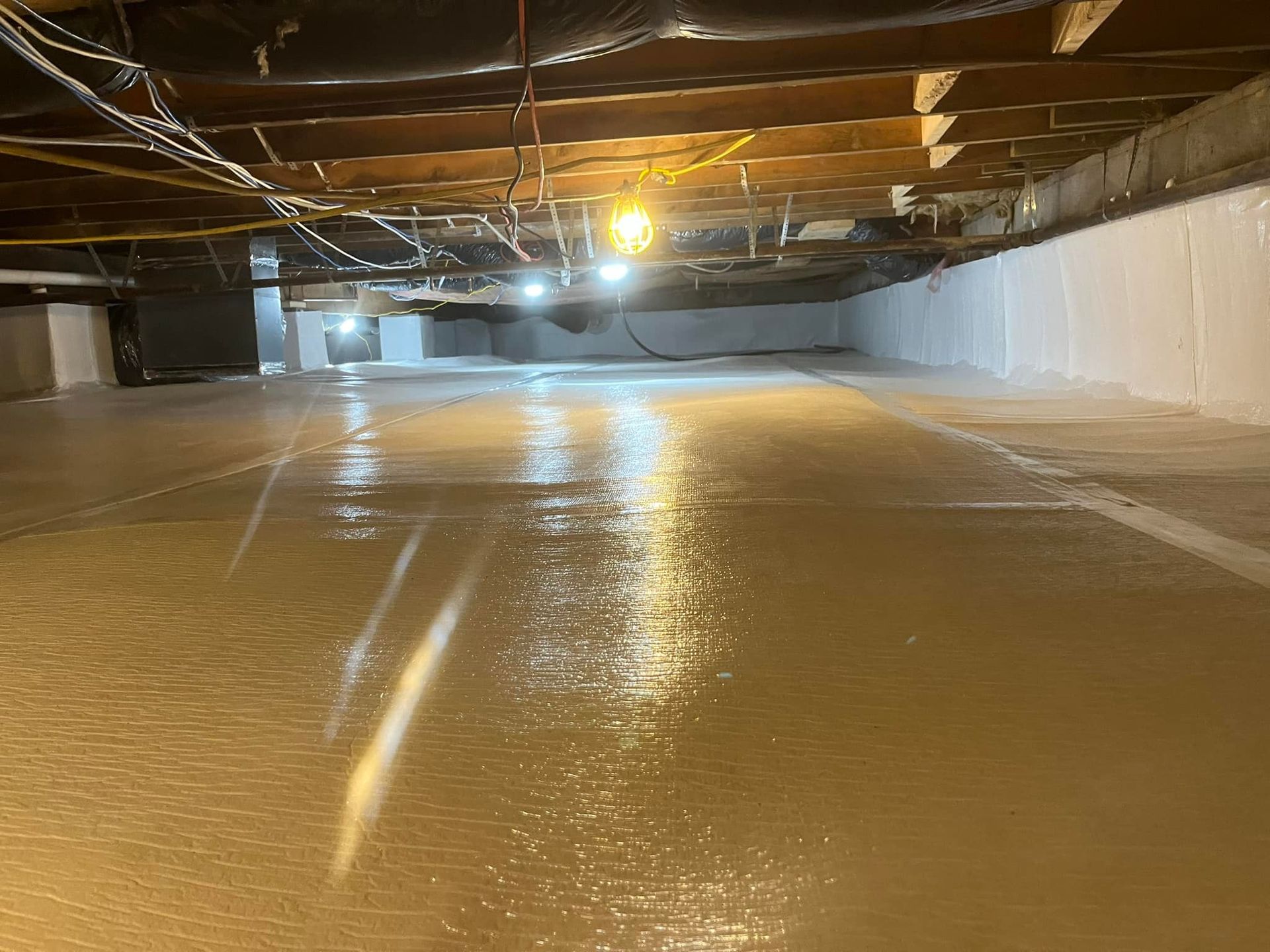
Encapsulation tackles both issues at once. We stop the moisture that's causing fungal growth on your floor joists, and we eliminate that constant flow of outside air that's making your floors cold. Instead of treating symptoms with more insulation, we're fixing the root cause.
What Happens in an Encapsulated Crawl Space
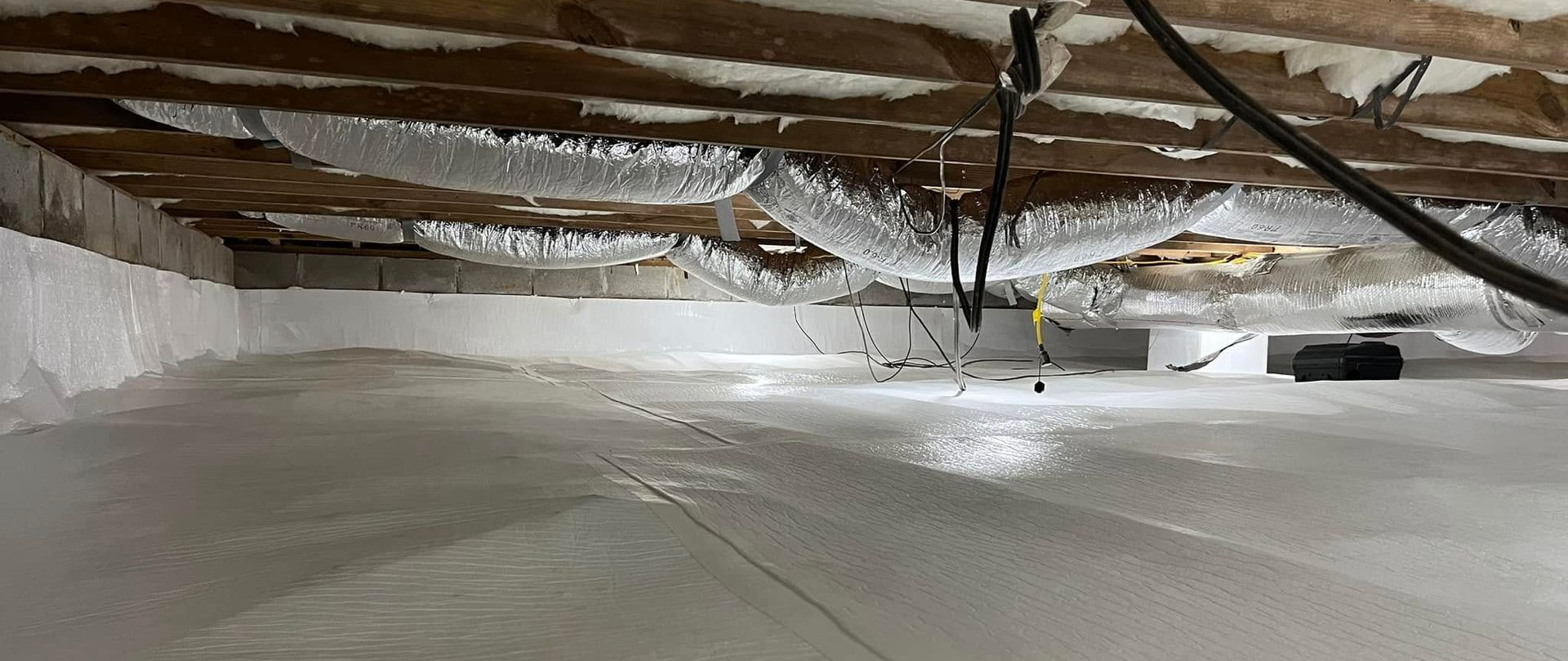
The difference between a traditional crawl space and an encapsulated one is dramatic. In an encapsulated space, the temperature stays consistent year-round - usually within just a few degrees of your living area.
No more cold air flowing freely underneath your home. No more fighting against outside temperatures. The space becomes part of your home's controlled environment instead of working against it.
Summer or winter, your crawl space maintains stable conditions. Your dehumidifier handles any moisture, your sealed vapor barrier keeps outside air out, and your floors stay comfortable. The whole system works together to keep things efficient.
What Homeowners Need to Know
The good news is that pipe insulation is one of the simplest upgrades you can make. Focus on your hot water lines first - those are where you'll see the biggest benefit.
Cold water lines can benefit too, especially if you're concerned about condensation or want to prevent freezing in extreme conditions. But your hot water pipes are the priority.
If you're getting your crawl space encapsulated, it's the perfect time to add pipe insulation. The space is already being worked on, and you're maximizing your investment in one go.
Some homeowners can handle this themselves, but if you want it done right the first time, a professional can ensure every pipe is properly covered and you're getting the full efficiency benefit.
Get the Most from Your Crawl Space Investment
The difference between a traditional crawl space and an encapsulated one is dramatic. In an encapsulated space, the temperature stays consistent year-round - usually within just a few degrees of your living area.
No more cold air flowing freely underneath your home. No more fighting against outside temperatures. The space becomes part of your home's controlled environment instead of working against it.
Summer or winter, your crawl space maintains stable conditions. Your dehumidifier handles any moisture, your sealed vapor barrier keeps outside air out, and your floors stay comfortable. The whole system works together to keep things efficient.