Why Your Crawl Space Ductwork Is Rotting Faster Than It Should
The Hidden Problem That's Shortening Your HVAC System's Life
A crawl space expert explains why ductwork placement matters more than you think
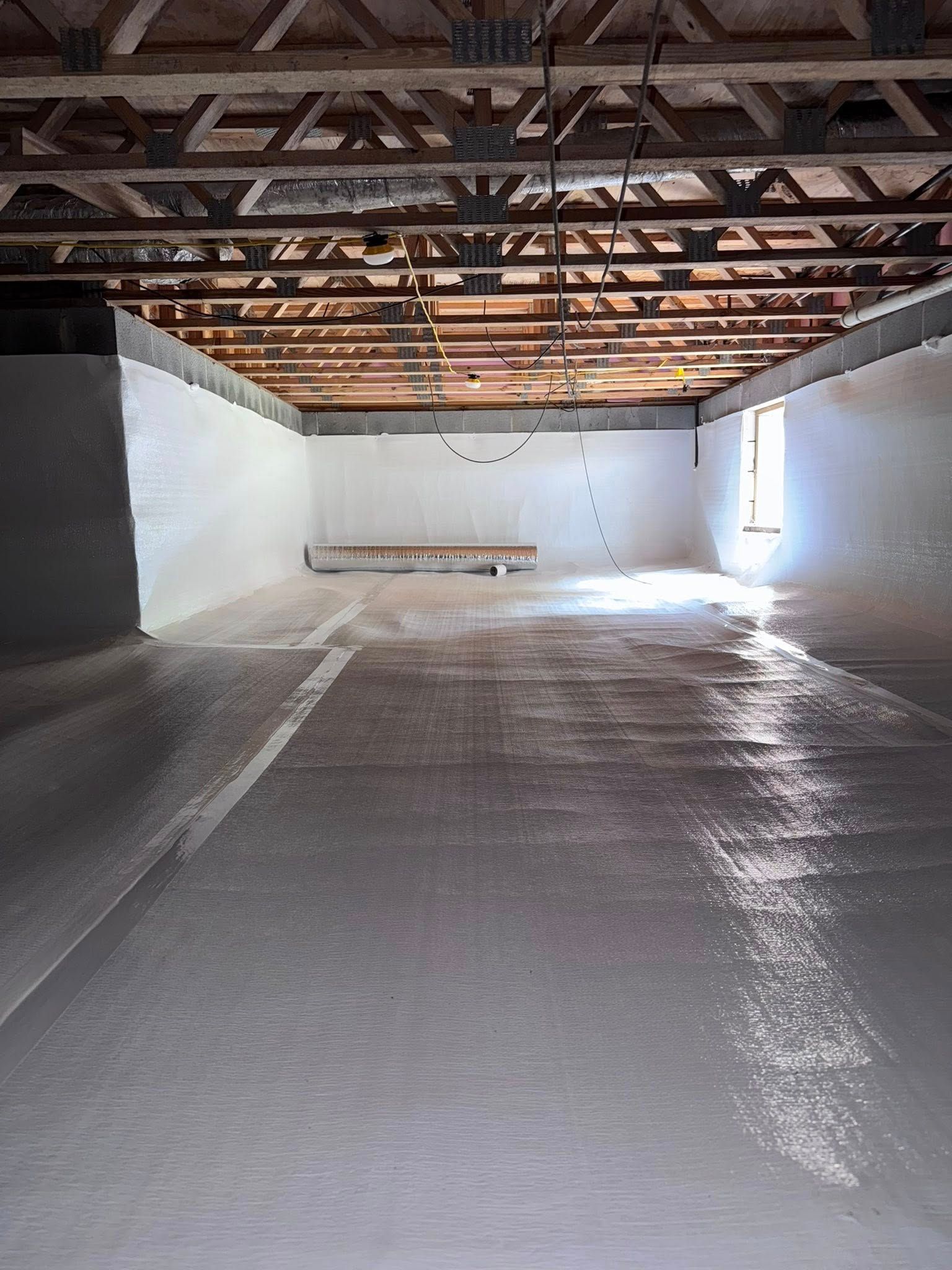
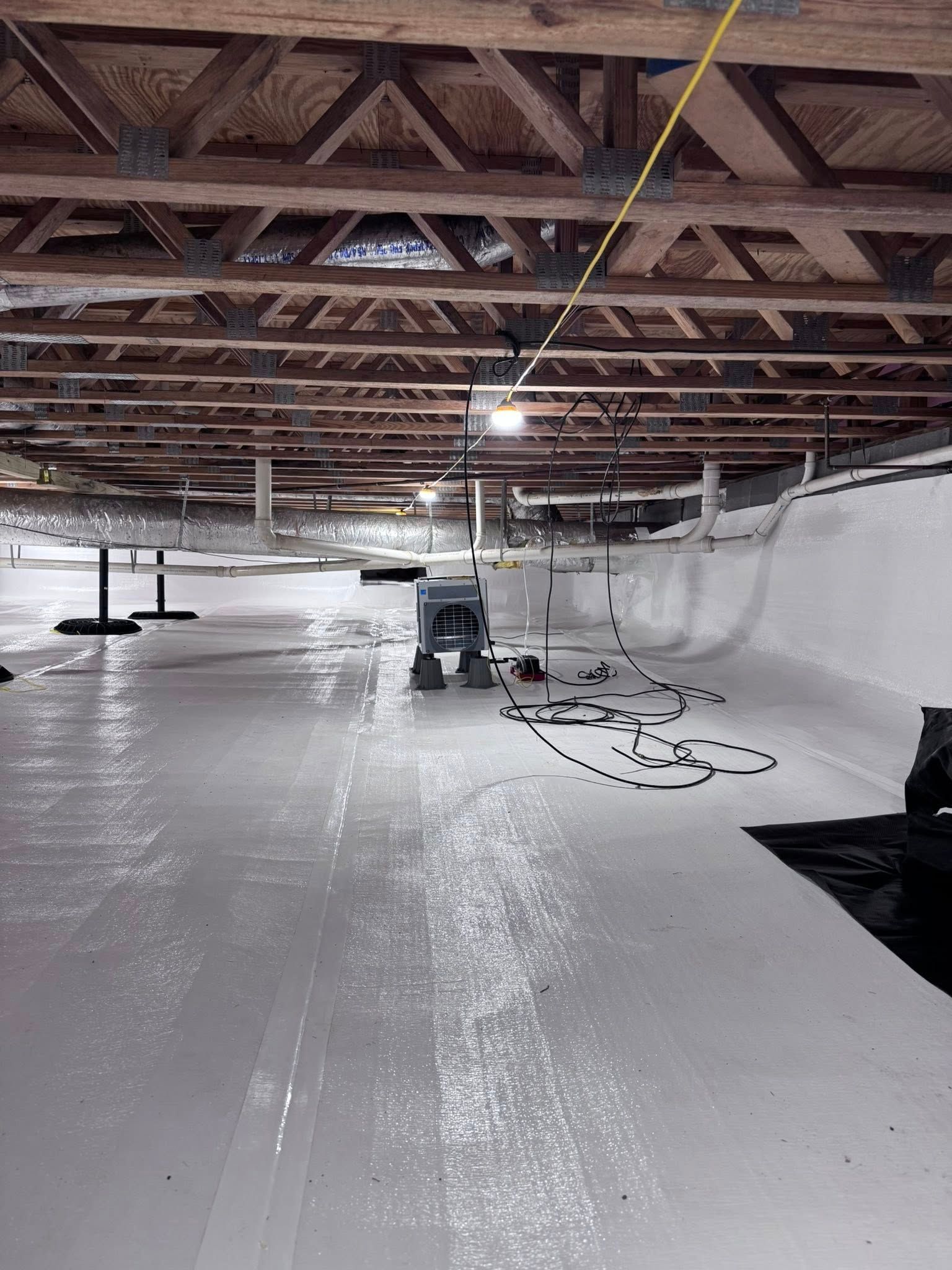
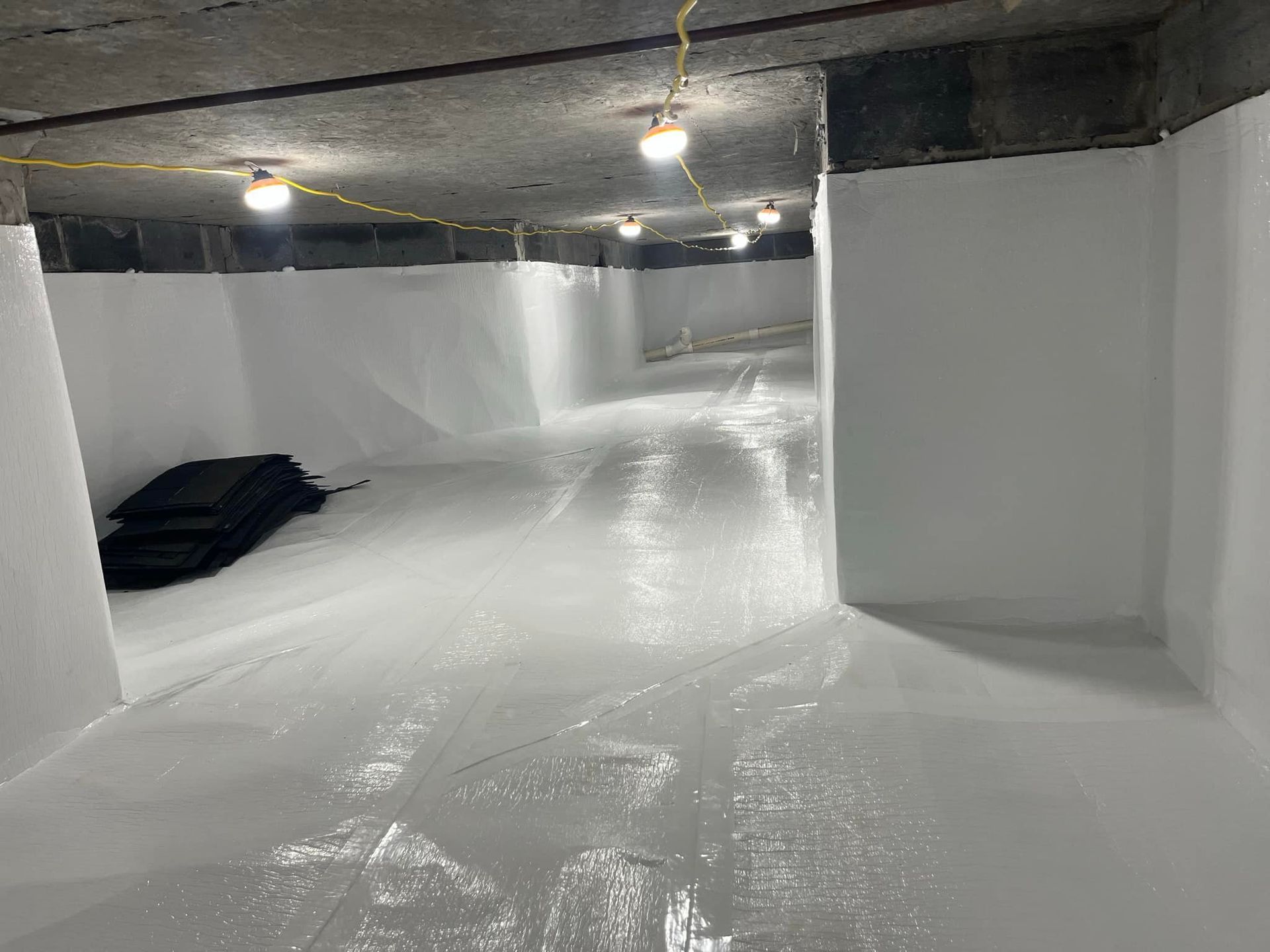
I was out in Knoxville yesterday looking at a crawl space, and I spotted something I see way too often: ductwork sitting directly on the dirt floor.
Most homeowners have no idea this is even happening under their house.
But this simple mistake is quietly destroying their HVAC system and shortening its lifespan by years.
The homeowner in this case got lucky - their crawl space was tall enough that I could see the problem clearly.
But in many homes, the space is so tight that nobody's checking what's going on down there until something goes wrong.
What Happens When Ductwork Sits on Dirt
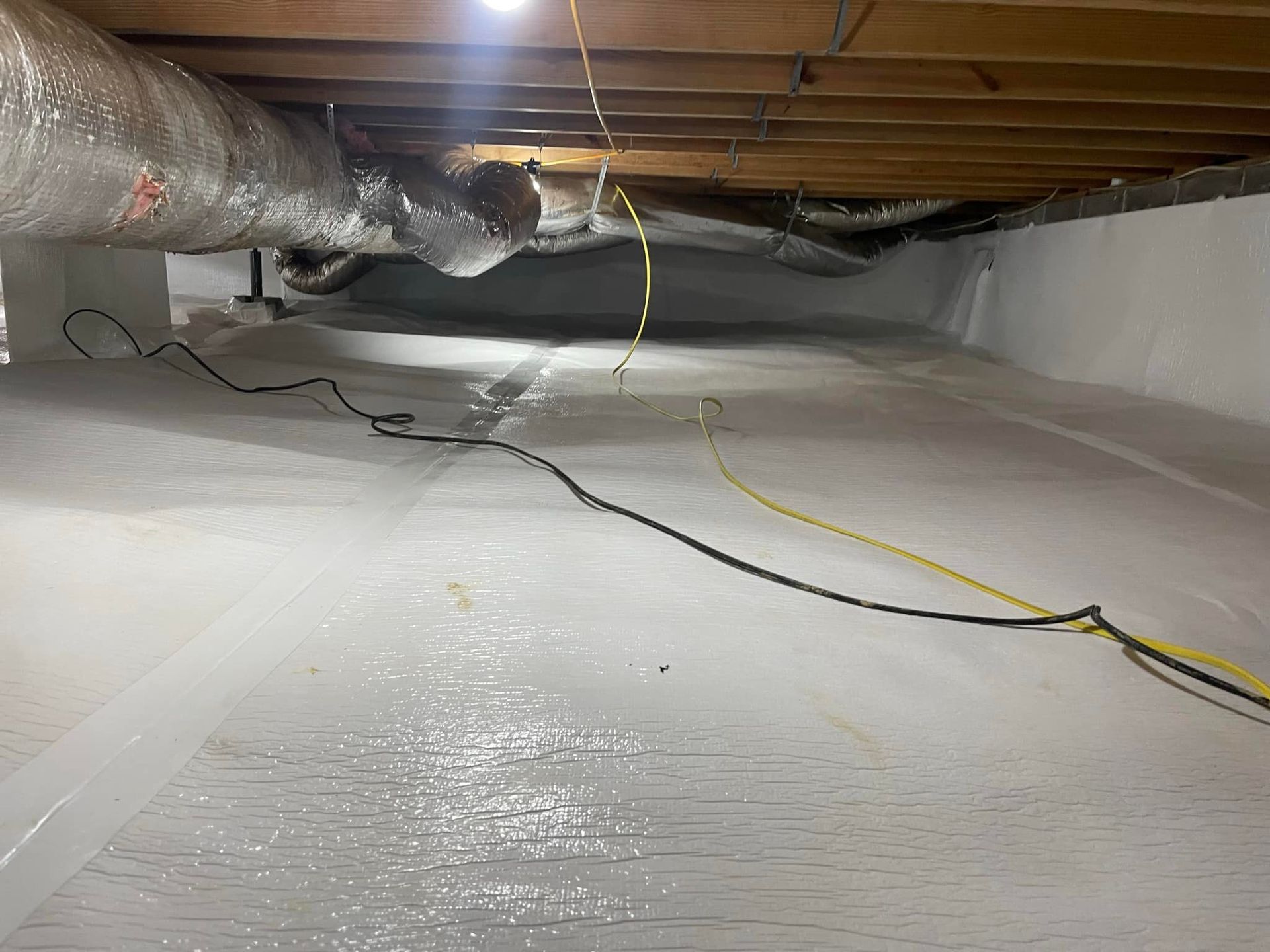
Here's the thing about ductwork in an unconditioned crawl space: it's going to sweat no matter what. That's just basic physics - warm air moving through cold ducts creates condensation.
But when you set that ductwork directly on the ground, you're creating a second problem that makes everything worse. Those ducts are now acting like a vapor barrier against the dirt floor.
All that moisture coming up from the earth has nowhere to go. It condenses directly onto your ductwork, trapped between the ground and the ducts above it. The result? Your ductwork deteriorates at a much faster rate than it should.
The joints start failing. The reflective aluminum insulation breaks down. What should last fifteen to twenty years might need replacement in half that time.
Why Builders Keep Making This Mistake
Look, I get it. When you're building a house, every decision comes down to time and money. Pinning ductwork to the subfloor takes extra effort and materials compared to just laying it on the ground.
But here's what happens: the builder finishes the job, passes inspection, and moves on to the next house. They're not the ones who'll be crawling under there in ten years when the ducts start failing.
Building codes focus on safety and basic functionality. They don't always account for long-term maintenance or durability. A house can pass inspection with ductwork on the ground - it just won't last as long as it should.
The difference between a good builder and a great one? Great builders think about the next twenty years, not just the next inspection..
The Right Way to Install Crawl Space Ductwork
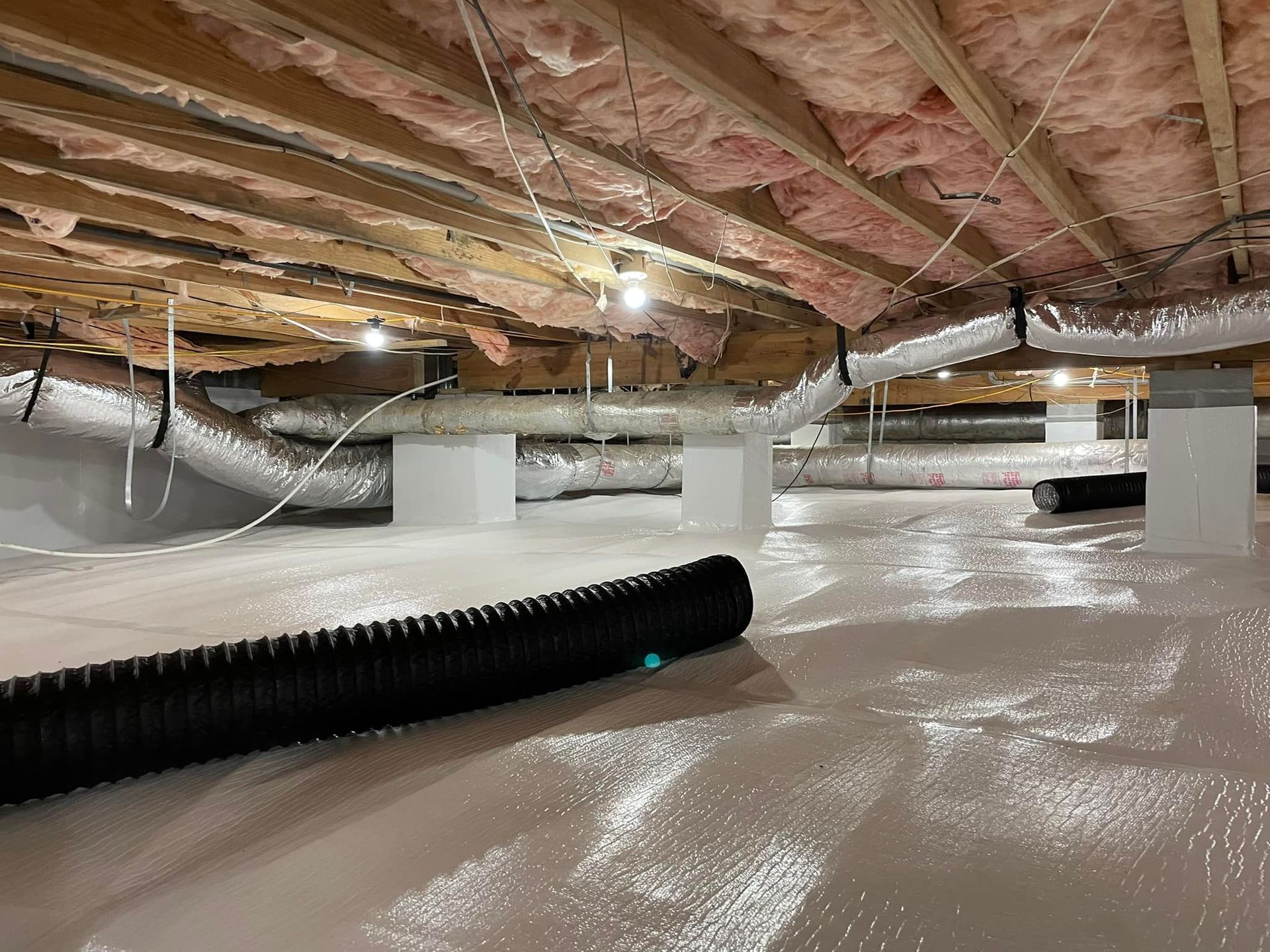
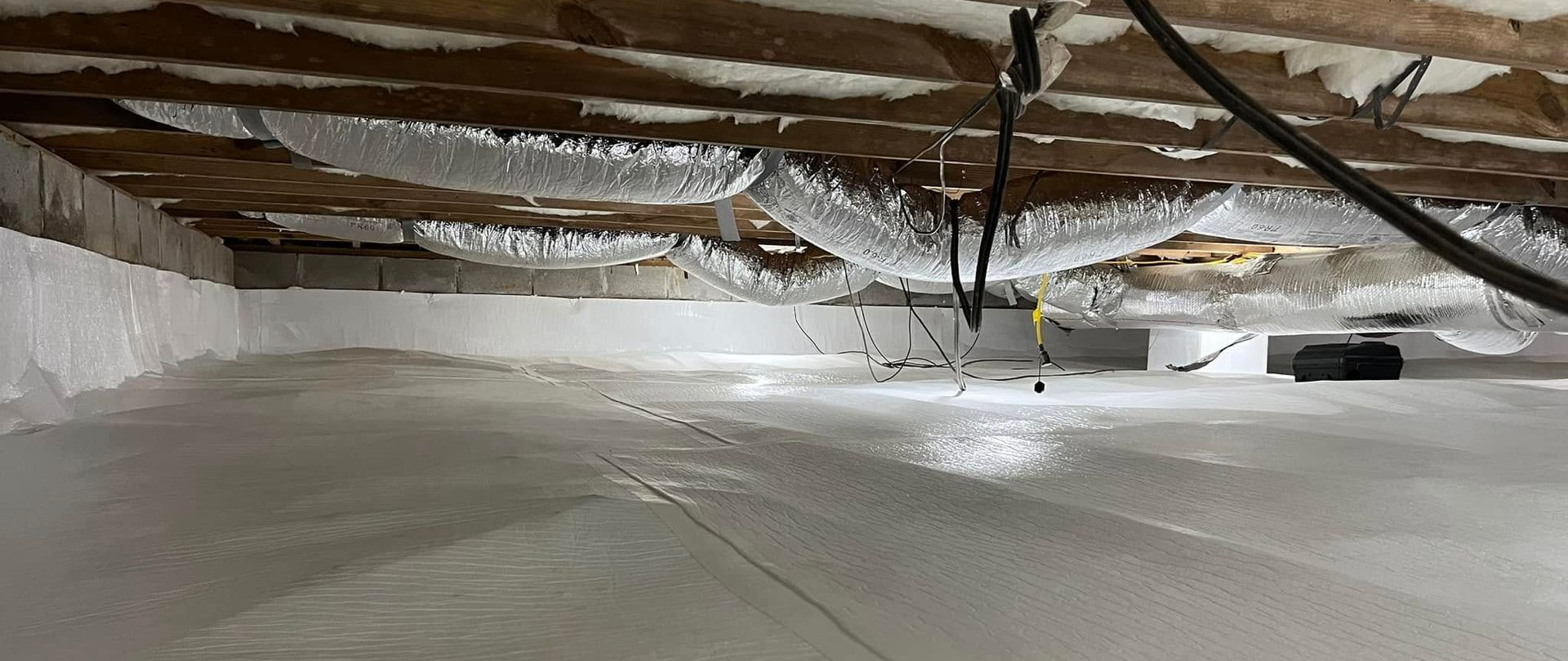
The solution is straightforward: pin your ductwork to the subfloor. Push it up against the floor joists and secure it properly.
This approach gives you several benefits. First, it keeps the ducts off the ground and away from all that moisture coming up from the earth. Second, it makes your crawl space easier to navigate for inspections and maintenance. Third, it dramatically extends the life of your HVAC system.
When ductwork is properly elevated, you can get underneath it to check for problems. You can service everything without fighting your way around obstacles. And most importantly, your ducts aren't sitting in a moisture trap that's working against them every single day.
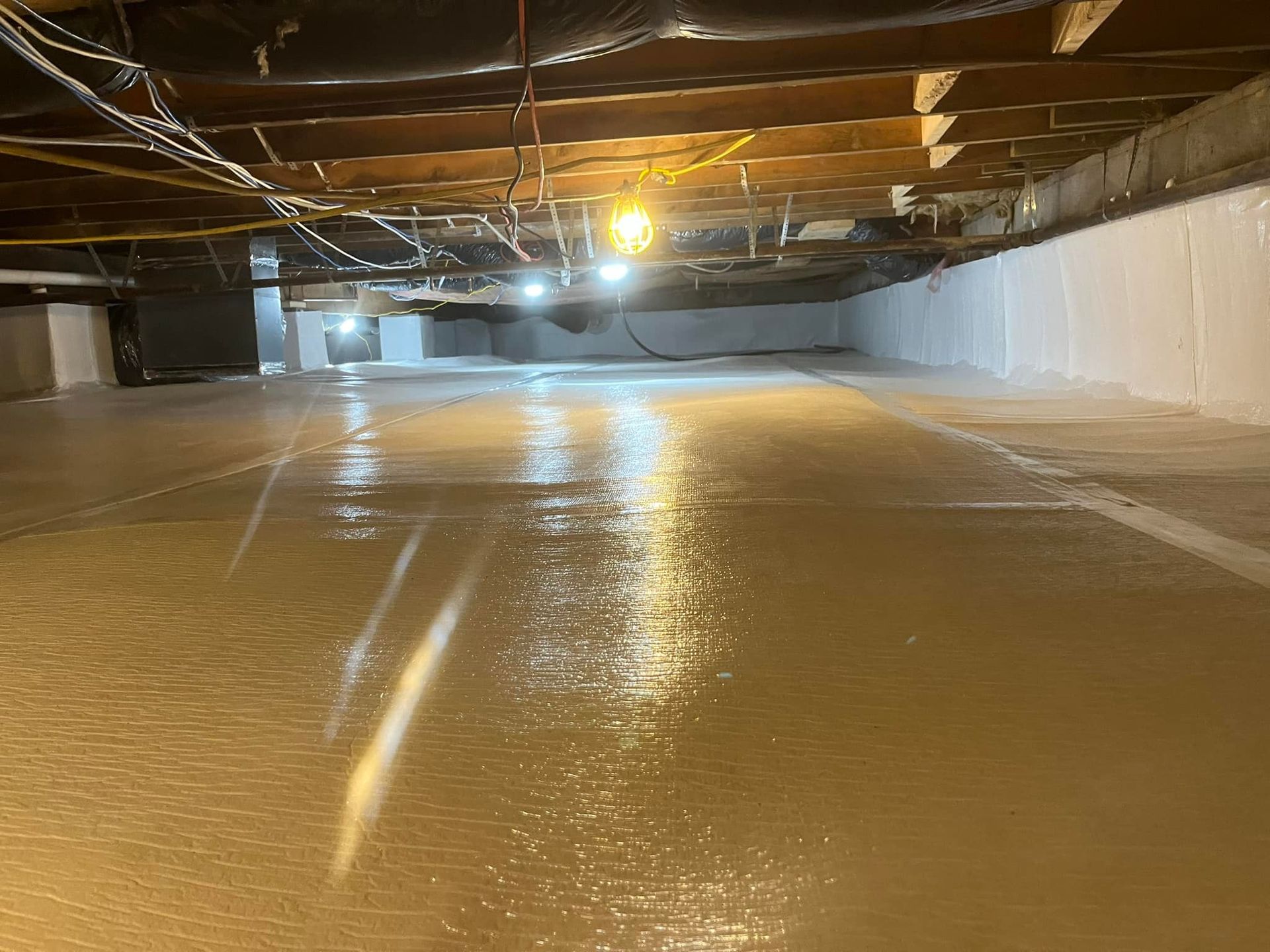
Of course, proper moisture control in your crawl space still matters. Even elevated ducts will eventually deteriorate if you're not dealing with the humidity. But at least you're giving your system a fighting chance.
Signs Your Ductwork Is Already Failing
You might not be crawling around in your crawl space regularly, but there are signs you can spot from inside your home that point to ductwork problems.
Check your energy bills. If they're creeping up without explanation, failing ductwork could be leaking conditioned air into your crawl space instead of your living space.
Pay attention to comfort issues. Rooms that are suddenly harder to heat or cool often indicate duct problems. If one bedroom is always too hot while another stays cold, your ducts might be losing efficiency.
Look at the ductwork itself if you can access it. Deteriorating joints and damaged insulation are clear signs that moisture is taking its toll. The reflective aluminum wrap should be intact, not peeling or falling apart.
Protect Your Investment Before It's Too Late
The good news is that ductwork problems don't happen overnight. You've got time to address issues before they turn into expensive emergencies.
Start with a professional crawl space inspection. We'll check your ductwork placement, look for signs of deterioration, and assess the moisture levels that might be causing problems.
If your ducts are sitting on the ground, we can talk about your options. Sometimes it makes sense to reposition existing ductwork. Other times, addressing the moisture issue first is the smarter move.
Don't wait until your HVAC system is struggling to keep up or your energy bills have doubled. A simple inspection now can save you thousands in premature duct replacement and wasted energy costs.