Why Your Encapsulated Crawl Space Still Needs Insulated Pipes
Save Money and Hot Water with One Simple Upgrade
A crawl space expert explains why pipe insulation matters even after encapsulation
I was out in Knoxville today, and a customer asked me something I hear all the time: "If I encapsulate my crawl space, do I still need to insulate my water lines?"
It's a great question. After all, you just invested in making your crawl space warmer and more controlled.
It makes sense to think that might be enough.
The short answer? Yes, you still need pipe insulation.
And here's why it matters more than you might think.
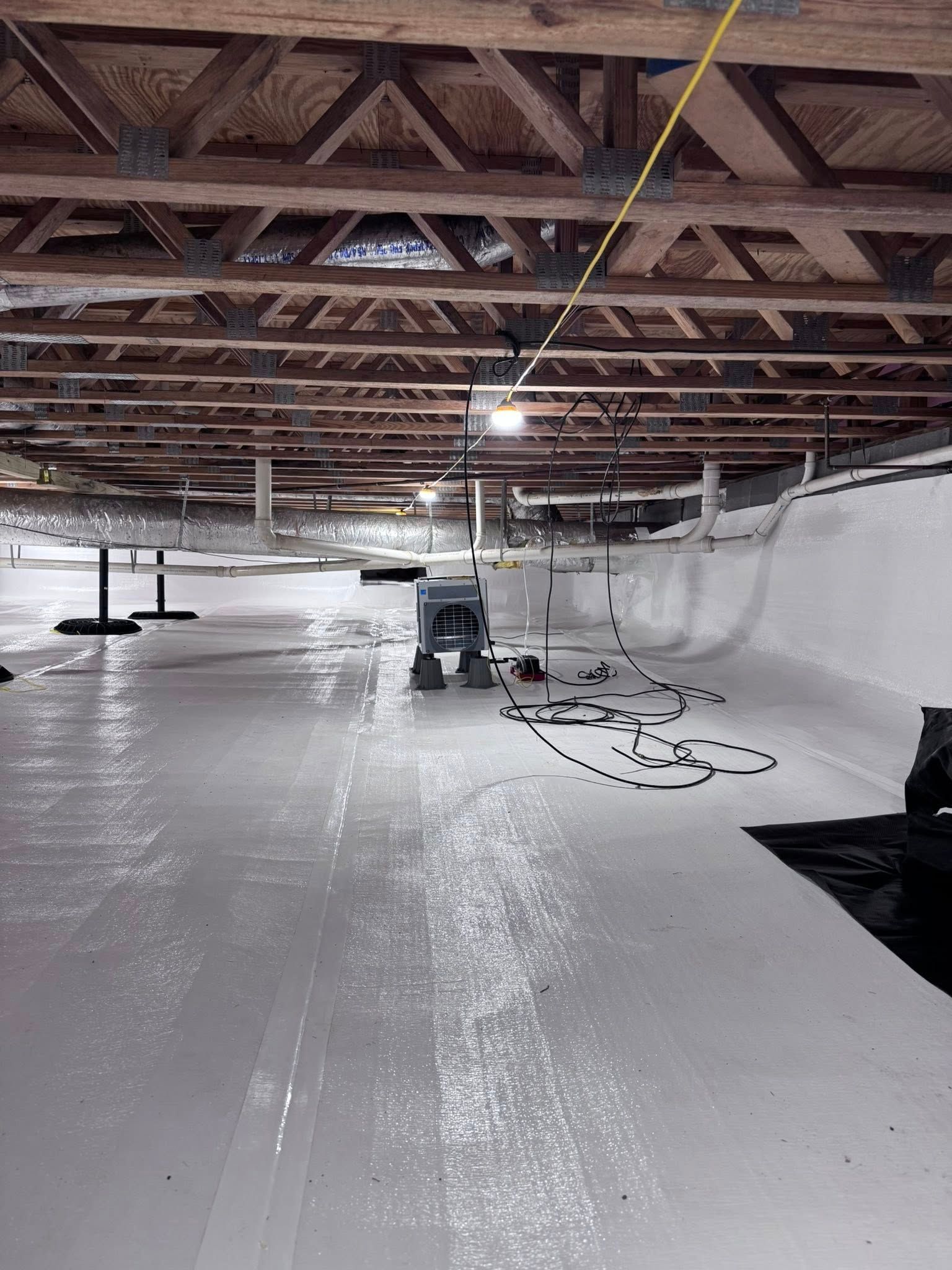
What Encapsulation Does (and Doesn't Do)
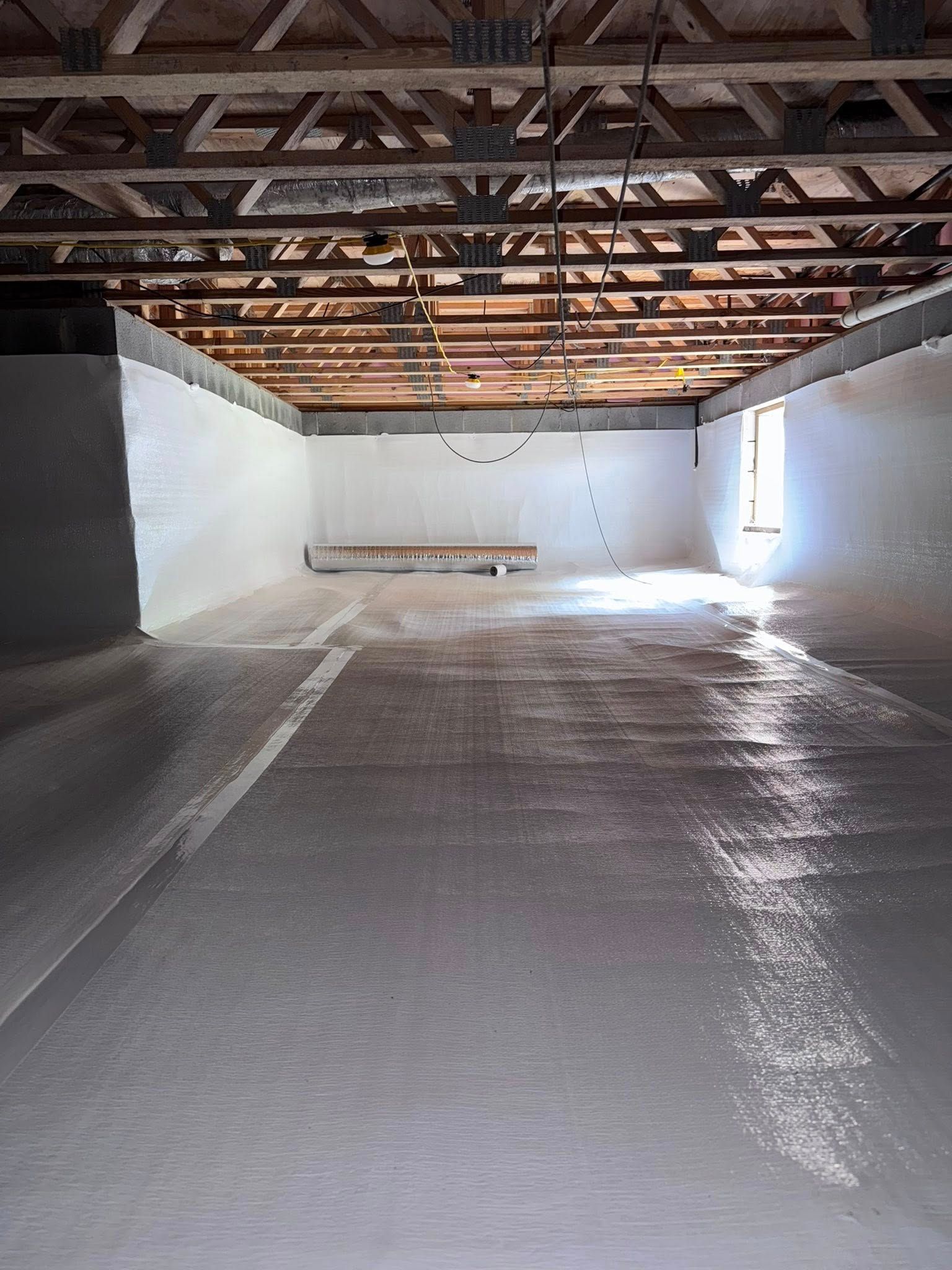
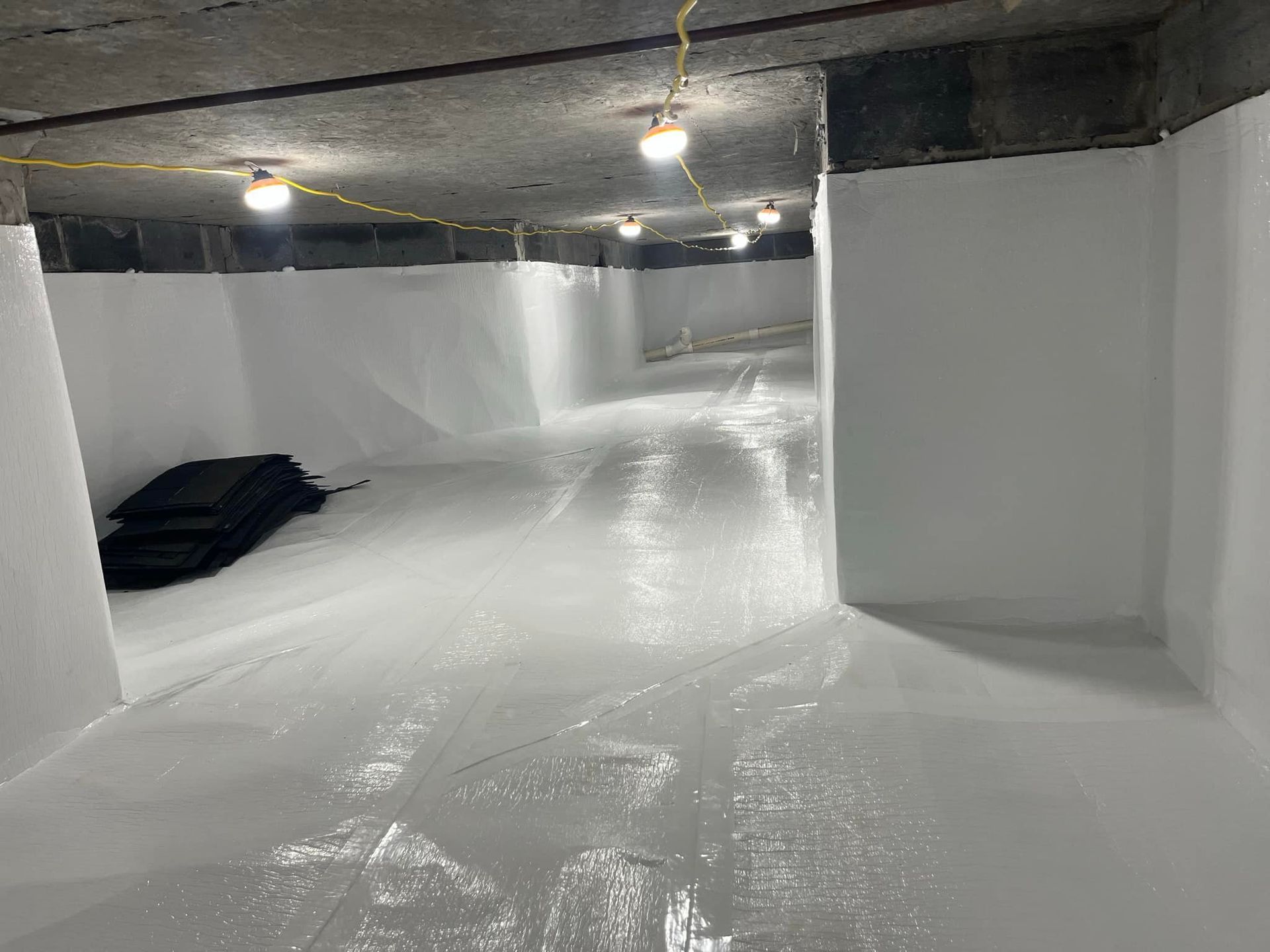
When you encapsulate your crawl space, you're creating a much better environment down there. It's going to be warmer in the winter, cooler in the summer, and a lot more stable year-round. That's exactly what you want.
But here's the thing - encapsulation makes your crawl space more efficient. It doesn't make it the same temperature as your living space. And it definitely doesn't keep your hot water hot as it travels through pipes.
Think about your water heater. It heats water to around 120 degrees. That water then has to travel through pipes - sometimes 30, 40, or 50 feet - to reach your shower or bathtub. Every inch of that journey, heat is escaping through the pipe walls.
Even in an encapsulated crawl space, that heat loss matters.
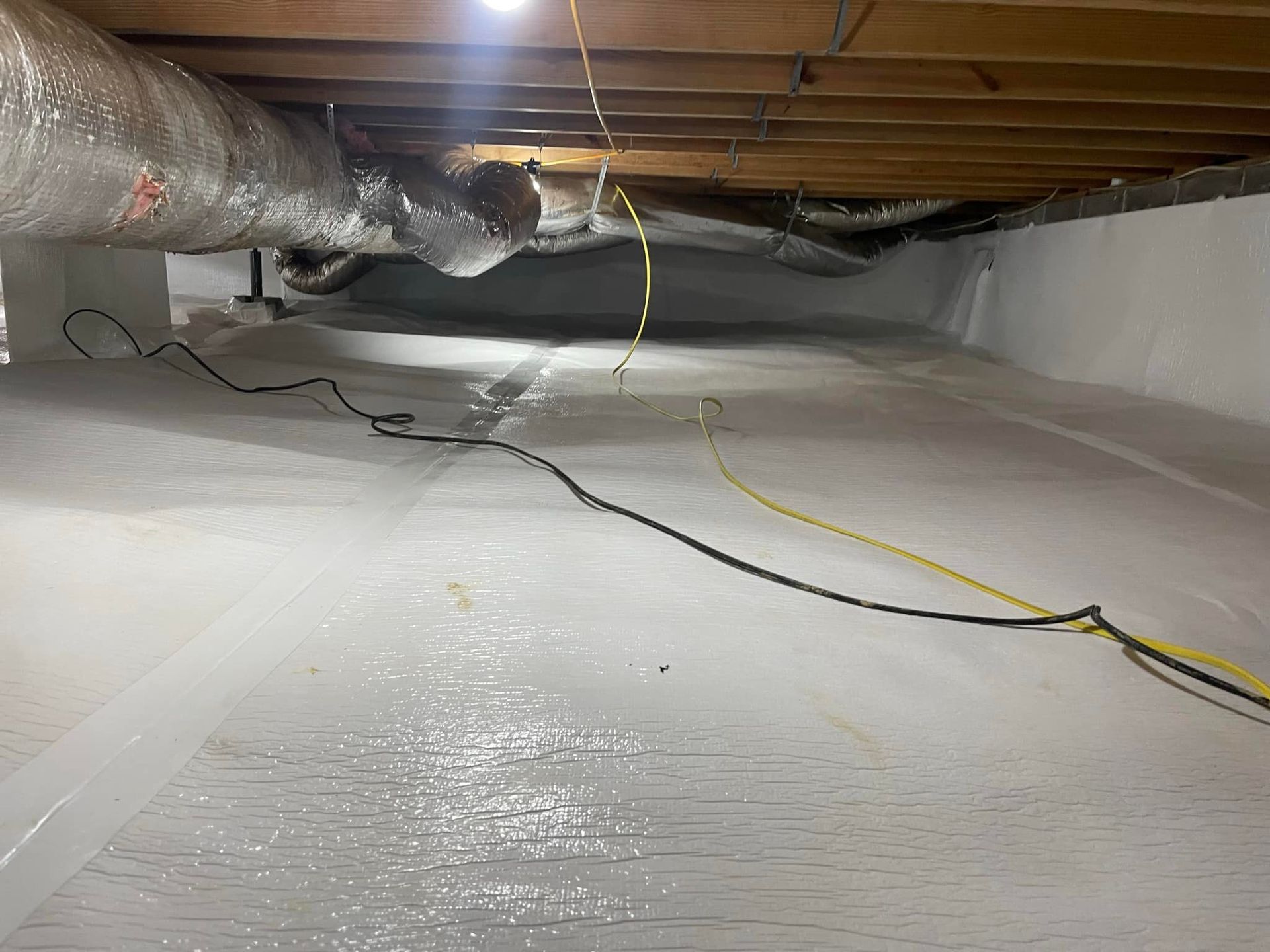
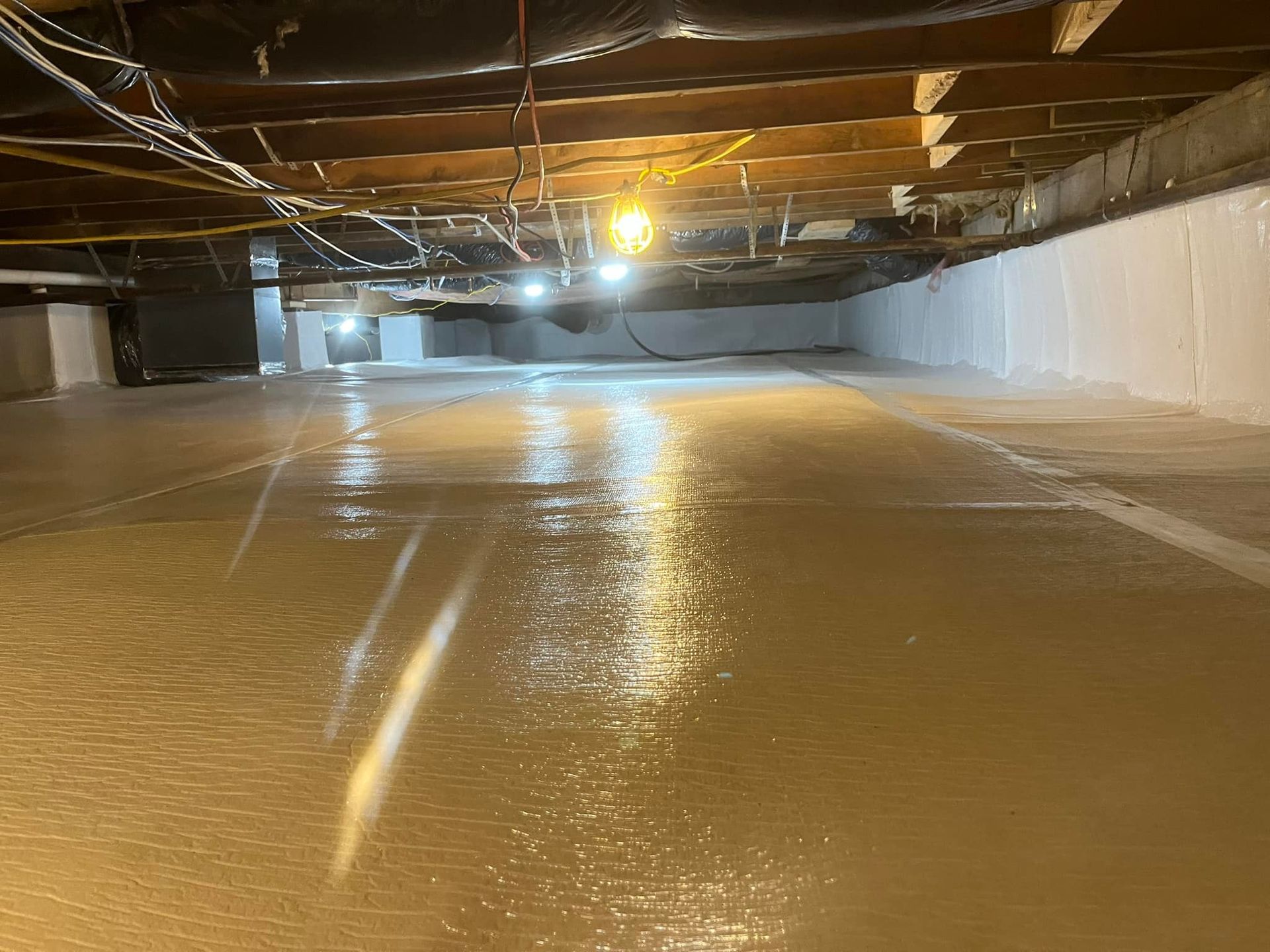
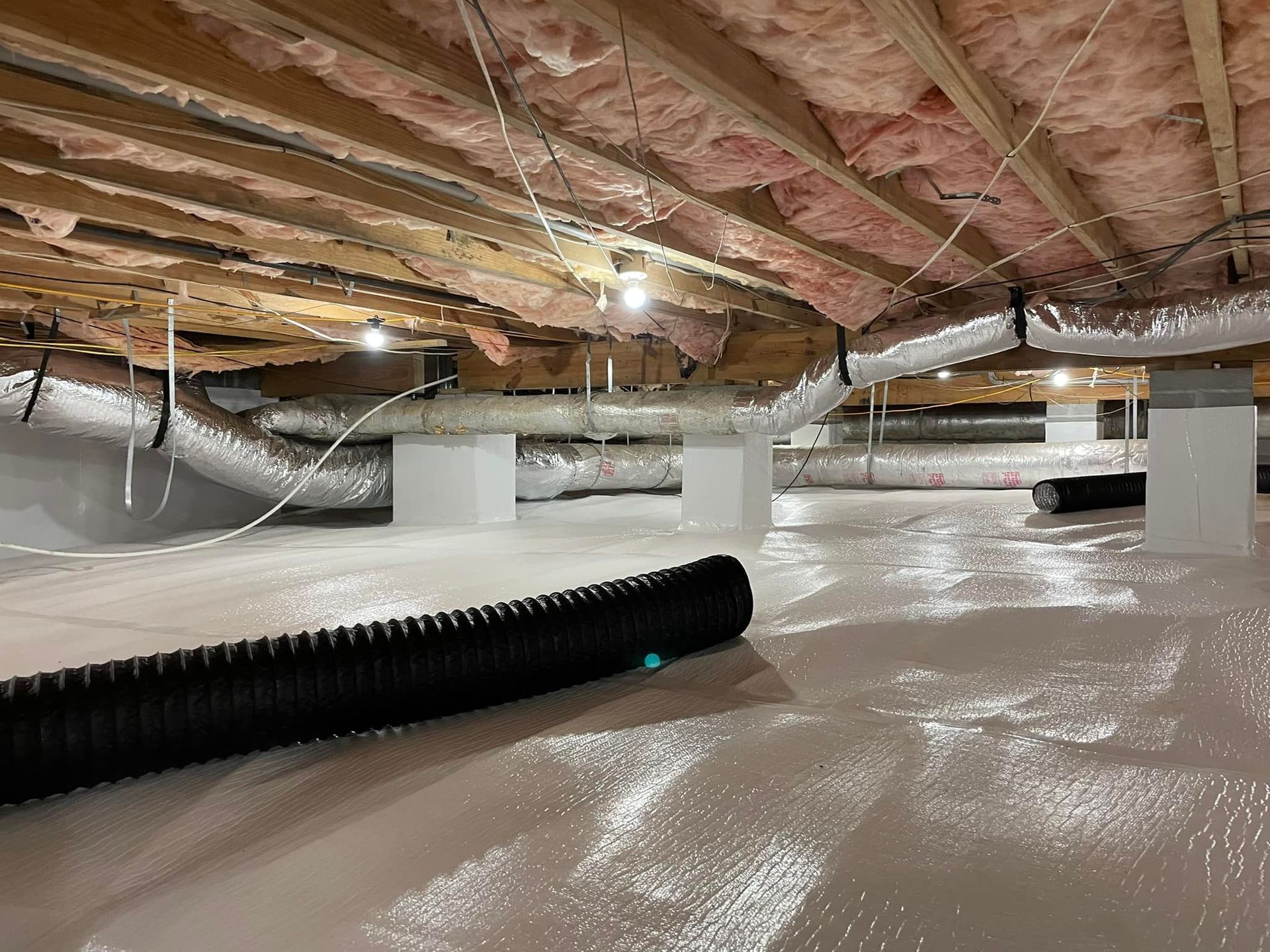
How Uninsulated Pipes Cost You Money
Here's what happens when your pipes aren't insulated: your water heater does its job and heats the water perfectly. But as that hot water travels to wherever you need it, it's losing heat the entire way.
By the time it reaches your faucet or showerhead, it's cooler than when it left the tank. So your water heater has to work harder and run longer to keep up with demand.
This is especially noticeable when you're filling a big bathtub. With uninsulated pipes, you might run out of hot water before the tub is full. With insulated pipes, that same water heater can deliver more hot water because less heat is being lost along the way.
The Science Behind Pipe Insulation
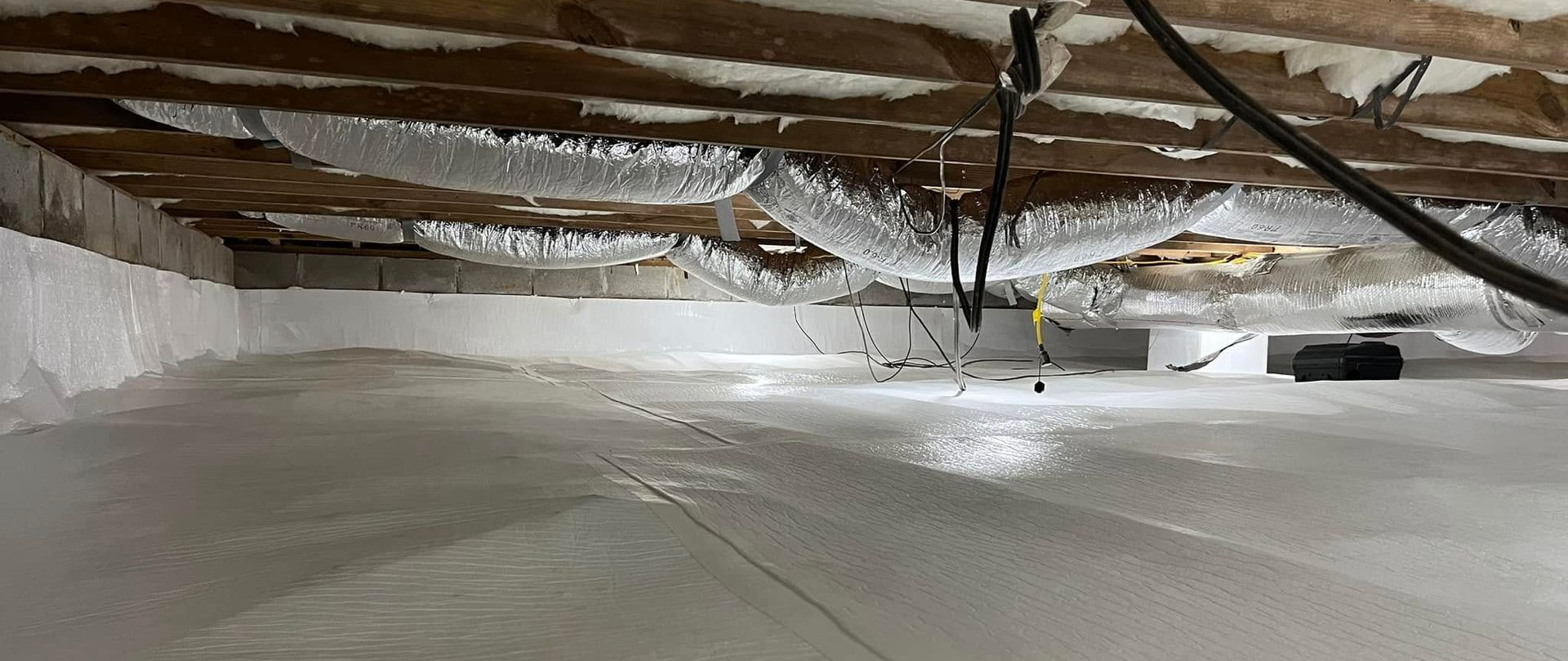
Pipe insulation works like a jacket for your water lines. It keeps the heat where it belongs - in the water.
When hot water leaves your water heater and travels through insulated pipes, it maintains its temperature much better. Less heat escapes, which means the water arriving at your tap is closer to the temperature it was when it left the tank.
This isn't just about comfort. It's about efficiency. When your water stays hot during the journey, your water heater doesn't have to work as hard. That means lower energy bills and a longer lifespan for your equipment.
The further water has to travel, the more insulation matters. If your water heater is on one side of the house and your master bathroom is on the other, every foot of insulated pipe is saving you money.
What Homeowners Need to Know
The good news is that pipe insulation is one of the simplest upgrades you can make. Focus on your hot water lines first - those are where you'll see the biggest benefit.
Cold water lines can benefit too, especially if you're concerned about condensation or want to prevent freezing in extreme conditions. But your hot water pipes are the priority.
If you're getting your crawl space encapsulated, it's the perfect time to add pipe insulation. The space is already being worked on, and you're maximizing your investment in one go.
Some homeowners can handle this themselves, but if you want it done right the first time, a professional can ensure every pipe is properly covered and you're getting the full efficiency benefit.
Get the Most from Your Crawl Space Investment
Look, if you're investing in crawl space encapsulation, you're already doing something smart for your home. You're creating a healthier, more efficient space that protects your investment.
Don't stop short of getting the full benefit. Adding pipe insulation is a small step that makes your entire system work better. Your water heater runs more efficiently, you get more hot water when you need it, and you save money every month on energy costs.
It all works together - the encapsulation keeps your crawl space stable, and the pipe insulation keeps your water hot where it matters.
If you're planning encapsulation or want to improve what you already have, let's talk about how to maximize your efficiency. We can assess your crawl space, recommend the right insulation approach, and make sure you're getting the most value from every upgrade.