The Hidden Gap That's Costing You Hundreds in Energy Bills
Why Your Crawl Space Encapsulation Might Not Be Working
A crawl space expert reveals the small detail that makes a big difference in your home's efficiency
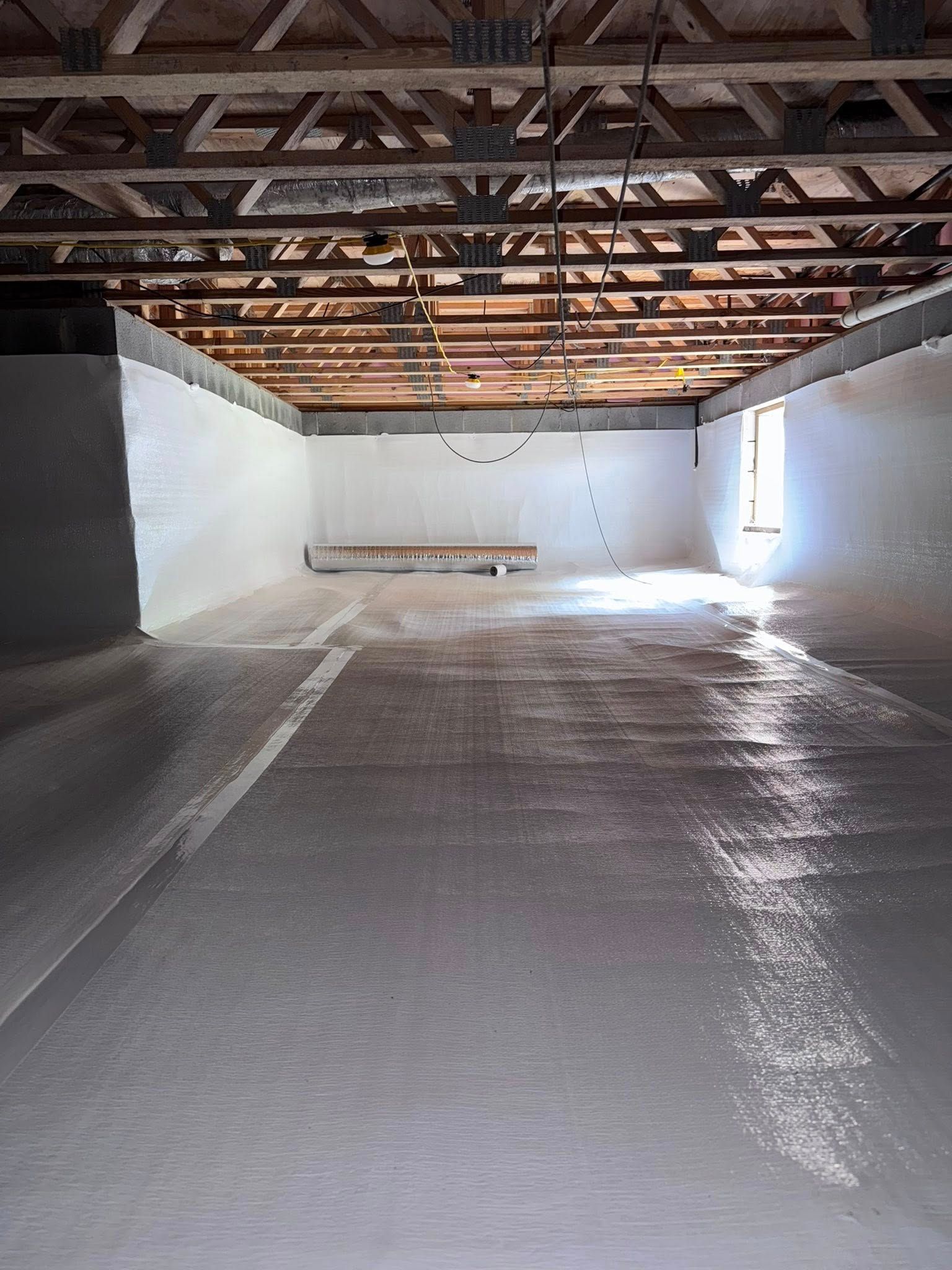
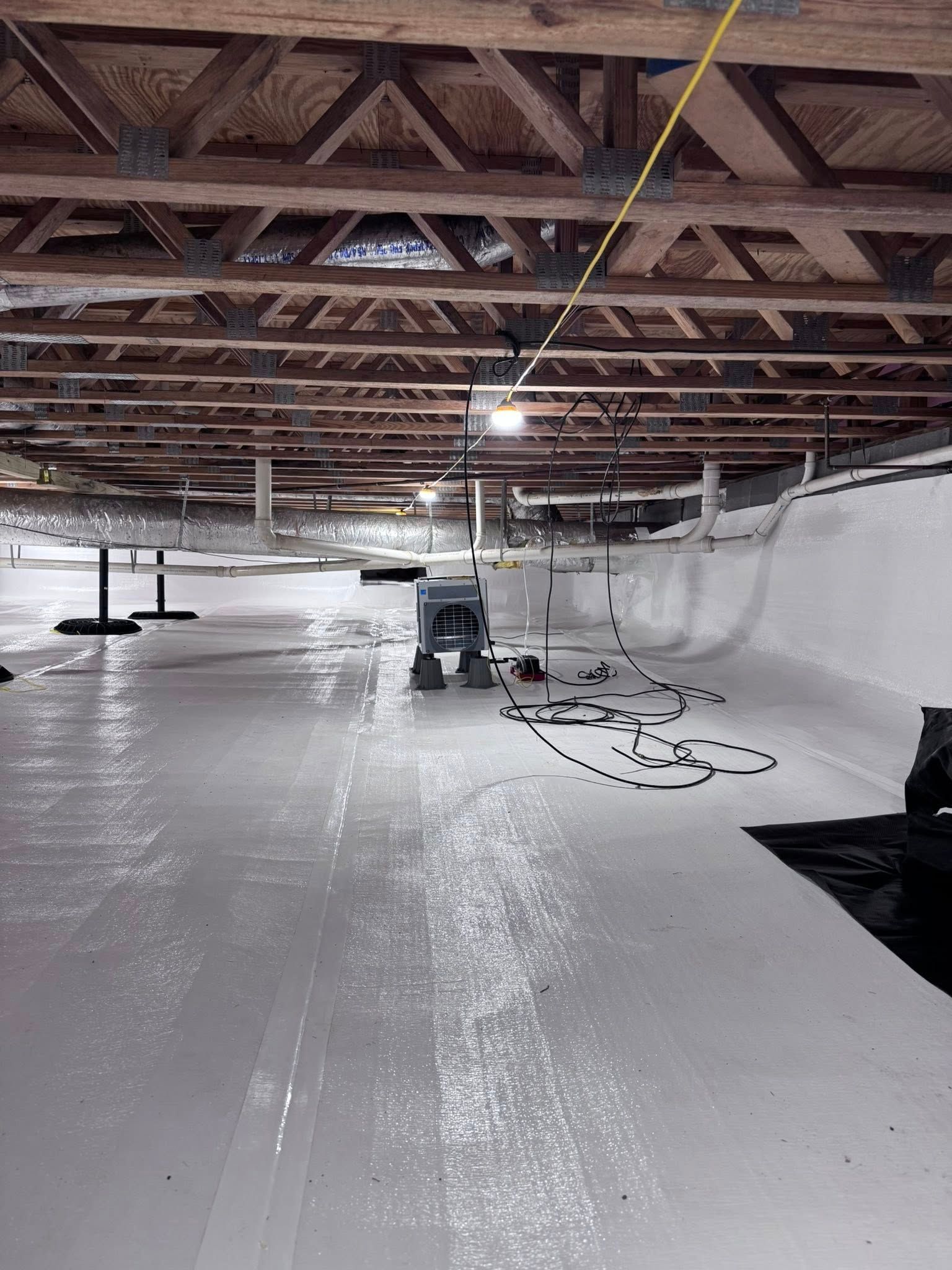
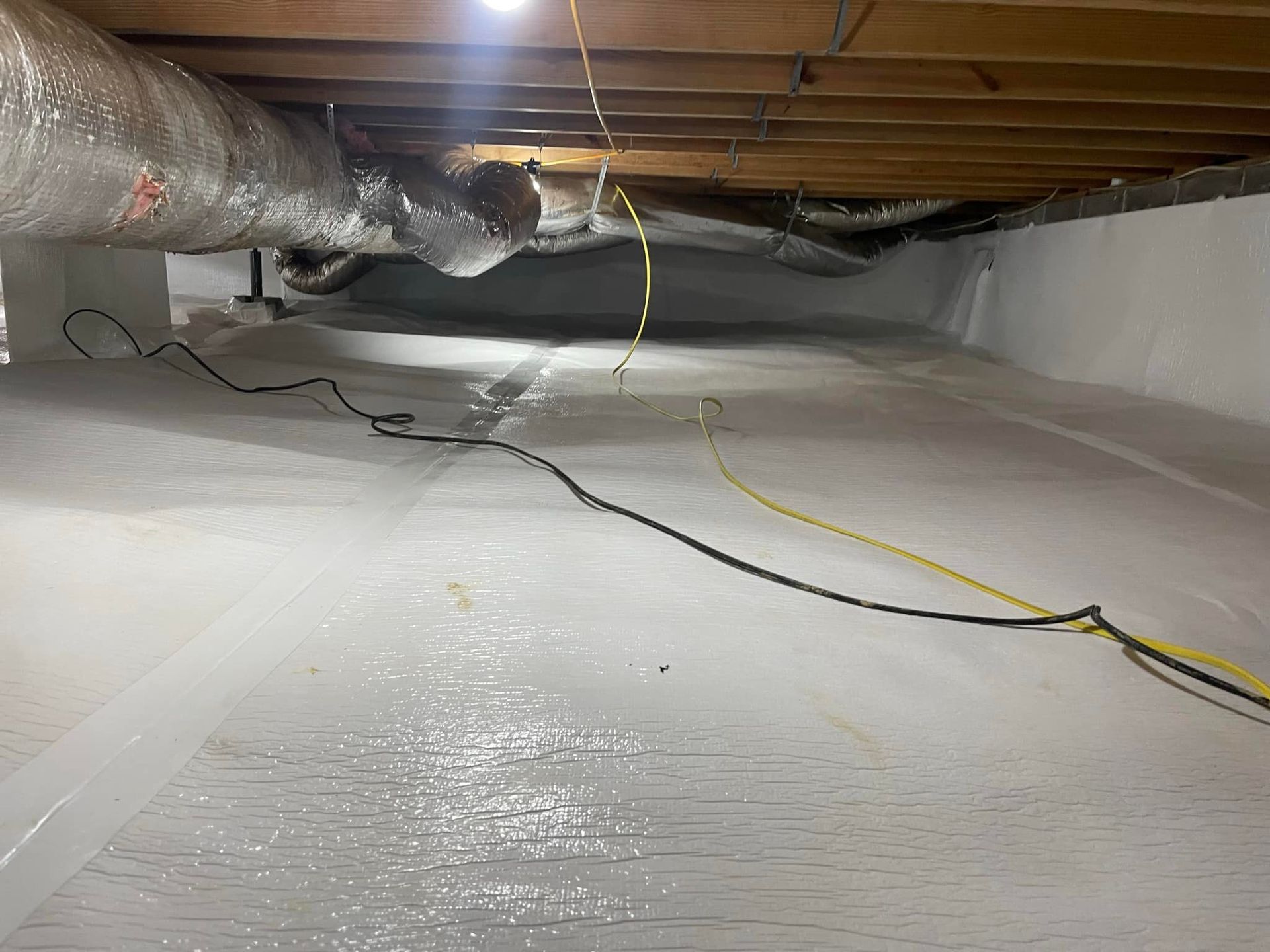
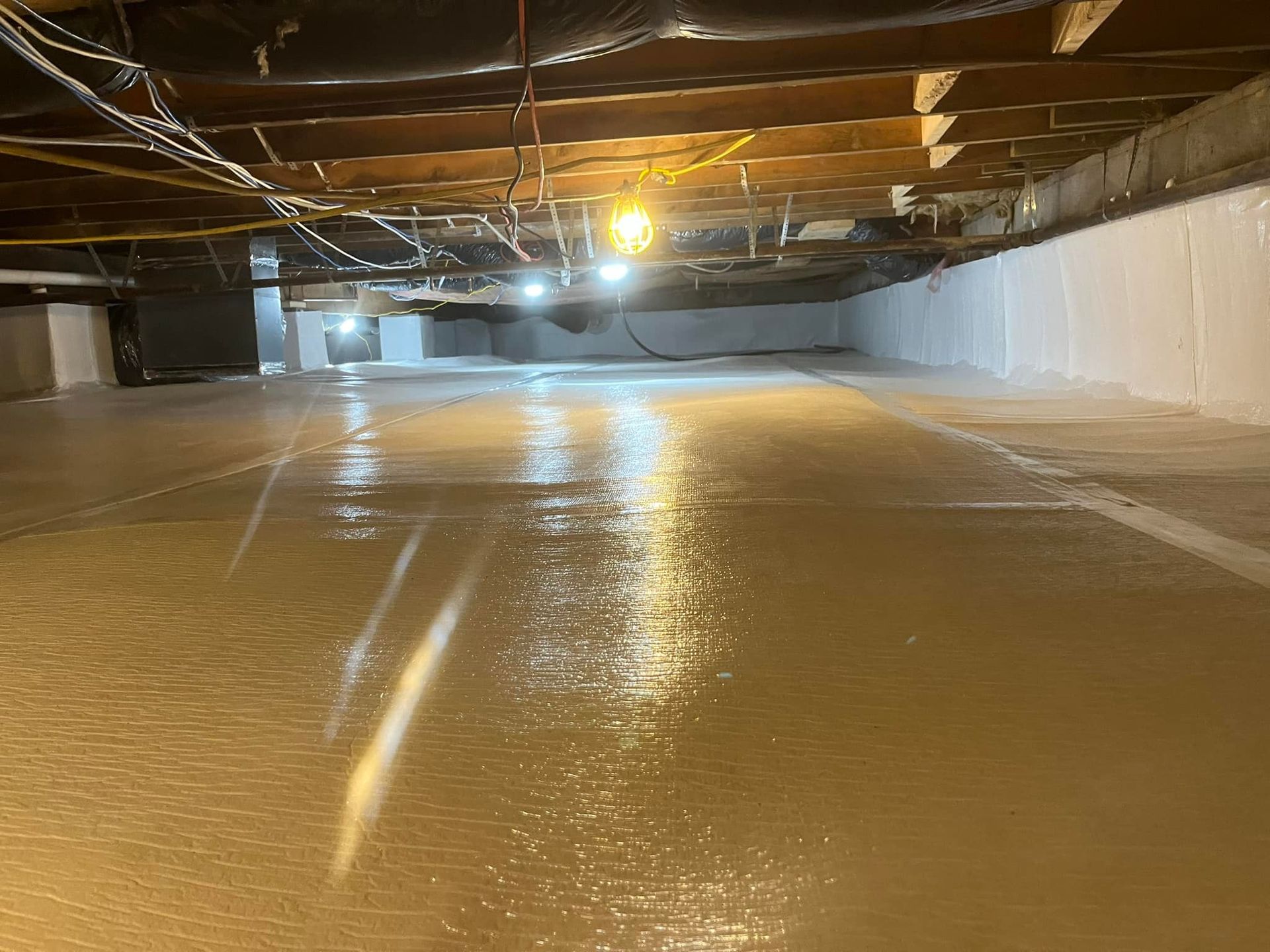
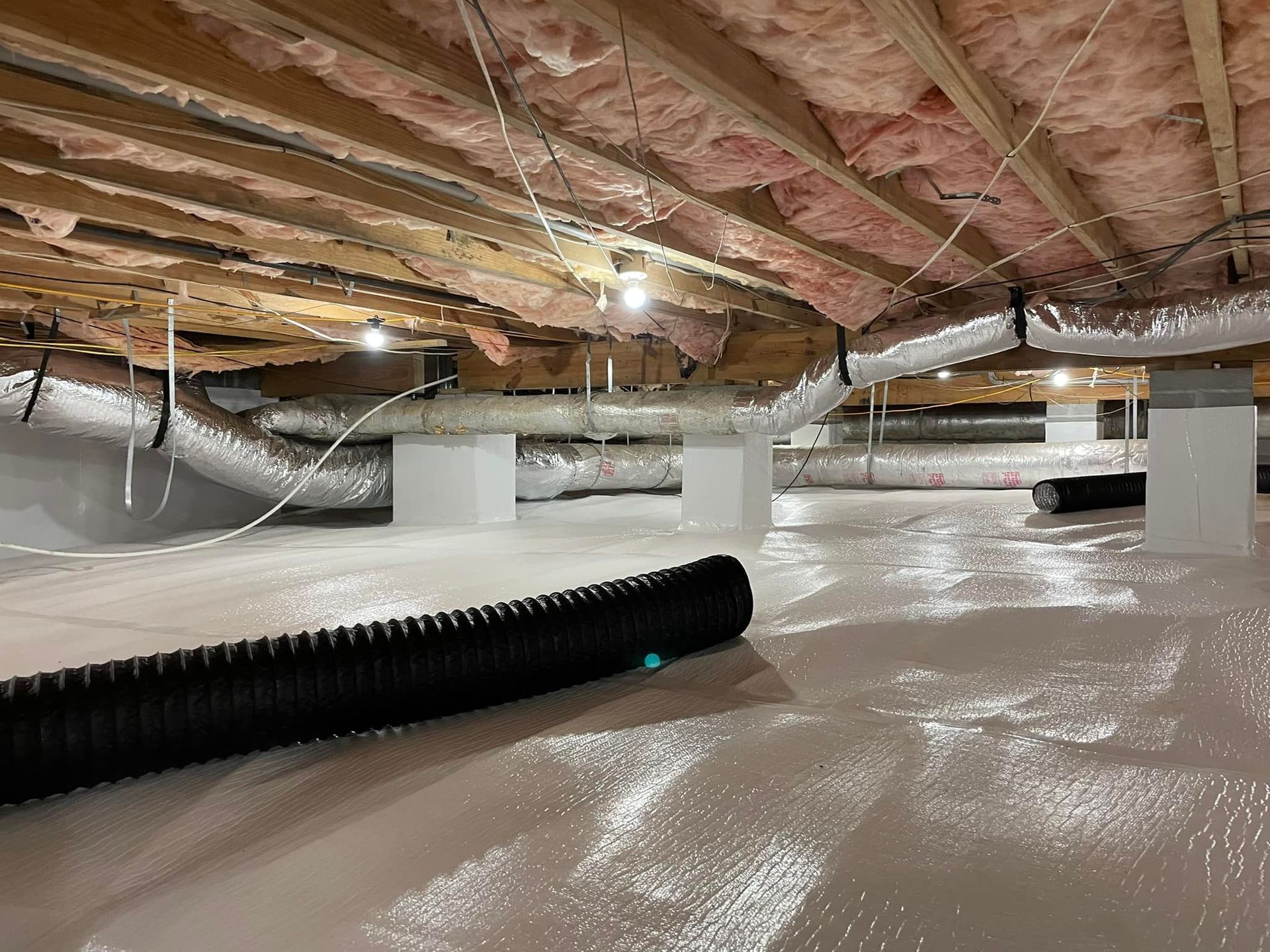
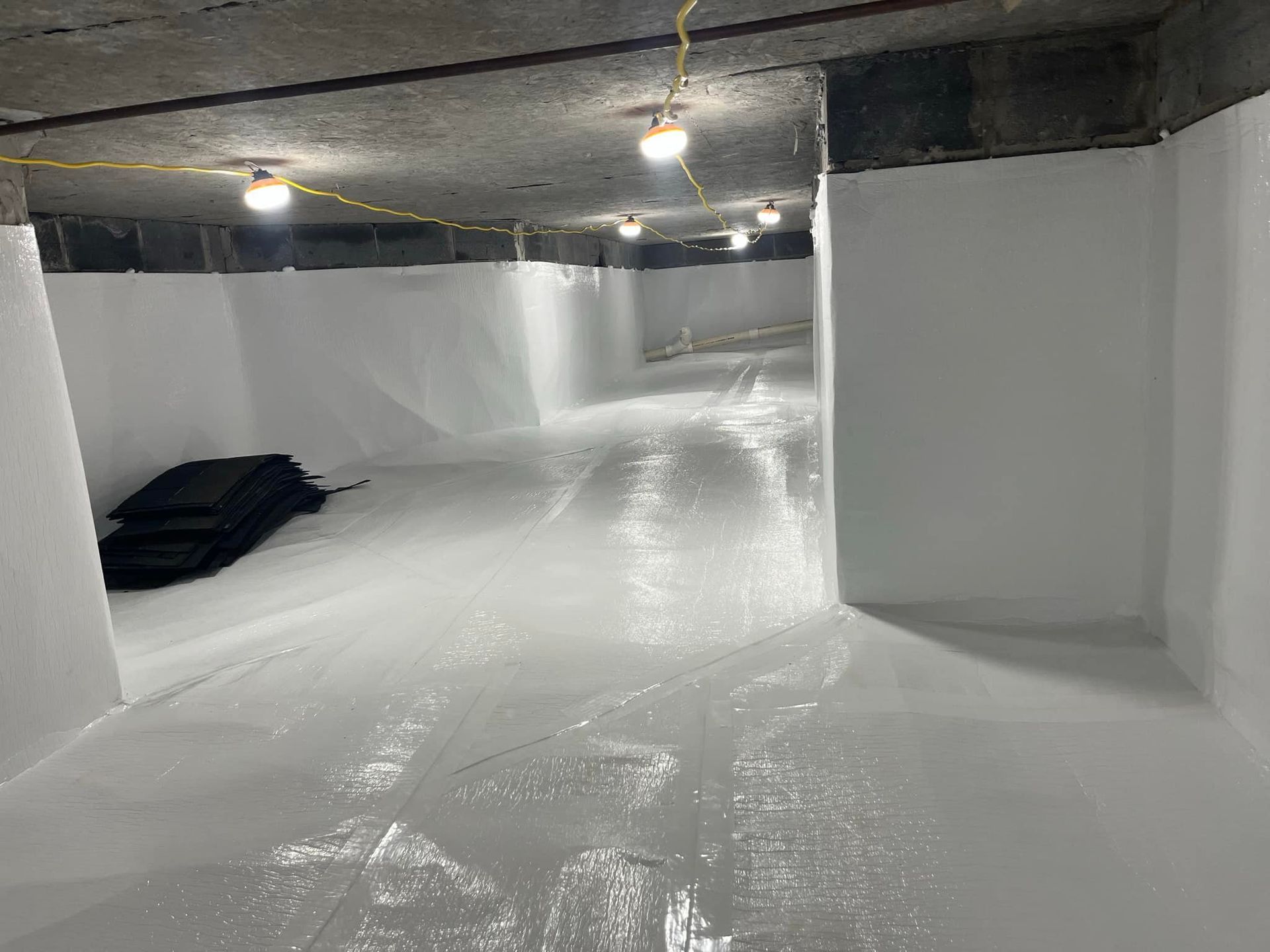
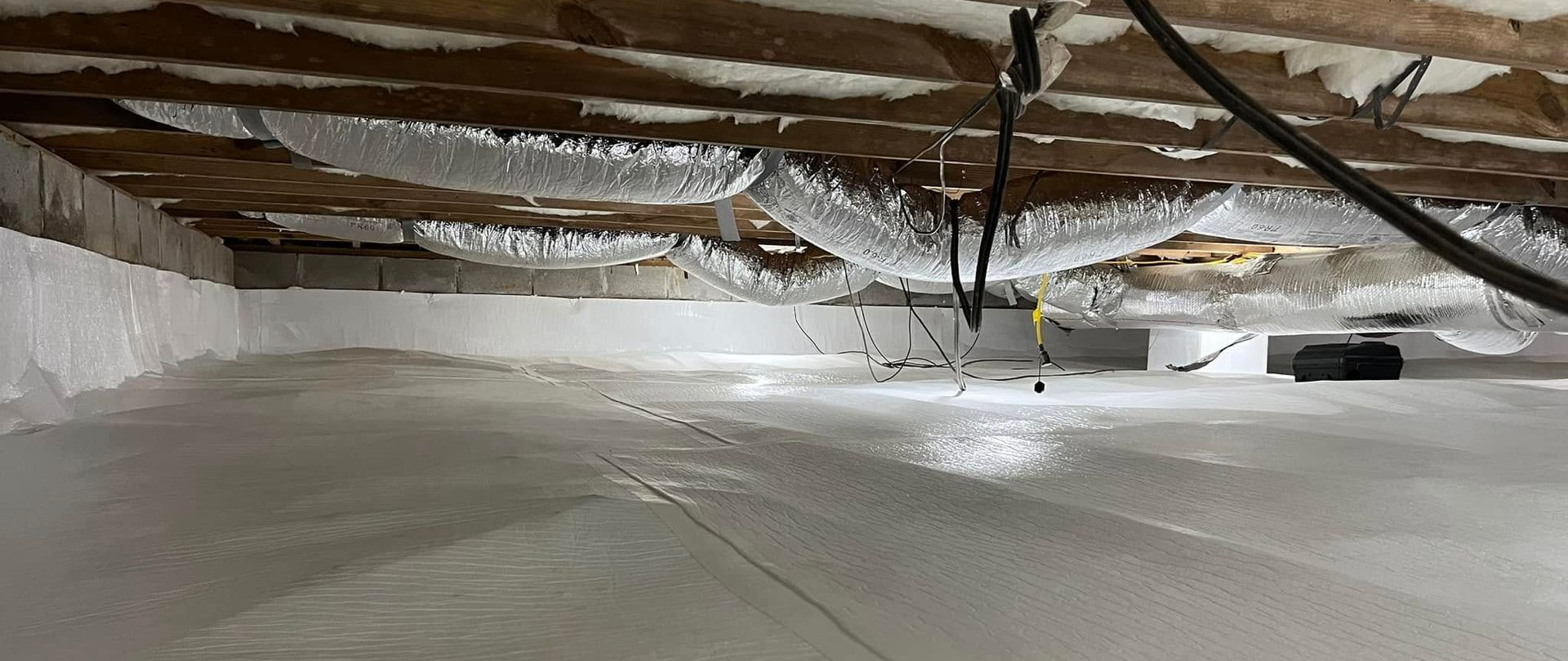
I was out in Knoxville recently inspecting a crawl space that had already been encapsulated by another company.
The homeowner couldn't figure out why their system wasn't controlling moisture like it should.
The encapsulation looked good at first glance - vapor barrier installed, dehumidifier running.
But something wasn't right.
Then I looked up at the sill plate.
There it was - a gap running around the entire perimeter of the house where the wooden sill plate sits on top of the foundation blocks.
No seal. No membrane. Just open air flowing in and out.
This is something I see all the time, and it's one of those details that can make or break your entire crawl space system.
What's Really Happening at Your Sill Plate
Your sill plate is the wooden board that connects your foundation to the rest of your house. It sits right on top of your foundation wall, and there's supposed to be some kind of sealant between that wood and the block underneath.
Why? Because without it, you've got a direct path for outside air to flow into your crawl space. That top block is often open or exposed, and even when it's flat, air moves right through that gap.
Now, you might be thinking - it's just a small crack, right? But when you add up that gap around your entire house perimeter, you're talking about a significant air leak. It's like leaving a window cracked open all year long.
Your Dehumidifier Is Working Overtime
Here's what happens when that sill plate isn't sealed: your dehumidifier is trying to control the humidity in a space that's constantly pulling in outside air. Hot, humid air in the summer. Cold, damp air in the winter.
Essentially, you're dehumidifying the neighborhood instead of just your crawl space.
Even though each individual gap might seem small, when you account for the full perimeter of the house, that air seepage adds up fast. Your dehumidifier runs constantly, your energy bills climb, and you never quite get the moisture control you paid for.
If you've already invested in a crawl space encapsulation and it's not performing the way you expected, this could be exactly why.
Why Most Companies Miss This
The truth is, a lot of crawl space companies either don't know to look for this issue or they skip it to save time. They focus on getting the vapor barrier down and the dehumidifier installed, but they miss the details that actually make the system work.
When I inspect crawl spaces that other companies have already encapsulated, unsealed sill plates are one of the most common problems I find. The encapsulation looks complete, but it's extremely inefficient because nobody addressed the air gaps.
This is what separates quality crawl space work from work that just looks good on the surface. The companies that understand building science know that every potential air leak matters. The ones that don't? They leave you with a system that never quite delivers.
Getting It Right From the Start
Proper sill plate sealing isn't complicated, but it has to be done. We use sealant between the sill plate and the foundation to close off that air gap completely. It's one of those details that doesn't look dramatic, but it makes all the difference in how well your system performs.
If you're building a new house, make sure your builder seals this from the start. It's much easier to do it right during construction than to fix it later.
If you already have an encapsulation system that's not working efficiently, check your sill plate. Look for gaps between the wood and the foundation. If you see daylight or feel air movement, that's your problem right there.
Stop Wasting Money on Outside Air
Look, if you've already paid for a crawl space encapsulation, you deserve a system that actually works. You shouldn't be paying to condition outside air that's leaking into your crawl space through gaps that should have been sealed from the start.
We offer thorough inspections of existing encapsulation systems to identify issues like unsealed sill plates. Whether you're getting a new system installed or trying to figure out why your current one isn't performing, we'll make sure the details are handled right.
Don't keep throwing money at energy bills when the fix might be simpler than you think. Let us take a look and show you exactly what's going on under your house.