When Do Foundation Cracks Need Helical Piers? A Real Example
Half-Inch Cracks and Falling Supports
WHAT I FOUND IN THIS FARRAGUT CRAWLSPACE
I got called out to a crawlspace in Farragut yesterday.
The homeowner was seeing cracks in his drywall upstairs.
Nothing terrible yet, but enough to make him wonder what was going on.
When I got down into the crawlspace, I found the answer pretty quick.
Half-inch cracks running down the foundation wall in a stair-step pattern.
All the way down to the footing on both sides. And someone had tried to "fix" it by propping up the house with four-by-fours. Most of them were literally falling over.
This is one of those situations where a homeowner paid for a fix that didn't actually fix anything.
Now the cracks are getting worse, the drywall damage is spreading, and he's going to have to pay again to do it right.
If you're dealing with foundation cracks or settlement in your house, you need to know when it's serious and when it's not.
More importantly, you need to know what actually works versus what just looks like a solution.
I'm going to walk you through what I found in this crawlspace, what it means, and when foundation issues need real structural repair like helical piers.
What I Found in This Crawlspace
Let me break down what was going on under this house.
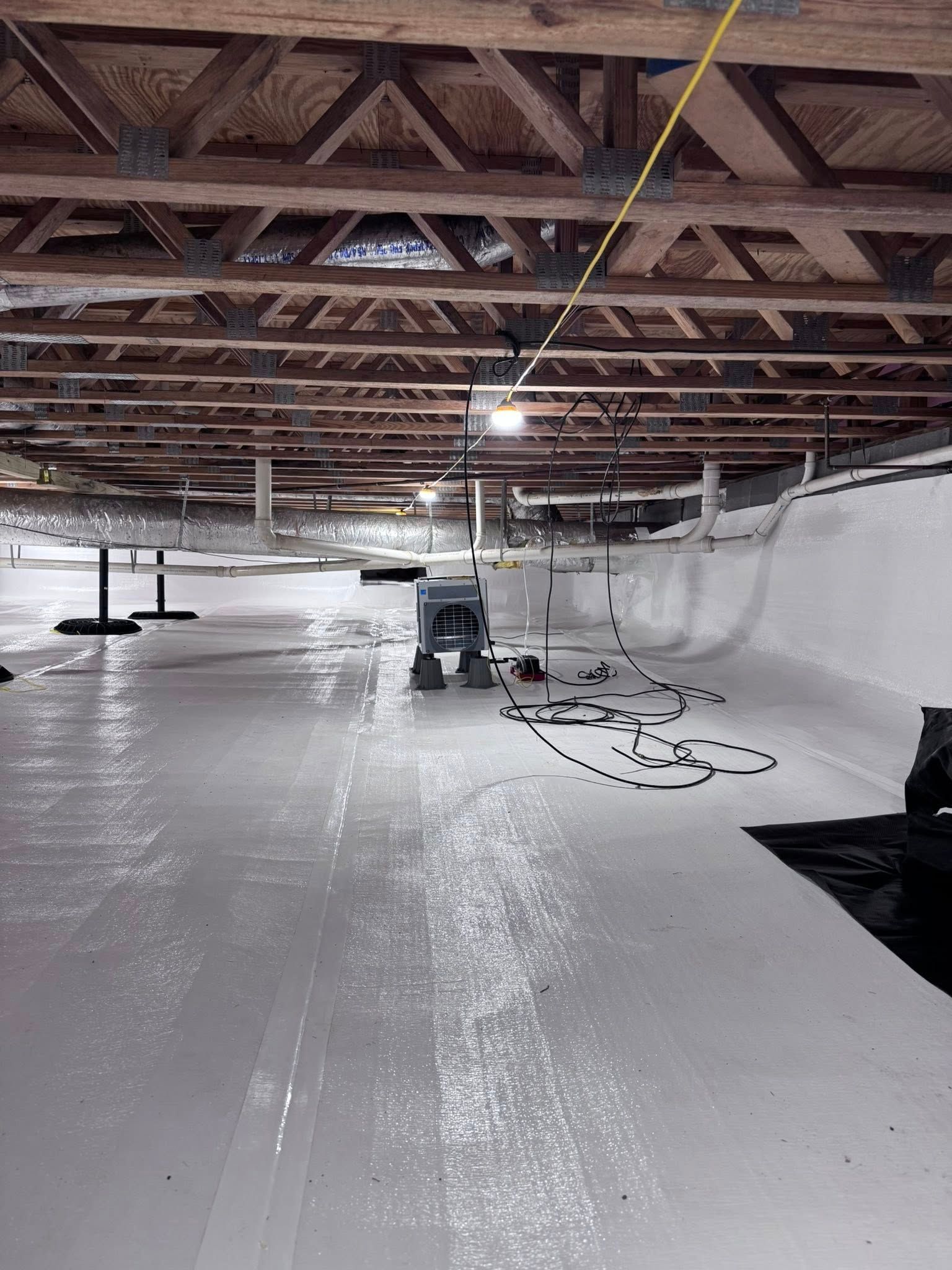
Major cracking on the foundation wall. We're talking half-inch separation, stair-stepping down both sides of the wall. These cracks ran all the way to the footing. That tells me this isn't just surface cracking - the foundation is actually settling.
Drywall damage upstairs. The homeowner was seeing cracks in his walls inside the house. That's the settlement showing up in the living space. When your foundation moves, everything above it moves too.
Fungal growth. There was moisture in the crawlspace and visible fungal growth on the wood. That's a separate issue, but it needs to be addressed.
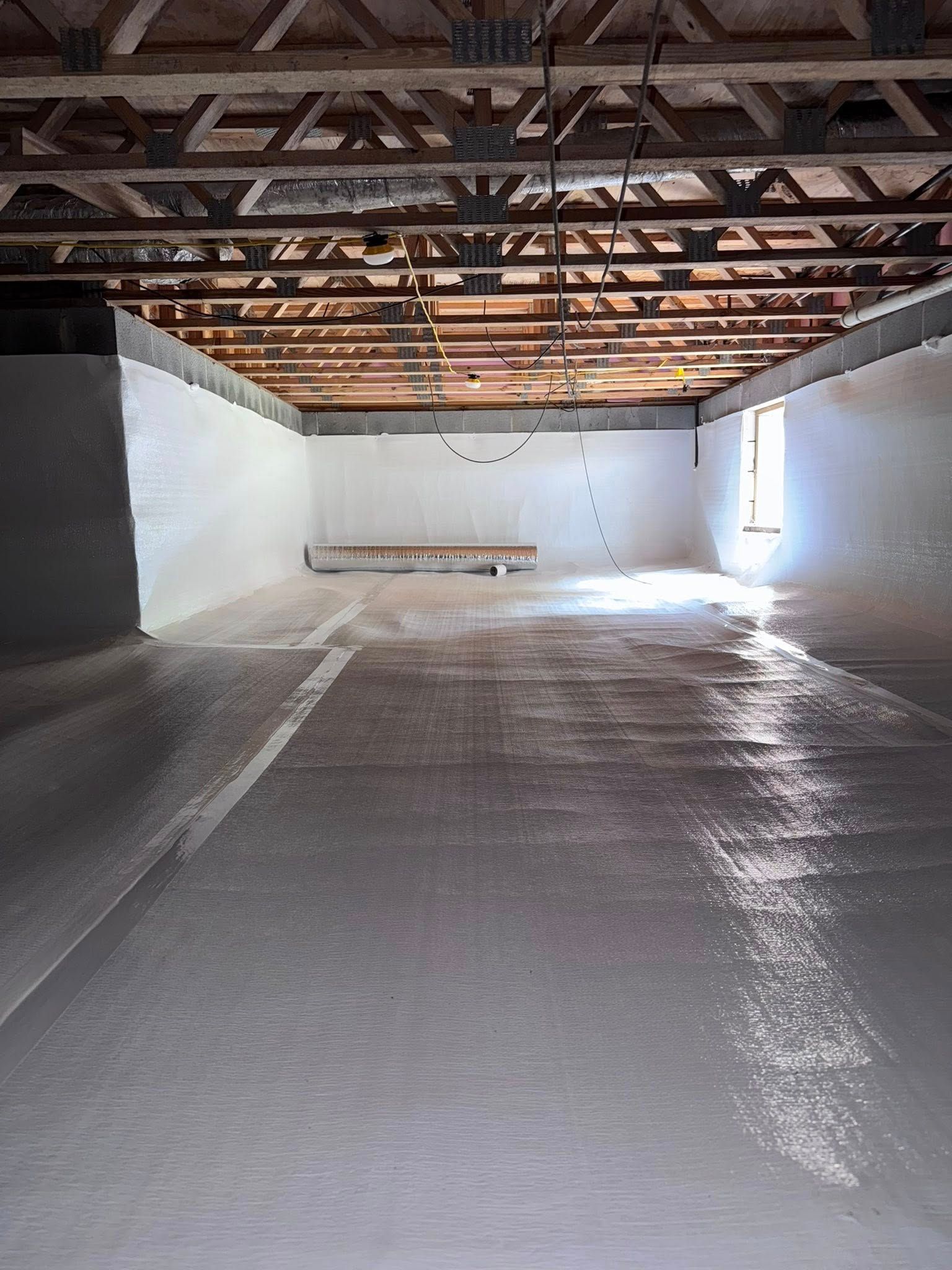
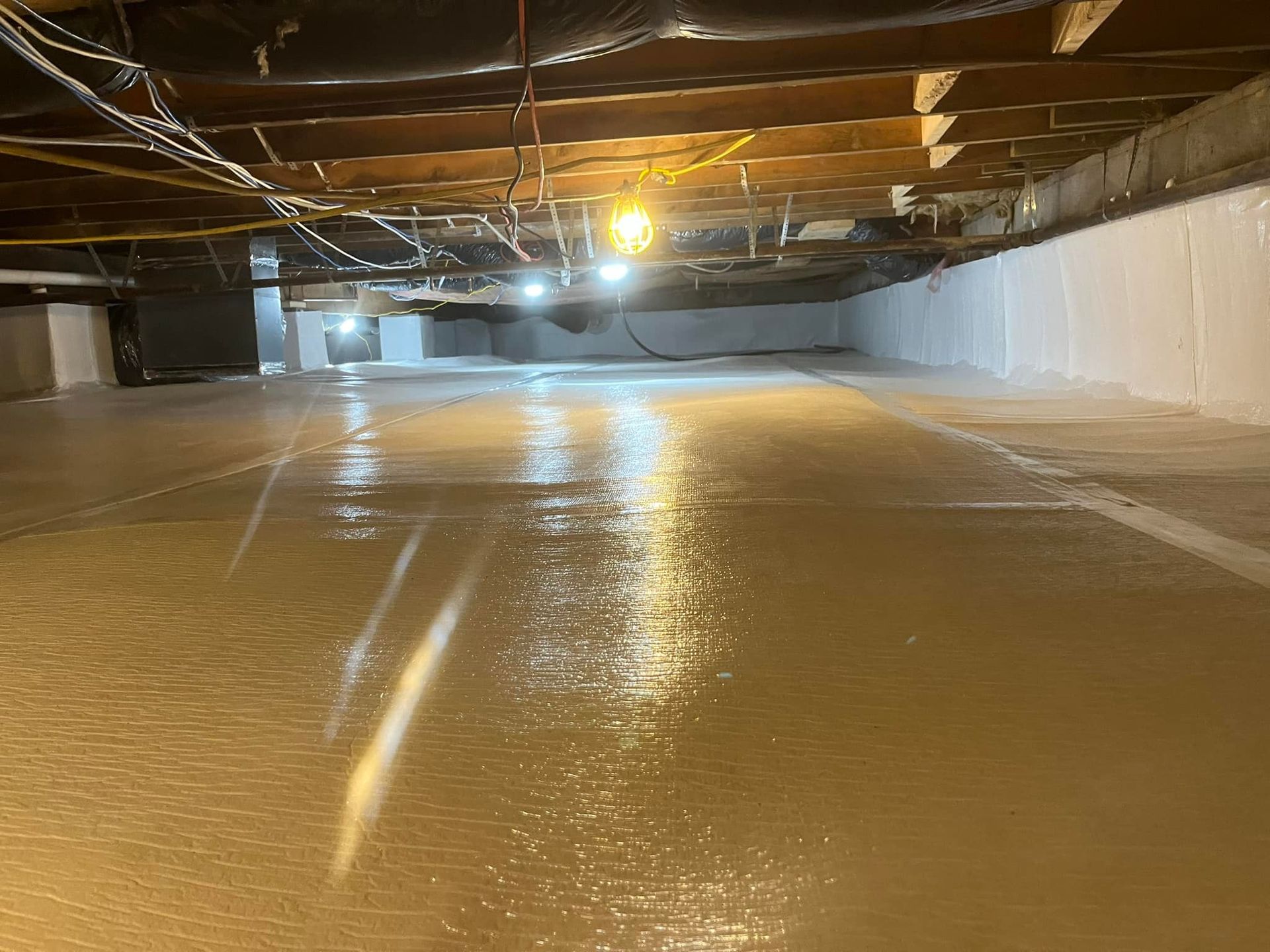
Previous work that didn't help. A competitor of mine had already been out here. They put in a sump pump and threw down a vapor barrier. The sump pump was fine. But the vapor barrier was just overlapped in little three-foot sections for some reason. And none of that addressed the foundation problem.
Four-by-fours falling over. This is what really got me. Someone had tried to support the foundation with four-by-fours. No proper footings. No engineering. Just wood posts propped under the house. Half of them were already tipping over because they were never installed correctly.
When you've got stair-step cracks going to the footing and movement showing up upstairs, you're dealing with real settlement. That needs to be stabilized with engineered solutions - helical piers or push piers. You can't just stick some lumber under there and hope it holds.
Understanding Foundation Cracks: When to Worry
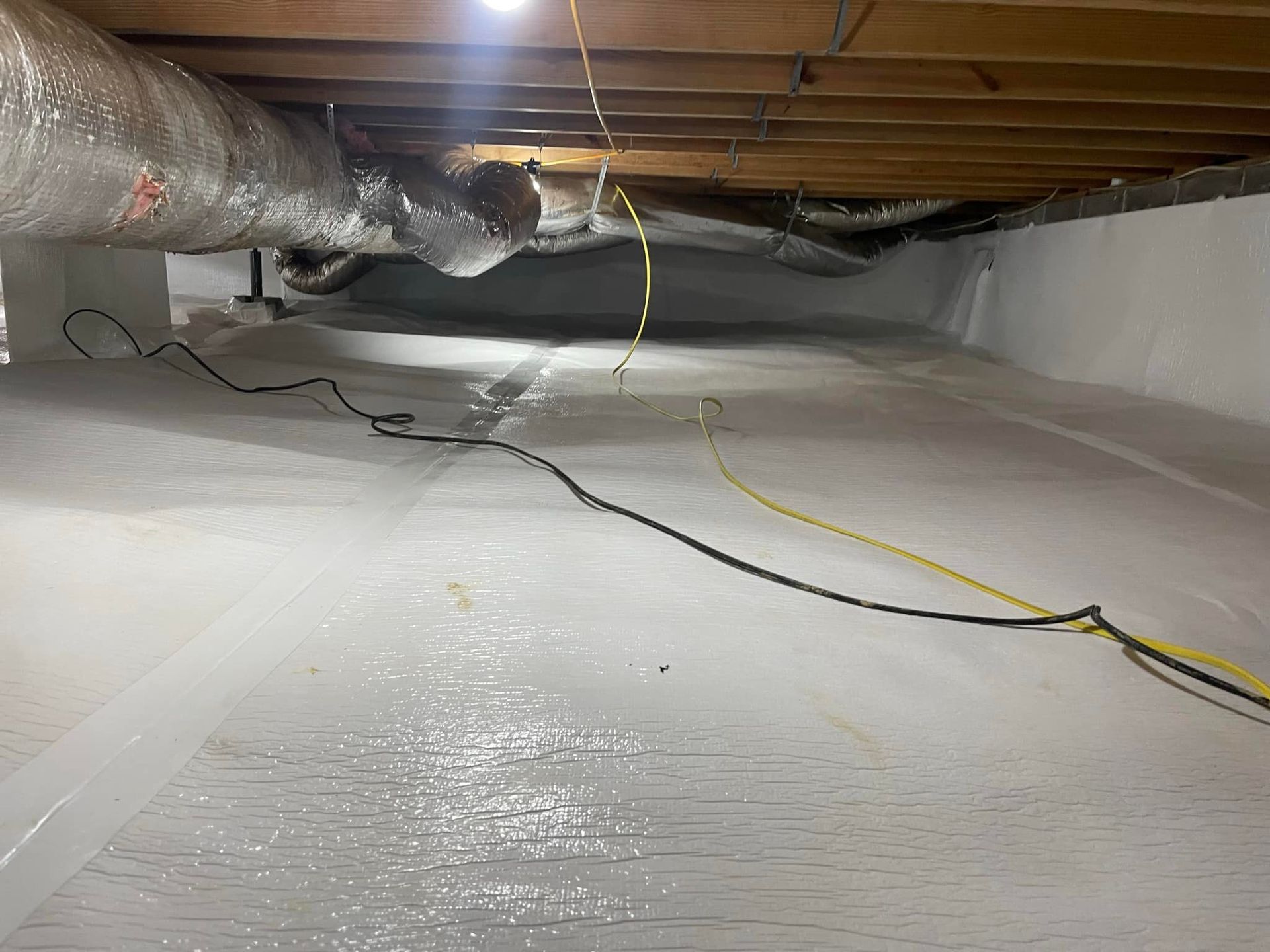
Not every crack in your foundation means you need major repair work. But some cracks are telling you there's a real problem that's going to get worse if you don't fix it.
Stair-step cracks are a big deal. When you see cracks that zigzag down the mortar lines between concrete blocks in a stair-step pattern, that's settlement. The foundation is moving. These aren't just cosmetic.
Cracks that go to the footing mean it's serious. If the crack runs all the way down to where the foundation sits on the ground, that's the whole wall moving. Not just the top few blocks.
Width matters. Hairline cracks might just be normal settling over time. But when you're looking at a quarter inch, half inch, or more? That's active movement that needs attention.
Settlement shows up inside your house. Cracks in your drywall, especially around doors and windows. Doors that suddenly don't close right. Floors that feel uneven. These are all signs that something's moving underneath.
Your crawlspace and your living space are connected. A lot of people don't think about it, but about 50% of the air you breathe in your house comes from your crawlspace. And when your foundation moves, it affects everything above it. You can't ignore what's happening underneath.
If you're seeing stair-step cracks in your crawlspace and damage showing up inside, that's when you need to bring someone in who understands structural repair. Not just cosmetic fixes.
Why Four-by-Fours Don't Work
I see this all the time. Someone realizes the house is sagging or settling, so they go down and prop it up with some four-by-fours or six-by-sixes from the hardware store.
It seems like it makes sense. The house needs support, so you put wood under it. Problem solved, right?
Wrong.
Here's why these posts don't work. First, they're not sitting on proper footings. They're just placed on the dirt or on top of a concrete block. The soil underneath compresses over time, and the post sinks right along with everything else.
Second, there's no engineering. A proper supplemental jack is designed to carry specific loads. It's adjustable. It's installed correctly with a footing pad that distributes the weight. A random piece of lumber isn't doing any of that.
Third, they fail fast. In this crawlspace, most of the four-by-fours were already falling over. They weren't plumb. They weren't secured. They were literally just leaning there hoping to hold up a house.
The real problem is they don't address why the foundation is settling. If the soil underneath is weak or there's water causing issues, sticking a post on top of that same soil doesn't fix anything. You're just adding more weight to unstable ground.
Band-aid fixes cost you more in the long run. The homeowner paid someone to put those posts in. Now he's paying again to actually fix the foundation. If it had been done right the first time, he'd be done.
When you've got real settlement, you need real structural repair. Not lumber from Lowe's.
What Helical Piers Actually Do
Helical piers are the real solution for foundation settlement. Let me explain how they work and why they actually fix the problem instead of just covering it up.
They go down to stable soil. A helical pier is basically a big screw that gets driven deep into the ground until it hits solid, stable soil. We're talking 15, 20, sometimes 30 feet down. Once it's in stable soil, that's what's supporting your foundation - not the weak soil at the surface that's causing your problems.
They're engineered to hold serious weight. These aren't random pieces of wood. Helical piers are designed and rated to carry the load of your house. We know exactly how much weight they can support, and we install enough of them to do the job right.
They stop settlement permanently. Once the piers are in and attached to your foundation, your house isn't settling anymore. The piers are holding it on stable ground. The weak soil at the surface can compress all it wants - your foundation isn't sitting on it anymore.
They can even lift and level. In some cases, we can use helical piers to lift a settled foundation back toward its original position. Not always, and not always fully, but often we can correct some of the settlement.
When do you actually need piers versus just supplemental jacks? That depends on what's causing the problem. If your foundation is actively settling because of soil issues, you need piers. If you just need additional support because a beam is sagging or a load-bearing wall was removed, supplemental jacks might be enough.
For this Farragut crawlspace, that corner with the major cracking needs helical piers. The foundation is settling and it's going to keep getting worse until we stabilize it on solid ground. The rest of the house just needs proper supplemental jacks to replace those falling four-by-fours.
This is why you need someone who actually understands structural work. Not just someone who can sell you something.
How to Know What Your Foundation Needs
If you're seeing signs of foundation problems, here's how to figure out what you're actually dealing with and what kind of repair you need.
Look for these signs of serious settlement. Stair-step cracks in your foundation, especially if they're getting bigger. Cracks in your drywall that keep coming back even after you patch them. Doors and windows that stick or won't close right. Floors that feel sloped or bouncy. These all point to foundation movement.
Ask contractors the right questions. When someone comes out to quote your foundation work, ask them: Have you personally installed helical piers? Can you explain why you're recommending piers versus jacks? What's causing my foundation to settle? How deep will the piers go? Can I see photos of similar jobs you've completed?
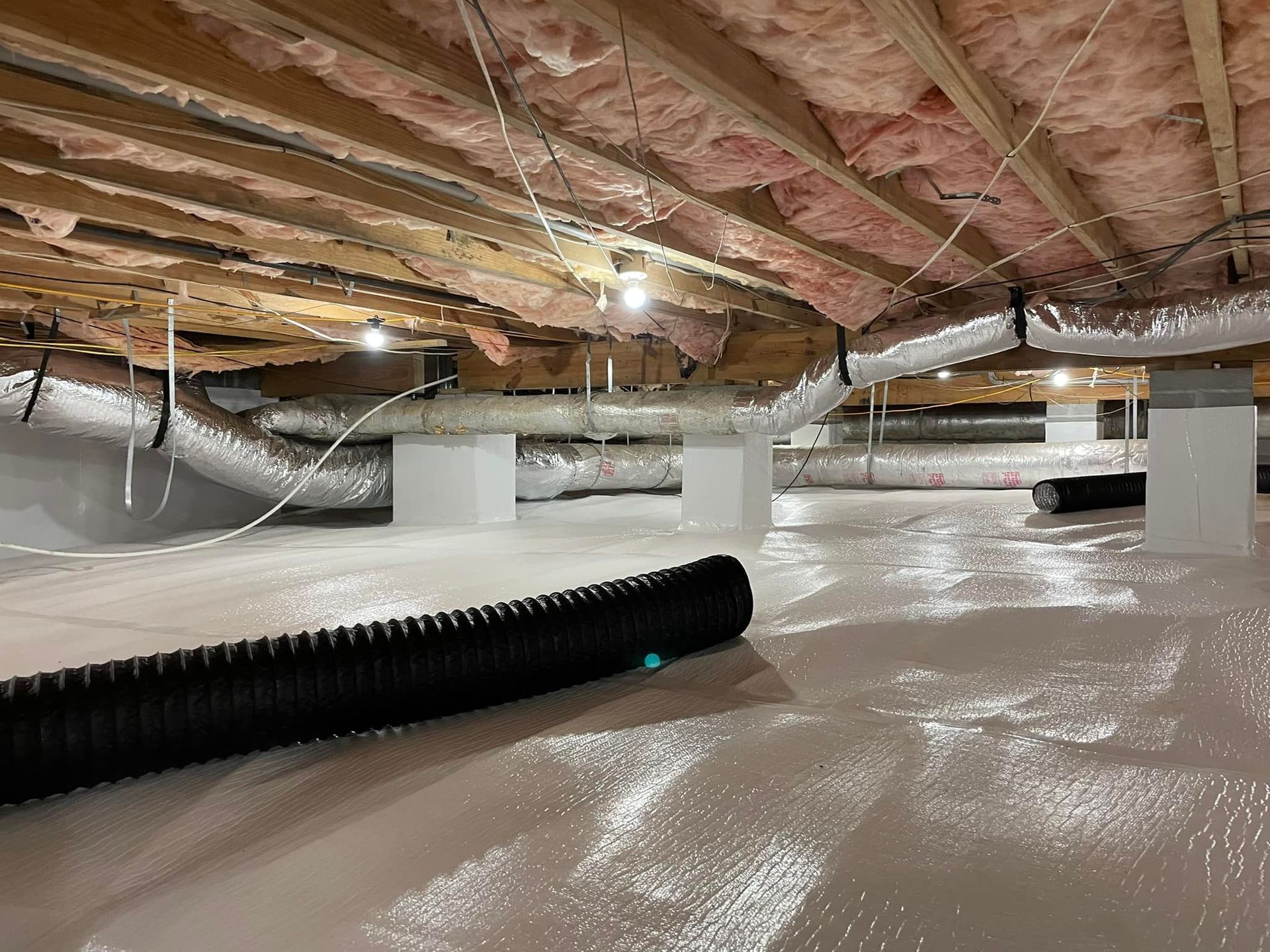
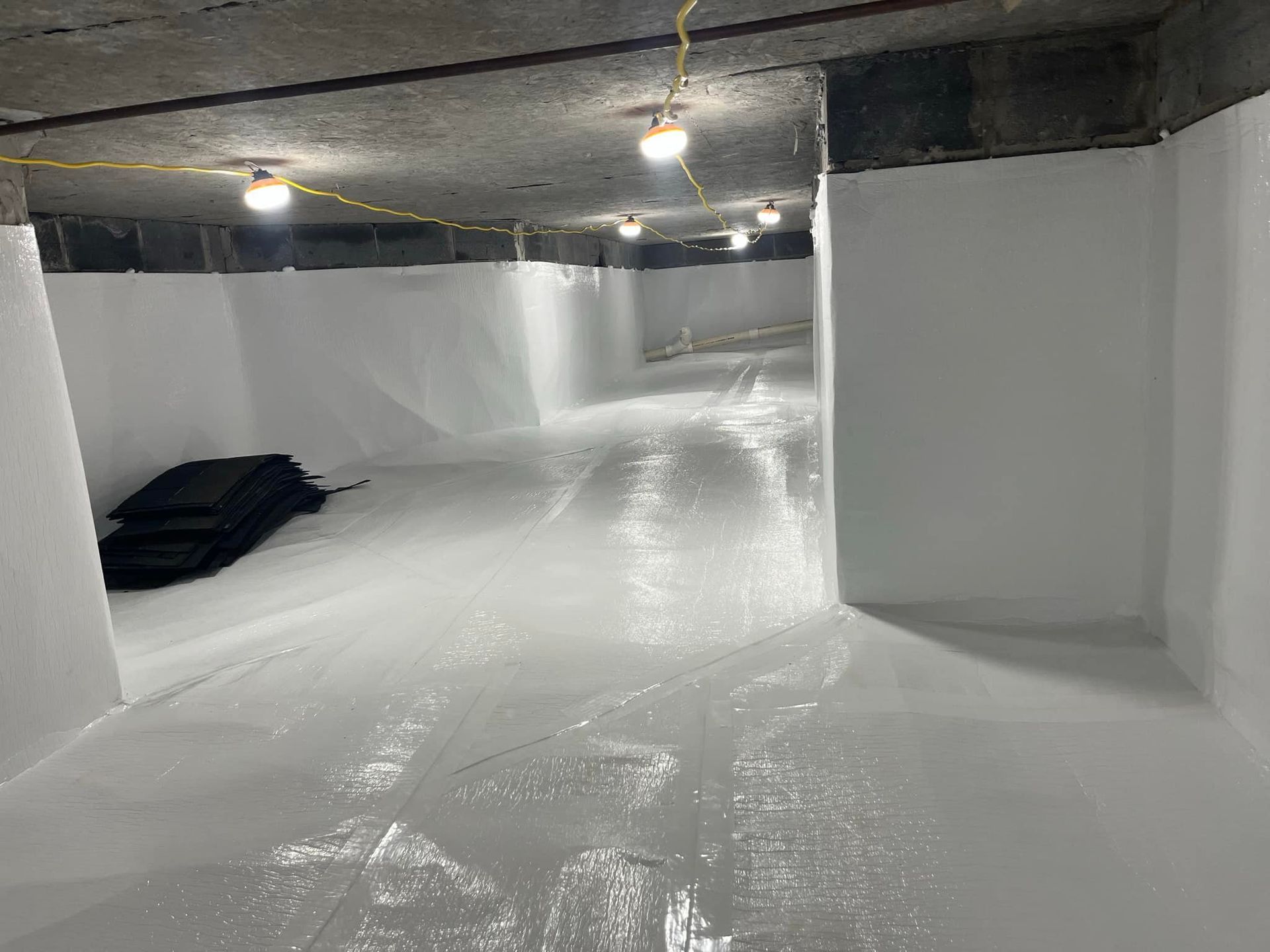
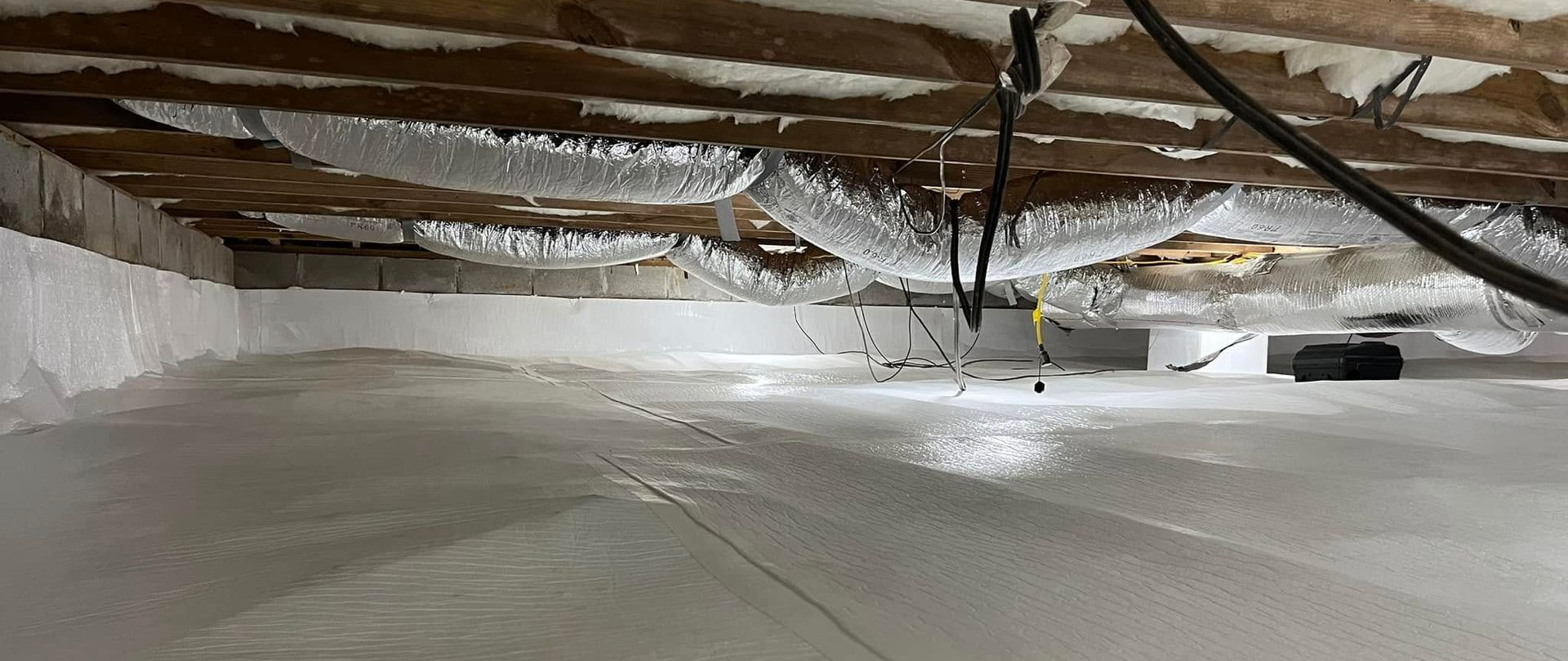
Understand the difference between foundation repair and crawlspace work. Foundation repair is structural - it's fixing how your house sits on the ground. Crawlspace work is encapsulation, moisture control, insulation. You need someone who understands both. A lot of companies only do one or the other, and they'll try to sell you what they know instead of what you need.
Experience matters here. Foundation work isn't something you learn in a two-week training course. You need someone who's actually installed piers, who understands soil mechanics, who can look at a crack pattern and know what's causing it. Ask how long they've been doing this work personally.
Watch for these red flags. Anyone who tries to scare you into making a decision today. Quotes that seem way cheaper than everyone else - there's usually a reason. Companies that can't show you examples of their foundation work. Contractors who want to encapsulate without addressing obvious structural issues.
If something doesn't feel right, trust your gut. Get multiple opinions. Ask questions until you understand what's happening under your house and why they're recommending what they're recommending.
Take the Next Step
If you're dealing with foundation cracks, settlement, or you're just not sure what's going on under your house, let's take a look.
I'll come out and do a thorough inspection. We'll look at the cracks, check for settlement, see what's causing the problem. I'll take pictures and show you exactly what I'm seeing.
You'll get a clear explanation of what you need. Not a sales pitch. Not scare tactics. Just an honest assessment of whether you need piers, jacks, encapsulation, or maybe nothing at all. I'll explain why I'm recommending what I'm recommending.
No pressure to decide on the spot. Take time to think about it. Get other quotes if you want - I actually encourage it. I'm confident in what we do and how we price our work.
We'll give you a fair price. No games. No "if you sign today" discounts. Just our best price from the start. Itemized so you can see exactly what you're paying for.
Foundation problems don't get better on their own. But they also don't all require panic mode. Let's figure out what's actually happening and what it's going to take to fix it right.
Give us a call or send a message. We'll get you on the schedule and get some answers.