The Hidden Danger Lurking Behind 1970s Basement Paneling
What That Discoloration Really Means for Your Home
A basement inspection reveals why old paneling might be hiding serious moisture problems
I was out in Maryville yesterday doing a crawl space inspection.
After I finished up, I was walking back through the house to talk with the homeowners about what I found.
That's when I spotted something on their basement wall that they needed to know about.
The house has that classic wood paneling you see in a lot of homes from the seventies.
At first glance, it just looks like old paneling.
But when you know what to look for, the discoloration tells a different story.
This is why I always walk through the entire house during inspections.
Sometimes the biggest problems aren't in the area I was called out for.
They're hiding in plain sight somewhere else.
The Problem with 1970s Basement Finishing
Back in the seventies, wood paneling was the go-to choice for finishing basements. It was affordable, easy to install, and gave that finished look homeowners wanted. The problem is, it also creates the perfect hiding spot for moisture issues.
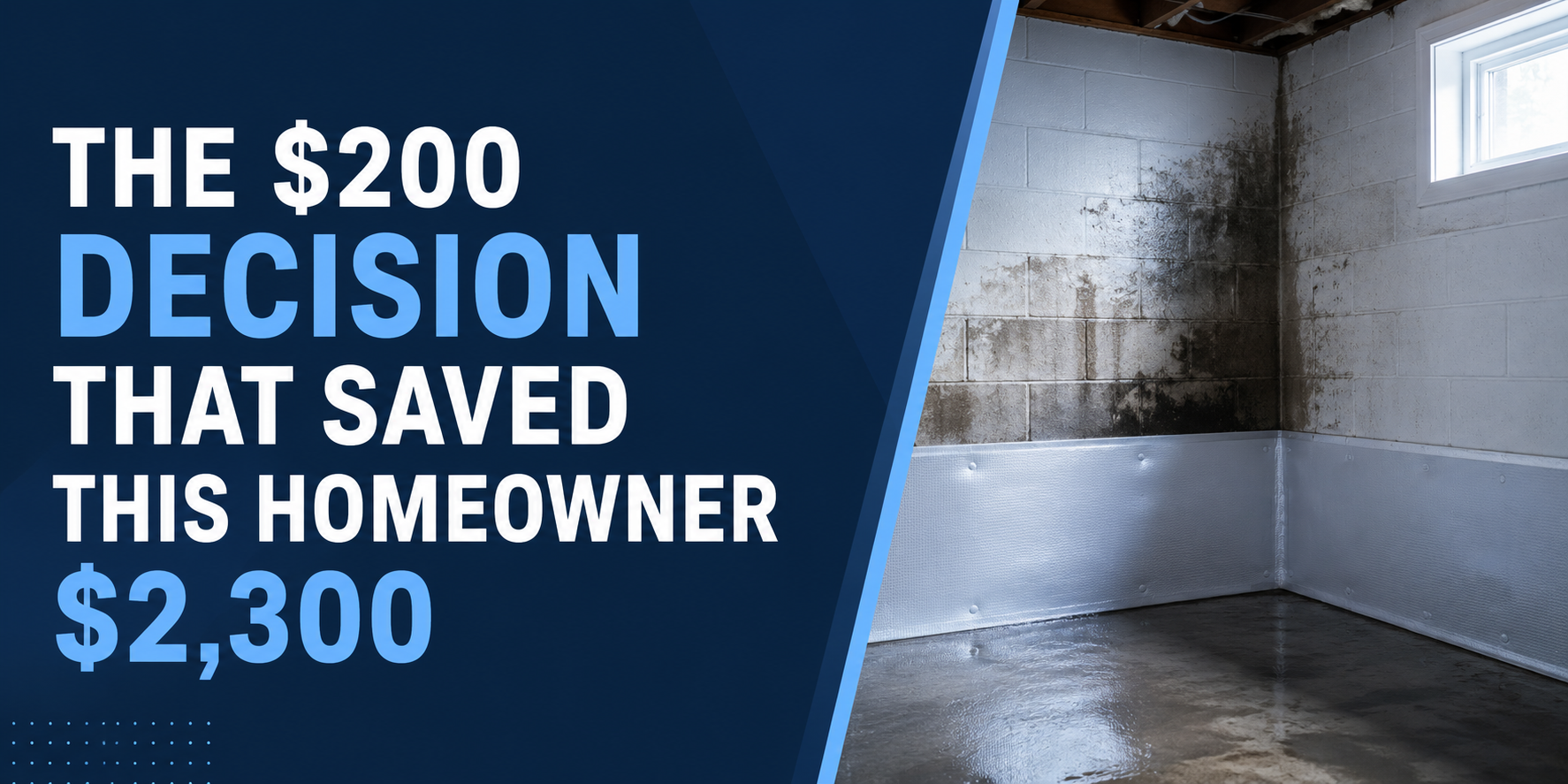
What we're seeing on this wall is moisture coming through from behind. That discoloration on the surface means water has been working its way through for a while. But here's what concerns me most - what we can't see yet.
Behind that paneling, there's likely significant fungal growth developing. The wooden studs are probably starting to deteriorate. The plaster-style paint on the paneling has slowed things down a bit, but it hasn't stopped the problem. And there's a good chance the carpet near that wall is dealing with moisture issues too.
All of this happens slowly, quietly, behind materials designed to make your basement look finished. By the time you see signs on the surface, the damage behind the scenes is usually much worse.
Reading the Warning Signs
So how do you know if your old basement paneling is hiding problems? Here are the signs I look for during inspections:
Discoloration is usually the first clue. Dark spots, water stains, or areas where the finish looks different tell you moisture is present. If the paneling is warping or buckling away from the wall, that's an even clearer signal.
Pay attention to musty smells too. Your nose often picks up on moisture problems before your eyes do. And if you notice the carpet feels damp near the walls, that's not normal.
These warning signs don't appear overnight. They develop over months or years as moisture slowly works its way through your foundation walls. The sooner you catch them, the less damage you're dealing with.
What's Actually Happening Behind Your Walls
When water moves through your foundation walls, it doesn't just stop at the concrete. It keeps going, soaking into wooden studs, insulation, and whatever finishing materials you've installed.
In older homes with paneling, that moisture gets trapped between the foundation wall and the pane
ling itself. There's no airflow back there. No way for things to dry out. It creates the perfect environment for fungal growth and wood rot.
The plaster paint on some paneling can slow this process down, but it can't stop it. Eventually, the moisture wins. What starts as a small wet spot behind your wall becomes widespread deterioration of the structural wood and widespread fungal growth affecting your indoor air quality.
Should You Remove Old Paneling?
If you're seeing warning signs, it's worth investigating what's behind that paneling. But this isn't always a DIY project.
A proper inspection involves safely removing a section of paneling to assess the damage. We look at the condition of the studs, check for fungal growth, test moisture levels, and determine how widespread the problem is.
Sometimes you catch it early and the fix is straightforward. Other times, you're looking at more extensive repairs. Either way, knowing what you're dealing with is better than letting it continue to deteriorate.
The cost of investigating now is always less than the cost of ignoring it until the problem forces your hand.
Protecting Your Basement Investment
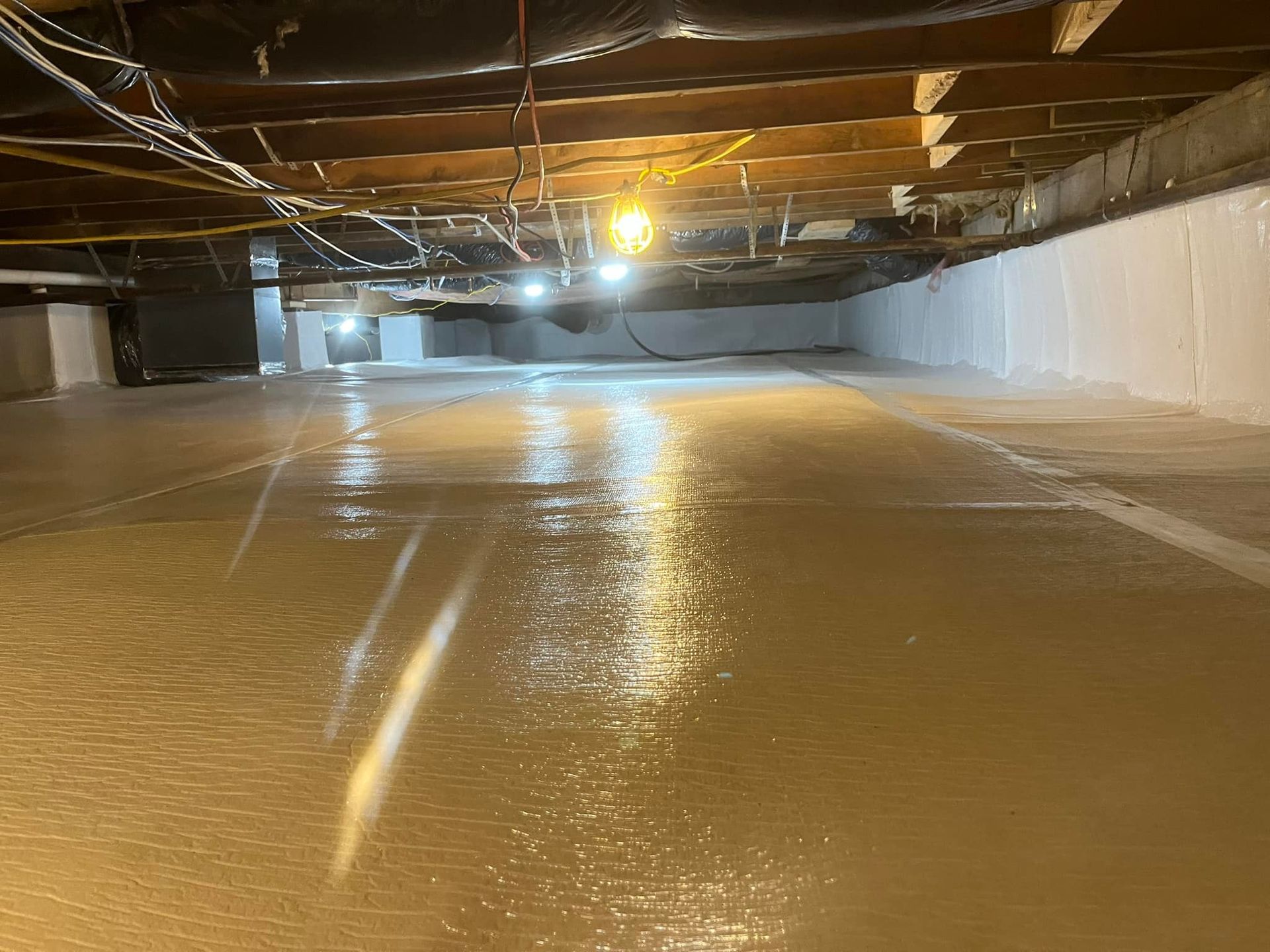
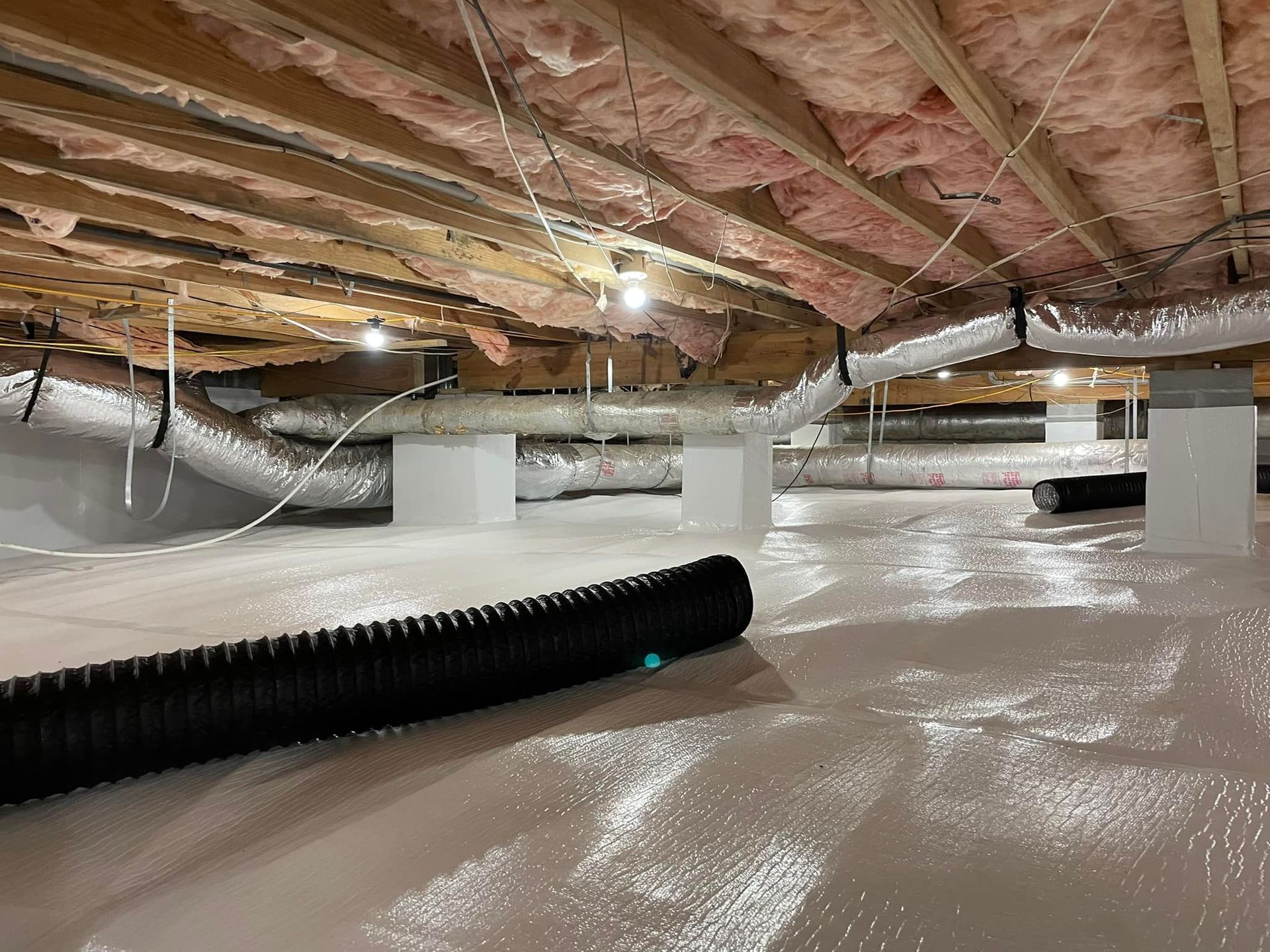
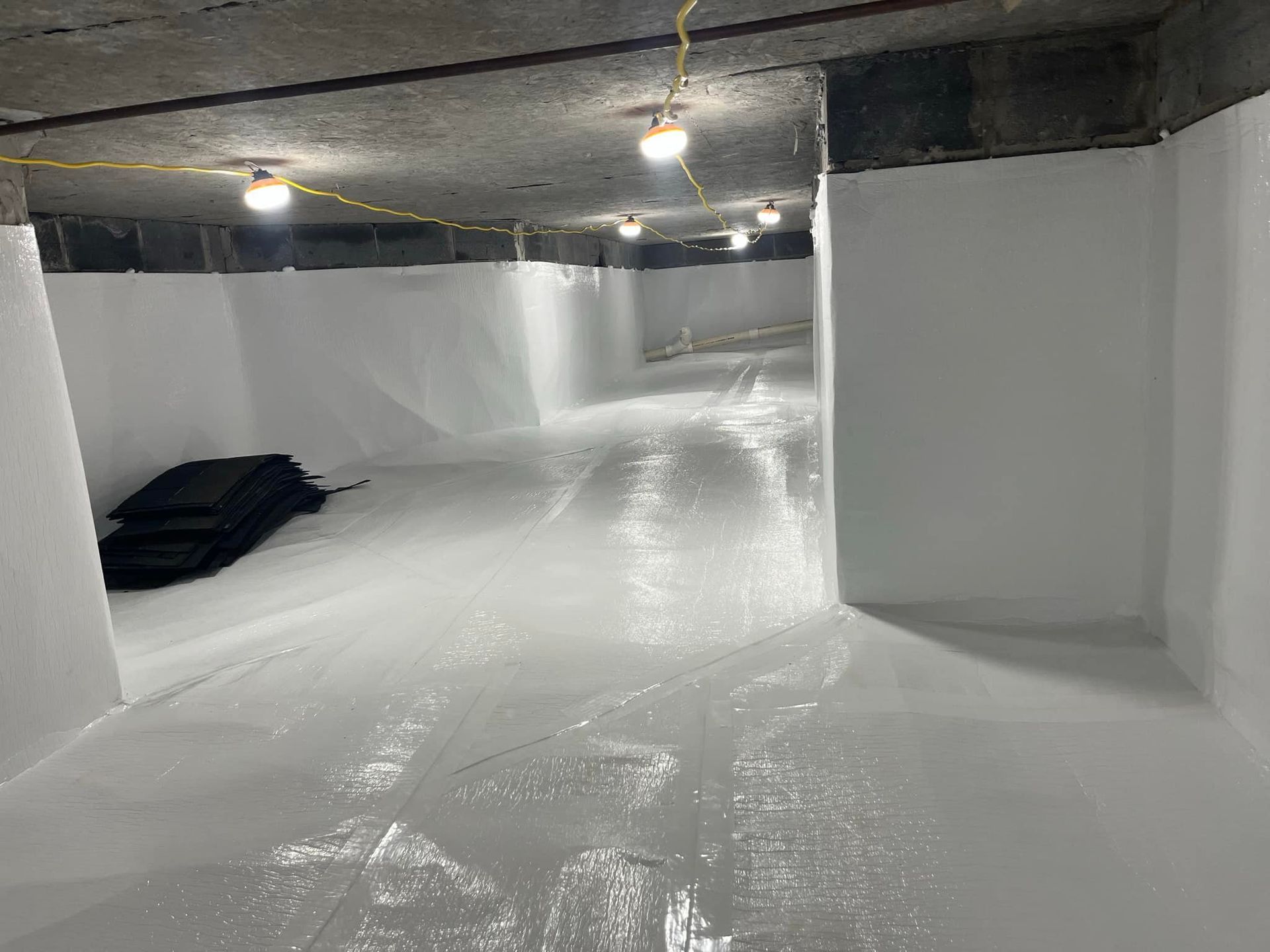
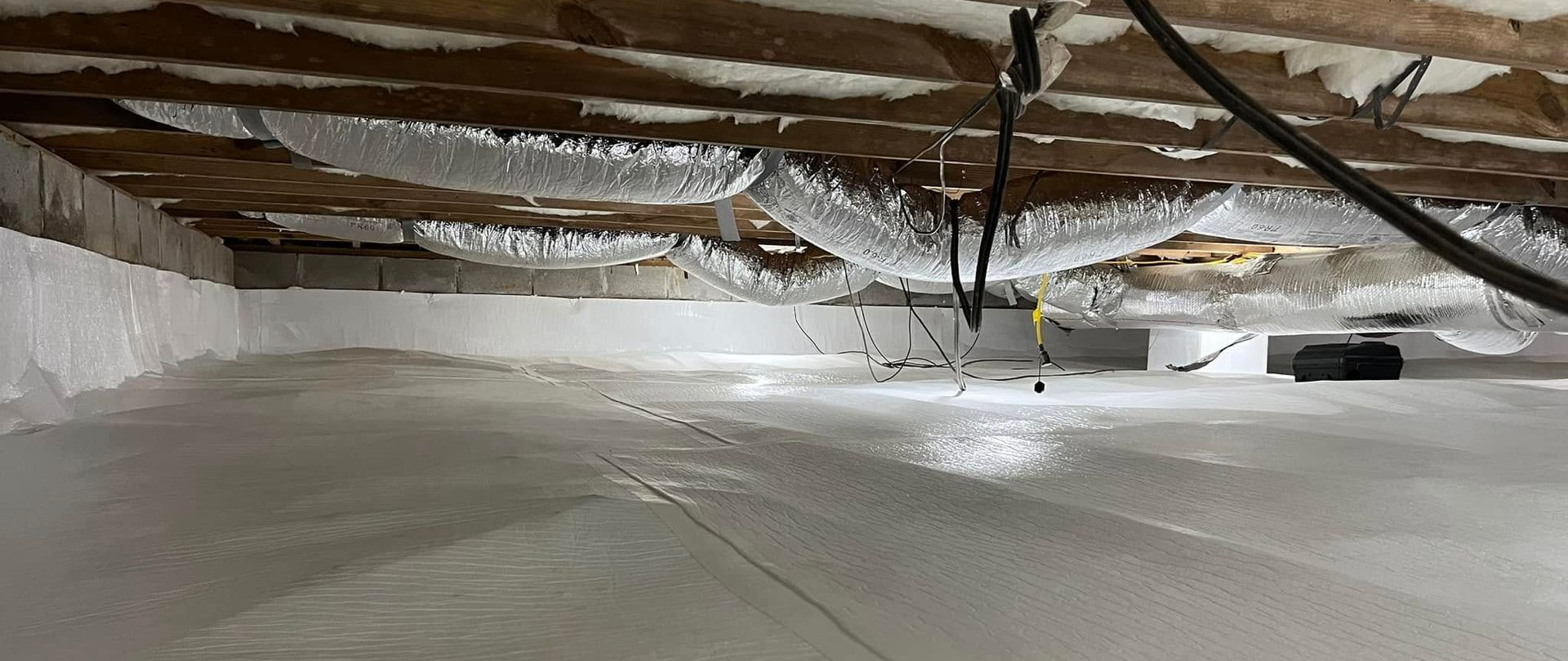
Modern basement waterproofing looks a lot different than it did in the seventies. We focus on controlling moisture at the source, not just covering it up with finishing materials.
That means proper drainage systems, moisture barriers that actually work, and solutions that let you see what's happening with your foundation walls instead of hiding problems behind paneling.
If you've got an older home with basement paneling, especially if you're seeing any of the warning signs we talked about, it's worth getting a professional assessment. We can tell you what's happening behind those walls and what it'll take to fix it properly.
Don't wait until you're selling to find out you've got serious moisture issues. Address them now, on your timeline, before they turn into expensive emergencies.