Common Crawl Space Repairs That Don't Work
Why Quick Fixes Lead to Bigger Problems
The repairs that waste your money and what actually works
I was out in Alcoa today doing an inspection, and right there in the middle of the crawl space sat a bottle jack.
Just sitting there, supposedly holding up the floor joists above.
The problem? It wasn't actually supporting anything.
The jack had shifted over time, and now it's just taking up space under the house.
This is what happens when someone tries to fix a structural problem with the wrong tool.
Bottle jacks are great for changing tires.
They're terrible for holding up your home.
Temporary Tools Aren't Permanent Solutions
Here's what you need to understand about bottle jacks: they're designed for short-term use. When you use them as permanent crawl space support, you're setting yourself up for failure.
These jacks can rust, shift, or collapse over time. They don't have proper footings. They're not engineered to handle constant load. And when they fail, you're looking at sagging floors, structural damage, and expensive repairs.
Real crawl space support requires engineered jacks made specifically for the job. They need solid bases, correct placement under load-bearing beams, and professional installation. Anything less is just waiting for something to go wrong.
If you've got makeshift supports like bottle jacks under your house, get them replaced before they cause real problems.
How a Proper Encapsulation Actually Works
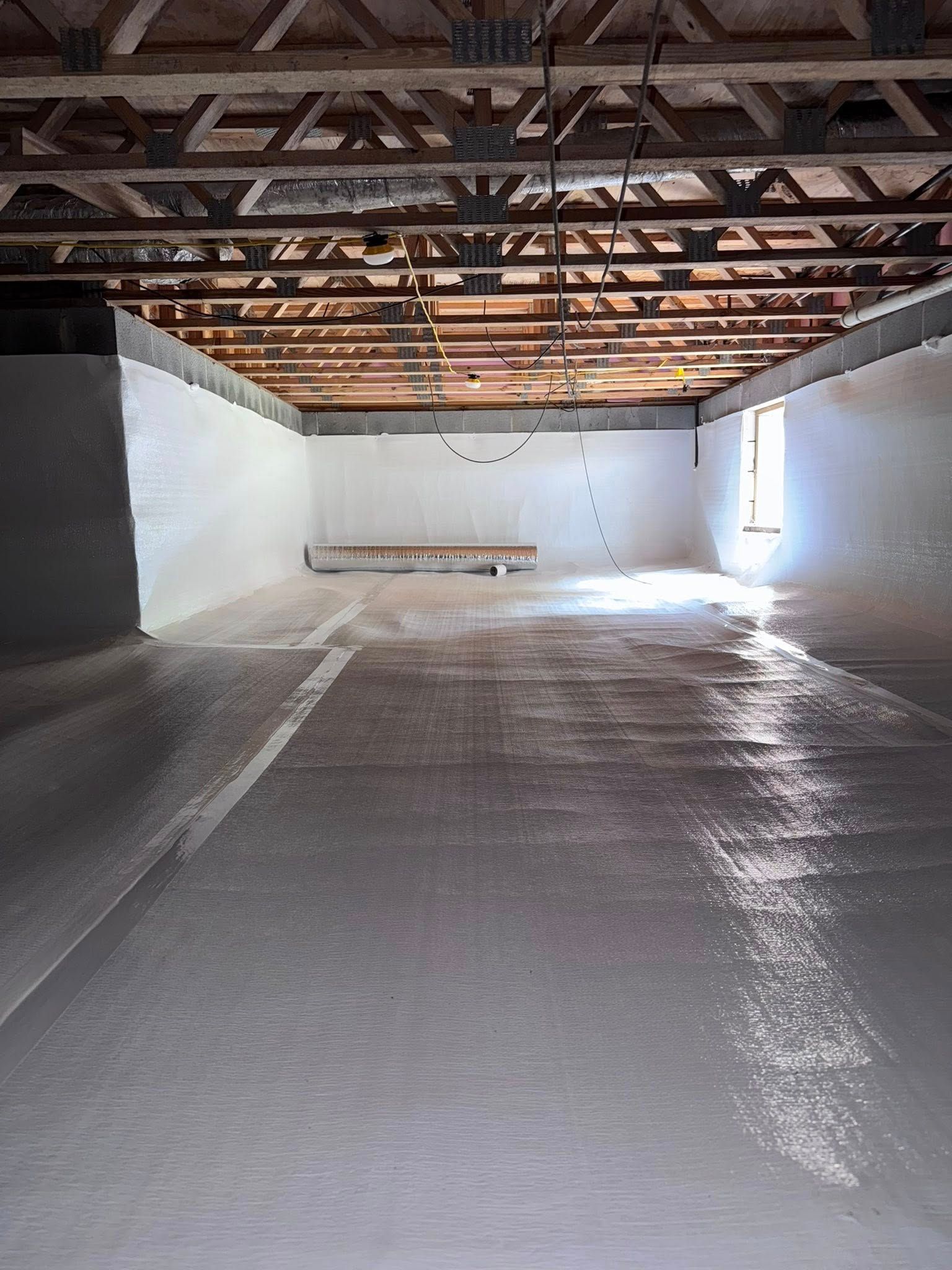
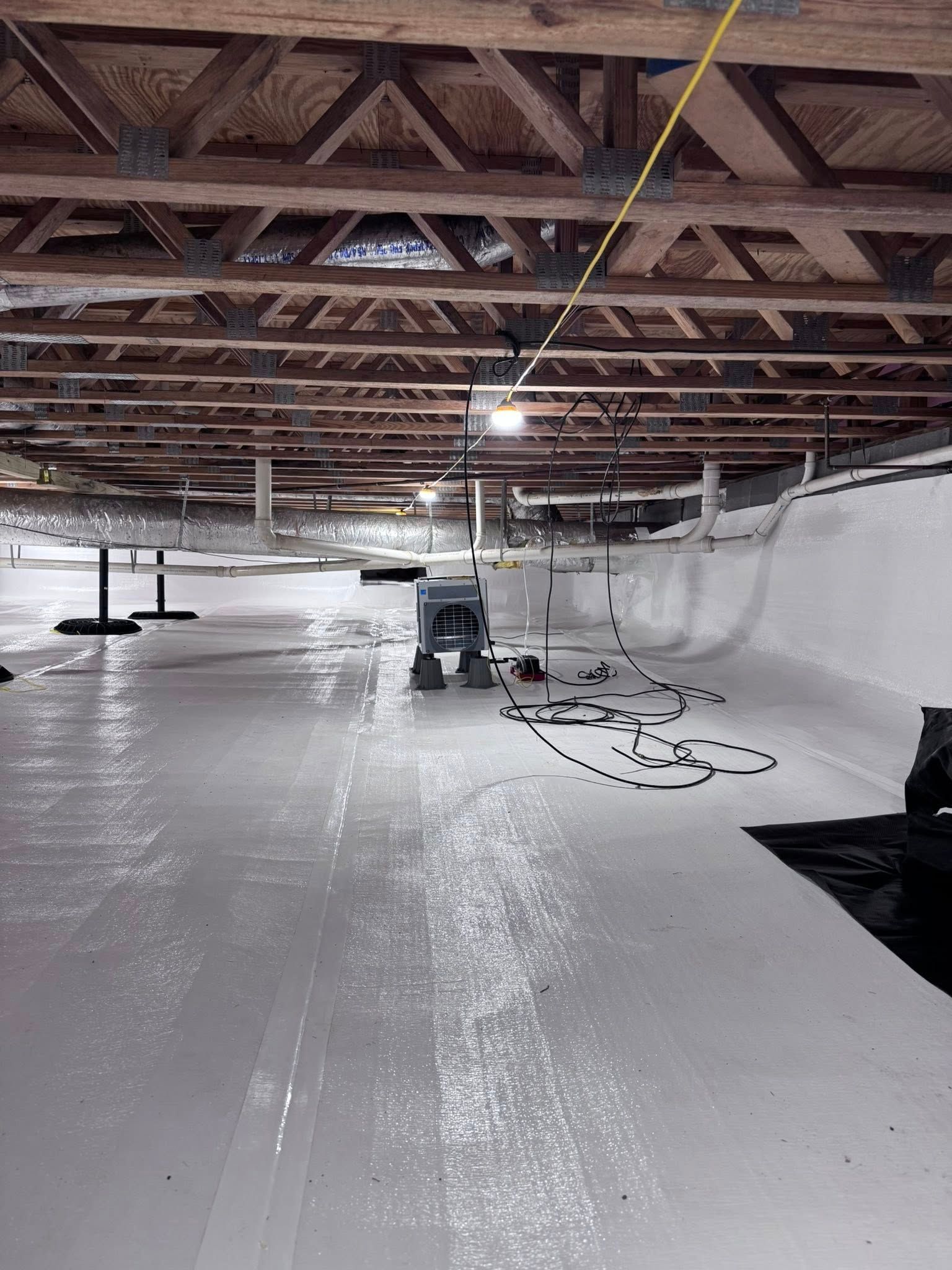
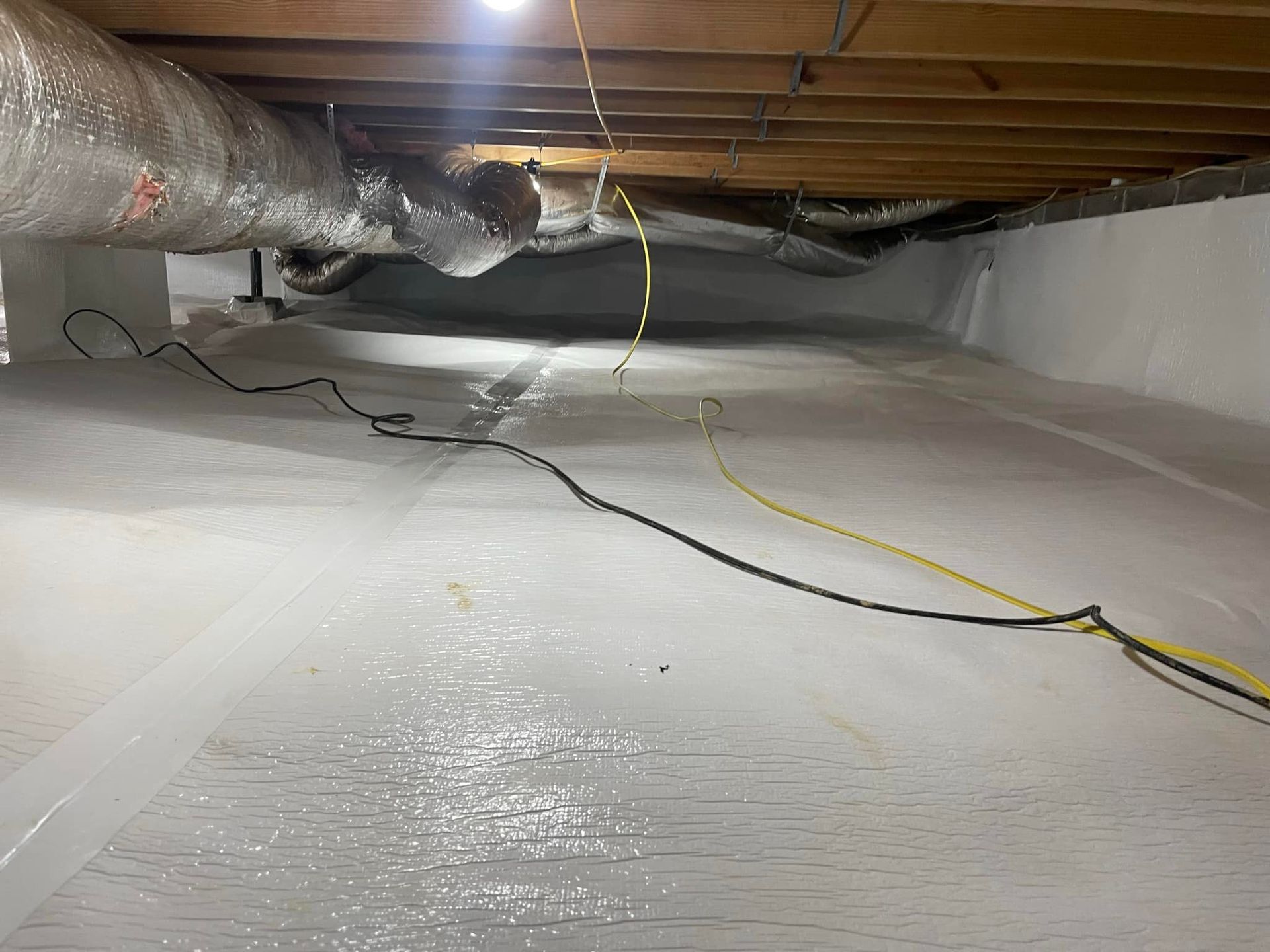
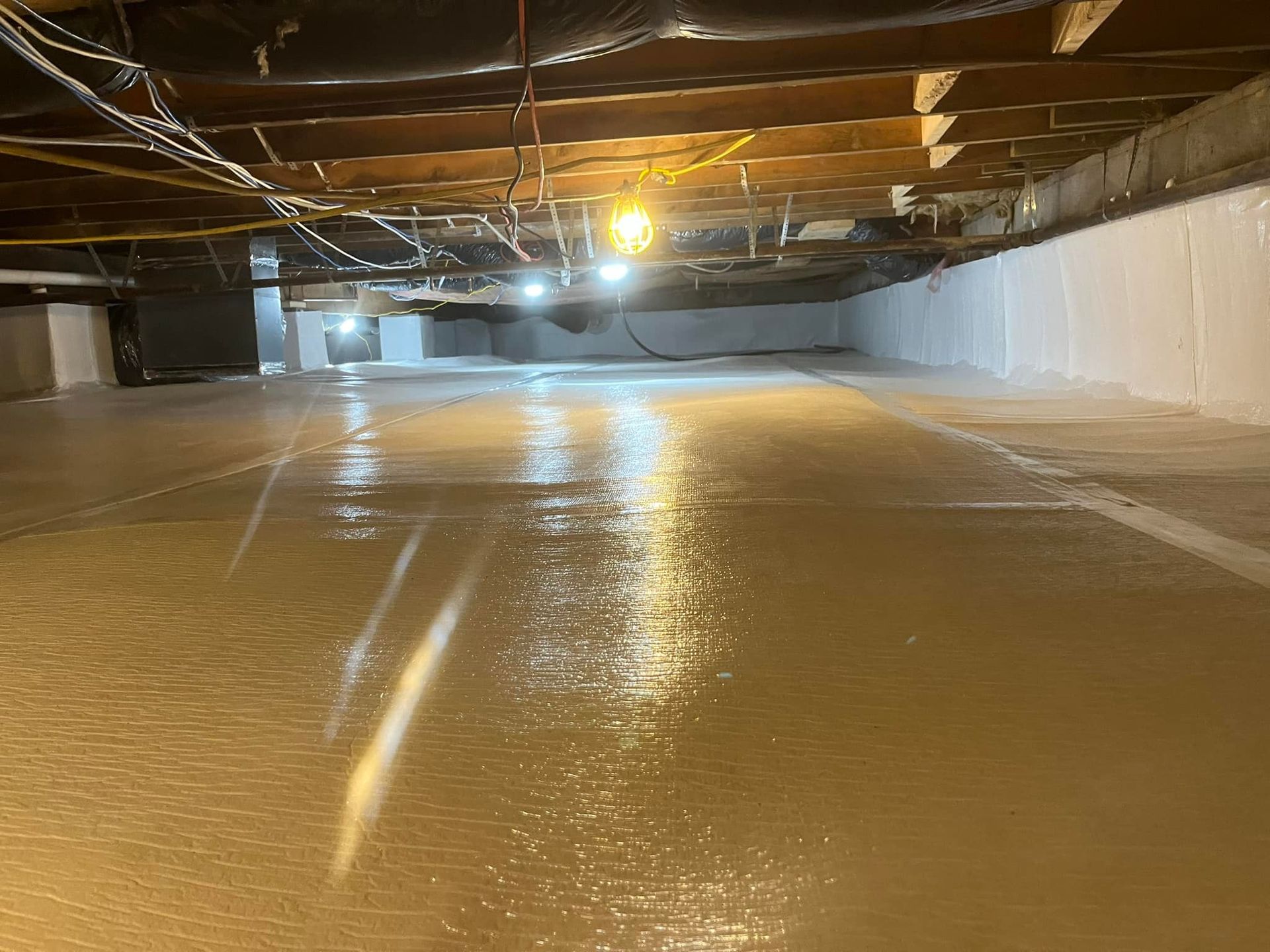
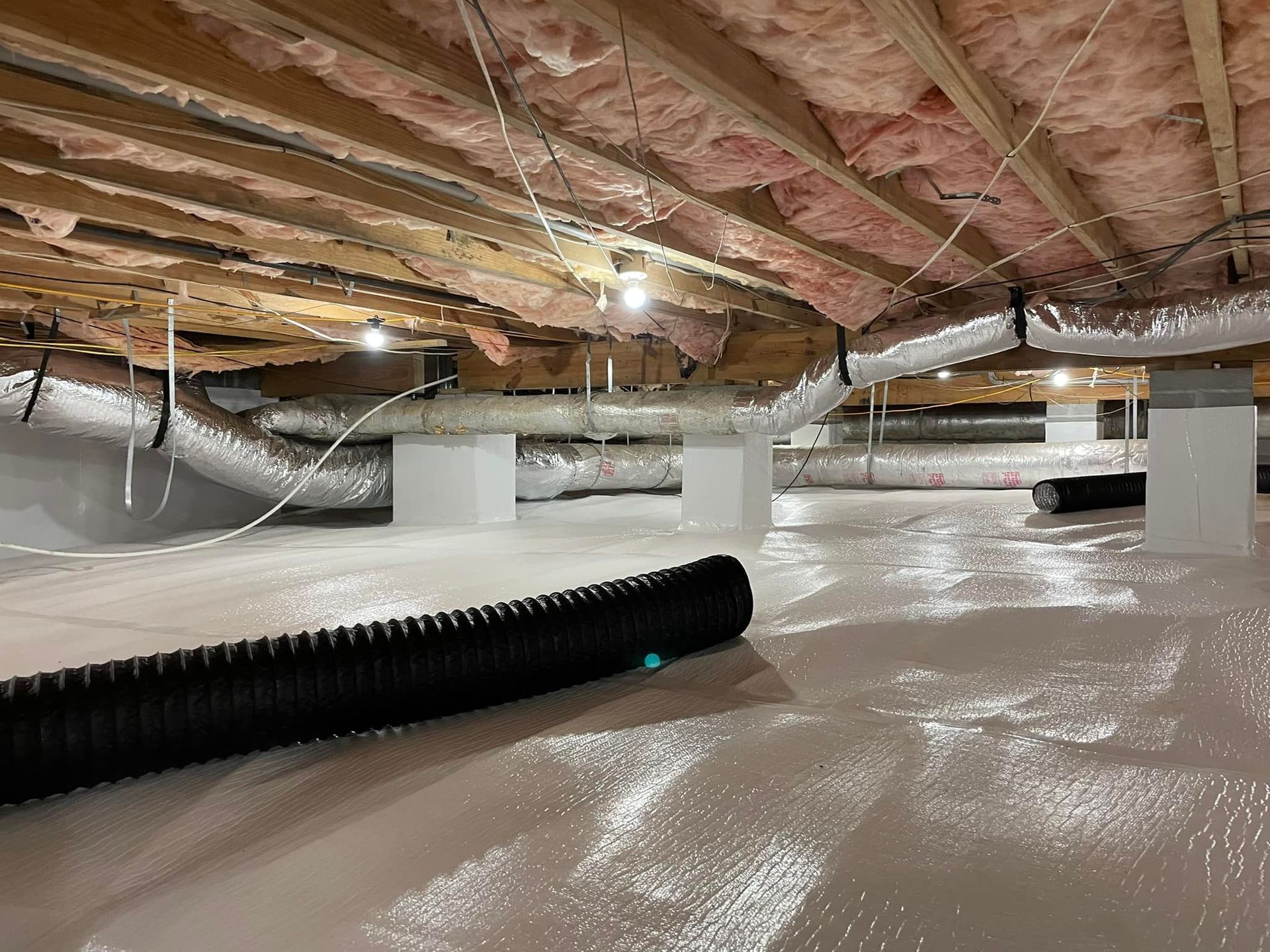
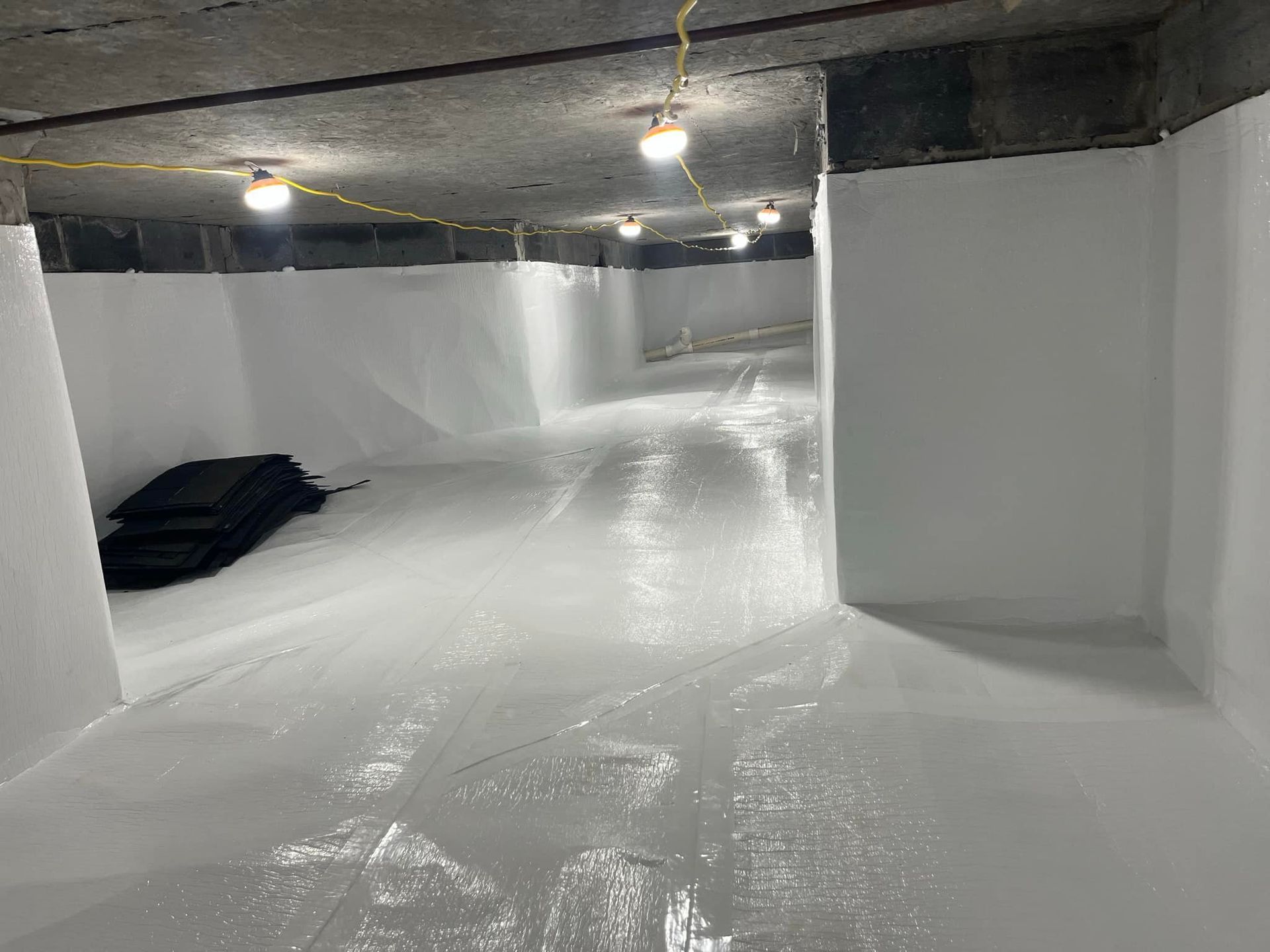
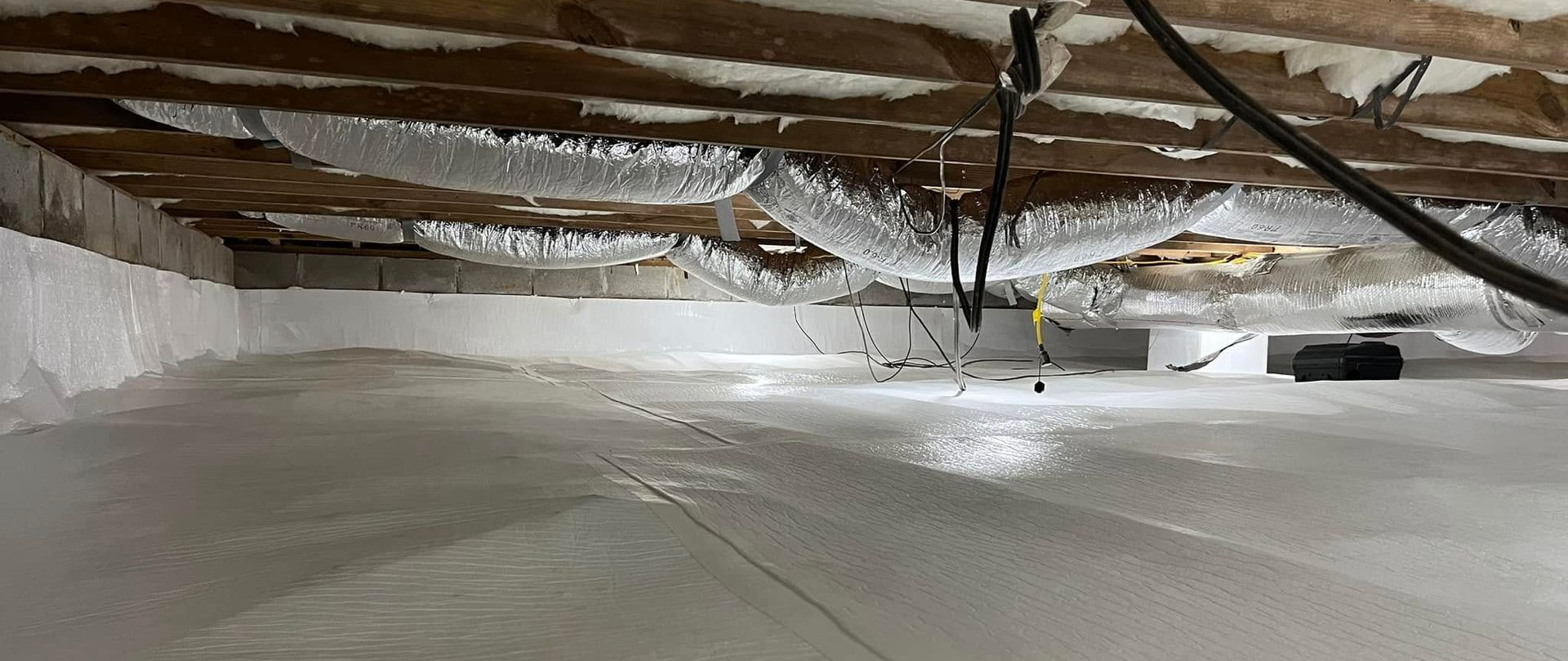
Here's what a complete encapsulation should include: sealed foundation walls, a proper vapor barrier, and a dehumidifier with a condensate pump that drains away from the crawl space.
When the walls are sealed, moisture can't come up around the edges of your vapor barrier. The dehumidifier only runs when humidity actually rises - maybe a few times a day instead of constantly. Your equipment lasts longer because it's not working overtime, and your power bill reflects that efficiency.
The condensate pump moves water completely out of the crawl space. No dumping it back into the dirt where it can evaporate right back into the air. The system should also include monitoring so you can check humidity levels and know your investment is actually working.
That Thin Plastic Isn't Stopping Moisture
The homeowner in Alcoa had a pest control company install a vapor barrier for her. They laid down some thin black plastic - probably 6 mil thickness - and told her it would fix her moisture issues.
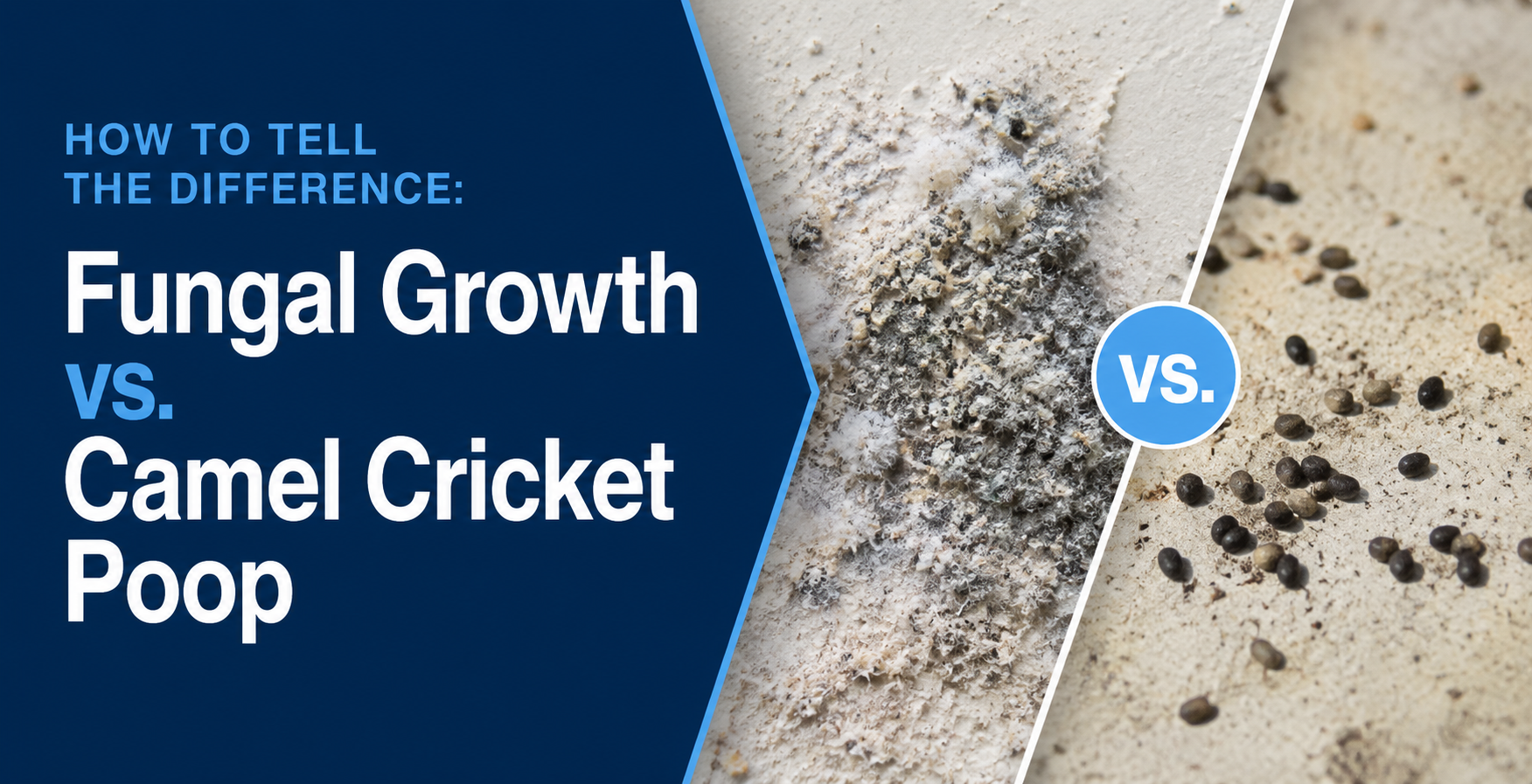
It didn't work. The crawl space still had tons of fungal growth. Moisture was still coming in through the vents. Water was seeping up around the edges of the barrier because nothing was sealed.
A thin vapor barrier that's not properly installed is basically useless. It might look like you've done something, but moisture will find every gap, every unsealed edge, every penetration point. You're not solving the problem - you're just covering dirt.
When Pest Control Companies Do Crawl Space Work
Look, pest control companies are great at what they do. But crawl space waterproofing and structural work? That's a different specialty.
The company that installed this vapor barrier probably meant well. But they didn't have the expertise to solve the real moisture problem. They didn't seal the vents. They didn't address the wall seepage. They didn't use thick enough material or install it properly.
Before you hire anyone to work on your crawl space, ask about their specific experience with crawl space issues. Do they understand moisture control? Have they installed proper encapsulation systems? Can they identify structural problems?
Your crawl space needs someone who specializes in this work, not someone adding it as a side service.
Get It Done Right the First Time
Here's the truth about crawl space repairs: fixing someone else's failed work costs more than doing it right from the start.
The homeowner in Alcoa paid for a vapor barrier that didn't work. Now she's paying again to get it done properly. If she needs to replace those bottle jacks with real support, that's another expense that could have been avoided.
I see this pattern all the time. Homeowners try to save money with quick fixes or hire the wrong contractor. Then they end up spending more to fix the problems those repairs created.
Don't let your crawl space become another example of wasted money on work that doesn't last. Get a professional assessment from someone who specializes in crawl space solutions. Find out what your home actually needs, not just what sounds cheap and easy.