Winter Crawl Space Problems: What You Can't See Can Cost You
Why Winter Inspections Require a Trained Eye
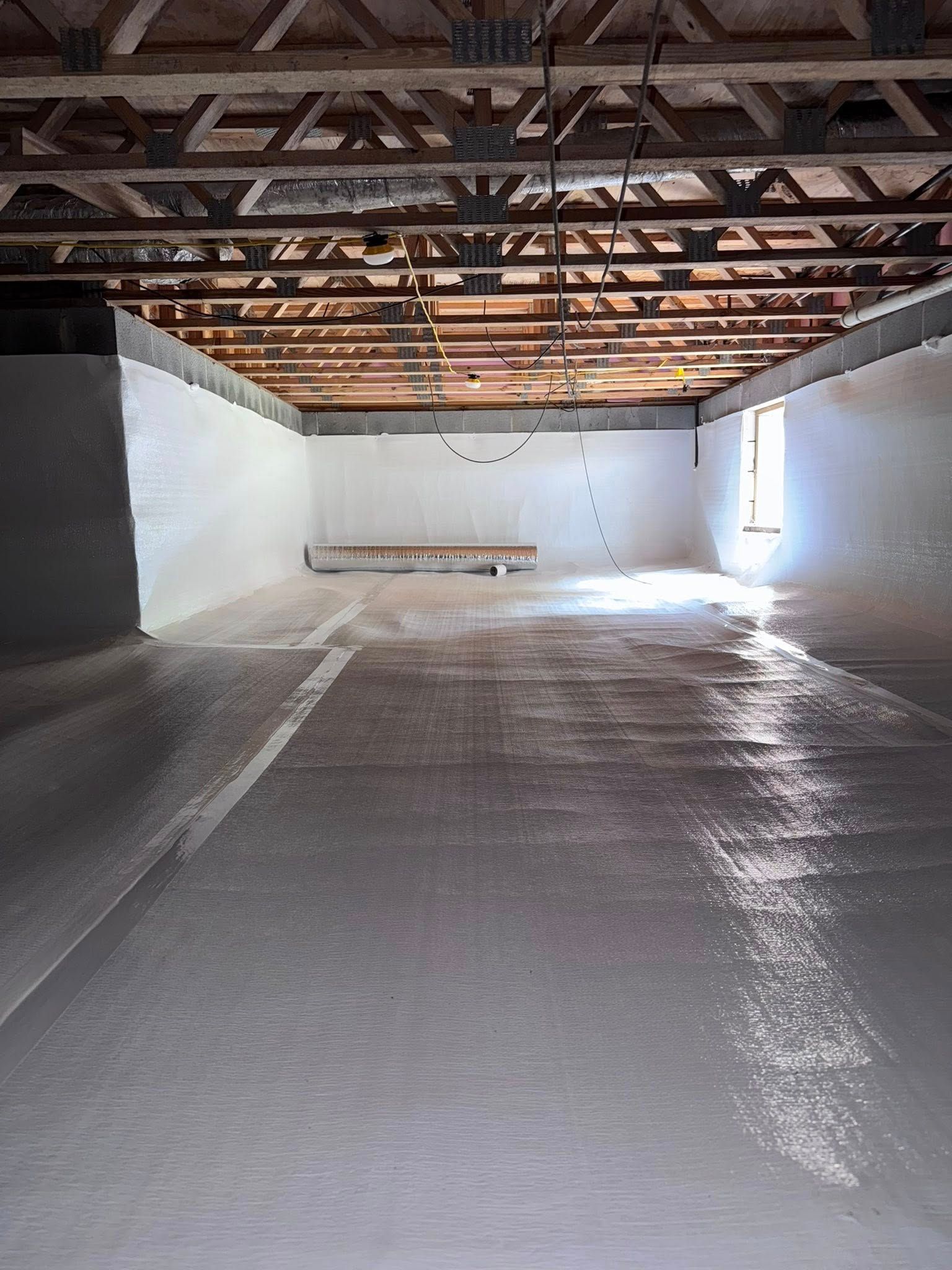
A Maryville crawl space inspection reveals the hidden signs that homeowners miss
I was out in Maryville today doing a crawl space inspection, and it reminded me why winter inspections are so much trickier than summer ones.
In the summer, moisture problems announce themselves. Your ductwork sweats.
The humidity is obviously high.
You can practically feel the moisture in the air when you stick your head down there.
But in winter? All those obvious signs disappear.
The problems are still there - they're just harder to spot.
That's when you need to know what to look for instead of just what jumps out at you.
Reading the Clues Your Crawl Space Leaves Behind
Even without sweating ducts and high humidity, your crawl space tells you everything you need to know. You just have to understand the language.
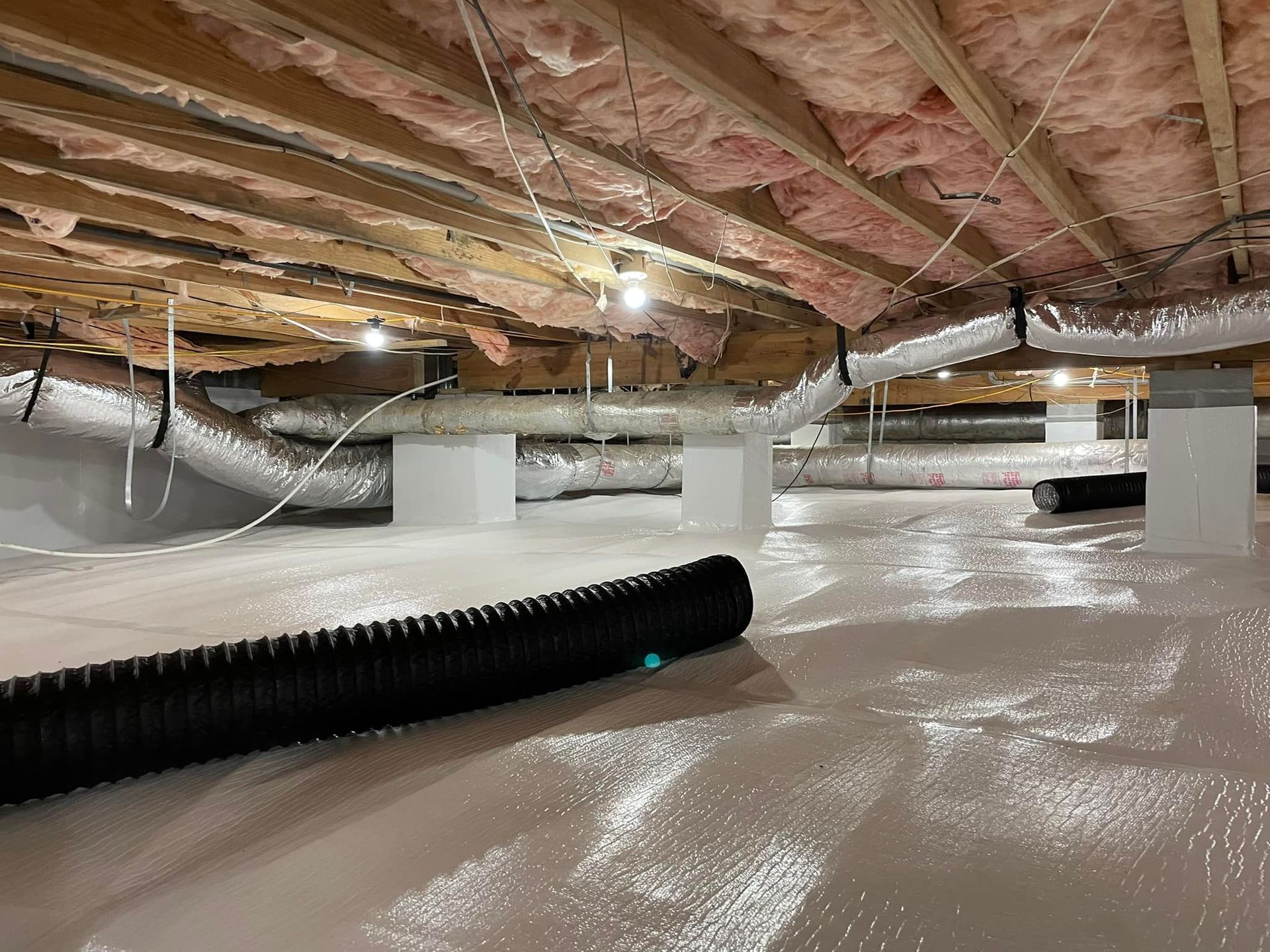
Start with the insulation. If it's starting to sag or fall, you're losing R-value and dealing with moisture issues. The insulation doesn't deteriorate on its own - something's causing it.
Then look at your HVAC system. Check where joints connect - are they coming apart? Look at the hangers - do you see rust forming? Check the bottom of the ductwork for deterioration. All of these point to moisture problems you can't see right now.
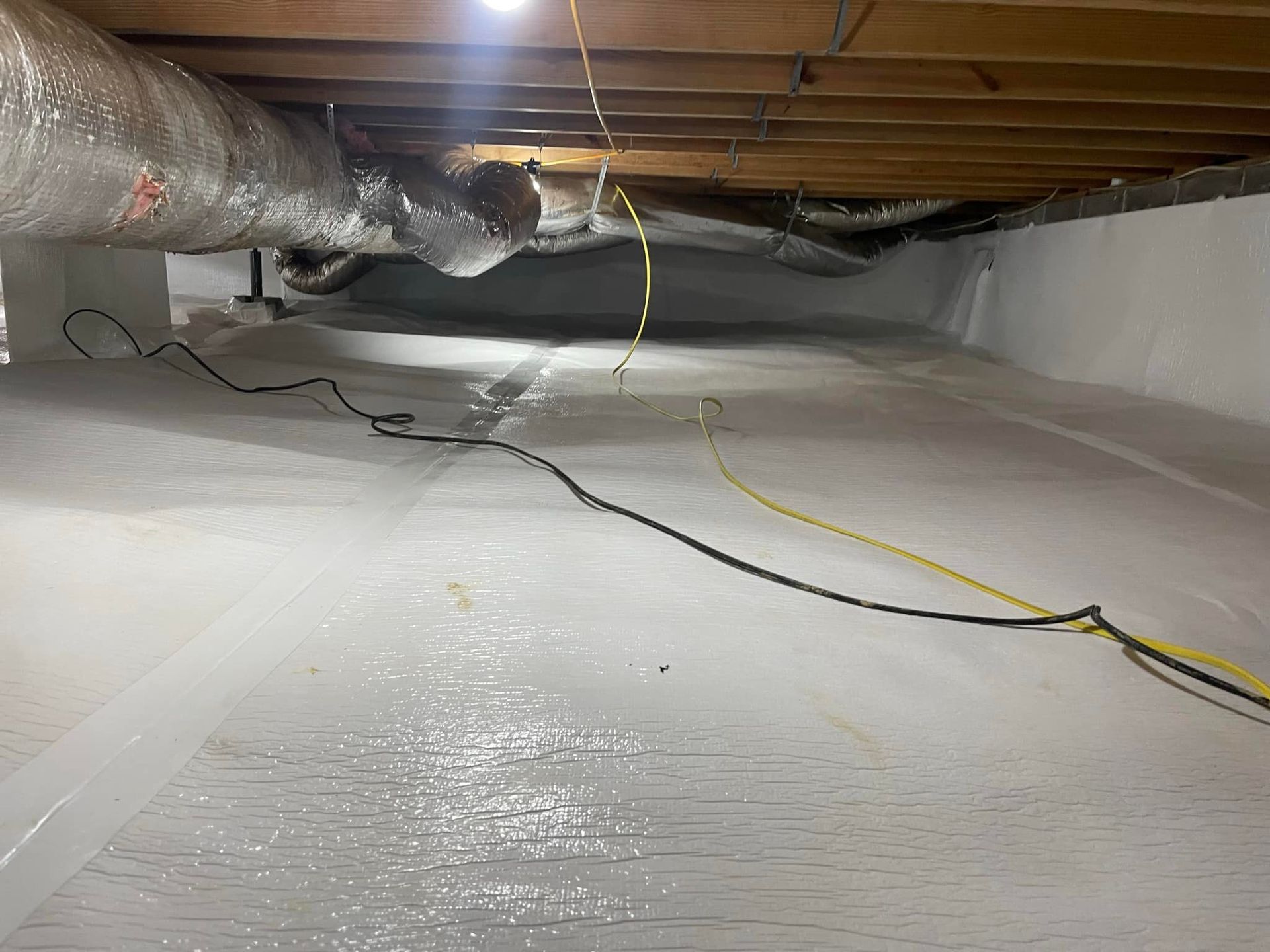
The ground tells its own story. Even if there's no standing water today, look for patterns. Is water flowing over the vapor barrier? Where does it collect? Check the low points of your crawl space for water markings on the walls.
In the Maryville crawl space I inspected today, there was no standing water. But the evidence was clear - a few inches had collected at the bottom at some point. Those water markings don't lie.
The Real Cost of Waiting
Here's what most homeowners don't understand: moisture problems in your crawl space don't stay moisture problems. They escalate.
First, you're replacing insulation. Then you're dealing with rotted joists. Before long, you need supplemental jacks because your floors are sagging. And if you wait long enough, you're looking at foundation settlement that requires helical piers.
Trust me - helical piers aren't cheap. Neither is replacing structural wood or fixing subfloor damage. These aren't small repairs you can knock out on a weekend. We're talking thousands of dollars in work that could have been prevented.
What's Actually Happening Behind Your Walls
When water moves through your foundation walls, it doesn't just stop at the concrete. It keeps going, soaking into wooden studs, insulation, and whatever finishing materials you've installed.
In older homes with paneling, that moisture gets trapped between the foundation wall and the pane
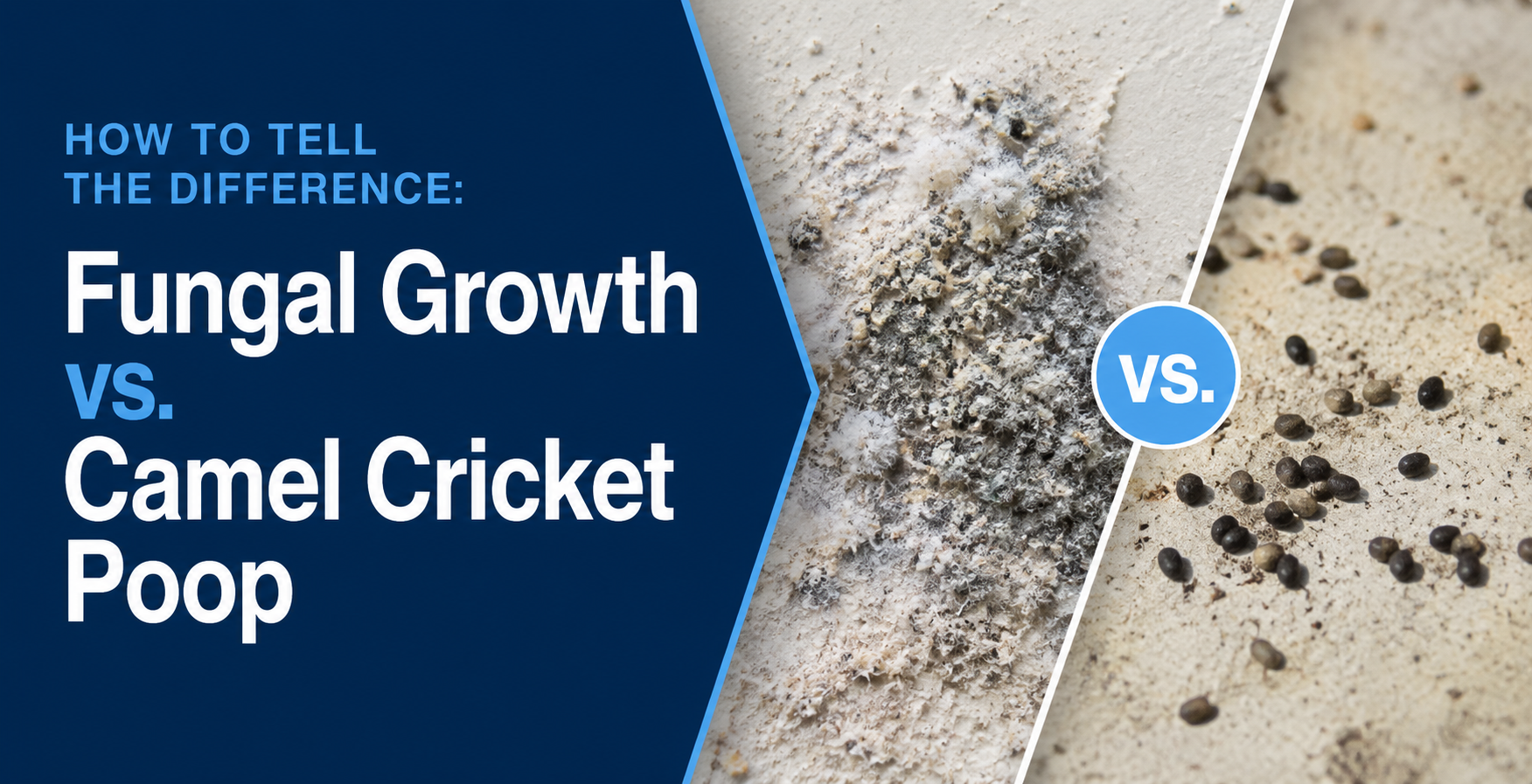
ling itself. There's no airflow back there. No way for things to dry out. It creates the perfect environment for fungal growth and wood rot.
The plaster paint on some paneling can slow this process down, but it can't stop it. Eventually, the moisture wins. What starts as a small wet spot behind your wall becomes widespread deterioration of the structural wood and widespread fungal growth affecting your indoor air quality.
Prevention Saves Thousands
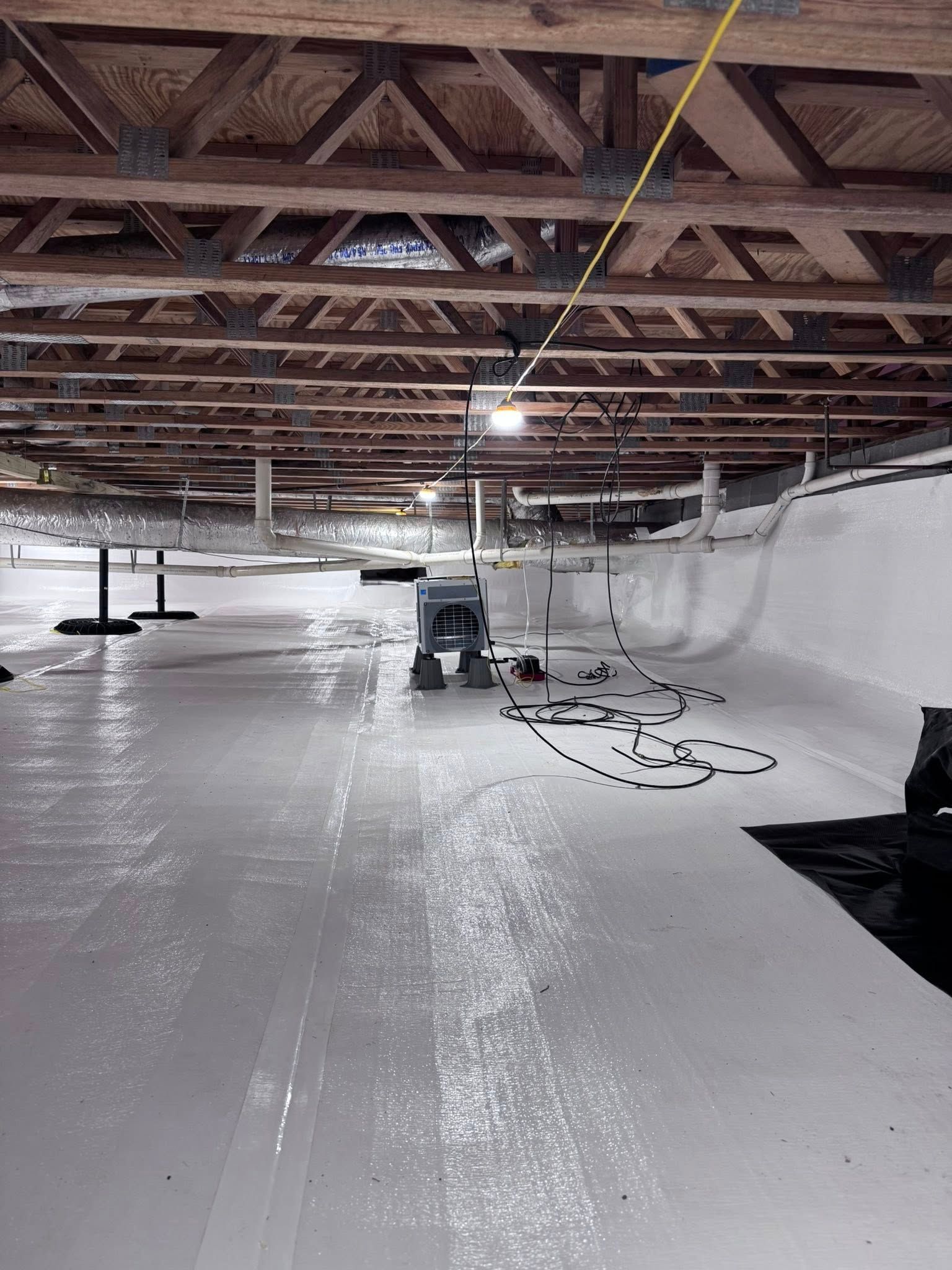
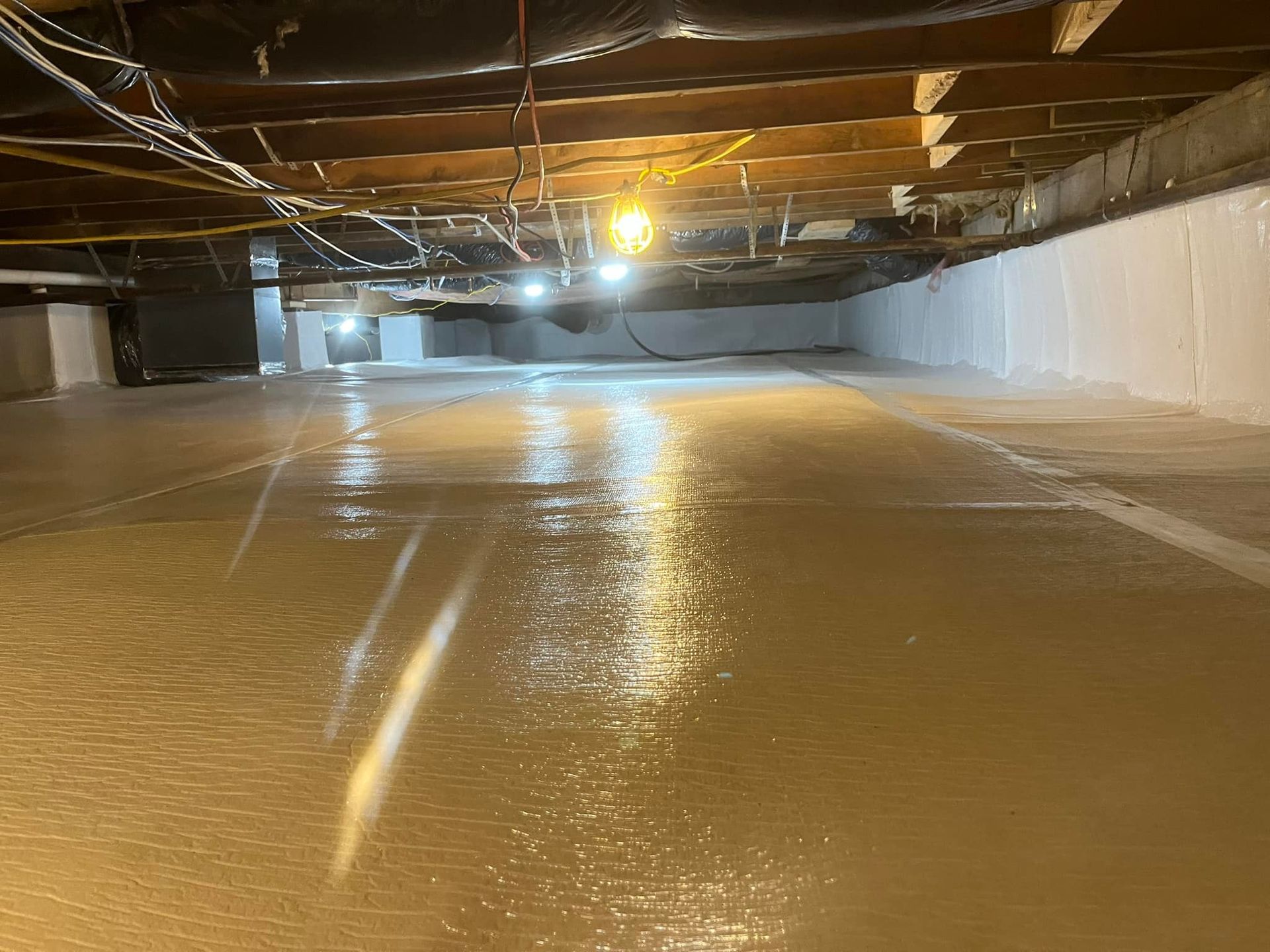
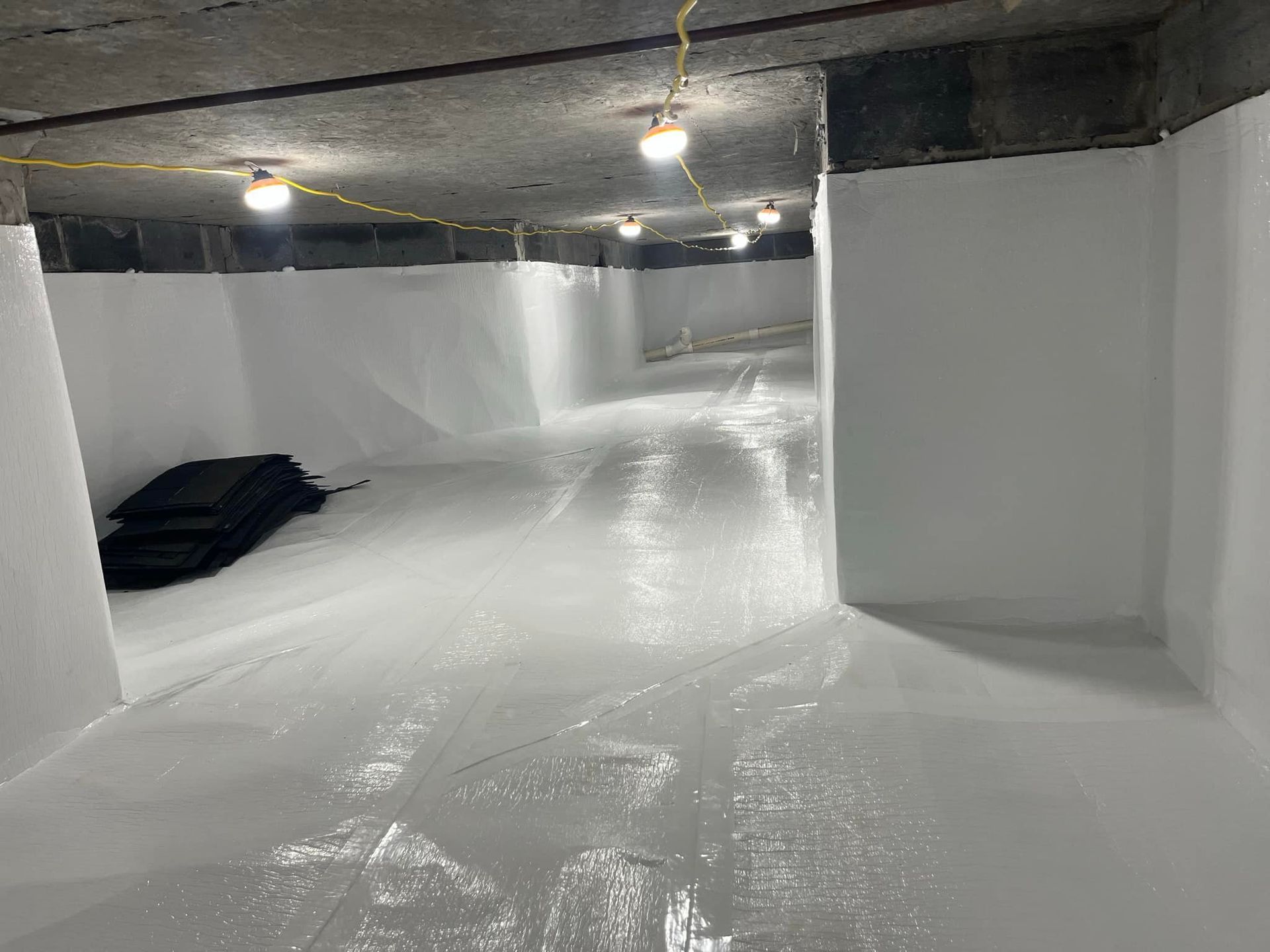
This is why I recommend encapsulation for practically every crawl space I inspect. It's not about upselling - it's about stopping problems before they start.
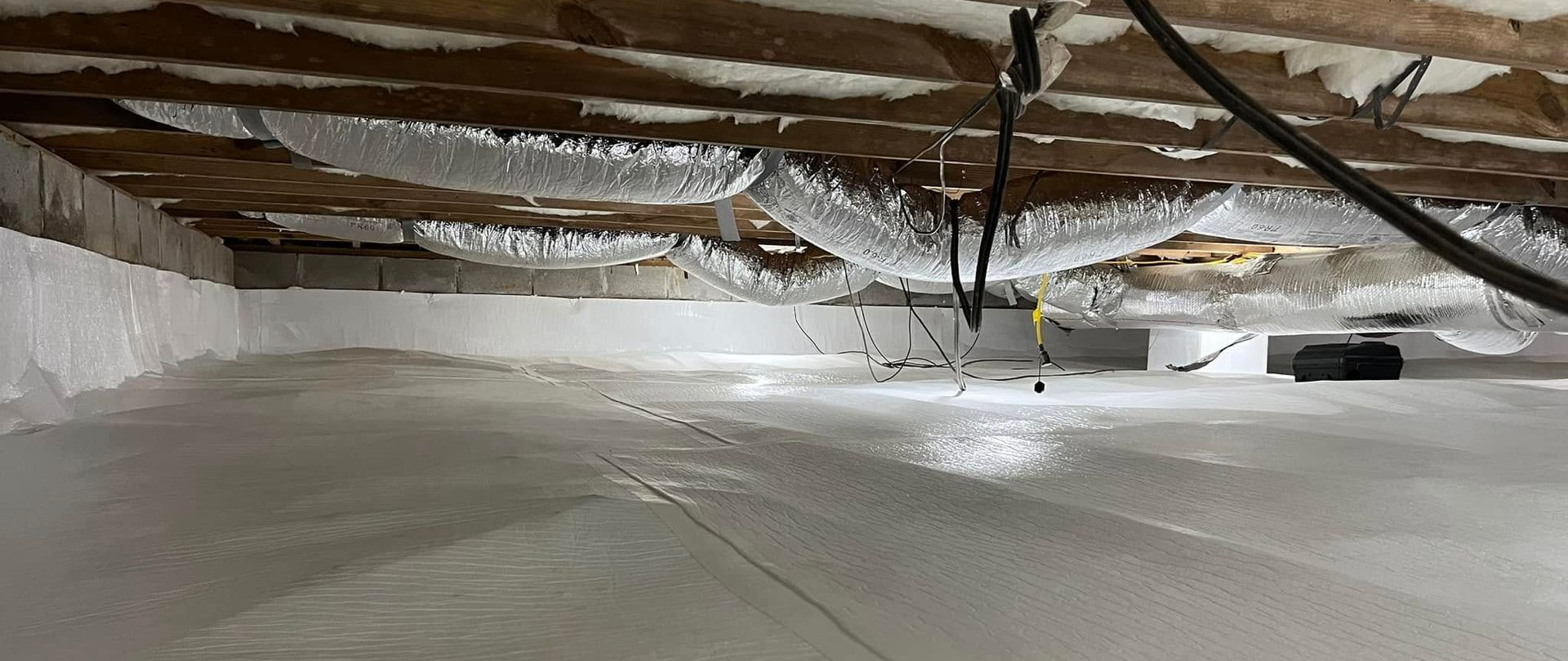
When you encapsulate your crawl space, you're controlling the moisture that causes all these other issues. You're protecting your insulation so it keeps doing its job. You're maintaining your HVAC efficiency. You're keeping the air in your home healthier.
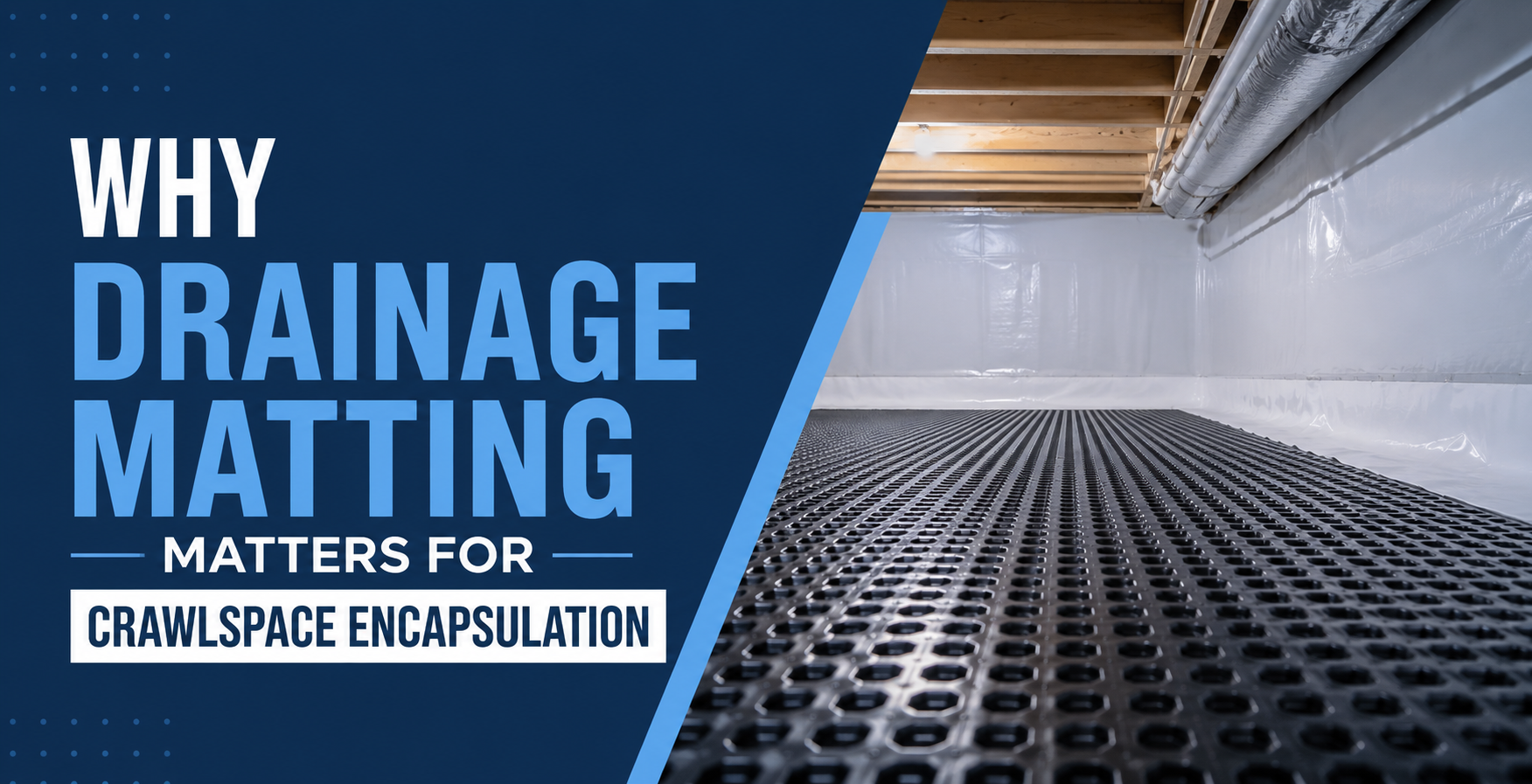
Add proper drainage and a sump pump where needed, and you've addressed the root cause of most crawl space problems. Yes, there's an upfront investment. But compare that to the cost of foundation repair or structural work down the road.
To me, it's a no-brainer. Spend money now on prevention, or spend a lot more money later on repairs.
Protect Your Home Before Problems Escalate
Don't wait until obvious problems force you to look at your crawl space. By then, you're dealing with repairs instead of prevention.
A professional winter inspection catches issues while they're still manageable. We know what to look for when the easy signs aren't there. We understand the patterns and what they mean for your home's future.
Whether you're in Maryville or the surrounding areas, we're here to help you protect your investment before small problems become expensive repairs.