Moving a House? Don't Let Bad Shimming Cost You Thousands Later
Why Relocated Homes Need Extra Attention to What's Underneath
A crawl space expert explains how moving shortcuts create long-term structural problems
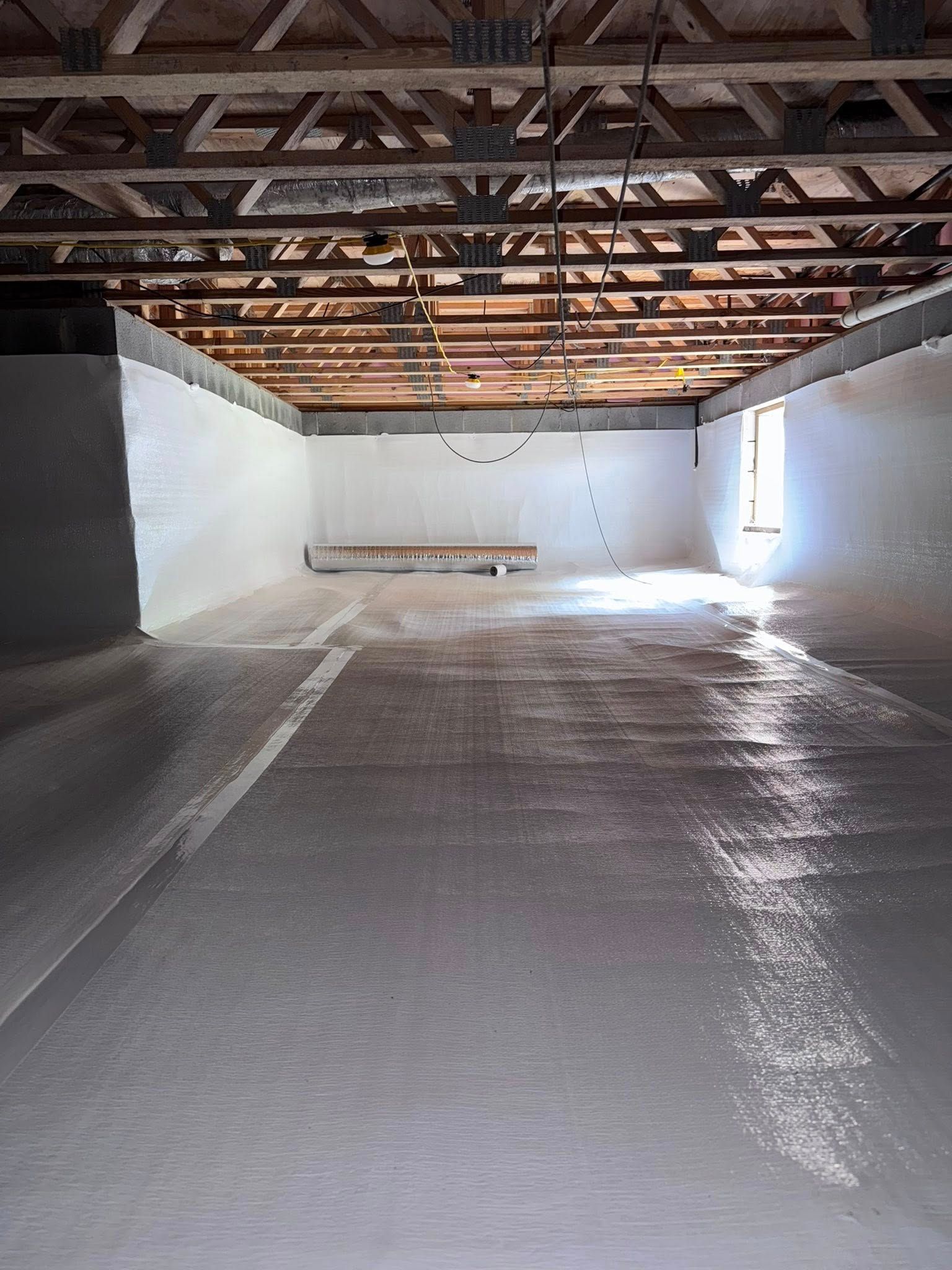
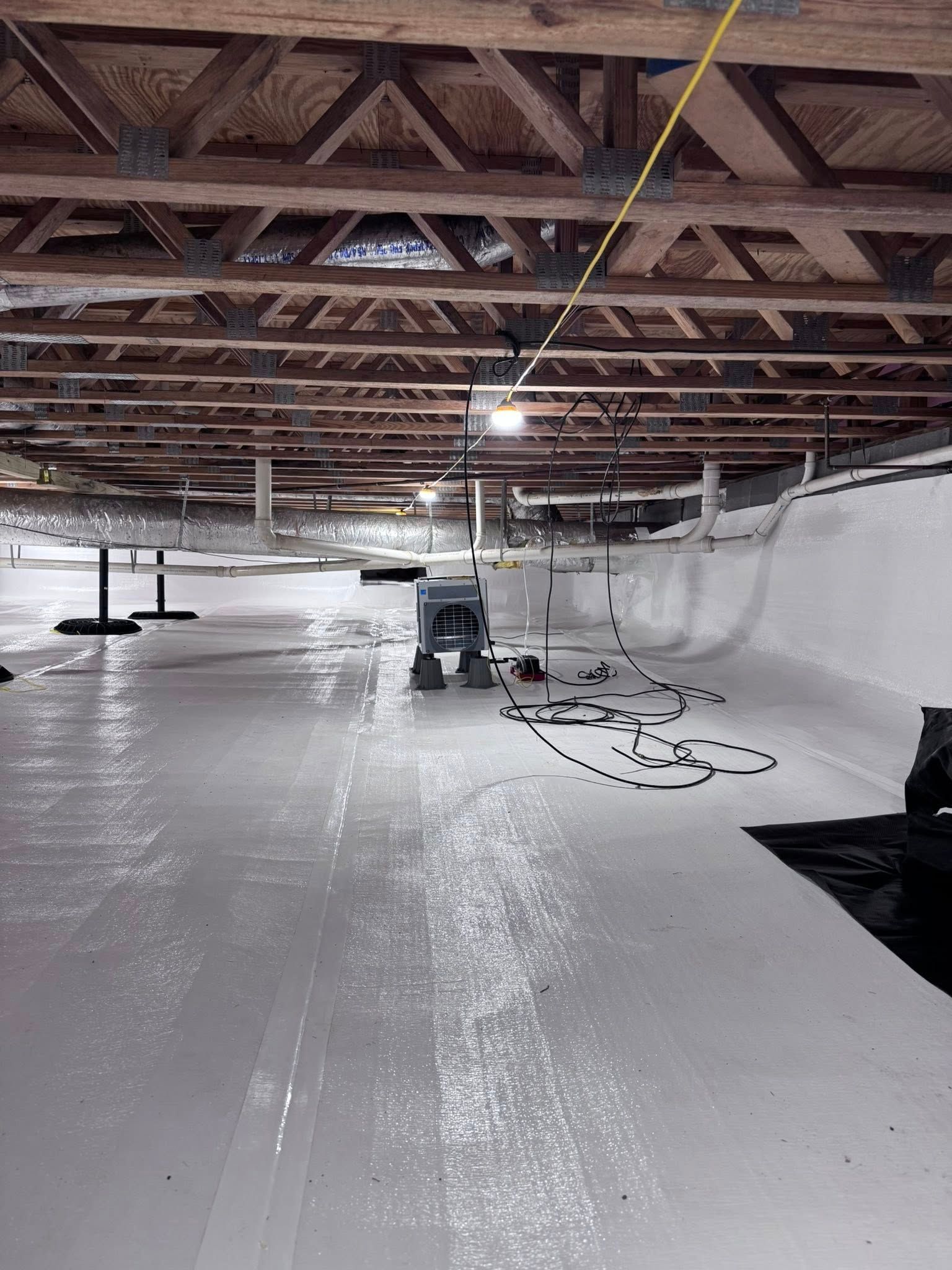
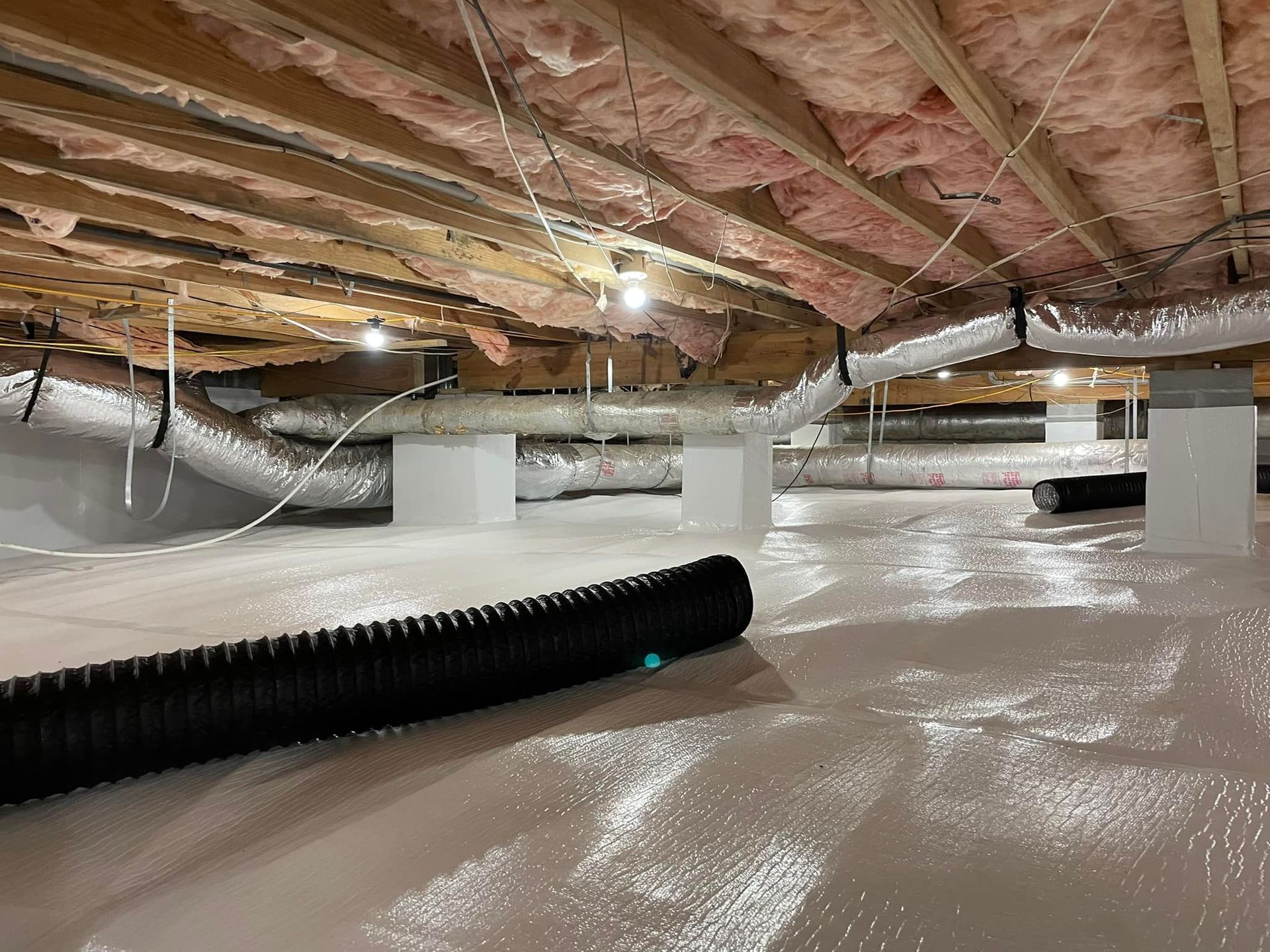
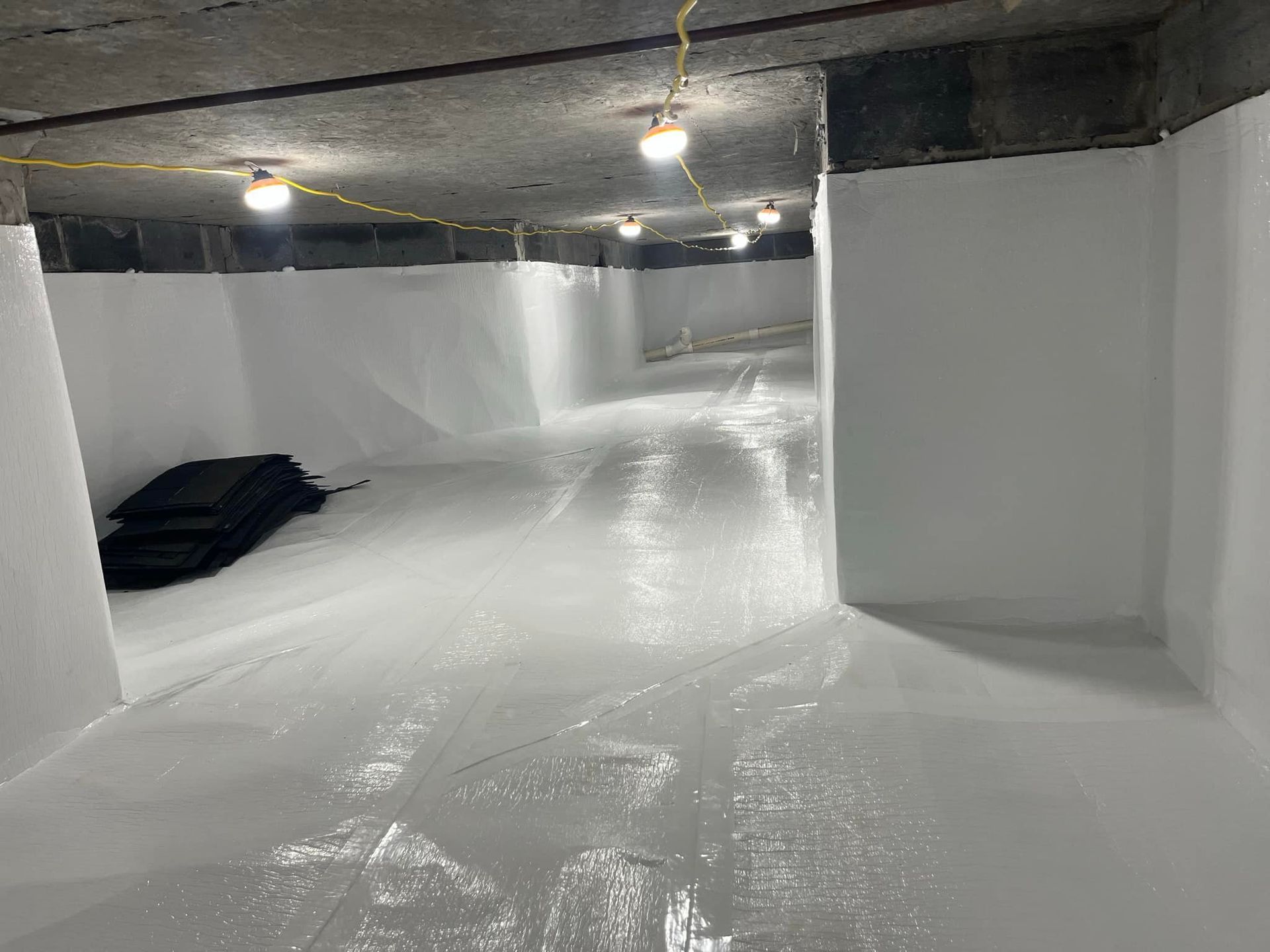
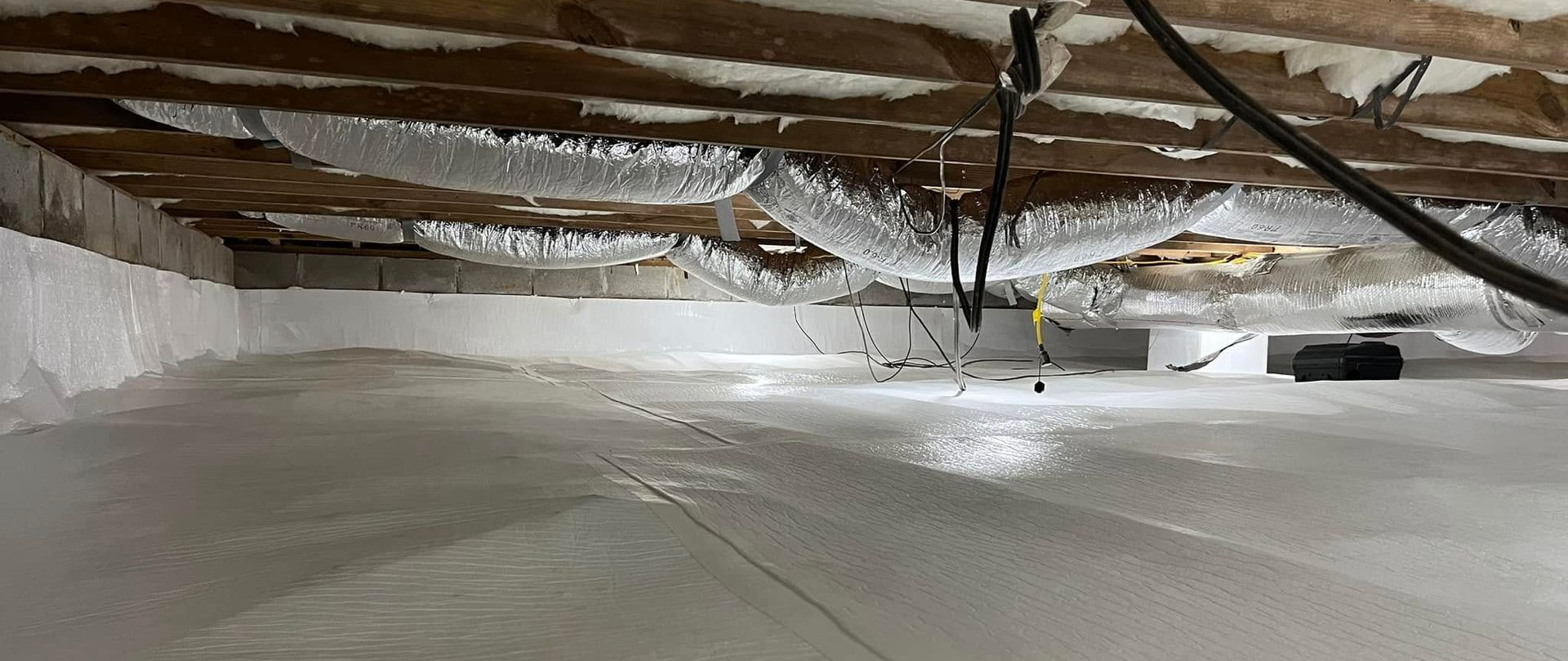
We just finished encapsulating a crawl space here in Knoxville, and what we found underneath tells a story I see too often with relocated homes.
When this house was moved to its current location, someone made a decision that seemed fine at the time but created real problems years later.
They shimmed the main beam with drywall.
Not treated lumber. Not metal. Drywall.
The homeowners called us because they were noticing settlement issues upstairs.
Uneven floors.
That sinking feeling when you walk across certain spots.
All signs pointing to problems in the crawl space.
Sure enough, those drywall shims had compressed over time.
What started as a quick fix during the move had turned into a structural concern that would definitely show up on any home inspection.
What Happens When Houses Take Shortcuts
Moving a house is a big job. There are dozens of details to manage, and sometimes in the rush to get everything done, people make choices that seem good enough in the moment.
The problem is, drywall was never designed to support structural weight. It's meant for walls and ceilings - not for bearing the load of your home's main beam. Over time, especially in a crawl space environment, it compresses and deteriorates.
Here's what happens: As the drywall breaks down, the beam it's supporting starts to settle. That settling transfers upstairs. Your floors become uneven. Doors stop closing right. You might even see cracks forming in your walls.
And the worst part? These issues get worse over time, not better. What could have been fixed properly during the move becomes a repair job years later when you're trying to sell or just want to enjoy your home without worrying about the floors.
The Right Way to Shim a Crawl Space
Not all shimming materials are created equal. The right choice depends on your crawl space conditions.
In a typical crawl space with moisture concerns, metal shims are the gold standard. They won't rot, they won't compress, and they handle moisture without breaking down.
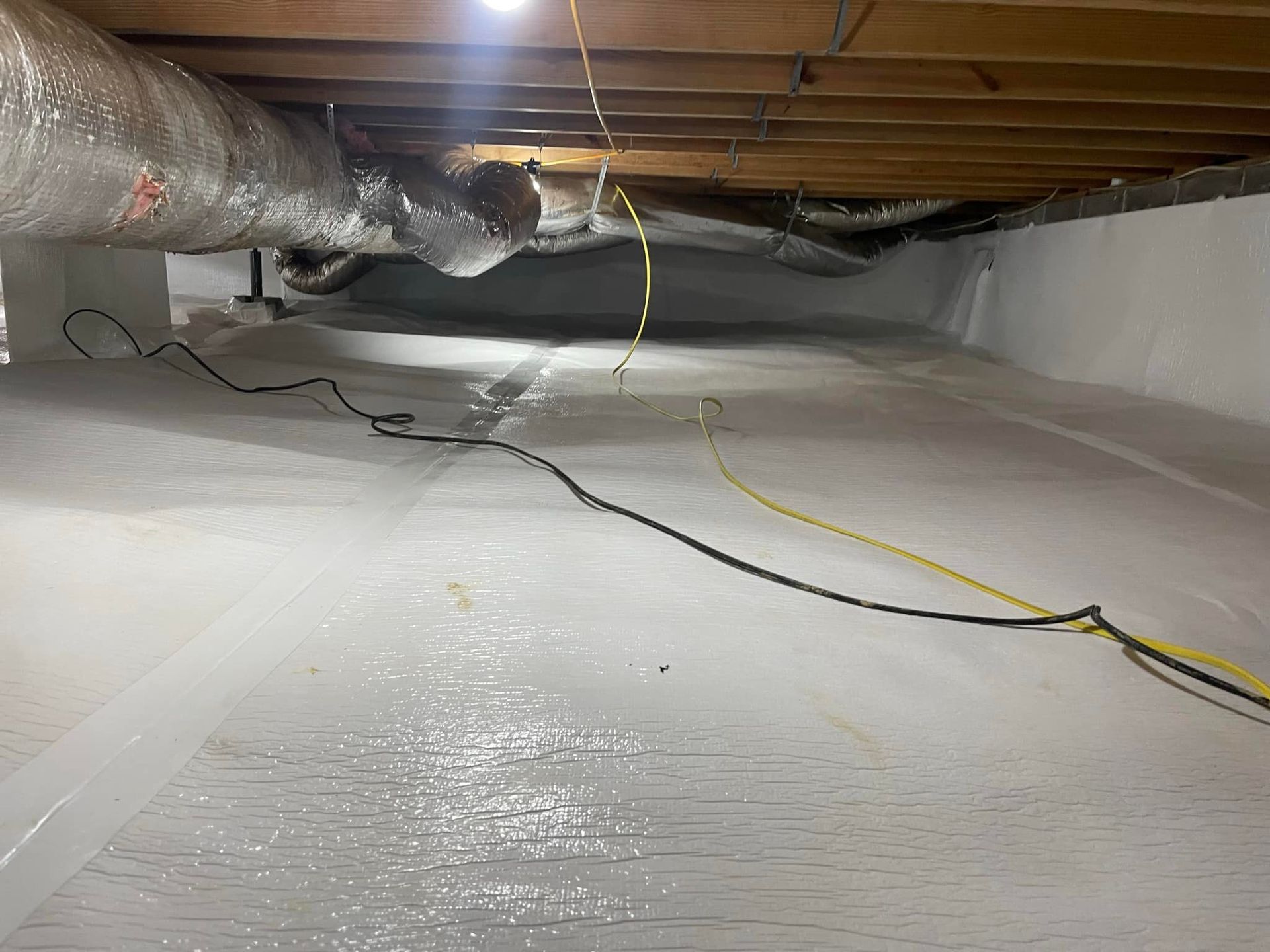
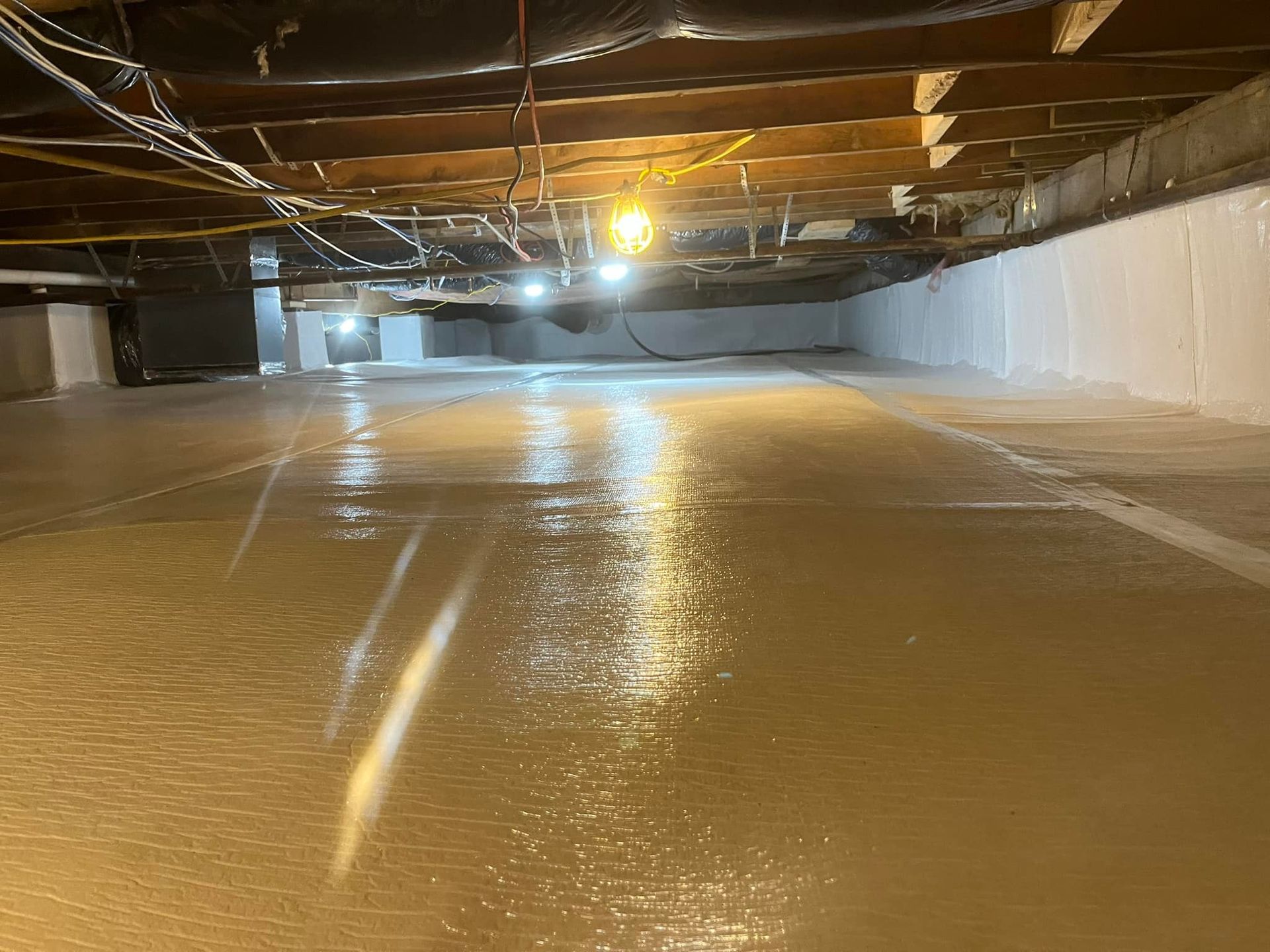
For encapsulated crawl spaces like this Knoxville home, treated lumber works perfectly. Once you've controlled the moisture and sealed the space properly, treated lumber provides solid, long-lasting support without the risk of rot or deterioration.
But drywall? It's never the right choice. It compresses under weight, absorbs moisture, and eventually fails. Using it as a shim is setting up problems down the road.
Signs Your Home Has Shimming Problems
Your house will tell you when something's wrong underneath. Here are the warning signs that point to crawl space shimming issues:
Floors that slope or feel uneven when you walk across them. This is usually the first sign homeowners notice.
Doors that suddenly won't close properly or stick in their frames. When your foundation shifts even slightly, door frames go out of square.
Cracks appearing in walls or ceilings, especially around door frames. These aren't just cosmetic - they're telling you something structural is happening.
Bouncy or soft spots when you walk across certain areas. If your floor feels like it's giving under your weight, the support structure below needs attention.
Any of these signs mean it's time to check what's happening in your crawl space.
Fixing It Before It Becomes a Deal-Breaker
The homeowners in this Knoxville project are thinking smart. They're addressing the shimming issue now, before they ever list the house for sale.
Home inspectors know what to look for. Uneven floors, settlement issues, improper shimming - these all show up in inspection reports. And when they do, buyers get nervous. Suddenly you're negotiating price reductions or watching deals fall through.
Getting structural issues fixed properly protects your investment. It means you can sell with confidence, knowing your home inspection won't reveal problems that scare off buyers.
Plus, you get to enjoy living in a home with solid, level floors. That's not nothing.
Get Your Crawl Space Inspected the Right Way
If your home was ever relocated, or if you're noticing any of those warning signs we talked about, don't wait to get your crawl space checked.
We specialize in structural inspections that go beyond the surface. We know what to look for in relocated homes, what materials should be used for proper support, and how to fix problems the right way.
Whether you're planning to sell or just want peace of mind that your home is structurally sound, a professional inspection can save you from expensive surprises down the road.