That White Stuff on Your Foundation Isn't Just a Stain - It's a Warning
What Efflorescence Tells You About Hidden Moisture Damage
A crawl space expert explains why that chalky residue means your foundation is under attack
I see it in almost every crawl space I inspect around Knoxville - that white, chalky residue on foundation walls.
Most homeowners notice it and figure it's just part of having a crawl space.
But that discoloration is actually telling you something important about what's happening to your foundation.
It's called efflorescence, and it's a sign that water is actively pushing through your foundation block.
The stain itself isn't the problem - it's what's left behind after water seeps through and evaporates.
Those white deposits are minerals that were carried in with the water.
If you see efflorescence on your foundation walls, it means moisture is getting in.
And where there's moisture, there's potential for serious damage.
How Water Gets Through Your Foundation
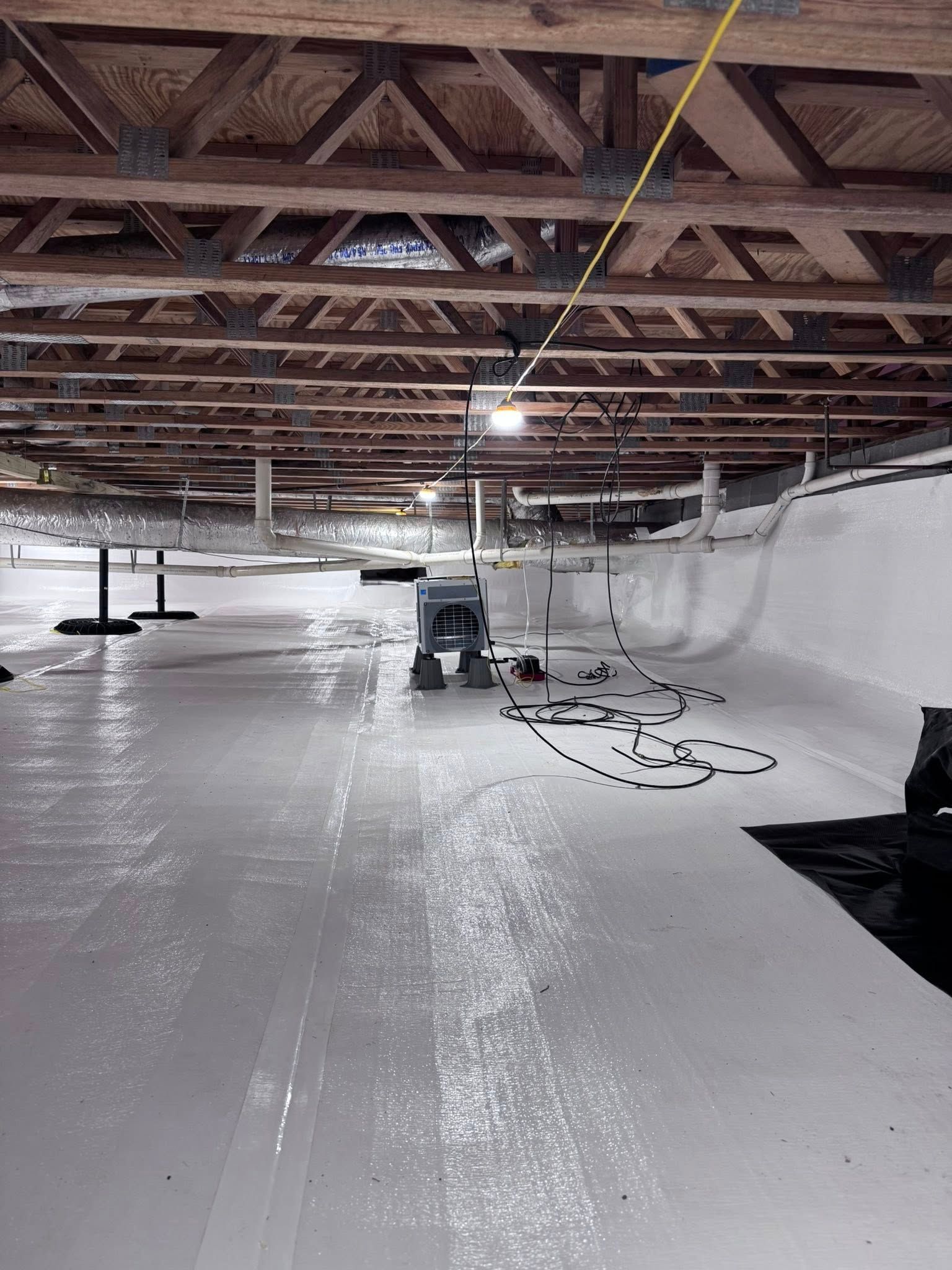
Here's what's happening: when the ground outside slopes toward your house, part of your foundation sits below grade. Every time it rains, water builds up in that soil and creates pressure against your foundation block - what we call hydrostatic pressure.
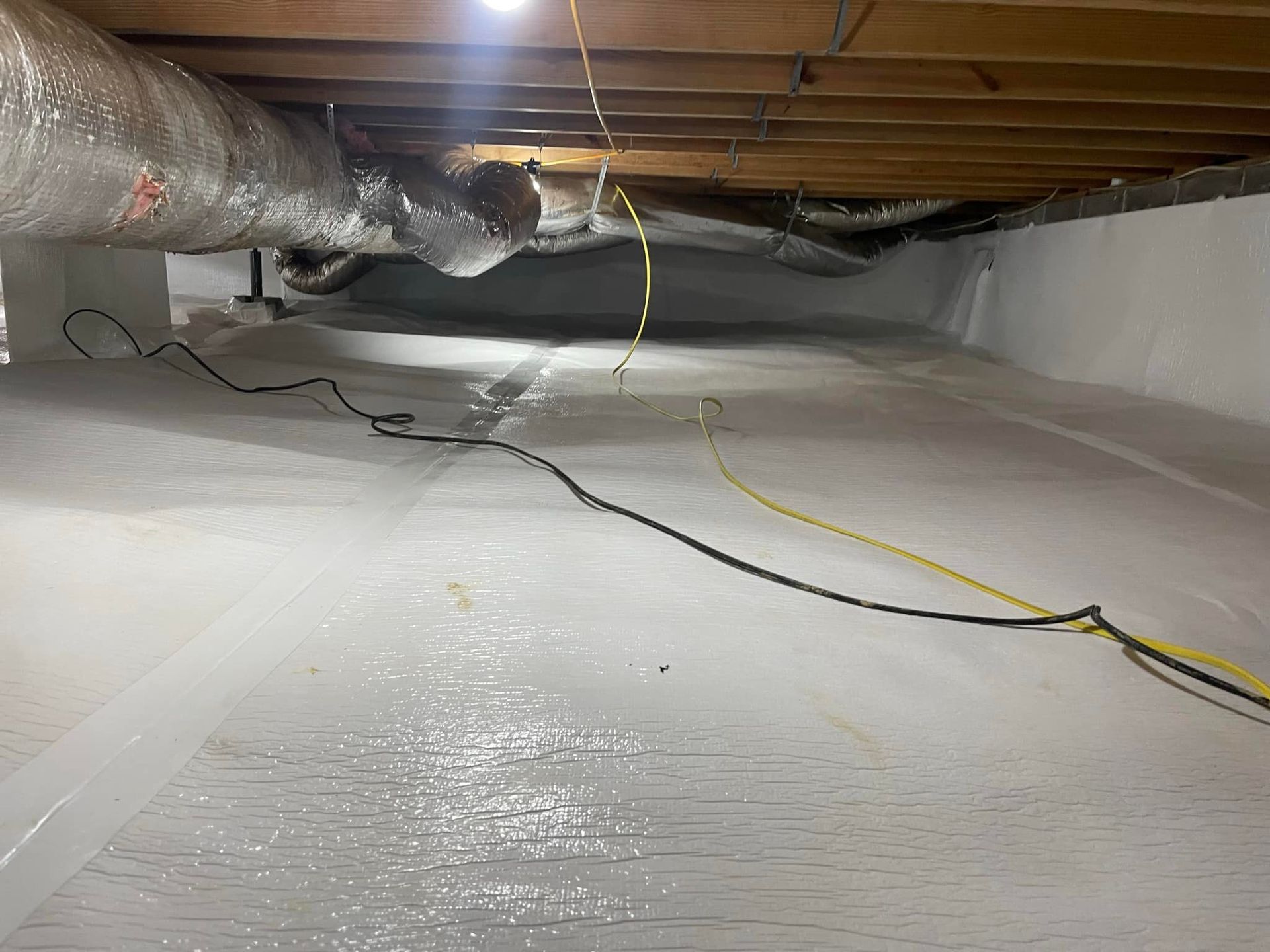
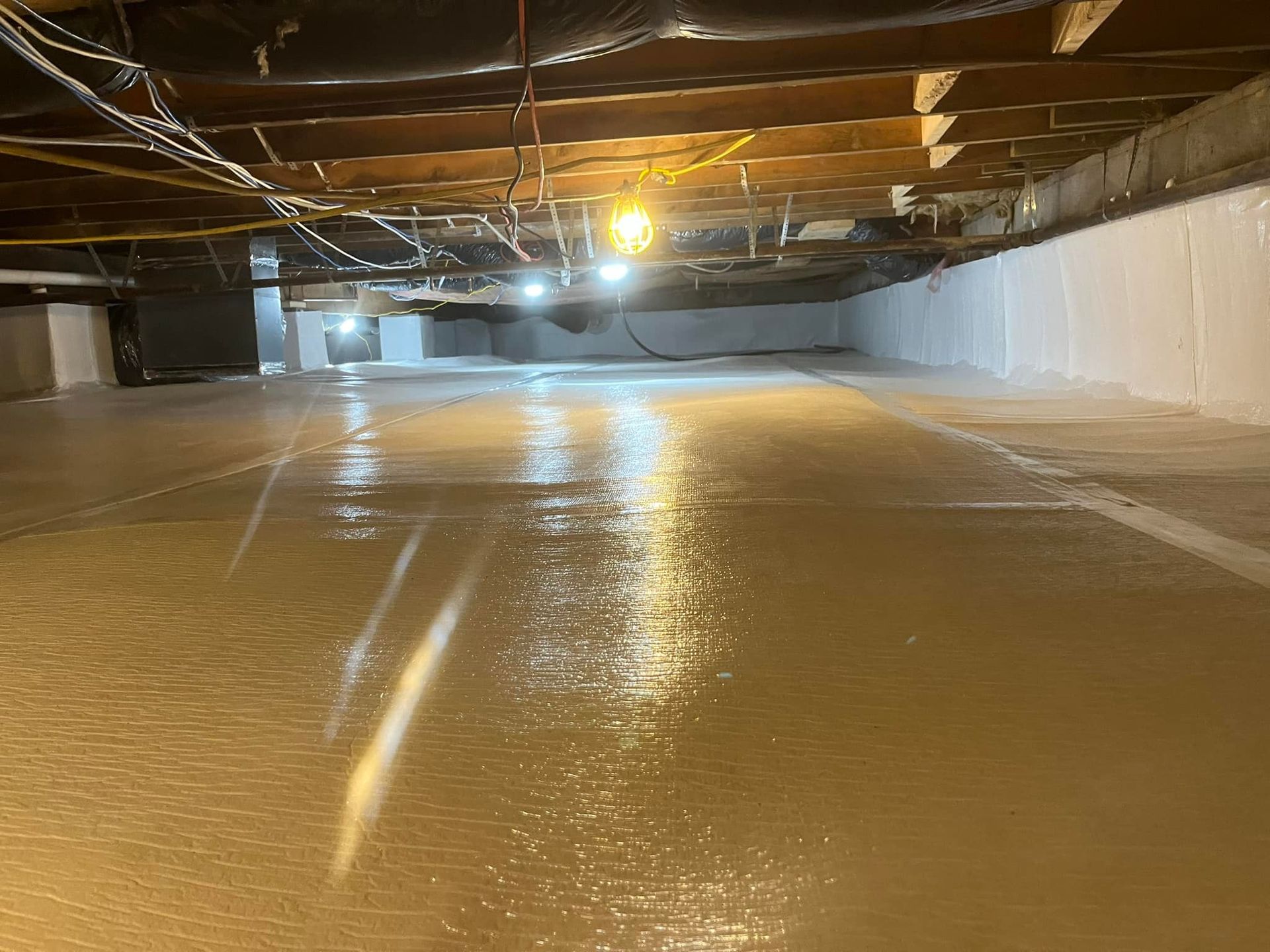
That pressure pushes water through the tiny pores in your foundation block. Sometimes you'll see puddles on your crawl space floor. But often, the water evaporates before it can pool. That's when you get efflorescence - proof that water made it through, even if you can't see it happening.
This is why you might have a serious moisture problem without ever seeing standing water in your crawl space.
The Real Danger Isn't What You See
Standing water gets attention because it's obvious. But the moisture you can't see - the humidity in your crawl space air - that's what does the most damage to your home.
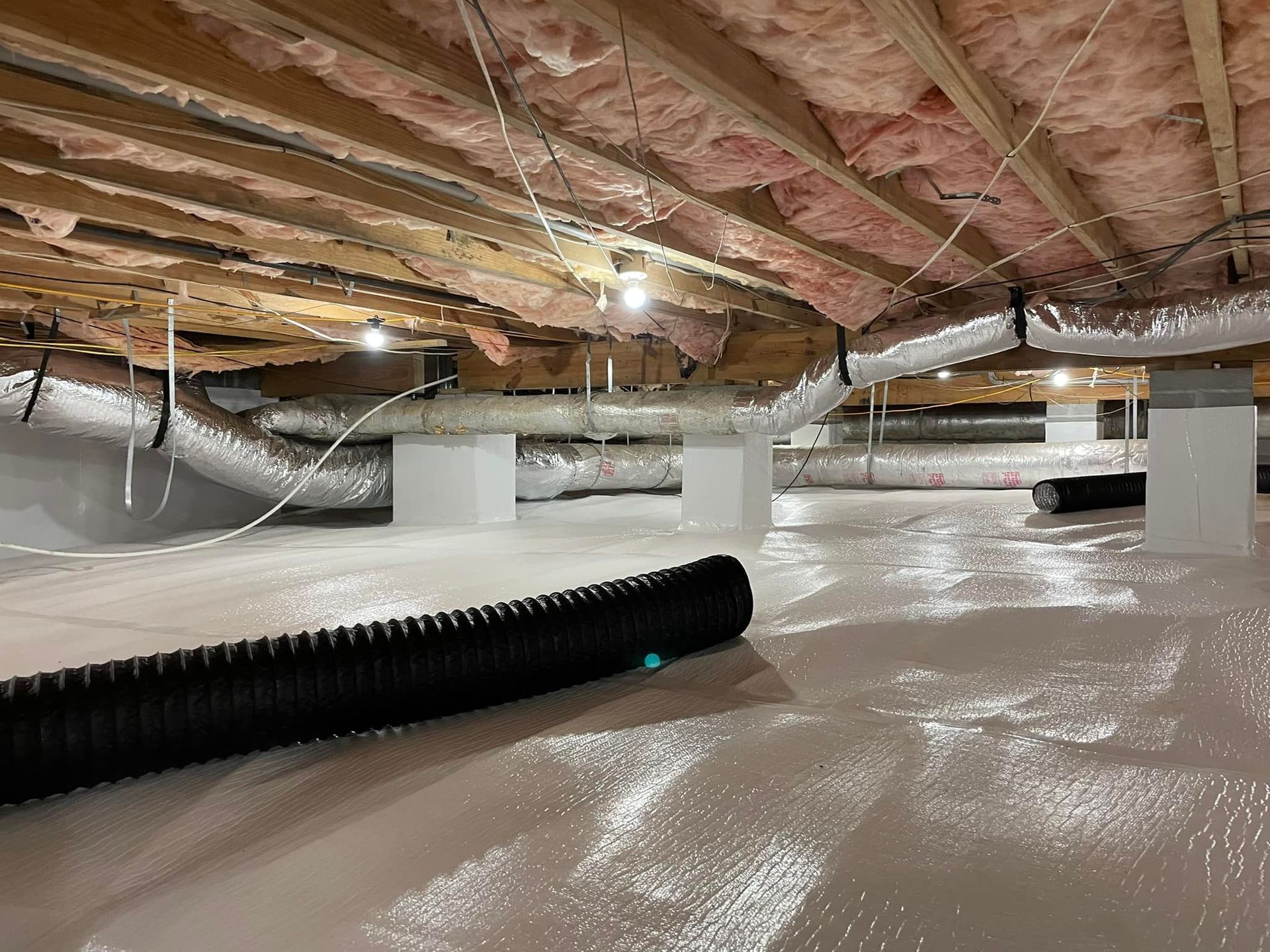
When water seeps through your foundation and evaporates, all that moisture loads up the air. High humidity is what causes wood decay, fungal growth, and structural issues like bowing or bouncing floors. It's also behind a lot of respiratory problems and allergy issues homeowners deal with without realizing the source.
And here's the kicker - humid crawl space air doesn't stay in your crawl space. It rises up through your home, affecting your indoor air quality and making your HVAC system work harder just to keep up.
Why This Matters for Your Knoxville Home
Living in Knoxville means dealing with specific challenges when it comes to foundation moisture. Our soil composition and the way many homes are graded make hydrostatic pressure a common issue around here.
Add in our rainfall patterns and humidity levels, and you've got the perfect conditions for moisture problems. That's why efflorescence shows up so often in local crawl spaces - our foundations are constantly dealing with water pressure from outside.
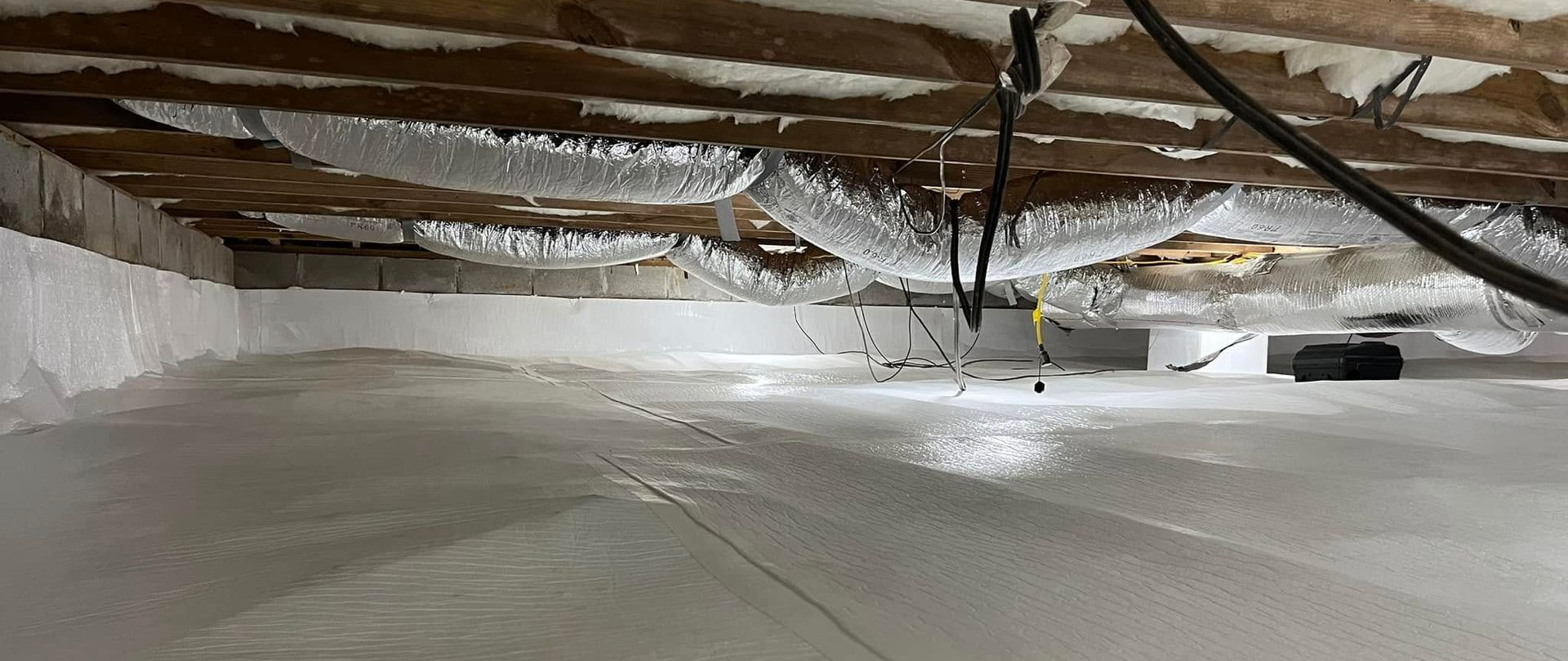
What to Look For During Your Next Crawl Space Check
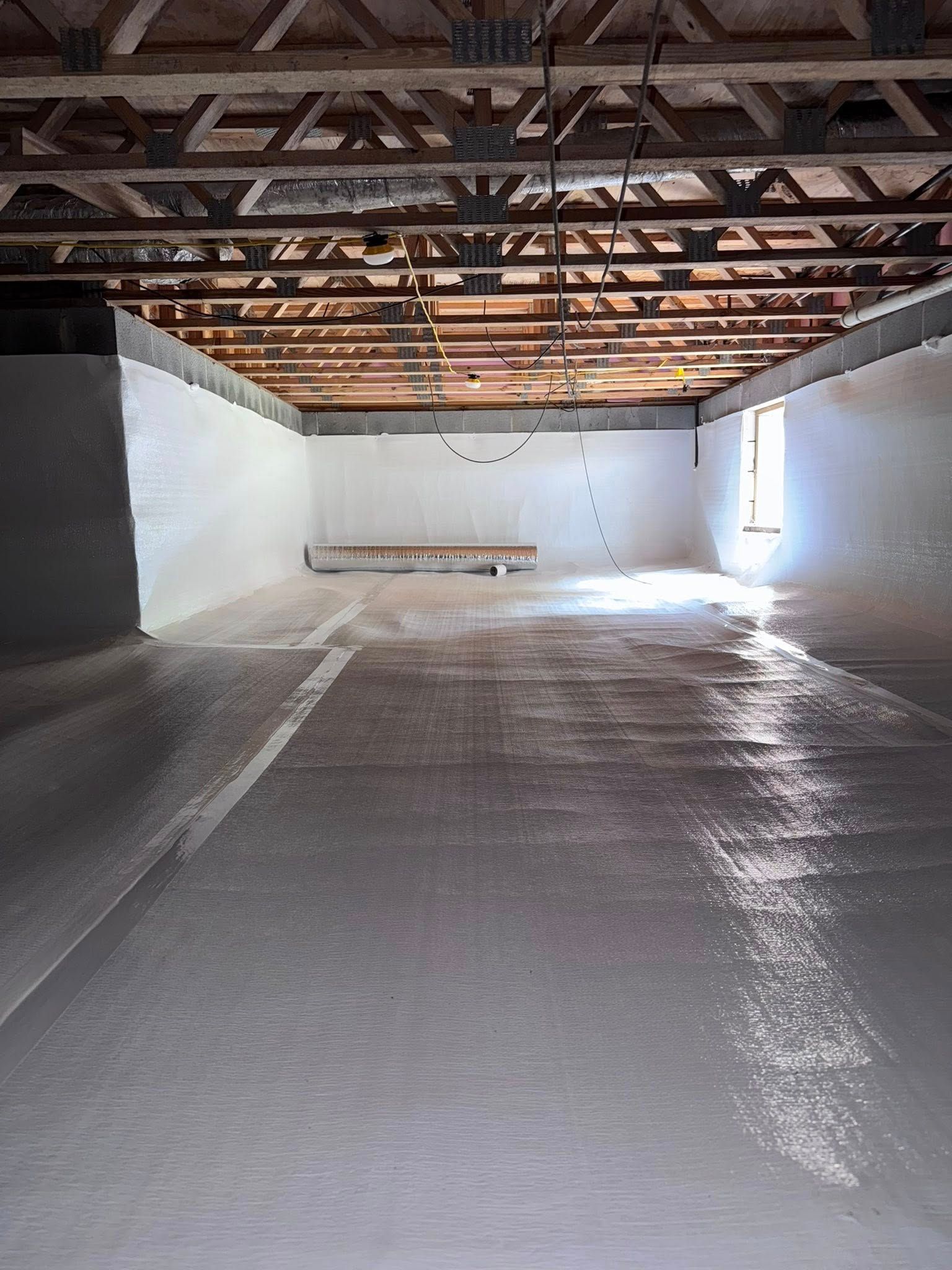
When you're checking your crawl space, efflorescence is one of the key warning signs to watch for. Look for white, chalky deposits on your foundation walls - especially along the lower portions that sit below grade.
But don't stop there. Check for musty smells, sagging insulation, or any signs of wood deterioration. Feel the air - if it's noticeably more humid than outside, you've got a moisture issue even without visible water.
If you spot any of these signs, it's time to call in a professional. Catching moisture problems early saves you thousands compared to waiting until the damage becomes obvious.
Protect Your Home Before Moisture Takes Its Toll
Look, efflorescence might seem like just a cosmetic issue. But now you know it's actually your foundation telling you that moisture is getting in and causing problems you can't see yet.
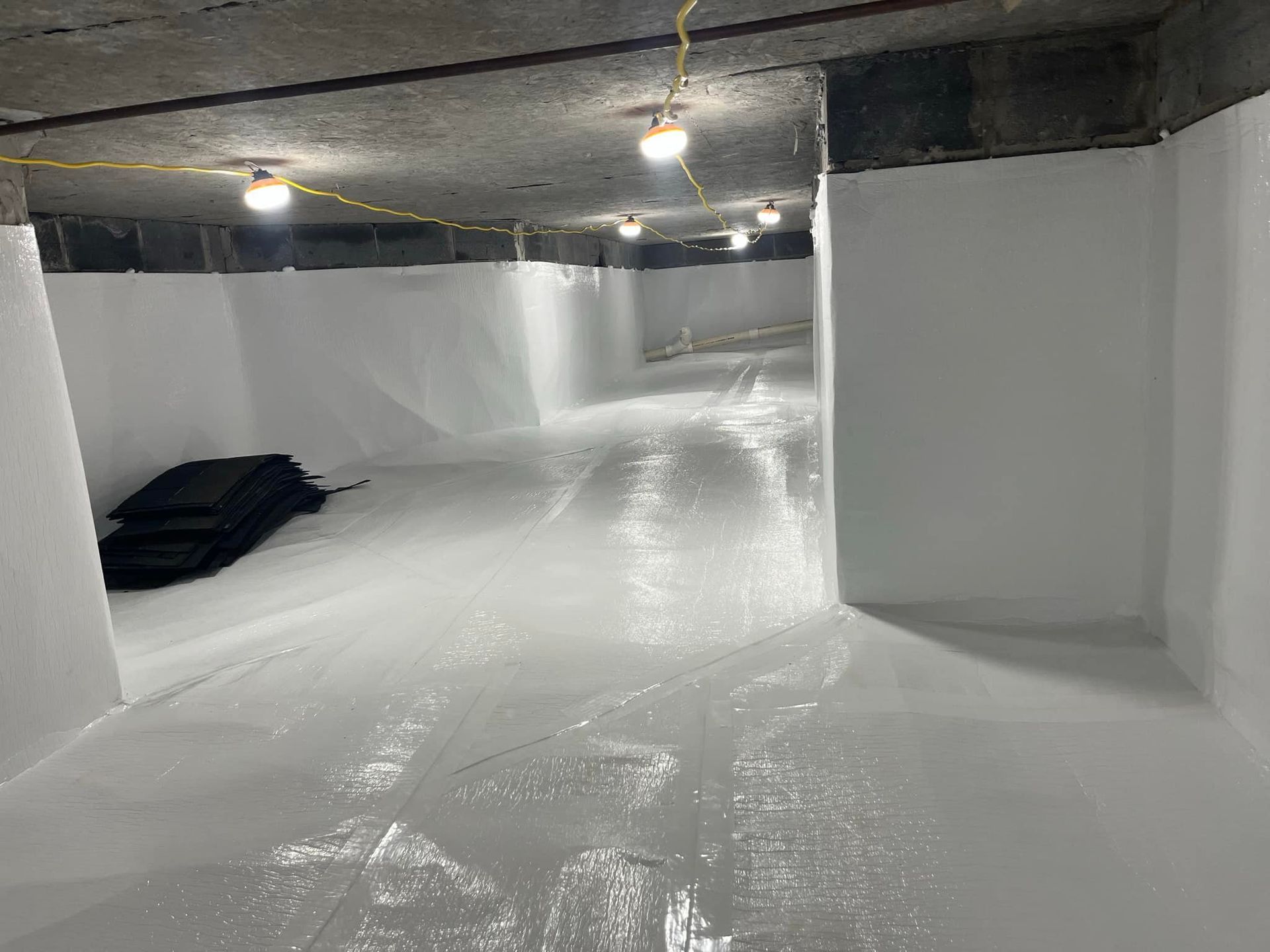
The good news is that catching these issues early makes all the difference. A professional crawl space inspection can identify exactly where moisture is entering, how severe the problem is, and what needs to be done to protect your home long-term.
Don't wait until you're dealing with structural damage or health issues. Get ahead of moisture problems before they get expensive.